
The Underrated California State Park That Deserves A Spot On Your Bucket List
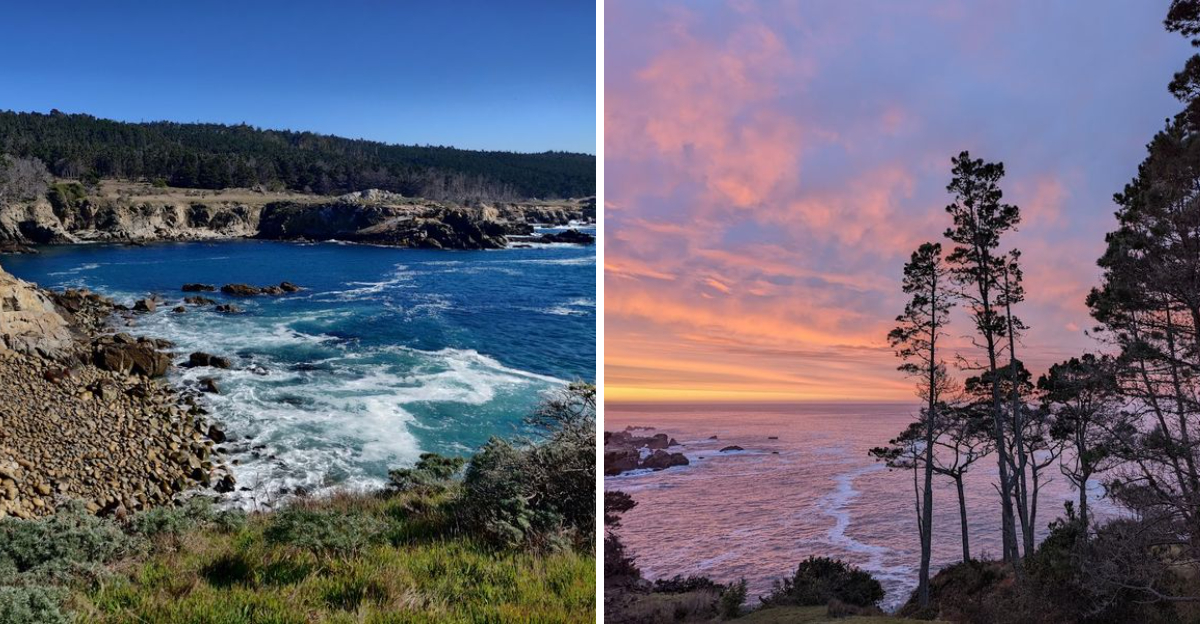
Wind-whipped cliffs, crashing Pacific waves, and tide pools sparkling at low tide set the scene for one of California’s most overlooked coastal escapes. Salt Point State Park stretches across 6,000 acres of rugged Sonoma County shoreline, blending dramatic ocean bluffs, ancient forests, and striking geological formations into one unforgettable landscape.
Many travelers cruise past on Highway 1, heading toward bigger-name destinations, but this park quietly delivers scenery that rivals California’s most celebrated spots. It’s a rare combination of natural beauty and breathing room, and a place that deserves far more attention than it gets.
Coastal Trails With Dramatic Ocean Views
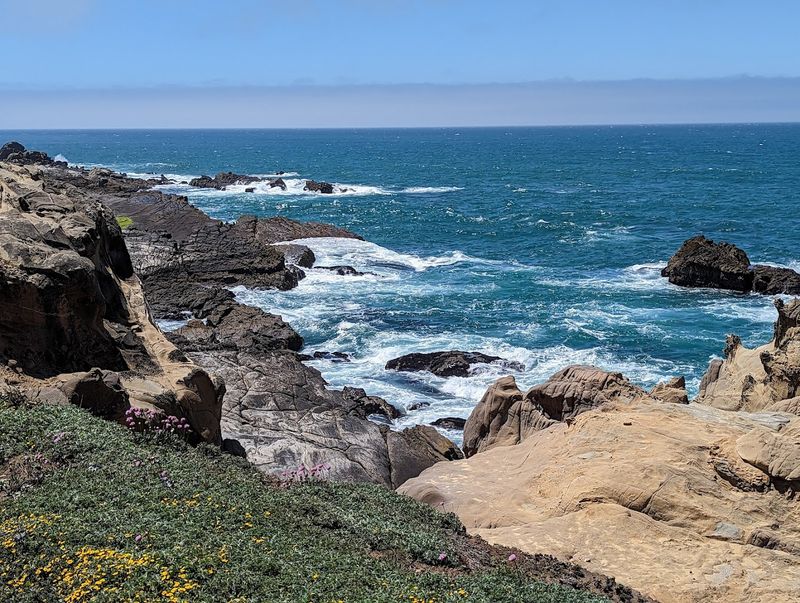
Trails wind along the bluffs at Salt Point with the kind of grandeur that makes you stop mid-stride. The paths hug the coastline for miles, offering unobstructed panoramas of the Pacific crashing against sculptural rock formations below.
Each turn reveals a new perspective, from sweeping views of the horizon to intimate glimpses of hidden coves carved into the sandstone.
The accessibility here stands out. Most routes remain relatively flat and well-maintained, making them suitable for hikers of varying abilities without sacrificing visual reward.
You can walk for hours without encountering the crowds that plague more famous California coastal trails.
Spring brings an additional layer of beauty when wildflowers blanket the clifftops in purple, yellow, and orange. The combination of floral color against blue ocean creates photography opportunities that require little effort to capture.
Morning light particularly enhances the textures of the rock formations, casting shadows that emphasize their honeycomb patterns and weathered surfaces.
Tide Pools Teeming With Marine Life
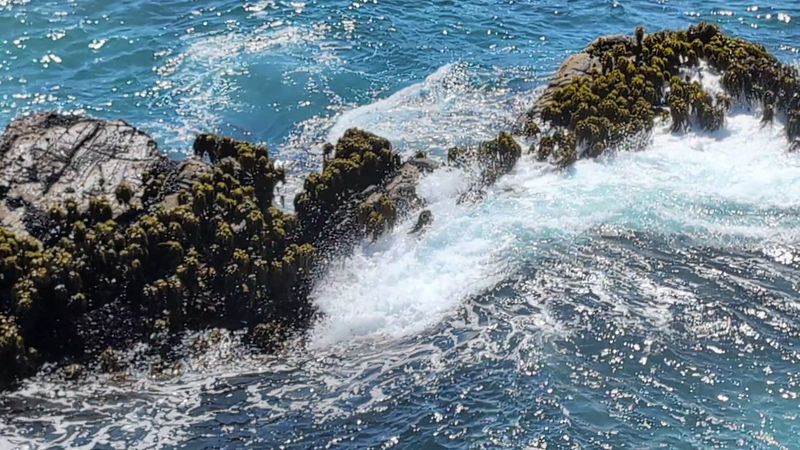
Timing your visit with low tide transforms the rocky shoreline into an aquarium without walls. The receding water exposes pools filled with anemones, sea stars, hermit crabs, and urchins going about their business in miniature ecosystems.
Children and adults alike find themselves kneeling on the rocks, faces inches from the water, watching these creatures interact.
The honeycomb pattern of the tafoni sandstone creates particularly interesting pool formations here. These weathered pockets trap water in varying depths, each hosting different species adapted to specific conditions.
Some pools remain calm and clear, perfect for observation, while others receive regular wave splash that keeps inhabitants alert.
Responsible exploration matters in these fragile environments. The park encourages looking without touching, as even gentle handling can stress these animals or disrupt their feeding.
Bringing a field guide helps identify species, turning a casual beach visit into an educational experience that deepens appreciation for coastal ecology.
Ancient Petrified Forest Stands Above The Shore
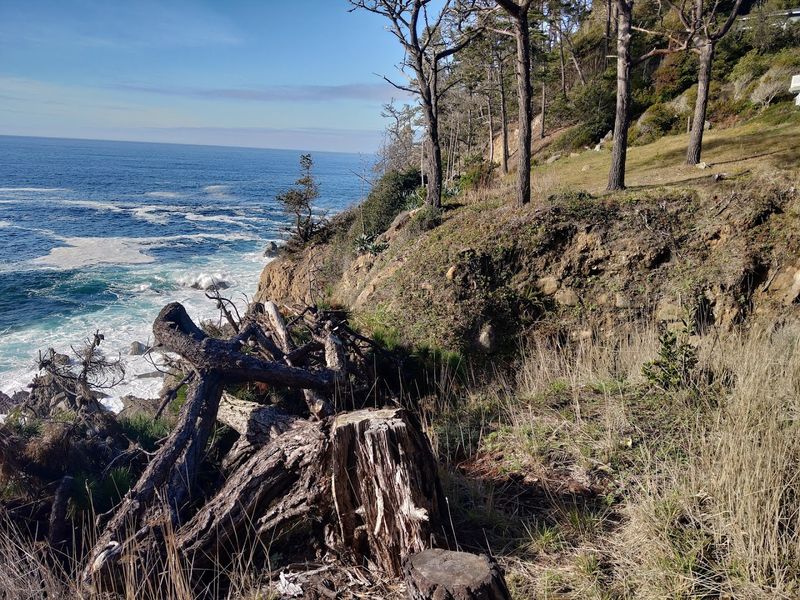
Geological history reveals itself in unexpected ways along this coastline. Fossilized tree stumps protrude from the cliffs, remnants of forests that stood here millions of years ago before volcanic activity preserved them in stone.
These petrified remains offer tangible connection to landscapes that existed long before humans walked California.
The contrast between ancient and modern vegetation creates fascinating visual juxtaposition. Living redwoods grow inland while their fossilized ancestors emerge from coastal rock, bridging vast stretches of time in a single view.
Geologists and casual visitors alike find these formations compelling, evidence of dramatic environmental changes written in stone.
Interpretive opportunities feel somewhat limited, as signage explaining these features remains sparse. Visitors willing to research beforehand or bring reference materials gain much more from the experience.
The formations themselves tell stories for those who know how to read them, documenting climate shifts, volcanic events, and the persistence of life through catastrophic change.
Quiet Beaches For Peaceful Beachcombing
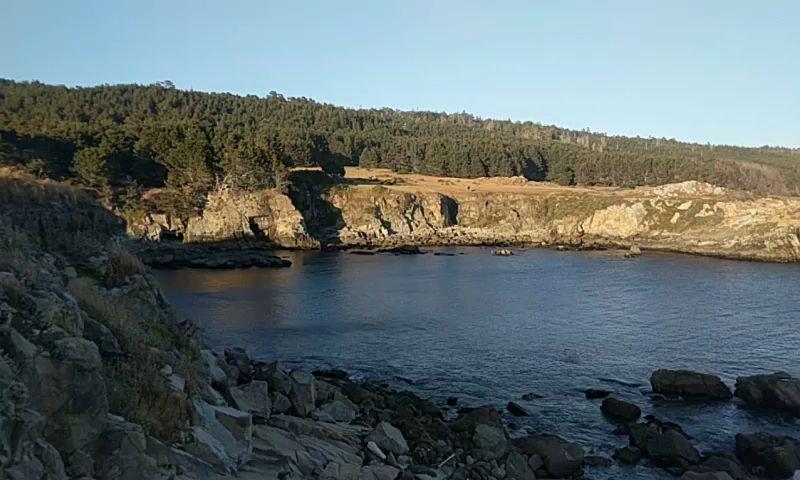
Stump Beach and other secluded coves offer the kind of solitude that has become rare along California’s coast. Reaching these spots requires a bit of effort, including some moderate scrambling down trails, which keeps casual visitors away and rewards those who make the journey.
The beaches themselves feel almost private, even during summer weekends.
Beachcombing here yields interesting finds beyond typical shells. Smooth stones polished by waves, driftwood sculpted into abstract forms, and occasional glass floats washed across the Pacific provide treasures for collectors.
The rocky substrate means sandy stretches appear in pockets rather than long expanses, creating intimate spaces perfect for quiet contemplation.
Wave action varies considerably depending on conditions and location within the park. Some coves experience dramatic surf that crashes against boulders with thunderous sound, while others remain relatively calm.
This variety lets visitors choose their experience based on mood, from meditative watching of gentle swells to exhilarating observation of storm-driven breakers.
Rich Birdwatching And Wildlife Opportunities
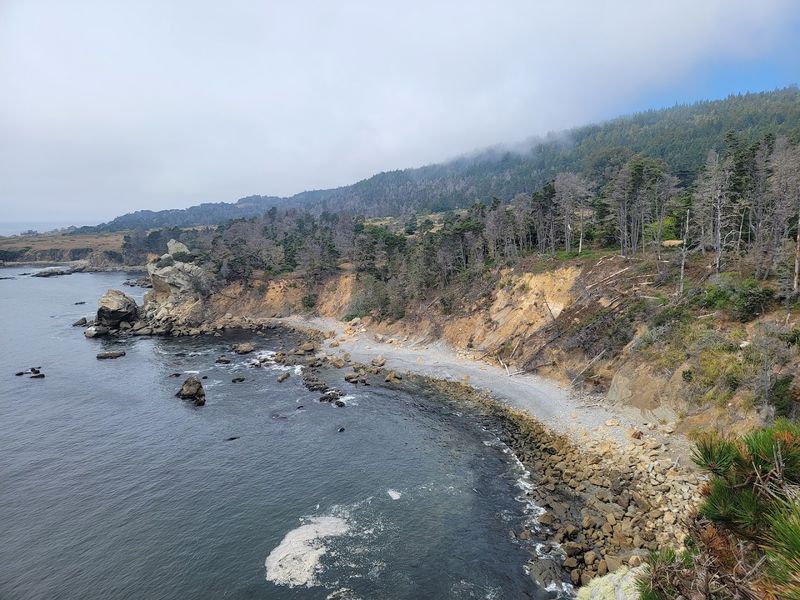
Updrafts along the bluffs create perfect conditions for raptors, which ride the air currents with minimal effort. Hawks, kites, and turkey vultures circle overhead throughout the day, sometimes at eye level for observers standing on clifftop trails.
Their effortless soaring demonstrates mastery of coastal winds, and patient watchers often spot hunting behaviors as birds scan the terrain below.
Marine mammals add another dimension to wildlife viewing here. Harbor seals haul out on offshore rocks, visible from multiple vantage points along the coast.
Sea lions occasionally appear in the surf, and lucky visitors during migration seasons might spot gray whales passing offshore. Binoculars transform these distant sightings into memorable encounters.
The transition zone between forest and coast supports diverse species beyond the obvious seabirds and marine life. Herons stalk through coastal wetlands, songbirds flit through the underbrush, and deer browse near treelines.
This ecological variety means every visit produces different sightings depending on season, time of day, and simple fortune.
Picnic Spots With Unobstructed Views
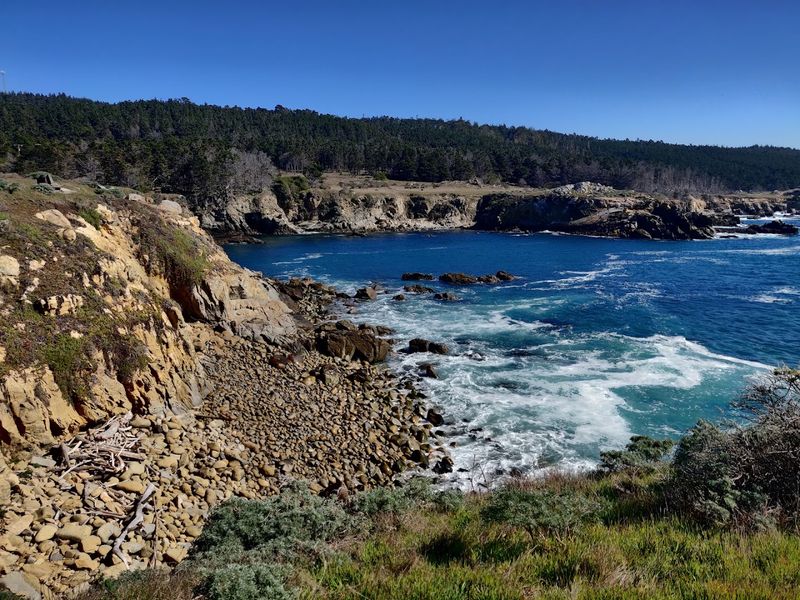
Designated picnic areas occupy some of the most scenic real estate in the park. Tables sit on grassy bluffs with nothing between diners and the horizon except air and view.
Bringing lunch here transforms a simple meal into an experience, with the sound of waves providing better ambiance than any restaurant could engineer.
The facilities remain basic but adequate, with tables in reasonable condition and trash receptacles nearby. This simplicity suits the setting perfectly, avoiding the over-development that can diminish natural beauty.
On busy days these spots fill quickly, but the park’s size means alternatives exist for those willing to explore.
Weather considerations matter more here than at inland picnic grounds. Coastal winds can be brisk, particularly during afternoon hours when thermal differences drive air movement.
Bringing layers and securing lightweight items prevents frustration. The same winds that challenge picnickers also clear the air to crystalline clarity, enhancing views and making the minor inconvenience worthwhile for the visual reward.
Redwood Forest Trails Offer Shaded Hikes
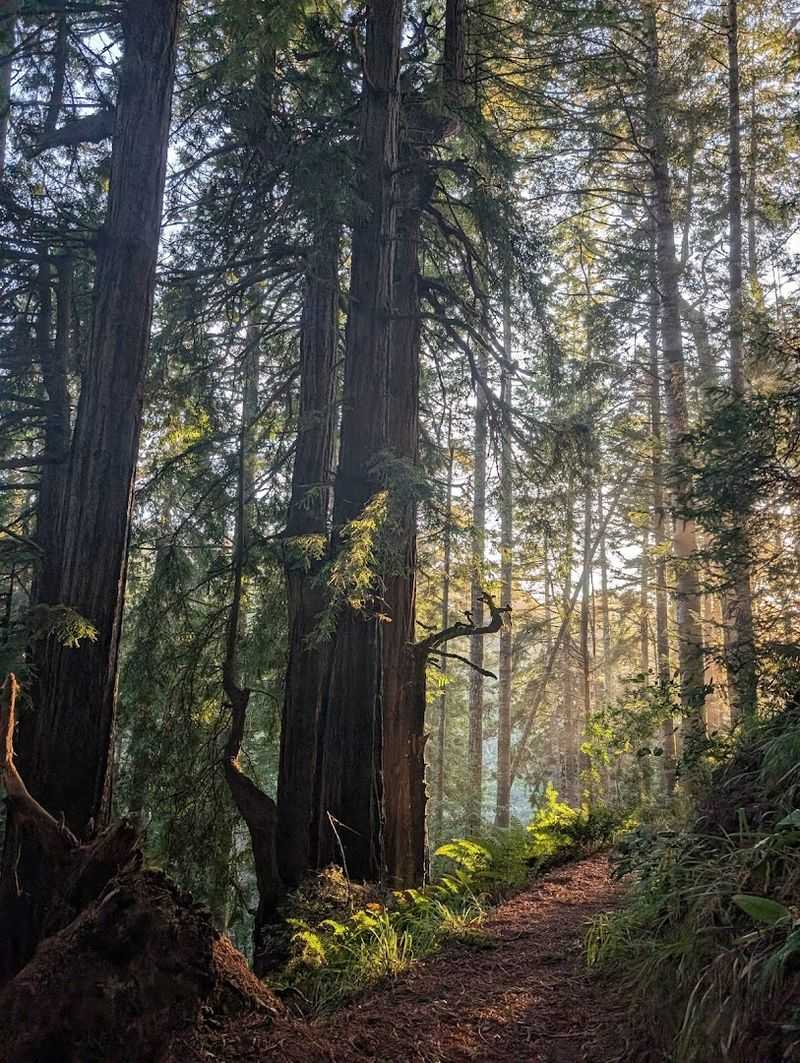
Moving inland from the coast, the landscape shifts dramatically into redwood groves that provide cool refuge from sun and wind. These trails wind through first-growth forest where trees tower overhead, their canopy filtering light into soft green tones.
The temperature drops noticeably under this cover, and the forest floor supports different plant communities than the exposed bluffs.
The nearby Kruse Rhododendron Reserve extends the forest experience with spectacular spring blooms. Wild rhododendrons burst into pink and purple flowers, creating color displays that rival any cultivated garden.
Combined with the redwoods, these flowering shrubs demonstrate the botanical diversity that thrives in this coastal climate.
Trail conditions in the forest differ from coastal routes, with more elevation change and occasional muddy sections after rain. The effort required remains moderate rather than strenuous, suitable for most hikers willing to watch their footing.
The contrast between forest and coast hiking within a single park visit showcases the environmental variety packed into this relatively compact area.
Scuba Diving And Snorkeling In Clear Waters
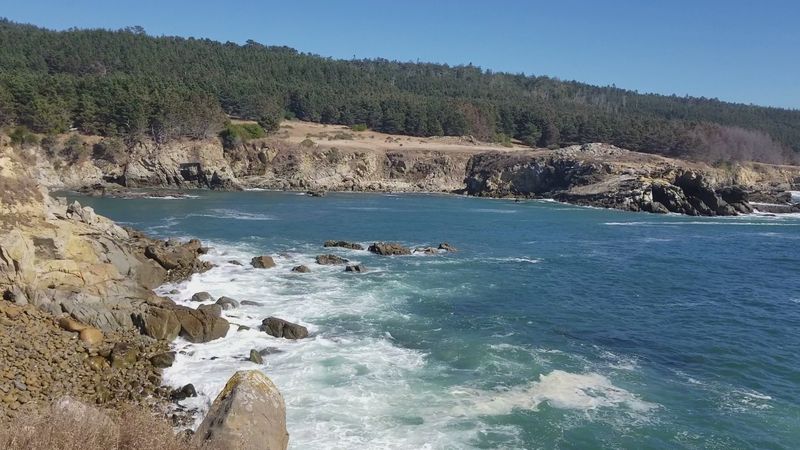
Below the waterline, Salt Point protects California’s first underwater park, established in 1971. The reserve status means marine life thrives without fishing pressure, creating exceptionally rich diving opportunities.
Kelp forests sway in the current, fish school in impressive numbers, and invertebrates cover every surface in colors that surprise those expecting gray ocean floors.
Conditions demand respect and preparation. Water temperatures remain cold year-round, requiring appropriate exposure protection even during summer.
Currents can be significant, and visibility varies with season and recent weather. Experienced divers find these challenges manageable and worthwhile for the quality of underwater encounters available.
Shore access for divers exists at several locations within the park, though entry and exit through surf zones requires skill and timing. The rocky substrate that creates dramatic above-water scenery continues below the surface, forming complex habitats that support remarkable biodiversity.
Underwater photography particularly flourishes here, with subjects ranging from tiny nudibranchs to schools of rockfish against kelp backdrops.
Sunset Photography Perfected On The Bluffs
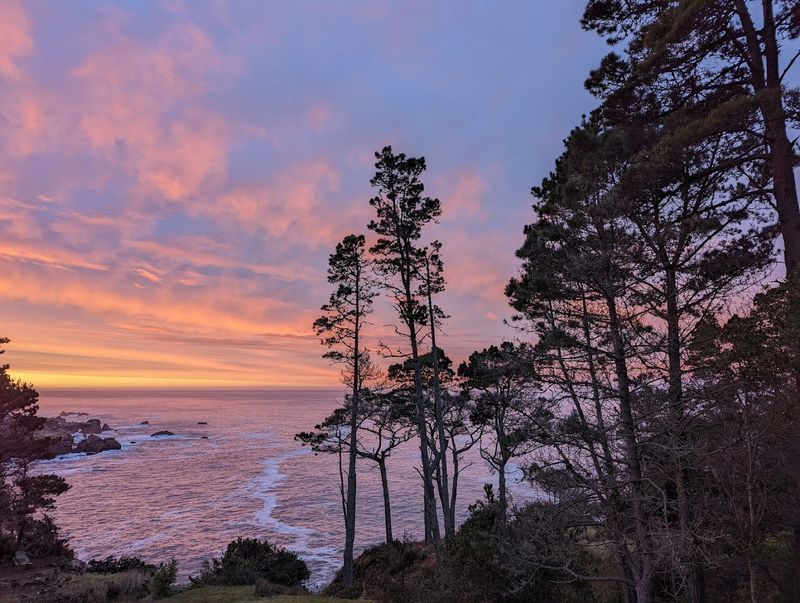
Light transforms this coastline during the final hours before darkness. The setting sun illuminates rock formations from angles that emphasize their sculptural qualities, casting long shadows and painting surfaces in warm tones.
Photographers arrive early to claim prime positions, though the park offers enough viewpoints that crowding rarely becomes problematic.
September through October provides particularly favorable conditions, with clearer skies and comfortable temperatures that make waiting for the perfect shot more pleasant. The absence of summer fog means more reliable sunset visibility, though dramatic weather can produce equally compelling images when clouds catch the light.
Technical considerations include managing high contrast between bright sky and shadowed foreground. The dramatic scenery practically composes itself, leaving photographers free to focus on exposure and timing.
Even smartphone cameras capture impressive results here, though serious photographers appreciate the opportunity to work with challenging light and dynamic subject matter. The rocks, waves, and sky combine into images that need little enhancement beyond basic processing.
Camping Steps Away From The Sea
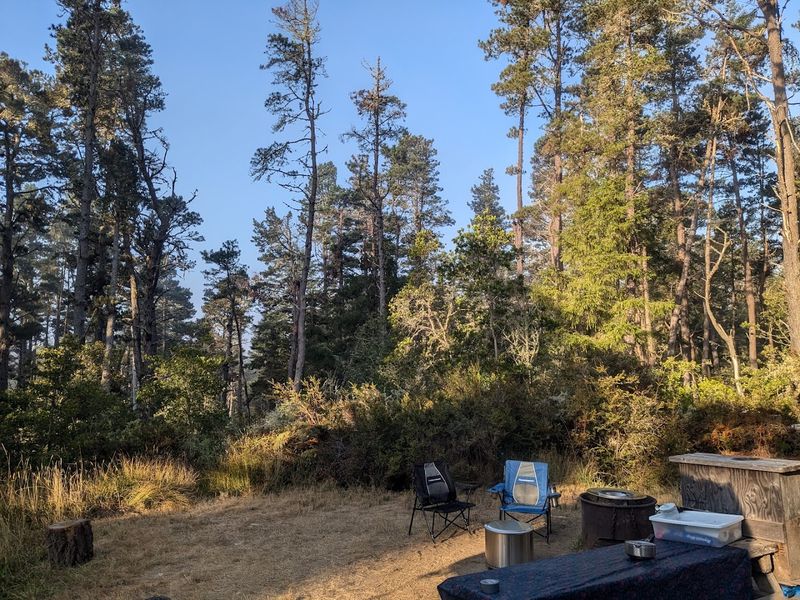
Gerstle Cove and Woodside campgrounds place visitors within sound of the surf for extended stays. Sites vary in size and amenities, accommodating both tent campers and RVs up to moderate lengths.
The proximity to both ocean and forest means campers can explore diverse environments without breaking camp, making this an ideal base for multi-day visits.
Facilities meet basic needs without excessive development. Flush toilets and potable water exist at most locations during operating season, though winter closures affect some amenities.
The sites themselves offer reasonable privacy given the coastal location, with vegetation screening neighbors in most cases. Reviews consistently praise the cleanliness and maintenance despite the remote setting.
Reservations become essential during peak season, as the combination of location and quality fills sites quickly. The park operates from spring through fall, closing during winter months when weather becomes less predictable.
Campers willing to visit during shoulder seasons often enjoy the best conditions, with fewer crowds and pleasant temperatures perfect for both beach and forest exploration.