
10 Pennsylvania Towns Where Nature And Quiet Streets Take Center Stage
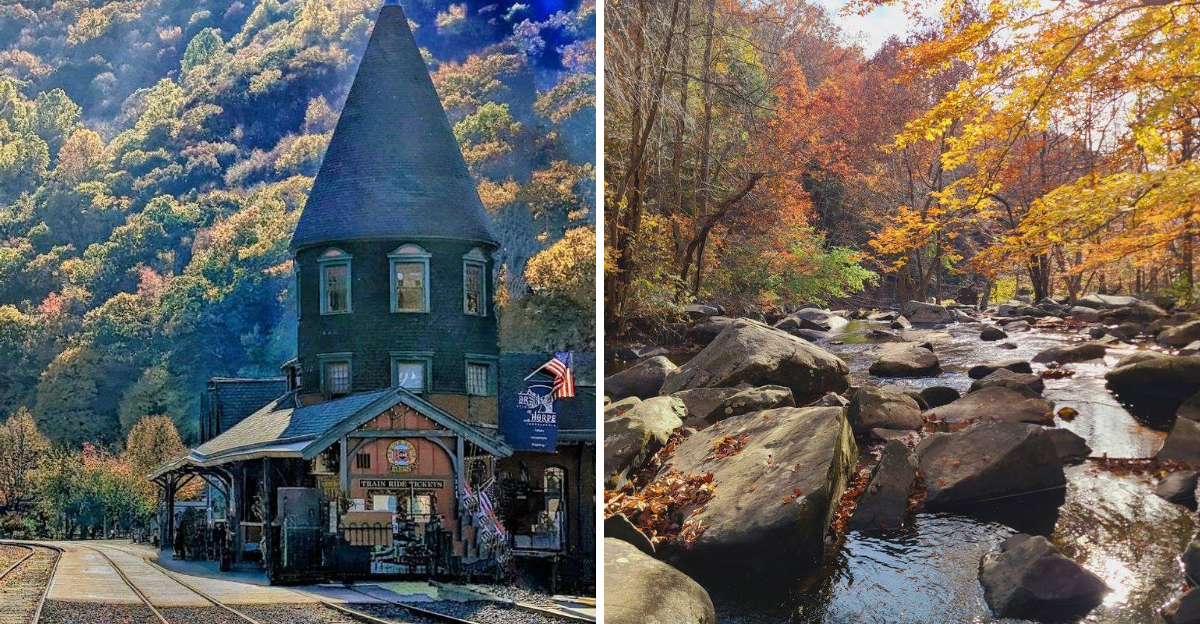
Pennsylvania hides some of the most peaceful places you can imagine, far from the noise and rush of city life. Small towns across the state offer tree-lined streets, mountain views, and a slower pace that feels like stepping back in time.
If you’re craving fresh air, friendly neighbors, and the kind of quiet that lets you actually hear birds singing, these ten towns deliver exactly that. Each one has its own personality, but they all share something special: a deep connection to nature and a community that values simplicity over speed.
1. Eagles Mere
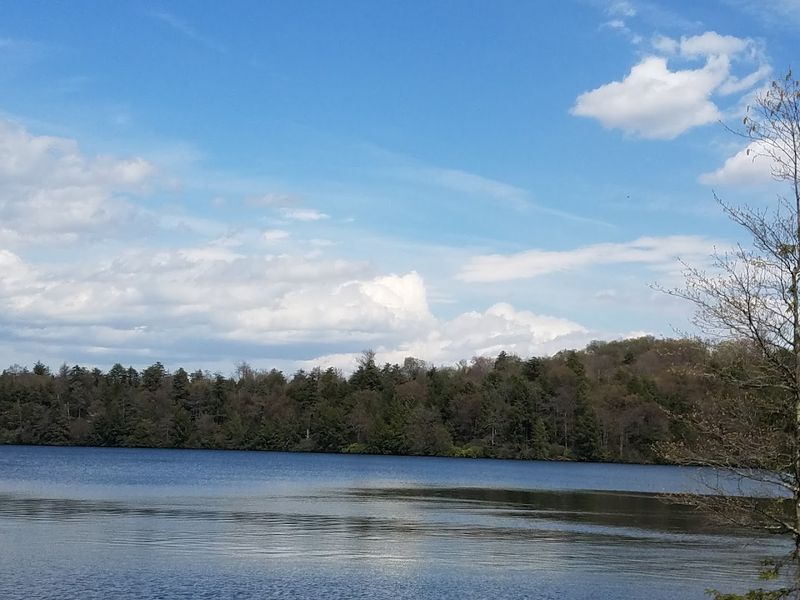
Perched high in the Endless Mountains, Eagles Mere feels like a secret the locals have been keeping for generations. The town wraps around a pristine glacial lake that sparkles under the sun and turns misty at dawn.
You won’t find chain stores or traffic lights here, just winding roads that lead through towering hemlocks and past century-old cottages.
Summer brings families who’ve been visiting for decades, drawn by the cool mountain air and the chance to canoe across glassy water. Winter transforms the landscape into a snow globe scene, perfect for cross-country skiing or just watching snowflakes drift past your window.
The town maintains strict building codes that preserve its Victorian charm.
Local shops sell homemade fudge and handcrafted souvenirs, while the historic Crestmont Inn serves meals that taste like your grandmother’s cooking. Walking trails branch out in every direction, leading to waterfalls and overlooks where you can see for miles.
Eagles Mere doesn’t try to be anything other than what it is: a mountain retreat where nature takes priority and quiet streets invite evening strolls under star-filled skies.
2. Jim Thorpe
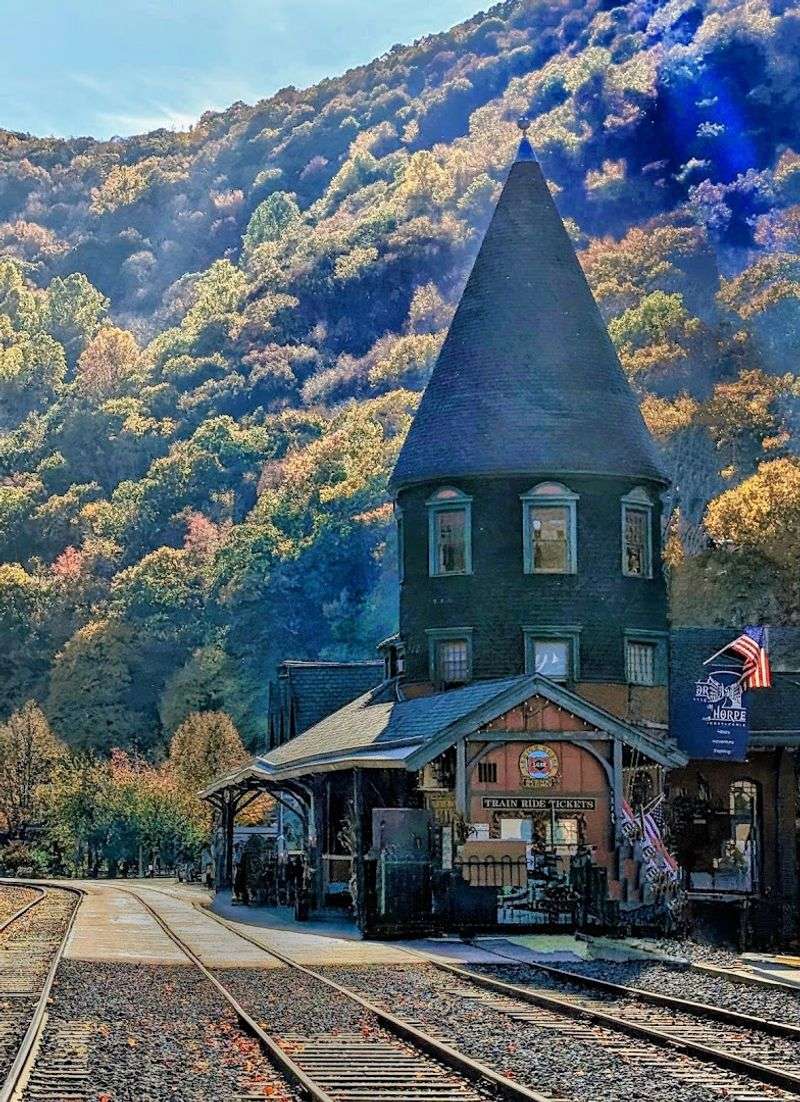
Dramatic mountains rise on both sides of this former coal town, creating a valley so striking that people call it the Switzerland of America. Jim Thorpe earned that nickname honestly, with steep streets climbing hillsides and the Lehigh River rushing through the center.
Victorian mansions painted in bold colors line Broadway, their ornate trim and turrets showing off the wealth that coal once brought.
Today, nature has reclaimed what mining once dominated. The Lehigh Gorge Trail follows old railroad beds for twenty-six miles, offering views that shift from rocky cliffs to dense forest.
You can bike, hike, or just walk a section and turn around when you’re ready. The river attracts whitewater rafters in spring and kayakers throughout summer.
Downtown shops occupy buildings from the 1800s, selling everything from vintage records to outdoor gear. Restaurants serve farm-to-table meals, and several historic inns let you sleep in rooms where railroad barons once stayed.
The town hosts festivals that draw crowds, but even then, side streets remain peaceful.
Morning fog settling into the valley creates scenes photographers dream about, and autumn turns the surrounding mountains into a riot of orange and gold.
3. Lititz
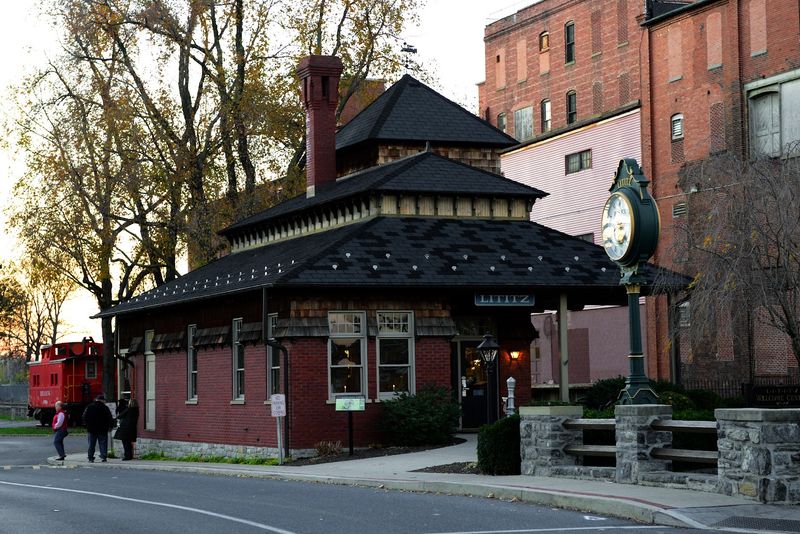
Founded by Moravians in 1756, Lititz has kept its small-town soul while growing just enough to stay vibrant. Main Street looks like it belongs on a postcard, with brick sidewalks, flower baskets hanging from lampposts, and shop windows displaying everything from handmade quilts to artisan chocolates.
The Moravian church still anchors the town square, its simple white steeple visible from blocks away.
Lititz Spring Park provides a green heart to the community, with a natural spring feeding a creek where ducks paddle and kids splash on hot days. Massive trees shade picnic tables, and walking paths loop through gardens that bloom from April through October.
The park hosts concerts and festivals, but most days it’s just neighbors walking dogs or reading on benches.
The town claims to have America’s oldest pretzel bakery, and the smell of baking pretzels drifts down certain streets most mornings. Local restaurants focus on Pennsylvania Dutch cooking, serving shoofly pie and chicken pot pie made from recipes passed down through generations.
Shops close early on Sundays, and traffic never really becomes a problem.
You can walk the entire downtown in twenty minutes, but you’ll probably take longer because people actually stop to chat.
4. New Hope
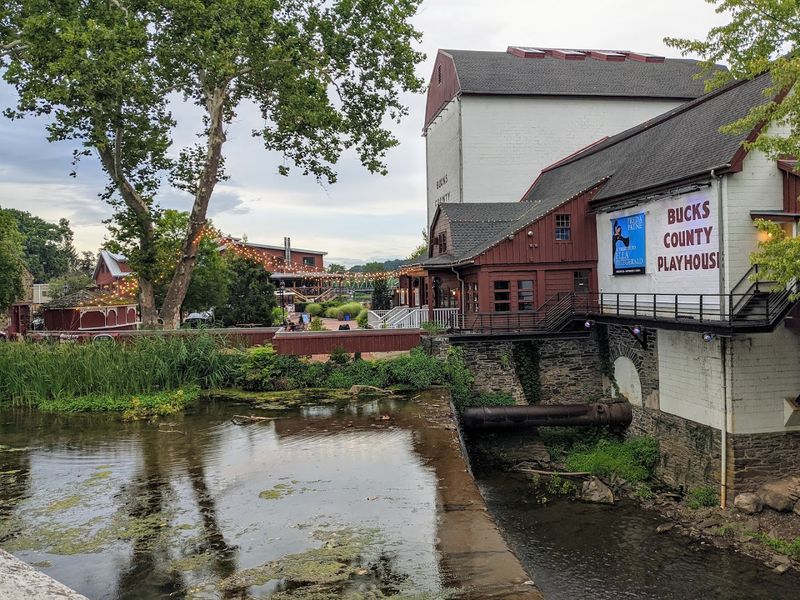
Artists discovered New Hope in the early 1900s, and their creative spirit still defines this riverside town today. Galleries fill converted mills and historic homes, displaying everything from traditional landscapes to abstract sculptures.
The Delaware River flows past the western edge, wide and peaceful, with a canal running parallel that once carried barges but now serves walkers and cyclists.
Stone buildings from the 1700s house restaurants where you can eat outside and watch boats drift by. The town draws weekend crowds, but Tuesday mornings feel like you have the place to yourself.
Antique shops overflow with treasures, and boutiques sell clothing and jewelry you won’t find anywhere else. Street musicians set up on corners, adding soundtrack to your browsing.
A walking bridge connects New Hope to Lambertville, New Jersey, letting you explore both towns in one trip. Wooded trails branch off from the canal towpath, leading to quiet spots where you can sit by the water and forget the outside world exists.
Theater performances happen year-round at the historic Bucks County Playhouse.
The town celebrates its bohemian roots without taking itself too seriously, creating a relaxed vibe that makes visitors feel welcome and inspires many to return season after season.
5. Oley Valley
Rolling hills covered in working farms define this valley, where agriculture still matters and development hasn’t erased the rural character. Stone farmhouses built by German settlers in the 1700s dot the landscape, many still occupied by descendants of the original families.
Barns wear traditional hex signs, colorful symbols meant to bring good fortune to crops and livestock.
Country roads wind through the valley with names like Friedensburg and Lobachsville, passing fields of corn in summer and pumpkin patches in fall. You’ll share these roads with horse-drawn buggies from nearby Mennonite farms, a reminder that some people still live at a slower pace.
Roadside stands sell fresh produce, baked goods, and flowers, operating on the honor system where you leave money in a box.
The valley offers no downtown shopping district or tourist attractions, which is precisely its appeal. You come here to drive with your windows down, breathing air that smells like hay and earth.
Hiking trails cross preserved farmland, and several old covered bridges still stand, maintained by locals who value their history. Birdwatchers bring binoculars to spot species that thrive in agricultural areas.
Oley Valley asks nothing from visitors except that they slow down and appreciate landscapes that look much like they did two hundred years ago.
6. St. Peters Village
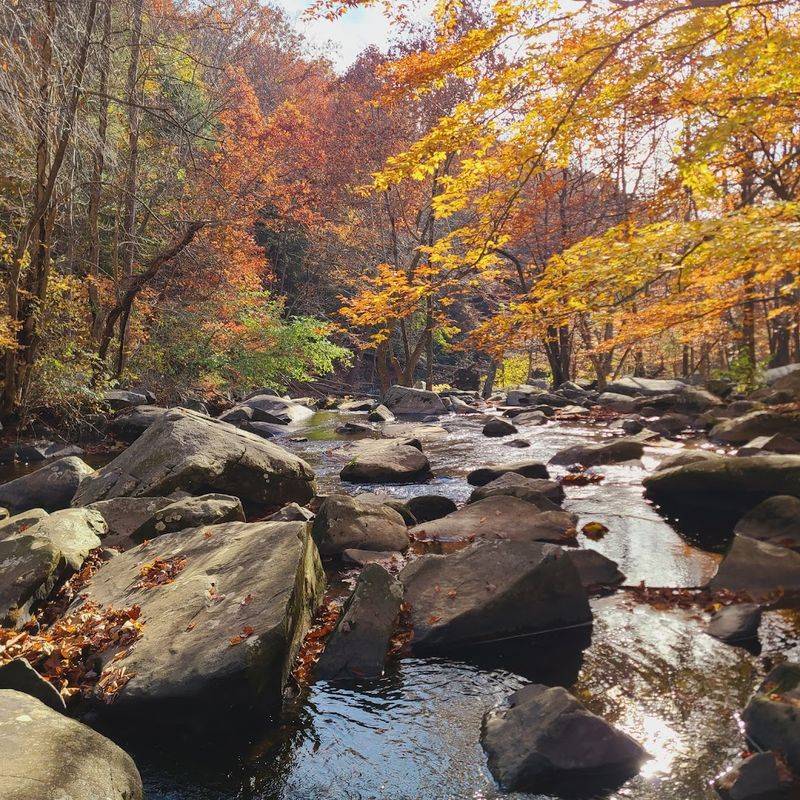
French Creek tumbles over rocks and through narrow passages in this tiny village that barely qualifies as a town. Old stone buildings that once powered mills now house shops and a restaurant, their thick walls keeping interiors cool even on hot summer days.
The village consists of maybe a dozen structures clustered along the creek, with hiking trails branching out from there into thousands of acres of protected forest.
People come here to hike, and the trails deliver. Paths climb rocky hillsides where you need to use your hands in places, rewarding effort with views over the creek valley.
Other trails stay level, following the water through groves of sycamore and birch. Spring brings wildflowers, while fall turns the forest floor into a carpet of red and gold leaves.
The village gets busy on weekends, especially when weather cooperates, but arrive early and you might have trails mostly to yourself. Creek crossings require hopping rocks or using small bridges, and in summer, kids wade in shallow pools while parents watch from the banks.
A small shop sells snacks and trail maps. There’s no cellular service in parts of the forest, which some people find frustrating but others consider the best feature.
St. Peters Village proves you don’t need size to offer big natural beauty.
7. Milford

Situated where three creeks converge in the Pocono Mountains, Milford combines Victorian elegance with outdoor adventure. The downtown district occupies just a few blocks, but those blocks pack in galleries, cafes, and shops housed in buildings that date back to when lumber barons ruled the region.
Wide sidewalks and mature trees create a walkable streetscape that feels more like a movie set than a real town.
Grey Towers, the mansion of conservation pioneer Gifford Pinchot, sits on a hillside overlooking town and offers tours that reveal how America’s forest management policies were born. Nearby, the Delaware Water Gap National Recreation Area provides seventy thousand acres of forests, rivers, and trails.
Waterfalls hide throughout the area, some requiring serious hikes to reach, others just a short walk from parking areas.
The town hosts art festivals and music events that draw crowds from New York and Philadelphia, both about two hours away. But most days, Milford maintains a quiet dignity, with locals greeting each other by name and visitors wandering at their own pace.
Restaurants serve everything from Thai food to traditional American fare, and several bed-and-breakfasts occupy restored Victorian homes.
The surrounding forest provides a buffer from development, ensuring that nature remains the dominant force defining this mountain community.
8. Wellsboro
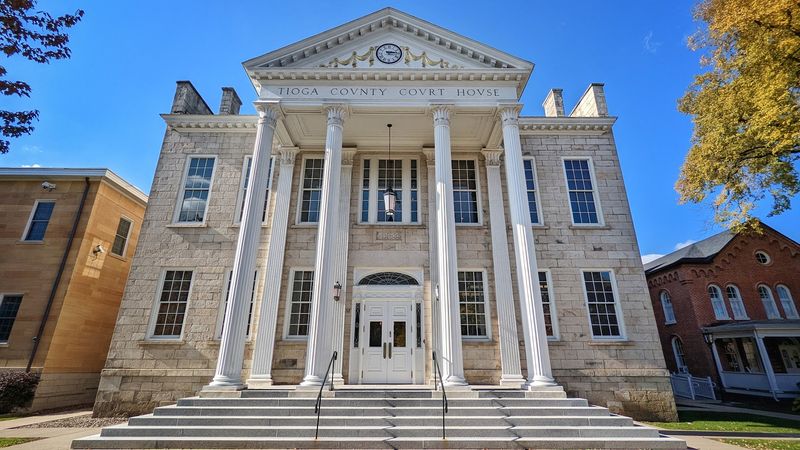
Gas lamps still light the main boulevard in Wellsboro, their soft glow creating an atmosphere that belongs to another era. The town serves as gateway to Pennsylvania’s Grand Canyon, a gorge so impressive that the comparison to Arizona’s version doesn’t seem ridiculous once you see it.
But Wellsboro itself deserves attention beyond its role as base camp for canyon visitors.
Downtown shops occupy buildings from the late 1800s, their facades carefully maintained to preserve historical character. A town green with a fountain provides a gathering spot where farmers markets happen in summer and holiday celebrations in winter.
Local restaurants serve hearty portions of comfort food, and diners that have operated for decades still draw morning crowds for coffee and conversation.
The surrounding Tioga State Forest offers hundreds of miles of trails, from easy walks to challenging backpacking routes. Pine Creek Trail, which runs through the canyon, attracts cyclists and hikers who want flat terrain with spectacular views.
Fall brings leaf-peepers by the thousands, but spring and summer offer equally beautiful scenery with fewer crowds. Wellsboro maintains the feel of a town where people still know their neighbors and strangers receive friendly greetings.
Evening walks down gas-lit streets, followed by stargazing from nearby overlooks, create memories that explain why visitors keep returning to this northern Pennsylvania gem.
9. Strasburg

Steam whistles echo across farmland in Strasburg, where the nation’s oldest operating railroad still carries passengers through Amish country. The town itself consists of a main street lined with shops selling quilts, furniture, and the kind of homemade fudge that ruins your diet plans.
But the real draw extends beyond town limits into the surrounding countryside, where horse-drawn buggies share roads with cars and farms operate much as they have for generations.
The Strasburg Rail Road offers forty-five-minute rides behind genuine steam locomotives, passing through fields where Amish farmers work with horse-drawn equipment. From train windows, you’ll see laundry drying on lines, children playing in yards, and gardens so perfectly tended they look painted.
The railroad museum next door displays dozens of historic trains and offers hands-on exhibits that make railroad history accessible to kids.
Country roads invite exploration, with farm stands selling fresh produce, eggs, and baked goods. You’ll need to slow down for buggies, which local law requires, but that forced pace helps you notice details you’d otherwise miss.
Small shops throughout the area sell handcrafted furniture built using traditional methods, pieces designed to last generations.
Strasburg asks visitors to step back from modern speed and appreciate a lifestyle that prioritizes community, faith, and connection to the land.
10. Ridgway

Elk roam the forests surrounding Ridgway, North America’s largest land mammals returning to landscapes they once dominated. The town sits at the edge of Allegheny National Forest, half a million acres of wilderness that stretches north toward the New York border.
Main Street features brick buildings from the lumber boom era, now housing shops and restaurants that serve both locals and visitors drawn by outdoor recreation.
The Clarion River flows west of town, offering some of Pennsylvania’s best kayaking and canoeing through forested valleys where you might paddle for hours without seeing another person. Fishing for trout and bass attracts anglers year-round, and several outfitters rent equipment and provide shuttle services.
Hiking trails branch throughout the national forest, ranging from easy nature walks to multi-day backpacking routes.
But elk viewing brings most visitors to the area. Herds graze in meadows east of town, especially during fall rutting season when bulls bugle and clash antlers.
Wildlife viewing areas with parking and information boards make elk watching accessible, though patient observers hiking into less-visited areas often see more animals. Ridgway celebrates its elk connection with festivals and a chainsaw-carved elk sculpture downtown.
The town offers a genuine wilderness experience rare in the eastern United States, with quiet streets and friendly locals who understand that nature provides their community’s greatest asset.