
This Pennsylvania Market Has Been Home To 200 Vendors And Live Auctions Since 1925
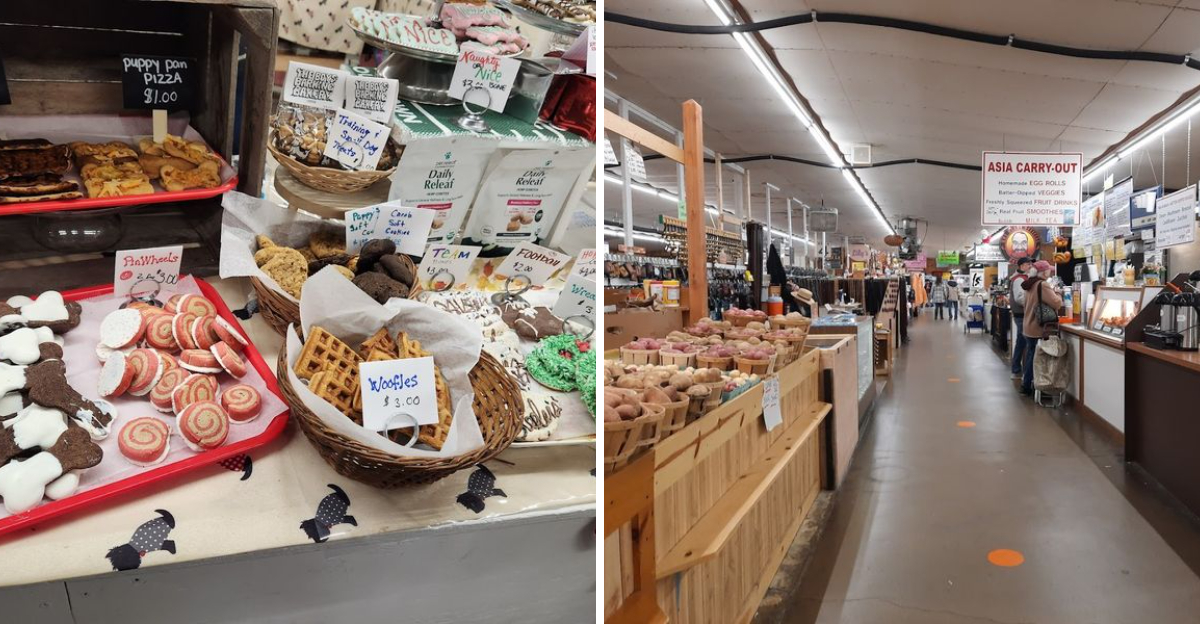
What if your Tuesday plans included stepping into nearly a century of local tradition? In Lancaster County, one lively market has been bringing people together since 1925.
Root’s Country Market & Auction in Manheim stretches across a bustling property filled with fresh produce, baked goods, antiques, and handmade finds. Hundreds of vendors set up each week, creating an atmosphere that feels both timeless and full of energy.
And when the auctioneer’s voice echoes through the crowd, it’s clear this Pennsylvania staple hasn’t lost its charm.
A Lancaster County Tradition Since 1925
Root’s Country Market opened when Calvin Coolidge occupied the White House and Model T Fords still rumbled down dirt roads. The market has weathered the Great Depression, multiple wars, and countless economic shifts while maintaining its commitment to connecting farmers with customers.
What began as a modest gathering of local farmers has transformed into a regional institution that attracts thousands of visitors each week.
Generations of families have made Tuesday trips to Root’s part of their weekly routine. Grandparents who shopped here as children now bring their own grandchildren to experience the same sights, sounds, and flavors.
The market’s longevity speaks to something deeper than mere commerce; it represents a living connection to agricultural heritage that many communities have lost.
Standing on the grounds today, you can almost feel the weight of history beneath your feet. The commitment to quality and community that defined those early days in 1925 continues to guide operations at 705 Graystone Rd, where tradition and progress meet every Tuesday morning.
More Than 200 Vendors Under One Roof
Walking through Root’s feels like exploring a small town compressed into multiple connected buildings. Over 200 vendors set up shop each Tuesday, creating a labyrinth of commerce that demands hours to explore properly.
The sheer variety can overwhelm first-time visitors who arrive unprepared for the scale of this operation.
Inside the main buildings, permanent stalls offer everything from butchered meats to homemade soaps. Each vendor brings their own specialty, creating a marketplace where you might find Pokemon cards next to handcrafted furniture, or fresh cheeses beside racks of locally grown herbs.
The diversity reflects the eclectic needs and interests of Lancaster County residents who rely on this weekly gathering.
Competition among vendors keeps prices reasonable and quality high. Smart shoppers quickly learn to comparison shop between stalls, as produce prices can vary significantly even when products look identical.
This friendly rivalry benefits customers while maintaining the community atmosphere that makes Root’s special rather than cutthroat.
Live Auctions That Still Draw A Crowd
Behind building number nine sits one of Root’s best-kept secrets: a functioning auction house that operates every Tuesday afternoon. Finding it requires determination, as signage remains minimal and the location feels deliberately tucked away from the main market traffic.
Auctions begin promptly at one o’clock, starting with fresh produce before moving to grocery items, flowers, and occasionally livestock including chickens.
The process confuses newcomers until they ask for help at the office window. Staff scan your driver’s license and issue a numbered bidding card, which you raise when making offers.
A computerized system tracks every bid and purchase, eliminating the paper chaos that once defined auction bookkeeping. When you finish shopping, return to the window for a complete list of your wins and total cost.
Watching experienced bidders work provides entertainment beyond the actual purchasing. They communicate through subtle gestures and maintain poker faces while competing for choice items.
The slow pace frustrates some visitors, but others appreciate the theatrical quality of this old-fashioned commerce style.
A True Pennsylvania Dutch Experience
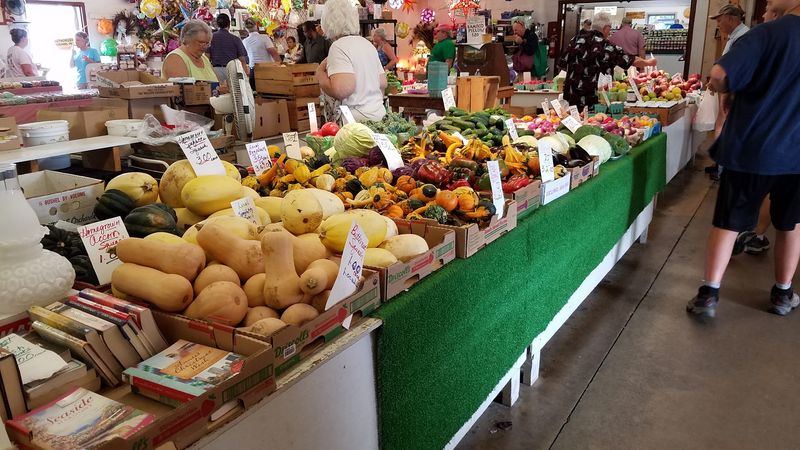
Amish vendors form the cultural backbone of Root’s, bringing authenticity that tourist traps can only imitate. These sellers arrive with goods produced using methods passed down through generations: hand-stitched leather belts, traditionally baked breads, and vegetables grown without modern shortcuts.
Their presence transforms Root’s from a simple market into a genuine cultural experience.
Cash remains king among many Amish stalls, a reality that surprises credit card-dependent visitors. ATMs scattered throughout the property charge fees for withdrawals, adding unexpected costs to impulse purchases.
Smart shoppers arrive prepared with bills and coins, respecting the traditional payment methods these vendors prefer.
Conversations with Amish sellers reveal interesting perspectives on modern agriculture. When asked about organic certification, many respond with polite deflection rather than enthusiastic claims.
Their farming practices often align with organic principles, but formal certification conflicts with their religious beliefs about government involvement. The produce quality speaks louder than any label could.
Fresh Produce And Farm Goods Straight From The Source
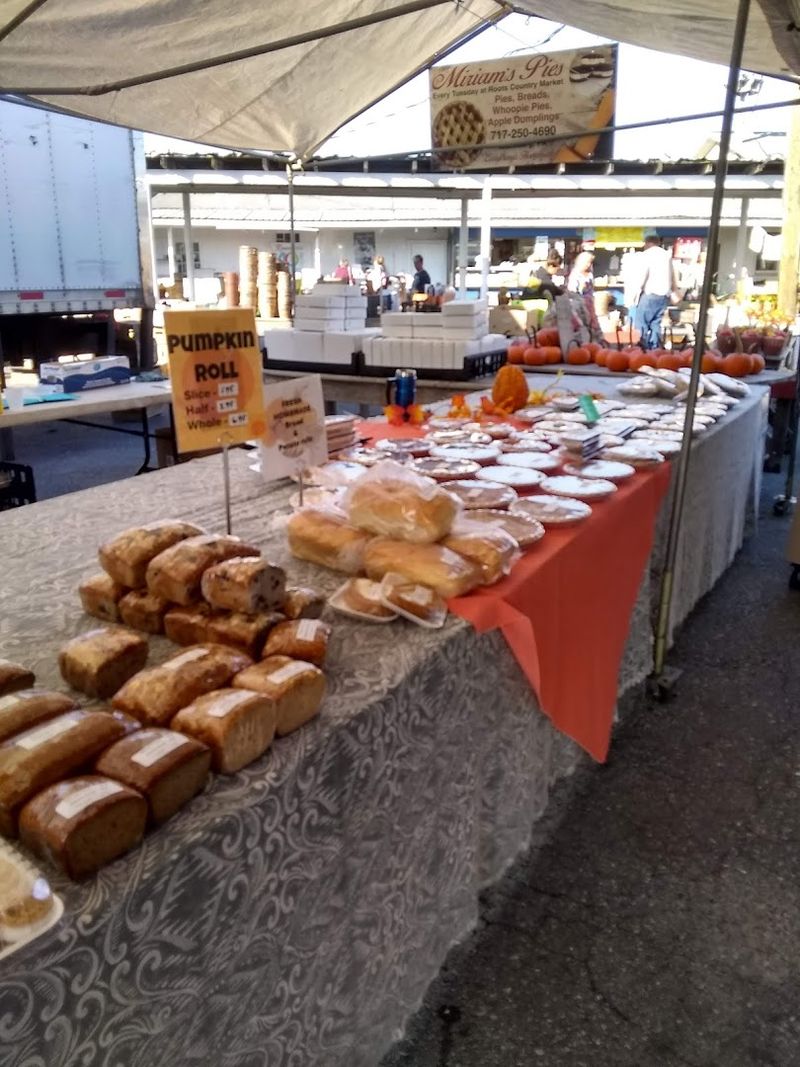
Produce at Root’s arrives with dirt still clinging to roots and morning dew barely dried from leaves. Local farmers harvest Tuesday morning and drive directly to their stalls, eliminating the distribution delays that compromise supermarket freshness.
Vegetables display a vibrancy that makes grocery store offerings look anemic by comparison, with colors so intense they seem almost artificial.
Selection changes with Pennsylvania’s growing seasons, offering asparagus in spring, tomatoes in summer, and root vegetables throughout fall. Winter months bring stored crops like potatoes and onions alongside greenhouse-grown greens.
This seasonal rotation connects shoppers to agricultural rhythms that modern supply chains have obscured.
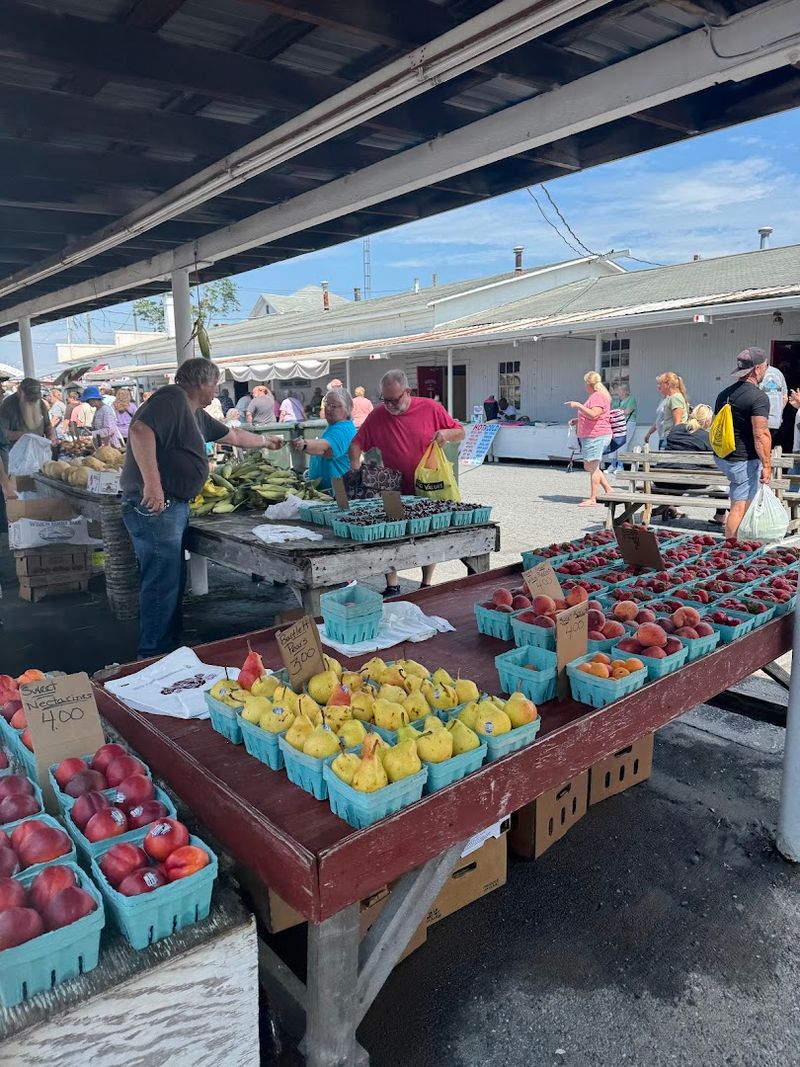
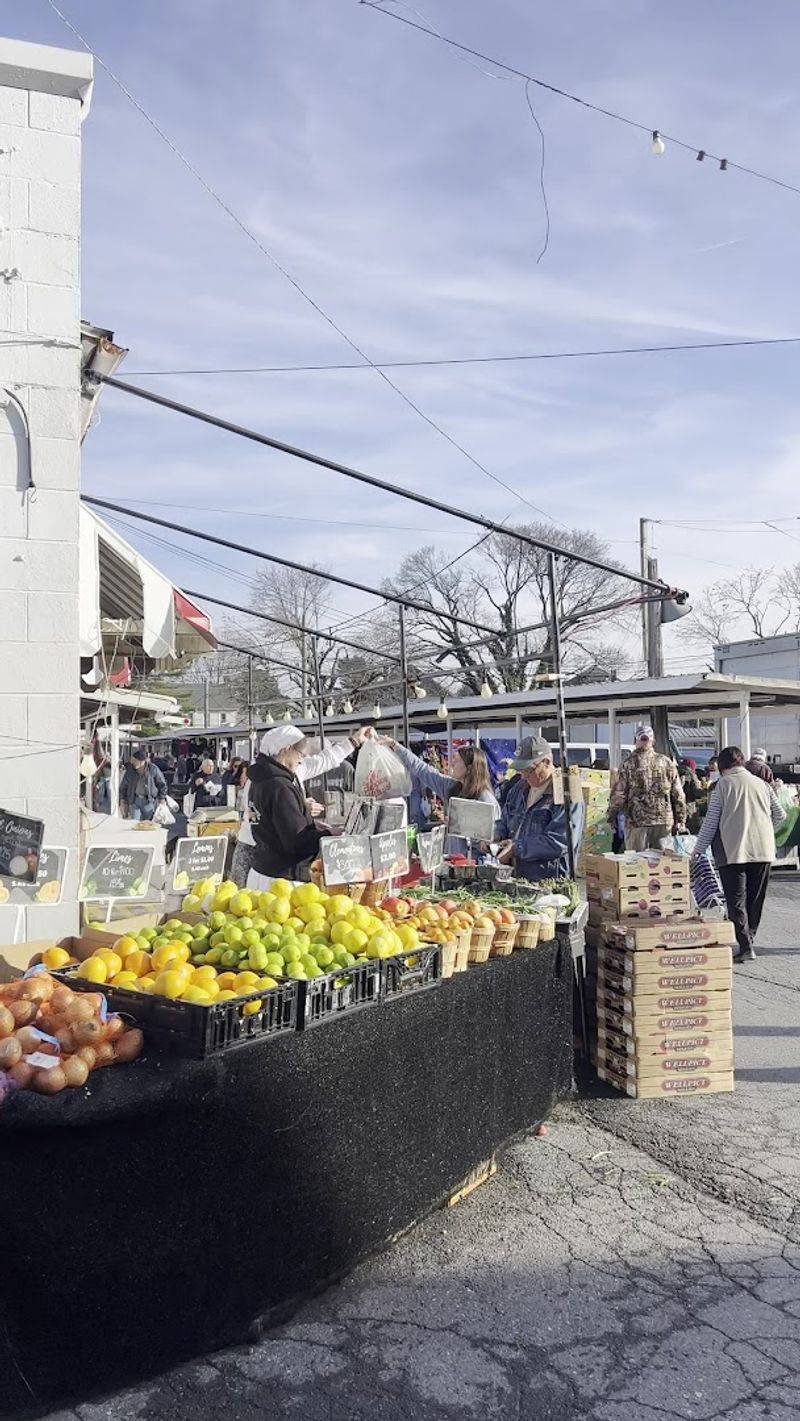
Prices fluctuate based on harvest success and vendor location within the market. Outside vendors typically charge less than their indoor counterparts, sometimes by substantial margins.
Savvy shoppers circle the entire market before purchasing, noting prices and quality differences. The best deals often appear at outdoor stalls operated by farmers selling their own harvests rather than resellers marking up purchased goods.
Homemade Baked Goods And Classic Comfort Foods
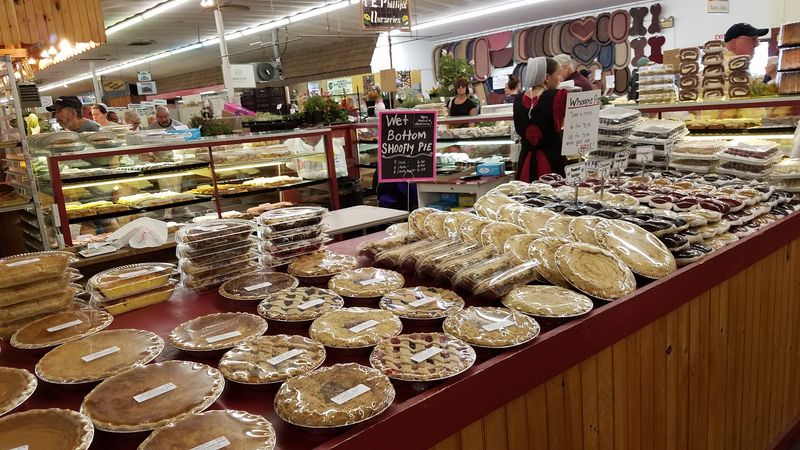
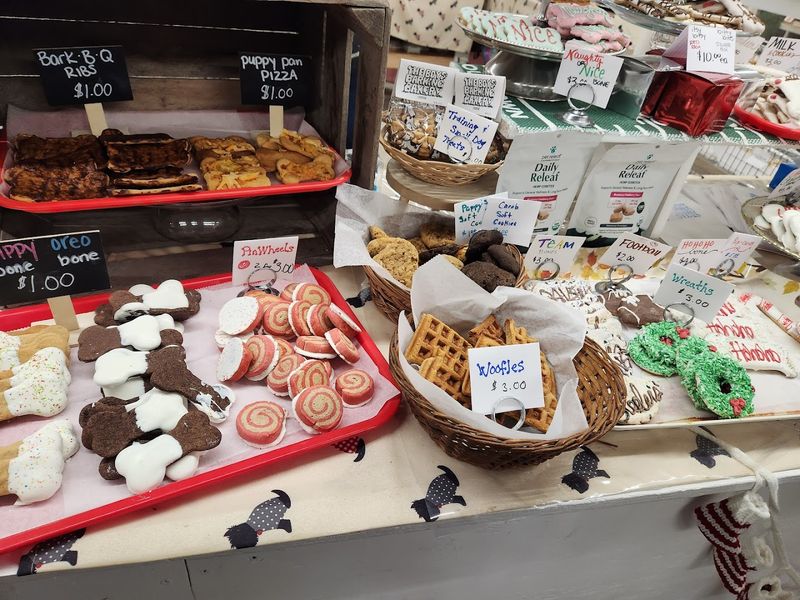
Sticky buns at Root’s achieve legendary status among regular visitors who plan entire trips around securing these sugar-laden treats. Multiple bakeries compete for customer loyalty, each claiming superior recipes passed down through family lines.
The aroma of cinnamon and caramelized sugar permeates entire sections of the market, making willpower nearly impossible to maintain.
Shoofly pies, whoopie pies, and apple dumplings represent Pennsylvania Dutch baking traditions that remain largely unknown outside the region. These desserts pack serious sweetness that reflects agricultural abundance and historical preservation methods.
Modern health consciousness hasn’t diminished their popularity; customers continue buying them by the dozen for family gatherings and personal indulgence.
Beyond sweets, prepared food vendors offer substantial meals that eliminate cooking obligations. Fried chicken, barbecued pork, and submarine sandwiches provide lunch options, while sit-down restaurants serve traditional Amish meals.
The Farmer’s Table restaurant offers table service for those wanting a break from market crowds. Quality varies between vendors, so watching where locals line up provides reliable guidance.
An Indoor And Outdoor Market Atmosphere
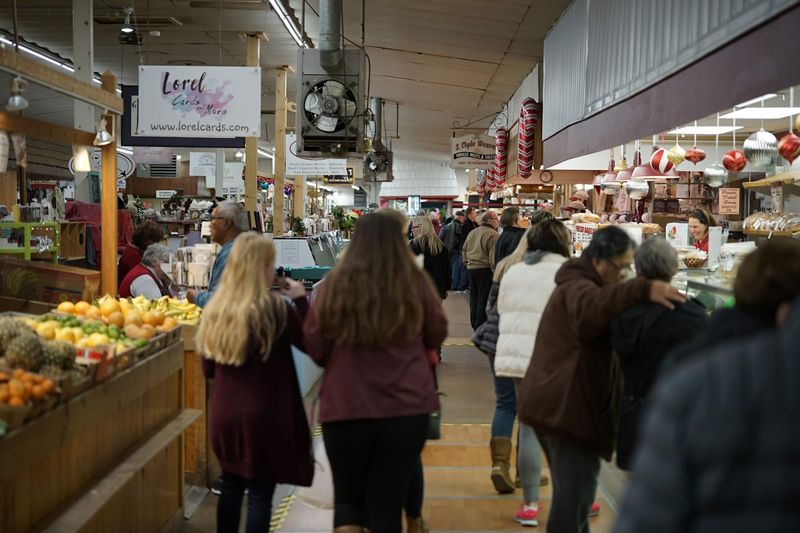
Root’s operates as two distinct markets occupying the same property but serving different purposes. Indoor buildings house established vendors with permanent stalls selling consistent merchandise week after week.
Outside, a sprawling flea market section transforms open land into a treasure hunter’s paradise where early birds compete for the best finds.
The outdoor vendors arrive before dawn, claiming prime spots and arranging tables loaded with everything imaginable. Yard sale merchandise mixes with handcrafted items, creating unpredictable variety that changes completely from week to week.
This section attracts bargain hunters willing to sort through jumbled offerings for hidden gems.
Weather dramatically affects the outdoor experience, with wind sending lightweight items airborne and rain transforming pathways into mud. Vendors maintain impressive cheerfulness despite these challenges, securing their wares and helping customers navigate difficult conditions.
Many outdoor sellers pack up by early afternoon, making morning arrival essential. The indoor buildings remain open until eight in the evening, providing refuge when weather turns uncooperative or when outdoor vendors have departed.
Generations Of Family-Owned Stands
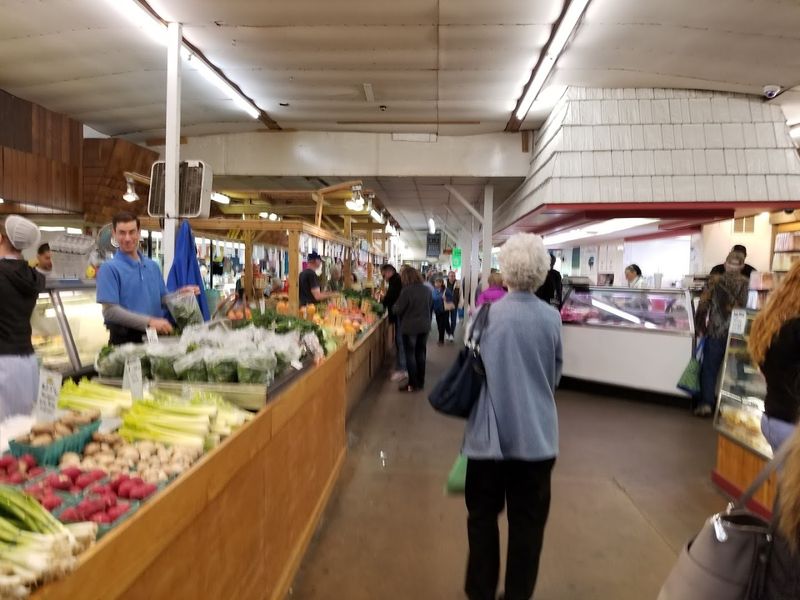
Certain vendor names appear so consistently at Root’s that they’ve become synonymous with specific products. Families operate stalls that their grandparents established decades ago, maintaining recipes and business practices that have proven successful across generations.
This continuity creates relationships between vendors and customers that span lifetimes.
Regular shoppers develop loyalty to particular stands, trusting quality and appreciating familiar faces. Vendors remember customer preferences and offer recommendations based on previous purchases.
June at Bdazzle Jewelry exemplifies this personal approach, spending twenty minutes explaining her handmade creations to interested visitors. Such interactions transform shopping from transactional exchanges into social experiences.
Children grow up working family stands, learning business skills and traditional crafts from parents and grandparents. This apprenticeship system preserves knowledge that formal education cannot teach.
Watching young people confidently handle customers and explain products demonstrates how Root’s functions as more than a market; it serves as a training ground for the next generation of entrepreneurs and craftspeople.
Why Fridays Are A Big Deal In Manheim
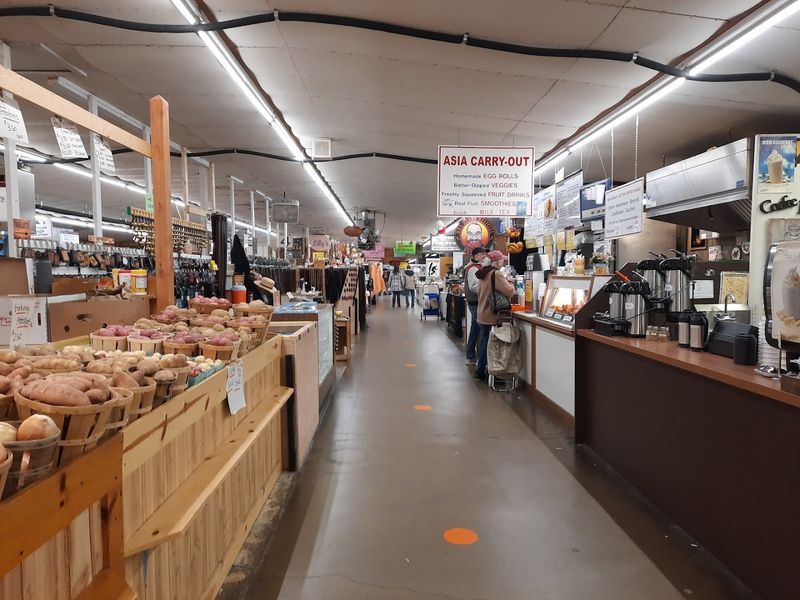
Root’s operates exclusively on Tuesdays, a scheduling quirk that defines the weekly rhythm of Manheim and surrounding communities. This single-day operation concentrates energy and crowds into one massive weekly event rather than spreading them across multiple days.
The decision reflects practical considerations about vendor availability and customer traffic patterns established nearly a century ago.
Tuesday mornings transform quiet rural roads around 705 Graystone Rd into congested thoroughfares as thousands converge on the market. Parking lots fill rapidly despite their considerable size, forcing latecomers into overflow areas.
The crowds peak between ten and noon, creating shoulder-to-shoulder conditions inside buildings and long lines at popular food stands.
For residents who cannot make Tuesdays, the market’s limited schedule creates genuine frustration. Customer reviews repeatedly express wishes for additional operating days, particularly Saturdays when working people have free time.
Weekend craft shows occasionally occupy the property but lack the full vendor participation and authentic market atmosphere that defines Tuesdays. This exclusivity makes each Tuesday visit feel special rather than routine.
A Community Gathering Place, Not Just A Market
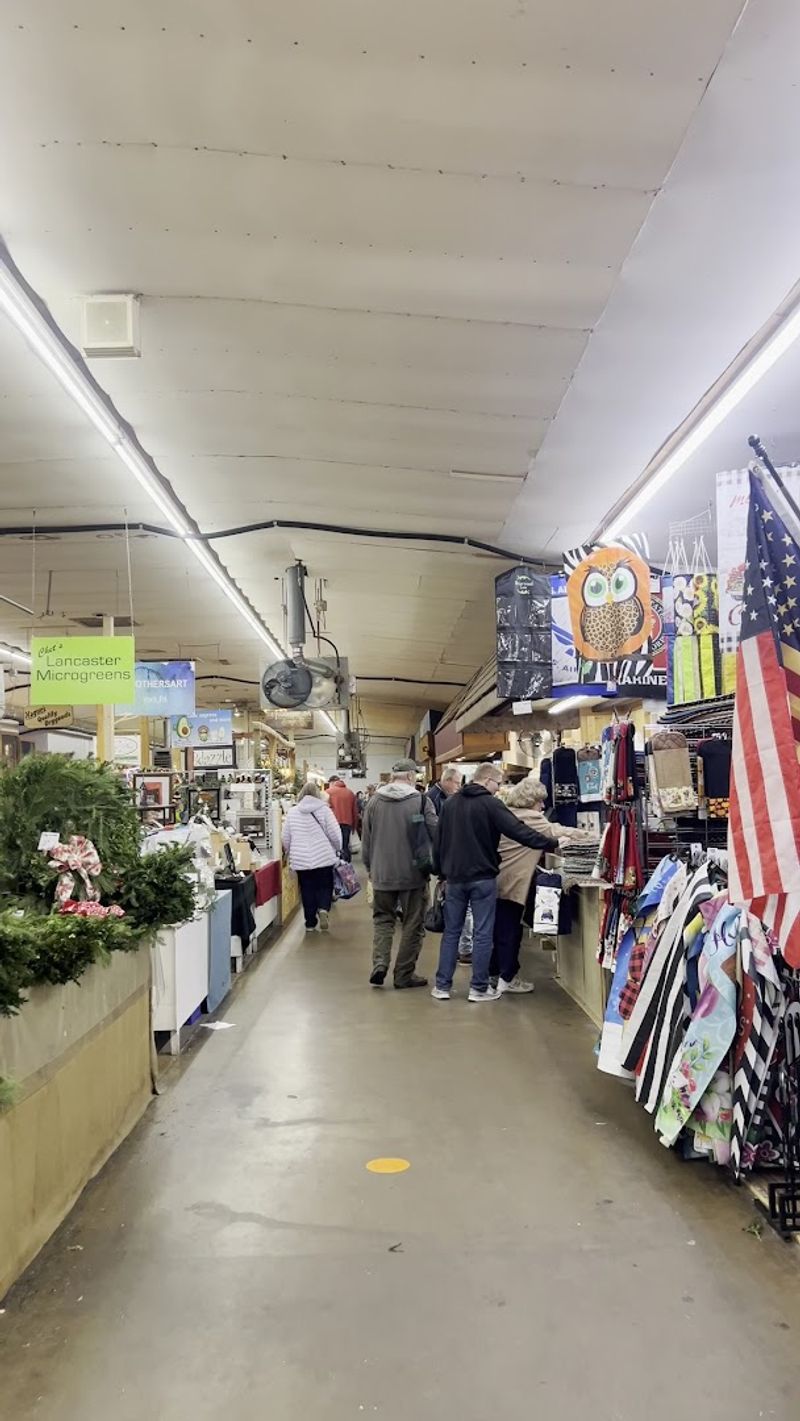
Live music drifts across outdoor seating areas where customers rest between shopping expeditions and enjoy purchased meals. Musicians perform for hours, providing soundtrack to the market experience without demanding attention or tips.
One performer reportedly played for five straight hours, maintaining quality and enthusiasm that enhanced rather than distracted from the market atmosphere.
Benches and picnic tables create spaces for spontaneous conversations between strangers who discover shared interests or connections. The market functions as Lancaster County’s weekly town square, where people exchange news, recommendations, and gossip.
This social dimension explains why some visitors spend entire days at Root’s despite completing their shopping within an hour.
The friendly atmosphere extends to vendors who treat customers as neighbors rather than anonymous transactions. Even restroom facilities receive praise for cleanliness and maintenance, details that reveal institutional commitment to visitor comfort.
An alpaca farm operates next door, offering additional entertainment for families with children. These thoughtful touches transform Root’s from a simple shopping destination into a community institution that nurtures social bonds.
Seasonal Surprises And Rotating Vendors
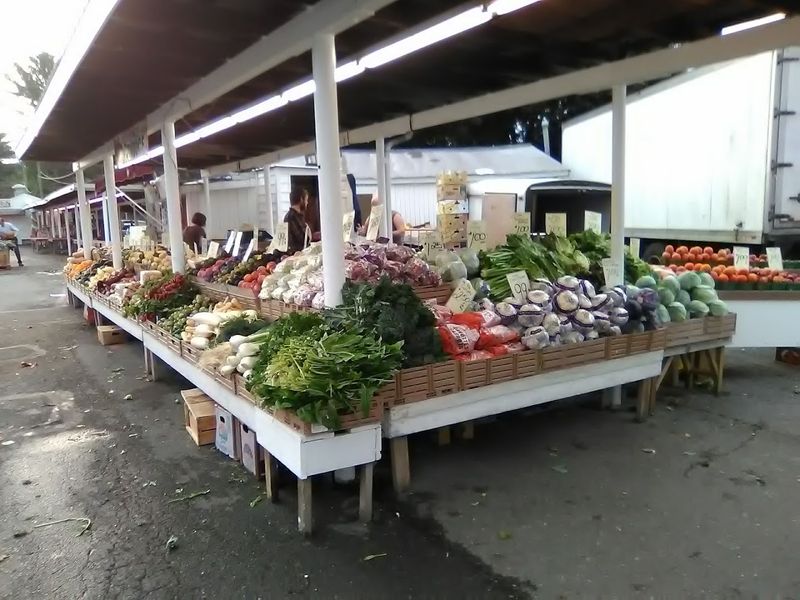
Root’s inventory transforms dramatically as seasons progress, with spring flowers giving way to summer vegetables, autumn pumpkins, and winter storage crops. This constant evolution rewards repeat visitors who discover new offerings each week.
Seasonal specialties appear briefly before disappearing until the following year, creating urgency around limited-time purchases.
The outdoor flea market section experiences the most dramatic weekly changes, as vendors rotate in and out based on inventory and personal schedules. One Tuesday might feature antique tools and vintage collectibles, while the next brings handmade furniture and garden decorations.
This unpredictability frustrates shoppers seeking specific items but delights treasure hunters who enjoy surprise discoveries.
Holiday seasons bring special merchandise and decorations that transform the market’s appearance and offerings. Christmas shopping at Root’s provides alternatives to mall crowds and corporate retailers, with handcrafted gifts and local specialties.
The market’s commitment to variety ensures that even weekly regulars encounter new vendors, products, and experiences. Taking photographs of your parking location becomes essential advice, as the sprawling property and changing vendor layouts make navigation challenging.