
This Pennsylvania Pizza Hut Classic Is The Last Of Its Kind And A True Nostalgia Trip
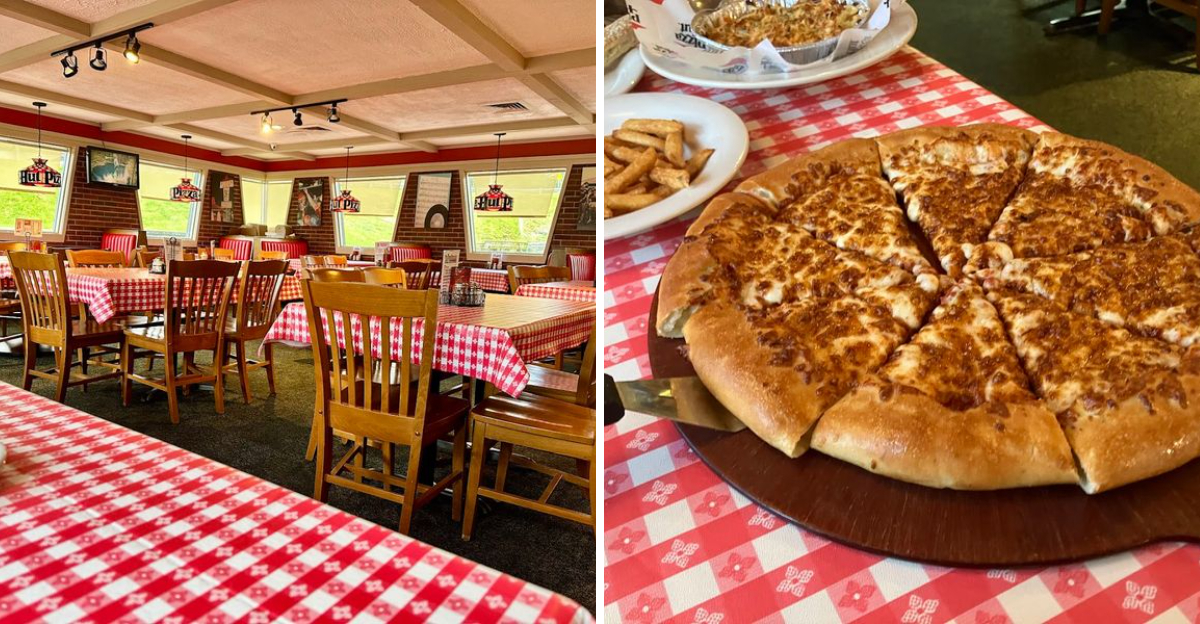
Nestled along a quiet stretch of Route 6, there’s a rare gem that takes you straight back to the 1980s. This classic pizza joint is the last of its kind in Pennsylvania, offering diners a nostalgic trip with its original red booths, stained glass lamps, and retro vibe.
For anyone who remembers celebrating Book It! victories or family dinners under those iconic hanging lights, this spot is a perfect time capsule. Relive those cherished memories while enjoying pizza made with recipes that honor the chain’s golden era.
The Last Classic Pizza Hut In Pennsylvania
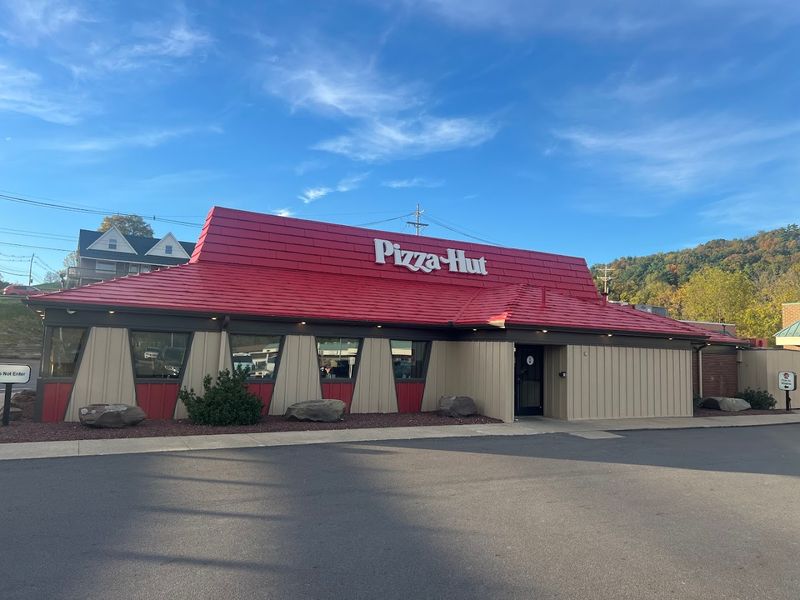
Finding an original Pizza Hut building these days feels like discovering a time capsule. Most locations have abandoned the iconic red-roofed structures in favor of modern storefronts or delivery-only models.
The Tunkhannock location at 828 US-6 stands proudly as Pennsylvania’s sole survivor of the classic era.
What makes this building special goes beyond mere architecture. The structure represents a specific moment in American dining history when pizza chains offered full sit-down experiences rather than just takeout convenience.
Walking up to that familiar silhouette triggers instant recognition for anyone who grew up in the 1980s or 1990s.
The building’s preservation speaks to both corporate flexibility and community commitment. Rather than demolishing or renovating this location into something unrecognizable, the decision to maintain its original character has created something far more valuable than just another restaurant.
It has become a destination worth driving hours to experience.
Step Back In Time At This Retro Pizza Hut
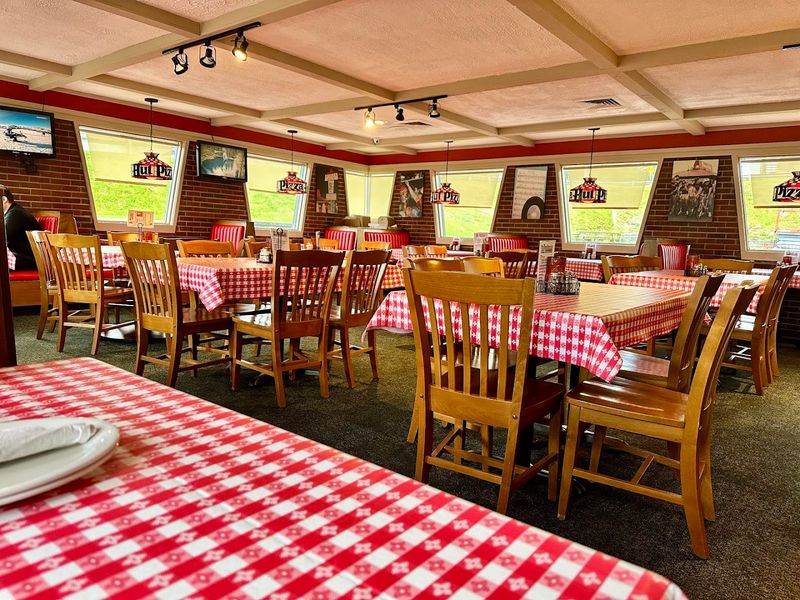
Crossing the threshold into this restaurant immediately transports visitors backward several decades. The interior design remains faithful to the original 1980s aesthetic that defined Pizza Hut’s glory days.
Every detail contributes to an atmosphere that feels genuinely preserved rather than artificially recreated.
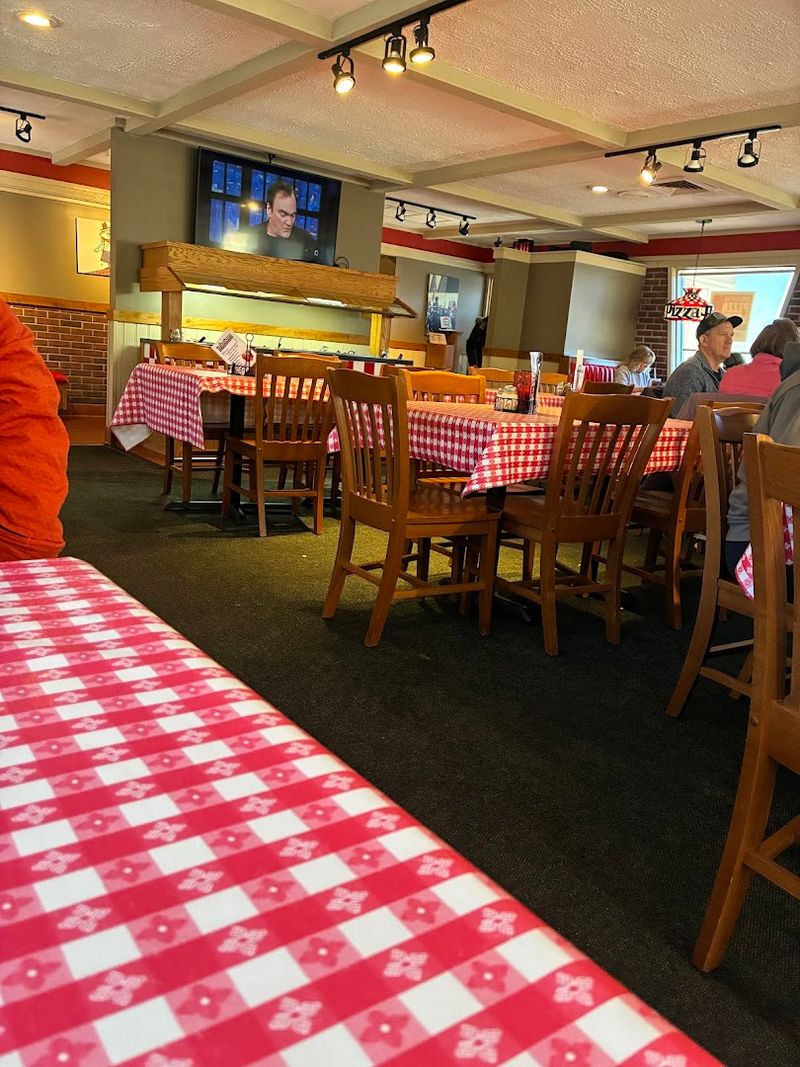
The stained glass lamps hanging above each table cast warm, colored light across red and white checkered tablecloths. Wood paneling lines the walls, and red vinyl booths offer the same comfortable seating arrangement families enjoyed generations ago.
Even the “Please Wait to Be Seated” sign appears unchanged from decades past.
What strikes many visitors most powerfully is how complete the preservation feels. This is not a themed restaurant attempting to mimic the past.
The space genuinely functions as it always has, maintained through the years rather than renovated and restored. That authenticity makes the experience resonate more deeply than any deliberately nostalgic recreation possibly could.
Classic Menu Favorites That Still Wow
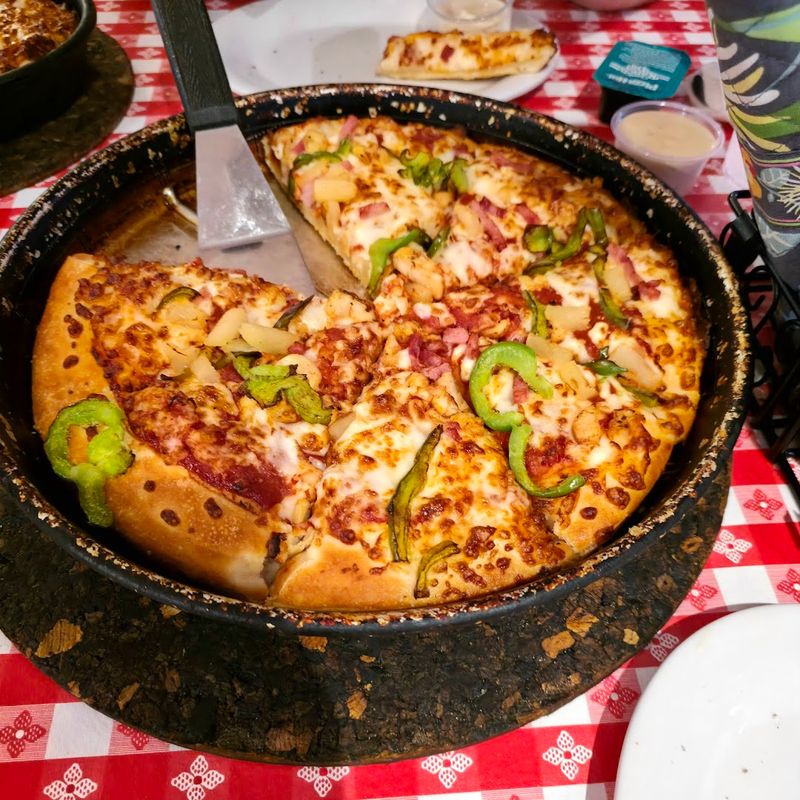
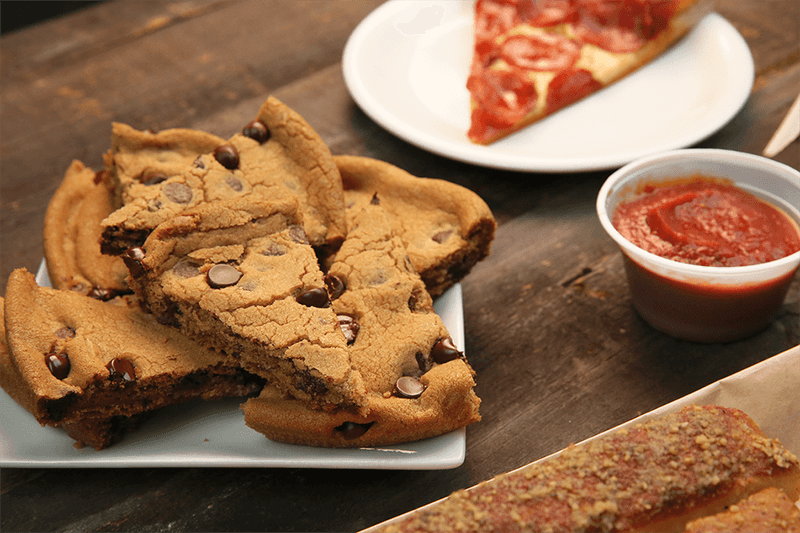
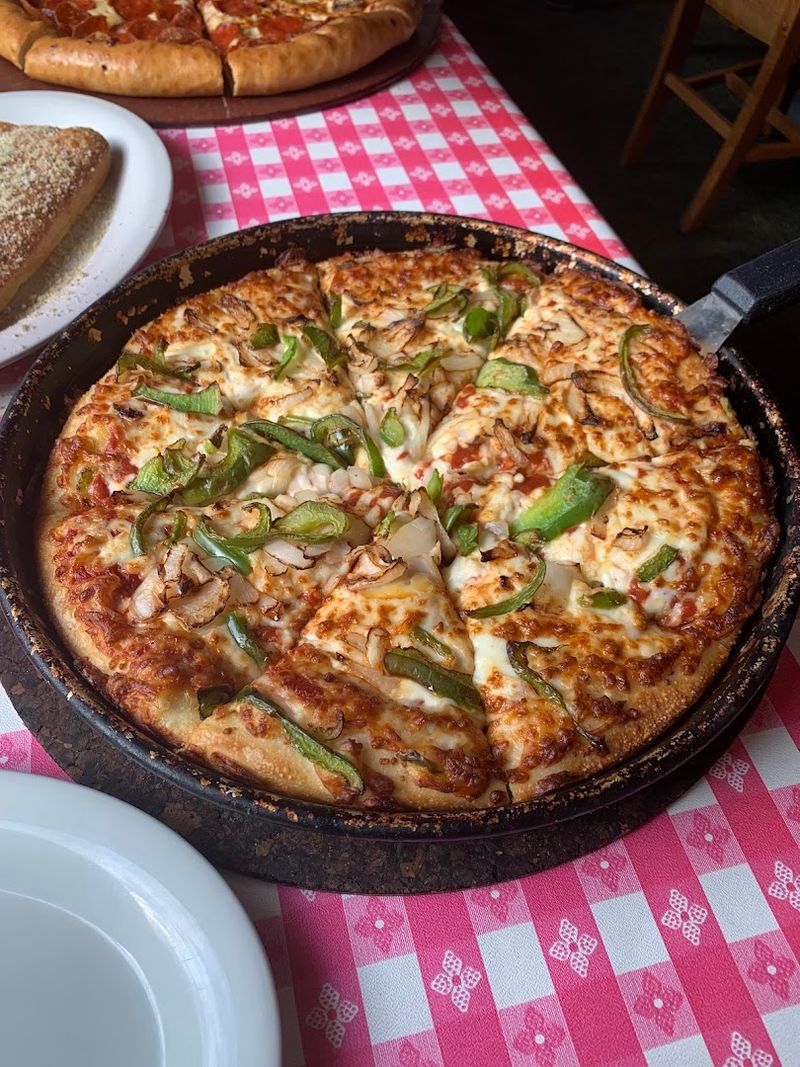
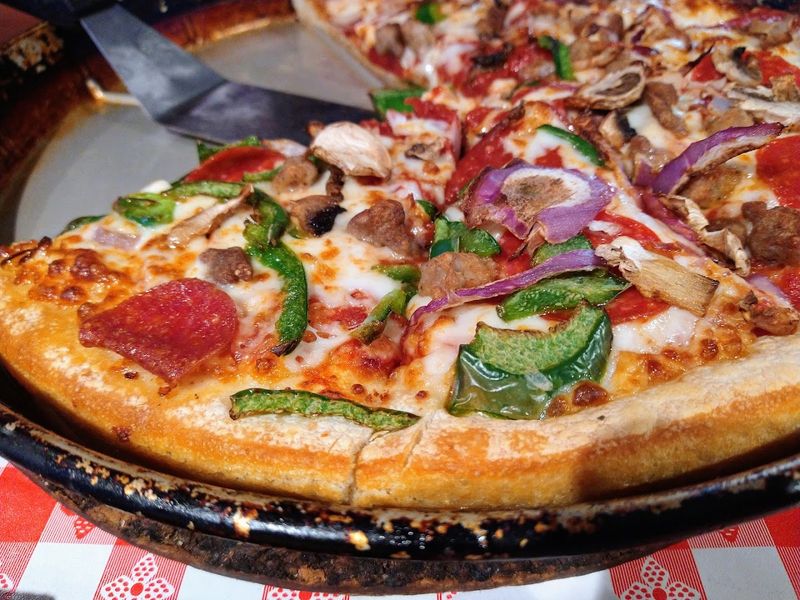
The menu at this location honors the recipes that made Pizza Hut famous during its peak years. Pan pizza arrives at the table with that perfect golden crust, thick enough to provide substance but never doughy or undercooked.
The sauce tastes noticeably different from what modern Pizza Hut locations typically serve because this restaurant still makes it in-house rather than relying on pre-packaged alternatives.
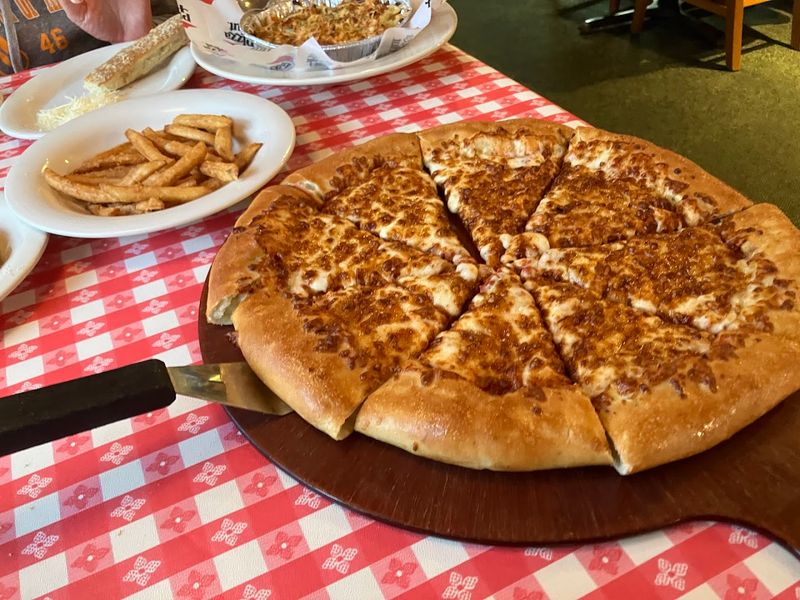
Supreme pizzas showcase the proper balance of toppings that made the combination a standard order for so many families. Pepperoni Lovers delivers exactly what its name promises, and the stuffed crust option provides that satisfying cheese pull that defined late 1990s pizza innovation.
Each item tastes closer to childhood memories than seems possible.
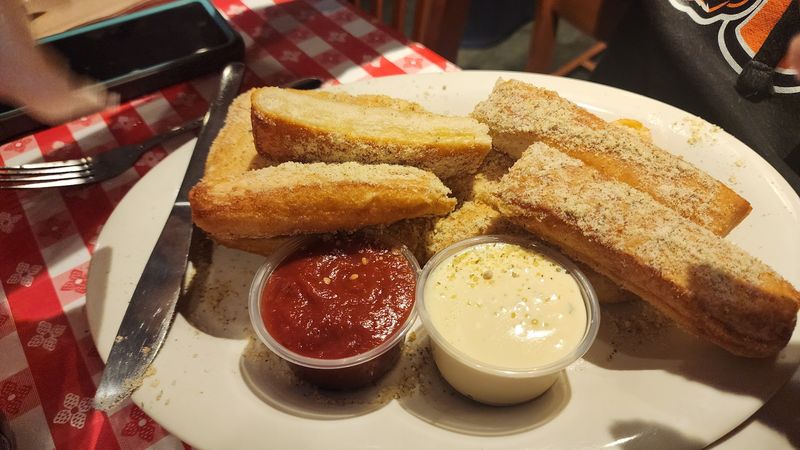
Beyond pizza, the menu includes pasta dishes, chicken wings, and breadsticks that round out the traditional Pizza Hut offerings. The portions remain generous, and prices stay reasonable, making family meals affordable without sacrificing quality or quantity.
Old-School Vibes: Red Roofs And Cozy Booths
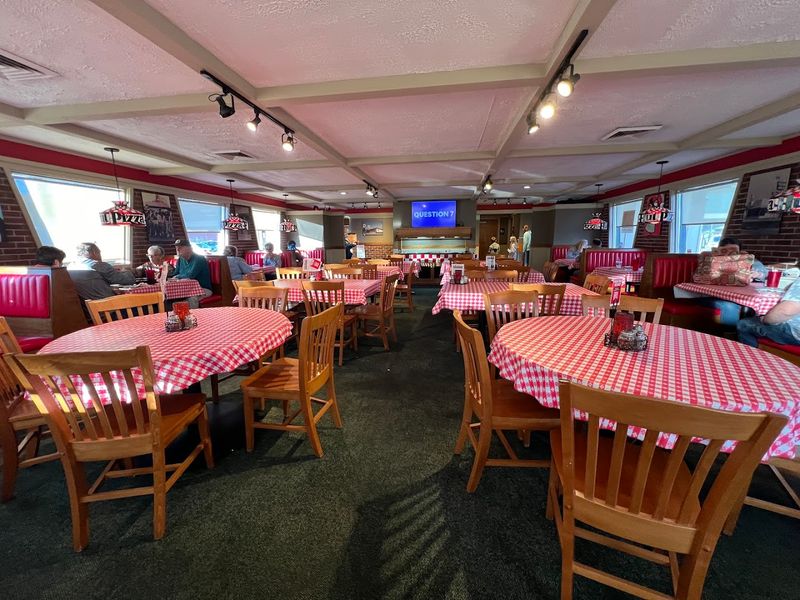
Sliding into one of those red vinyl booths brings back sense memories that photographs cannot quite capture. The texture of the material, the height of the table, even the way sound carries in the dining room all combine to recreate an experience many thought lost forever.
These are not reproduction furnishings but the actual booths that have served customers for decades.
The restaurant’s layout follows the traditional Pizza Hut floor plan that maximized both efficiency and comfort. Booths line the walls and windows, offering views of the parking lot or the salad bar.
Tables occupy the center space, and everything feels proportioned exactly as memory suggests it should be.
Families with young children find themselves explaining to kids what restaurants used to look like before everything became minimalist and modernized. The cozy, enclosed feeling of the booths creates natural conversation spaces that encourage lingering over meals rather than rushing through them.
Why Nostalgia Seekers Visit This Tiny Town
Tunkhannock does not typically appear on tourist itineraries for northeastern Pennsylvania. The town offers quiet charm and small-town hospitality but lacks the obvious attractions that draw crowds to nearby Pocono resorts or Scranton’s urban amenities.
Yet this Pizza Hut has transformed the community into an unlikely pilgrimage site for people seeking connection with their past.
Visitors regularly drive an hour or more specifically to eat at this location. They arrive from Philadelphia, New York, and throughout Pennsylvania, often planning entire day trips around a lunch or dinner reservation.
Social media posts document these journeys, showing families posing in front of the building before heading inside to eat.
The phenomenon speaks to something deeper than mere curiosity about an old restaurant. Many people feel disconnected from their childhood experiences in an era of constant change and digital transformation.
This restaurant offers tangible proof that some things can endure, that not everything must evolve or disappear. That reassurance draws crowds willing to travel considerable distances.
How This Pizza Hut Survived The Modern Change
Corporate consolidation and brand modernization have eliminated most classic Pizza Hut locations across America. The company shifted toward delivery-focused models and contemporary designs that prioritize efficiency over atmosphere.
Hundreds of red-roofed buildings were demolished or converted into other businesses, their distinctive architecture repurposed for everything from Mexican restaurants to dental offices.
This Tunkhannock location survived through a combination of factors. Its strong performance metrics demonstrated continued viability as a dine-in restaurant.
The building’s condition remained solid, requiring maintenance but not complete overhaul. Perhaps most importantly, the franchise operators understood the value of what they possessed and advocated for preservation.
Rather than viewing the vintage design as outdated, management recognized it as a unique selling point that could attract customers beyond the immediate area. That business insight, combined with corporate flexibility and community support, allowed this location to continue operating in its original form while sister restaurants underwent dramatic transformations or closures.
Local Support Keeps This Classic Hut Alive
Regular patronage from Tunkhannock residents and surrounding communities provides the steady business that keeps this location profitable. While tourists and nostalgia seekers generate excitement and social media attention, local customers form the reliable base that sustains operations throughout the year.
They choose this Pizza Hut for birthday celebrations, after-school treats, and casual family dinners.
The staff includes familiar faces who have worked at the restaurant for years, building relationships with regular customers. Servers like Reenie earn mentions in numerous accounts from visitors who appreciate attentive, friendly service.
That consistency in staffing contributes to the family-friendly atmosphere that defines the experience.
Community members understand they are helping preserve something special. Their continued support sends a message that classic dining experiences still matter, that not every restaurant needs to follow current trends.
This collective commitment has created a sustainable model that balances nostalgia tourism with everyday neighborhood restaurant service.
A Dine-In Experience You Cannot Find Anywhere Else
The all-you-can-eat salad bar represents one of the most distinctive features that separates this location from modern Pizza Hut operations. Priced at just $6.99, the salad bar offers fresh vegetables, various toppings, and dressings in a setup that recalls the glory days of American casual dining.
The station stays clean and well-stocked, maintained with obvious care.
Sitting down to eat rather than picking up a box transforms pizza from fast food into a proper meal. The restaurant operates with table service, meaning servers take orders, bring food to tables, and check on diners throughout their meals.
This level of attention has become rare in pizza chains that primarily focus on delivery and carryout.
Red plastic cups, another detail that triggers powerful nostalgia, still grace every table. These simple items carry surprising emotional weight for visitors who remember drinking from identical cups during childhood visits.
The restaurant even maintains operating hours that accommodate both lunch and dinner crowds, staying open until 11 PM most nights and midnight on weekends.
The Iconic Look That Defined A Generation
The stained glass lamps hanging throughout the dining room serve as perhaps the most recognizable symbol of classic Pizza Hut design. These fixtures, with their geometric patterns and warm colored glass, appeared in Pizza Hut locations nationwide during the chain’s peak years.
Their distinctive glow created an atmosphere that felt special enough for celebrations yet casual enough for regular family meals.
Original signage and branding elements remain visible throughout the space. The color scheme of red, white, and warm wood tones follows the design standards that made Pizza Hut locations instantly identifiable regardless of which state you visited.
This visual consistency helped build brand loyalty and created shared experiences across geographic boundaries.
Architectural details like the peaked roof line and large windows maintain the building’s external character. The structure communicates its identity even from a distance, that familiar silhouette announcing itself to passing drivers.
For people who grew up during Pizza Hut’s dominance of the American pizza landscape, these visual elements carry significance that transcends mere nostalgia.
Visitors Share Why This Pizza Hut Still Matters
People travel significant distances to share this experience with their children, creating new memories while honoring old ones. Parents explain to kids what restaurants looked like before everything became minimalist or exclusively focused on speed.
Grandparents reconnect with spaces that remind them of taking their own children out for special dinners decades ago.
The emotional responses this location generates reveal how deeply physical spaces can connect to personal history. Visitors report feeling unexpected emotion when entering the dining room, surprised by how powerfully the environment triggers memories they thought forgotten.
The combination of visual details, familiar flavors, and authentic atmosphere creates an experience that resonates on multiple levels.
People express hope that it will survive for years to come, allowing future generations to understand what dining out meant before the digital age transformed every aspect of daily life. The restaurant has become more than a place to eat pizza.