
This Breathtaking Pennsylvania Castle Looks Like It Belongs In A Fairytale
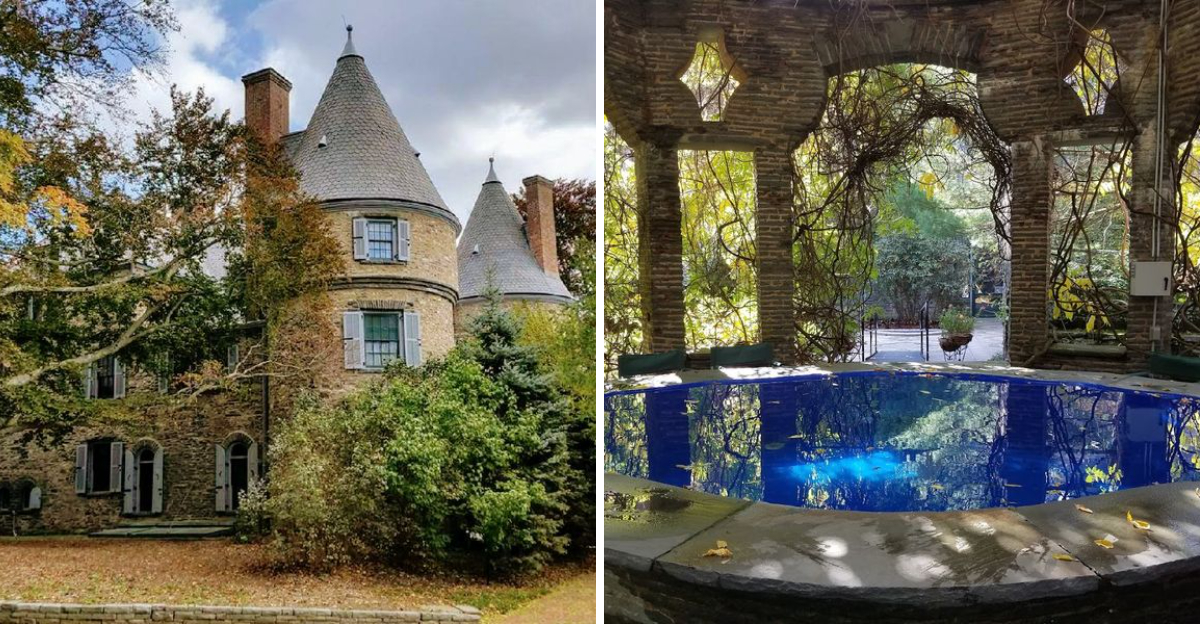
Somewhere in the rolling hills of northeastern Pennsylvania, a stone mansion rises above the trees like something out of a storybook. This historic site carries more than a century of American history within its walls.
Built in 1886, this French chateau-style estate was once home to Gifford Pinchot, the founder of the U.S. Forest Service and a two-term governor of Pennsylvania.
With dramatic towers and sweeping views across the Delaware River Valley, it is the kind of place that lingers in your memory long after you leave.
A French-Inspired Stone Mansion Straight Out Of A Fairytale
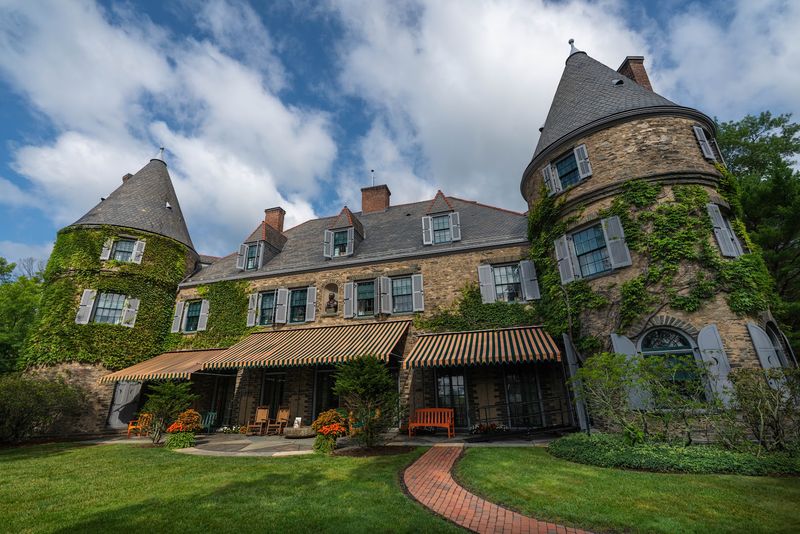
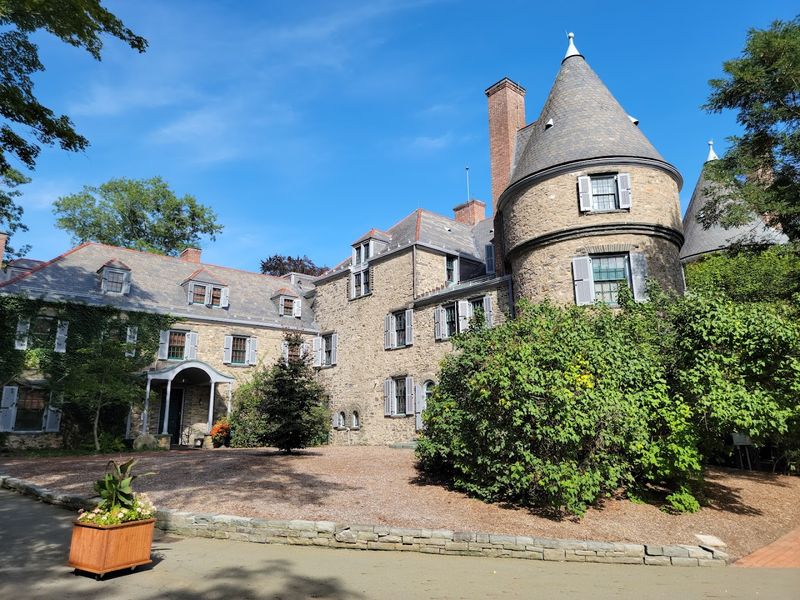
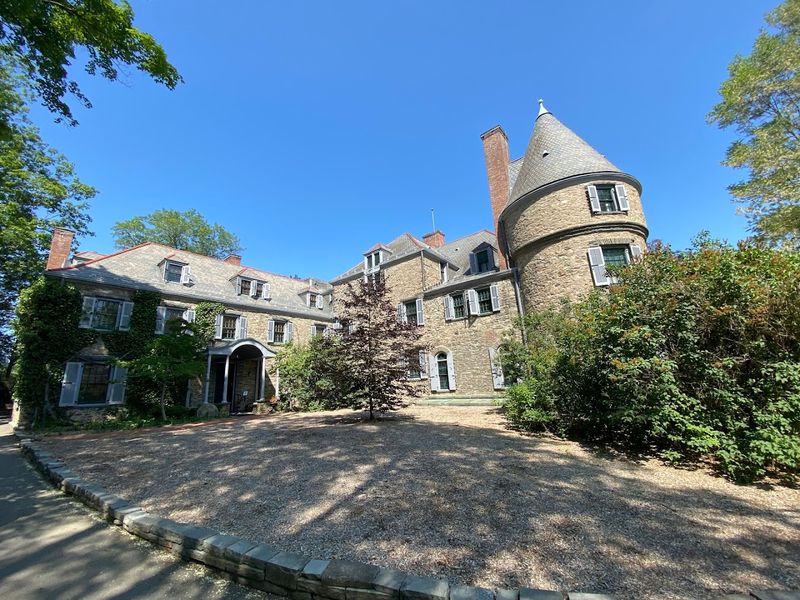
Few buildings in Pennsylvania command attention quite like this one. Grey Towers was designed by Richard Morris Hunt, one of the most celebrated architects of the Gilded Age, and completed in 1886 for James Pinchot, a prosperous timber merchant from New York.
The mansion draws heavily from French chateau architecture, with thick bluestone walls, steeply pitched rooflines, and three distinctive conical towers that give the estate its name.
Standing in front of the main facade, you get the immediate sense that this is not a building designed for modesty. Every carved stone detail and arched window communicates ambition and refinement.
Hunt also designed the Biltmore Estate in North Carolina and the base of the Statue of Liberty, which places Grey Towers in remarkable company.
The mansion is beautifully preserved and still conveys the grandeur of its original construction. For architecture enthusiasts, this alone is worth the drive to Milford.
The Historic Home Of Gifford Pinchot
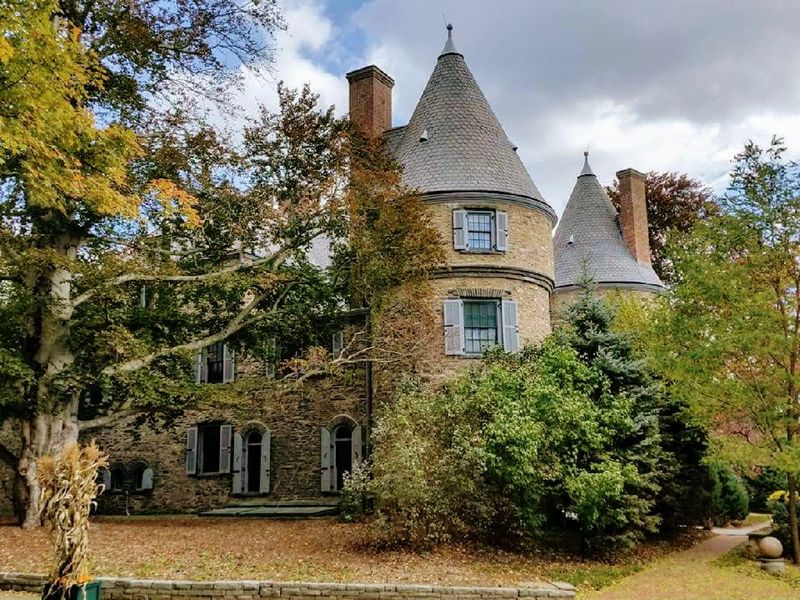
Gifford Pinchot is one of the most consequential figures in American environmental history, and Grey Towers was his anchor to the world. After his father James died in 1908, Gifford took ownership of the estate and used it as a retreat, a gathering place for politicians, and a base from which he advanced the conservation movement in the United States.
President Theodore Roosevelt appointed Pinchot as the first Chief of the U.S. Forest Service in 1905, a role he used to protect millions of acres of public land from unchecked industrial logging.
He later served two terms as Governor of Pennsylvania, in 1923 and again in 1931. Visitors who tour the mansion encounter exhibits, photographs, and personal artifacts that paint a vivid picture of a man who genuinely shaped how America thinks about its natural resources.
His legacy is inseparable from this house, and that connection gives every room an extra layer of meaning.
A National Historic Landmark In The Pocono Mountains
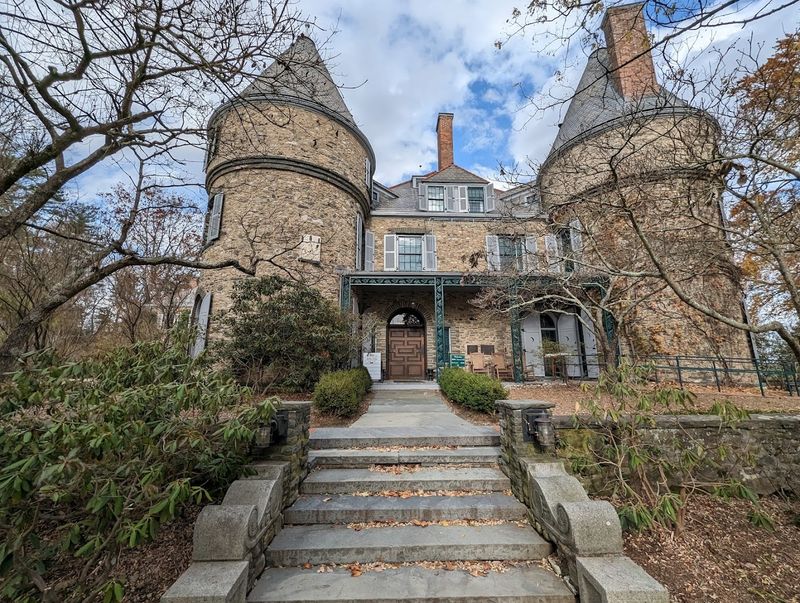
Grey Towers received its National Historic Landmark designation in 1963, a recognition that placed it among the most significant historic properties in the entire country. The estate sits on the edge of the Pocono Mountains in Pike County, a region known for its forests, rivers, and dramatic seasonal changes.
That setting is not incidental to the story of Grey Towers but central to it.
Gifford Pinchot grew up watching the forests of Pennsylvania disappear under the pressure of the logging industry, an industry his own family had profited from. That contradiction became a driving force behind his lifelong commitment to sustainable forestry and conservation policy.
The landscape surrounding the estate today reflects the values he championed.
The site is managed by the U.S. Forest Service, which adds a fitting institutional continuity to the place.
Visiting feels less like a museum trip and more like a direct encounter with American environmental history at its most personal.
Beautiful Terraces And Gardens Surrounding The Estate
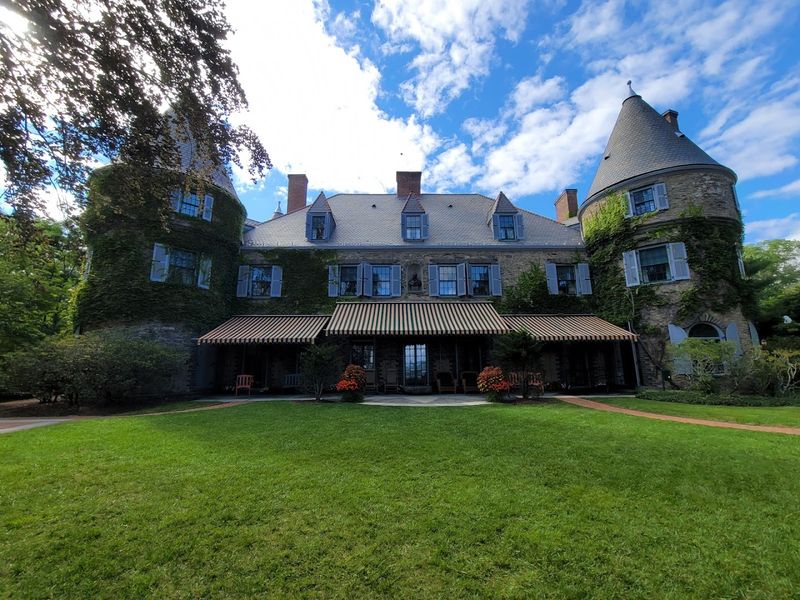
The grounds at Grey Towers are as carefully considered as the mansion itself. Terraced lawns descend from the main building in orderly layers, framed by mature trees, ornamental plantings, and stone pathways that invite a slow, deliberate walk.
In summer, the gardens carry a particular richness, with flowers in bloom and the kind of deep green that only comes from well-tended soil.
Visitors who arrive during fall get a different but equally rewarding experience, with foliage turning the hillsides into a patchwork of amber, red, and gold. The grounds are open throughout the week even on days when the mansion itself is not available for tours, so a quiet afternoon stroll remains an option regardless of the season.
The landscape design reflects the Pinchot family’s appreciation for both formal elegance and natural beauty. Bringing a picnic and spending an hour on the terraces is one of the most underrated ways to experience this remarkable property.
The Famous Finger Bowl Fountain Tradition
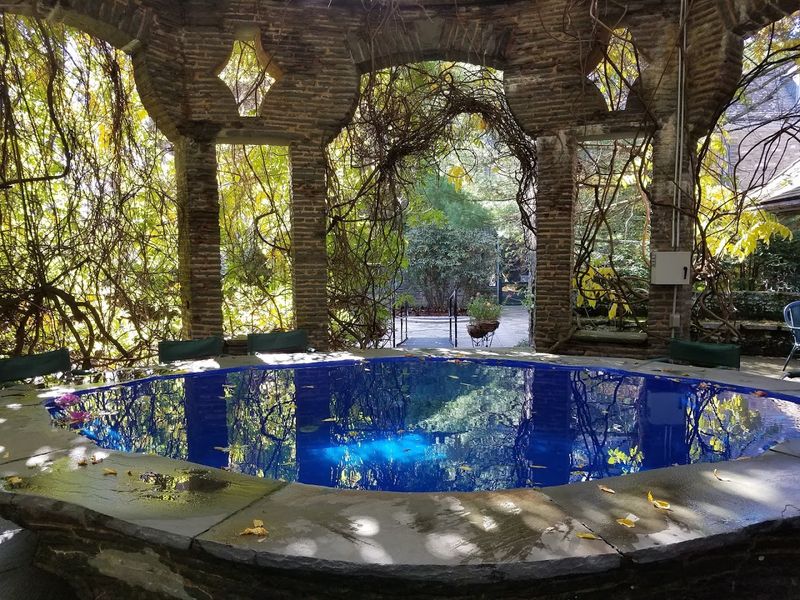
Among all the curiosities at Grey Towers, the Finger Bowl is the one that tends to stop visitors in their tracks. This large, circular outdoor dining structure features a central channel of flowing water, which the Pinchot family used in a genuinely inventive way during warm-weather entertaining.
Guests would sit around the table and float food and drinks to one another across the water, creating a communal dining experience that was equal parts practical and theatrical.
President John F. Kennedy visited Grey Towers in September 1963, just months before his assassination, and participated in a ceremony at this very spot.
That connection gives the Finger Bowl a weight beyond its architectural novelty.
The structure remains one of the most photographed features on the estate, and it is easy to understand why. Seeing it in person, you find yourself imagining the conversations that floated across that water alongside the food, which is exactly the kind of detail that makes historic sites worth visiting.
Guided Tours That Reveal The Estate’s Story
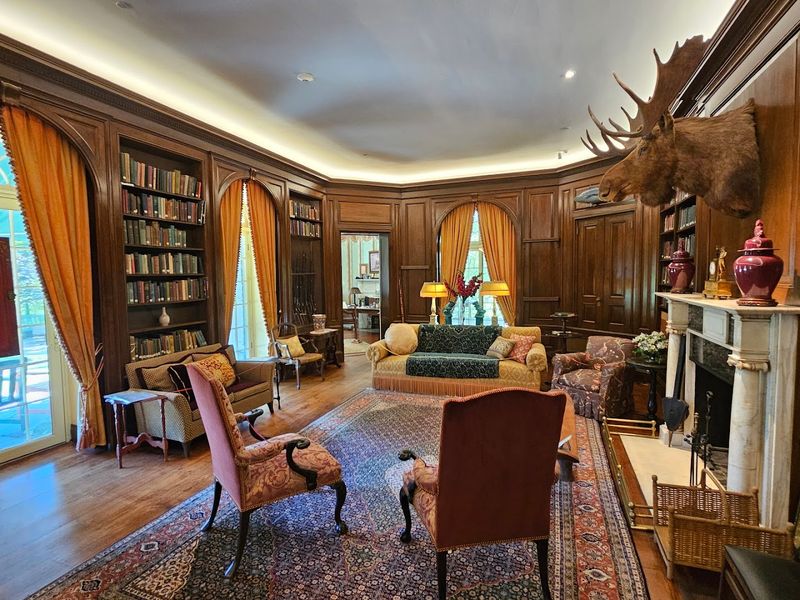
A walk around the grounds of Grey Towers gives you a pleasant afternoon, but a guided tour of the mansion gives you an education. Tours are available from May through October on select days of the week, and tickets must be purchased at the gift shop on the day of your visit.
Rangers and trained volunteers lead visitors through the first floor of the mansion, where the rooms have been preserved with period furnishings, personal photographs, and interpretive exhibits.
The ballroom and library are particular highlights, both for their architectural detail and for what they reveal about the social and intellectual life of the Pinchot family. Docents are well-prepared and genuinely enthusiastic, and several visitors have noted being surprised by how much ground a single tour covers.
During the holiday season, the upper floors of the mansion open for special Christmas tours, which offer a rare chance to see the full scope of the building’s interior in a festive, carefully decorated setting.
Scenic Grounds Overlooking The Delaware River Valley
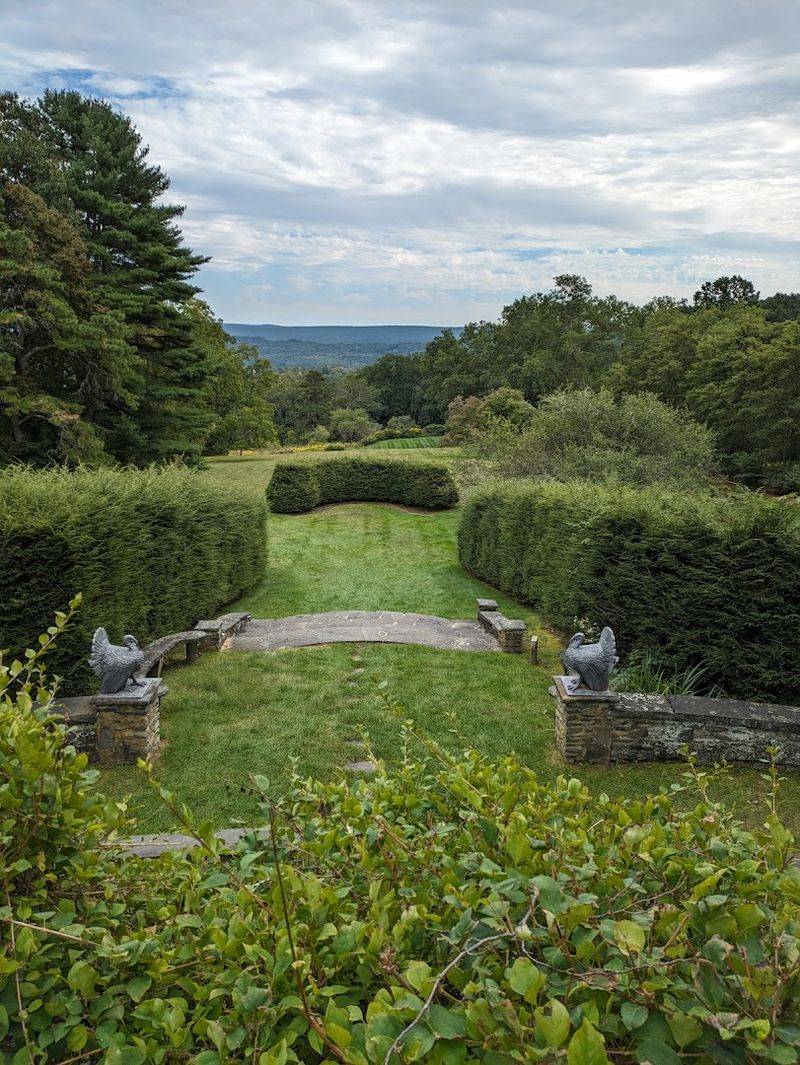
The position of Grey Towers on the landscape is no accident. James Pinchot chose this hillside site with great deliberateness, and the views from the estate’s upper terraces confirm that his judgment was sound.
Looking out from the grounds, you see the Delaware River Valley spread below in a broad, forested panorama that changes character with every season and every hour of daylight.
On a clear morning, the valley holds a light mist that lifts slowly as the sun rises, and the effect is genuinely striking without requiring any poetic exaggeration to describe. In autumn, the forested ridgelines turn color in sequence, and the estate becomes one of the better vantage points in the entire region for watching that transformation unfold.
Visitors who make the walk up behind the towers discover a wooded area with additional trails and what remains of the old pool site, now home to grapevines that produce edible fruit during summer. The landscape rewards exploration at every level.
A Historic Estate Managed By The U.S. Forest Service
Grey Towers holds a unique institutional position among American historic sites. It is the only National Historic Site managed by the U.S.
Forest Service, which makes it both a cultural landmark and a living symbol of the agency’s founding values. The Forest Service acquired the property in 1963 after Gifford Pinchot’s widow, Cornelia, donated it to the nation with the explicit hope that it would serve as a center for conservation education.
That vision has been honored faithfully. The rangers and staff at Grey Towers are notably knowledgeable and approachable during both formal tours and casual encounters on the grounds.
The site also operates a small gift shop where tickets for mansion tours are sold and basic refreshments are available.
Admission to the grounds is free, which removes any financial barrier to a visit. The mansion tour carries a modest fee, currently around ten dollars, which represents exceptional value for what you receive.
Seasonal Events And Educational Programs
Grey Towers operates well beyond its role as a static museum. Throughout the year, the site hosts a rotating calendar of events and programs designed to engage visitors of all ages with the history of conservation, the story of the Pinchot family, and the natural environment of the Pocono Mountain region.
The Junior Ranger program is a standout offering for families, giving children a structured way to explore the grounds and earn recognition for what they learn.
Fall visits often coincide with seasonal decorations, including pumpkins and harvest displays that add warmth to the stone exterior. The holiday Christmas tours, offered in December, draw visitors who want to see the upper floors of the mansion and experience the estate in a different atmospheric register.
The Bait Box, originally built as a playhouse for Gifford Pinchot’s son, now functions as a small outdoor amphitheater where an informative film about the estate’s history is screened regularly. It is a charming and useful addition to any visit.
One Of Pennsylvania’s Most Unique Historic Estates
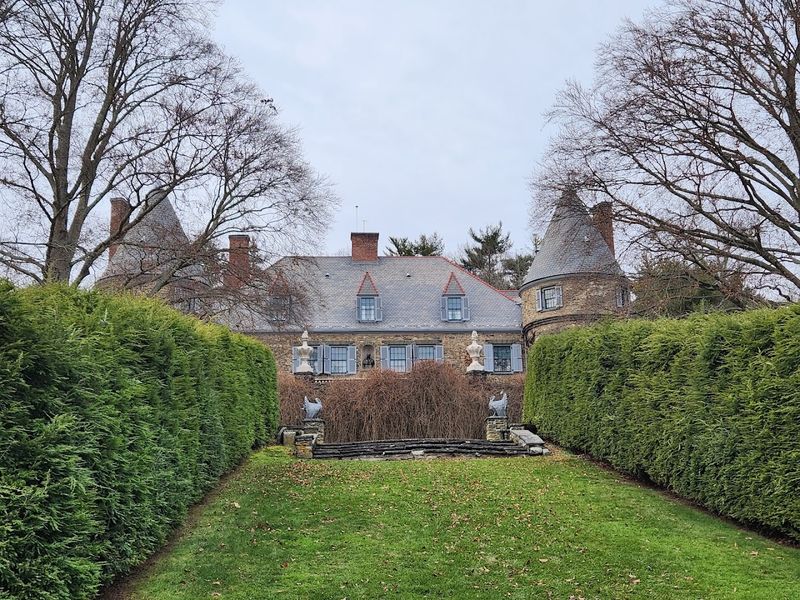
Measured against Pennsylvania’s considerable inventory of historic properties, Grey Towers occupies a category of its own. It combines Gilded Age architectural ambition with genuine national significance, a combination that very few estates anywhere in the country can claim.
The site sits just a few miles from Interstate 84, making it an accessible stop for travelers moving through the Delaware Water Gap region. The nearby town of Milford offers additional dining and lodging options, and several visitors recommend pairing a Grey Towers visit with lunch at one of the town’s well-regarded restaurants.
Whether you arrive for the architecture, the history, the gardens, or simply the views, Grey Towers delivers on every front. It is the kind of place that earns a return visit, and for many people who discover it, it becomes a permanent fixture in their travel plans.