
This Hidden Japanese Garden In New York Feels Like It’s From Another Magical World
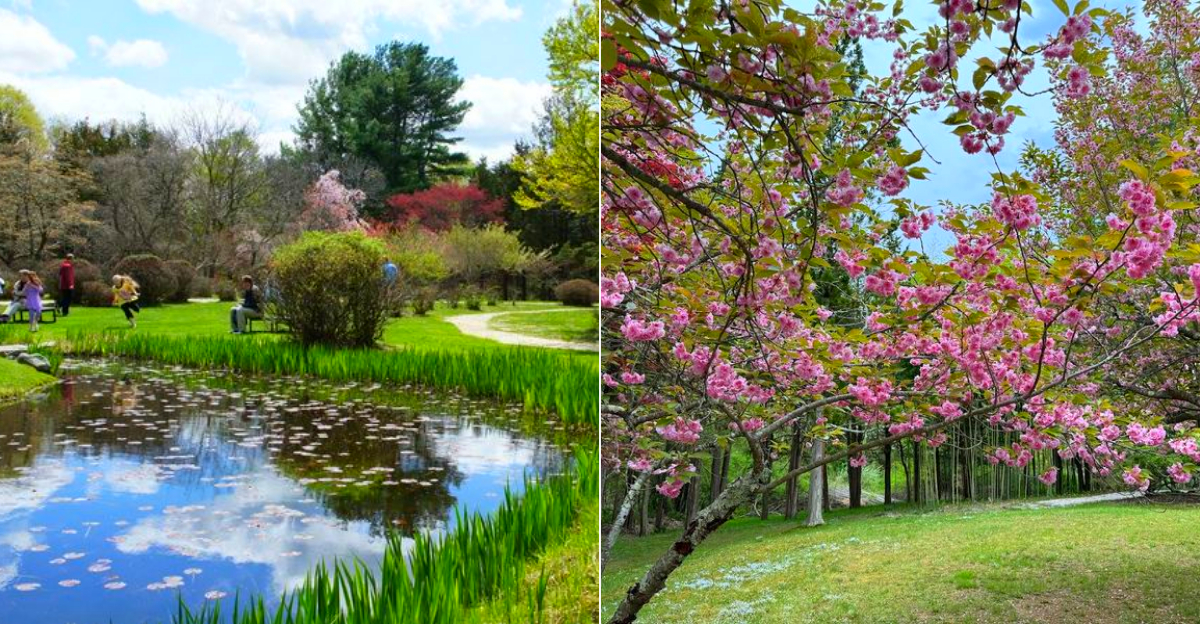
The moment you step inside this peaceful garden, New York suddenly feels very far away. The noise fades, the paths grow quiet, and carefully placed stones, water, and greenery create a space that feels calm in the best possible way.
Every turn reveals something beautiful, from graceful bridges to perfectly shaped trees.
Walking through it almost feels like stepping into a completely different world.
Visitors often slow down without even realising it, taking their time to enjoy the quiet views and thoughtful design. It’s the kind of place where you wander for a while, breathe a little deeper, and forget you’re still in New York at all.
A Garden That Feels Completely Out Of Place In The Best Way Possible
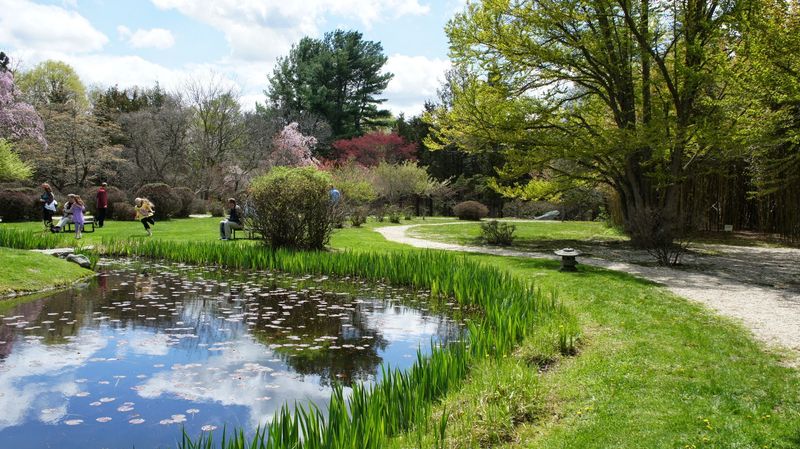
You are driving through a perfectly ordinary stretch of road in Westchester County, surrounded by suburban houses and the occasional farm stand, and then you turn a corner and suddenly there is a bamboo forest. A koi pond.
Stone lanterns. A tea house.
You genuinely check your GPS to make sure you have not accidentally crossed an international border.
That is the Hammond Museum and Japanese Stroll Garden experience in a nutshell, and it is absolutely worth every second of the drive. The garden sits on 3.5 acres of thoughtfully arranged land, and every section of it feels intentional.
There are paths that curve just enough to make the next view a small surprise, benches positioned where the light falls perfectly, and plantings that shift dramatically depending on the season.
Spring brings cherry blossoms, azaleas, and Japanese maples in full color. Summer fills the pond with water lilies.
Autumn layers the grounds in amber and crimson. Each visit is genuinely a different experience, which is a rarer quality than most destinations are willing to admit.
The whole place operates with a kind of quiet confidence that is immediately disarming.
Hammond Museum And Japanese Stroll Garden: What You Actually Need To Know Before You Go
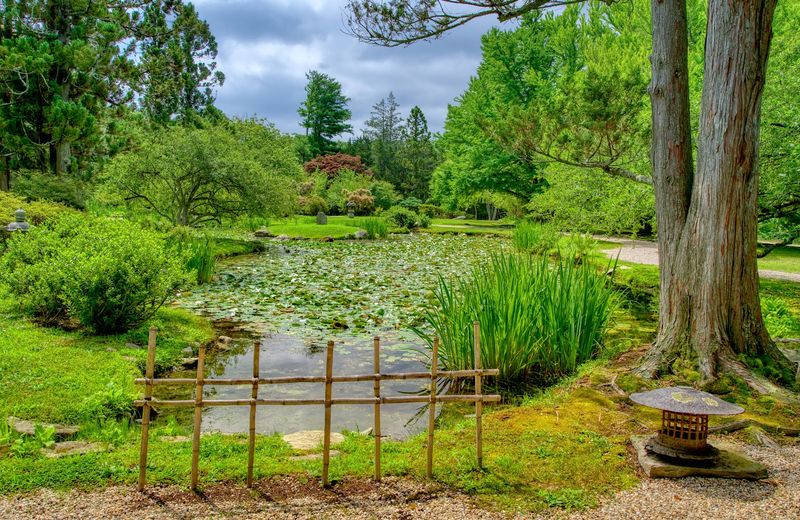
The Hammond Museum and Japanese Stroll Garden is located at 28 Deveau Road in North Salem, New York, a detail worth noting because the surrounding roads are quiet and the signage is modest.
The museum operates seasonally, generally from early April through most of November, with special events occasionally extending into December.
Admission runs around fifteen dollars per adult, with discounts available for seniors and children.
Parking is free, which already puts this place ahead of half the attractions in the greater New York area. The grounds are open for self-guided strolling, and visitors are genuinely encouraged to bring a picnic and settle in for an unhurried afternoon.
The staff are consistently described as warm, knowledgeable, and approachable, qualities that add considerably to the overall atmosphere.
The museum itself houses rotating art exhibitions alongside permanent collections that include Japanese artifacts such as Yatate writing tools, photography installations, and mixed-media works.
Complimentary green tea has been offered to guests, which is a small gesture that lands with surprising elegance.
The phone number for visitor inquiries is plus one nine one four six six nine five zero three three, and the website hammondmuseum.org carries current exhibition and event schedules worth checking before your visit.
The Art Inside The Museum Is Quietly Impressive And Genuinely Worth Your Time
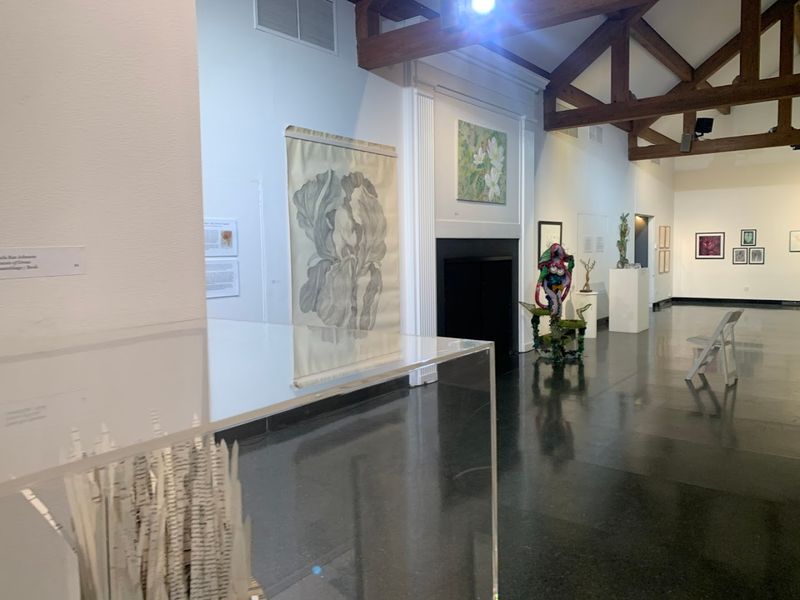
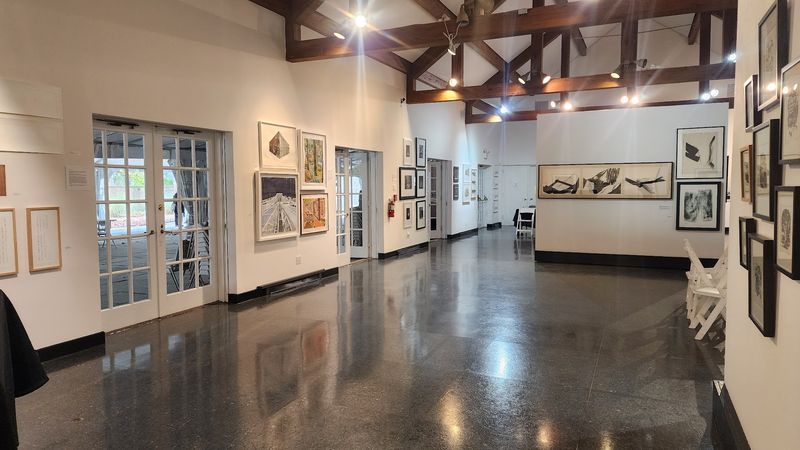
Most people arrive at Hammond expecting to spend all their time outdoors, which is completely understandable given how the garden looks. What catches many visitors off guard is how compelling the museum interior turns out to be.
The main gallery is a spacious, high-ceilinged room that hosts a rotating program of exhibitions throughout the season, ranging from traditional Japanese craft objects to contemporary photography and sculpture installations.
Past exhibits have featured Yatate writing artifacts, which are small portable ink-and-brush tools historically used by Japanese scholars and travelers.
Seeing them up close, understanding their purpose and the craftsmanship involved, adds a layer of cultural depth that the garden alone cannot provide.
Photography exhibitions have also drawn strong praise, with visitors noting the high quality and thoughtful curation of the work on display.
Sound installations have made appearances as well, including one that involved recording and playing back the calls of local toads in a forested setting, which divided opinion rather entertainingly in visitor reviews.
Art has always had that effect on people, and a museum willing to take that kind of creative risk earns a certain amount of respect.
The permanent collection alone justifies stepping inside before heading out to the garden.
Cherry Blossoms, Azaleas, And The Garden At Peak Season
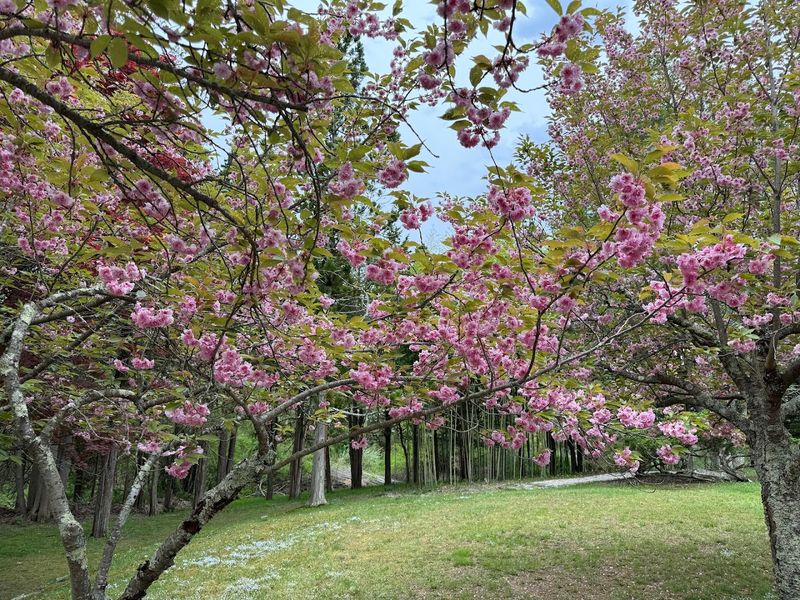
Few natural spectacles in the northeastern United States match the momentum of a Japanese garden in full spring bloom, and Hammond delivers that experience with real conviction.
Visitors who time their trip to coincide with the cherry blossom season are rewarded with a landscape that shifts almost daily, as the blossoms open, peak, and drift across the pathways in pale pink clouds.
The azaleas follow closely behind, adding deeper pinks and purples to the composition.
Japanese maples contribute their own quiet drama, with new leaves emerging in shades of burgundy and copper that catch the morning light in ways that are genuinely difficult to photograph well, though many visitors try admirably.
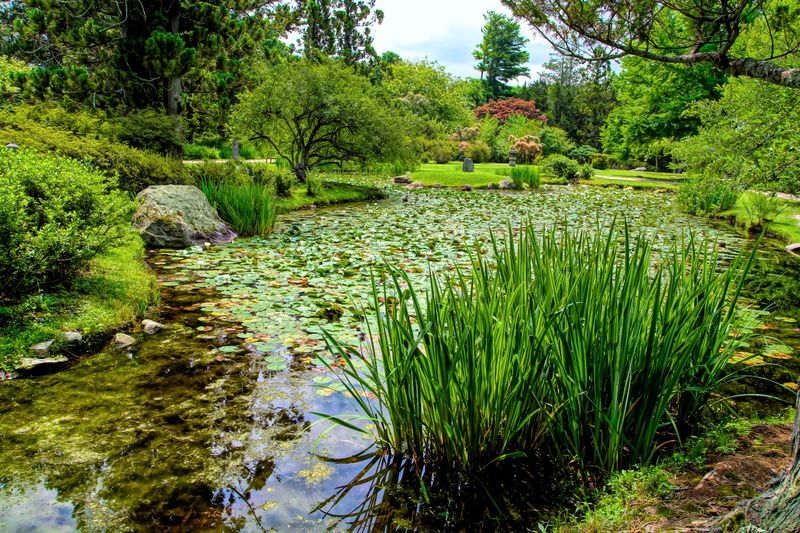
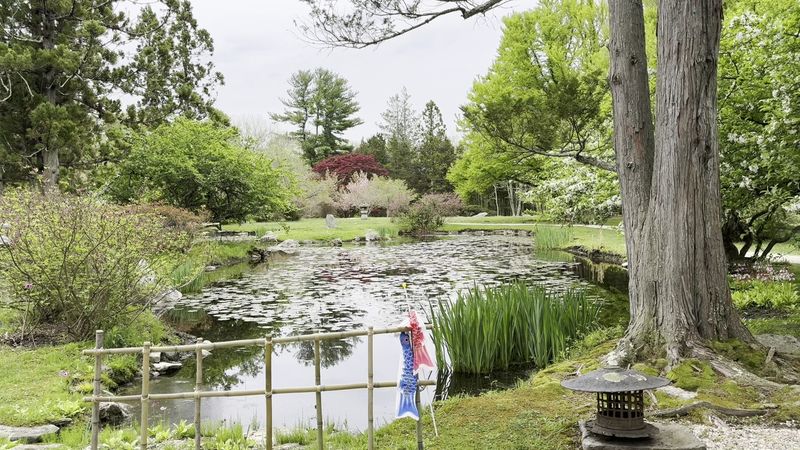
Irises appear later in the season along the water’s edge, and water lilies eventually settle across the surface of the koi pond with the kind of unhurried ease that feels almost theatrical.
Autumn earns its own devoted audience, with the maples and other deciduous plantings turning the garden into a study in warm color. One previous visitor noted that even in November, without flowers, the bare structure of the trees and the quality of the pathways remained stunning.
That is the mark of a garden designed with genuine understanding rather than seasonal dependency alone.
The Bamboo Grove And Koi Pond Are The Heart Of The Entire Experience
There is something about a bamboo grove that changes the quality of sound around you. The rustling of the canes in a light breeze creates a texture of noise that is somehow both busy and calming, and standing inside one has the odd effect of making the rest of the world feel very far away.
The bamboo grove at Hammond is one of the features most consistently praised by visitors, and it is easy to understand why once you are standing in it.
The koi pond anchors the garden with a different kind of presence. Still water reflects the overhanging branches and the sky above, and the fish themselves move through the water with an unhurried grace that is easy to watch for longer than you might expect.
Benches are positioned nearby, and the combination of water, shade, and the sound of the bamboo creates an environment that genuinely slows the nervous system down in a way that few urban or semi-urban destinations manage.
Wedding photographers have taken note of this setting, and the garden has become a sought-after ceremony location.
The island section of the garden, accessible by a small bridge, has hosted ceremonies where golden hour light falls at precisely the right angle to make every photograph feel considered and luminous.
The Adams School Of Art Adds A New Dimension To An Already Layered Destination
In 2025, Hammond opened the Adams School of Art on its grounds, and the addition has expanded what was already a thoughtful cultural destination into something with genuine educational and creative depth.
The school offers ceramic courses and workshops, along with classes in painting, drawing, and sculpture.
Having a working art school situated within a Japanese stroll garden is an arrangement that makes a certain kind of perfect sense, even if you had never thought to ask for it.
The presence of the school means that on any given visit, you might encounter students working in clay while the garden operates quietly around them, which adds a layer of lived-in creative energy to the grounds that purely contemplative spaces sometimes lack.
Art being made in a beautiful place has a way of making both the art and the place feel more meaningful simultaneously.
Beyond formal classes, Hammond hosts a range of special events throughout the season, including yoga sessions, singing bowl events, and artist markets where original works are available for purchase.
Checking the museum website before visiting is genuinely recommended rather than just a polite suggestion, because the programming calendar is active enough that arriving without looking first means you might miss something worth staying for.
Why Hammond Museum Deserves A Permanent Place On Your New York Day Trip List
North Salem sits far enough from Manhattan to feel like a genuine escape, close enough that the drive does not require an overnight commitment.
The combination of a rotating art museum, a seasonally dynamic Japanese stroll garden, a working art school, event programming, and free parking makes Hammond one of the more complete day-trip destinations available to anyone within a reasonable distance of Westchester County.
The tea house on the grounds provides a focal point that grounds the Japanese design philosophy across the entire property. Visitors are encouraged to bring food and eat in the garden, a policy that transforms the visit from a quick cultural check-in into a proper afternoon of leisure.
That kind of hospitality, unhurried and genuinely welcoming, is not something every small museum gets right.
Reviews consistently describe the garden as a hidden gem, a phrase that has been overused to the point of exhaustion in travel writing, but which applies here with unusual accuracy.
Hammond has a 4.5-star rating, and the enthusiasm in those responses is specific and sincere rather than vague and promotional.
If you have been driving past the exit for four years without stopping, as at least one visitor admits to doing, this is the article that gives you permission to finally pull over.