
This Fascinating Dinosaur Museum In Wisconsin Is More Impressive Than You’d Expect
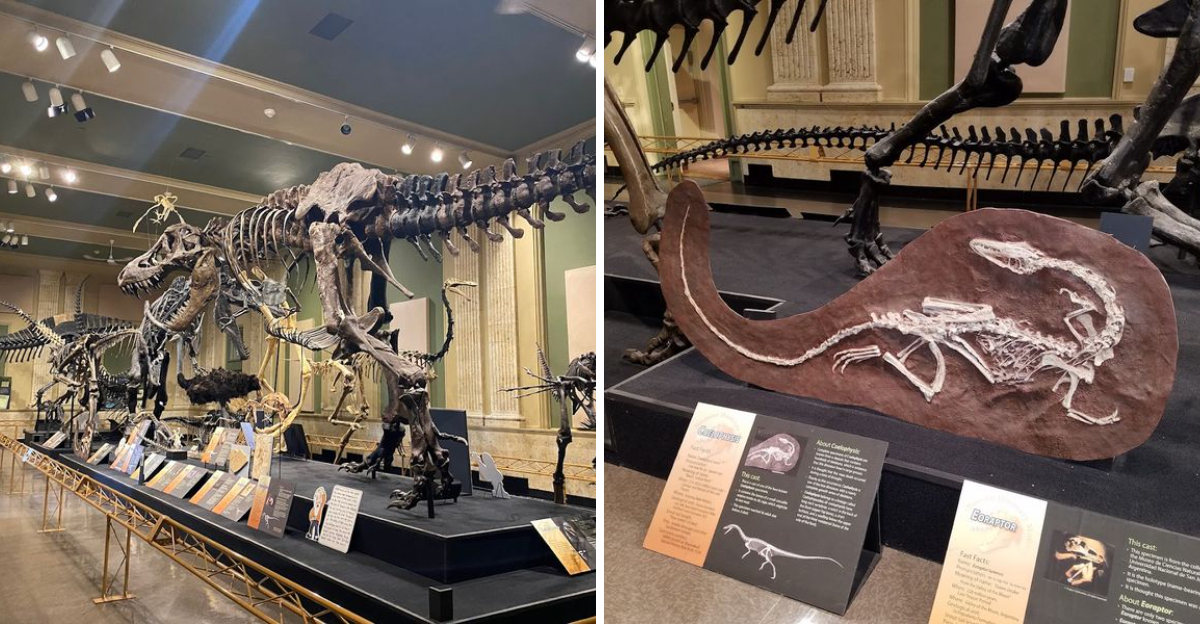
It doesn’t take long to realise this isn’t just another museum stop. The moment you step inside, towering skeletons and detailed exhibits pull your attention in every direction.
Blink and you might miss something worth a second look. The space may seem modest at first glance, but it quickly reveals a deeper experience, with each display adding a new layer that connects prehistoric life to the world today.
I caught myself slowing down, looking closer, and spending more time here than I planned. By the end, it’s clear this place delivers far more than you expect.
A Dinosaur Museum Focused On Meat-Eating Species
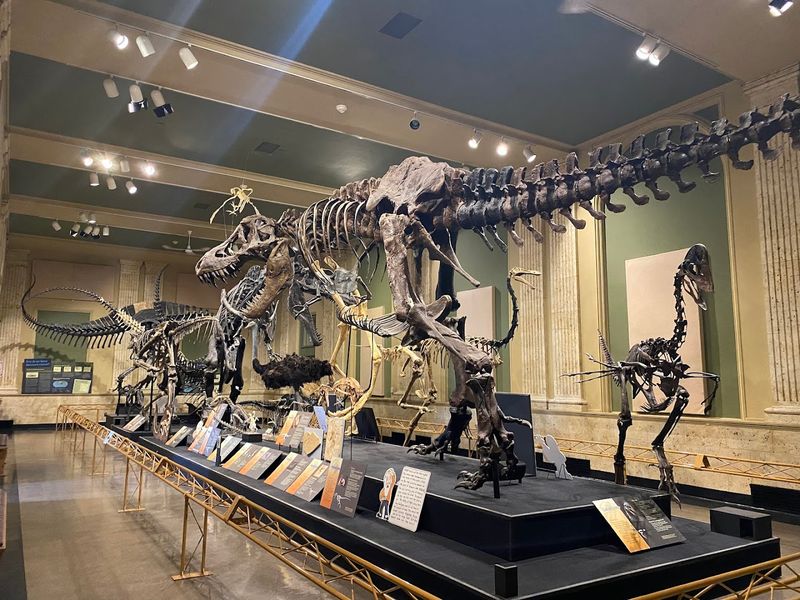
Carnivorous dinosaurs command attention in ways their plant-eating relatives simply cannot match. At 5608 10th Ave in Kenosha, this museum dedicates its entire collection to predatory species, creating a focused experience that sets it apart from general natural history institutions.
The concentration on meat-eaters allows for deeper exploration of hunting behaviors, skeletal adaptations, and the fierce competition that defined prehistoric ecosystems.
Visitors encounter species ranging from the massive Tyrannosaurus rex to smaller, agile hunters that relied on speed rather than size. Each specimen tells a story about survival strategies and evolutionary advantages.
The museum presents these creatures not as monsters but as sophisticated animals perfectly adapted to their environments.
This specialized approach means every display connects to a larger narrative about predation and evolution. Children and adults alike discover how these ancient hunters moved, what they ate, and how they dominated their world for millions of years.
Home To Life-Size Dinosaur Skeleton Casts
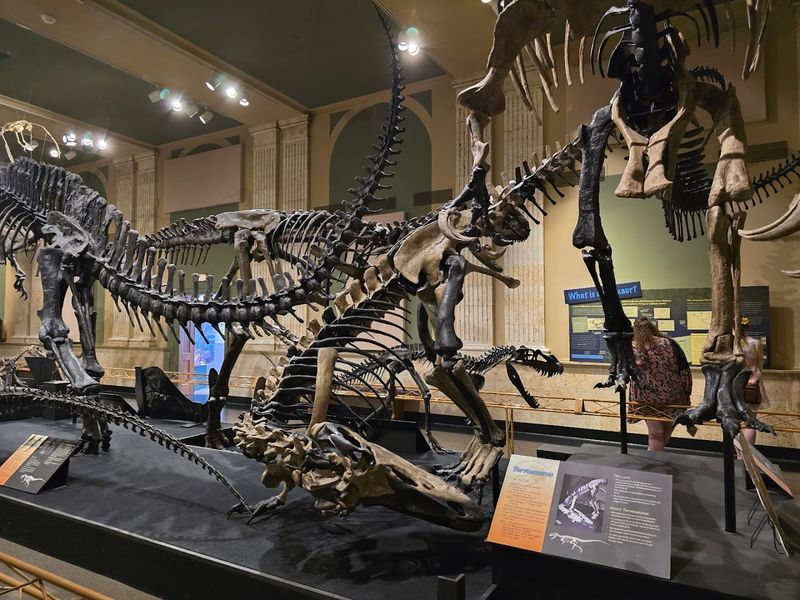
Standing beneath a complete dinosaur skeleton creates a moment of genuine awe that photographs cannot capture. The museum houses multiple life-size casts that tower over visitors, offering perspective on just how massive these creatures truly were.
These replicas come from original fossils discovered worldwide, representing some of the most significant paleontological finds in history.
The quality of these casts impresses even seasoned museum visitors. Every vertebra, rib, and claw appears in accurate detail, allowing observers to study anatomical features up close.
The positioning of each skeleton demonstrates natural postures rather than dramatic but unrealistic poses.
Families often spend considerable time circling these displays, noticing new details with each pass. The scale becomes particularly striking when children stand next to the towering legs or beneath the massive skulls.
These casts transform abstract scientific concepts into tangible reality, making prehistoric life feel immediate and real rather than distant and imaginary.
One Of The Largest Theropod Displays In The Region
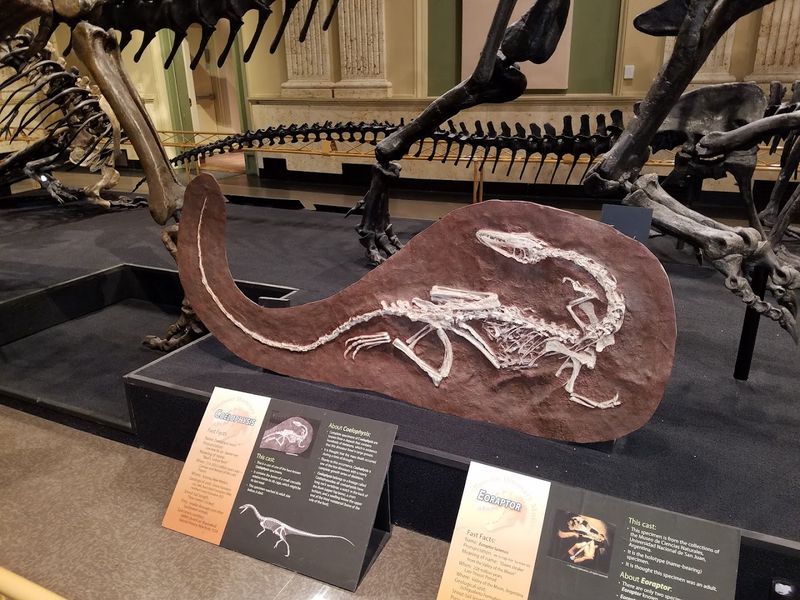
Theropods represent the most successful group of predatory dinosaurs, and this museum celebrates them comprehensively. The collection includes specimens from various theropod families, creating opportunities for direct comparison that few regional museums can offer.
Visitors trace evolutionary connections between species separated by millions of years but united by shared characteristics.
The display strategy emphasizes diversity within the theropod group. Massive tyrannosaurs stand near lighter, bird-like species, illustrating the remarkable range of body types that evolved from common ancestors.
This arrangement helps visitors understand that dinosaurs were not monolithic but represented incredible variety in size, shape, and lifestyle.
Regional museums often feature one or two signature dinosaurs, but this institution commits to showcasing the breadth of theropod evolution. The result feels more like a comprehensive education than a simple exhibition.
Anyone interested in predatory dinosaurs will find specimens here that surprise and inform, revealing connections between ancient hunters and modern birds.
A Clear Link Between Dinosaurs And Modern Birds
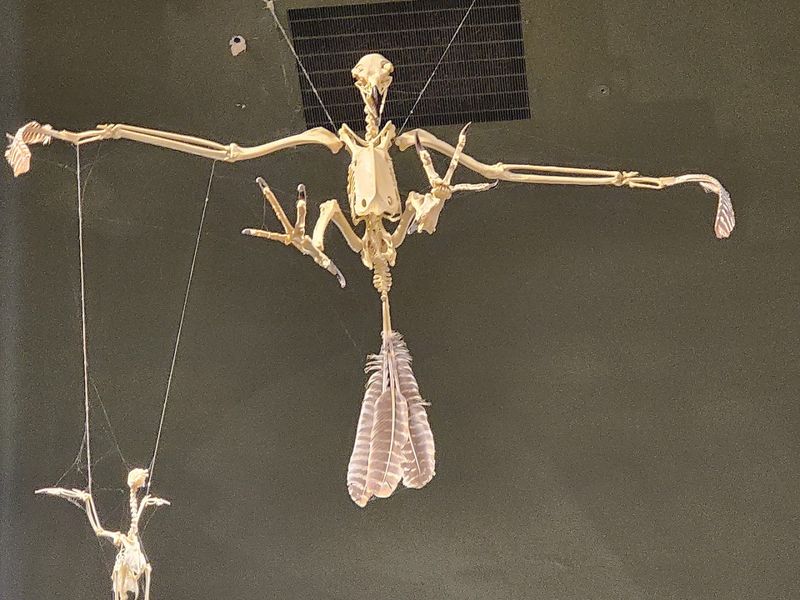
Birds are dinosaurs, a fact that still surprises many visitors who learned outdated information decades ago. This museum makes the dinosaur-bird connection central to its educational mission, presenting fossil evidence and anatomical comparisons that make the relationship undeniable.
Displays highlight shared features like hollow bones, wishbones, and three-toed feet that connect ancient theropods to contemporary sparrows and eagles.
The progression from ground-dwelling predators to flying birds unfolds through carefully selected specimens. Feathered dinosaur casts demonstrate transitional forms that possessed both reptilian and avian characteristics.
These fossils, discovered primarily in China, revolutionized paleontology and changed how scientists understand dinosaur biology.
Children often find this connection particularly engaging, realizing that dinosaurs did not entirely vanish but transformed into creatures they see daily. The museum presents complex evolutionary concepts in accessible language, using visual comparisons that make the science comprehensible.
This approach transforms bird-watching from a simple hobby into an opportunity to observe living dinosaurs adapted for modern ecosystems.
An On-Site Fossil Preparation Lab
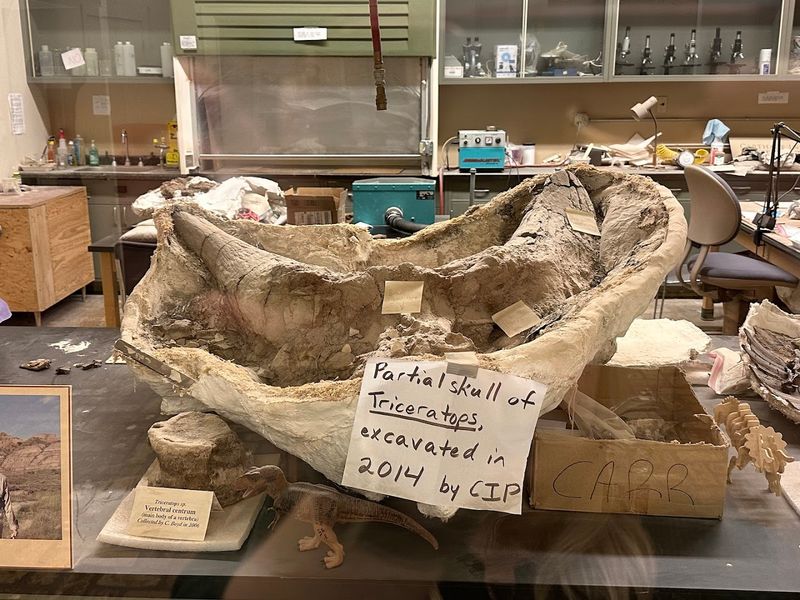
Scientific work happens in real time behind a viewing window in the basement level. The fossil preparation laboratory allows visitors to watch paleontologists carefully remove rock matrix from ancient bones, a painstaking process that can take months or years for a single specimen.
This transparency demystifies paleontology, showing the meticulous effort required to transform field discoveries into museum displays.
The current project visible through the window varies throughout the year. Triceratops skulls, predator teeth, and other specimens have all spent time under the careful attention of preparators.
Watching someone work on a fossil that is millions of years old creates a connection between past and present that feels almost intimate.
This feature distinguishes the museum from institutions that only display finished products. Visitors gain appreciation for the scientific process and the dedication required to study prehistoric life.
Children particularly enjoy seeing real paleontological work, often inspiring questions about careers in science and the possibility of making their own discoveries someday.
A Smaller Museum With A Surprisingly Detailed Experience
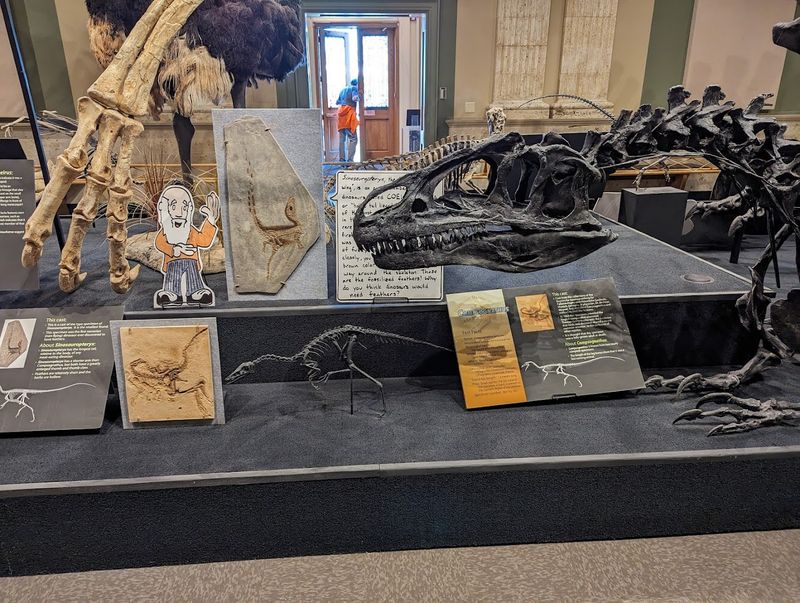
Size does not determine quality, a principle this museum proves convincingly. The main gallery occupies a single room, yet the density of information and the quality of displays rival institutions many times larger.
Thoughtful curation means every specimen serves a purpose, contributing to the overall narrative about predatory dinosaurs and their evolution into birds.
Visitors typically spend between thirty minutes and an hour exploring the main exhibits, a manageable timeframe that prevents the exhaustion common at sprawling museums. Families with young children particularly appreciate this scale, which allows for thorough exploration without overwhelming attention spans.
The compact layout also means less walking between displays, keeping energy focused on learning rather than navigation.
The building itself, a relocated historic post office, adds architectural interest to the visit. Beautiful details in the structure complement rather than compete with the exhibits.
This combination of manageable size and rich content creates an experience that feels complete rather than abbreviated, proving that effective museum design matters more than square footage.
Free Admission Makes It Easy To Visit
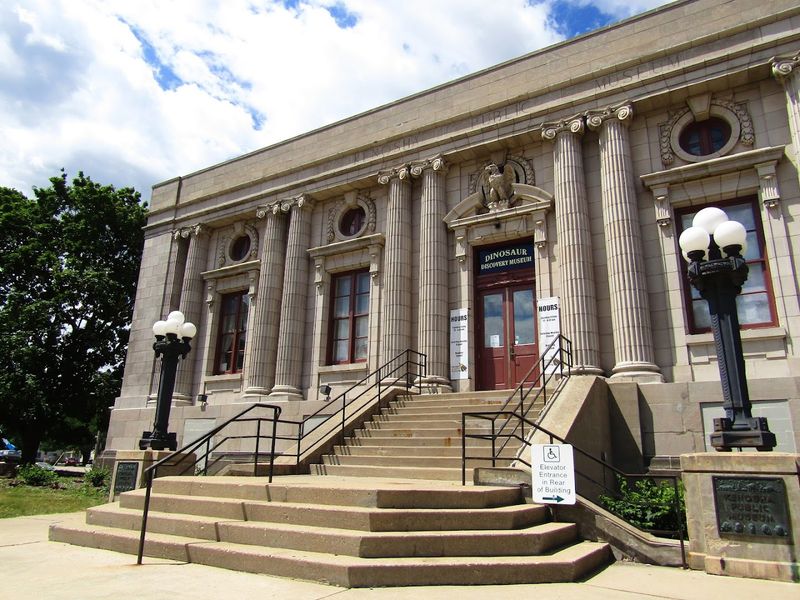
Financial barriers prevent many families from enjoying cultural institutions, making this museum’s admission policy particularly valuable. Entry requires no ticket purchase, operating instead on a suggested donation model that allows everyone to visit regardless of budget.
This approach reflects a commitment to education and community access that feels increasingly rare in modern museum culture.
The suggested donation of three dollars remains entirely optional, removing the pressure that sometimes accompanies free admission at other venues. Visitors can contribute what they can afford, and those unable to donate still receive the same warm welcome and full access to all exhibits.
This policy enables repeated visits, allowing families to return whenever curiosity strikes.
Free admission also encourages spontaneous visits rather than requiring advance planning and budgeting. Parents can stop by during an afternoon in Kenosha without worrying about admission costs adding up for multiple children.
The museum sustains itself through donations, grants, and gift shop sales, proving that accessible cultural institutions can thrive when communities support them.
Interactive Exhibits That Keep Visitors Engaged
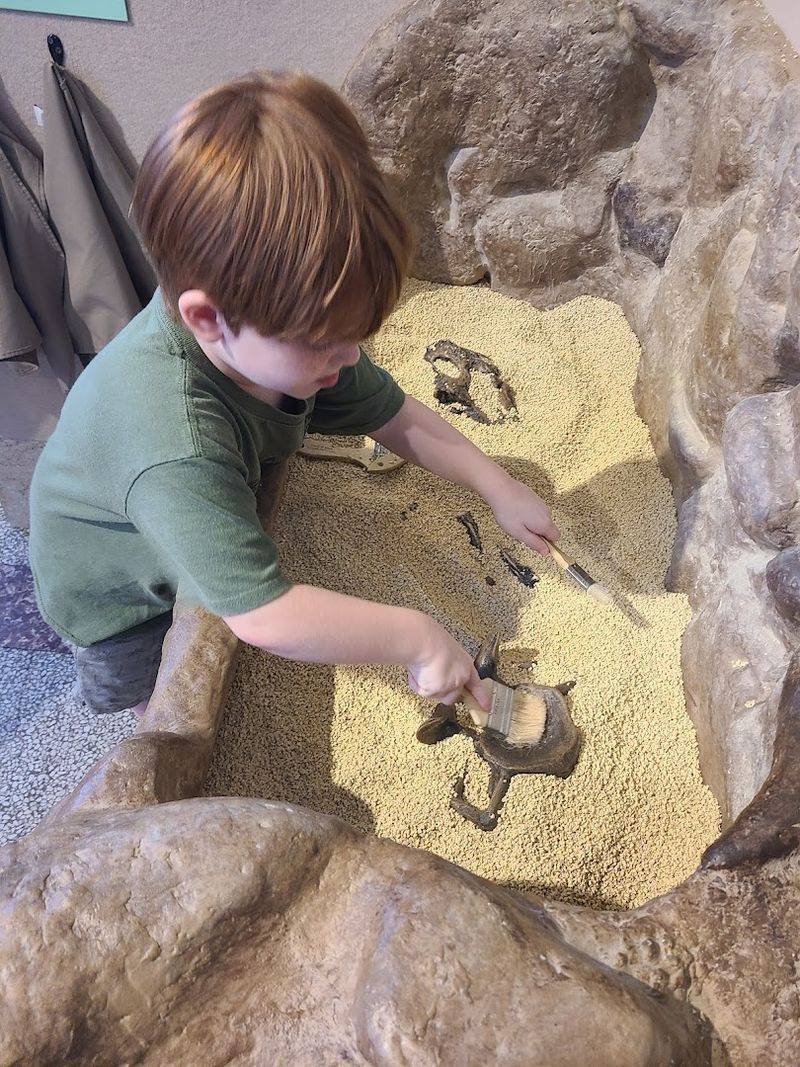
Passive observation has its place, but hands-on activities transform learning from abstract to memorable. The museum provides multiple interactive stations where children can dress in dinosaur costumes, complete puzzles, and participate in simulated excavations.
These activities reinforce concepts presented in the main gallery, helping young visitors internalize information through play and exploration.
The costume area proves particularly popular, allowing children to become their favorite dinosaurs while parents capture photos. Puzzle stations challenge problem-solving skills while teaching about skeletal anatomy and species identification.
Each activity connects to larger educational goals rather than serving as mere entertainment.
Downstairs, a dedicated play area offers dinosaur-themed toys, coloring stations, and books that extend the learning experience. This space gives younger children a place to process what they have seen upstairs through imaginative play.
Parents appreciate having options that accommodate different learning styles and energy levels, making the museum genuinely welcoming to families with children of various ages and interests.
Located In A Walkable Part Of Kenosha
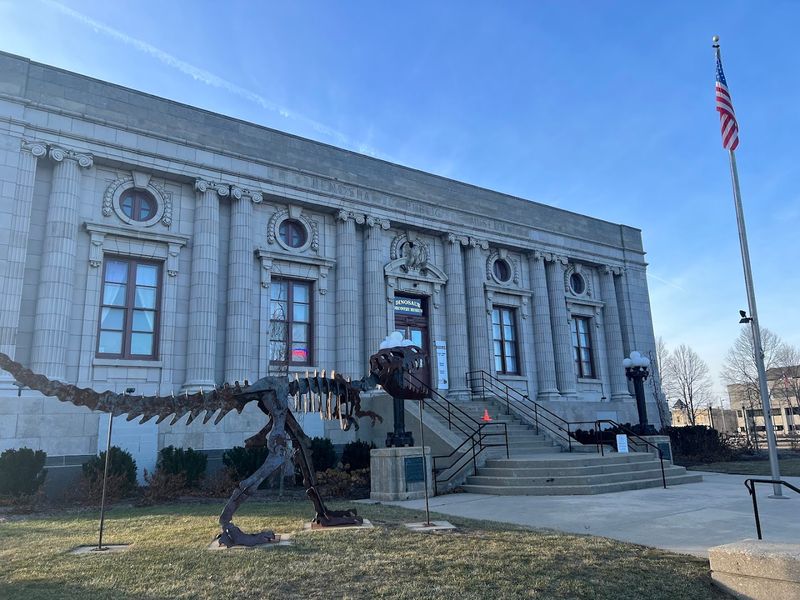
Context matters when visiting cultural attractions, and this museum benefits from its location in a neighborhood designed for pedestrians. The surrounding area features other museums, restaurants, and historic buildings, creating opportunities for a full day of exploration without constant driving.
Street parking appears readily available, and the brick roads add period charm to the approach.
The Kenosha Public Museum sits just down the road, allowing visitors to combine dinosaur exhibits with broader natural history and regional culture displays. This proximity makes planning an educational outing particularly straightforward, especially for families traveling from Milwaukee, Chicago, or other regional cities.
The walkable environment also means children can burn energy between museum visits rather than being confined to car seats.
Downtown Kenosha has invested in preserving historic architecture while supporting contemporary businesses, creating a pleasant atmosphere for visitors. The museum contributes to this cultural district, drawing people who might not otherwise explore the area.
This integration into a larger community context enhances the overall experience beyond what the museum itself provides.
A Museum That Appeals To All Ages
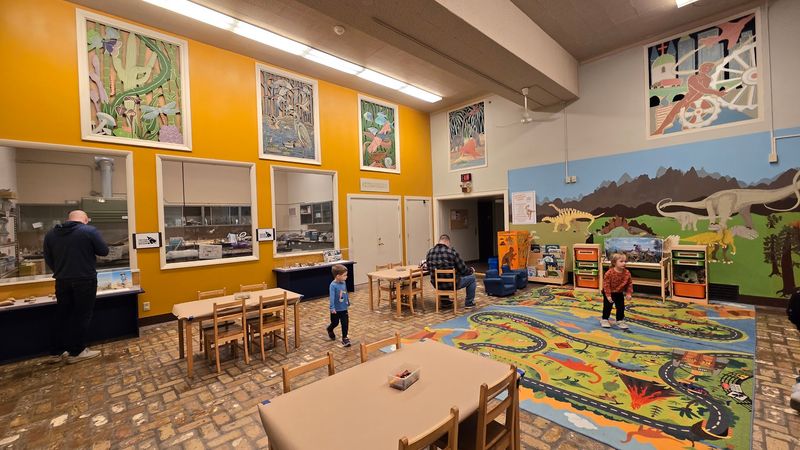
Truly successful museums create experiences that resonate across generations, and this institution achieves that challenging goal. Toddlers enjoy the play areas and the sheer size of the skeletons, while elementary students engage with interactive exhibits and scavenger hunts.
Teenagers and adults appreciate the scientific depth and the opportunity to learn about recent paleontological discoveries that have transformed understanding of dinosaur biology.
Grandparents often find the museum particularly rewarding, as the manageable size prevents fatigue while still offering substantial educational content. The building’s historic character appeals to those interested in architecture and local history.
Knowledgeable volunteers and staff members enhance visits through conversation and answers to questions, adding personal touches that recordings and signs cannot replicate.
The museum succeeds because it respects all visitors, presenting information at multiple levels simultaneously. Simple labels work for younger readers, while detailed explanatory text satisfies curious adults.
This layered approach means families can visit together and each member will find something appropriate to their interests and understanding, making it a genuine shared experience.