
This Wisconsin State Park Is So Peaceful Many Locals Have Never Heard Of It
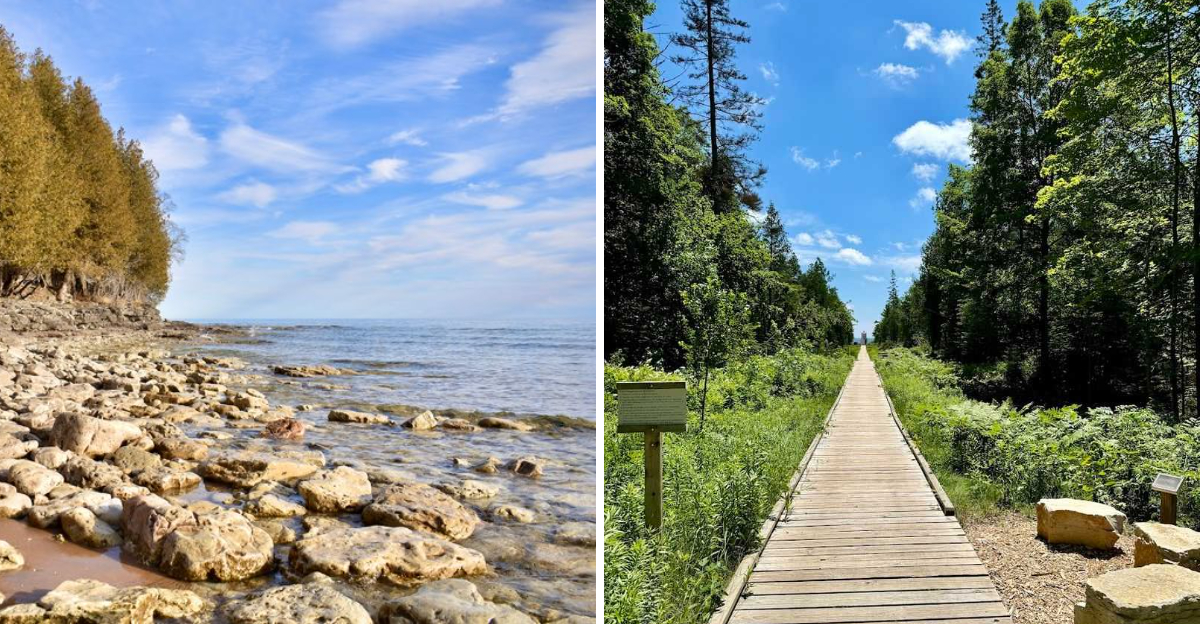
Along the eastern shore of Door County, a stretch of Wisconsin coastline protects one of the state’s most quietly impressive natural landscapes. Nearly 900 acres of forest, wetlands, and Lake Michigan shoreline come together here to create a peaceful escape that still feels surprisingly uncrowded.
Many people pass through Door County without realising this scenic corner even exists, which helps keep the atmosphere calm even during the warmer months. Anyone who appreciates open space, fresh lake air, and views that speak for themselves will quickly understand why this place leaves such a strong impression.
Home To Wisconsin’s Tallest Sand Dunes Along Lake Michigan
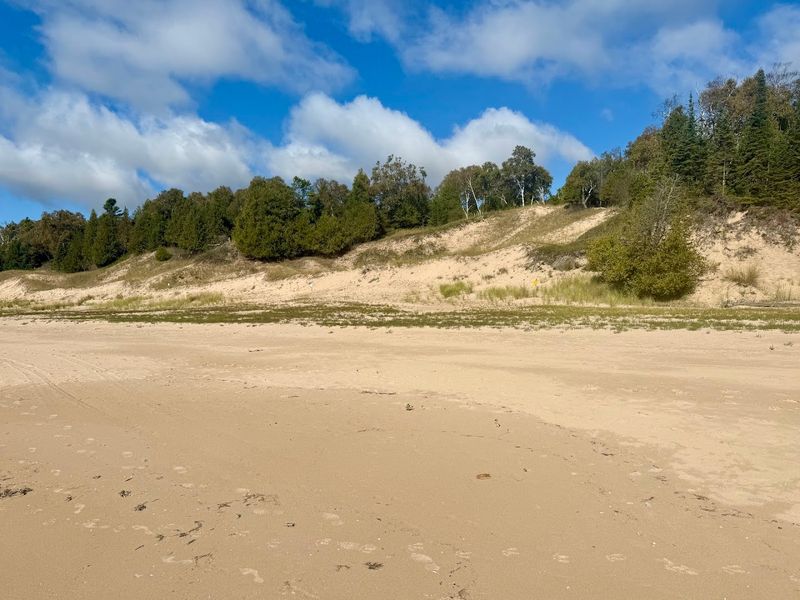
Few people expect to find sand dunes of this scale in Wisconsin, yet Whitefish Dunes State Park holds the tallest dunes in the entire state along the Lake Michigan shoreline. The dunes rise dramatically from the beach, shaped over thousands of years by wind, water, and shifting sediment deposits from the lake.
Standing at the base of one of these formations, the scale becomes immediately clear. They are not decorative mounds but genuine geological structures that command attention and reward the effort of anyone willing to walk toward them.
The dunes form a visual boundary between the calm lake water and the dense forest behind the park, creating a landscape that feels both open and sheltered at the same time. Visitors who arrive without knowing what to expect tend to pause at the first clear view, which says more about the place than any description could.
Nearly 900 Acres Of Forest, Wetlands, And Shoreline
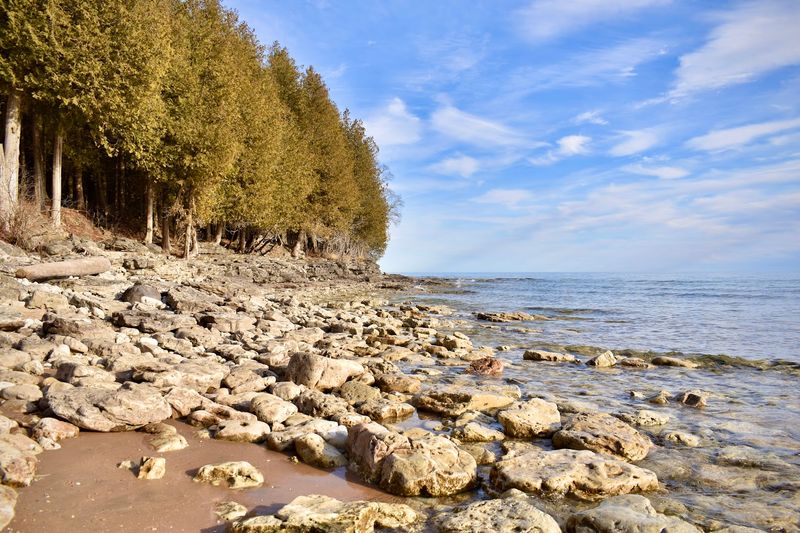
The park covers approximately 867 acres, and that number matters because it means the landscape has room to breathe. Unlike smaller preserves where every trail eventually loops back within earshot of the parking lot, Whitefish Dunes offers genuine variety across its terrain.
Forest sections shade the interior trails with a canopy that shifts from green to amber and rust in autumn, while the wetland areas support a completely different set of plant and animal communities. Clark Lake sits adjacent to the park, adding another dimension to the water-focused character of the land.
The shoreline along Lake Michigan stretches long enough that visitors rarely feel crowded even on popular weekend afternoons. Moving between forest, wetland, and open beach within a single afternoon walk is one of the more satisfying aspects of spending time here, and it keeps the experience from feeling repetitive regardless of how many times you visit.
A Quiet Beach With Stunning Views Of Lake Michigan
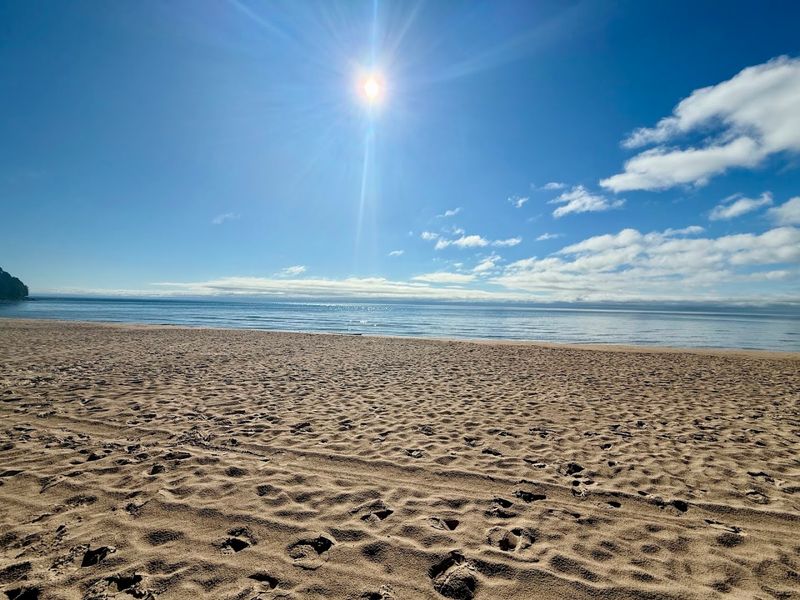
The beach at Whitefish Dunes runs long and wide, with white sand that squeaks faintly underfoot when dry, a small detail that surprises most first-time visitors. Lake Michigan stretches to the horizon with a clarity that shifts between pale green near the shallows and deep blue further out.
On calm days, the water surface reflects the sky so evenly that the line between lake and air becomes difficult to place. On windier days, the waves build with enough force to remind you that this is a Great Lake, not a pond, and the sound of them reaching the shore carries well into the tree line behind the beach.
Picnic tables and grilling areas are available near the beach access points, making it practical for families who want to spend a full day. Changing facilities and restrooms are also on-site, so the logistics of a beach day here are straightforward and well-considered.
Several Scenic Hiking Trails Through Dunes And Forest
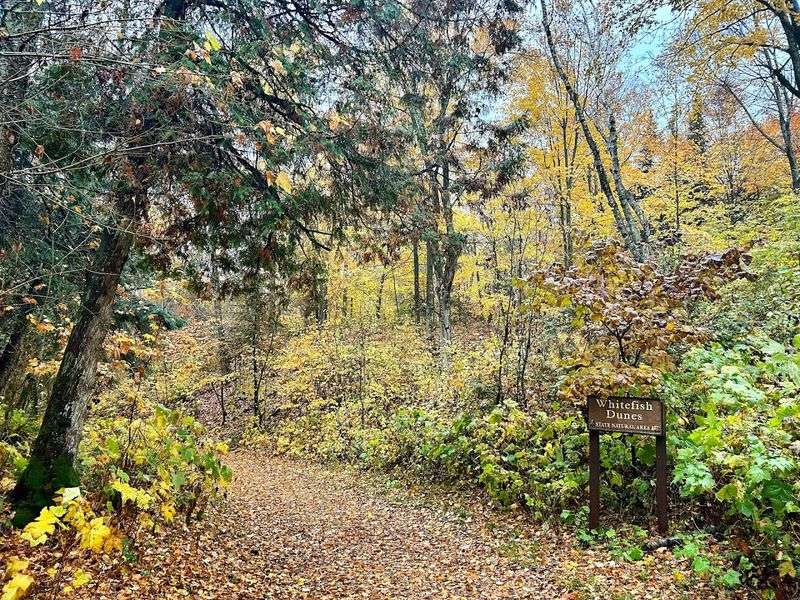
The trail system at Whitefish Dunes offers options for different experience levels without feeling like a theme park version of the outdoors. Paths wind through forested sections, climb over dune ridges, and occasionally open onto views of the lake or Clark Lake to the west.
Some trails are wide and flat enough that families with wagons and young children move through them comfortably, as the terrain accommodates a range of physical abilities. Other sections require more attention underfoot, particularly where sand gives way to rooted forest floor or rocky shoreline edges.
Trail signage throughout the park is clear and consistent, which reduces the anxiety of navigation for visitors unfamiliar with the layout. The combination of dune, forest, and shoreline environments across a relatively compact trail network means that a single hike can pass through several distinct landscapes, keeping the experience engaging from start to finish without demanding a full day of effort.
The Red Trail Leads To The Park’s Highest Dune
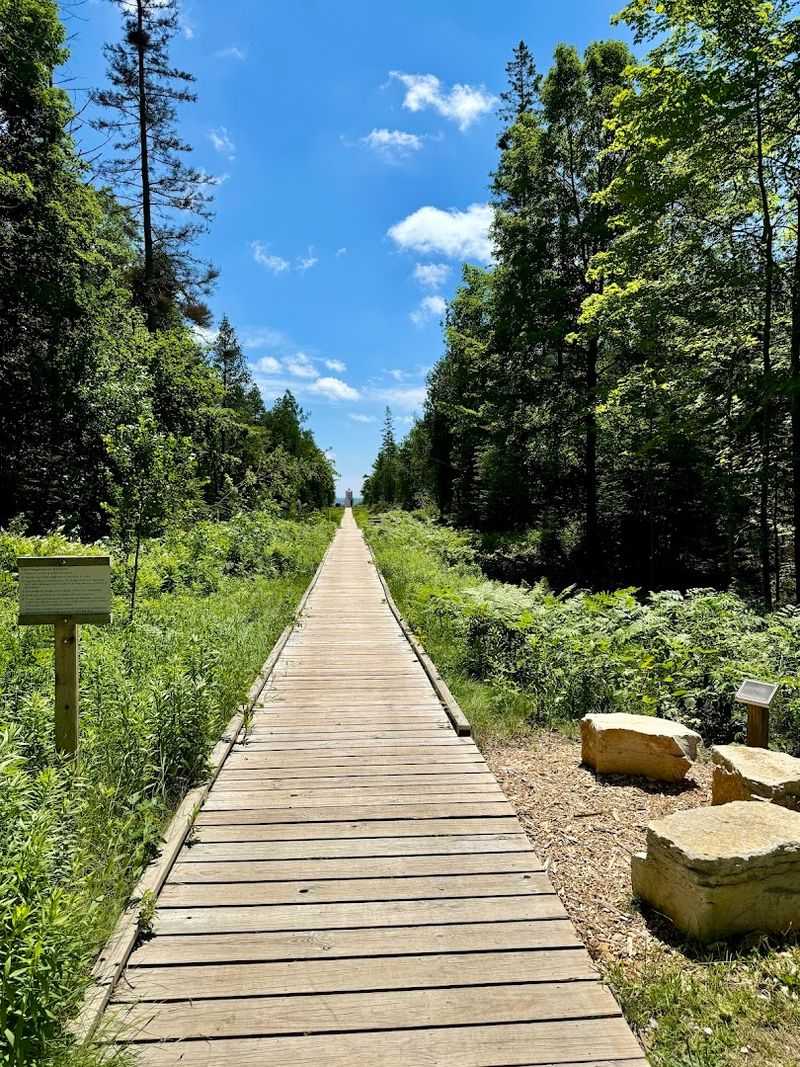
Old Baldy is the name given to the park’s highest dune, and the Red Trail is the route that takes you there. The name is unassuming, almost comically modest for a feature that rises to roughly 93 feet above lake level and delivers one of the more satisfying panoramic views in Door County.
The climb along the Red Trail moves through forested sections before opening onto the exposed dune face, where the wind tends to pick up and the lake becomes visible in full. Standing at the top, the scale of the shoreline and the surrounding landscape becomes apparent in a way that flat ground simply cannot communicate.
The trail is accessible from the main beach area, and the round trip is manageable for most visitors without requiring specialized gear or advanced fitness. Arriving in the late afternoon, when the light falls at a lower angle across the sand, makes the view from the top considerably more rewarding.
A Protected Natural Area Rich In Rare Plants And Wildlife
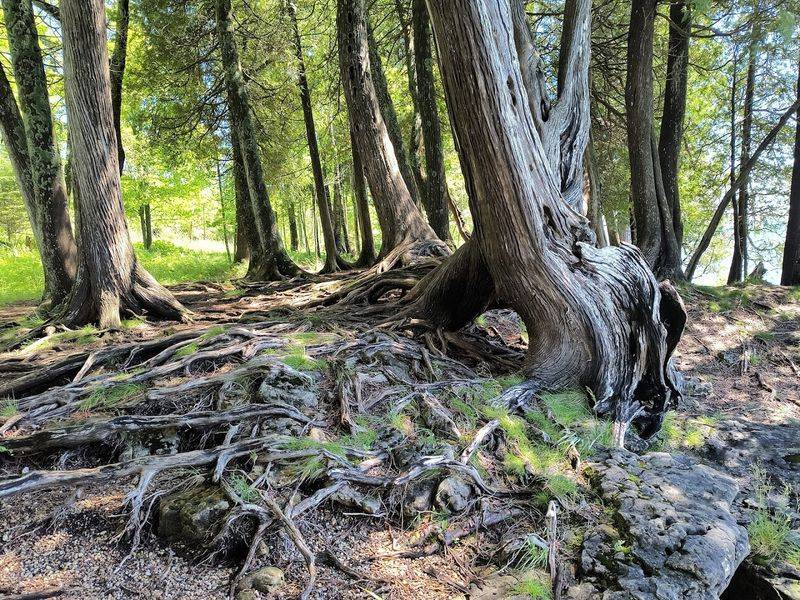
Whitefish Dunes holds a designation as a State Natural Area, which reflects the genuine ecological significance of what grows and lives here. The dune ecosystem supports plant species that cannot survive in more disturbed environments, including several rare species that depend on the specific conditions created by shifting sand, wind exposure, and proximity to the lake.
The transition zones between dune, forest, and wetland create habitat diversity that supports a wide range of animal species throughout the year. White-tailed deer move through the forested sections regularly, and smaller mammals are active along the trail edges in the early morning and evening hours.
Conservation management at the park focuses on keeping invasive species from disrupting the natural plant communities, which requires ongoing attention from park staff. Visitors are asked to stay on marked trails in sensitive areas, a reasonable request given how fragile some of the vegetation zones are when foot traffic is not properly managed.
One Of Door County’s Most Peaceful Outdoor Escapes
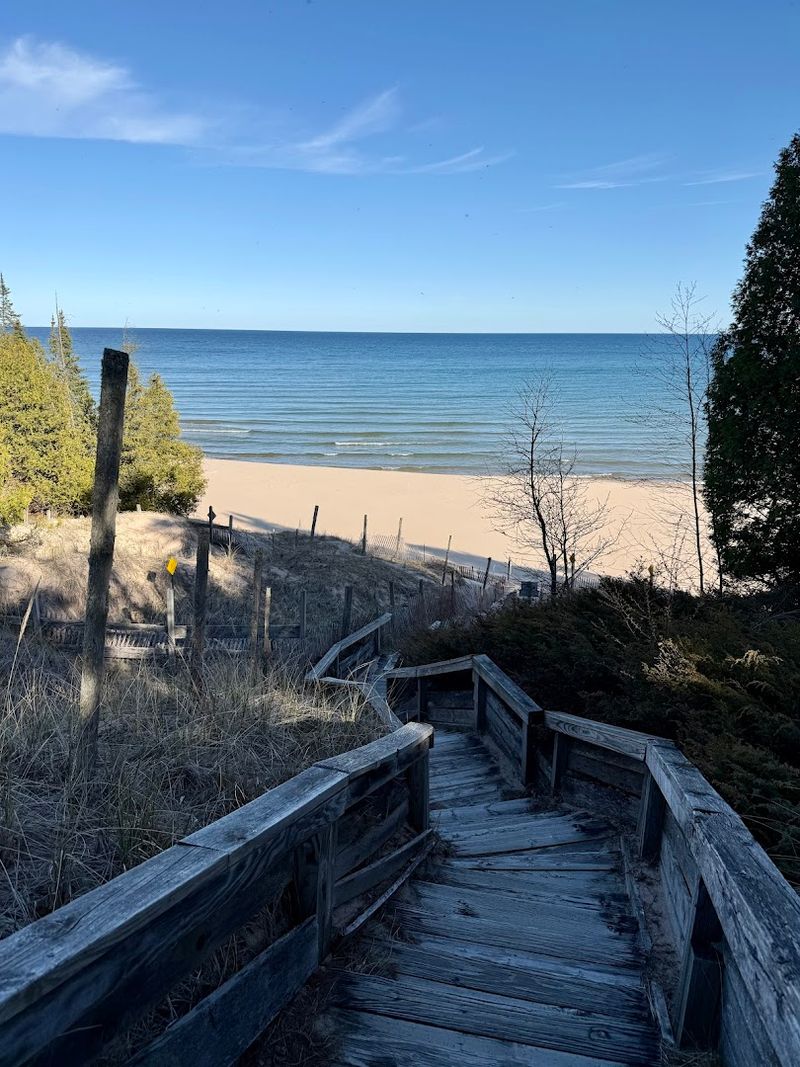
Door County draws visitors from across the Midwest for its combination of water, scenery, and small-town character, and Whitefish Dunes represents one of the region’s less advertised but more rewarding destinations. The park does not have campgrounds, which means the visitor experience is shaped by day-use patterns rather than the overnight crowd dynamic that changes the atmosphere at many other parks.
Off-season visits, particularly on weekday mornings in September or October, can result in long stretches of beach and trail with almost no other people present. The silence in those moments is the kind that actually registers, not just an absence of noise but a presence of calm that is increasingly difficult to find in accessible public spaces.
Summer weekends bring more activity, but the park’s size and layout distribute visitors well enough that the sense of crowding remains minimal. The park operates daily from 6 AM to 8 PM, and the phone number for general inquiries is +1 920-823-2400.
The Nature Centre Explains The Park’s Unique Dune Ecosystem
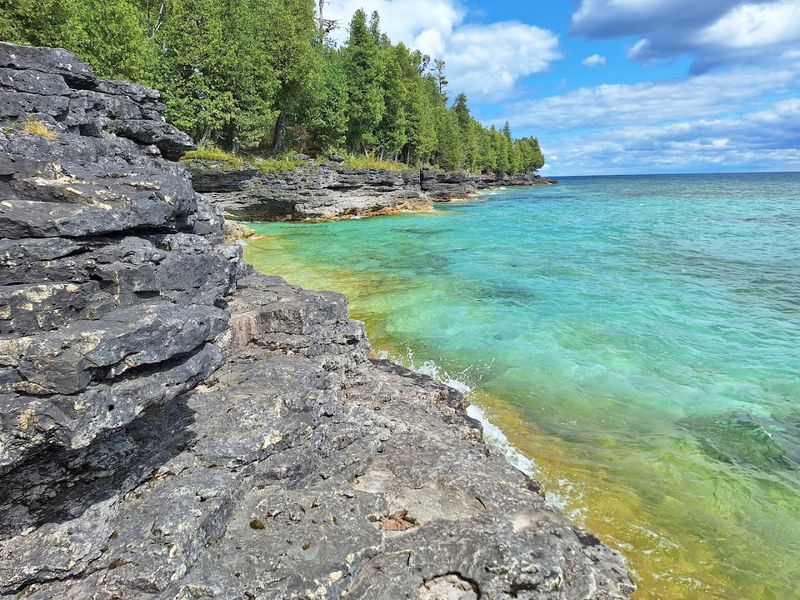
The park’s nature center provides context that makes the outdoor experience more meaningful for visitors who want to understand what they are looking at rather than simply passing through it. Displays cover the geological history of the dunes, the plant communities that establish themselves at different stages of dune development, and the relationship between Clark Lake and the Lake Michigan shoreline.
Educational exhibits on the area’s cultural history are also present, including information about the Native American communities that used this landscape for thousands of years before European settlement. Interpretive materials are written accessibly, making the center useful for both adults and younger visitors without feeling simplified or condescending.
Staff at the nature center have consistently demonstrated familiarity with the park and genuine willingness to answer questions about trail conditions, wildlife activity, and seasonal highlights. The center closes earlier than the park itself, so arriving before mid-afternoon is advisable for anyone who wants to spend time inside before heading out on the trails.
A Historic Area Once Used By Early Native American Communities
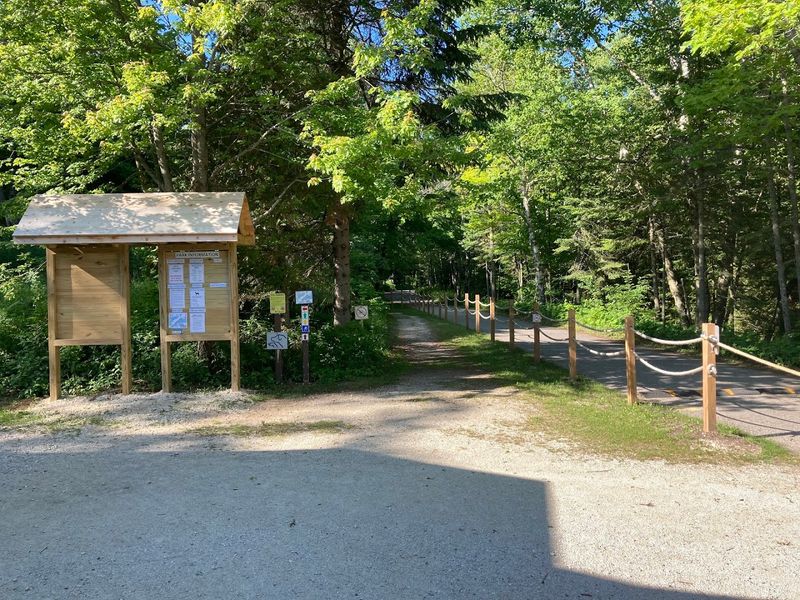
The land that now forms Whitefish Dunes State Park has a human history that extends back several thousand years. Archaeological evidence indicates that Native American communities used this area for fishing, food processing, and seasonal habitation, drawn by the reliable resources of Lake Michigan and Clark Lake.
The park contains areas where these historical layers are acknowledged through interpretive signage and displays, including information about fishing methods and the drying of fish that would have been central to life along this shoreline. One trail features exhibits that reconstruct aspects of this earlier occupation in a manner that is informative without being theatrical or oversimplified.
Understanding this history adds a dimension to the experience of walking the trails that goes beyond scenery appreciation. The landscape has been meaningful to people for a very long time, and that continuity of significance is part of what gives Whitefish Dunes a character that purely recreational spaces rarely achieve on their own.
Popular For Birdwatching And Seasonal Wildlife Sightings
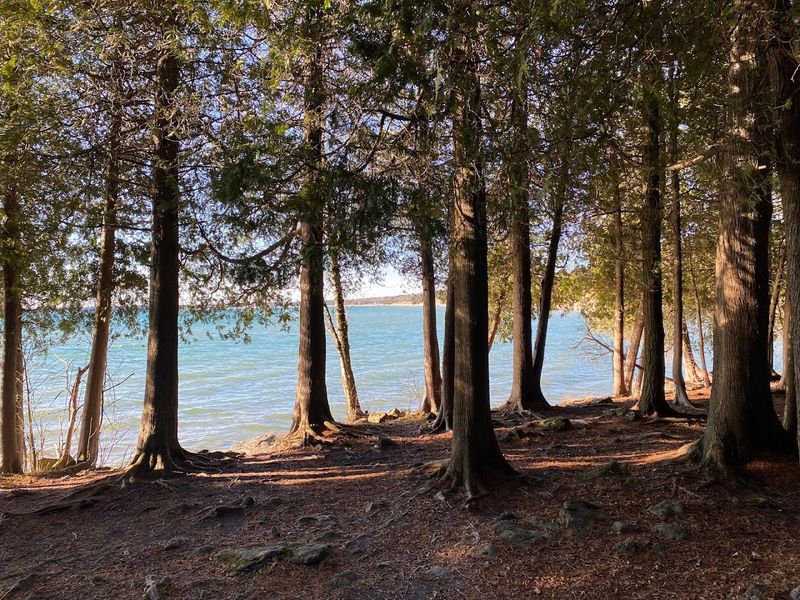
The park’s position along Lake Michigan places it within a migratory corridor that sees significant bird movement during spring and fall. Warblers, shorebirds, raptors, and waterfowl pass through or stop to rest in the park’s varied habitats, making those seasons particularly productive for anyone carrying binoculars.
The wetland areas near Clark Lake attract wading birds and ducks that are less commonly seen along the open beach sections, so covering different parts of the park during a single visit can yield a broader range of sightings. Early morning hours before the main visitor traffic arrives tend to produce the most active wildlife observation opportunities.
Year-round residents include species adapted to both forest and shoreline environments, so the park retains wildlife interest even outside the peak migration windows. Visitors with a casual interest in birds often find themselves more engaged than expected, simply because the habitat quality here supports a density of activity that more developed areas cannot replicate.