
This Quirky Mustard Museum In Wisconsin Is One Of The Strangest Attractions In The State
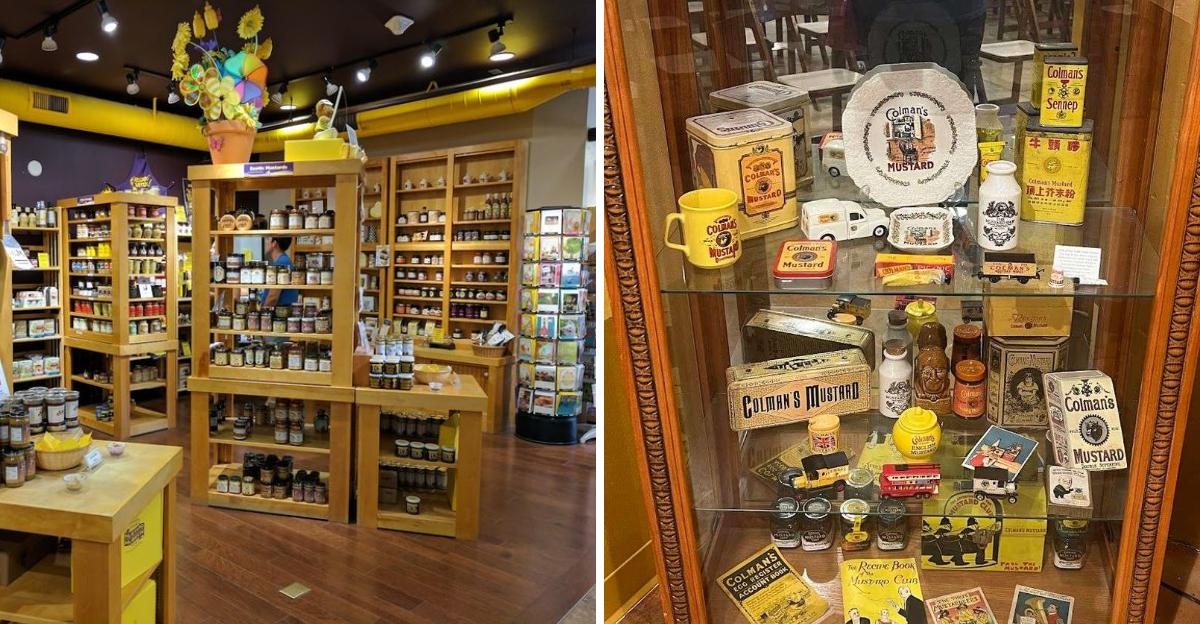
You probably don’t expect a condiment to inspire an entire museum. Yet in Wisconsin, one delightfully unusual attraction has done exactly that.
What starts as a quick curiosity soon turns into a surprisingly fascinating experience filled with global flavours, quirky exhibits, and plenty of humour along the way. Visitors wander through displays celebrating a single beloved ingredient, learning about its history while discovering just how far its influence reaches around the world.
Equal parts playful and informative, this stop manages to be far more entertaining than most people imagine. By the time you leave, it becomes clear why it stands out as one of the most memorable attractions in the state.
Home To Over 6,000 Mustards Worldwide
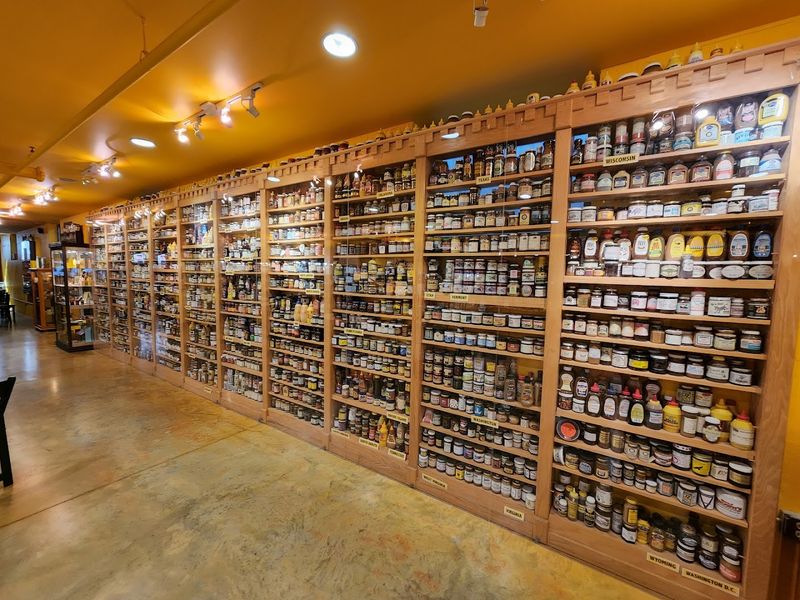
Few collections in the world can claim the sheer scope of what lines the walls at the National Mustard Museum. Over 6,000 individual mustard varieties are housed here, each one representing a different corner of the global condiment industry.
The range is genuinely staggering, from artisan small-batch jars to mass-produced classics that span generations of culinary tradition.
Visitors often walk through the display area with a mix of disbelief and admiration, pausing to read labels from countries they may never have associated with mustard production. The organization of the collection is thoughtful, making it easy to follow the geographical and cultural threads that connect each jar to its origin.
Nothing about this collection feels random or haphazard.
For anyone with an appreciation for food history or global cuisine, standing before these shelves is a quietly remarkable moment. The museum is located at 7477 Hubbard Ave, Middleton, WI 53562, and admission is completely free.
A Museum Devoted Entirely To Mustard
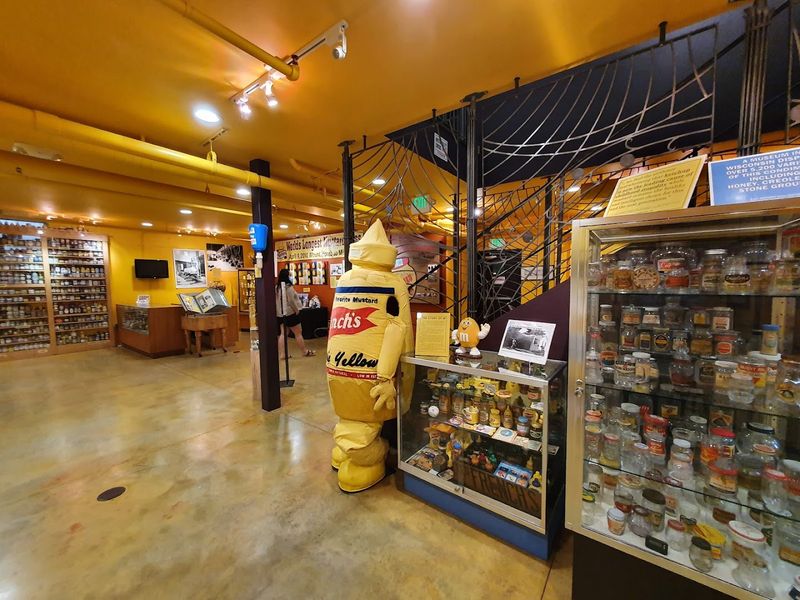
Somewhere between serious scholarship and cheerful absurdity, the National Mustard Museum has carved out a category entirely its own. Fully dedicated to a single condiment, it operates with the same curatorial intention you would expect from any respected institution, except the subject matter happens to be mustard.
That combination of earnestness and eccentricity is exactly what makes the place so magnetic.
The museum features displays covering mustard’s long journey through human history, from ancient medicinal uses to its modern role as a staple at ballparks and dining tables worldwide. Educational placards are written with clarity and occasional wit, keeping the atmosphere light without sacrificing substance.
A short film screens in a small theater downstairs, offering a compact and engaging look at how mustard is made.
Families, solo travelers, and curious locals all find something worthwhile here. The museum runs Monday through Saturday from 10 AM to 5 PM, giving visitors a comfortable window to explore at their own pace.
Founded By A Mustard-Loving Collector
Behind every great collection is a person whose enthusiasm outpaced all reasonable limits, and the National Mustard Museum is no exception. Barry Levenson, a former Wisconsin assistant attorney general, began collecting mustard jars in 1986 during what he later described as an emotional late-night supermarket visit after the Boston Red Sox lost the World Series.
From that unusual origin, something extraordinary grew.
Levenson eventually left his legal career to devote himself fully to mustard, building the collection from a personal hobby into a public institution that now attracts visitors from across the country. His dedication gave the museum its character, a place that takes its subject seriously while never losing its sense of humor.
Staff members continue that tradition, bringing genuine knowledge and warmth to every interaction with guests.
The founder’s story is woven into the museum’s identity, reminding visitors that passion, even for something as humble as mustard, can produce something genuinely lasting and worthwhile.
Vintage Mustard Jars And Advertising Displays
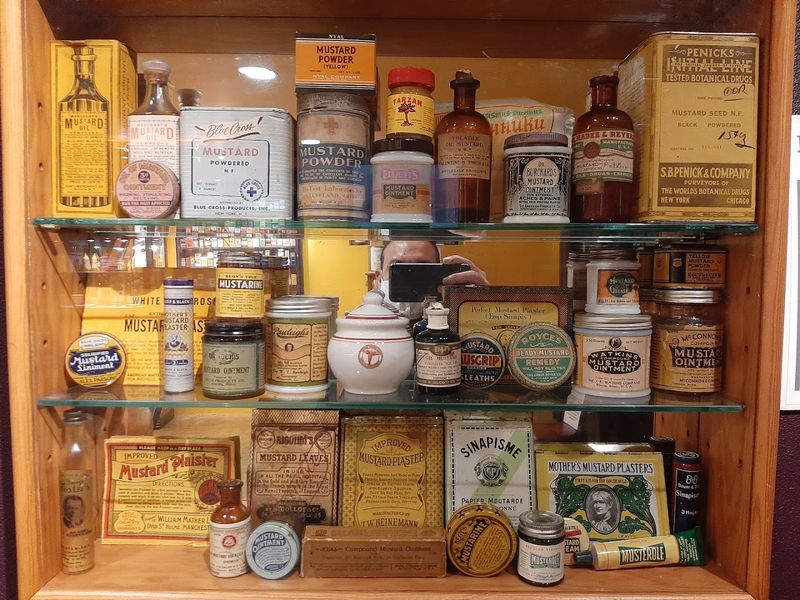
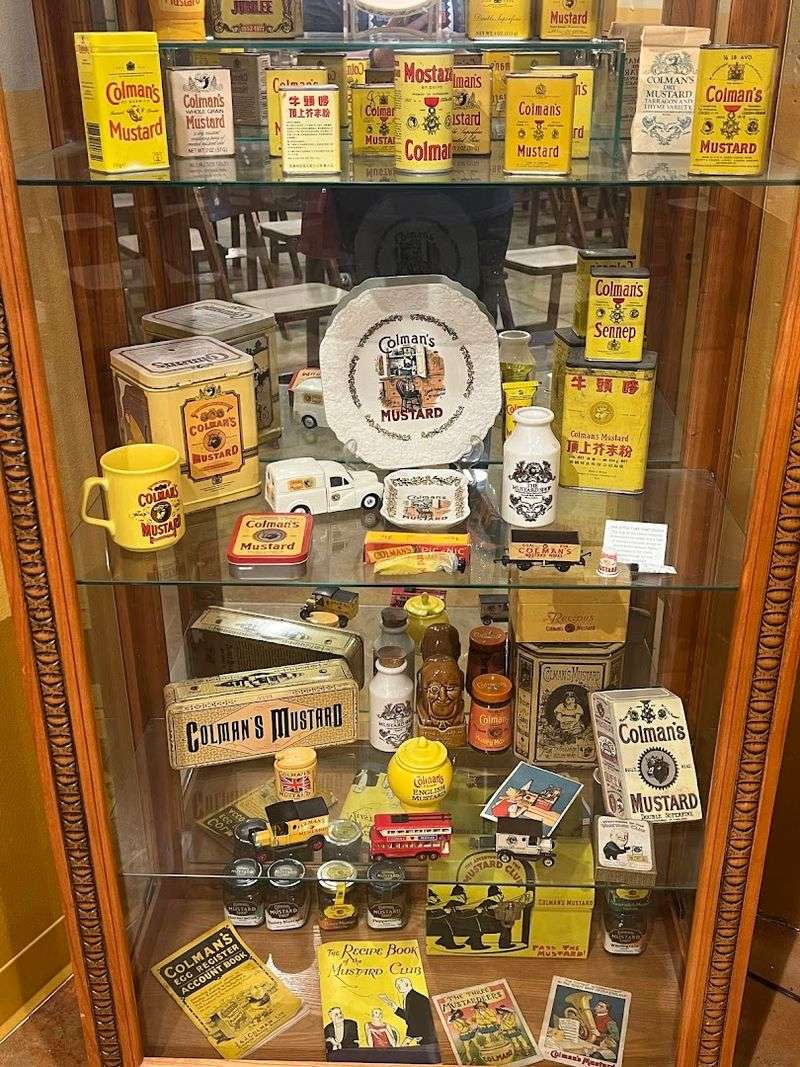
History has a way of showing up in the most unexpected containers, and at the National Mustard Museum, some of the most compelling artifacts are the oldest ones. Vintage mustard jars and antique advertising materials fill sections of the lower museum level, offering a window into how mustard was marketed and consumed across different decades.
The graphic design alone on some of the older packaging is worth studying closely.
Tin containers from the early twentieth century sit alongside colorful promotional posters that capture the optimism of mid-century American food culture. Each piece carries a quiet story about the era it came from, the kitchens it passed through, and the meals it accompanied.
Collectors of food ephemera will find this section particularly absorbing.
The displays are well-lit and thoughtfully arranged, allowing visitors to take in the details without feeling rushed. Quirky humor appears in some of the older slogans, a reminder that mustard has always had a personality of its own.
The Famous Mustard Tasting Bar
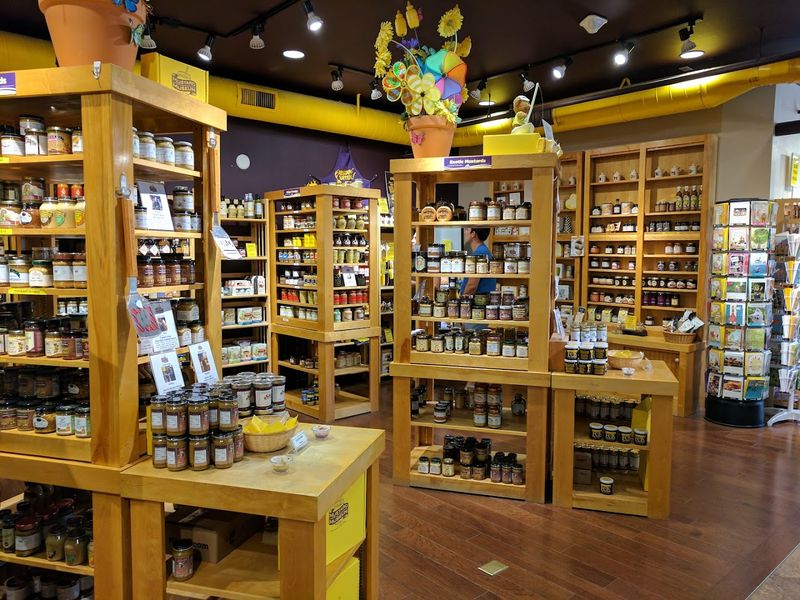
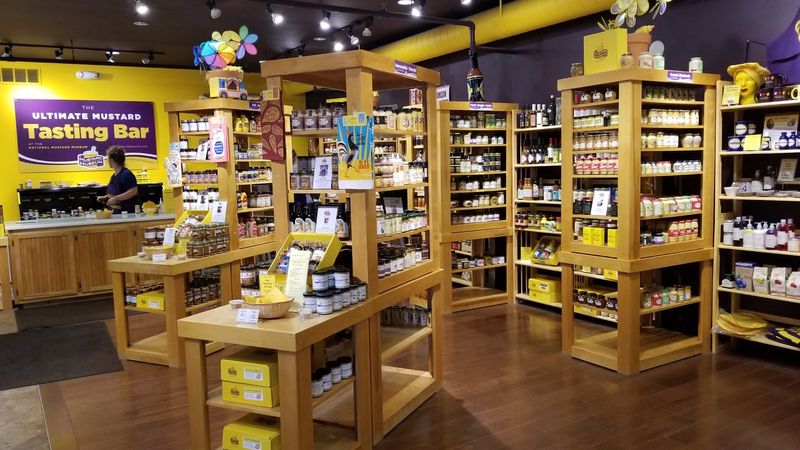
No visit to the National Mustard Museum is complete without spending time at the tasting bar, which is easily the most interactive and memorable part of the experience. Positioned on the main floor near the gift shop, the station offers access to well over one hundred different mustards, each available for sampling on a small disposable spoon provided by staff.
The range of flavors on offer is genuinely surprising.
Guests can work their way through sweet, spicy, smoky, tangy, and completely unexpected combinations, including honey raspberry, chipotle, horseradish, and even chocolate-infused varieties. Staff members guide visitors through the options with patience and real product knowledge, making recommendations based on taste preferences and intended food pairings.
The atmosphere is relaxed and conversational, never hurried.
Many visitors report that the tasting bar changed their opinion of mustard entirely, introducing them to profiles they never imagined possible. It transforms what could be a passive museum visit into something hands-on and genuinely enjoyable from start to finish.
Mustards From More Than 60 Countries
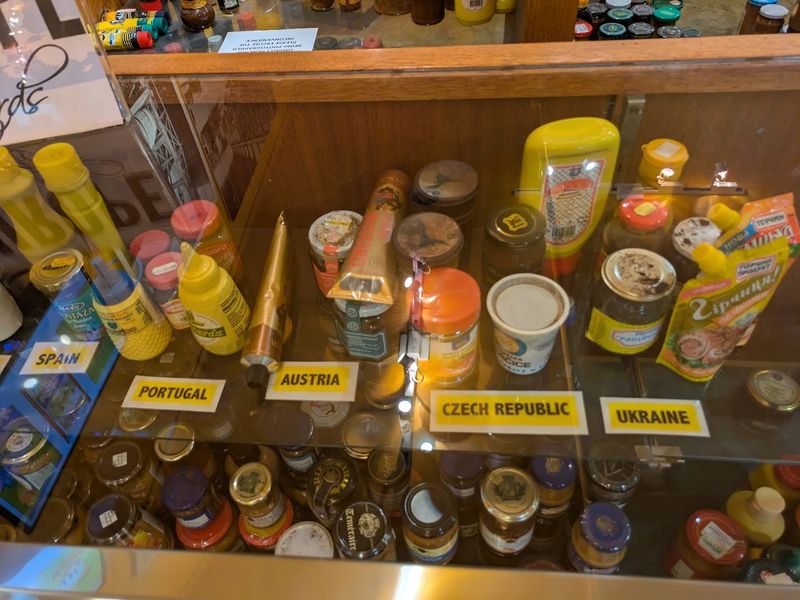
Mustard is one of those condiments that nearly every food culture on earth has shaped in its own way, and the National Mustard Museum makes that global reach beautifully visible. Jars from more than sixty countries line the shelves, organized so that each nation has its own designated space.
France, Germany, Japan, India, and dozens of other countries are all represented, each with products that reflect distinct regional ingredients and culinary traditions.
A French moutarde sealed in a ceramic jar with wax, dating its recipe back to 1760, sits near contemporary Japanese karashi that carries sharp, clean heat. The contrast between these products tells a story about how geography and culture shape even the simplest foods.
Browsing these shelves has the feel of a slow, edible world tour.
For food enthusiasts and curious travelers alike, this section of the museum offers a surprisingly rich perspective on global culinary identity. Mustard, it turns out, speaks many languages fluently.
One Of Wisconsin’s Most Unusual Museums
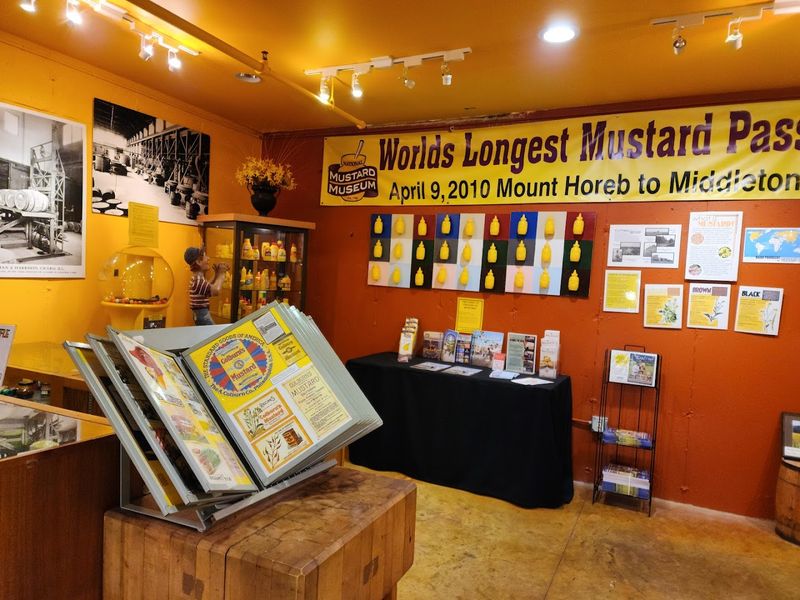
Wisconsin has no shortage of distinctive attractions, but even within that competitive field, the National Mustard Museum occupies a category that is genuinely hard to duplicate. The combination of serious curation, playful humor, and an utterly singular subject matter sets it apart from anything else in the state.
Visitors who arrive expecting a novelty often leave having spent far more time than they planned.
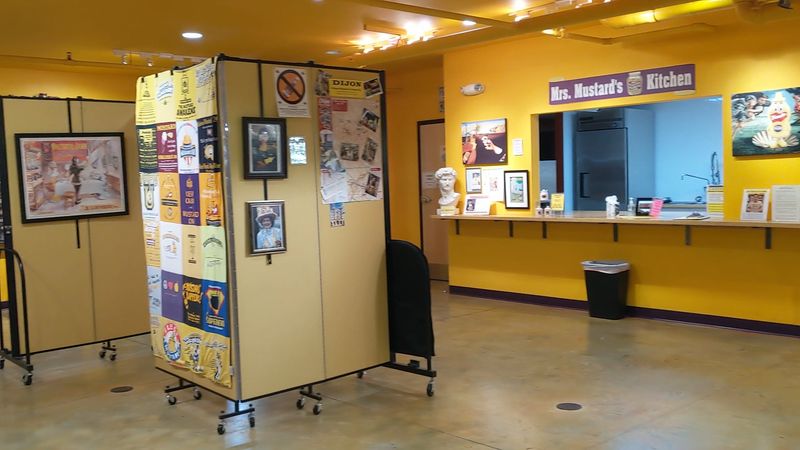
The museum’s layout encourages exploration rather than passive observation. Downstairs, the historical exhibits reward readers who take their time with each placard.
Upstairs, the gift shop and tasting bar create a livelier, more social atmosphere where strangers often strike up conversations over an unexpected flavor they just sampled. The two floors balance each other well.
Admission is free, which removes any hesitation about stopping in on a whim. That open-door policy has made the museum accessible to an enormous range of visitors, from curious day-trippers to dedicated condiment enthusiasts making a deliberate pilgrimage to Middleton.
Located In Middleton Near Madison
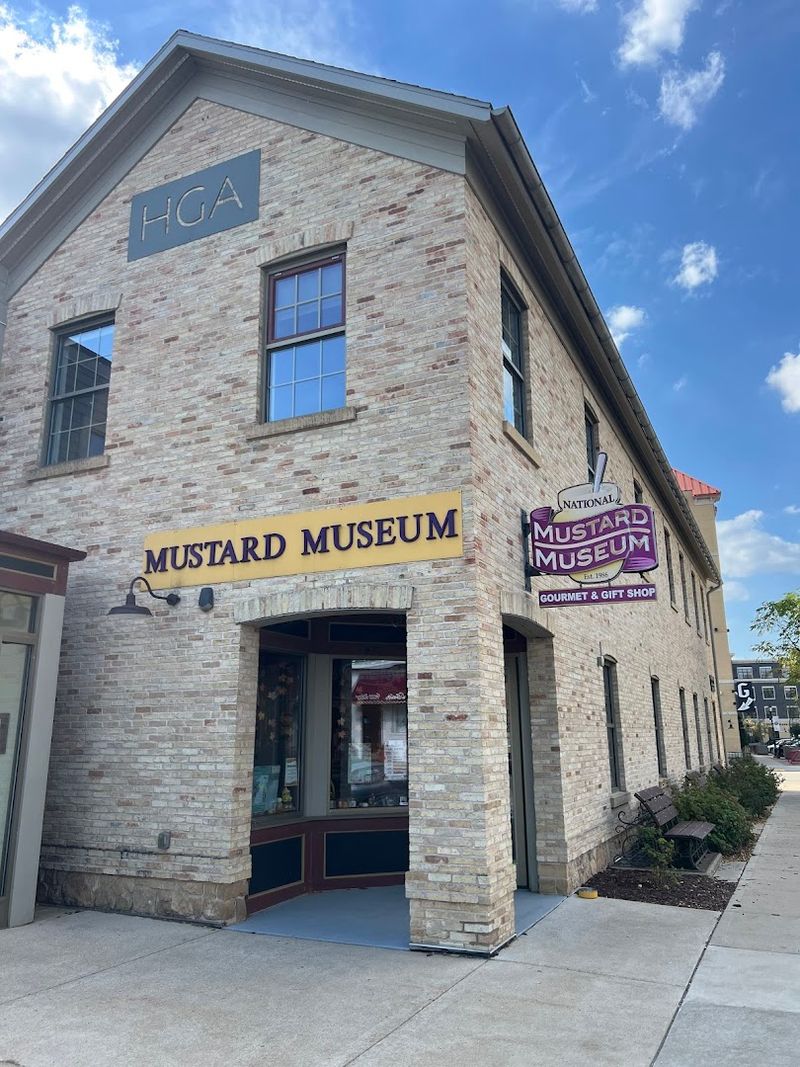
Middleton, Wisconsin sits just west of Madison and carries the easy, unhurried character of a small city comfortable in its own identity. The National Mustard Museum is positioned along Hubbard Avenue in a stretch that includes independent boutiques and local businesses, giving the surrounding area a pleasant, walkable quality that complements a museum visit nicely.
Parking is free and easy to find.
The proximity to Madison makes the museum an ideal addition to any trip to the state capital, whether for a Badger game, a conference, or a weekend getaway. Visitors driving through the region on their way elsewhere will find it a worthwhile and low-commitment detour that adds genuine texture to the journey.
The neighborhood itself rewards a short walk after the museum visit, with small shops and a general atmosphere of community investment. Middleton has the kind of quiet charm that makes a detour feel like a discovery rather than an obligation.
A Gift Shop Filled With Unique Mustards
The gift shop at the National Mustard Museum operates as both a retail space and a continuation of the museum experience itself. Thousands of mustard varieties are available for purchase, organized by country and flavor profile so that browsing feels structured rather than overwhelming.
Staff members are knowledgeable and genuinely enthusiastic, offering suggestions that go beyond the obvious bestsellers.
Prices are reasonable by gift shop standards, and the selection covers everything from mild everyday spreads to bold specialty products that would challenge even experienced mustard fans. Branded merchandise, including apparel and novelty items, adds a lighthearted layer to the shopping experience for those looking to bring home something beyond the condiment itself.
The shop also maintains an online store for anyone who wants to reorder favorites after returning home.
Many visitors leave with several jars they never anticipated buying, a direct result of the tasting bar’s persuasive power. The shop can be reached by phone at +1 608-831-2222 for questions about specific products or availability.
Celebrating One Of The World’s Oldest Condiments
Mustard has been part of human food culture for thousands of years, appearing in ancient Roman recipes, traditional Indian cooking, and medieval European kitchens long before it ever found its way onto a ballpark hot dog. The National Mustard Museum honors that deep history with exhibits that trace the condiment from its earliest botanical origins to its current status as one of the most widely consumed food products on the planet.
The scope of that story is broader than most visitors anticipate.
Displays cover mustard seed varieties, historical medicinal applications including the once-popular mustard bath, and the evolution of commercial production across different continents and centuries. A short documentary film available in the museum’s small downstairs theater adds visual context to what the placards describe.
Together, these elements create a surprisingly complete portrait of a plant that shaped cuisines worldwide.
Visiting the museum leaves a lasting impression that something as ordinary as mustard carries an extraordinary amount of human history within each jar.