
10 Underrated Wisconsin Hiking Trails That Lead To Stunning Waterfalls
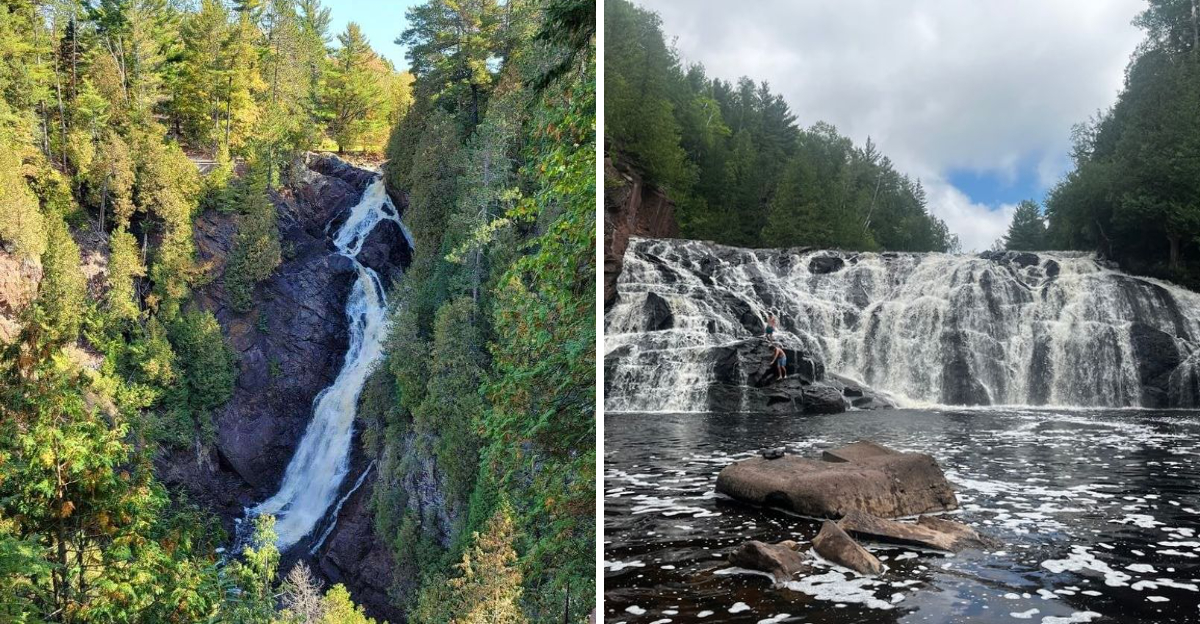
A quiet trail, the sound of rushing water in the distance, and suddenly a waterfall appears through the trees. Moments like that are easier to find in Wisconsin than most people realise.
Across the state, forest paths wind through the rugged north woods and the rolling Driftless region, leading hikers to waterfalls that rarely appear on typical travel lists. Anyone who enjoys a good hike with a rewarding view at the end will feel right at home here.
Grab your boots, bring a camera, and get ready to explore ten underrated Wisconsin trails that lead to waterfalls well worth the walk.
1. Willow Falls And Nelson Farm Trail Loop (Willow River State Park)
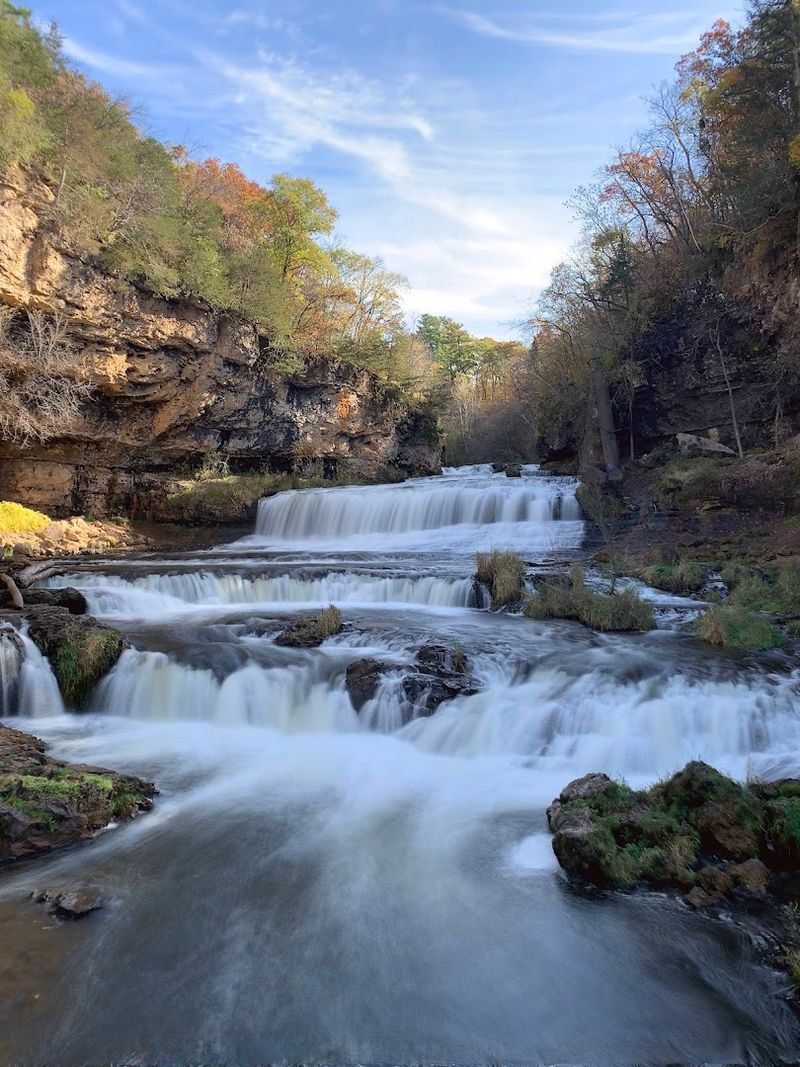
Standing at the edge of Willow Falls for the first time feels like stumbling onto a movie set nobody told you about. The water crashes down about 40 feet over sandstone ledges, and the sound alone is enough to make you stop walking and just breathe it all in.
Located in Willow River State Park near Hudson, this loop trail runs roughly 4 miles round trip, making it manageable for most hikers.
The Nelson Farm Trail portion winds through open meadows and old farmland before connecting to the river corridor. You get two very different landscapes in one hike, which keeps things interesting from start to finish.
Spring and early summer bring the most dramatic water flow, so timing your visit after a rainy stretch pays off big.
Parking at the park is straightforward, and the trail is well-marked throughout. Bring a picnic because there are flat rocks near the base of the falls that are perfect for a lunch break.
Kids love exploring the shallow areas around the base, and the whole loop feels adventurous without being punishing on your legs.
2. Big Manitou Falls Trail (Pattison State Park)
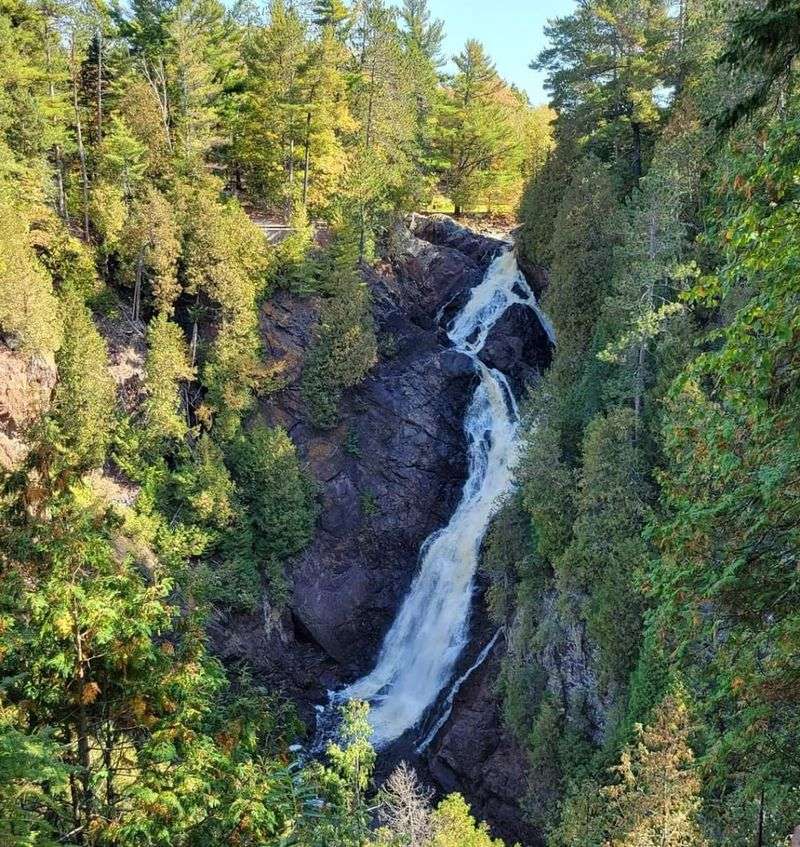
At 165 feet, Big Manitou Falls holds the title of the tallest waterfall in Wisconsin, and the moment it comes into view on the trail, your jaw will hit the ground. The Black River funnels through a narrow basalt gorge before launching off that massive ledge, creating a roar you can hear long before you see it.
Pattison State Park sits near Superior in the far northwest corner of the state, which means most southern Wisconsin residents have never made the trip.
The trail to the falls is short, only about half a mile one way, but the payoff is enormous. You can view the falls from multiple angles, including a sturdy observation platform that puts you right at eye level with the upper cascade.
For a longer adventure, continue on to Little Manitou Falls downstream, which adds another gorgeous stop to your day.
Fall foliage season transforms this trail into something almost unreal, with orange and red leaves framing the white water below. Arrive early on weekends to snag a parking spot, because word has slowly gotten out about how stunning this place actually is.
Comfortable hiking shoes with grip are a smart call on the rocky paths.
3. Copper Falls Loop Trail (Copper Falls State Park)
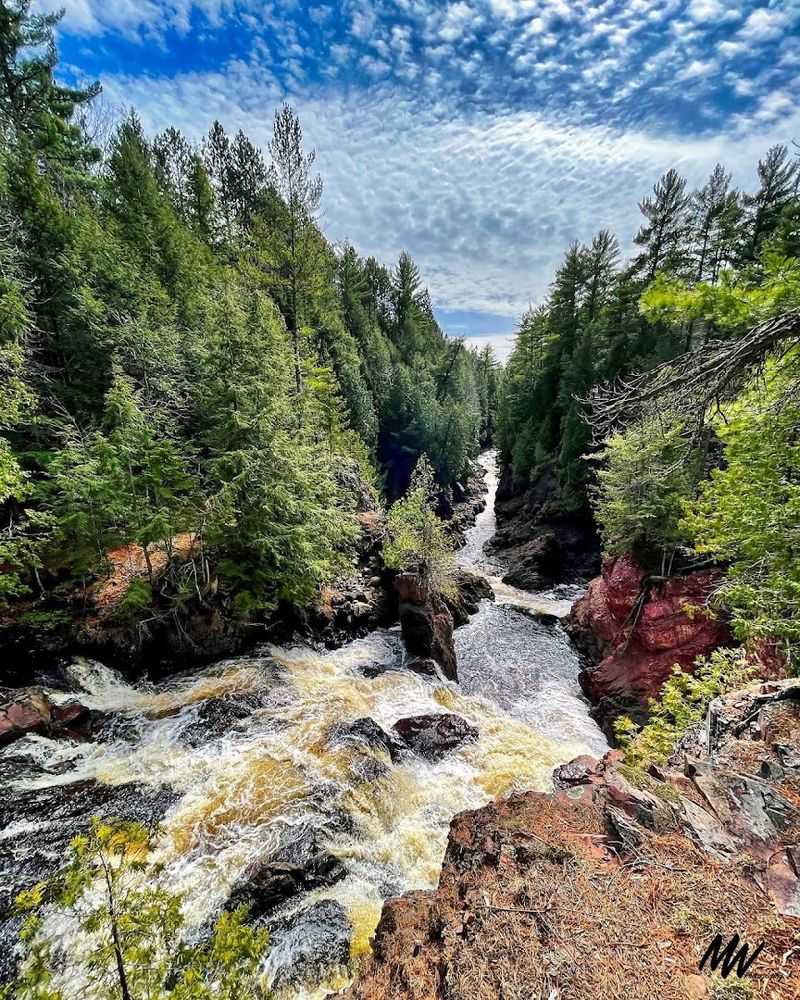
The water at Copper Falls runs in shades of amber, red, and deep brown thanks to tannins leaching from the surrounding forest, giving it a color unlike any other waterfall you have probably seen. This trail in Copper Falls State Park near Mellen follows the Bad River and Tyler Forks River through a spectacular basalt gorge that geologists estimate formed over a billion years ago.
That number is hard to wrap your head around, but standing at the edge of the canyon makes it feel real.
The loop trail runs about 1.7 miles and includes views of both Copper Falls and Brownstone Falls, so you are essentially getting two showstoppers for the price of one hike. The path crosses scenic footbridges and hugs the canyon rim in several spots, offering dramatic views straight down into the rushing water below.
Handrails are present on the steeper sections, which helps if you have younger hikers along.
Autumn is absolutely the best time to visit, when the leaves overhead turn gold and russet and reflect off the already colorful water. The park also has a swimming beach and campground, making it an easy overnight destination.
Bring a light jacket even in summer because the gorge stays noticeably cooler than the surrounding forest.
4. Amnicon Falls Loop Trail (Amnicon Falls State Park)
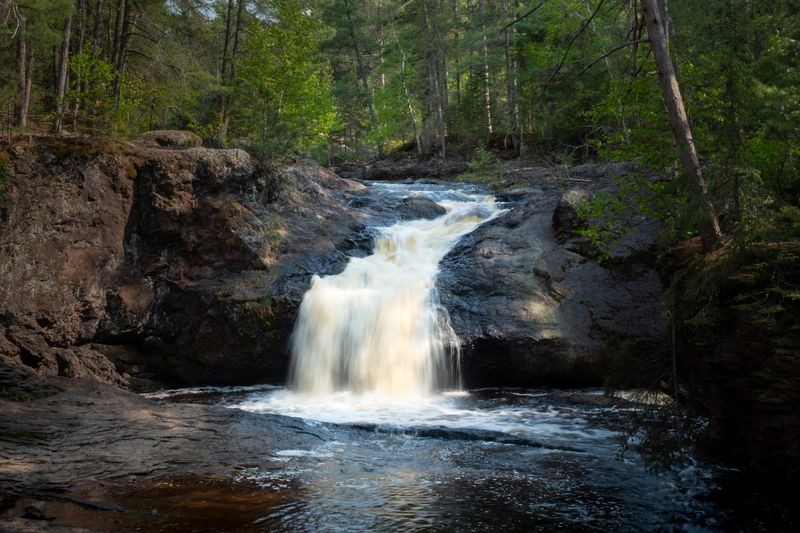
Few parks in Wisconsin pack as much visual variety into such a short hike as Amnicon Falls State Park. The Amnicon River splits around a small island and tumbles over a series of red sandstone ledges, creating three distinct waterfalls that you can visit in a single loop of just over a mile.
A historic covered bridge connects the island to the main trail, adding a charming, almost storybook quality to the whole experience.
Located just south of Superior off Highway 2, the park is surprisingly easy to reach but still flies under the radar for most Wisconsin travelers. The sandstone formations here are genuinely striking, carved smooth by centuries of flowing water into rounded bowls and channels.
During high water in spring, the falls merge into one thundering curtain of white water that is hard to look away from.
Flat, well-maintained trails make this one of the more accessible waterfall hikes in the state, suitable for most fitness levels and even strollers on the paved sections near the parking area. The covered bridge is a favorite photography spot, especially in late afternoon light.
Pack a bug spray because the river corridor gets mosquito-heavy in early summer, and you will want to linger here longer than you planned.
5. Lost Creek Falls Trail (Cornucopia)
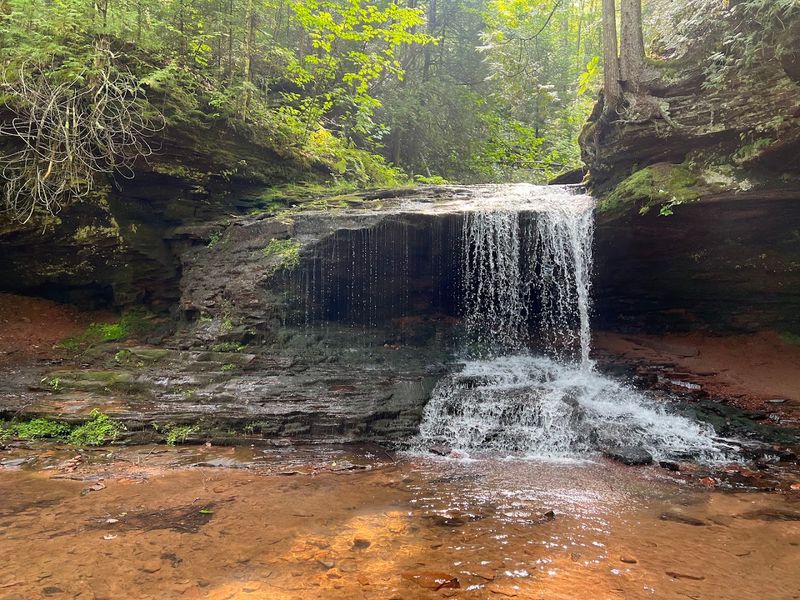
Cornucopia is a tiny fishing village on the south shore of Lake Superior, and most people drive straight through it without stopping. That is a mistake, because hidden in the forest just outside of town is Lost Creek Falls, a gorgeous multi-tiered waterfall that very few people outside the local area know about.
The hike is short, roughly one mile round trip, but the trail dips through a quiet ravine that feels completely removed from the rest of the world.
Lost Creek carves through a narrow gorge lined with ferns, moss-covered boulders, and cedar trees that lean over the water like they are trying to get a better look. The falls drop in two main stages, with the lower section forming a shallow pool that catches the light beautifully on clear mornings.
There are no formal facilities here, so come prepared with everything you need, including water and good footwear.
Because this spot lacks the marketing of bigger state parks, you have a real shot at having it entirely to yourself on a weekday. The nearby Lake Superior shoreline is only minutes away, which makes pairing this hike with a sunset walk on the beach an easy and deeply satisfying plan.
Late May through early July tends to bring the best water volume to the falls.
6. Parfrey’s Glen Trail (Parfrey’s Glen State Natural Area)
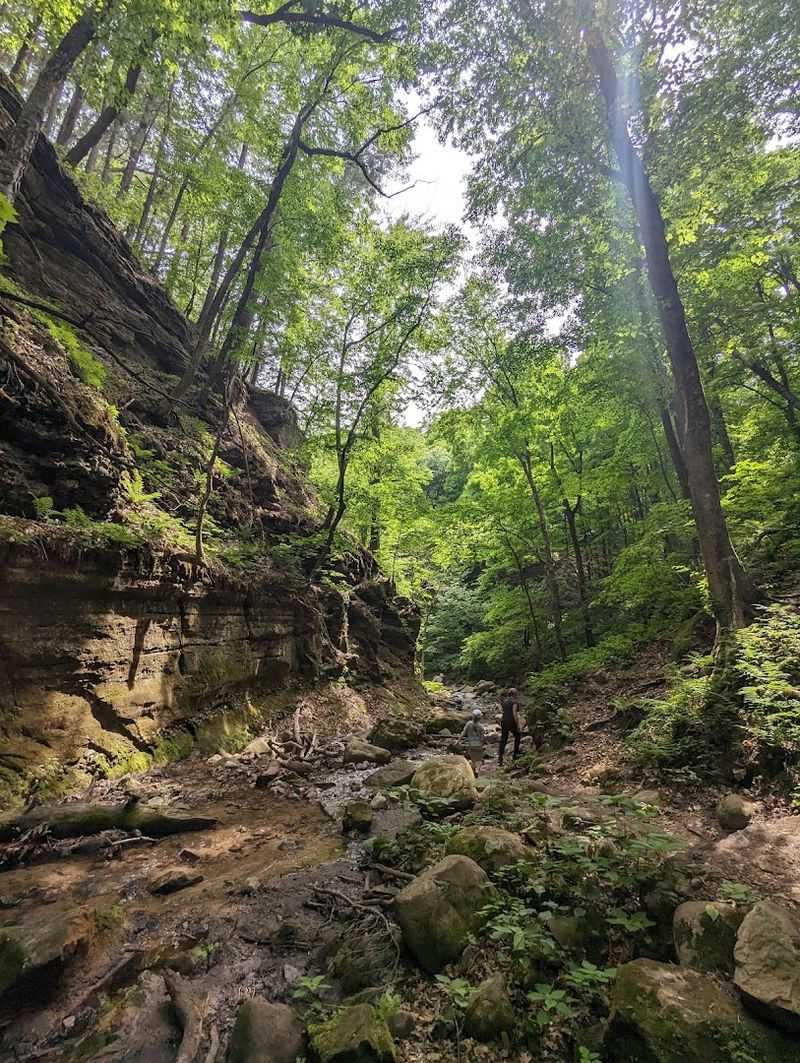
Parfrey’s Glen is technically a creek canyon rather than a traditional waterfall hike, but the small cascade at the end of the trail earns its place on this list without any argument. Located near Devils Lake State Park in Sauk County, this state natural area protects Wisconsin’s oldest designated natural area, first protected back in 1952.
The trail follows a cold, clear creek through a sandstone canyon that grows narrower and more dramatic with every quarter mile.
Walls rise up to 100 feet on either side of the path, dripping with moisture and draped in ferns and mosses that thrive in the perpetually cool microclimate. The hike is only about 2.5 miles round trip but requires frequent creek crossings on stepping stones, which makes it feel more like an adventure than a stroll.
At the trail’s end, a small but beautiful waterfall spills over a mossy ledge into a shallow pool.
Visiting after a rainy period amplifies everything here, from the lushness of the vegetation to the force of the cascade at the end. The canyon walls themselves are the real spectacle, so slow down and look closely at the layers of sandstone and the tiny ecosystems clinging to the rock faces.
Wear waterproof boots because dry feet on this trail are not guaranteed.
7. Houghton Falls Trail (Bayfield)
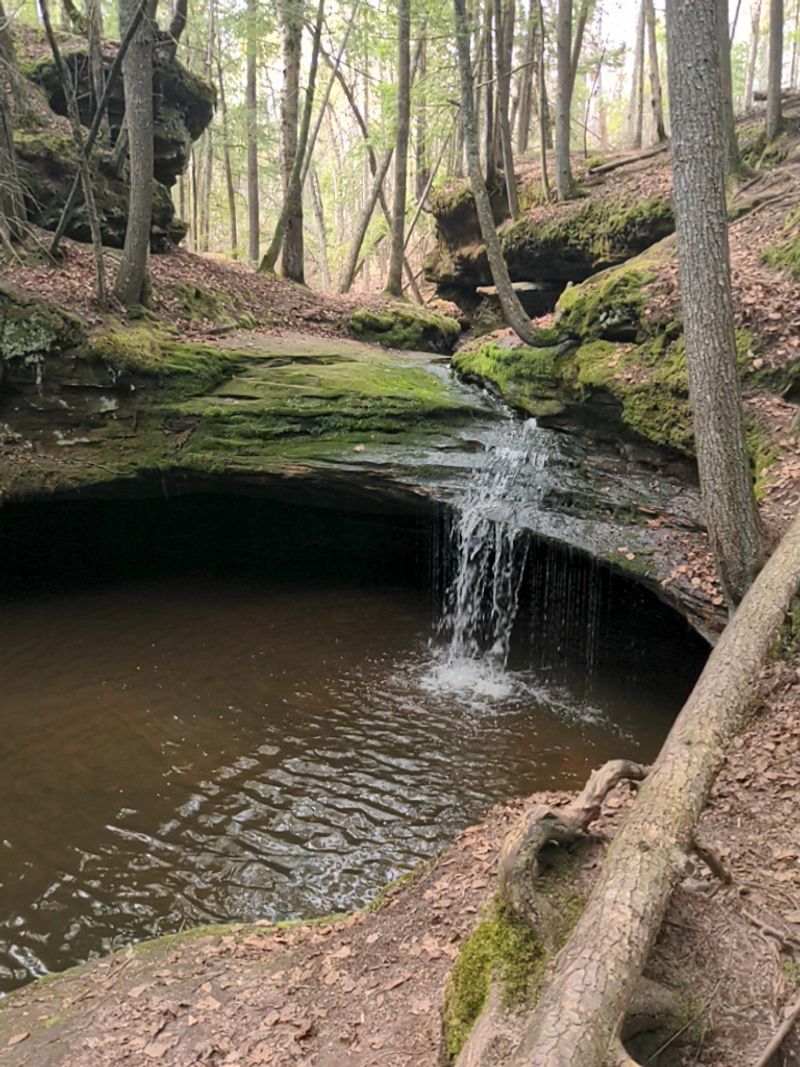
Bayfield is already one of the most beautiful towns in Wisconsin, perched above Lake Superior with views of the Apostle Islands stretching out to the north. What most visitors miss is the short trail just outside town that leads to Houghton Falls, a waterfall that drops directly into Lake Superior through a dramatic sandstone ravine.
That combination of forest, waterfall, and Great Lake in a single view is genuinely hard to beat anywhere in the Midwest.
The trail is approximately 1.5 miles round trip and descends fairly steeply toward the lake, so trekking poles are a worthwhile addition if you have them. At the bottom, the creek spills over a ledge and fans out across a rocky beach before mixing with the cold blue water of Lake Superior.
On a calm day, the sound of waves mixing with the falling water creates an almost meditative atmosphere.
Spring and early summer bring the most impressive water flow, but fall colors reflecting off both the creek and the lake make an autumn visit equally compelling. Bayfield itself offers excellent food, lodging, and access to Madeline Island, so building a full weekend around this area is an easy call.
Start your hike in the morning to avoid the afternoon crowds that gather near the lakefront during peak tourist season.
8. Morgan Falls Trail (Mellen)
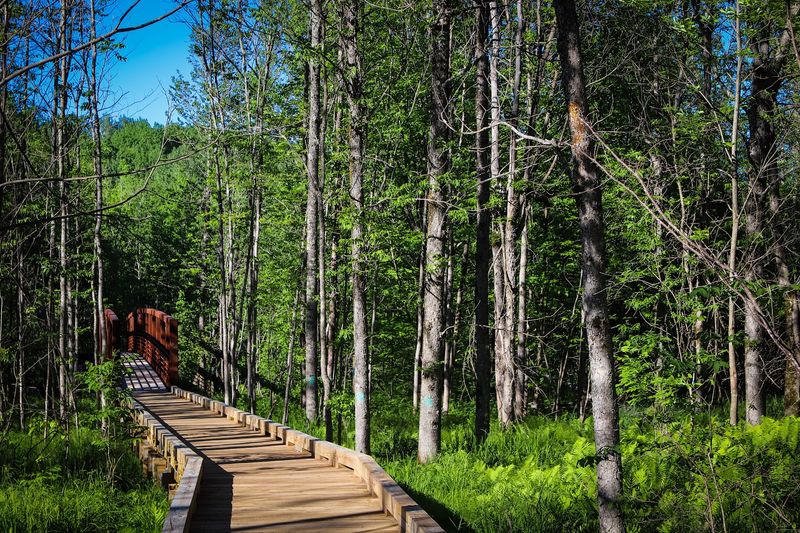
Morgan Falls sits inside the Chequamegon-Nicolet National Forest, and the approach through towering northern hardwoods already feels like a reward before you even reach the water. The falls themselves drop about 30 feet over a broad granite face streaked with mineral deposits, creating a wide, graceful curtain of water that spreads as it descends.
Located near Mellen in Ashland County, this trail is only about 0.6 miles round trip, making it one of the easiest big-payoff waterfall hikes in the state.
Because the trail is so short and the terrain relatively gentle, it works well for families with young children or anyone who wants a scenic outing without a strenuous workout. The granite outcrop below the falls is a great place to sit and eat lunch while listening to the water cascade down the rock face above you.
Nearby St. Peter’s Dome is another local landmark worth adding to your itinerary if you are up for a longer day.
The forest surrounding Morgan Falls is particularly vibrant in mid-October when the sugar maples turn bright orange and gold. Cell service is limited in this area, so download your trail maps before leaving town.
The parking area off Morgan Falls Road is small, fitting only a handful of vehicles, so arriving before 9 a.m. on weekends is strongly recommended.
9. Potato River Falls Trail (Gurney)
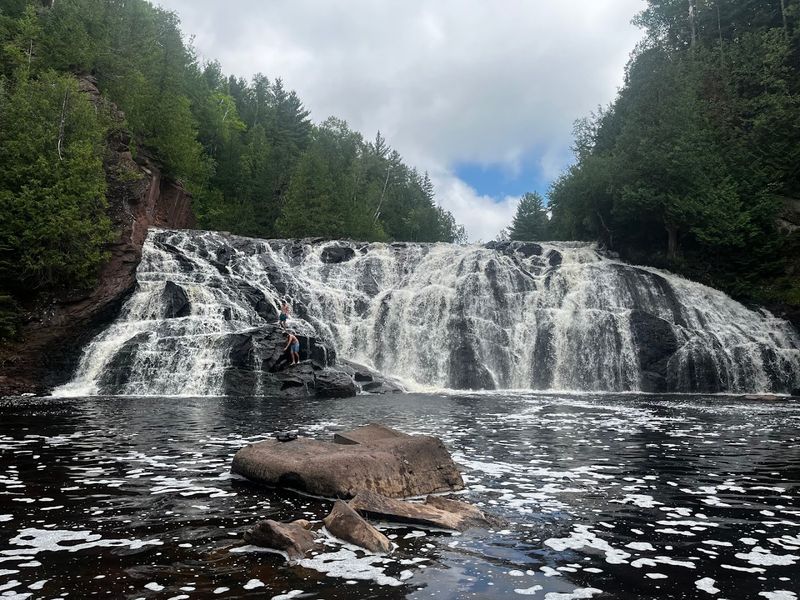
The Potato River Falls near Gurney might be the most underappreciated waterfall system in the entire state. The river drops through a series of cascades and gorges, with the upper and lower falls both offering dramatically different perspectives on the same powerful river.
The area sits in Iron County, deep in Wisconsin’s north woods, which means the crowds that swarm more famous spots simply never materialize here.
Two separate short trails access the upper and lower falls, each under a mile in length but filled with rugged terrain and exposed roots that keep you paying attention to your footing. The gorge walls are made of dark Precambrian rock, and the contrast between that deep charcoal stone and the white rushing water is visually stunning, especially in bright sunlight.
Upper Potato River Falls is wider and more thunderous, while the lower falls carve through a narrower slot canyon that feels almost secretive.
Local lore suggests the river got its name from wild potato plants that once grew along its banks, though historians debate the exact origin. Either way, the name does nothing to prepare you for how impressive the scenery actually is.
Plan your visit for late April or May when snowmelt pushes the water volume to its peak and the falls put on their most dramatic performance of the year.
10. Silverbrook Trail To Silverbrook Falls (Interstate State Park)
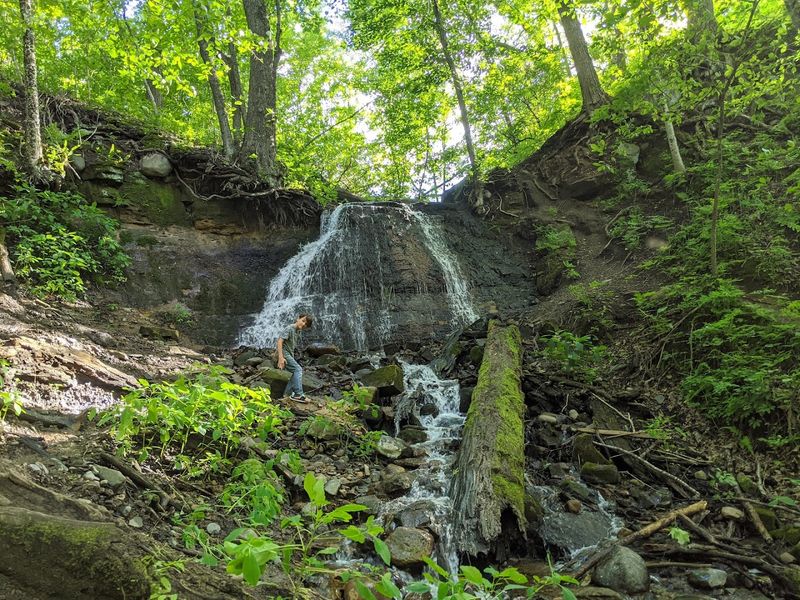
Interstate State Park along the St. Croix River is famous for its dramatic potholes and basalt cliffs, but the Silverbrook Trail offers a quieter, more intimate experience that most park visitors walk right past. Following a small tributary creek through a shaded ravine, the trail leads to Silverbrook Falls, a modest but genuinely lovely waterfall that drops over mossy ledges into a clear pool below.
The whole trail runs about 2 miles round trip and stays relatively flat compared to the more exposed cliff-top paths in the park.
What makes this trail special is the contrast between its peaceful, forested character and the dramatic geology that surrounds it. You walk through a canopy of oak, birch, and maple that filters the sunlight into shifting green patterns on the forest floor, and the sound of the creek keeps you company the entire way.
The falls are at their best in spring and after heavy rain, when the volume picks up and the surrounding vegetation glows with fresh growth.
Interstate State Park straddles the Wisconsin-Minnesota border, and the Wisconsin side tends to draw fewer visitors than the Taylor’s Falls side in Minnesota. That works entirely in your favor if you enjoy a peaceful hike without shoulder-to-shoulder foot traffic.
Grab a park trail map at the entrance station because the Silverbrook Trail junction is easy to miss on your first visit.