
This Magical Toy Museum In Wisconsin Feels Like Stepping Back Into Childhood
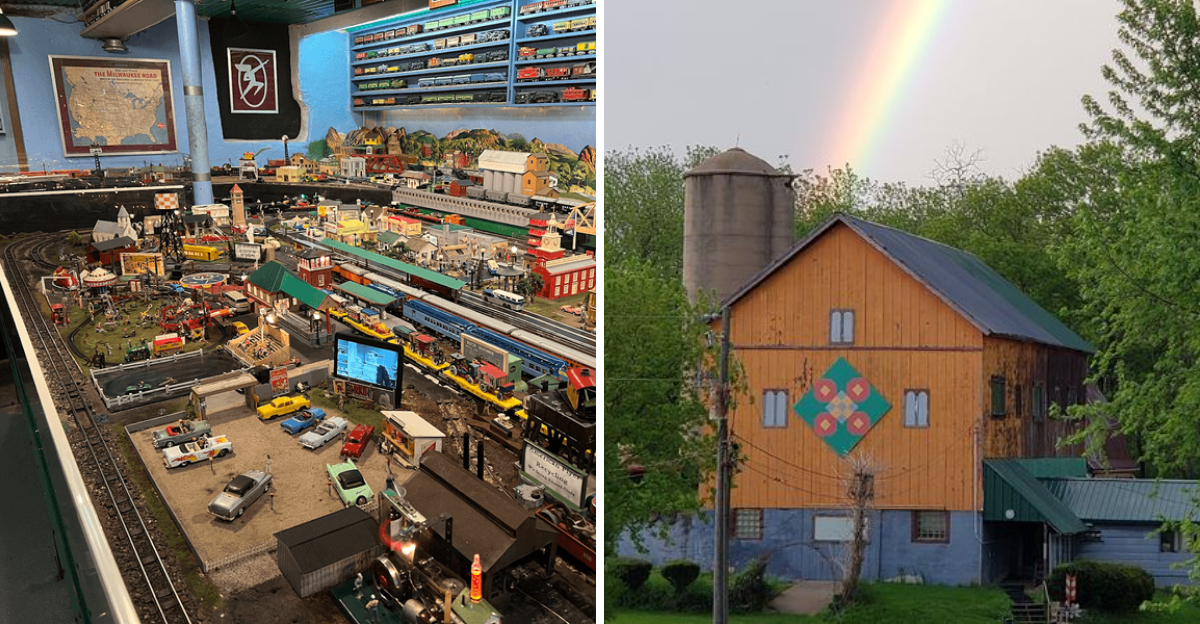
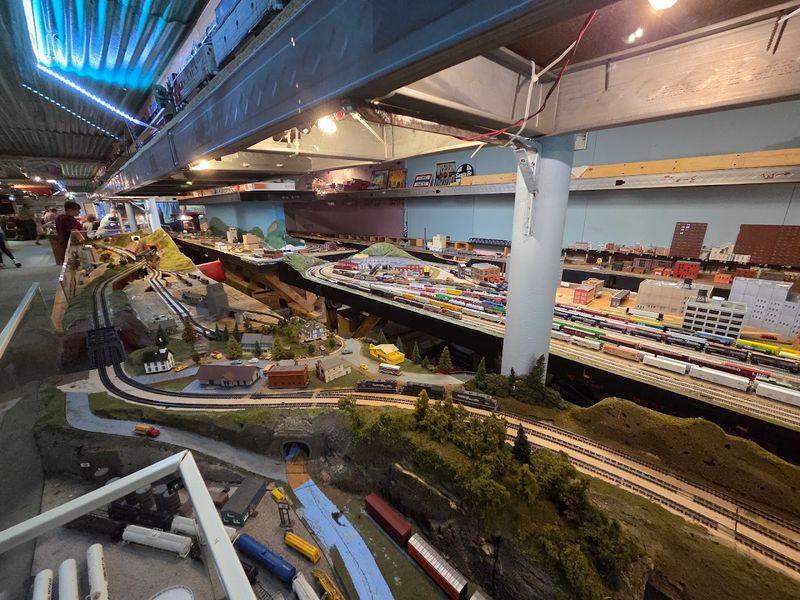
A quiet road in rural Wisconsin hides a place that feels wonderfully frozen in time. Step inside an old barn and you’ll find miniature trains gliding through carefully crafted towns, crossing bridges and weaving through tiny landscapes built with remarkable detail.
Every corner reveals another scene worth pausing over. What stands out most is the patience and passion behind the displays.
Visitors often linger longer than planned, simply watching the trains circle their tracks. Anyone who enjoys nostalgic attractions or creative craftsmanship will find this stop surprisingly memorable and a perfect reminder of why exploring small Wisconsin towns is still worth the drive.
Toy Train Barn Museum Is A Hidden Attraction In Argyle
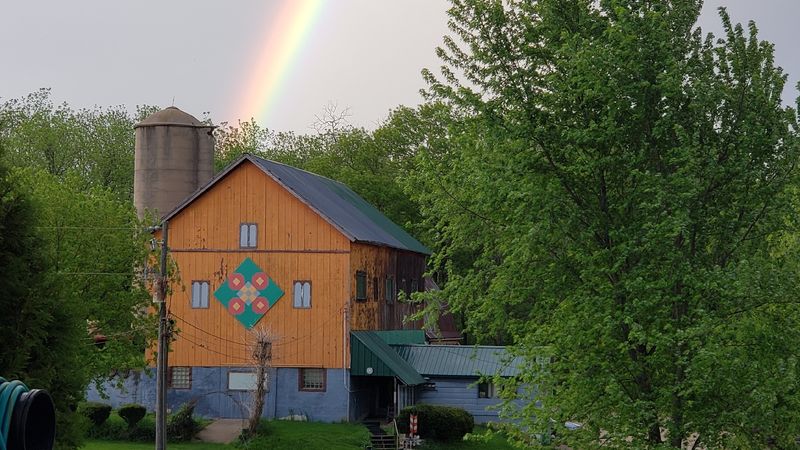
Along a quiet stretch of WI-81 in Argyle, Wisconsin, sits an attraction that most travelers pass without ever knowing it exists. The Toy Train Barn Museum, located at W9141 WI-81, Argyle, WI 53504, occupies a beautifully restored historic barn that gives little away from the road.
From the outside, it looks modest and unhurried, the kind of building you might expect to hold hay bales rather than hundreds of meticulously arranged model trains.
Once you step inside, the scale of what has been created here becomes immediately clear. The barn is far larger than its exterior suggests, and every corner has been put to thoughtful use.
Displays stretch across the floor and walls, each one more detailed than the last.
Argyle itself is a small, unhurried town in Lafayette County, and that setting suits the museum perfectly. The drive out here through rolling Wisconsin farmland is part of the experience, arriving with a sense of calm that the museum more than rewards.
The Museum Is Home To An Impressive Toy Train Collection
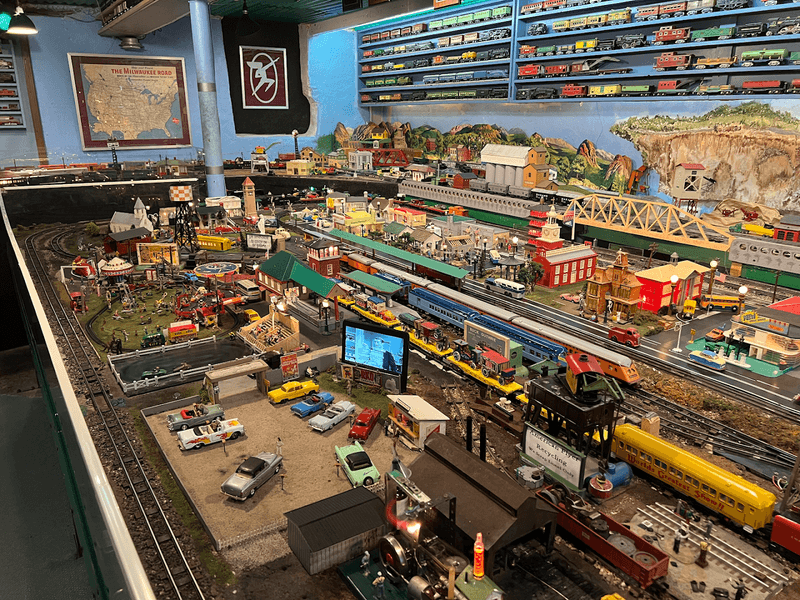
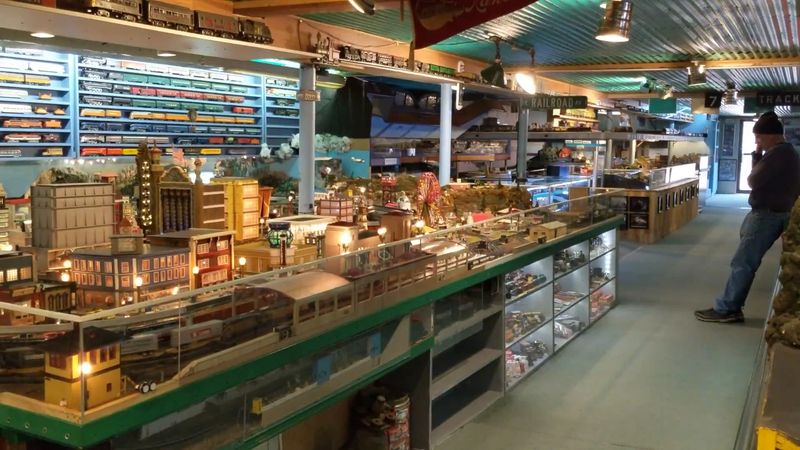
Few private collections in the Midwest can match what Buck and Jan have assembled inside this barn. The sheer variety of trains on display covers multiple gauges, eras, and manufacturers, giving the collection a depth that surprises even seasoned model railroad enthusiasts.
You get the sense that each piece was chosen or built with a specific purpose in mind rather than simply accumulated over time.
The collection spans decades of American model railroading history, with trains that range from well-known commercial sets to custom-built pieces that exist nowhere else. Some were donated by fellow enthusiasts, while others were crafted by hand on the premises.
That combination of sourced and original pieces gives the museum a character that no catalog could replicate.
Buck himself spent years working as a professional train engineer, and that real-world experience informs how the collection is organized and presented. His knowledge adds a layer of authenticity that transforms a display of toys into a genuine historical record.
Model Trains Run Through Detailed Miniature Landscapes
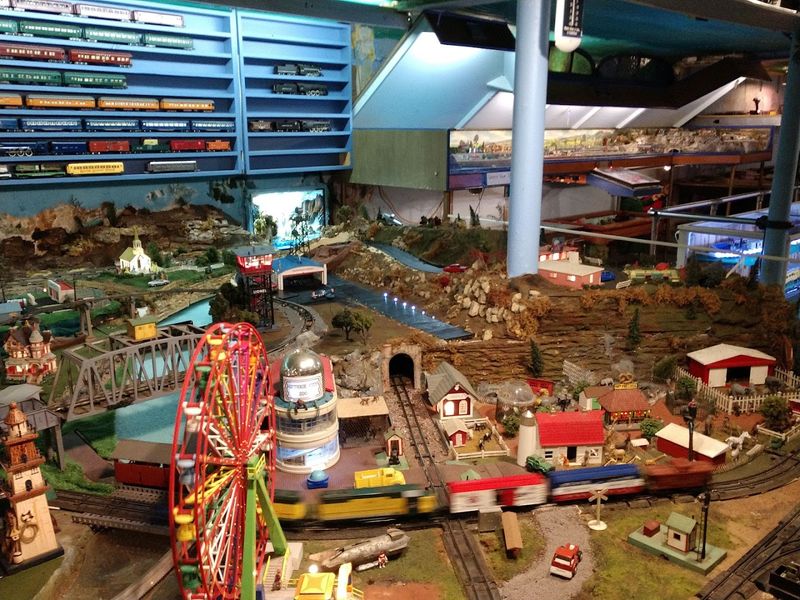
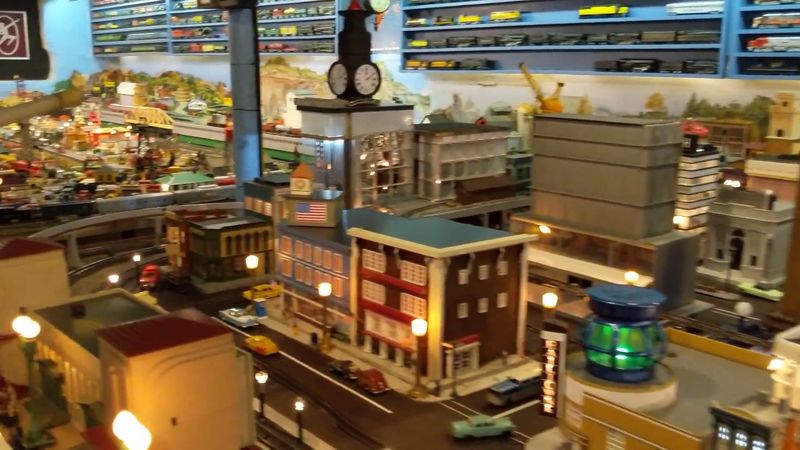
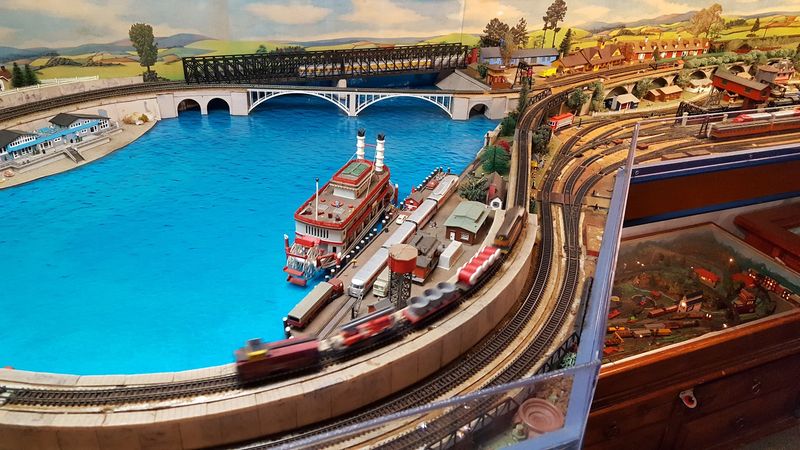
Watching a train move through a miniature world built at this level of detail is genuinely absorbing. The landscapes at the Toy Train Barn Museum are not simple painted backdrops or flat green mats.
They are fully realized environments with roads, bridges, figures, buildings, water features, and vegetation, each one telling a small story of its own.
One particularly memorable display recreates the Fenelon Place elevators from Dubuque, a detail that rewards visitors who recognize it and intrigues those who do not. Elsewhere, a burning building produces real smoke while a working water effect simulates the firefighting response.
These interactive elements lift the displays beyond passive observation into something genuinely theatrical.
The engineering behind the moving parts is Buck’s own work, and he is happy to explain the mechanisms to anyone curious enough to ask. Hidden motors, levers, and cleverly repurposed household materials keep the miniature worlds in constant, convincing motion throughout your visit.
The Displays Include Vintage Lionel And American Flyer Trains
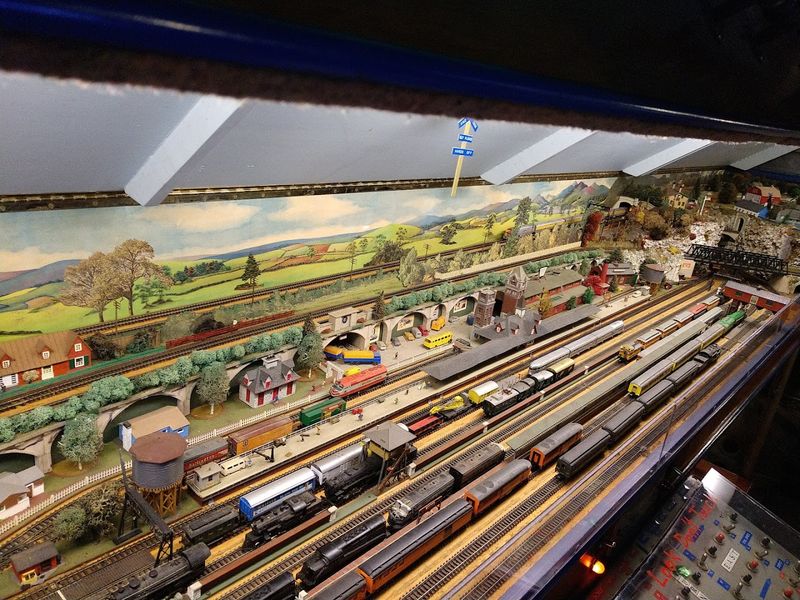
Lionel and American Flyer trains occupy a special place in the history of American childhood, and the Toy Train Barn Museum treats them with the respect that history deserves. Both brands defined generations of holiday mornings and basement layouts across the country, and seeing their classic designs running on polished track here carries a weight that newer products simply cannot match.
Lionel’s three-rail O gauge sets sit alongside American Flyer’s two-rail S gauge trains, and the visual difference between the two systems is part of what makes the display so informative. For visitors unfamiliar with the distinction, Buck is glad to walk through the history of each brand and explain why collectors hold them in such high regard.
Many of these trains date back to the postwar era, when American manufacturing was at its most confident and toy design reflected that ambition. Seeing them operate as intended, decades after they were first built, is a quiet but convincing argument for craftsmanship over convenience.
The Museum Is Housed Inside A Restored Historic Barn
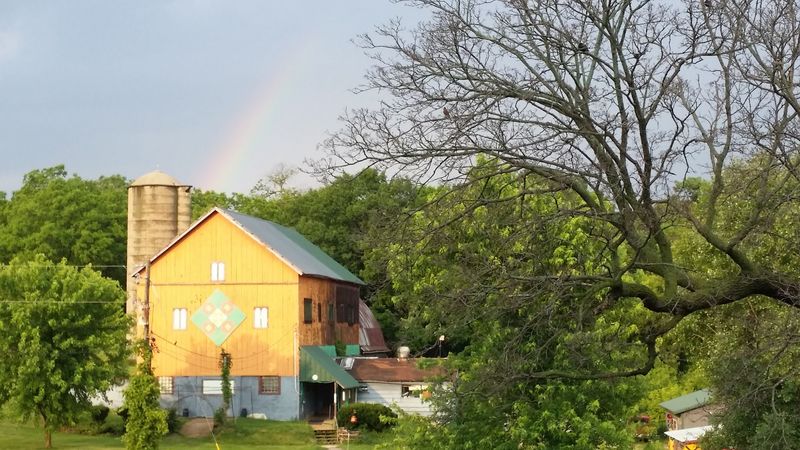
The building itself deserves attention before you even look at the trains. The barn that houses the museum has been carefully restored, and the original structure’s character has been preserved rather than erased by the renovation.
Wooden beams overhead, solid flooring underfoot, and the particular quality of light that filters through barn windows all contribute to an atmosphere that feels rooted in place and time.
Adapting a working barn into a museum-quality display space is no small undertaking, and the result here is genuinely impressive. Climate control keeps the interior comfortable even on the hottest summer days, which matters more than it might sound when you are spending an extended afternoon exploring the exhibits.
The air conditioning alone has earned grateful comments from warm-weather visitors.
The barn’s layout also works in the museum’s favor. Its open floor plan accommodates large-scale layouts without crowding, and the high ceiling allows for elevated track sections and scenic backdrops that add vertical dimension to the displays.
The space feels purposeful rather than improvised.
Many Of The Train Sets Date Back Several Decades
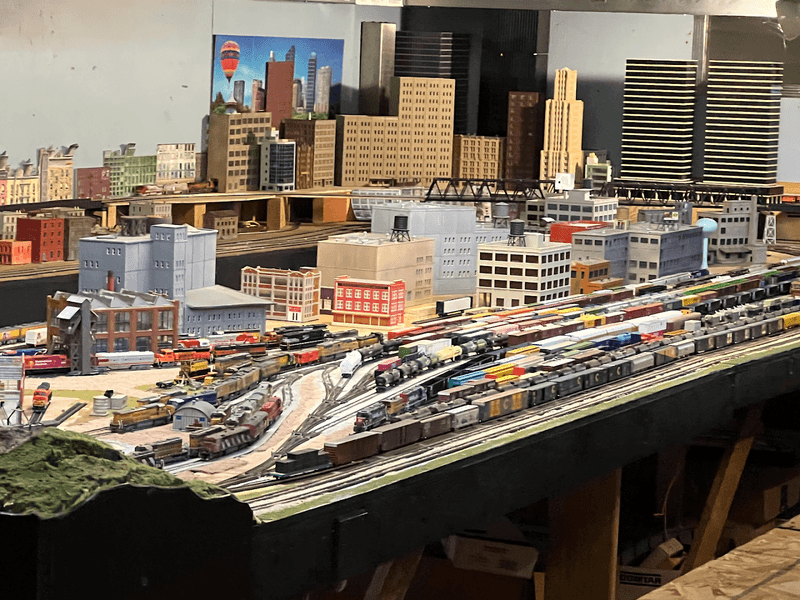
Age gives objects a particular kind of authority, and the older train sets at this museum carry that quality in full measure. Some of the pieces on display were built in the 1940s and 1950s, during a period when model railroading was one of the most popular hobbies in the United States.
Their survival in working condition is a credit to whoever cared for them over the intervening decades.
Looking at these trains, you notice the design decisions that defined their era: the heavy die-cast bodies, the hand-painted details, the mechanical simplicity that made repairs possible at the kitchen table. Modern models are more precise and more capable, but they rarely carry the same sense of deliberate manufacture that older sets project.
For visitors who grew up with trains like these, the museum functions as an informal archive of personal memory. For younger visitors, the same objects serve as a window into a period of American domestic life that feels both distant and surprisingly familiar.
Handcrafted Scenery Brings The Miniature Worlds To Life
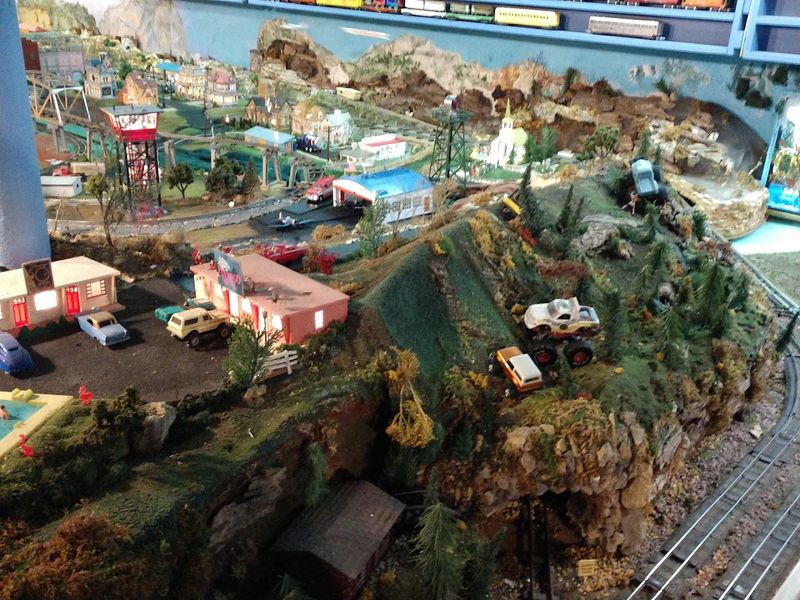
Jan’s contribution to the museum is visible in every corner of the building, though it rarely announces itself loudly. The clay figures she has made by hand populate the miniature landscapes with a warmth and individuality that mass-produced accessories simply cannot provide.
Each figure has its own posture and purpose, and the cumulative effect is a world that feels inhabited rather than decorated.
Crafting miniature figures from clay requires patience, a steady hand, and a good eye for proportion, and Jan clearly has all three. The figures range from everyday townspeople to more whimsical characters, and their presence throughout the displays gives the layouts a narrative quality that keeps visitors looking closely rather than scanning broadly.
Buck’s engineering and Jan’s artistry work together in a way that feels genuinely complementary. One builds the world’s mechanics, the other fills it with life.
That division of creative labor produces something more complete than either could achieve independently, and the museum’s atmosphere reflects that productive partnership at every turn.
Visitors Of All Ages Enjoy Watching The Trains In Motion
One of the more reliable indicators of a great attraction is whether it holds the attention of a one-year-old and a seventy-year-old at the same time. The Toy Train Barn Museum manages this without apparent effort.
Young children gravitate toward the interactive buttons that activate specific trains and effects, while older visitors tend to linger over the historical details and construction quality of individual displays.
The interactive elements are particularly well-considered. Rather than keeping everything behind glass or roping off the displays, the museum invites visitors to press buttons and engage with the layouts directly.
That approach transforms passive observation into active participation, and children especially respond to the immediate cause-and-effect satisfaction of pressing a button and watching a train respond.
Outdoor train rides are available on weekends during warmer months, adding a full-scale dimension to the experience that brings the concept of trains out of miniature and into something you can feel moving beneath you. It is a memorable way to end a visit that already has plenty to offer.
The Collection Reflects A Lifelong Passion For Model Railroading
Buck spent years working as a professional train engineer before channeling that experience into the museum’s creation. That career history gives the collection an authority that goes beyond hobbyist enthusiasm.
He understands trains from the inside out, and that understanding shapes the way the displays are built, organized, and explained to visitors.
His willingness to share the stories behind each piece is one of the museum’s most distinctive qualities. He walks visitors through the engineering decisions, the sourcing of rare pieces, the repurposing of everyday objects into functional display components, and the broader history of American model railroading with equal fluency.
The conversation never feels like a rehearsed tour script.
Hidden beneath many of the moving displays are Buck’s own inventions, mechanisms he designed and built himself to solve specific problems of motion and realism. Discovering these ingenious solutions, often explained with a kind of quiet pride, adds an intellectual dimension to the visit that goes well beyond simply watching trains run on a track.
Small-Town Argyle Provides A Charming Setting For The Museum
Argyle sits in Lafayette County in southwestern Wisconsin, a region of glaciated hills, dairy farms, and small communities that have maintained their character without much interference from suburban expansion. The town itself is compact and quiet, the kind of place where a converted barn museum feels entirely at home rather than out of context.
The drive to Argyle from nearby Monroe takes roughly ten minutes, and the route passes through countryside that rewards unhurried travel. Rolling fields, old farmsteads, and the particular flatness of the Wisconsin horizon give the approach a sense of deliberate remoteness that makes arriving at the barn feel like a genuine discovery.
That sense of discovery is part of what makes the Toy Train Barn Museum work so well as a destination. It does not sit in a tourist corridor or a busy commercial strip.
It occupies a piece of genuine rural Wisconsin, and that setting gives the experience a grounding that more urban attractions rarely achieve. The surrounding landscape is, in its own way, part of the exhibit.
The Museum Offers A Nostalgic Look At Classic Toy Trains
Nostalgia is a complicated emotion, part memory and part imagination, and the best museums understand how to work with it honestly. The Toy Train Barn Museum earns its nostalgic atmosphere through genuine objects and genuine care rather than manufactured sentiment.
The trains here are real artifacts with real histories, and that authenticity gives the experience a weight that theme parks and reproductions cannot replicate.
For visitors who grew up in the postwar decades, the sight of a Lionel locomotive pulling a string of passenger cars through a miniature American town carries an emotional charge that is difficult to articulate but easy to recognize. The museum makes space for that response without exploiting it.
Admission is free, though a donation box near the exit invites visitors to contribute what they feel the experience is worth. Given the obvious investment of time, money, and creative energy that Buck and Jan have made, most visitors find that the box deserves a generous response.
The museum is open Saturdays from noon to 4 PM and Sundays from noon to 3 PM.