
This Picture-Perfect Town In Wisconsin Looks Like It Belongs On A Postcard
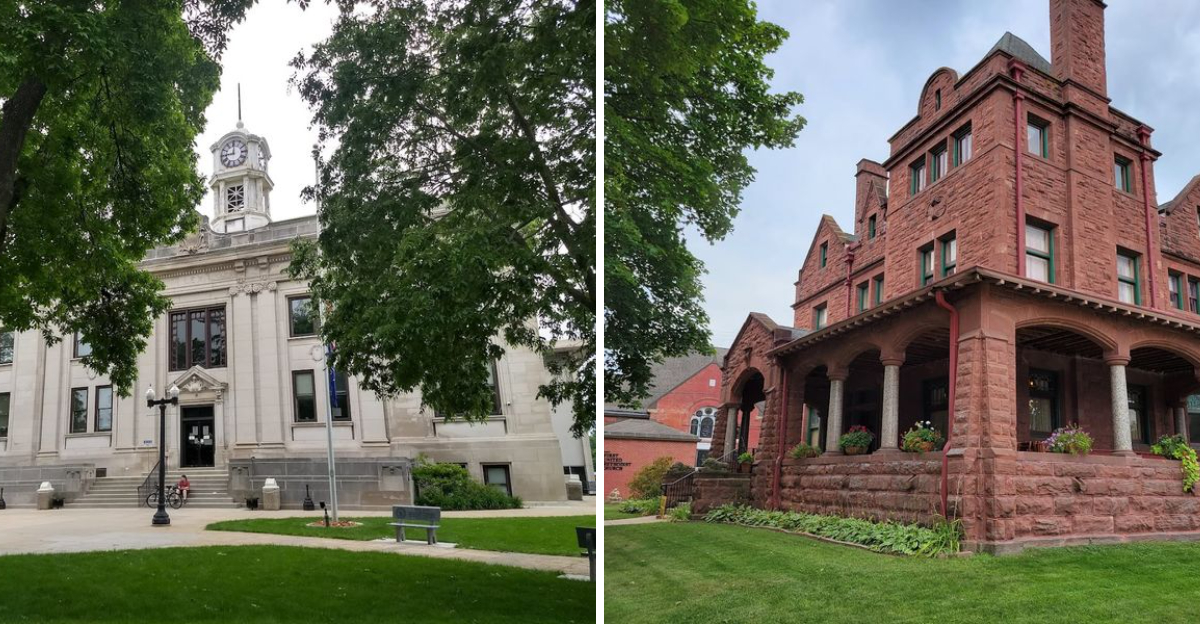
Brick storefronts, ornate Victorian buildings, and a quiet river winding through town create the kind of scene that feels lifted from another era. One Wisconsin community manages to hold onto its historic character while keeping a lively downtown that attracts visitors throughout the year.
A population of roughly twelve thousand gives the place a comfortable, small-town rhythm, yet there’s plenty to explore once you start walking the streets. Circus heritage runs deep here, adding a fascinating layer of history to the beautifully preserved architecture.
Surrounded by rolling hills and striking natural landscapes, this charming destination offers the rare blend of storybook scenery, rich local history, and genuine character that keeps travellers coming back with their cameras.
A Historic Town Square That Looks Straight Out Of A Postcard
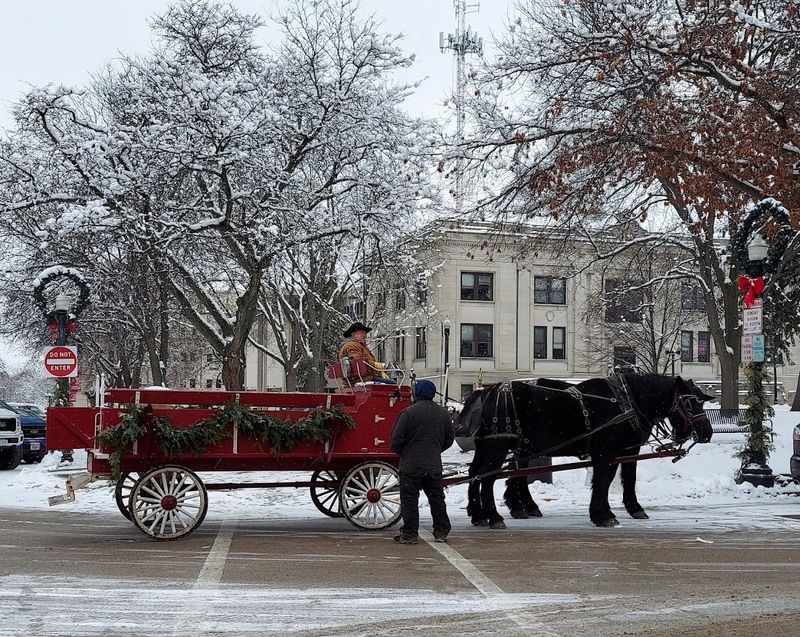
Walking into downtown Baraboo feels like stepping onto a movie set designed to capture American small-town life at its finest. The square radiates outward from the courthouse, with brick buildings dating back more than a century lining streets that still bear their original names.
Street lamps stand at regular intervals, and benches invite visitors to sit and watch the unhurried rhythm of daily life.
The architecture tells stories of prosperity from the late 1800s and early 1900s, when Baraboo thrived as a commercial center. Many buildings retain their original facades, complete with decorative cornices and large storefront windows.
Trees provide shade in summer, and during autumn the square becomes a canvas of red and gold leaves that seem almost too perfect to be real.
Photographers arrive throughout the year to capture the square in different seasons and lighting conditions. The scene remains authentic because the buildings still house working businesses rather than serving as empty historical props.
The Charming Courthouse At The Heart Of Downtown
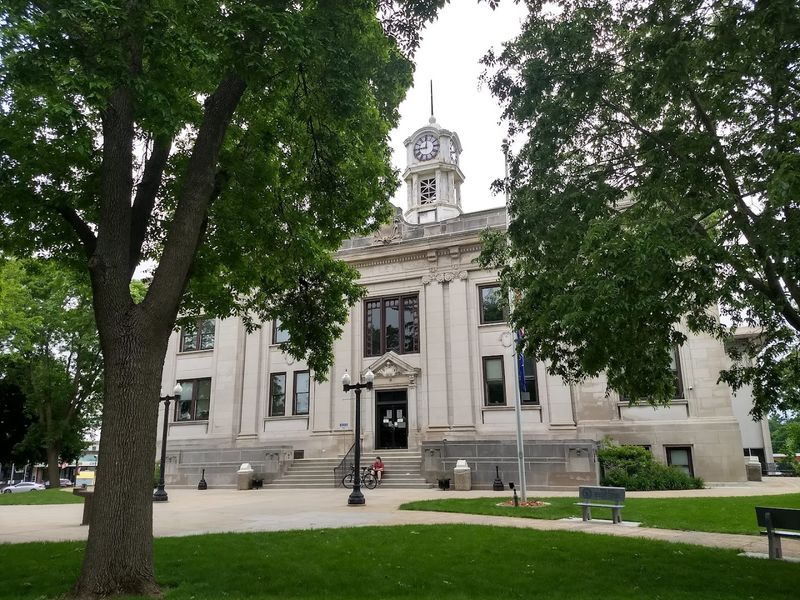
The Sauk County Courthouse anchors Baraboo’s downtown with a presence that commands attention without demanding it. Built in the Richardsonian Romanesque style, the structure features heavy stonework and arched windows that speak to an era when public buildings were designed to inspire civic pride.
A clock tower rises above the main building, visible from blocks away and serving as a navigational landmark for anyone exploring the town.
The courthouse grounds are maintained with care, featuring mature trees and seasonal plantings that complement the building’s gravitas. During summer, the lawn becomes an informal gathering space where office workers eat lunch and families take photos before heading to nearby shops.
The building still functions as the county’s administrative center, housing courtrooms and government offices. Visitors can admire the exterior and grounds freely, and the location at 515 Oak Street places you within easy walking distance of the entire downtown district.
Where The Famous Ringling Circus Began
Baraboo holds a unique place in American entertainment history as the winter headquarters of the Ringling Brothers Circus from 1884 until 1918. The five Ringling brothers started their show business careers here, eventually building what became the most famous circus in the world.
The town’s connection to this golden age of traveling entertainment runs deep, with multiple generations of families involved in various aspects of circus life.
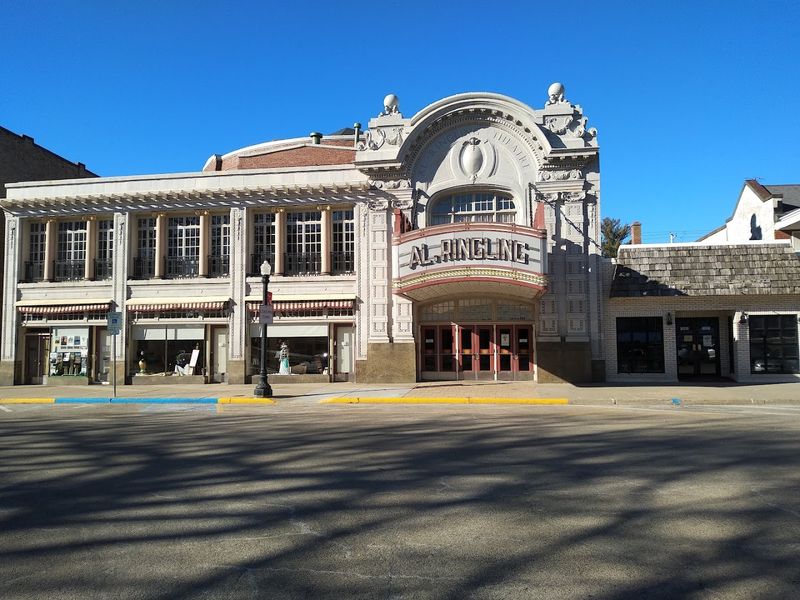
Al Ringling Theatre, located at 136 Fourth Avenue, stands as one lasting monument to the family’s success. Built in 1915 by the oldest Ringling brother, the ornate theater still hosts performances and tours.
The building’s elaborate interior features hand-stenciled designs, carved woodwork, and a magnificent pipe organ.
The circus legacy permeates Baraboo in ways both obvious and subtle. Street names reference circus history, and longtime residents can still recall stories passed down from relatives who worked with the show during its heyday.
The Circus World Museum That Celebrates Baraboo’s Past
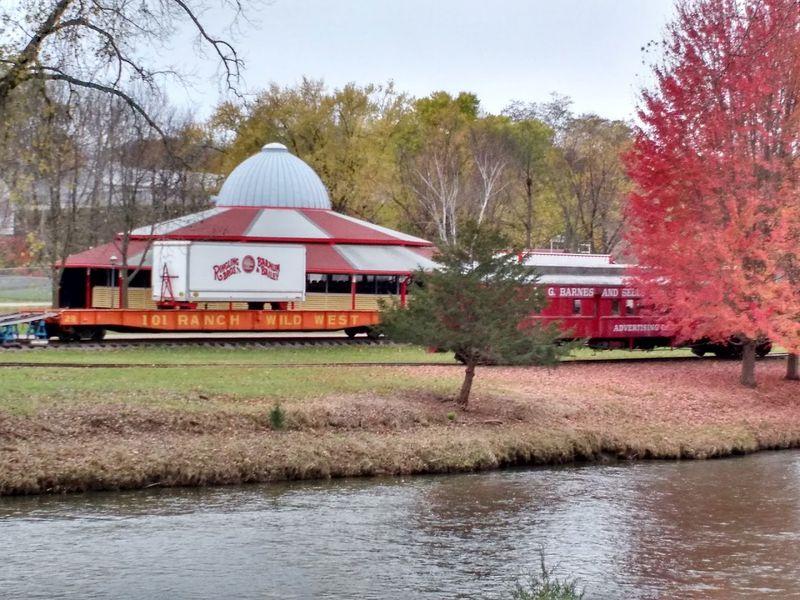
Circus World Museum occupies the original winter quarters of the Ringling Brothers Circus at 550 Water Street, preserving and presenting the town’s most distinctive heritage. The museum houses the world’s largest collection of circus wagons, many restored to their original painted glory with intricate carvings and gilded details.
During summer months, the Big Top goes up for live circus performances that demonstrate skills passed down through generations of performers.
The collection extends beyond wagons to include posters, costumes, photographs, and equipment that document circus life from its peak era. Interactive exhibits allow visitors to try juggling, learn about animal care in historical context, and understand the logistics of moving an entire city by rail.
Staff members include former circus performers and historians who bring personal knowledge to their interpretations. The museum operates year-round, though the outdoor exhibits and live performances follow a seasonal schedule that peaks during summer months when the weather cooperates with outdoor activities.
A Downtown Filled With Colourful Historic Buildings
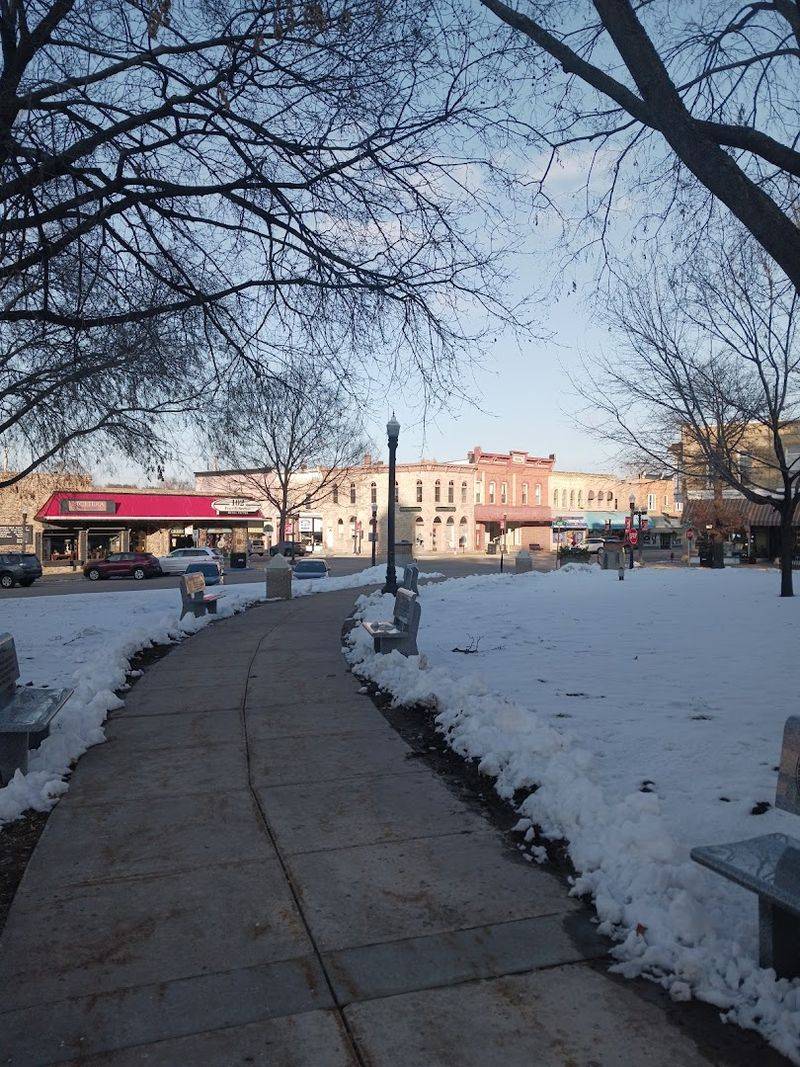
Baraboo’s commercial district showcases Victorian-era architecture in remarkably original condition, with buildings painted in colors that highlight rather than obscure their architectural details. Red brick mingles with painted wood facades in shades of cream, green, and burgundy.
Cornices, window hoods, and decorative brickwork receive emphasis through careful color choices that make the streetscape visually engaging without becoming garish.
Many buildings retain their original storefronts with large display windows and recessed entries that create covered sidewalk areas. Upper floors often feature tall windows with decorative lintels, and several buildings display their construction dates proudly on cornerstones or facades.
The overall effect creates visual interest at multiple levels, rewarding those who take time to look upward beyond the ground-floor shops.
Building owners have generally respected the historical character while adapting interiors for modern business needs. The result feels authentic rather than recreated, a working downtown that happens to be beautiful rather than a preserved district that happens to contain a few businesses.
Antique Shops And Local Boutiques Worth Browsing
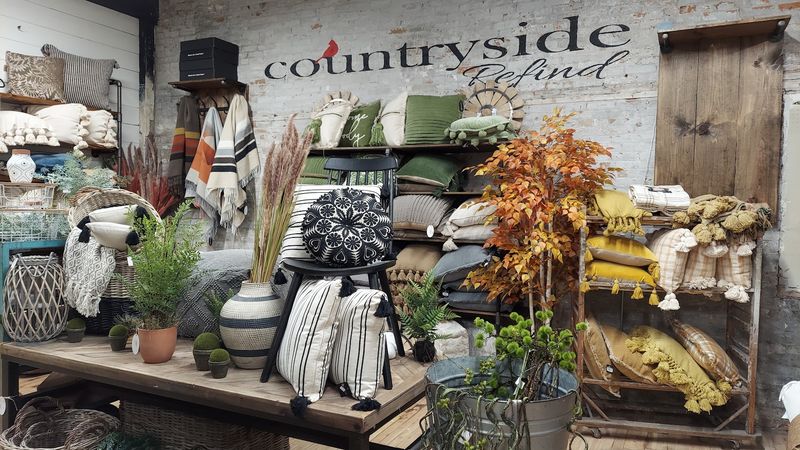
Downtown Baraboo supports a healthy collection of independent retailers that give visitors reasons to slow down and explore. Antique shops occupy several storefronts, offering everything from furniture and glassware to circus memorabilia and Wisconsin-specific collectibles.
The inventory changes regularly as dealers acquire new pieces, making repeat visits worthwhile for serious collectors and casual browsers alike.
Local boutiques complement the antique stores with handmade items, regional foods, and specialty goods that reflect Wisconsin’s craft traditions. You can find locally produced cheese, handcrafted jewelry, and artwork by regional artists.
Several shops focus on home goods and decor with a vintage sensibility that appeals to those furnishing older homes or seeking alternatives to mass-produced items.
Shop owners generally know their inventory well and can discuss the provenance of items or recommend other stores based on specific interests. The browsing experience moves at a relaxed pace, with none of the pressure found in tourist-oriented shopping districts where turnover matters more than connection.
A Short Drive From Devil’s Lake State Park
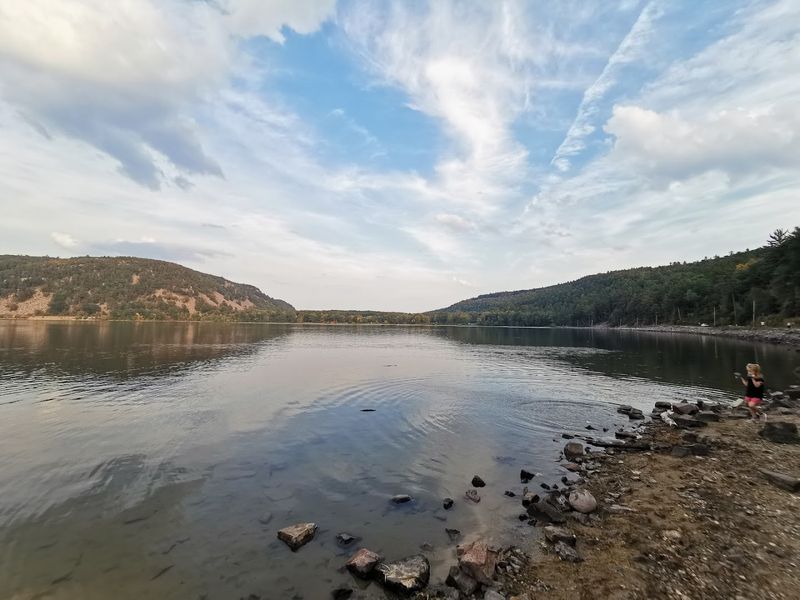
Devil’s Lake State Park lies just three miles south of Baraboo, making the town an ideal base for exploring Wisconsin’s most visited state park. The park centers on a 360-acre lake surrounded by 500-foot quartzite bluffs that create one of the most dramatic landscapes in the upper Midwest.
Hiking trails range from easy lakeside paths to challenging climbs that reward effort with panoramic views across the Baraboo Range.
The lake itself offers swimming, fishing, and paddling opportunities, with a clarity that makes it popular for scuba diving despite its modest size. Rock climbing attracts enthusiasts to the bluffs, where established routes accommodate various skill levels.
During autumn, the hardwood forests explode into color, and winter brings cross-country skiing and ice fishing.
Staying in Baraboo provides access to the park while offering more dining and lodging options than the immediate park area. The short drive means you can easily return to town for meals or supplies between park visits.
Bluffs And Scenic Views All Around Town
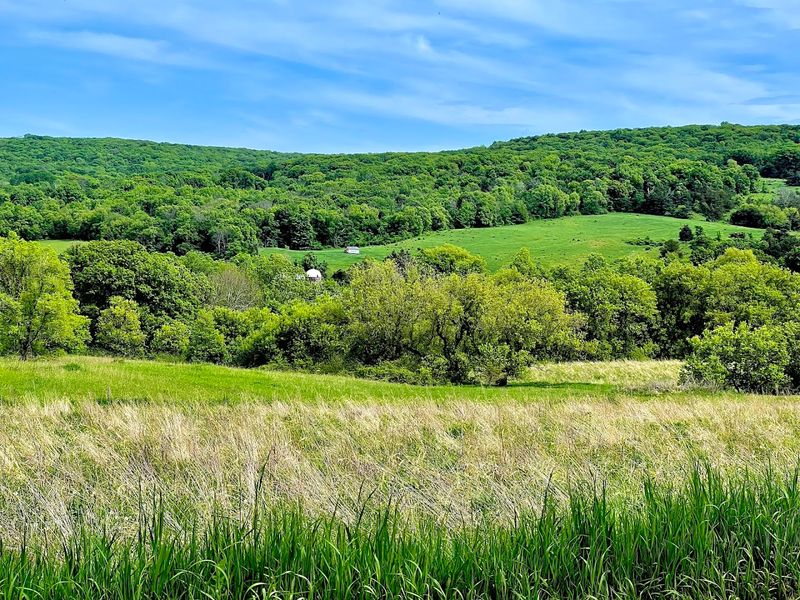
Baraboo sits in a natural basin surrounded by the Baraboo Range, an ancient mountain range worn down over hundreds of millions of years into the rounded bluffs visible from nearly every part of town. The topography creates constantly changing views as you move through the area, with ridgelines appearing and disappearing behind foreground features.
The Baraboo River winds through the valley, adding another layer of visual interest to the landscape.
Several roads climb into the surrounding hills, offering pullouts where you can stop to appreciate the broader geography. The elevation changes are modest by mountain standards but significant enough to provide genuine scenic overlooks.
During clear weather, you can see for miles across farmland and forest that stretches toward the Wisconsin River valley.
The bluffs also create microclimates that affect vegetation and weather patterns, contributing to the area’s ecological diversity. Birders appreciate the variety of habitats, and photographers find the changing light across the varied terrain endlessly interesting throughout the day and across seasons.
Cozy Cafés And Classic Wisconsin Bakeries
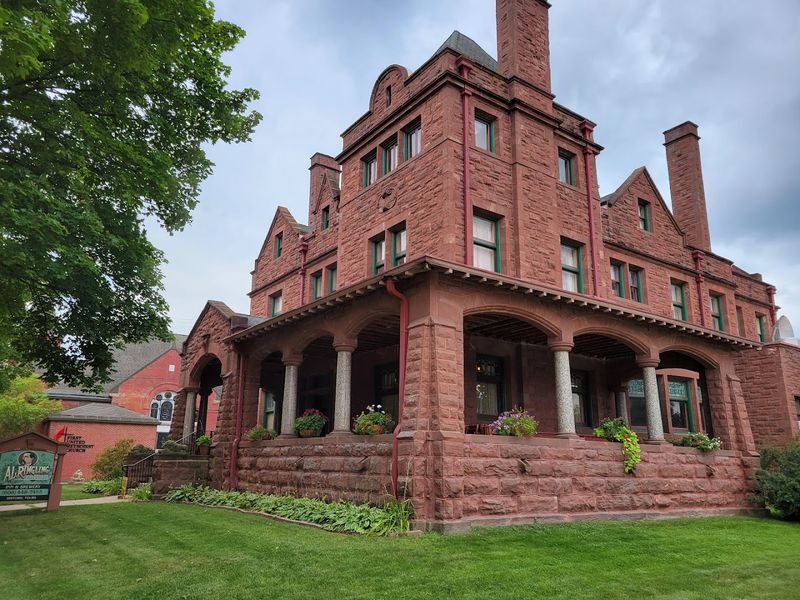
Baraboo’s food scene reflects its character as a genuine community rather than a tourist destination, with establishments that cater primarily to locals and benefit visitors as a happy byproduct. Several cafes offer breakfast and lunch in settings that encourage lingering over coffee and conversation.
The pace remains unhurried, and the menus tend toward comfort food done well rather than culinary experimentation.
Bakeries continue Wisconsin’s strong tradition of scratch baking, producing breads, pastries, and cookies daily. You can find classic items like kringle, a Danish pastry that Wisconsin has adopted as its own, along with doughnuts, cinnamon rolls, and seasonal specialties.
The quality comes from technique and fresh ingredients rather than elaborate presentations.
Many establishments occupy historic buildings that add atmosphere to the dining experience. Exposed brick, tin ceilings, and original woodwork create settings that feel authentic because they are.
Prices remain reasonable by any standard, reflecting the local economy rather than visitor expectations.
Festivals And Community Events Throughout The Year
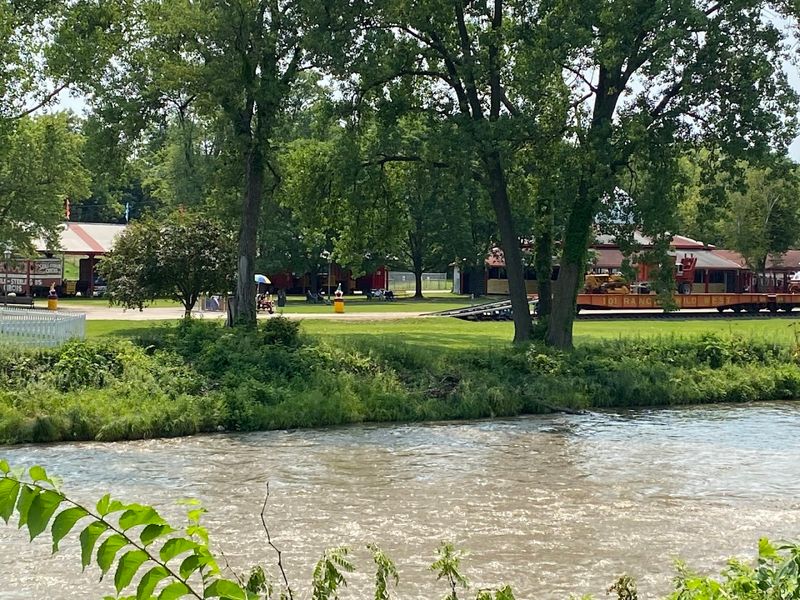
Baraboo’s event calendar reflects a community that still gathers for shared experiences rather than merely coexisting in the same geographic area. The Circus World Museum hosts regular events during operating season, including performances, parades, and historical demonstrations that draw both locals and visitors.
Summer brings outdoor concerts to various venues, with music ranging from classical to contemporary played in settings from formal to casual.
The Baraboo Farmers Market operates during growing season, offering locally produced vegetables, fruits, meats, and crafts. The market functions as a social gathering as much as a commercial exchange, with regular customers developing relationships with the farmers and artisans who sell there week after week.
Seasonal celebrations include a Fourth of July parade that maintains traditional small-town parade elements, and various holiday events that decorate the downtown and bring people together. These gatherings feel genuine rather than staged, community traditions that continue because residents value them rather than tourist attractions designed primarily for outside consumption.