
10 Small Towns In Wisconsin Where $1,200 A Month Goes A Long Way
Living on a modest budget doesn’t have to mean giving up comfort or a strong sense of community. Across Wisconsin, small towns offer a refreshing alternative to the rising costs of city life.
Here, everyday expenses tend to be lower, the pace feels more relaxed, and neighbors still greet each other by name. Instead of crowded streets and high rents, many of these communities offer affordable housing, friendly neighborhoods, and plenty of outdoor activities just minutes away. A walkable downtown, a weekend farmers market, or an afternoon by the water can easily become part of daily life.
For anyone working with around $1,200 a month, these Wisconsin towns show that stretching your budget doesn’t have to mean sacrificing comfort, charm, or quality of life.
1. Marinette
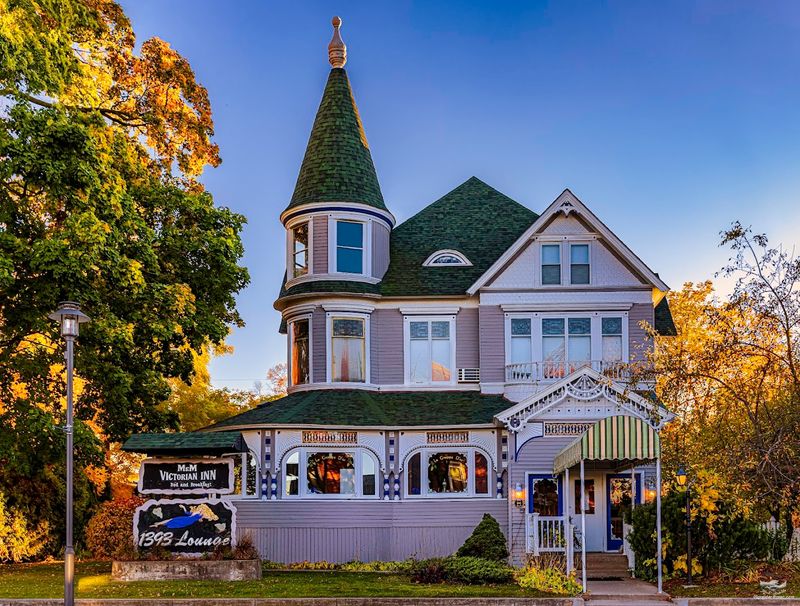
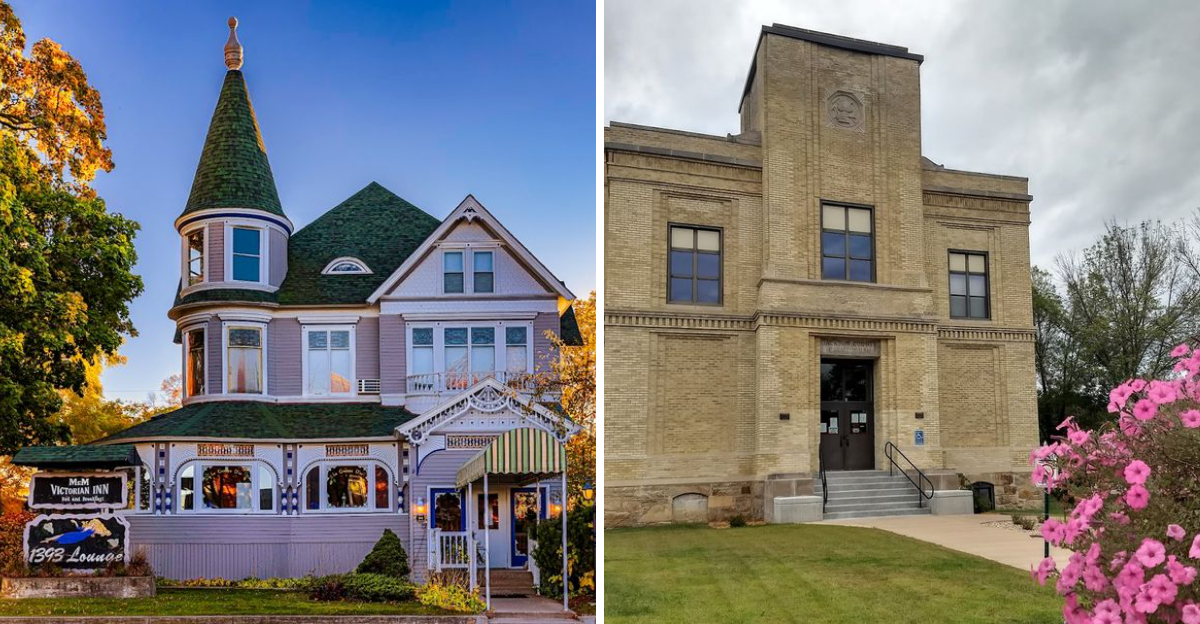
Sitting right on the border with Michigan, Marinette gives you two states for the price of one. The Menominee River runs through town, creating a natural playground for fishing, kayaking, and just watching the water flow by on lazy afternoons.
Housing here remains incredibly affordable, with plenty of options well under $500 a month for rentals.
The downtown area still has that classic Main Street feel, where local coffee shops and thrift stores outnumber chain restaurants. You can walk to most places you need, which saves on gas and keeps you connected to your community.
The farmer’s market in summer brings fresh produce at prices that make eating healthy actually doable.
Winter sports enthusiasts find plenty to love here without spending much. Cross-country skiing trails wind through nearby forests, and ice fishing on the bay costs nothing but patience.
The public library offers free programs, movie nights, and internet access.
Healthcare facilities are accessible, and the community college provides affordable continuing education. People here look out for each other, creating a safety net that money can’t always buy.
2. Adams
Adams might be tiny, but that’s exactly why your budget breathes easier here. With a population hovering around 1,900, everyone knows the best deals before they’re advertised.
Rent for a one-bedroom apartment often runs between $400 and $550, leaving substantial room in your monthly budget for everything else.
The town sits near beautiful natural areas perfect for free entertainment. Castle Rock Lake is minutes away, offering swimming, fishing, and picnicking without admission fees.
You bring a cooler, some friends, and you’ve got yourself a perfect day that costs practically nothing.
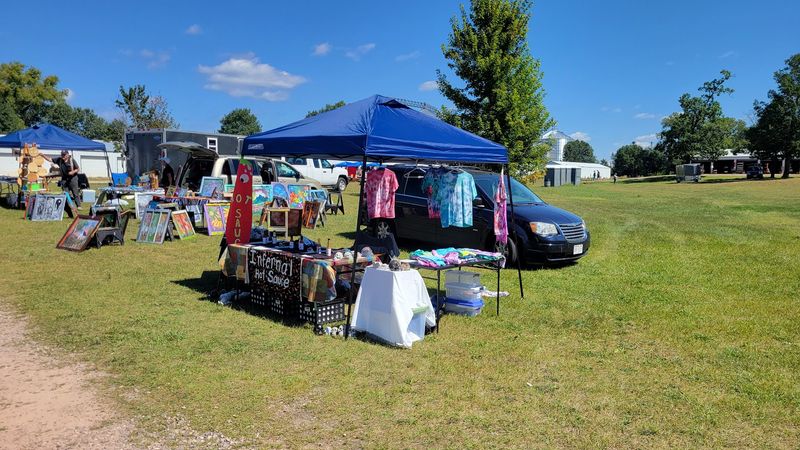
Local grocery stores run competitive prices, and roadside farm stands in growing season sell vegetables for pocket change. The community center hosts potlucks, game nights, and holiday celebrations where participation matters more than your wallet.
Small-town living means your neighbors share garden surplus, hand-me-down furniture, and helpful advice freely.
Adams proves that simple doesn’t mean boring. The pace is slower, sure, but stress levels drop accordingly.
You’ll find part-time work opportunities at local businesses, and the commute to anywhere in town takes five minutes maximum.
3. Park Falls
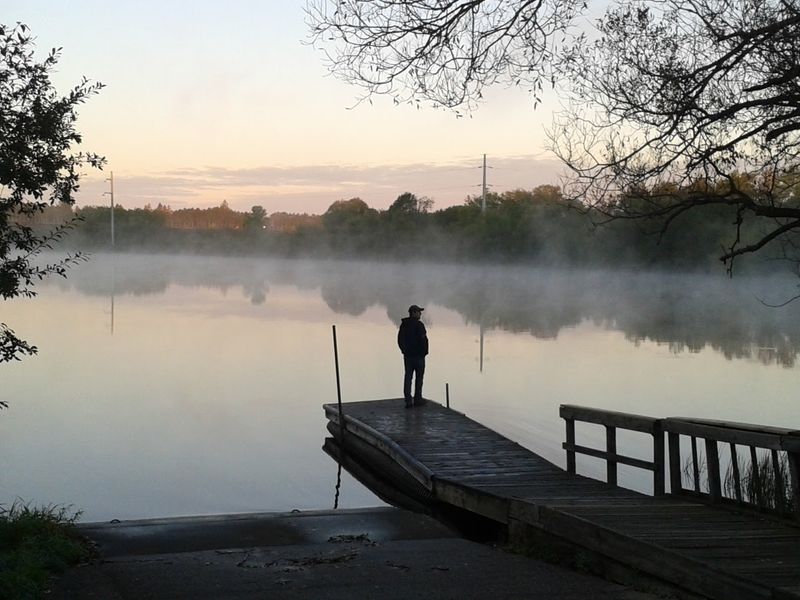
Tucked into Wisconsin’s Northwoods, Park Falls sits surrounded by the Chequamegon National Forest, giving you a backyard that stretches for miles. The forest provides endless free recreation: hiking trails that challenge your legs, berry picking that fills your freezer, and views that remind you why you chose this life.
Housing costs stay remarkably low, with many rentals available for under $500.
The town itself maintains a working-class authenticity that’s refreshing. Local diners serve massive breakfasts for under $7, and the corner bar offers Friday fish fry that feeds you well into tomorrow.
Winters are serious here, but that keeps costs down and builds character.
You’ll need warm clothes and a good snow shovel, but the community comes together when storms hit. Neighbors help dig out driveways, share firewood, and check on each other.
The public school system is solid, and the library offers more than books—it’s a community hub with free Wi-Fi and activities.
Park Falls attracts people who value nature over nightlife, quiet over chaos. If you’re okay with driving to bigger towns for specialty shopping, you’ll find your money stretches remarkably far here.
4. Spooner
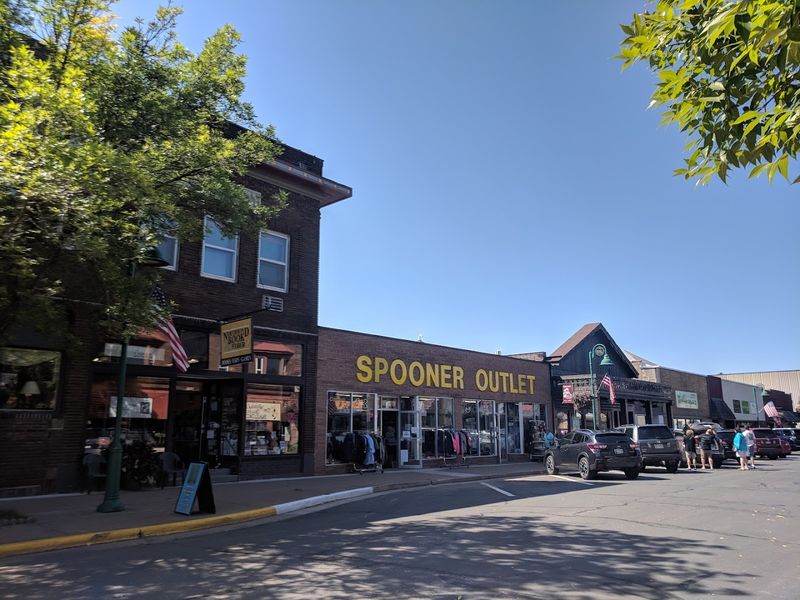
Railroad history runs deep in Spooner, and that heritage created a town built to last. The cost of living reflects small-town Midwest values, where a decent apartment might only claim $450 of your monthly budget.
That leaves plenty for groceries, utilities, and actually enjoying life instead of just surviving it.
Spooner sits in lake country, with over 40 lakes within a short drive. Fishing doesn’t require expensive gear here; locals share tips, lend equipment, and point you toward the best spots.
Summer evenings mean free concerts in the park, where families spread blankets and kids run wild while adults actually relax.
The town maintains essential services without the inflated prices of tourist destinations. Medical clinics provide basic care, grocery stores stock everything you need, and hardware stores still offer advice along with supplies.
People shop local not just because it’s trendy, but because these businesses employ their neighbors.
Winter activities include snowmobiling (if you can borrow a sled), ice skating on public rinks, and cross-country skiing on trails maintained by volunteers. The community understands that entertainment shouldn’t break the bank, so most events stay free or incredibly cheap.
5. Crandon
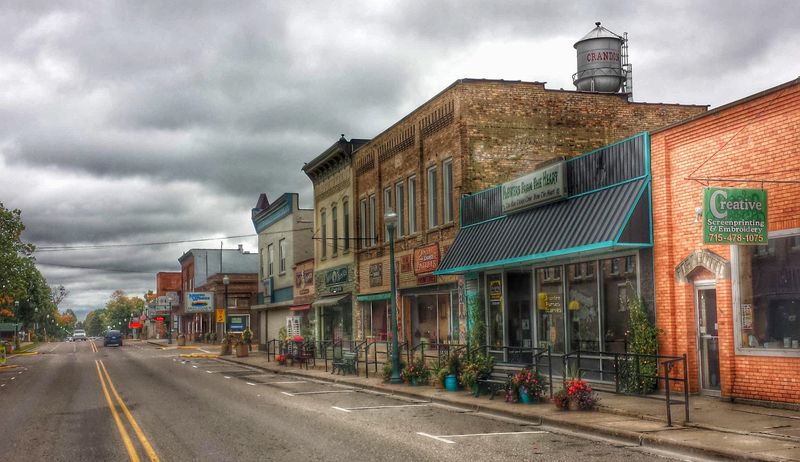
Up in Forest County, Crandon offers something increasingly rare: actual solitude when you want it, community when you need it. The population barely tops 1,900, which translates to rental prices that seem frozen in time.
You can find housing for $400 to $500 monthly, and utilities stay reasonable because everything’s on a smaller scale.
The Nicolet National Forest borders town, providing a natural playground that never charges admission. Hiking, camping, foraging for mushrooms, and wildlife watching cost nothing but your time and attention.
The lakes here are clean, clear, and accessible to everyone, not just people with expensive lake houses.
Crandon’s downtown strips away pretension. The local diner knows your order after three visits, the hardware store extends credit based on handshakes, and the grocery store manager will order your favorite items if you ask.
This personal economy operates on trust and relationships, not algorithms and credit scores.
Job opportunities lean toward forestry, small manufacturing, and service work. The pay might not impress city folks, but it matches the cost of living perfectly.
You’ll work hard, but you’ll also go home to a place where $1,200 genuinely covers your needs with room left over for wants.
6. Grantsburg
Right near the Minnesota border, Grantsburg sits in an area where agriculture still drives the local economy. That agricultural foundation keeps costs grounded in reality rather than speculation.
Rent for basic apartments hovers around $450, and you can sometimes find small houses to rent for just a bit more if you’re patient and connected.
Crex Meadows Wildlife Area sprawls nearby, offering over 30,000 acres of wetlands, prairies, and forests. Bird watchers come from across the region, but locals enjoy it year-round for free.
You can spend entire days exploring without spending a dime, watching sandhill cranes, trumpeter swans, and countless other species.
The town itself moves at a pace that reduces stress naturally. Rush hour doesn’t exist, parking is always free and available, and people still wave from their cars.
Local businesses operate on slim margins, which means competitive prices on everything from groceries to gas.
Grantsburg hosts community events that bring people together without emptying wallets. Parades, festivals, and fundraisers create social fabric that substitutes for expensive entertainment.
Your neighbors become your social network, potlucks replace restaurants, and friendship costs nothing but genuine participation.
7. Darlington
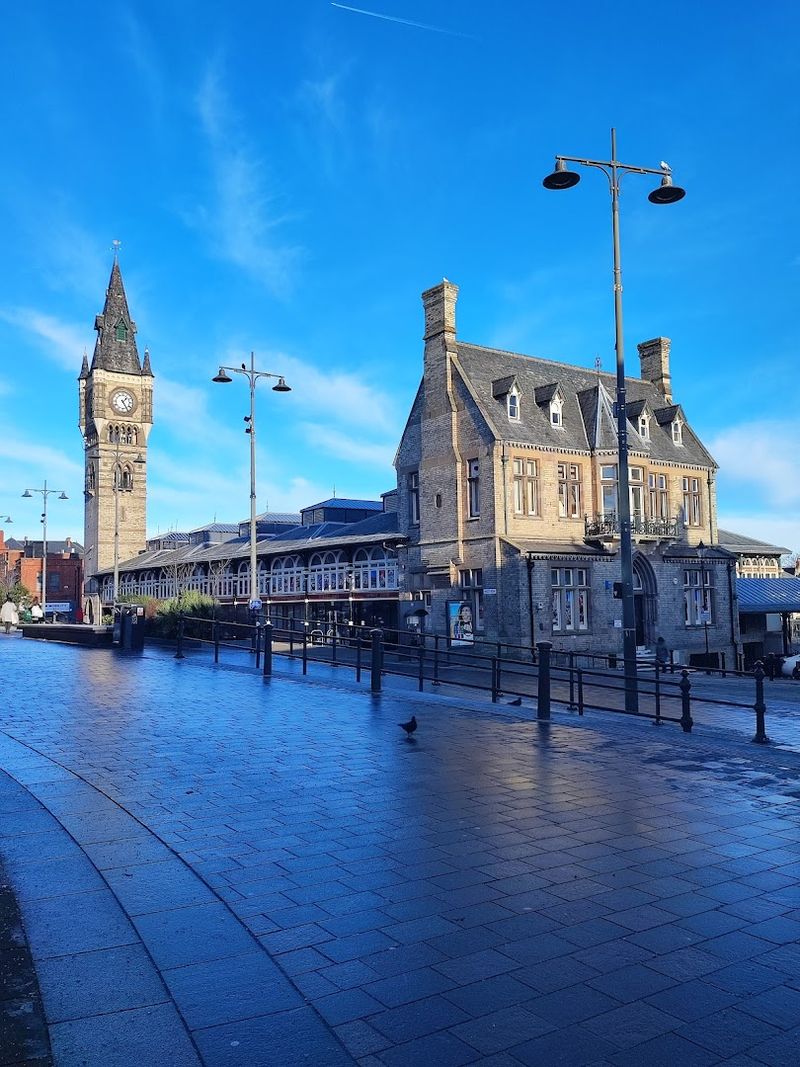
Down in Lafayette County, Darlington combines small-town charm with surprising amenities. The courthouse square still serves as the town’s heart, surrounded by local businesses that have served generations.
Housing costs remain incredibly reasonable, with many options falling between $400 and $550 monthly, leaving substantial breathing room in a $1,200 budget.
The community takes pride in its schools, parks, and public spaces. The municipal pool charges minimal fees for summer swimming, and the well-maintained parks offer free playgrounds, sports fields, and picnic areas.
Local sports leagues for kids and adults operate on volunteer energy and minimal fees.
Darlington sits in beautiful farming country, where roadside stands sell fresh produce at prices that make cooking from scratch the obvious choice. The farmers market becomes a social event as much as a shopping trip, where you catch up with neighbors while filling your basket with local goods.
Small manufacturing and agriculture provide local employment, and the wages align with living costs. You won’t get rich here, but you can live comfortably, save a little, and sleep well knowing your rent isn’t consuming your entire paycheck.
The pace allows for hobbies, relationships, and actually enjoying daily life.
8. Black River Falls
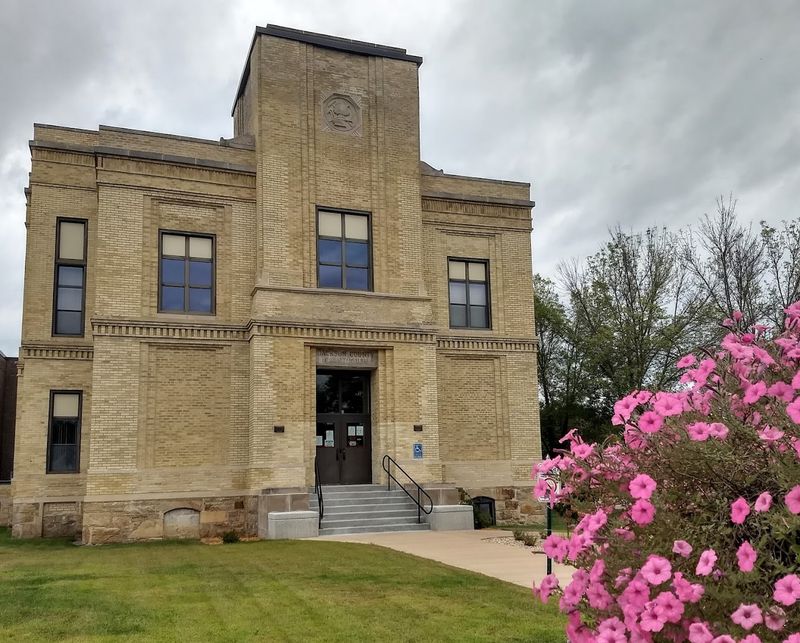
The Black River gives this town its name and its character, carving through scenic bluffs that create natural beauty everywhere you look. With a population around 3,600, it’s slightly larger than other towns on this list but maintains affordability that makes $1,200 work.
Rentals typically range from $500 to $650, still leaving room for other expenses.
The river provides free recreation year-round: fishing in summer, ice fishing in winter, and beautiful views always. Several parks line the riverbanks, offering walking paths, picnic areas, and quiet spots to read or think.
The public library anchors downtown, providing free internet, programs, and a warm place to spend cold afternoons.
Black River Falls maintains more services than tiny towns, including a hospital, various clinics, and a good selection of stores. You can handle most shopping locally without driving to larger cities, saving gas money and time.
The downtown area has revitalized in recent years, with local coffee shops, thrift stores, and restaurants offering affordable options.
The Ho-Chunk Nation has a presence here, adding cultural events and economic opportunities to the community. The casino provides employment for many residents, and the tribe supports various community initiatives that benefit everyone living here.
9. Phillips
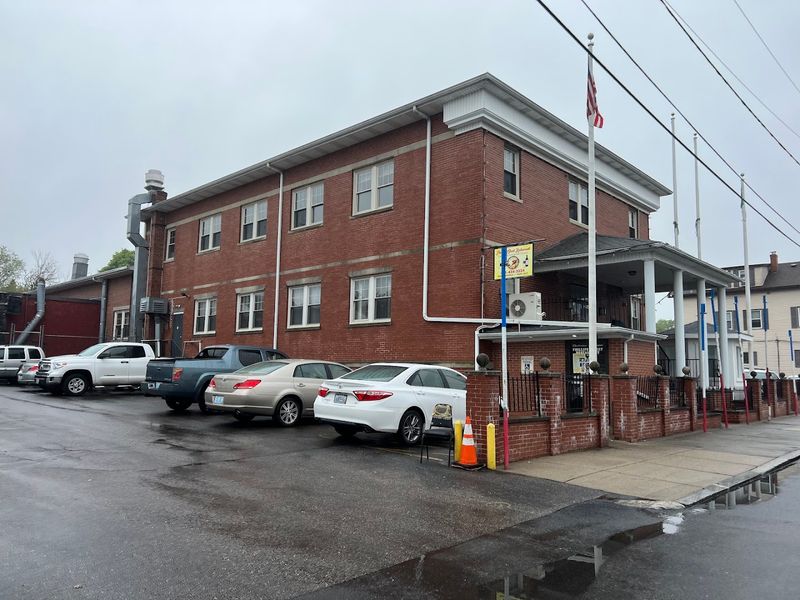
Price County’s seat, Phillips punches above its weight for a town of around 1,400 people. The courthouse brings some stability to the local economy, and the town maintains services you’d expect in larger places.
Rent stays affordable, typically between $450 and $550, making it perfectly manageable on a limited budget.
Phillips sits in prime Northwoods territory, surrounded by forests, lakes, and outdoor opportunities. The nearby Flambeau River offers world-class fishing and paddling, all accessible without fees.
State forests provide camping, hiking, and hunting for those with inexpensive licenses. Nature here isn’t a luxury amenity—it’s everyone’s backyard.
Winter defines life in Phillips, with serious snow and cold temperatures. But the community embraces it rather than complaining, organizing winter festivals, snowmobile events, and ice fishing tournaments.
The local ice arena offers public skating for minimal fees, and the school opens its gym for community basketball during long winter evenings.
Local businesses operate with the understanding that most customers aren’t wealthy. Prices stay competitive, sales happen regularly, and bartering still exists in informal ways.
The grocery store, hardware store, and gas station become social hubs where information flows as freely as gossip, keeping everyone connected and informed.
10. Beloit
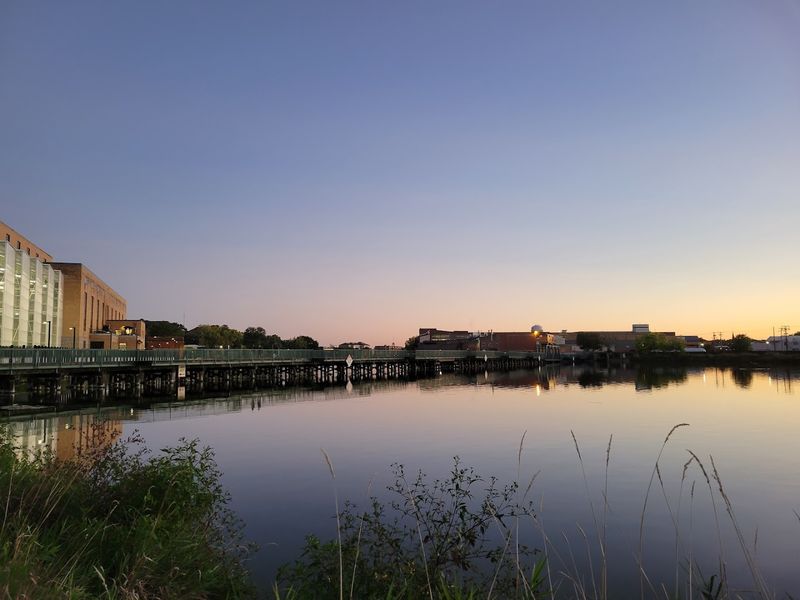
Beloit stands apart as the largest town on this list, with around 37,000 residents, but it maintains affordability that smaller towns offer. The Rock River flows through the city, creating scenic riverfronts and recreational opportunities.
Rental prices vary widely, but you can definitely find options in the $500 to $700 range, especially in older neighborhoods with character.
The city has faced economic challenges over the decades, which keeps housing costs lower than revitalized cities. But recent investment has brought new energy without driving out longtime residents.
Beloit College anchors the community, bringing cultural events, lectures, and activities that are often free and open to the public.
Downtown Beloit has transformed in recent years, with new restaurants, breweries, and shops opening in historic buildings. You’ll find more dining and entertainment options here than in tiny towns, but prices remain reasonable.
The farmer’s market thrives in summer, and various festivals celebrate the city’s diverse heritage.
Public transportation exists, though limited, which helps if you don’t own a car. The library system is excellent, parks are well-maintained, and the community offers more job opportunities across various sectors.
Beloit provides a middle ground between rural isolation and urban expense, proving that $1,200 can work even in a small city.