
10 Wisconsin Towns Where The Cost Of Living Is Surprisingly Low
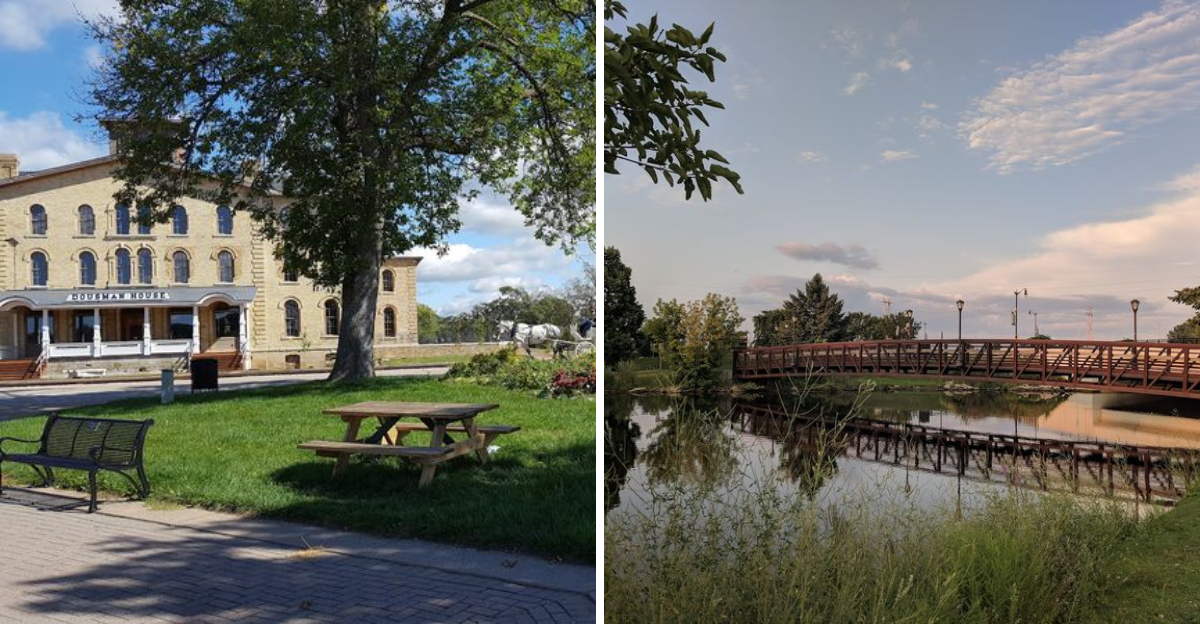
Finding a place to live that doesn’t drain your wallet can feel impossible these days, but Wisconsin has some hidden gems that might surprise you. Across the state, there are small towns where everyday life still feels refreshingly affordable.
Picture walkable streets, welcoming neighbors, local diners that remember your order, and housing prices that leave room in the budget for the things you actually enjoy. These communities may not grab national headlines, yet they quietly offer a quality of life that many larger cities can’t match.
For anyone dreaming about a simpler lifestyle without stretching their finances too thin, these Wisconsin towns prove that comfort and affordability can still go hand in hand.
1. Marinette
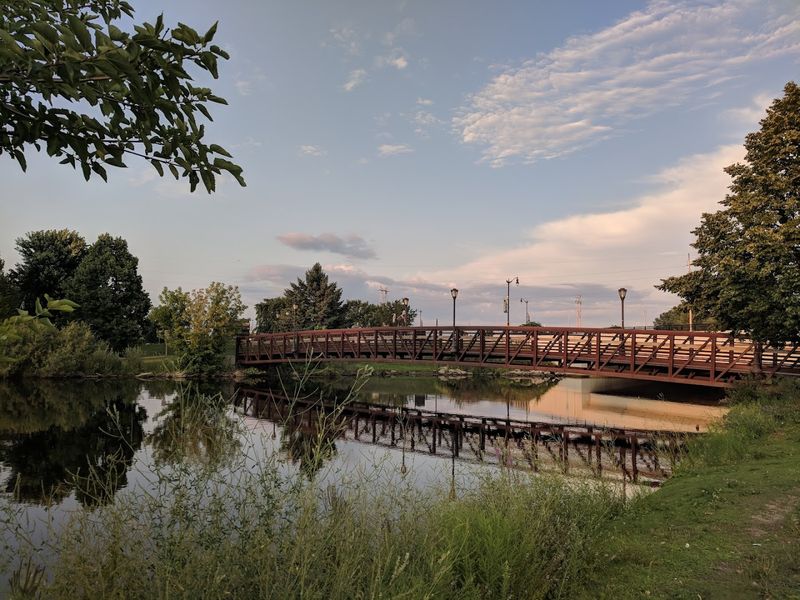
Right along the Menominee River sits a town that offers big savings without the big city headaches. Marinette gives you waterfront living at prices that would make coastal residents jealous, with median home prices hovering around $120,000 and rent averaging just $650 per month.
Your grocery bill stays manageable here too. Local stores compete for your business, and farmers markets during warmer months bring fresh produce at prices that beat the chain stores.
Utilities run lower than the state average, partly because the community invested in efficient infrastructure years ago.
Jobs in paper manufacturing, healthcare, and retail keep the local economy steady. The schools perform well, parks are plentiful, and you’re close enough to Green Bay for bigger shopping trips when needed.
Winter sports enthusiasts save a fortune since outdoor recreation is practically at your doorstep.
Property taxes remain reasonable compared to other Wisconsin counties. The community maintains its roads and services without breaking residents’ budgets.
For families looking to own a home, build savings, and still have money left for fun, Marinette delivers on all fronts.
2. Antigo
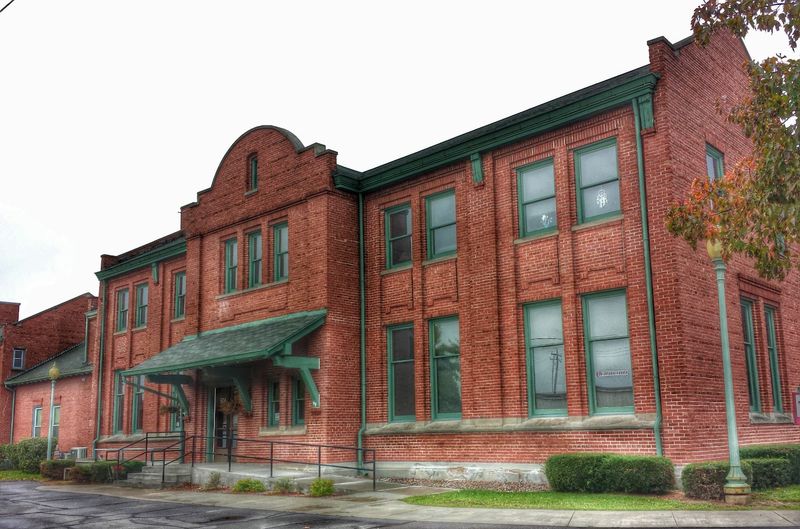
Up in Langlade County, you’ll find a town where $100,000 can still buy you a decent house with a yard. Antigo’s cost of living index sits about 15% below the national average, making it one of the most budget-friendly spots in northern Wisconsin.
Healthcare costs are surprisingly affordable here. The local hospital and clinics charge less than urban facilities, and many doctors have been serving the community for decades.
Prescription costs stay reasonable thanks to independent pharmacies that actually compete on price.
Food expenses won’t shock you at the checkout. Between the local grocery chains and seasonal produce stands, feeding a family costs significantly less than in Madison or Milwaukee.
Gas prices typically run a few cents cheaper than southern Wisconsin too.
The job market centers around agriculture, food processing, and small manufacturing. Wages might not match big city salaries, but your money goes much further.
A two-bedroom apartment rents for around $550 monthly, leaving plenty of room in your budget for savings or entertainment.
Recreation costs almost nothing since state forests surround the area. Fishing, hiking, and camping are free or nearly free activities that keep families busy year-round.
3. Wisconsin Rapids

Paper mill towns get a bad reputation, but Wisconsin Rapids proves that industrial heritage can mean economic stability and low costs. Housing prices average around $110,000, and the rental market offers two-bedroom apartments for $600 to $700 monthly.
Transportation costs stay minimal because everything you need is within a few miles. Most residents commute less than 15 minutes to work, saving hundreds annually on gas and vehicle wear.
The city maintains its streets well, so you’re not constantly paying for tire and suspension repairs.
Childcare and education expenses run lower than state averages. Several quality daycare centers charge reasonable rates, and the public schools provide solid education without constant fundraising pressure on parents.
After-school programs cost a fraction of what suburban districts charge.
Entertainment doesn’t require a big budget either. The city parks system offers free concerts, the public pool charges minimal admission, and the library provides programs for all ages at no cost.
Local restaurants serve generous portions at prices that seem frozen in time.
Property taxes remain manageable, and the city provides good services for what you pay. Job opportunities in manufacturing, healthcare, and education keep unemployment low and paychecks steady.
4. Merrill
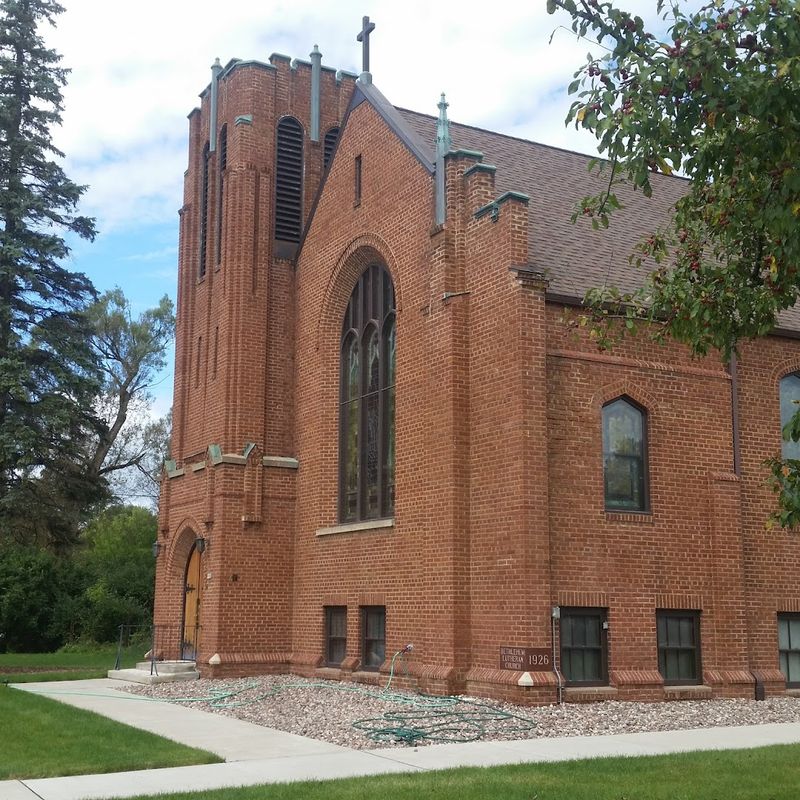
Sometimes the best deals hide in plain sight, and Merrill is one of those places people overlook on their way to the Northwoods. This Lincoln County town offers median home prices around $105,000, making homeownership accessible even on modest incomes.
Utility bills stay surprisingly low thanks to municipal electric and water services that operate at cost rather than for profit. Residents typically save $30 to $50 monthly compared to investor-owned utility territories.
Those savings add up to real money over a year.
The local economy mixes manufacturing jobs with service sector opportunities. While wages align with small-town standards, the low cost of living means your paycheck covers more.
A family of four can live comfortably on $50,000 annually here.
Food costs remain reasonable with multiple grocery options and a summer farmers market. Local bakeries and butcher shops offer quality products at competitive prices.
Eating out won’t destroy your budget either, with most restaurants serving meals under $12.
Healthcare facilities provide quality care without the premium pricing of larger cities. The school system performs well academically, and extracurricular activities cost less than in suburban districts.
Outdoor recreation is abundant and free in the surrounding forests and rivers.
5. Prairie Du Chien
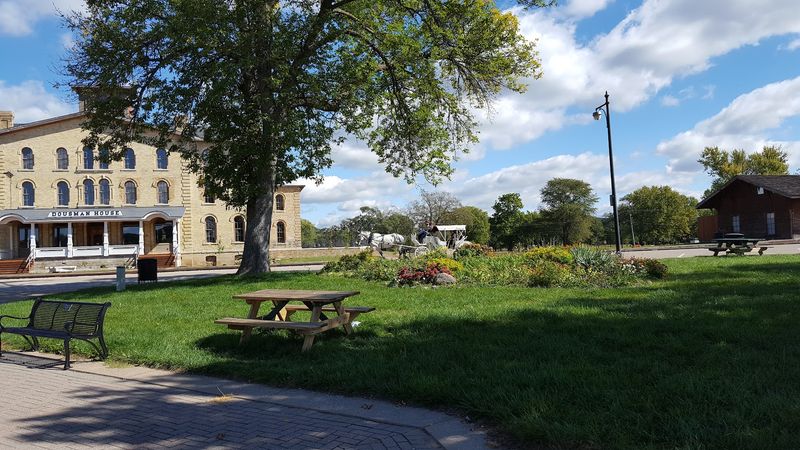
Perched on the Mississippi River, this historic town offers something special: affordable living with genuine character and natural beauty. Housing costs average around $130,000, and riverfront properties occasionally hit the market at prices that would be impossible elsewhere.
Transportation expenses stay low since the compact town layout puts work, shopping, and recreation within easy reach. Many residents walk or bike during warmer months, saving hundreds on fuel.
The scenic river road provides free entertainment that tourists pay to experience.
Grocery costs benefit from competition between several stores, and local meat processors offer bulk deals that stock freezers affordably. The farmers market runs strong from May through October, providing fresh vegetables at prices that beat organic grocery store rates.
Tourism creates seasonal jobs that supplement year-round employment in healthcare, education, and retail. The school system maintains good academic standards, and property taxes stay reasonable for the services provided.
Insurance rates run lower than urban areas too.
Recreation centers around the river and nearby state parks. Fishing, boating, and hiking cost almost nothing beyond basic equipment.
The community hosts free festivals and events throughout the year, providing entertainment without admission fees.
6. Beloit
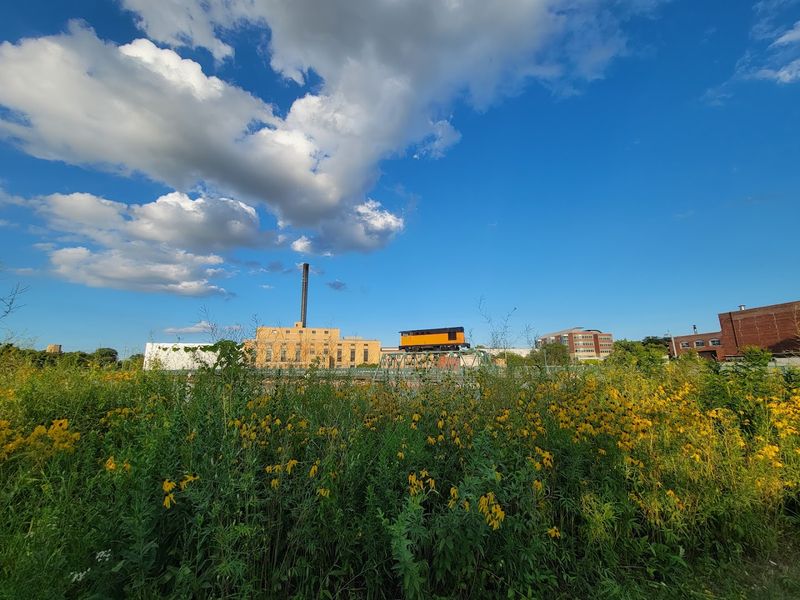
Sitting on the Illinois border, Beloit combines affordable Wisconsin living with easy access to larger job markets. Median home prices hover around $115,000, and the rental market offers competitive rates with apartments starting at $550 monthly for one-bedroom units.
The revitalized downtown shows what happens when a community invests in itself without pricing out residents. New businesses and restaurants have opened, but prices remain accessible.
You can still find lunch specials under $8 and dinner entrees under $15 at locally-owned establishments.
Healthcare costs stay manageable with a regional hospital and multiple clinics serving the area. Prescription drug prices benefit from pharmacy competition, and many providers accept a wide range of insurance plans.
Dental and vision care cost noticeably less than in Madison or Rockford.
Job opportunities span manufacturing, healthcare, education, and retail. The presence of Beloit College adds cultural amenities and employment options.
Commuters can reach Rockford or Janesville quickly, expanding job possibilities while maintaining lower living costs.
Property taxes remain reasonable, and the city provides solid services including good schools and well-maintained parks. The Rock River offers free recreation, and the community pool and sports facilities charge minimal fees for residents.
7. Racine
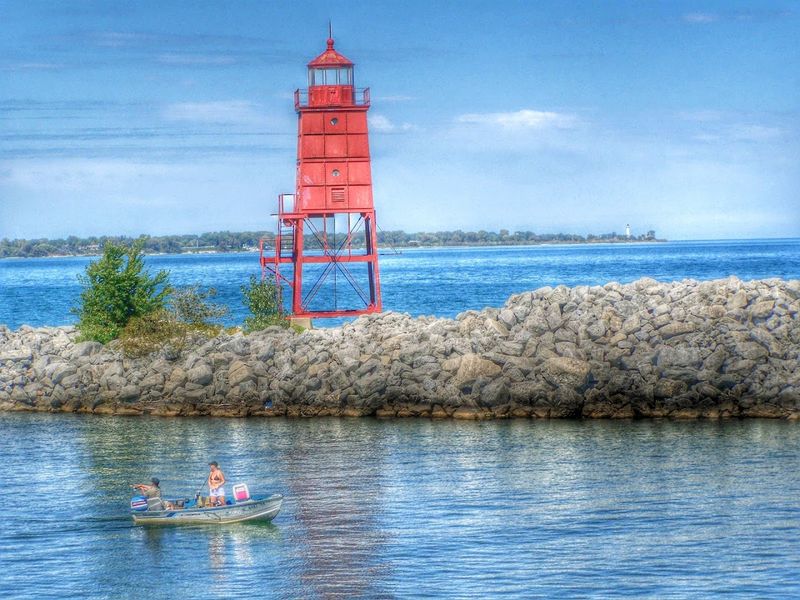
Lake Michigan waterfront living usually costs a fortune, but Racine breaks that rule. With median home prices around $140,000, you can afford a house within minutes of the beach, something impossible in most Great Lakes cities.
Transportation costs benefit from the city’s grid layout and public transit system. Bus routes connect major employment centers and shopping districts, reducing car dependency.
Gas stations compete aggressively on price, often undercutting nearby communities by several cents per gallon.
The grocery market stays competitive with multiple chains and independent stores. Ethnic markets offer specialty foods at excellent prices, and the harbors bring fresh fish catches during warmer months.
Restaurant diversity means you can find affordable meals from numerous cuisines.
Manufacturing remains strong here, providing middle-class wages that go further than in Milwaukee suburbs. Healthcare, education, and retail sectors offer additional employment.
The school system includes several high-performing schools, and the city maintains extensive park systems at no cost to users.
Property taxes run higher than rural areas but lower than many Lake Michigan communities. The lakefront beaches, harbors, and trails provide free recreation that rivals expensive resort destinations.
Cultural events and festivals happen regularly without admission charges.
8. Wausau
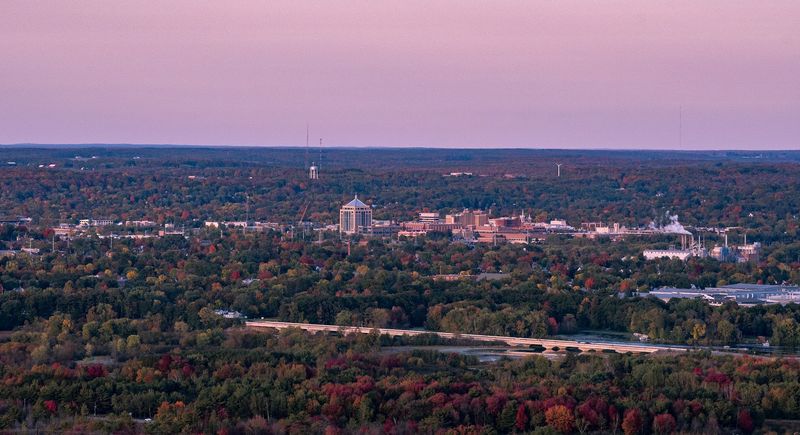
Central Wisconsin’s largest city proves that affordable living exists even in regional hubs. Wausau’s median home price sits around $145,000, and the rental market offers options from budget apartments to nicer townhomes, all priced below state averages.
The job market here is genuinely diverse. Insurance companies, healthcare systems, manufacturing plants, and retail businesses create opportunities across skill levels.
Wages align with the cost of living, meaning a $45,000 salary provides comfortable middle-class living.
Food costs stay reasonable despite the city’s size. Multiple grocery chains compete for business, and big-box stores keep prices low on staples.
Local butchers and bakeries offer quality products at fair prices. Restaurants range from budget-friendly to upscale, but even nicer establishments charge less than Milwaukee equivalents.
Healthcare facilities are excellent for a city this size, with a major hospital system and numerous specialists. Costs run below urban rates, and insurance options are plentiful.
The school system performs well academically, and extracurricular activities don’t require constant fundraising from parents.
Recreation opportunities abound with extensive bike trails, parks, and nearby ski hills. Granite Peak offers skiing at prices that beat most Midwest resorts.
Summer concerts and festivals provide free entertainment throughout the warm months.
9. Shawano
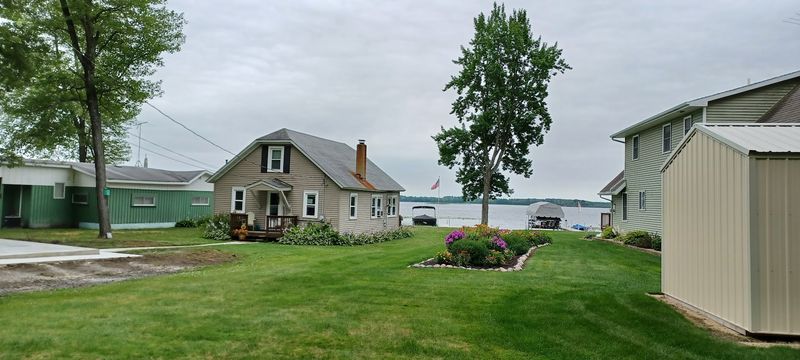
Lakes usually mean expensive real estate, but Shawano keeps prices grounded. Median home values around $125,000 include properties near the water, and lakefront homes occasionally sell for prices that would be laughable in Door County or the Northwoods resort areas.
Utility costs stay manageable year-round. The municipal electric utility keeps rates competitive, and many homes use efficient heating systems that were upgraded during community improvement programs.
Water and sewer fees remain reasonable compared to privately-operated systems elsewhere.
The job market mixes tourism, manufacturing, and agriculture. Seasonal employment peaks in summer when lake visitors arrive, but year-round opportunities exist in local industries and services.
Wages might not impress on paper, but buying power exceeds many higher-paying areas.
Grocery shopping costs less than in resort towns, with local stores pricing competitively. The farmers market brings local produce at excellent rates, and nearby farms sell meat and dairy products directly to consumers.
Restaurant prices stay affordable even during tourist season.
Property taxes remain reasonable for lakefront communities. The school system serves students well, and recreational facilities include public beach access, boat launches, and parks.
Winter sports like ice fishing and snowmobiling cost minimal amounts beyond equipment purchases.
10. Appleton
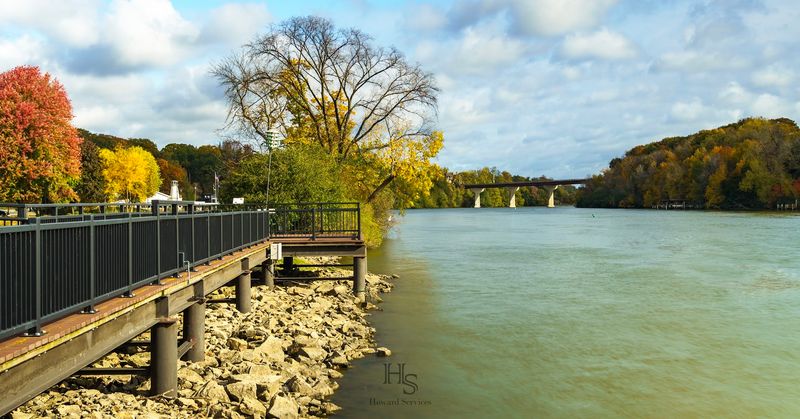
Fox Cities’ largest community manages to stay affordable despite strong economic growth and quality amenities. Median home prices around $165,000 remain accessible, and the rental market offers good options from $700 monthly for one-bedroom apartments to $1,200 for family-sized homes.
Employment opportunities are genuinely strong here. Paper industry jobs have diversified into other manufacturing, while healthcare, education, insurance, and retail create a stable job market.
Unemployment stays consistently low, and wages support comfortable living without requiring dual six-figure incomes.
Transportation costs benefit from the city’s layout and bike-friendly infrastructure. Many neighborhoods put residents within biking distance of work and shopping.
The Fox River Trail offers free recreation and practical transportation routes. Gas prices typically run competitive with state averages.
Food expenses stay reasonable with excellent grocery competition and a strong restaurant scene that includes budget-friendly options. The farmers market runs year-round indoors during winter, providing local products at fair prices.
Healthcare costs less than Milwaukee while maintaining quality care.
Property taxes fund excellent schools and city services including parks, libraries, and public safety. The performing arts scene rivals much larger cities, with many free or low-cost events.
Lawrence University adds cultural opportunities, and the Fox River provides free recreation through all seasons.