
This Quirky Root Beer Museum In Wisconsin Is One Of The State’s Strangest Attractions
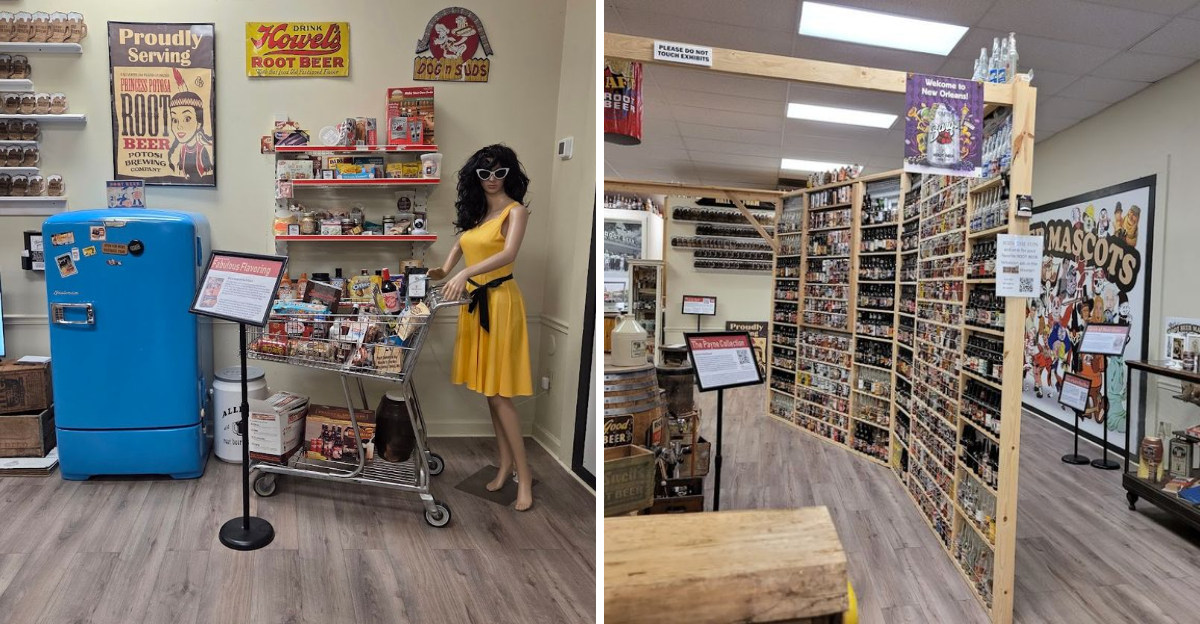
In the heart of a busy Wisconsin tourist town, one quirky attraction celebrates a drink most people simply grab from the fridge without a second thought. This small museum is dedicated to the bubbly, sweet soda that has been part of American life for generations.
Step inside and you’ll find shelves of vintage bottles, colorful labels, and stories about how a simple beverage turned into a cultural favorite. What seems like an ordinary drink suddenly reveals a surprisingly rich history filled with inventive brands, nostalgic advertising, and loyal fans who have kept the tradition alive for more than a century.
Tiny Museum Dedicated To America’s Favorite Soda
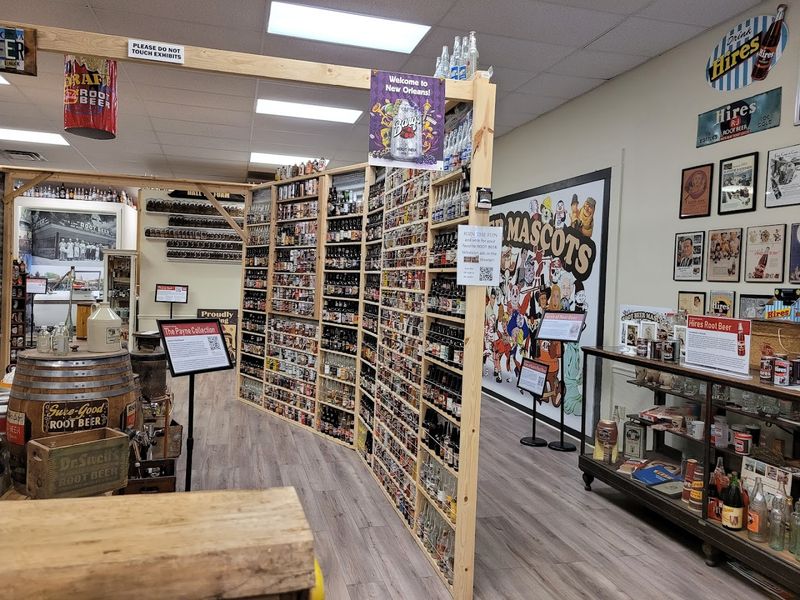
Root beer occupies a special place in American beverage history, and this museum brings that story to life in a compact space at 513 Broadway. The building itself appears unassuming from the outside, but stepping through the door transports visitors into a world where carbonated sassafras reigns supreme.
Every square foot of the museum serves a purpose, displaying artifacts that chronicle the drink’s evolution from homemade tonics to mass-produced favorites. The modest size works in its favor, creating an intimate atmosphere where guests can examine each exhibit without feeling rushed or overwhelmed by sprawling galleries.
Admission costs just a few dollars, making this an accessible stop for families traveling through Wisconsin Dells. The self-guided format allows visitors to move at their own pace, spending extra time with displays that capture their interest while skipping past items that hold less appeal.
Vintage Root Beer Memorabilia Filling Every Corner
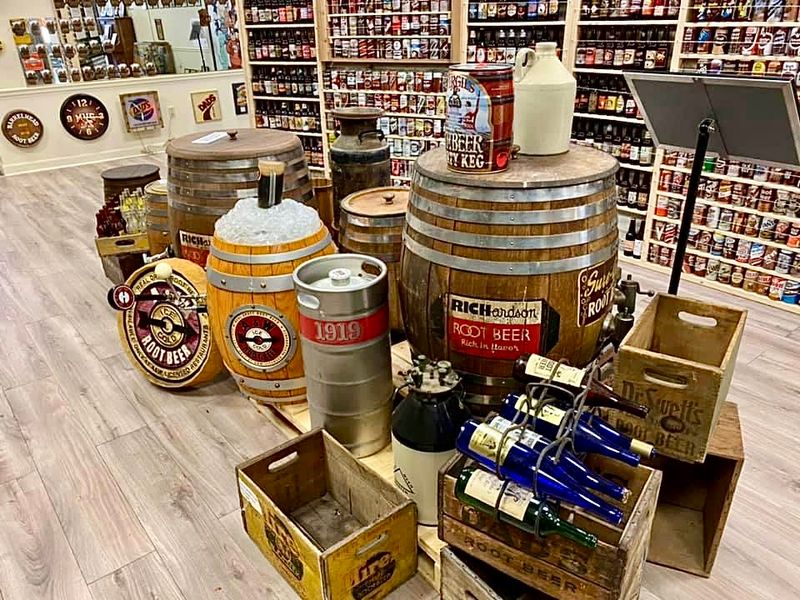
Collectors have spent lifetimes assembling the kind of treasures that line these walls. Old advertising signs made from tin and cardboard showcase artwork styles that changed with each passing decade, from simple text announcements to elaborate illustrations featuring happy families and cartoon characters.
Metal serving trays that once graced soda fountains now hang as reminders of when root beer came in frosty mugs rather than plastic bottles.
Promotional materials reveal how companies competed for customer attention in an increasingly crowded marketplace. Bottle openers, coasters, and point-of-purchase displays demonstrate the creativity brands employed to stand out on store shelves and in restaurants.
The sheer variety surprises most visitors, who had no idea so many different items existed solely to promote this one beverage. Each piece represents a moment in marketing history, preserved here for future generations to study and appreciate.
Old Bottles And Signs That Tell The Story Of A Classic Drink
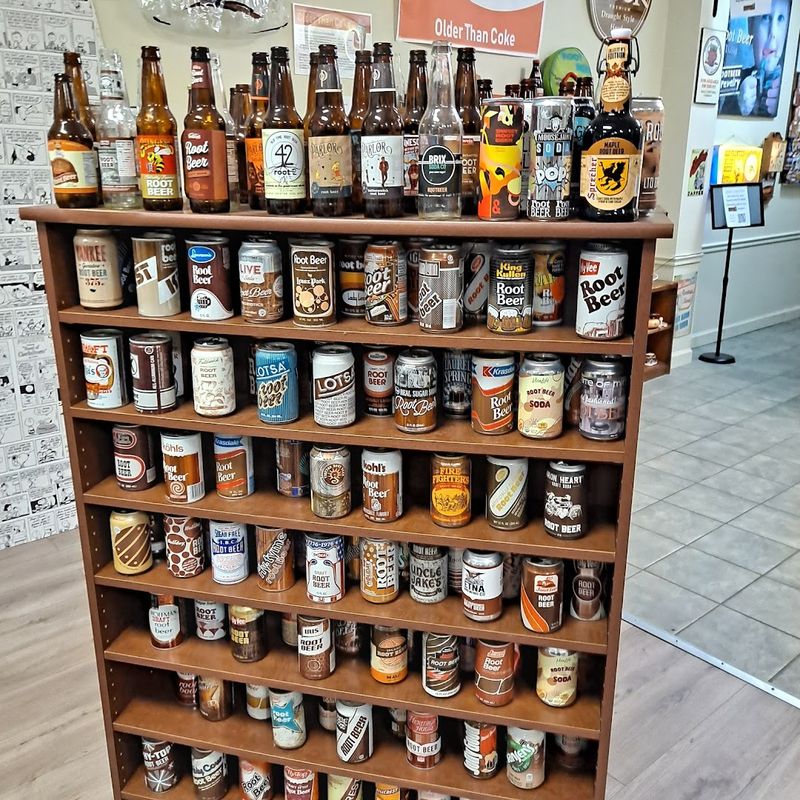
Glass bottles line the shelves in remarkable diversity, representing brands that dominated their regions decades ago and others that barely lasted a season before disappearing. Some bottles feature embossed lettering molded directly into the glass, while others sport paper labels that have miraculously survived the passage of time.
The shapes vary from standard cylindrical forms to unique designs meant to catch the eye of thirsty customers.
Accompanying signage provides context for these vessels, explaining which companies produced them and during what era they appeared on store shelves. Many brands operated locally, serving specific towns or counties before regional distribution became common practice.
Reading the labels offers a glimpse into changing tastes and marketing approaches. Some emphasized medicinal properties, others touted secret recipes, and a few simply promised refreshment on hot summer days when air conditioning remained a luxury.
Long And Surprising History Of Root Beer In America
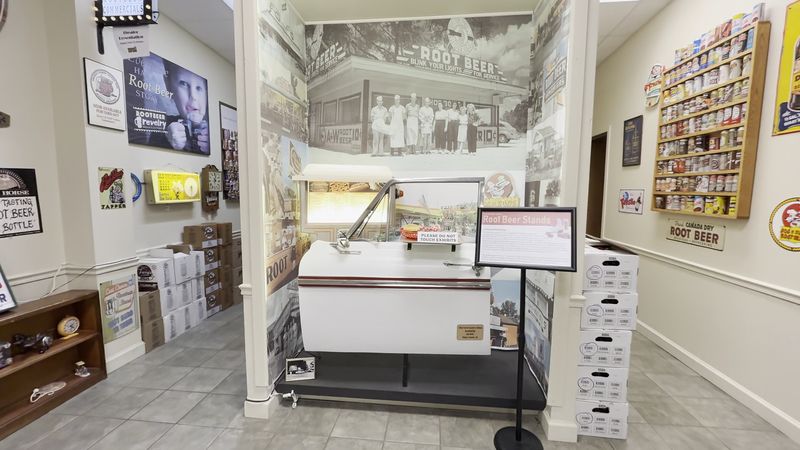
Most people assume root beer has always existed as a commercial product, but its origins stretch back to colonial times when settlers brewed similar beverages at home. Early versions contained actual sassafras root, which gave the drink its distinctive flavor and led to its enduring name.
Pharmacists later refined these recipes, selling root beer as a health tonic before it gained popularity as a recreational beverage.
The museum traces this evolution through informational displays that explain how Prohibition actually boosted root beer sales. When alcoholic beverages became illegal, Americans turned to non-alcoholic alternatives, and root beer manufacturers seized the opportunity.
Companies began bottling their products for wider distribution, establishing brands that would become household names.
Learning about the drink’s medicinal past surprises many visitors who only know root beer as a sweet treat. The exhibits connect these historical dots clearly, showing how cultural shifts and regulatory changes shaped the industry.
Rare Soda Bottles From Brands Most People Have Never Heard Of
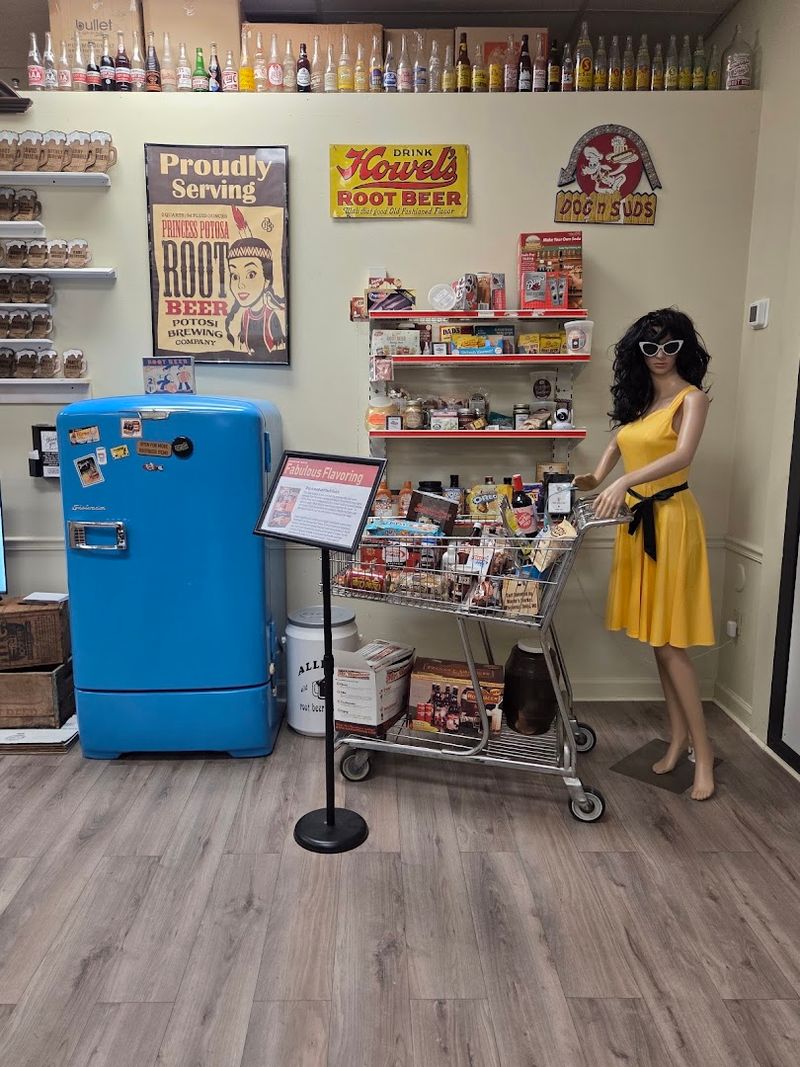
Regional bottlers once dominated the American soda landscape, producing root beer for local markets before national brands consolidated the industry. The museum preserves examples from companies that operated in single states or even individual cities, serving customers who developed fierce loyalty to their hometown brands.
These bottles represent entrepreneurial ventures that thrived for years before economic pressures forced them to close or sell to larger competitors.
Some bottles bear names that sound almost comical to modern ears, reflecting the playful marketing approaches of earlier eras. Others carry dignified titles suggesting quality and tradition, appealing to consumers who valued established reputations over flashy advertising.
Finding these bottles required dedication from collectors who scoured estate sales, antique shops, and old bottling facilities. Each acquisition added another piece to the puzzle of American beverage history, documenting brands that would otherwise be completely forgotten.
Nostalgic Displays That Feel Like A Step Back In Time
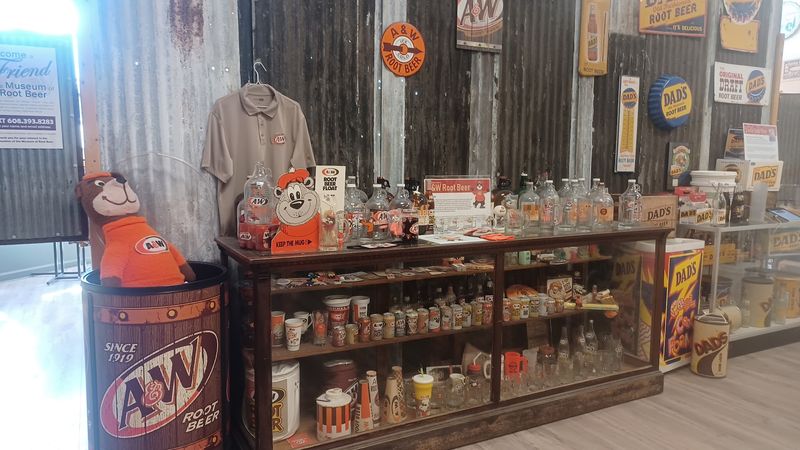
Certain sections of the museum recreate the atmosphere of past decades, transporting visitors to times when root beer flowed from fountain taps and came served in frosted mugs. Period furnishings and carefully arranged artifacts establish settings that feel authentic rather than staged, capturing the essence of soda shops and drive-ins that once anchored American social life.
A small theater space plays vintage commercials on a continuous loop, showcasing advertising approaches that ranged from straightforward product demonstrations to elaborate musical numbers. Watching these spots provides insight into how companies appealed to different generations, adjusting their messages as cultural attitudes shifted.
The nostalgic appeal resonates strongly with older visitors who remember these brands from childhood, while younger guests gain appreciation for how much marketing has changed. Both groups leave with renewed respect for the staying power of this simple beverage.
Hidden Wisconsin Attraction Many Travelers Miss
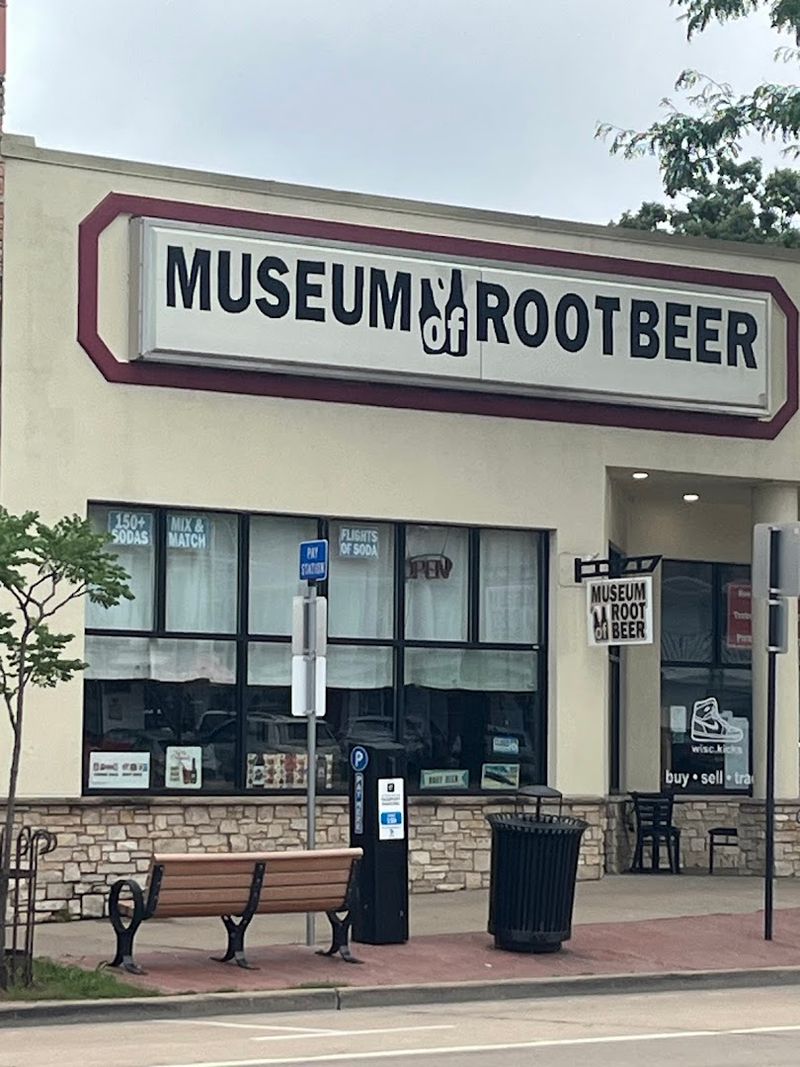
Wisconsin Dells draws millions of visitors each year, most arriving for the waterparks and natural scenery that made the area famous. The Museum of Root Beer operates quietly amid this tourist bustle, easy to overlook when driving past in search of more obvious attractions.
Its modest facade blends with surrounding buildings, lacking the flashy signage that typically announces tourist destinations.
Locals appreciate this under-the-radar quality, viewing the museum as a genuine cultural resource rather than a manufactured tourist trap. Travelers who discover it often do so by accident, spotting the entrance while walking Broadway or hearing recommendations from hotel staff who know about the area’s hidden gems.
Operating hours accommodate both weekday and weekend visitors, with slightly extended Saturday hours for those planning their stops carefully. Calling ahead or checking the website ensures the museum will be open, preventing disappointment after making a special trip to this quiet corner of the Dells.
Fun Stop For Soda Lovers And Curious Road Trippers
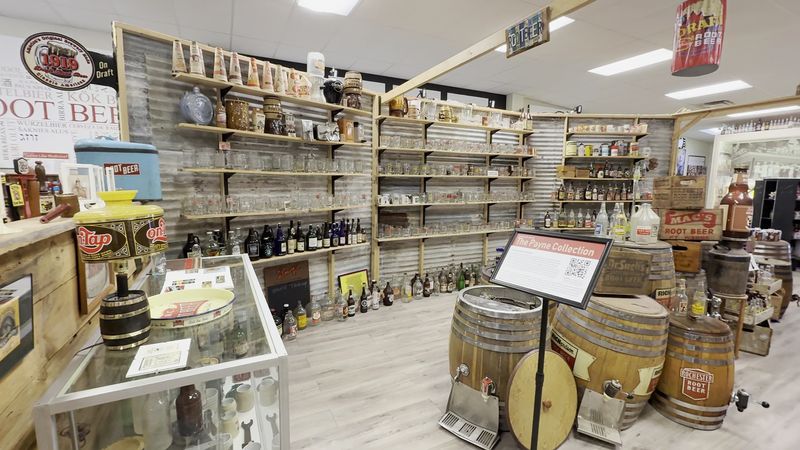
Road trips demand interesting stops that break up long drives and provide conversation material for miles afterward. This museum delivers exactly that kind of experience, offering something genuinely different from standard highway attractions.
Visitors spend between thirty minutes and two hours exploring, depending on their level of interest and whether they participate in tasting opportunities.
The front shop sells bottled root beer from numerous producers, allowing guests to purchase varieties they sampled or discover new favorites to take home. Root beer flights provide a structured tasting experience, with knowledgeable staff explaining the differences between selections and helping visitors identify flavor notes they might otherwise miss.
Families find the museum particularly suitable because it engages multiple age groups without requiring physical activity or extended attention spans. Children enjoy spotting familiar brand mascots, while adults appreciate the historical context and surprising depth of information available throughout the exhibits.
Unique Museum Celebrating Root Beer Culture
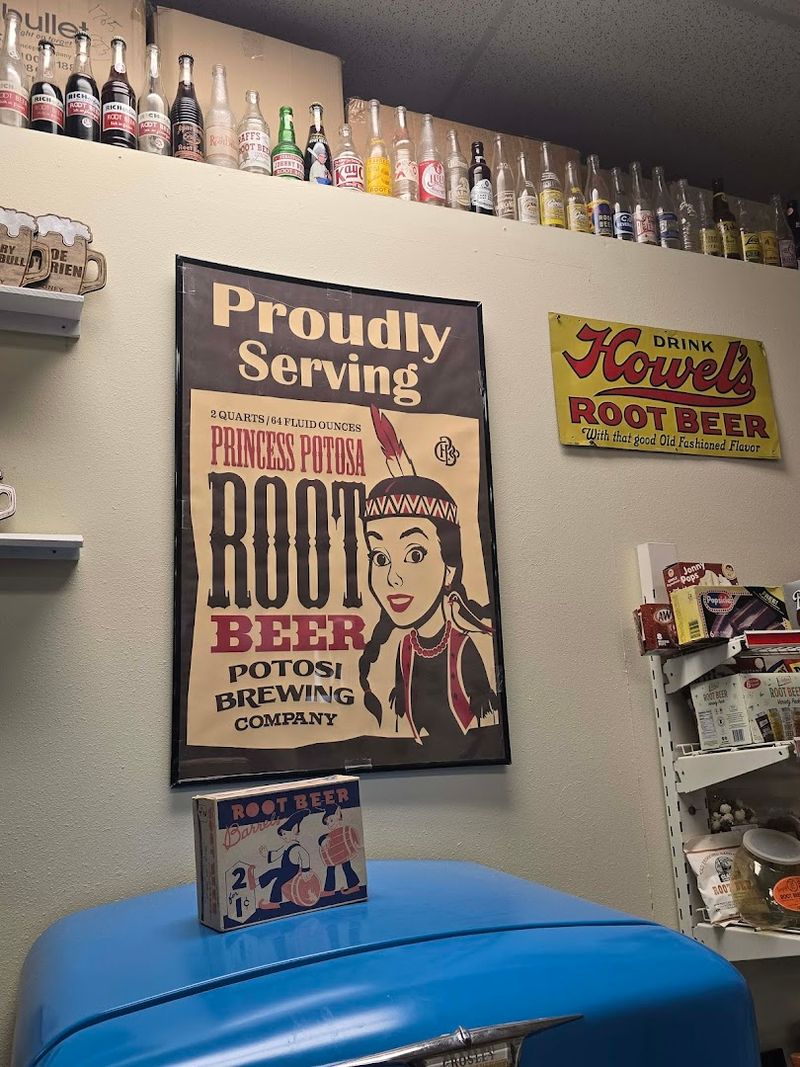
Few beverages inspire the kind of dedicated following that root beer commands among its enthusiasts. This museum acknowledges that passion, treating its subject matter with the seriousness typically reserved for fine wines or craft spirits.
Exhibits explore not just the beverage itself but the culture that grew around it, including root beer floats, regional preferences, and the role these drinks played in American social gatherings.
The collection represents years of careful acquisition and curation, assembled by individuals who recognized the historical value of items others might discard. Their efforts preserved a slice of American commercial history that would otherwise exist only in fading memories and scattered references.
Visiting feels less like touring a typical museum and more like exploring someone’s carefully organized passion project. That personal quality makes the experience memorable, distinguishing it from more institutional attractions that maintain emotional distance from their subjects.
Quirky Collection That Makes This Museum So Unusual
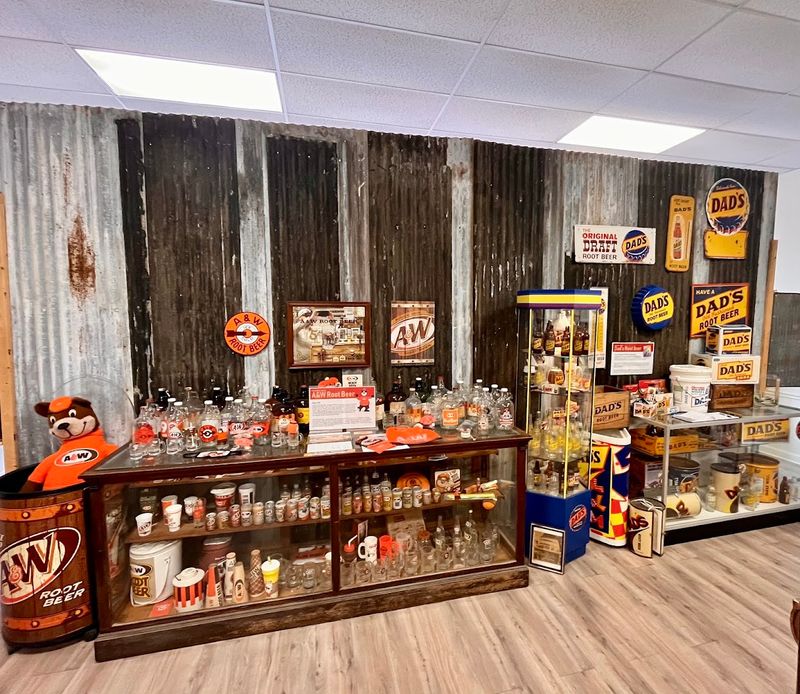
Beyond the standard bottles and signs, the museum houses items that defy easy categorization. Promotional giveaways that seemed like good ideas at the time now appear wonderfully strange, from root beer-scented air fresheners to branded clothing that no fashion-conscious person would wear today.
These oddities reveal the lengths companies went to establish brand loyalty and keep their products top of mind.
Some exhibits showcase failed experiments in packaging or flavoring, documenting the industry’s less successful innovations alongside its triumphs. These missteps provide valuable lessons about consumer preferences and the risks of straying too far from established formulas.
The quirky nature of the collection gives the museum its distinctive character, setting it apart from more conventional historical institutions. Visitors leave with stories about the strangest items they encountered, turning their museum visit into entertainment that extends well beyond the actual time spent inside.