
This Thrilling Wisconsin Trail Takes You Through Abandoned Train Tunnels
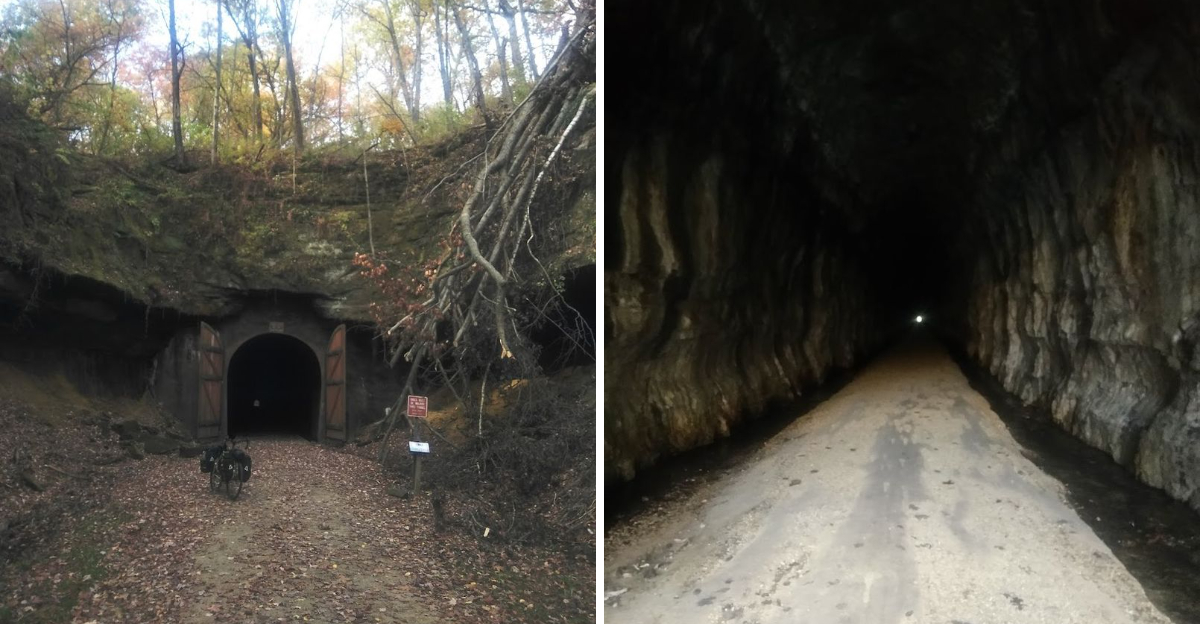
Pedalling along a quiet path in rural Wisconsin suddenly becomes far more adventurous when the trail ahead disappears into a pitch-black tunnel carved through solid rock. This unusual route stretches for more than thirty miles, following the path of a historic railroad line that once carried trains across the countryside.
Today, cyclists ride the same corridor, passing farms, forests, and small towns along the way. The highlight comes when the trail plunges into several long tunnels, creating a strange and unforgettable moment where daylight fades and the ride feels like a journey straight through history.
America’s First Rail-To-Trail Path
Wisconsin created something remarkable when it transformed this abandoned railroad into a public trail in 1967. The Elroy-Sparta State Trail became the first rail-to-trail conversion in the entire United States, setting a model that hundreds of other communities would follow.
What started as a bold experiment in reusing old infrastructure has become one of the most visited recreational trails in the Midwest.
The original Chicago and North Western Railway line stopped running in the early 1960s after nearly a century of service. Instead of letting the corridor disappear into overgrown wilderness, state officials recognized its potential as a public resource.
They purchased the right-of-way and converted it into a trail that preserves the engineering achievements of the 19th century while serving modern recreational needs.
Today, the trail attracts thousands of cyclists each year who come to experience this piece of American innovation. The conversion sparked a nationwide movement that has created more than 24,000 miles of rail-trails across the country.
Three Massive Railroad Tunnels To Explore
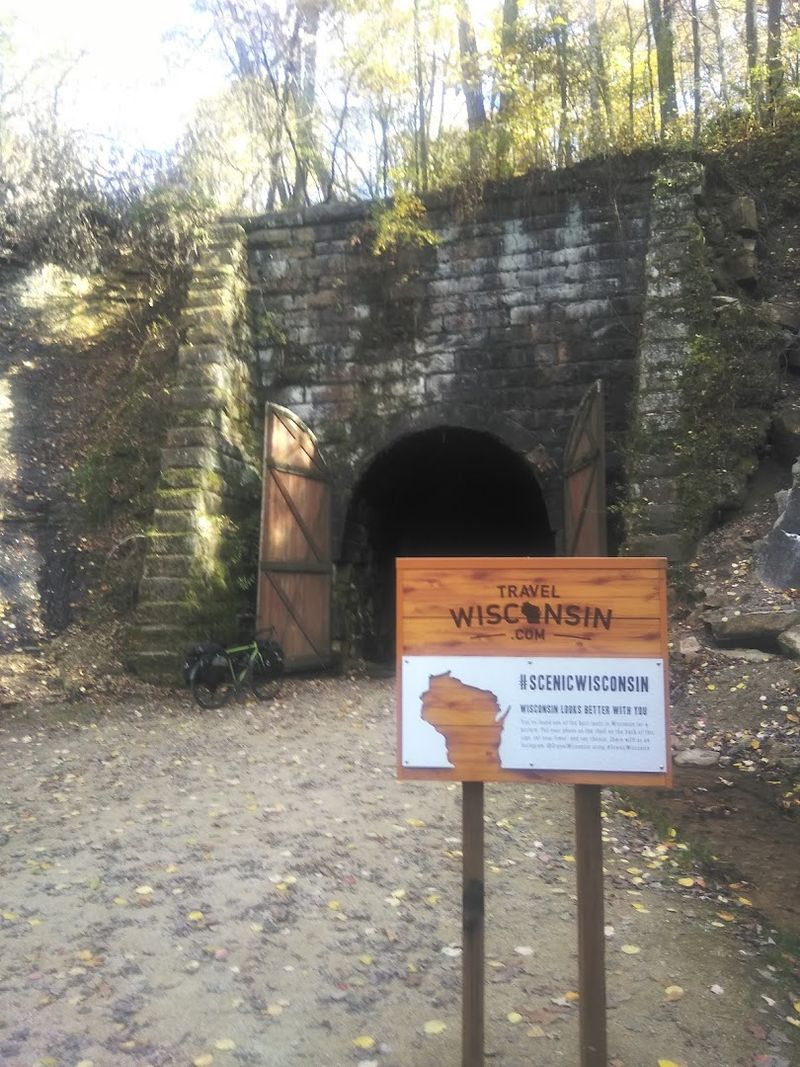
The trail passes through three tunnels that railroad workers blasted and carved through solid limestone ridges between 1870 and 1873. These aren’t small passages but genuine engineering accomplishments, with the longest stretching nearly three-quarters of a mile through complete darkness.
The tunnels measure about 18 feet wide and 19 feet high, large enough to accommodate the steam locomotives and freight cars that once rumbled through daily.
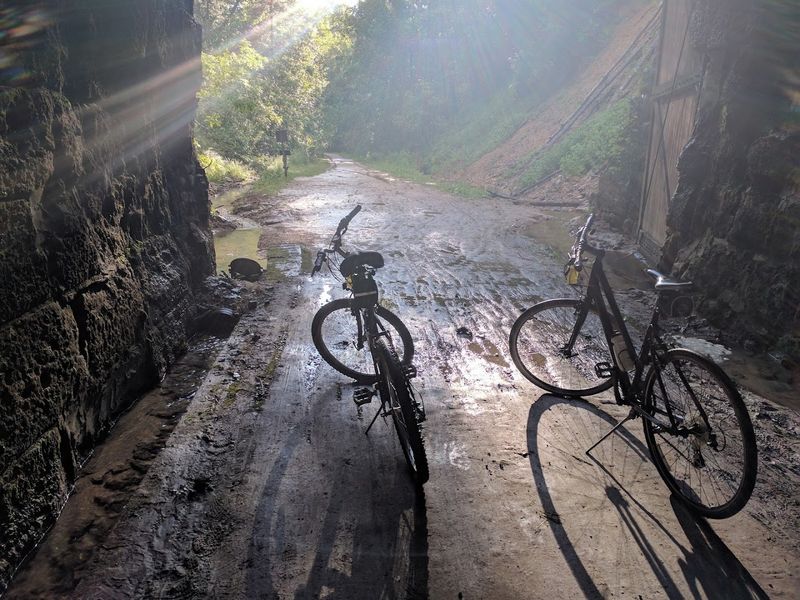
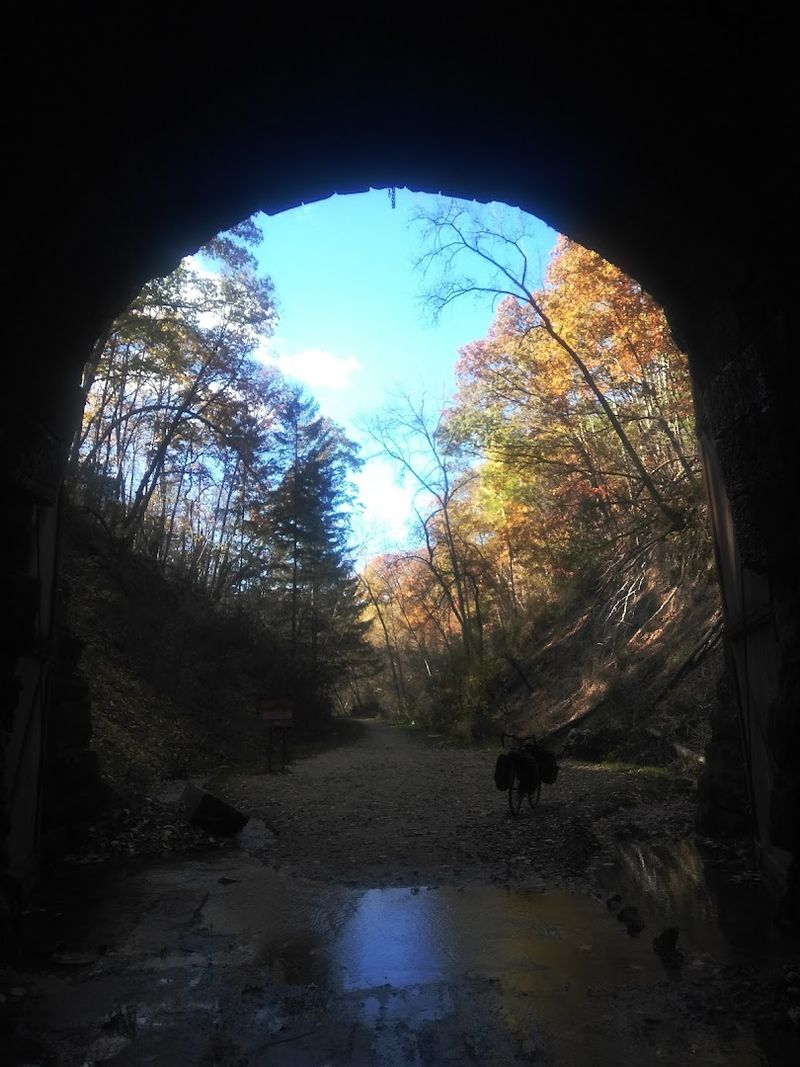
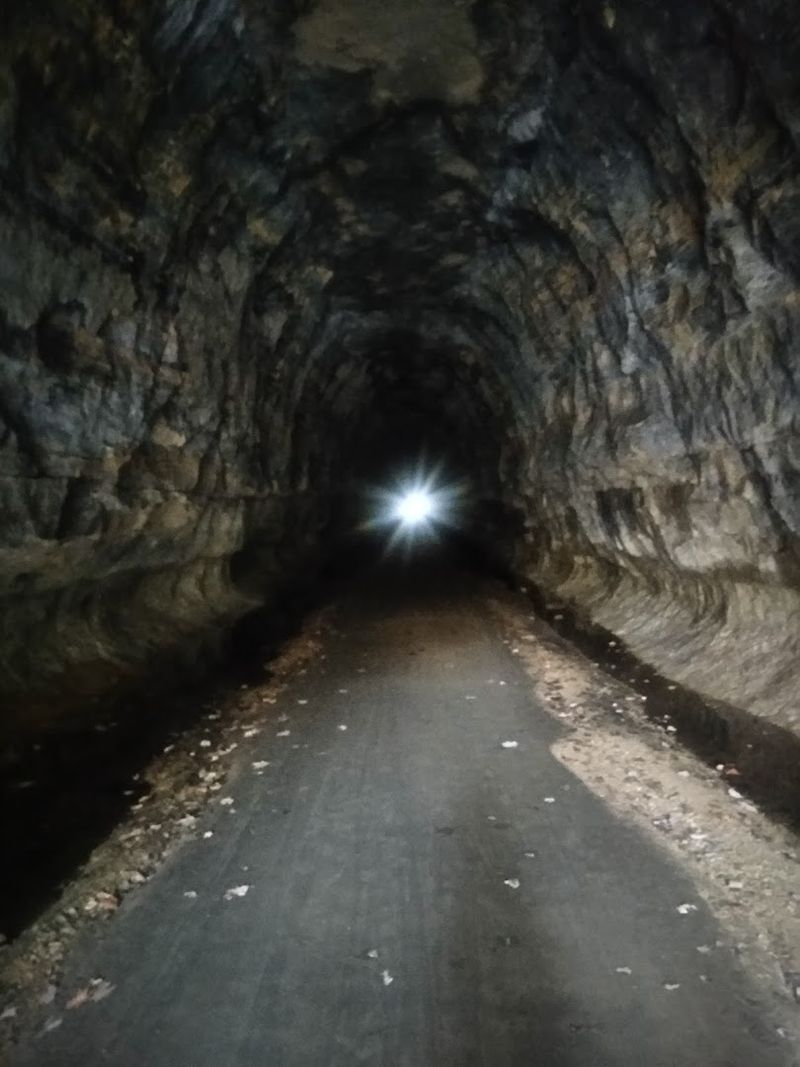
Each tunnel maintains a steady temperature around 50 degrees year-round, making them pleasantly cool on hot summer days but surprisingly chilly during spring and fall rides. Water seeps through the porous rock above and drips steadily from the ceiling, creating small puddles on the trail surface.
The darkness inside is absolute once you move away from either entrance, and most cyclists use headlamps or bike lights to navigate safely.
The tunnels sit along the trail at Norwalk, Wilton, and between Kendall and Elroy.
A Trail Built On A 19th-Century Rail Line
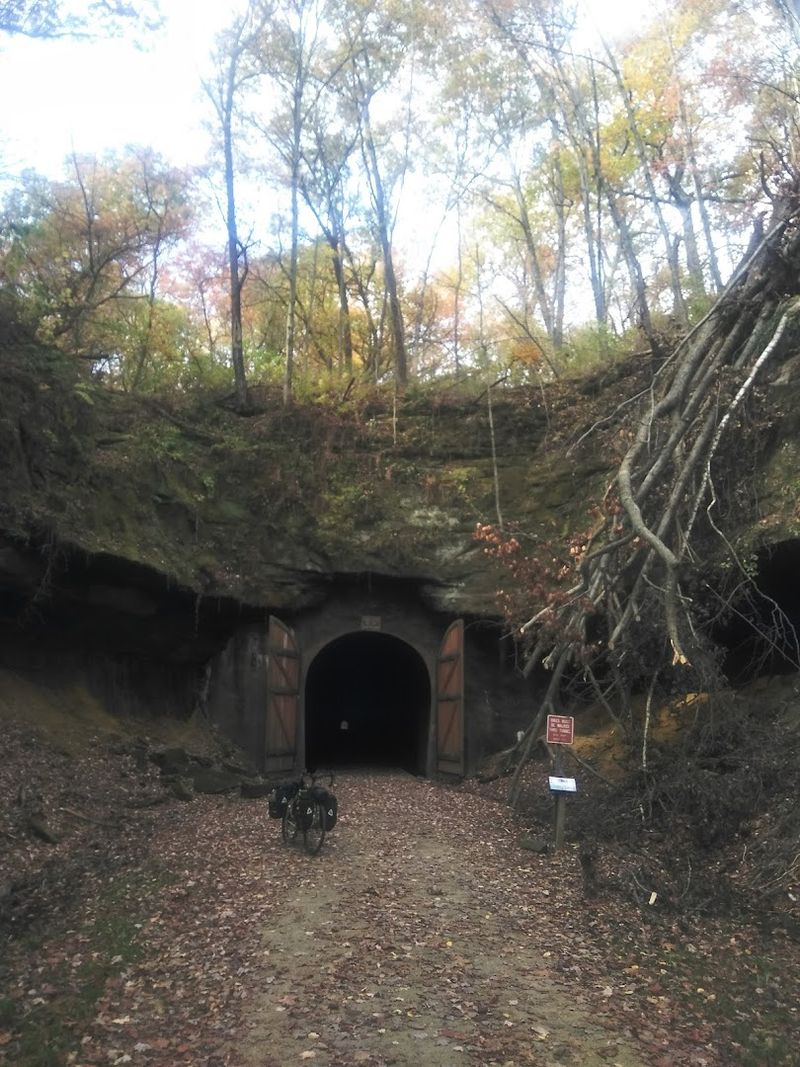
Construction crews began building this railroad line in 1870 to connect the Mississippi River with markets farther east. The Chicago and North Western Railway needed a route through the rugged terrain of western Wisconsin, which meant cutting through several large ridges rather than going around them.
Workers used black powder explosives, hand tools, and sheer determination to bore through solid rock, creating passages that would serve trains for nearly 90 years.
The engineering challenges were substantial for the era. Crews had to maintain proper grades for steam locomotives while dealing with groundwater, unstable rock, and the physical demands of moving thousands of tons of stone by hand and horse-drawn cart.
The project took three years to complete and represented a major investment in regional transportation infrastructure.
The railroad carried freight and passengers until 1964, when changing transportation patterns made the line economically unviable. Rather than abandon the corridor entirely, Wisconsin transformed it into recreational space.
Why The Dark Tunnels Feel Like An Adventure
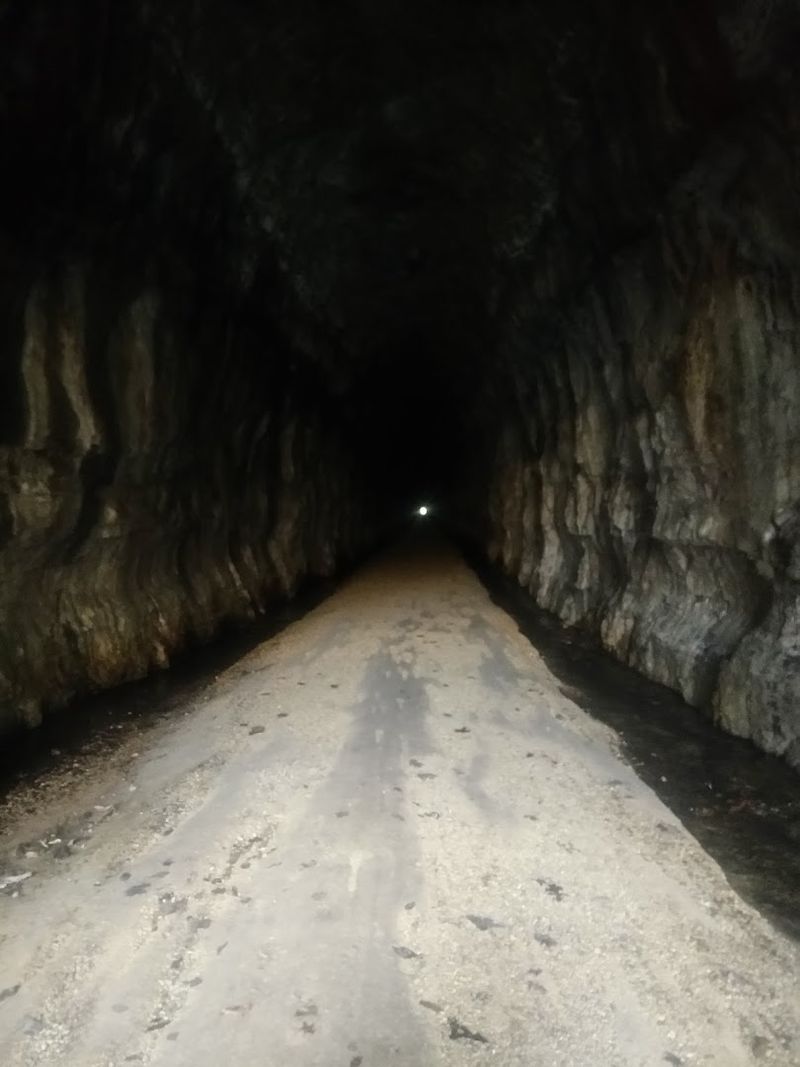
Riding into complete darkness creates an experience that feels fundamentally different from normal trail cycling. Your eyes take time to adjust, and even then, the blackness inside the longer tunnels remains absolute without artificial light.
Sound changes dramatically as you enter, with every noise echoing off the stone walls and ceiling. The steady drip of water from above adds an almost cave-like quality to the experience.
Many cyclists report a slight sense of disorientation in the middle of the longest tunnel, where no light from either entrance penetrates. The air feels noticeably cooler and damper than outside, and the temperature drop can be startling on warm days.
Some riders find the experience mildly unnerving, while others consider it the highlight of the trail.
The tunnels transform an ordinary bike ride into something memorable and slightly mysterious. Children especially seem to enjoy the novelty of pedaling through what feels like an underground passage, though parents should bring reliable lights.
A 32-Mile Journey Through Wisconsin Countryside
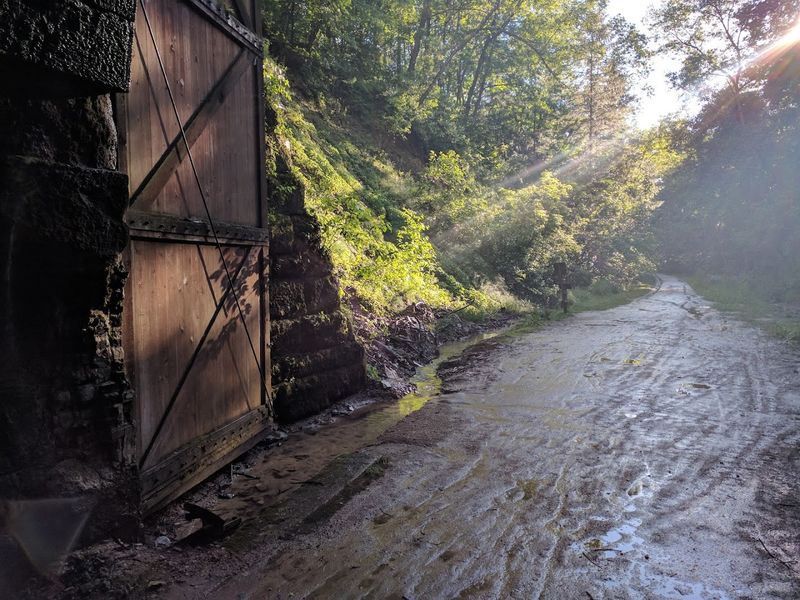
The full trail stretches from Elroy to Sparta, covering 32 miles of varied Wisconsin landscape. Riders pass through working farms where corn and soybeans grow right up to the trail edge, then enter stretches of dense forest where the path cuts through stands of oak, maple, and pine.
The terrain rolls gently, following the old railroad grade that was engineered to keep slopes manageable for heavy trains.
Much of the trail follows the Baraboo River valley, offering occasional views of the water and surrounding bluffs. The landscape changes with the seasons, from spring wildflowers along the trail edges to autumn colors that paint the hillsides in shades of red, orange, and gold.
Winter transforms the trail into a corridor for cross-country skiing and snowmobiling, though the tunnels remain closed during cold months.
Most cyclists take four to six hours to complete the full distance, depending on fitness level and how often they stop in the small towns along the route.
Small Towns That Welcome Trail Travelers
Five communities sit along or near the trail route, each offering services that cater to cyclists and other trail users. Sparta anchors the western end with restaurants, lodging options, and bike shops that handle repairs and rentals.
The town has embraced its position as a trail hub and promotes itself as the bicycling capital of America, hosting events and maintaining facilities specifically for riders.
Smaller communities like Kendall, Wilton, and Norwalk provide rest stops, cafes, and places to refill water bottles. These towns see significant economic benefit from trail traffic, with local businesses reporting that cyclists and hikers account for a substantial portion of their summer revenue.
Several bed-and-breakfasts have opened specifically to serve overnight trail users.
Elroy marks the eastern terminus and offers similar amenities to Sparta, though on a smaller scale. The town sits near the junction with two other rail-trails, making it a natural hub for multi-day cycling trips through the region.
Biking Through Farms, Forests, And Hills
The agricultural character of western Wisconsin shapes much of the trail experience. Dairy farms spread across the landscape, with Holstein cows grazing in pastures visible from the trail.
Barns painted in traditional red stand against green fields, and the smell of freshly cut hay drifts across the path during summer months. The farming communities here have worked the land for generations, and the trail provides an intimate view of rural Wisconsin life.
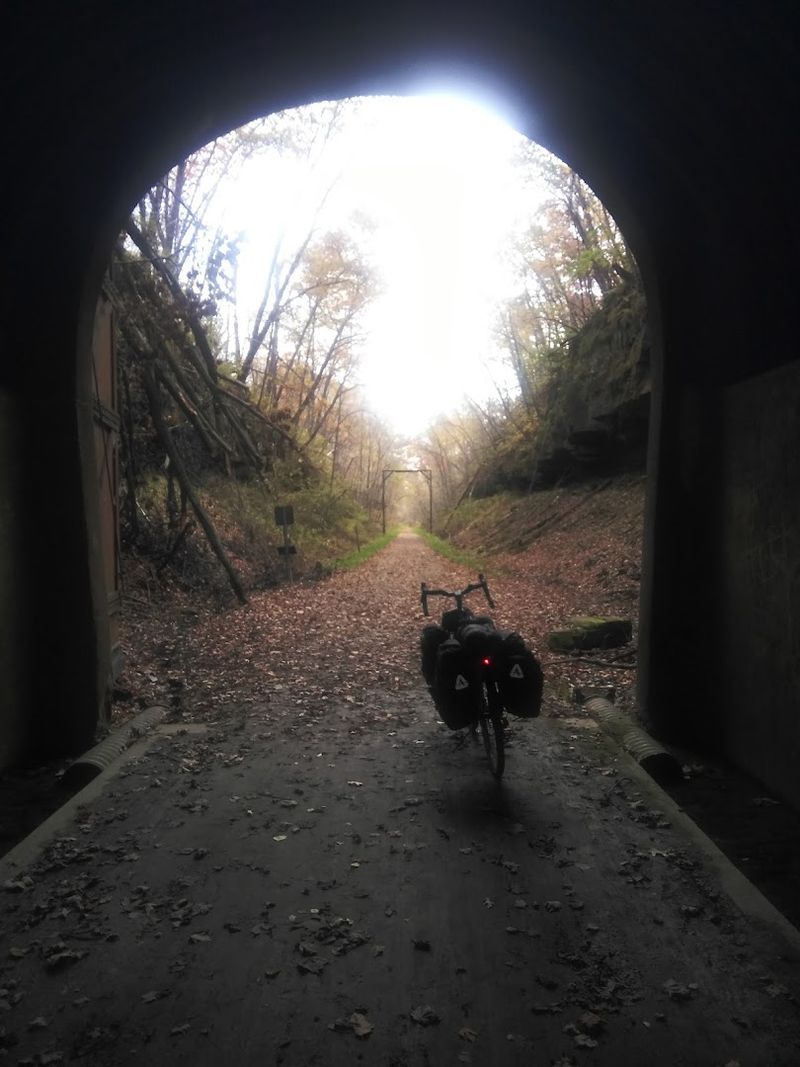
Forested sections offer shade and a different kind of beauty, with the path cutting through stands of hardwood and evergreen trees. Birds call from the branches, and deer occasionally cross the trail in early morning or evening hours.
The forests grow thicker in the areas between towns, creating tunnels of green that feel removed from the open farmland.
The gentle hills follow the natural topography, though the railroad grade keeps slopes manageable even for casual cyclists.
The Cool, Dripping Tunnel Experience
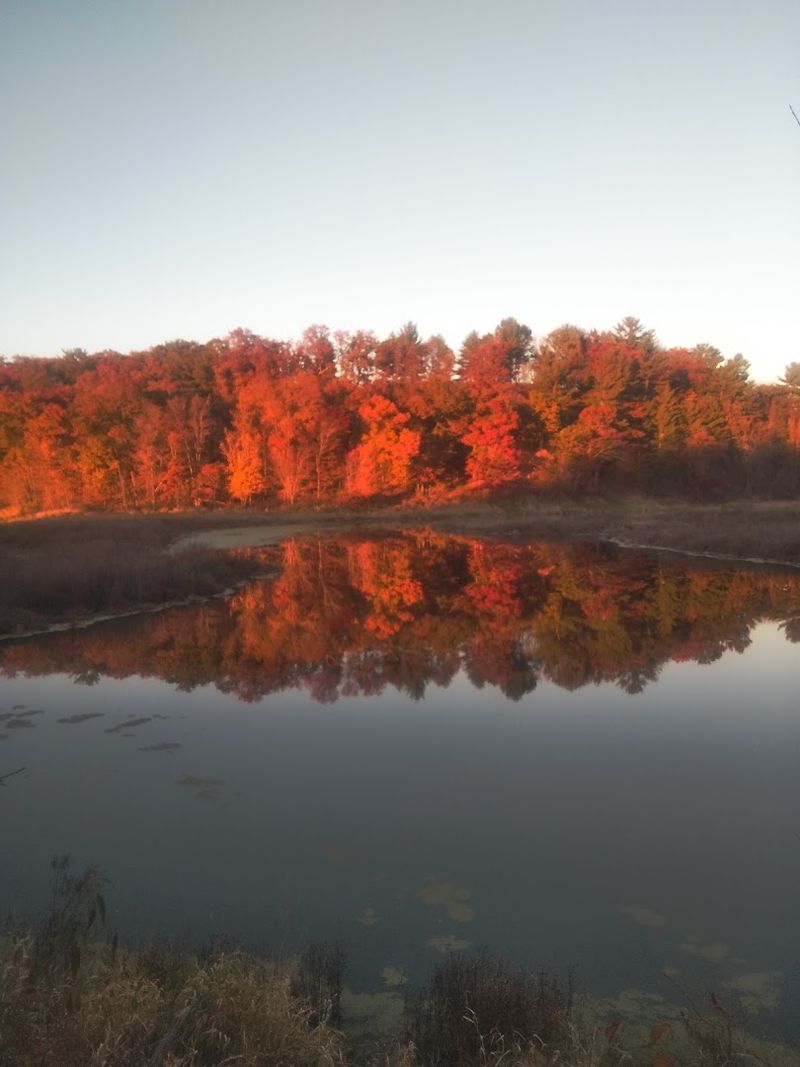
Groundwater constantly seeps through the porous limestone above the tunnels, creating a perpetual dripping environment inside. The water comes from rain and snowmelt that percolates down through soil and rock layers, eventually finding its way through cracks and fissures in the tunnel ceiling.
On rainy days or during spring thaw, the dripping intensifies to the point where riders can get quite wet passing through.
The moisture creates its own ecosystem inside the tunnels, with moss and algae growing on the stone walls where enough light penetrates near the entrances. The air smells damp and earthy, distinctly different from the outside atmosphere.
Puddles form in low spots on the trail surface, and cyclists need to watch for slippery conditions, especially on the slight inclines at each tunnel entrance.
The constant 50-degree temperature inside feels refreshing on hot summer days but can be uncomfortably cold during spring and fall rides. Smart cyclists bring a light jacket to throw on before entering the longer tunnels.
Historic Stops Along The Trail Route
Several interpretive sites along the trail explain the railroad history and engineering achievements that created this route. Signs near each tunnel entrance provide information about construction methods, the workers who built the line, and the role the railroad played in regional development.
Old photographs show steam locomotives emerging from the tunnels and crews working with primitive tools to blast through solid rock.
The depot buildings in several towns have been preserved and now serve as trail headquarters, rest areas, or small museums. These structures represent classic railroad architecture from the late 19th century, with their distinctive overhanging roofs designed to shelter passengers waiting for trains.
Some contain displays of railroad artifacts, old tickets, and equipment used to maintain the line.
The trail itself serves as a linear historic site, preserving not just the physical railroad corridor but also the story of how transportation infrastructure shaped rural Wisconsin communities. Educational programs and guided rides help visitors understand this history while enjoying the recreational experience.