
One Of The Country’s Largest Railway Museums Calls Wisconsin Home
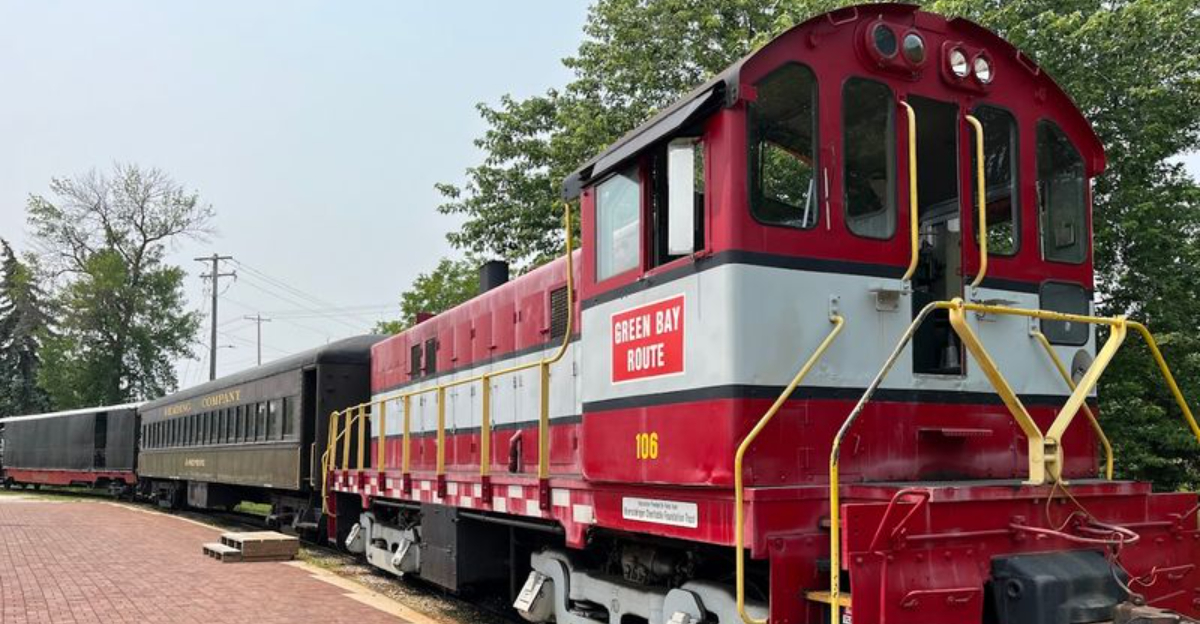
Tracks that once carried the backbone of American industry still exist, and some of them are waiting for you to explore. In Wisconsin, there is a place where rail history is not locked behind glass or reduced to a few displays.
You can see full-size trains up close, understand how railroads shaped entire regions, and get a clear sense of just how large this world really was.
This is not a quick stop filled with surface-level facts. It is a space where scale matters.
The equipment stretches far beyond what you expect. Each section reveals something new about how people and goods moved across the country. You start to connect the pieces quickly.
If you are curious about how rail travel evolved and why it still matters, this is one experience that deserves a spot on your list.
Why Its Federal Recognition Sets It Apart
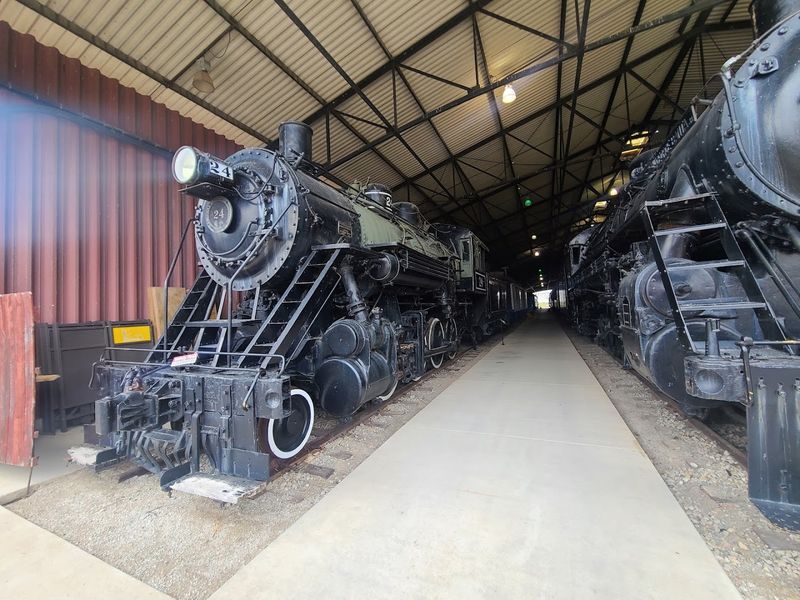
Not every museum can claim a title backed by the United States Congress, but this one can. The National Railroad Museum in Ashwaubenon, Wisconsin holds the only congressionally designated national railroad museum status in the country.
That distinction alone tells you something important about what you will find here.
Congress recognized the museum because of its outstanding collection and its commitment to preserving American railroad history.
This is not a small regional attraction with a handful of old train cars. The museum actively maintains over 80 pieces of rolling stock, including some of the most historically significant locomotives ever built.
You will notice the difference the moment you walk through the main exhibit hall. The space is large, well-lit, and carefully organized so that each piece of history gets the attention it deserves.
Climate-controlled halls protect delicate machinery and artifacts from the elements.
If you care about American history, transportation, or engineering, this designation carries real weight. It signals that the museum meets a national standard for preservation and education.
You are not just looking at old trains here. You are standing inside a federally recognized institution that takes its mission seriously.
That level of commitment shows in every exhibit, every restored railcar, and every informational display throughout the campus.
The Giant Steam Locomotive You Have To See To Believe
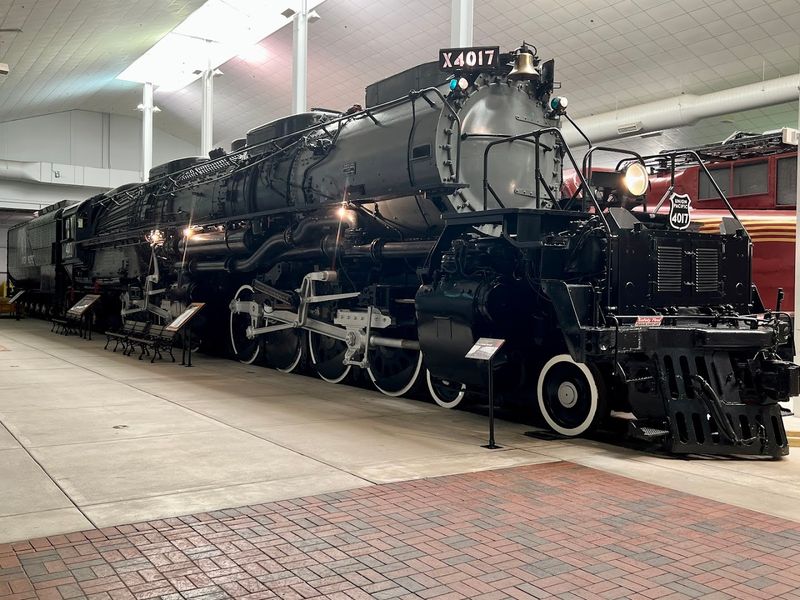
Some machines are so large they seem impossible until you stand next to them. Union Pacific Big Boy No. 4017 is exactly that kind of machine.
It is one of only eight surviving Big Boy locomotives in the world. The National Railroad Museum keeps it indoors, so you can get surprisingly close.
The Big Boy was built in the 1940s to haul heavy freight over the challenging grades of the Rocky Mountains. At over 130 feet long and weighing close to 1.2 million pounds, it remains one of the largest steam locomotives ever constructed.
Standing beside it gives you a real sense of the industrial power that drove American commerce for decades.
What makes the museum’s display especially worthwhile is the space around the locomotive. Unlike some other museums where the Big Boy is pressed against a wall, here you can walk the full length of the engine and photograph it from multiple angles.
The lighting inside the hall makes the detail work on the boiler and drive wheels clearly visible.
You do not need to be a train enthusiast to appreciate this machine. The sheer scale of it connects you to an era when engineering ambition had no limits.
Plan extra time at this exhibit because most visitors find themselves lingering far longer than expected.
The World War II Train Car With A Powerful Story To Tell
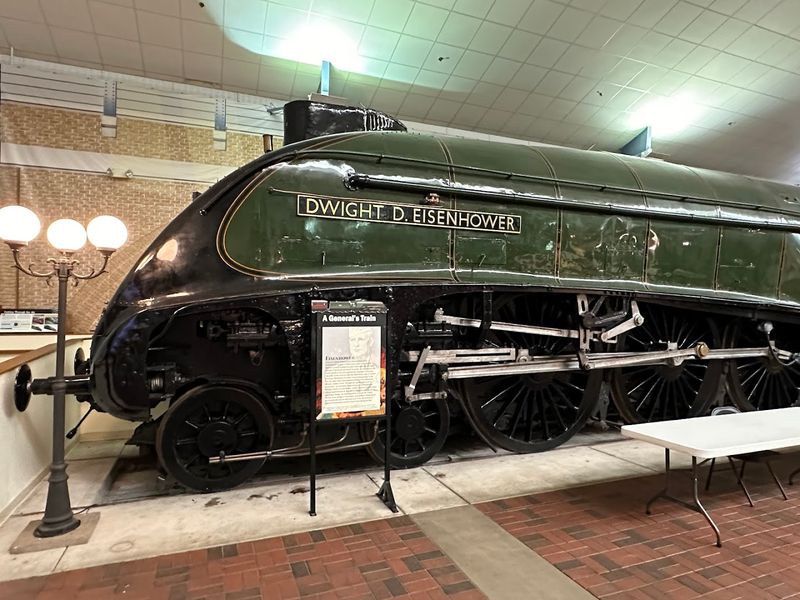
Few artifacts in any museum carry the historical weight of a wartime command train. The Eisenhower train at the National Railroad Museum connected directly to one of the most consequential military campaigns in human history.
General Dwight D. Eisenhower used this train as his mobile headquarters during World War II while coordinating Allied operations in Europe.
You can walk through parts of the train and see the tight quarters where some of the most critical military decisions of the 20th century were made. The interior details are preserved carefully, giving you a real sense of wartime functionality over comfort.
There is nothing glamorous about the setup, which makes it all the more striking.
Seeing this train in person changes how you think about the logistics of wartime leadership. Eisenhower and his staff relied on rail transport to stay mobile and connected across a massive theater of war.
The train represents not just history but a specific kind of problem-solving under extreme pressure.
Wisconsin’s National Railroad Museum is one of the very few places in the country where you can stand next to this level of documented history.
Its physical presence and the nearby interpretation make this one of the museum’s most powerful stops. Give yourself plenty of time here.
A 33-Acre Collection Packed With Rail History
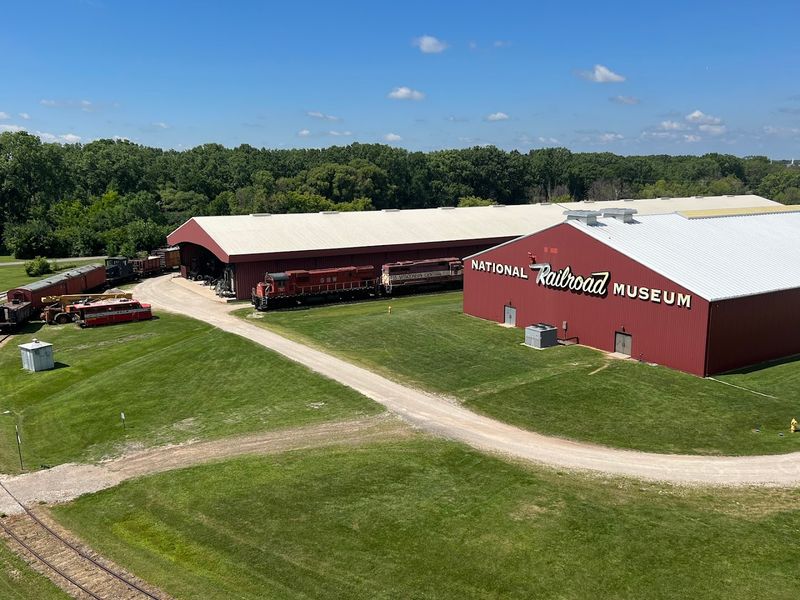
The sheer volume of what you will find at this museum is hard to prepare for. With more than 70 locomotives and railcars across a 33-acre campus, the collection covers virtually every major chapter of American railroad history.
You could spend a full day here and still find something new to look at.
The campus includes both indoor climate-controlled exhibit halls and outdoor display areas. Indoor pieces benefit from protection against the Wisconsin weather, while outdoor displays give you a broader sense of scale.
Bring comfortable walking shoes because covering the full grounds takes real effort.
Among the collection you will find freight locomotives, passenger cars, mail cars, and specialty vehicles that served unique wartime or industrial purposes. Each piece comes with interpretive signage that explains its role in the broader story of American transportation.
The information is written clearly enough for younger visitors but detailed enough to satisfy adults with serious interest in railroad history.
The museum’s address is 2285 S Broadway, Ashwaubenon, WI 54304, placing it conveniently near Green Bay. The location makes it an easy addition to any Wisconsin road trip.
Families, solo visitors, and school groups all find the scale of the collection rewarding. You will leave with a much fuller picture of how railroads built this country than you arrived with.
Climb Aboard For The Part You Will Remember Most
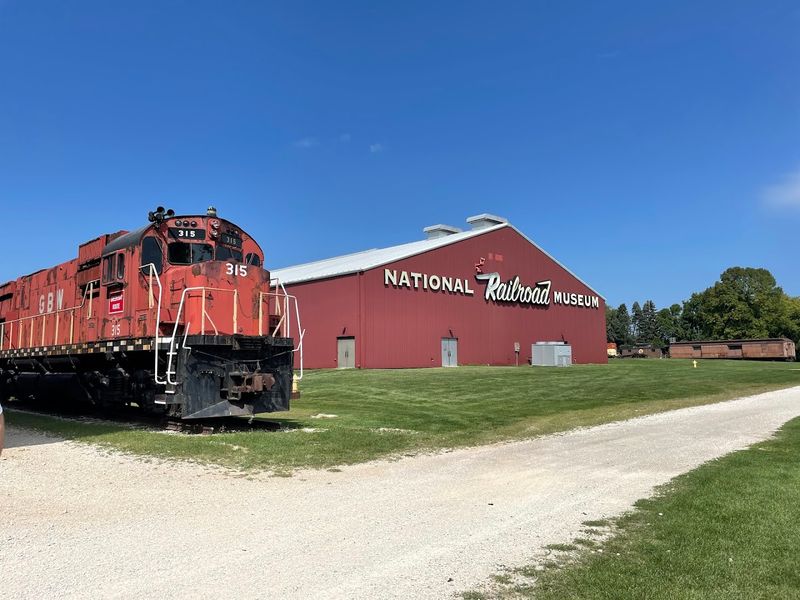
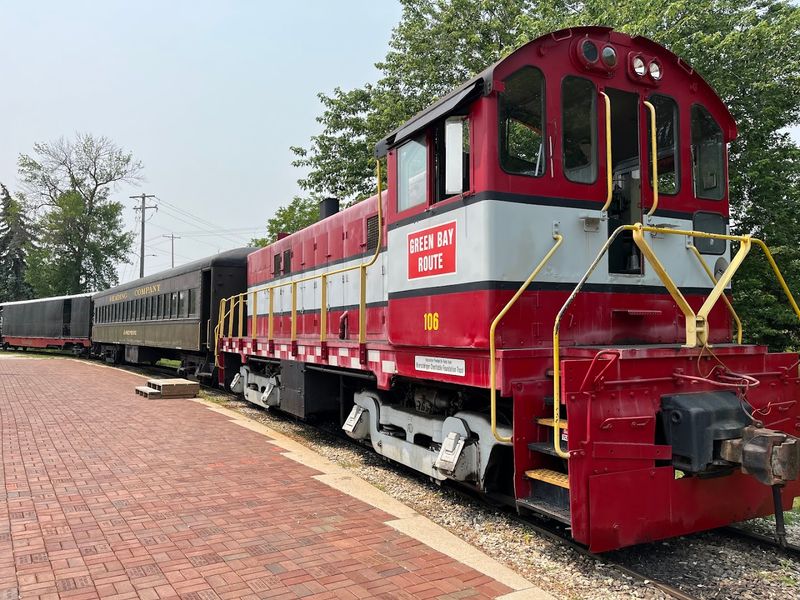
Reading about railroad history is one thing. Riding inside a vintage coach pulled by an antique diesel locomotive is something else entirely.
The National Railroad Museum offers an on-site train ride with a tour of about 25 minutes around the 33-acre campus. It adds something no exhibit panel can replicate.
A conductor guides the ride and shares information about the outdoor displays and the history of the museum as you pass through the grounds. The coaches themselves are vintage, which means the ride has an authentic feel rather than a theme park quality.
You are sitting in the same type of car real passengers used decades ago.
Families with younger children especially enjoy the ride because it gives kids a chance to experience train travel in a tangible way. The pace is relaxed, the views of the Fox River area are pleasant, and the conductor’s commentary keeps things engaging throughout.
Adults tend to appreciate the perspective the ride provides over the outdoor portions of the collection.
The train ride operates seasonally, so checking the museum’s schedule before your visit makes sense.
It runs alongside the standard museum visit, giving you one more reason to set aside plenty of time at this Wisconsin landmark. Do not skip it if it is running during your visit.
Climb Higher For A View That Changes Everything
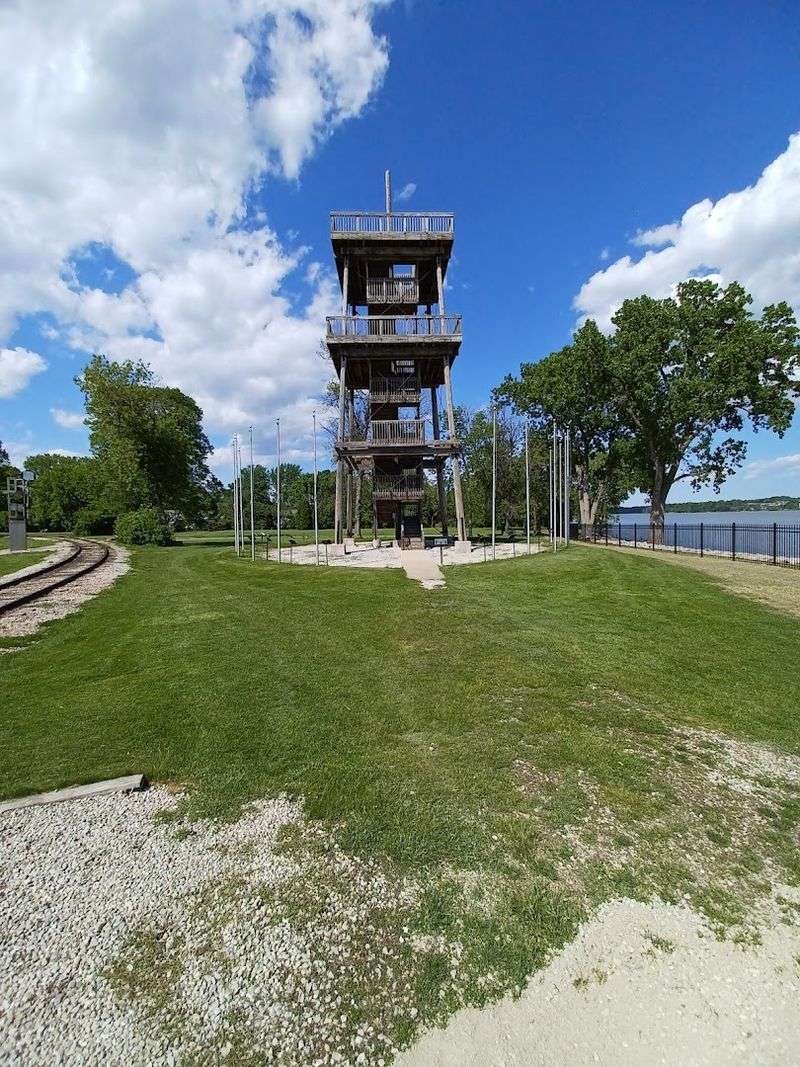
Somewhere between the exhibit halls and the outdoor rolling stock sits one of the more unexpected highlights of the entire museum campus.
The observation tower at the National Railroad Museum offers a panoramic view over the grounds and the Fox River. On a clear day, you can even see as far as Lambeau Field.
The climb requires some effort, but the payoff is genuine. From the top, you get a bird’s-eye perspective on the full scale of the museum campus that you simply cannot appreciate from ground level.
Seeing how many locomotives and railcars fill the grounds from above gives you a new respect for what the museum has assembled over the decades.
The Fox River view adds a natural element that balances nicely against all the industrial machinery below. It is a good spot to pause, take photographs, and get your bearings before heading back down to explore more of the collection.
Many visitors say the tower view is one of the details they remember most clearly after their visit.
Children tend to enjoy the climb and the view equally, which makes the tower a practical way to break up a long day of exhibits.
The combination of history on the ground and open sky from above gives the National Railroad Museum a quality that very few similar institutions in Wisconsin or anywhere else can match. Go up when you visit.
The Interactive Access That Makes A Big Difference
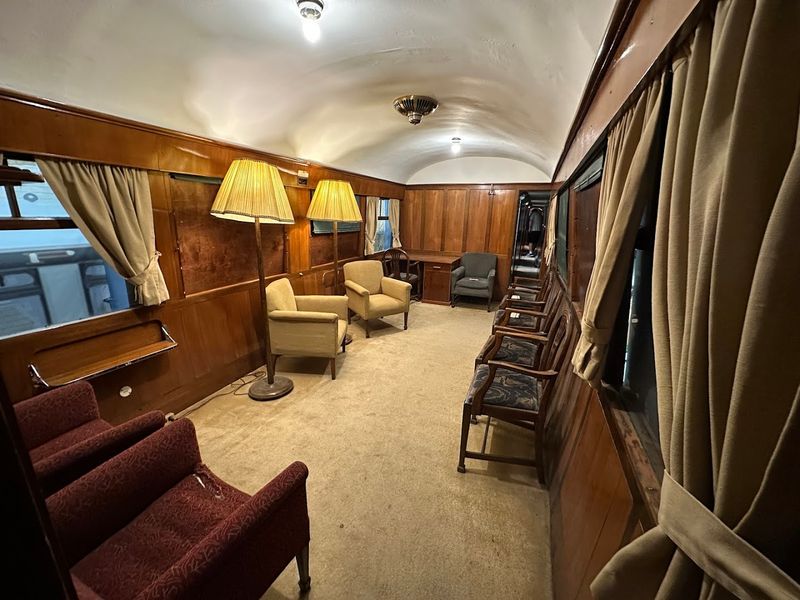
A lot of museums ask you to look but not touch. The National Railroad Museum takes a different approach.
Many of the locomotives and railcars are open for visitors to walk through, letting you experience the interiors in a way that a glass barrier could never allow.
That access makes a real difference in how much you connect with what you are seeing.
You can step inside passenger cars and look at original details up close. Sleeping berths, compact washrooms, and dining layouts show how Americans traveled in earlier eras.
Some of the luxury cars show how the wealthy experienced rail travel, with details that feel surprisingly refined given the era. The contrast between those cars and the more utilitarian freight or mail cars tells a layered story about class and commerce in American history.
The ability to walk through the cars is especially valuable for younger visitors. Children who might lose interest in text-heavy displays stay engaged when they can physically move through history.
Parents frequently note that the hands-on access keeps the whole family interested far longer than a typical museum visit would.
This level of access reflects the museum’s broader philosophy about education. The goal is not just to display objects but to create genuine understanding.
In Wisconsin, that approach has helped the museum build a loyal and growing audience from across the country.
Simple Things To Know Before Your Wisconsin Visit
A museum this large rewards visitors who come in with a plan. You can contact the museum directly for current details, and its official website shares the latest schedule and event information.
The museum is open year-round, but the schedule changes by season. From January through March, it is closed on Mondays.
It is open Tuesdays from 9 a.m. to 8 p.m., Wednesdays through Saturdays from 9 a.m. to 4 p.m., and Sundays from 11 a.m. to 4 p.m.
From April through December, it opens daily, with Tuesday evening hours still extended. Checking the current schedule before you go is the smart move, especially if you are planning around a train ride or special event.
Most visitors can cover the main exhibits comfortably in a few hours. A full day gives you more time for the train ride, the tower, the outdoor displays, and the indoor halls.
Packing a lunch is a practical option since the campus includes a picnic area that works well for families.
The on-site gift shop carries a range of souvenirs, toys, and railroad-themed items that make good takeaways for younger visitors.
A children’s discovery area provides hands-on activities for the youngest members of your group.
Its mix of indoor and outdoor experiences helps the visit feel complete. The historic collection and welcoming atmosphere also make it one of Wisconsin’s strongest day trip options.
When you want a Wisconsin destination that gives you more than a quick look around, this one earns the drive.