
This Beautiful Wisconsin Fountain Is A Free Sight That Feels Surprisingly Epic
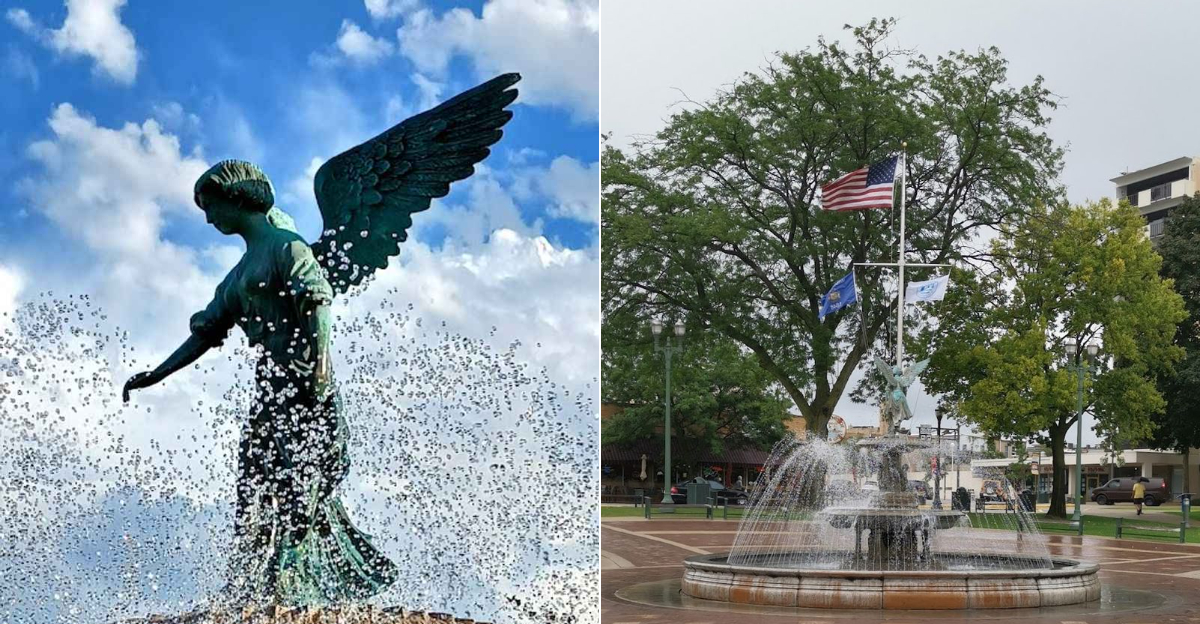
Not every free attraction stops you in your tracks, but this one absolutely can. In Wisconsin, there is a fountain that feels bigger than you expect the moment you see it. The setting helps, of course.
But the real surprise is how much presence one landmark can have without charging admission or asking for a full day of planning. You do not need a ticket, a schedule, or a long checklist to enjoy it. You just need a little time and the willingness to pause.
That is part of what makes it so memorable. It turns a simple stop into something that feels a lot more significant once you are standing there taking it in. I think places like this stand out because they offer real atmosphere without making a big fuss about themselves.
If you are in the mood for something scenic, easy, and genuinely worth your attention, this is one stop you will want to keep in mind.
Why This Fountain Feels Bigger Than You Expect
Some attractions earn attention through size. This one does it through placement, shape, and timing.
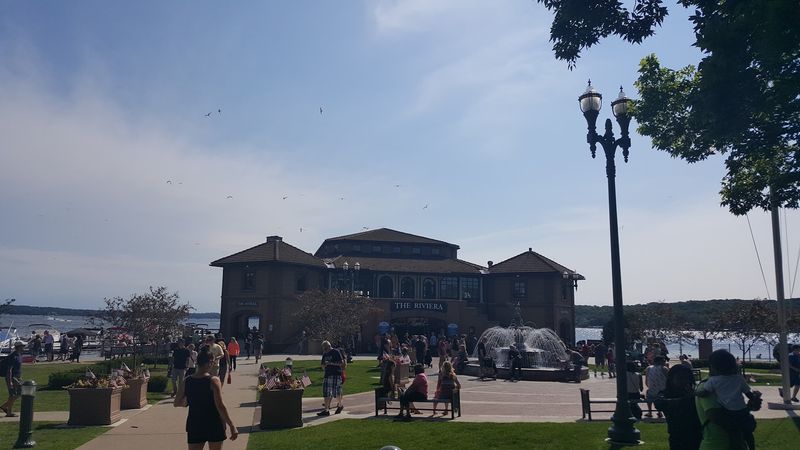
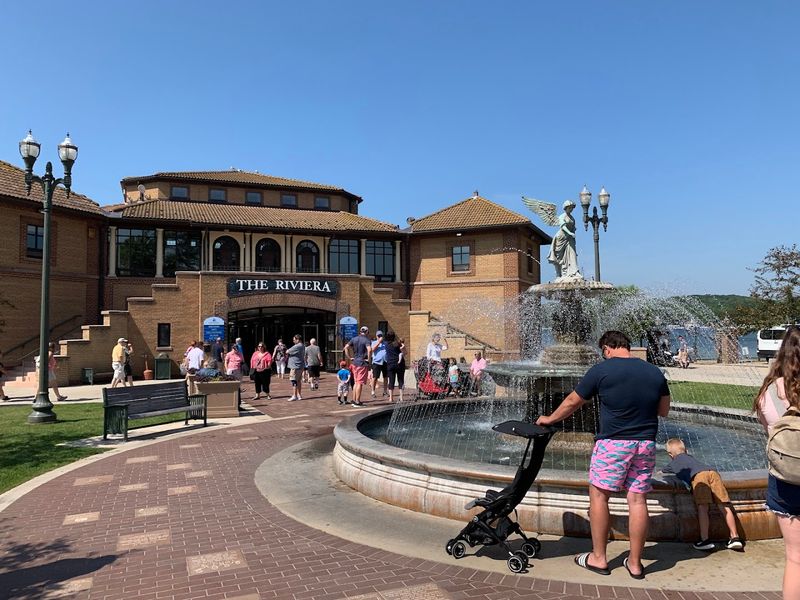
The Driehaus fountain stands at the Riviera lakefront, right where the shoreline opens up and the surrounding space gives it room to register. That larger-than-expected feeling starts with contrast. You are in a busy resort town, close to shops, the lake, and the public lakefront.
Then this fountain steps in and changes the rhythm.
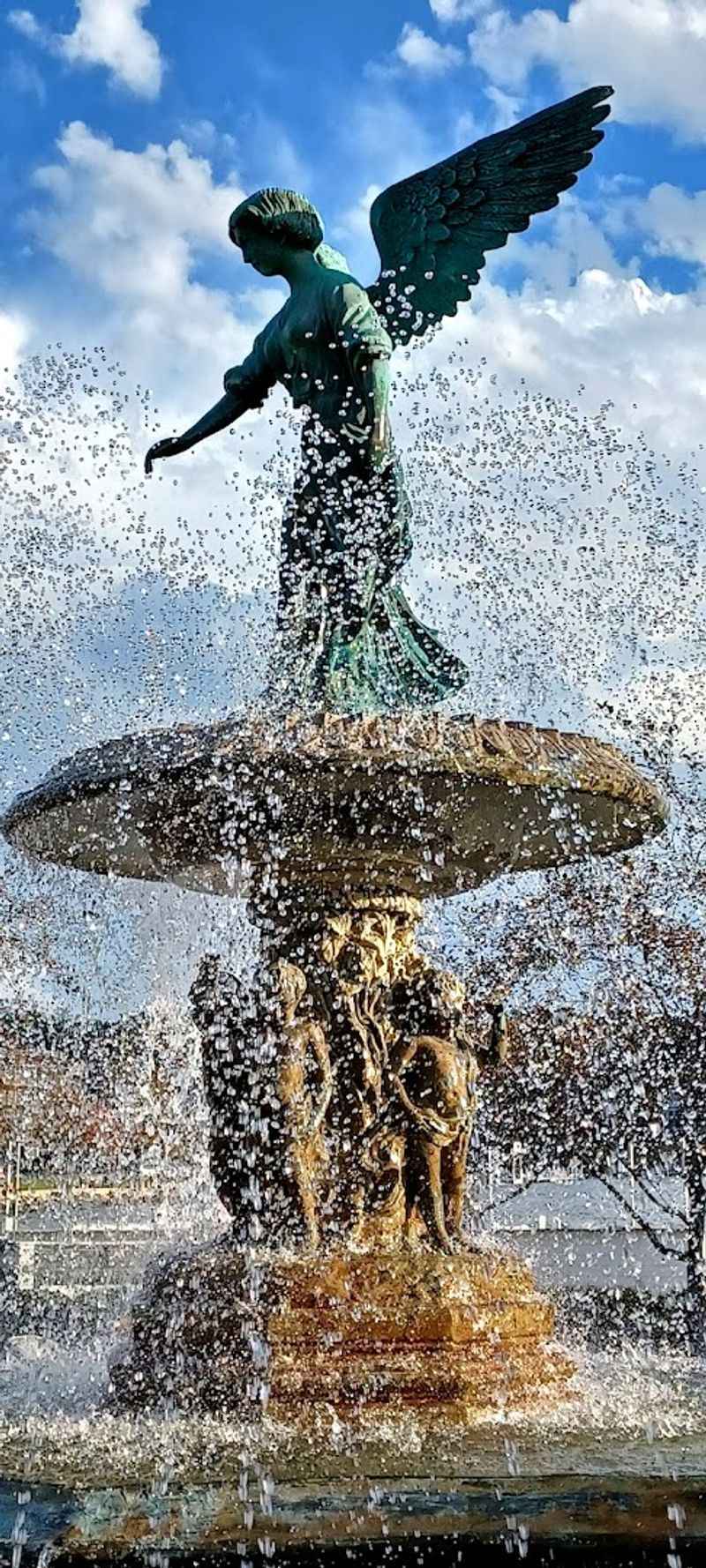
The water movement adds energy. The central figure adds height. The historic Riviera behind it gives the whole scene more weight.
I think that combination is what makes the stop land so well. You are not dealing with a random park feature. You are looking at a focal point that feels placed with purpose.
A fountain does not need extreme scale to feel important. It just needs the right setting and a clear presence. This one gets both.
You notice the open lakefront. You notice how the fountain anchors the space. You notice that it gives the Riviera area something more than another nice view.
I like attractions that do not ask much from you before they make an impression. This one works that way.
You can approach it as a quick stop and still come away feeling like you found something more substantial than expected. In Wisconsin, that is a strong quality for a free lakefront sight to have.
The Lakefront Setting Gives It Real Presence
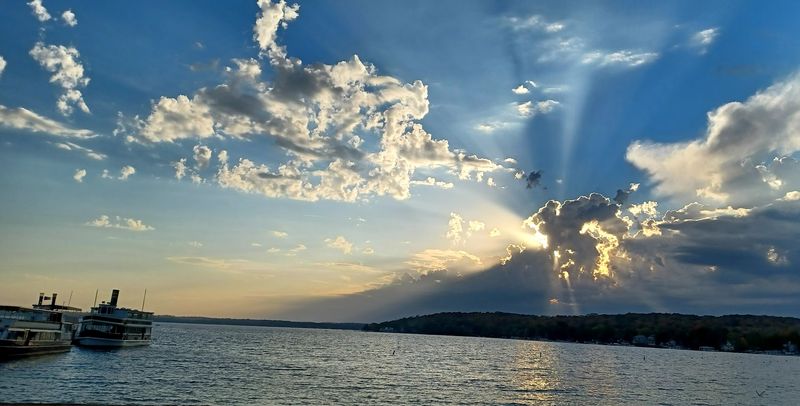
The setting does a lot of work here, and that is part of the reason the fountain feels so memorable. The Riviera Ballroom stands on Geneva Lake, and the nearby waterfront, beach, and downtown give the fountain a real stage.
You feel that layout even if you are only there for a short stop. The fountain is not hidden off to the side.
It belongs to one of the most recognizable stretches of Lake Geneva. That matters because public landmarks need context.
A fountain in isolation can look nice and still fade from memory. A fountain beside a historic building, close to the beach and shoreline path, has more to work with. It becomes part of a larger scene.
The lakefront gives the fountain open sky, reflected light, and movement around it. The Riviera adds structure and age.
The nearby public shoreline adds steady foot traffic. All of that helps the fountain feel active instead of static.
In Wisconsin, that combination is hard to dismiss. The fountain gains presence because the lakefront around it already has a strong identity, and the two improve each other.
The Story Behind The Fountain Makes It Even Better
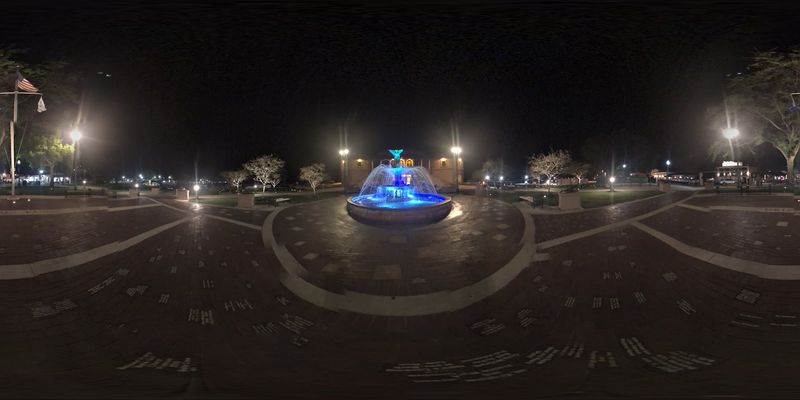
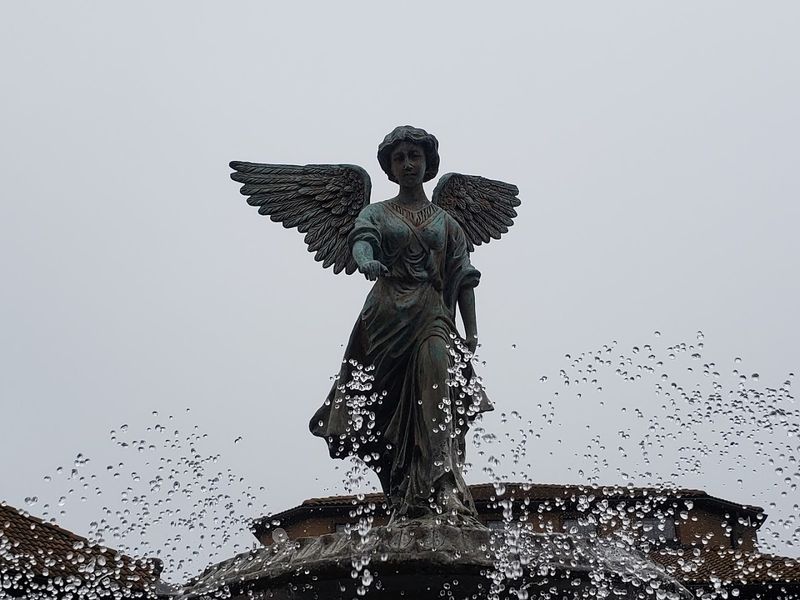
The fountain becomes more interesting once you know it is not just decorative. Local coverage ties it to a 2004 gift from Richard Driehaus, and Lake Geneva sources describe it as a replica of Central Park’s Angel of the Waters.
That connection gives the piece a stronger story right away. It links a small Wisconsin lakefront stop to one of New York’s best-known public artworks.
That original matters on its own. Central Park identifies Emma Stebbins as the sculptor behind Bethesda Fountain’s Angel of the Waters, and the park calls it one of the most recognizable icons there.
New York City Parks also notes that Stebbins was the first woman to receive a commission for a major public work in New York City.
Those details give the Lake Geneva replica more depth because you are not just looking at a pretty form. You are looking at a local version of a public artwork with a real place in American art history.
A good free sight becomes better when it carries a story that is easy to tell and worth remembering. When you visit, that backstory adds more than trivia. It gives the fountain context.
I like landmarks that reward a second look once you know what they reference, and this one does exactly that.
The history is not too heavy, but it gives the stop more staying power. That is a big reason it feels like more than a quick photo opportunity.
Why This Free Stop Feels So Worth Your Time
Some free sights feel disposable. You glance at them, take a quick picture, and move on.
This one feels more worthwhile because it is easy to reach, set in a strong location, and tied to a landmark building that gives the area weight.
That matters because time is usually the real cost of a stop, not the ticket. This fountain respects that. You can build it into a larger Lake Geneva outing, or you can make it one of the main reasons to head toward the waterfront.
The point is that it offers enough payoff without forcing a complicated plan. You can keep it brief, or you can let it become part of a slower afternoon by the lake.
The free appeal also works because the fountain is visual first. You do not need a guide, a schedule, or a long explanation before it makes sense.
The shape, the water, and the backdrop do the job quickly. Then the story behind it gives you a reason to stay a little longer. That is a strong combination for a public landmark.
In Wisconsin, a lot of good travel stops ask you to commit to a full activity. This one asks much less. It gives you a clear lakefront moment with almost no friction. I like that about it.
A stop feels worth your time when it is easy to fold into the day but still leaves a mark afterward. This fountain does that better than many places that ask far more from the visitor.
The Details You Notice Once You Slow Down
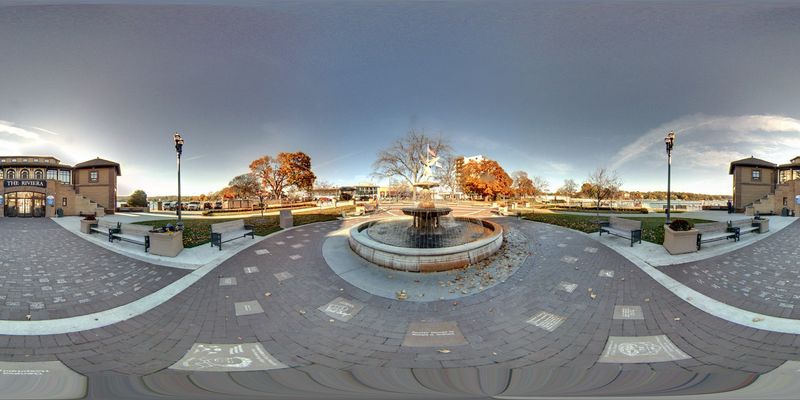
The setting does a lot of work here, and that is part of the reason the fountain feels so memorable. The Riviera Ballroom stands on Geneva Lake, and the nearby waterfront, beach, and downtown give the fountain a real stage.
You feel that layout even if you are only there for a short stop. The fountain is not hidden off to the side. It belongs to one of the most recognizable stretches of Lake Geneva. That matters because public landmarks need context.
A fountain in isolation can look nice and still fade from memory. A fountain beside a historic building, close to the beach and shoreline path, has more to work with.
It becomes part of a larger scene.
The lakefront gives the fountain open sky, reflected light, and movement around it. The Riviera adds structure and age. The nearby public shoreline adds steady foot traffic. All of that helps the fountain feel active instead of static.
In Wisconsin, that combination is hard to dismiss. The fountain gains presence because the lakefront around it already has a strong identity, and the two improve each other.
What Makes This Spot Stand Out In Wisconsin
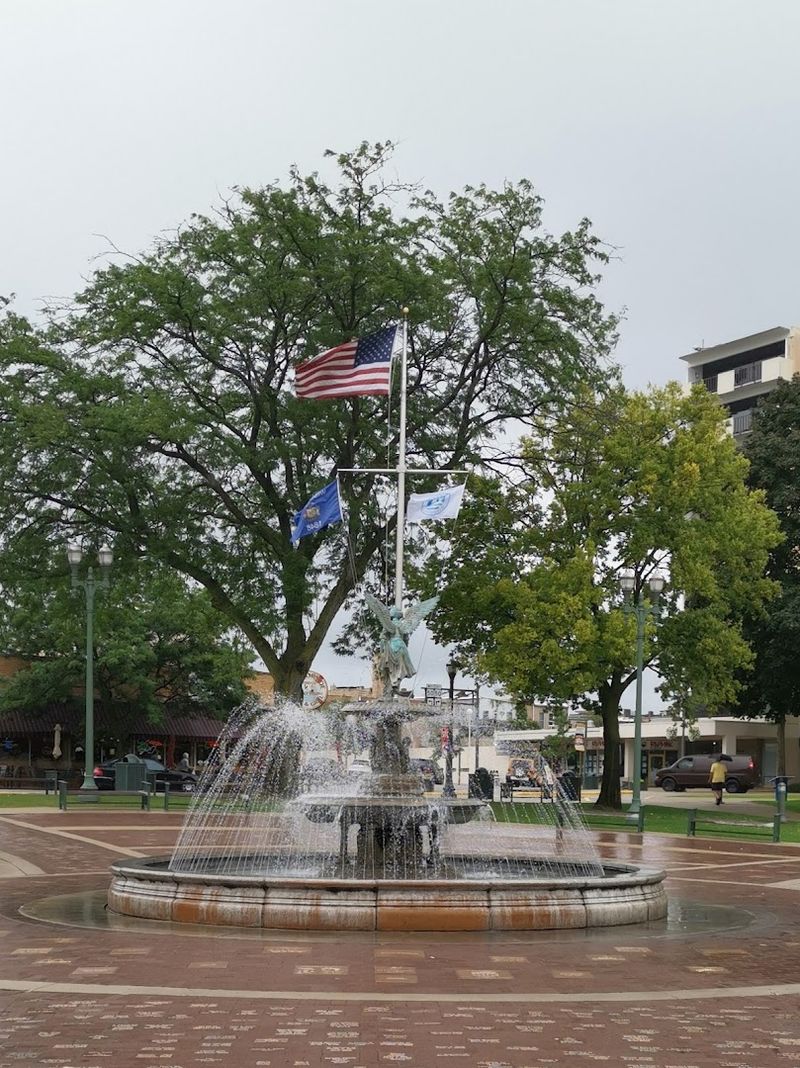
What sets this fountain apart is not just the object itself. It is the mix of lakefront placement, historic context, and a direct connection to a much more famous original.
A lot of public fountains look pleasant and stop there. This one carries more than that.
It belongs to the Riviera area, one of Lake Geneva’s key public spaces, and draws added meaning from the building and shoreline around it.
Some landmarks need a very specific audience. This one works for almost anyone who appreciates a stop with a little structure behind it.
The replica angle also helps it stand out.
I like landmarks that feel easy to explain without sounding thin. This one meets that test. It is scenic, free to admire, historically connected, and placed where people already want to spend time.
That is enough to separate it from a lot of other fountain stops in the state. It earns attention without trying too hard, which is usually a good sign.
How To Make The Most Of A Visit Here
A little planning helps because this stop works best as part of the larger lakefront area, not as an isolated pin on a map. The easiest address to save is 812 Wrigley Dr, Lake Geneva, WI 53147, which is the Riviera Ballroom address tied to the fountain and plaza area.
When you go, keep your expectations practical. This is not a museum stop or a formal attraction with a long checklist.
It works best when you treat it as a lakefront pause that can expand into a walk, a photo stop, or part of a broader downtown loop.
The location makes that easy because the fountain is close to the business district, the shoreline, and other public areas around the Riviera.
I would also keep timing in mind. Light matters here because the fountain depends on open space and reflected water.
You do not need special conditions, but calmer parts of the day usually help you appreciate the scene more clearly.
Give yourself enough time to look at the fountain from more than one angle. That sounds minor, but it changes the stop.
You begin to see how the sculpture, the building, and the lakefront all work together. If you are building this into a Wisconsin day trip, that is the right approach. Do not rush it like a roadside marker.
Let it be part of a slower stretch by the water.
I think that is how you get the most out of a place like this. The stop is simple, but the setting gives you more than one reason to linger.
Why This Is The Kind Of Place You Remember Later
Some places stay in your mind because they overwhelm you. Others stay because they arrive at the right size and in the right setting. This fountain belongs in the second group.
It is not trying to dominate the whole town. It just gives the lakefront a point of focus that is hard to forget once you have seen how well it fits the Riviera and shoreline.
That fit is the reason it lasts in memory.
The backstory helps, too. Knowing that the fountain was donated in 2004 and modeled on Central Park’s Angel of the Waters gives the stop more than surface appeal.
It gives you a clean story to carry away. I think that matters.
Memory gets stronger when a place offers both image and context. You remember the fountain because it looks good in its setting, and you remember it again because the replica connection gives it a second layer.
This is also the sort of landmark that improves in retrospect. Later, when you think about Lake Geneva, the fountain makes the waterfront feel more defined in your mind.
It becomes part of how you picture the place. That is a useful quality for any public landmark, and not every one of them gets there.
If your day already points you toward the lakefront, this is the sort of stop worth letting slow you down for a while.