
The Charming Small Town That Will Make You Fall In Love With Wisconsin
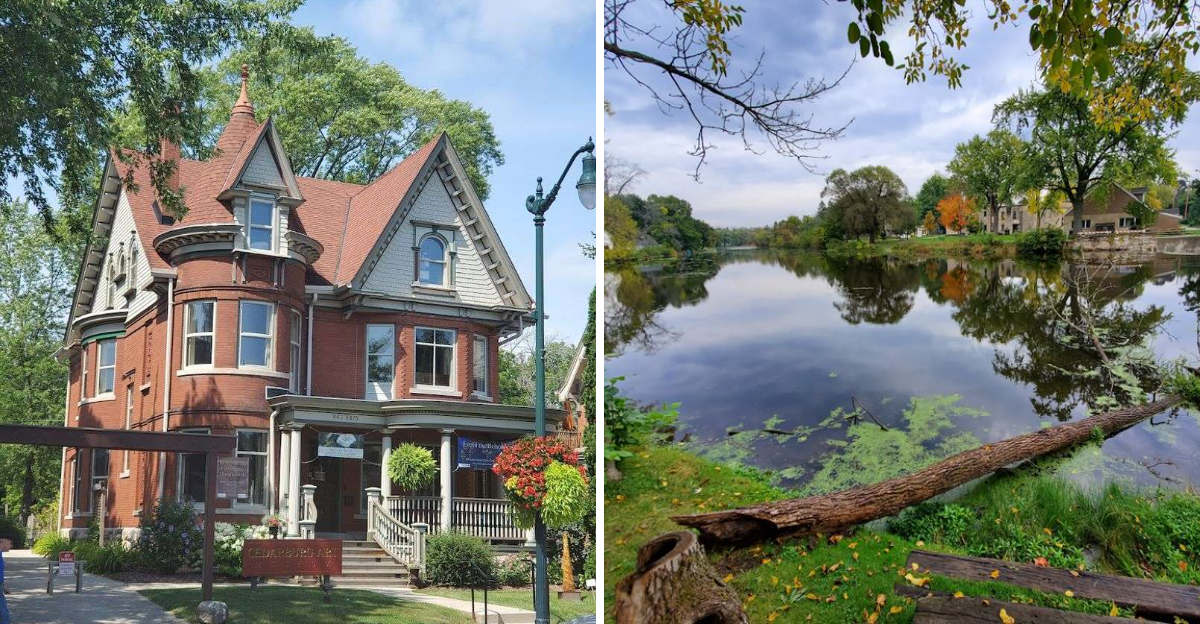
Cedarburg sits twenty miles north of Milwaukee along the banks of Cedar Creek, a preserved pocket of 19th-century architecture and enduring small-town character. Stone buildings line Washington Avenue, their foundations laid when the city incorporated in 1885, and the rhythm of daily life here follows a quieter tempo than what you find in the suburbs sprawling southward.
The town draws visitors year-round with festivals, art galleries, and a restored woolen mill that anchors its cultural identity. Cedarburg offers a rare combination of historic integrity and genuine warmth, making it one of Wisconsin’s most compelling destinations for those seeking authenticity over spectacle.
A Historic Downtown Filled With 19th-Century Buildings
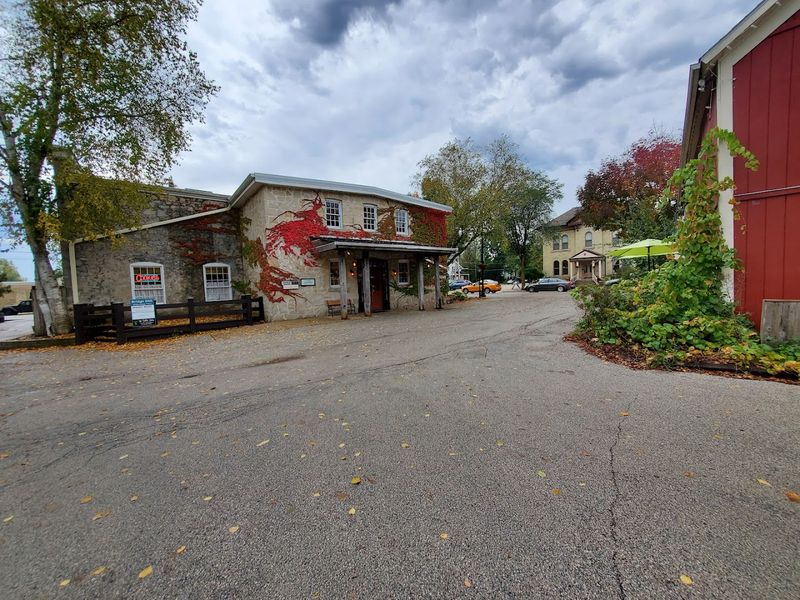
Walking down Washington Avenue feels like stepping into a carefully preserved chapter of Wisconsin’s industrial past. The limestone buildings that frame both sides of the street were constructed in the 1840s and 1850s, their thick walls and arched windows built to last generations.
Many of these structures served as mills, shops, and hotels when Cedarburg thrived as a milling center, and their survival speaks to deliberate preservation efforts that began decades before such work became fashionable.
The architecture here reflects German immigrant craftsmanship, with attention to proportion and durability that modern construction rarely matches. You can spend an afternoon simply observing the details: hand-cut stone lintels, original storefront glass, cast-iron facade elements that have weathered more than a century of Wisconsin winters.
The buildings function today much as they did originally, housing retail shops, restaurants, and offices rather than standing empty as museum pieces.
Cedarburg’s downtown earned placement on the National Register of Historic Places, a designation that protects the architectural integrity while allowing adaptive reuse.
Washington Avenue’s Charming Shops And Boutiques
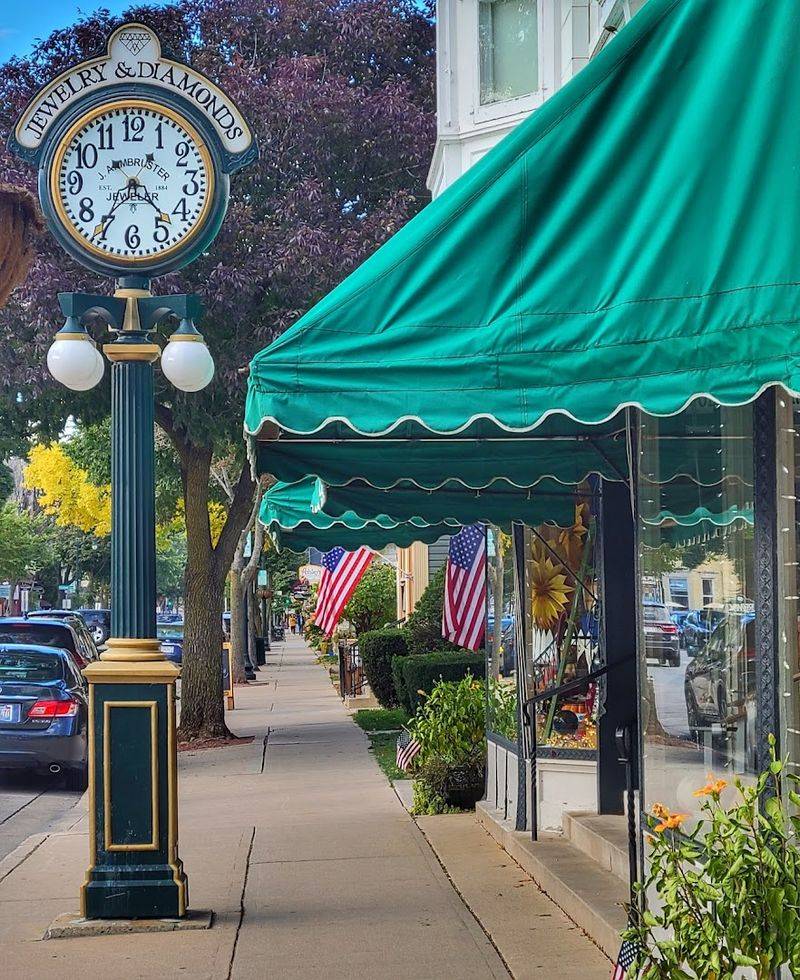
The retail landscape along Washington Avenue resists the homogenization that plagues most American downtowns. Independent boutiques occupy the ground floors of those limestone buildings, each one offering merchandise selected by owners who live in the community and understand their customers personally.
You find antique furniture shops next to contemporary art galleries, bookstores beside clothing boutiques that carry lines you cannot find in suburban malls.
Shopping here rewards patience and conversation. Store owners often greet visitors themselves, ready to discuss the provenance of a vintage piece or the story behind a local artist’s work.
The inventory changes seasonally, reflecting both the tourist calendar and the preferences of year-round residents who support these businesses through Wisconsin’s long winters.
Several shops specialize in Wisconsin-made products, from cheese and preserves to handcrafted pottery and textiles. The commercial district extends for several blocks, dense enough to spend a full afternoon browsing but compact enough to walk comfortably.
Cedar Creek Running Through The Heart Of Town
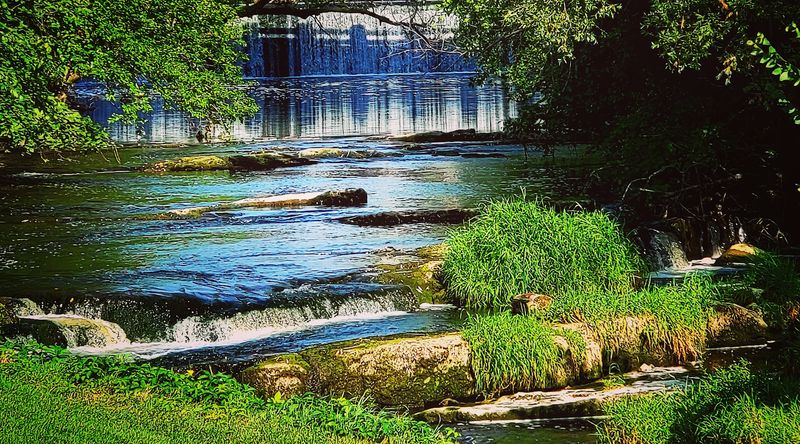
Cedar Creek carved the geography that determined where Cedarburg would rise. The waterway drops forty feet through town, creating the hydraulic power that drew German millers here in the 1840s to build grist mills and woolen mills along its banks.
Today the creek flows past those same stone buildings, no longer turning mill wheels but still defining the town’s character and providing its most distinctive natural feature.
The water runs clear over a limestone bed, moving fast enough in spring to produce a constant murmur but slowing to a gentle current by late summer. Trees arch over the creek in several spots, creating shaded corridors that stay cool even during July heat.
You can follow the water through much of downtown, watching it pass under small bridges and alongside buildings that once depended on its flow for their economic survival.
The creek attracts wildlife uncommon in developed areas: herons fishing in the shallows, wood ducks nesting in bankside vegetation, occasional mink hunting along the water’s edge.
The Historic Cedarburg Covered Bridge Nearby
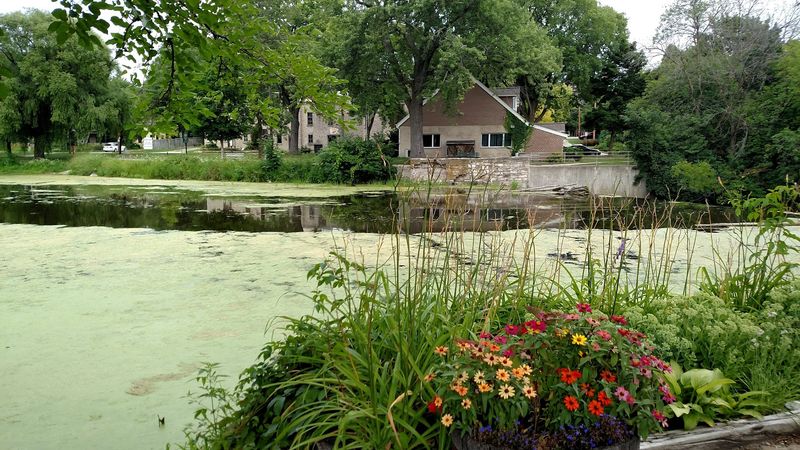
Just north of downtown, a covered bridge spans Cedar Creek in a wooded area that feels removed from the town proper despite sitting less than a mile from Washington Avenue. Built in 1876, the bridge served as a functional crossing for rural traffic until the mid-20th century, its roof protecting the wooden deck and support timbers from weather that would have rotted an exposed structure within decades.
The bridge measures over 120 feet in length, making it one of Wisconsin’s last remaining covered bridges and certainly its most accessible.
The structure underwent restoration in recent years, replacing deteriorated timbers while preserving original construction techniques. You can walk through the bridge today, though vehicle traffic no longer crosses it, and the interior shows the hand-hewn beams and wooden pegs that hold the framework together.
The location remains quiet most days, with only occasional visitors making the short trip from downtown.
The covered bridge sits within a small park with picnic areas and creek access.
The Old Cedarburg Woolen Mill Turned Cultural Center
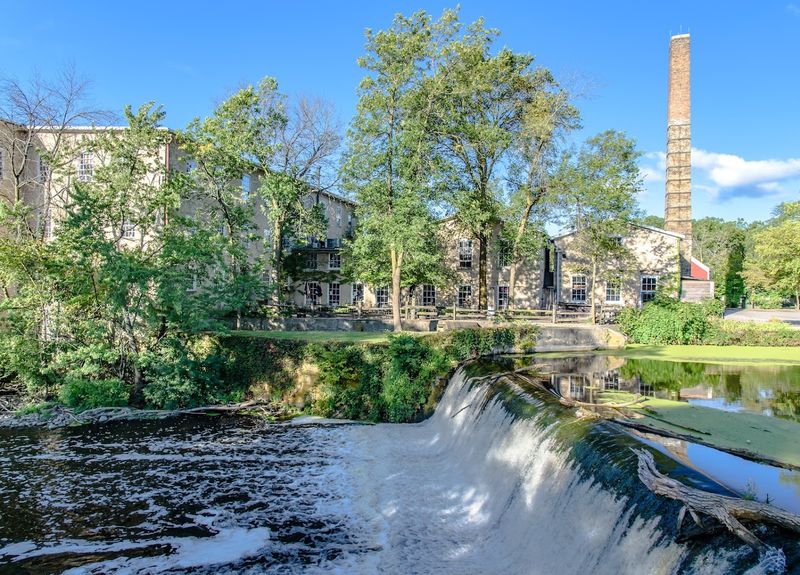
The five-story stone woolen mill anchors the south end of downtown, its massive limestone walls rising directly from the creek bank where water once powered its machinery. Constructed in 1864, the mill produced woolen goods for nearly a century before closing in 1968, and the building sat vacant for years until developers recognized its potential as something beyond industrial space.
Today it functions as a mixed-use complex housing shops, restaurants, and artist studios, with the original timber beams and stone walls preserved throughout.
Conversion work maintained the mill’s industrial character rather than concealing it. Exposed brick, worn wooden floors, and visible structural elements remind visitors of the building’s manufacturing past.
The interior spans multiple levels connected by staircases that follow the original layout, creating a maze-like quality that rewards exploration. Several businesses occupy spaces once devoted to carding wool or operating looms.
The mill complex includes outdoor areas along the creek where visitors can sit and watch the water that once turned the mill wheel.
The Cedar Creek Winery In A Restored Historic Building
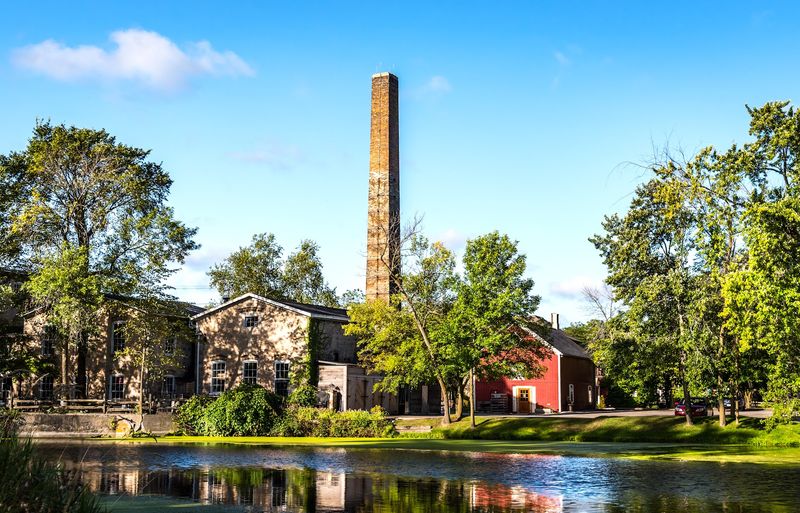
Cedar Creek Winery operates from a restored stone building that predates the Civil War, its thick limestone walls providing natural temperature regulation that benefits wine storage and aging. The winery has occupied this space since the 1970s, making it one of Wisconsin’s pioneer wineries and certainly one of the few producing wine in a genuinely historic structure.
The tasting room occupies the ground floor, where exposed stone walls and wooden ceiling beams create an atmosphere that feels more European than Midwestern.
The winery focuses on cold-climate varietals and fruit wines suited to Wisconsin’s growing conditions, offering tastings that educate visitors about regional wine production. Staff members discuss the challenges and advantages of making wine this far north, where winter temperatures can drop below zero and growing seasons remain shorter than traditional wine regions.
The selection includes both dry and sweet wines, with fruit wines made from local cherries and apples proving particularly popular.
The building sits along Cedar Creek at N70 W6340 Bridge Road, with outdoor seating areas overlooking the water during warmer months.
Popular Festivals Like Strawberry Festival And Wine & Harvest Festival
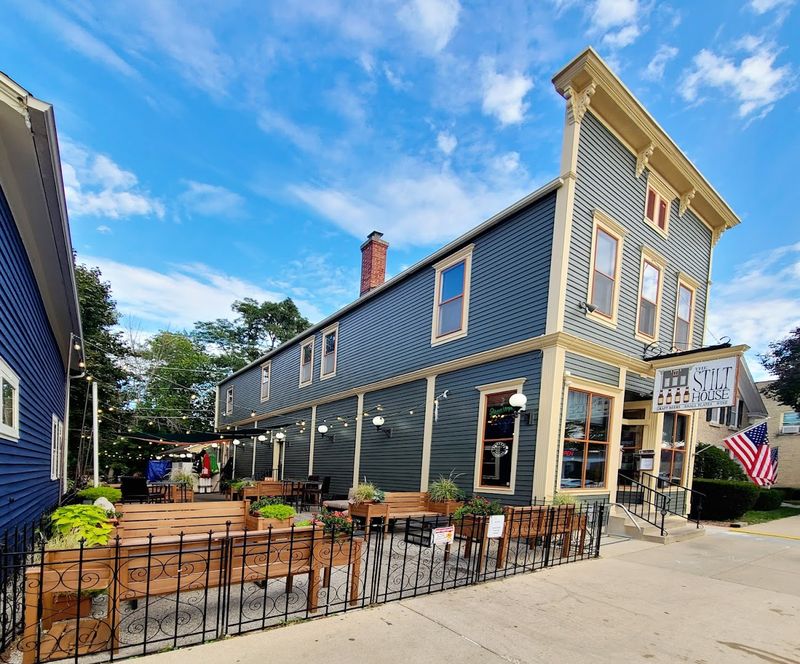
Cedarburg builds its annual calendar around festivals that draw thousands of visitors to Washington Avenue and surrounding streets. The Strawberry Festival arrives in June, celebrating the berry harvest with vendor booths, live music, and strawberry-themed foods that range from traditional shortcake to more creative preparations.
Wine & Harvest Festival follows in September, featuring Wisconsin wineries alongside arts and crafts vendors, with attendance often exceeding fifty thousand people over a single weekend.
These events transform downtown into a pedestrian market that stretches for blocks, with Washington Avenue closed to vehicles and vendors filling every available space. The festivals maintain a community focus despite their size, with local organizations running food booths and Cedarburg residents volunteering for logistics and planning.
The scale can feel overwhelming during peak hours, but early morning visits offer a more manageable experience before crowds arrive.
Additional festivals mark other seasons, including a winter celebration and a summer art fair, ensuring that Cedarburg hosts major events throughout the year rather than concentrating them in a single season.
Art Galleries And Local Artisan Shops
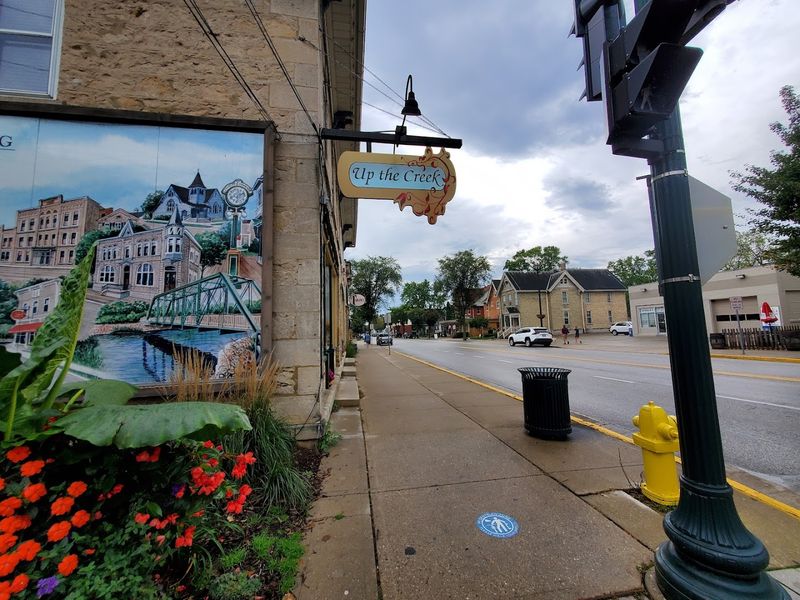
Art galleries occupy prominent positions along Washington Avenue and in the converted woolen mill, offering work that ranges from traditional landscape paintings to contemporary sculpture and mixed media. Several galleries represent regional artists exclusively, providing exposure for Wisconsin painters, potters, and craftspeople who might otherwise struggle to find exhibition space.
The quality varies as it does in any arts community, but serious collectors can find pieces worth acquiring among the tourist-oriented merchandise.
Artisan shops complement the galleries, selling handcrafted items that blur the line between art and functional craft. You encounter jewelry makers working in silver and semi-precious stones, woodworkers producing furniture with traditional joinery, fiber artists weaving textiles on floor looms.
Many of these artisans maintain studios in Cedarburg, and some welcome visitors to watch them work, explaining techniques and answering questions about their creative process.
The arts community hosts a studio tour each year, opening private workspaces to the public and offering insight into how artists sustain themselves in a small town outside a major metropolitan area.
Scenic Walking Paths Along Cedar Creek
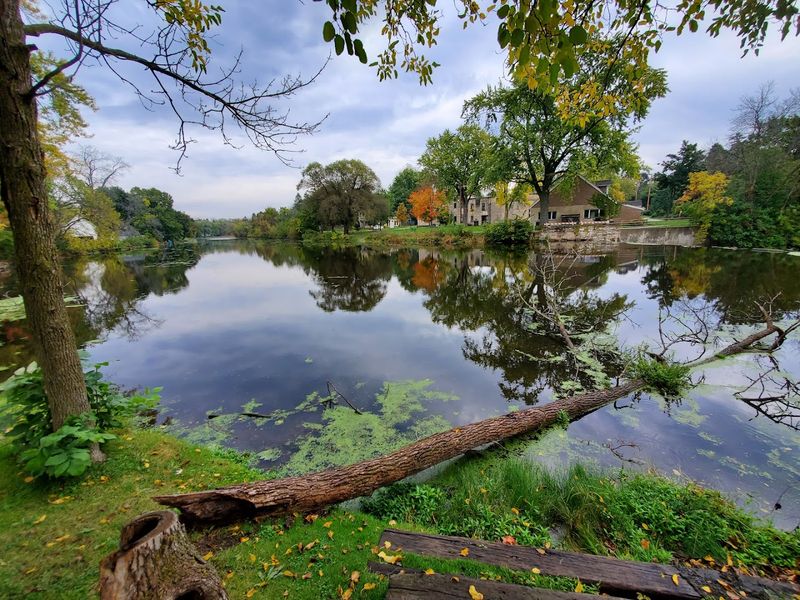
Paved and unpaved paths follow Cedar Creek through much of Cedarburg, creating a linear park system that connects downtown with residential neighborhoods and natural areas beyond the commercial district. The trails accommodate walkers, runners, and cyclists, with sections shaded by mature trees and others opening to views of the creek and surrounding landscape.
The paths provide access to the waterway without requiring visitors to navigate streets or private property, making it easy to spend an hour or more following the creek’s course.
Trail conditions vary by section, with some portions receiving regular maintenance and others showing signs of deferred upkeep. The most developed segments run through downtown and near the covered bridge, while outlying sections retain a more rustic character.
Benches appear at intervals, positioned to take advantage of particularly scenic views or shaded spots suitable for resting.
The creek paths attract local residents for daily exercise, creating opportunities to observe how Cedarburg residents actually use their town beyond the tourist-focused downtown area.
A Cozy Small-Town Atmosphere Just Outside Milwaukee
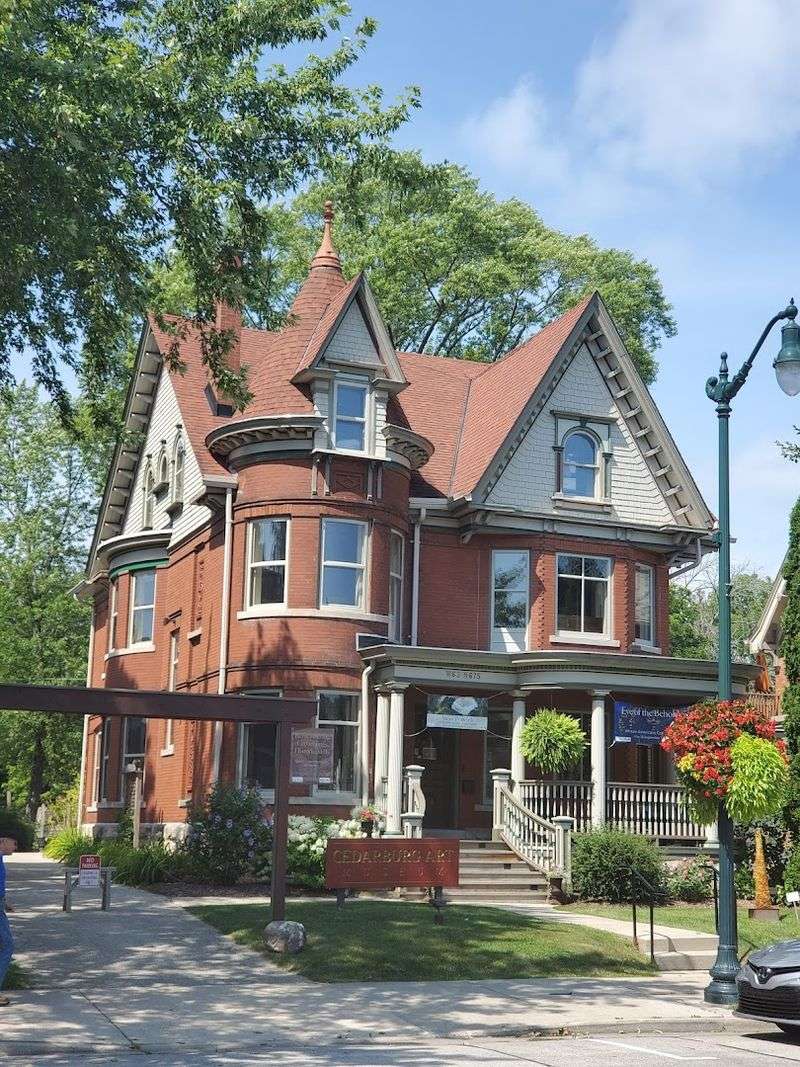
Cedarburg maintains a distinct identity despite its proximity to Milwaukee’s sprawling metropolitan area. The town population hovers around twelve thousand, large enough to support a genuine commercial district but small enough that regulars recognize each other at local businesses and community events.
Interstate 43 runs just east of town, making Cedarburg accessible without subjecting it to the visual pollution of highway-oriented development that degrades so many American towns.
The atmosphere here reflects deliberate choices made over decades to preserve historic character rather than pursue growth at any cost. Zoning protects downtown architecture, chain restaurants remain scarce, and new construction generally respects the scale and materials of existing buildings.
This restraint has created a town that feels authentic rather than manufactured, where preservation serves current residents as much as it attracts tourists.
The combination of historic integrity, cultural amenities, and proximity to Milwaukee makes Cedarburg appealing both as a day trip destination and as a place to live for those seeking small-town character within commuting distance of urban employment.