
This Magical Wisconsin Hike Hides A Mysterious Abandoned Train Tunnel At The End
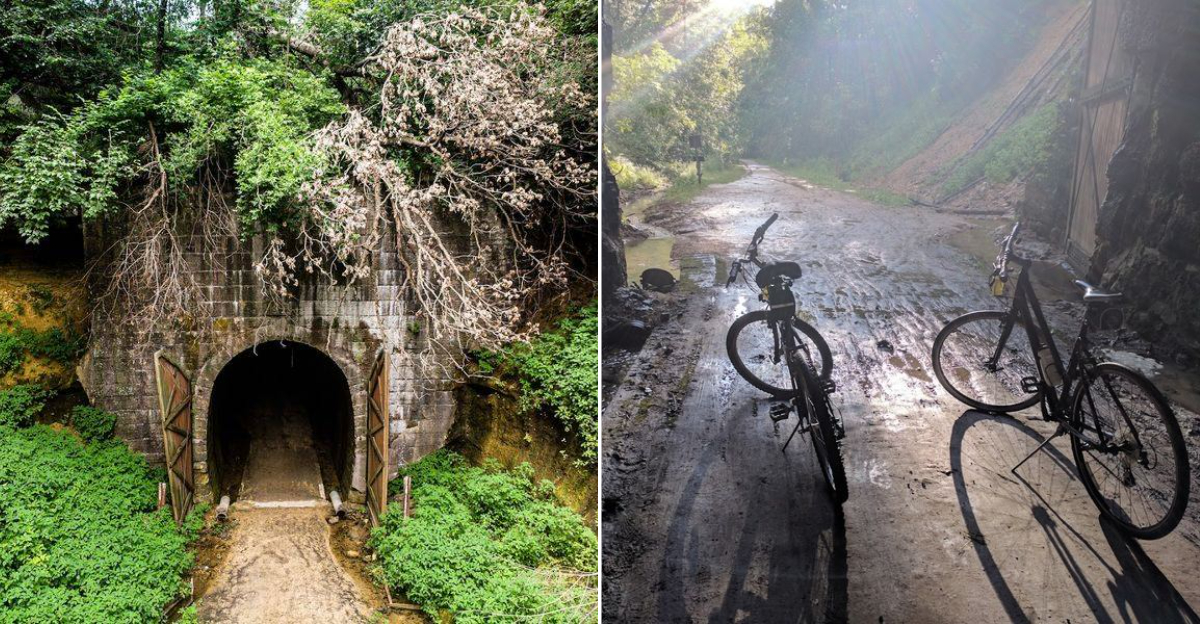
Most hikes give you a nice view and send you back to the parking lot. This one builds curiosity with every step, then ends with something far more unexpected.
The trail starts out scenic and peaceful, but the real payoff comes when the landscape shifts and the adventure takes on a different kind of energy.
What waits at the end is not just unusual, it is the kind of sight that makes people stop, stare, and immediately start telling others about it.
There is something irresistible about a hike that feels like it is hiding a secret, especially when that secret is an abandoned train tunnel with a story of its own. In Wisconsin, that mix of natural beauty and eerie history is a big reason this trail keeps sticking in people’s minds.
If you are looking for an outing that feels a little different from the usual walk in the woods, this one is worth a closer look.
The Old Railroad Line That Became A Trail
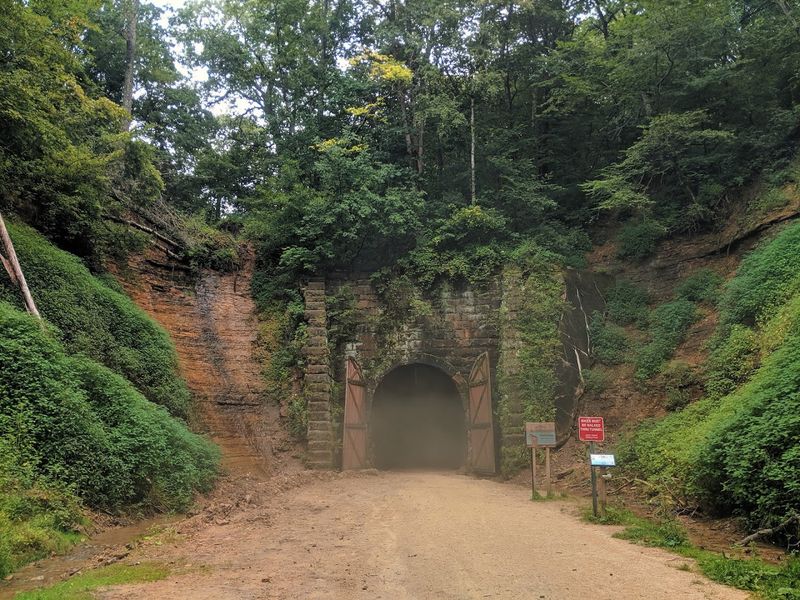
Before it was a trail, it was a working railroad. The Elroy-Sparta State Trail in Wisconsin follows the old Chicago and North Western Railway corridor.
For decades, that line carried freight and passengers across the state.
When the railroad shut down in the 1960s, the tracks were removed and the land was repurposed into something the public could actually enjoy.
This trail became one of the first rail-to-trail conversions in the entire United States. That is not a small distinction.
It helped pave the way for hundreds of similar projects across the country.
The idea was simple: take an old, unused rail corridor and turn it into a path people can walk, bike, or just explore.
The trail runs for 32 miles total, connecting the small towns of Elroy and Sparta. You will pass through quiet villages, open farmland, and wooded stretches that feel like they belong in a different era.
The surface is crushed limestone, which makes it manageable for most fitness levels.
You do not need to be an athlete to enjoy this trail. You just need a little curiosity and a willingness to see where the path takes you.
Why The Three Tunnels Leave Such A Lasting Impression
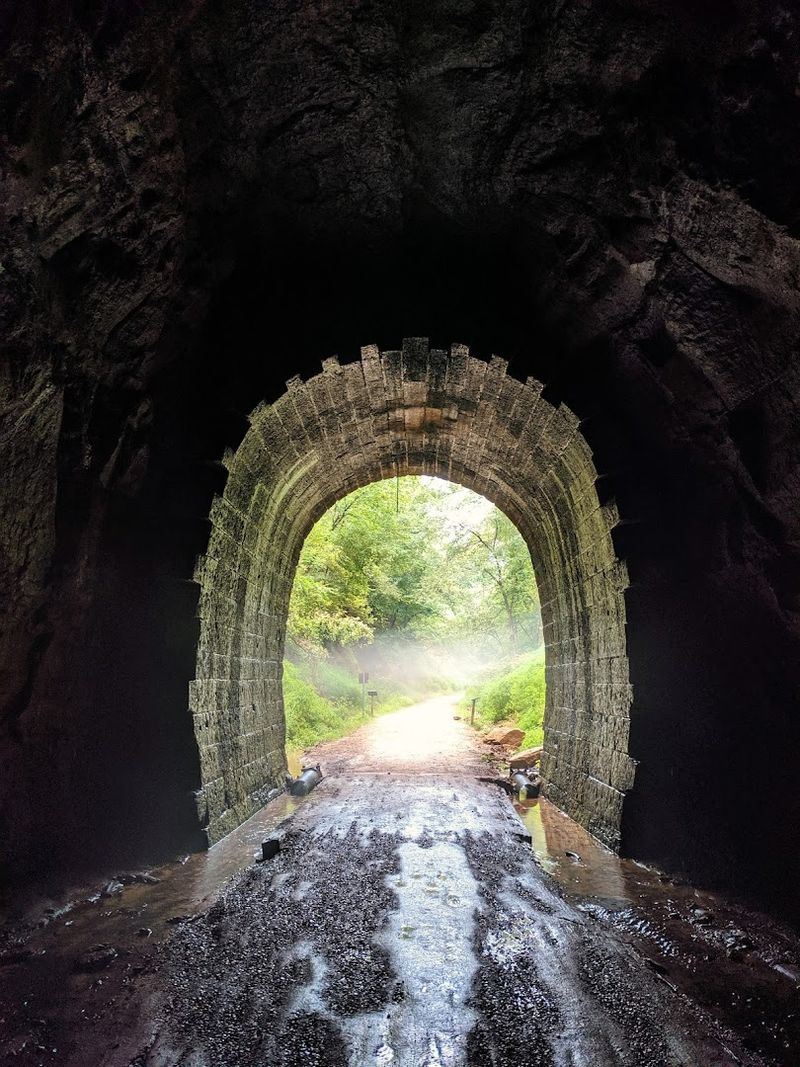
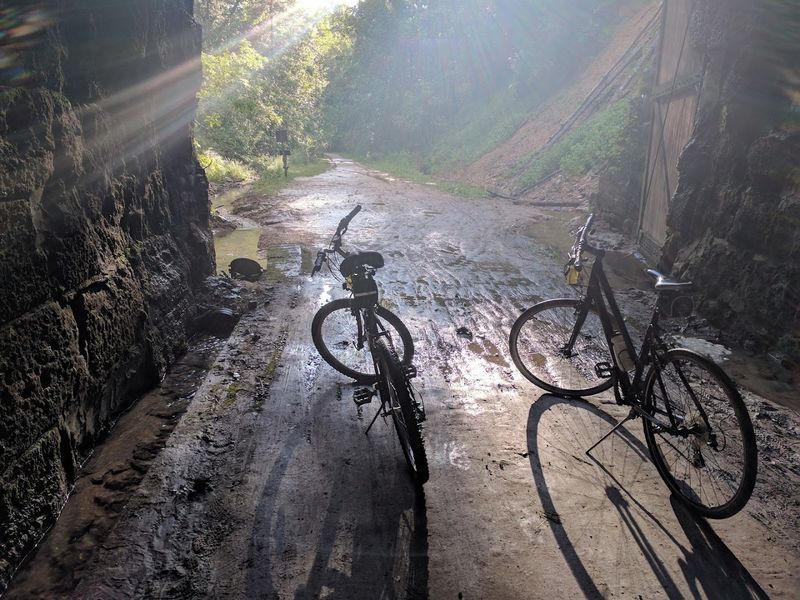
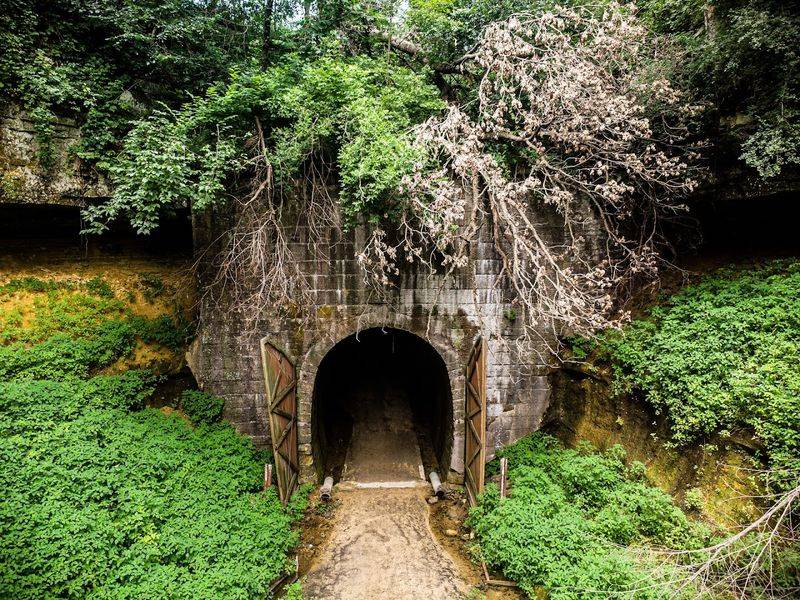
Three tunnels are cut right through the rock along this trail. Each one was originally built for the railroad, and each one has been preserved for trail users to walk or ride through today.
They are not decorative. They are real, raw, and genuinely impressive when you stand in front of one for the first time.
The tunnels range in length. The shortest is around 400 feet, and the longest stretches nearly 1,800 feet.
That longest one, Tunnel No. 3, is the one people talk about most. Inside, it is completely dark.
You cannot see your hand in front of your face without a flashlight or a bike light. The air is cool and damp, and the walls drip with water that has seeped through the rock above.
Walking through feels unlike anything you will find on a typical nature trail. The stone walls are close. The ceiling is arched above you. Sounds echo in strange ways.
You come out the other end into bright daylight, and there is a real sense of relief mixed with excitement.
Trail rules require all users to carry a light source before entering. Do not skip that step.
Going in without one is not just uncomfortable, it is genuinely disorienting in a way that catches people off guard.
Breaking Down The Route Step By Step
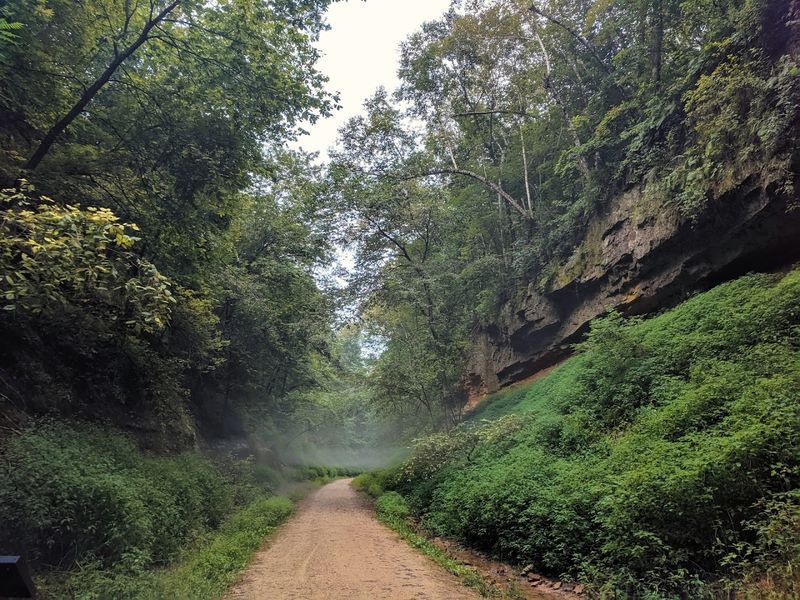
You can start the trail from either end, Elroy or Sparta, and head in either direction. Most people begin in Sparta because the town has good parking and a well-maintained trailhead.
The Wisconsin town of Sparta even calls itself the Bicycling Capital of America, which gives you a sense of how seriously the area takes this trail.
From Sparta heading east, the first few miles feel open and relaxed. The terrain is relatively flat, which is one of the advantages of a rail-to-trail conversion.
Railroads were built on gentle grades, and that carries over to the trail experience.
You are not climbing steep hills. You are moving at a steady, manageable pace through countryside that changes gradually.
As you move further along, the landscape shifts. Trees close in on both sides.
You pass through the village of Kendall and later through Wilton. Each village has a small rest area where you can stop, use restrooms, and refill water.
The trail is well-marked and easy to follow.
Around the midpoint, you start to feel the anticipation build. The tunnels are ahead, and the trail gives you just enough buildup to make reaching them feel earned.
The full 32-mile route is a solid day trip if you plan your stops wisely.
The Moment The Hike Turns Mysterious
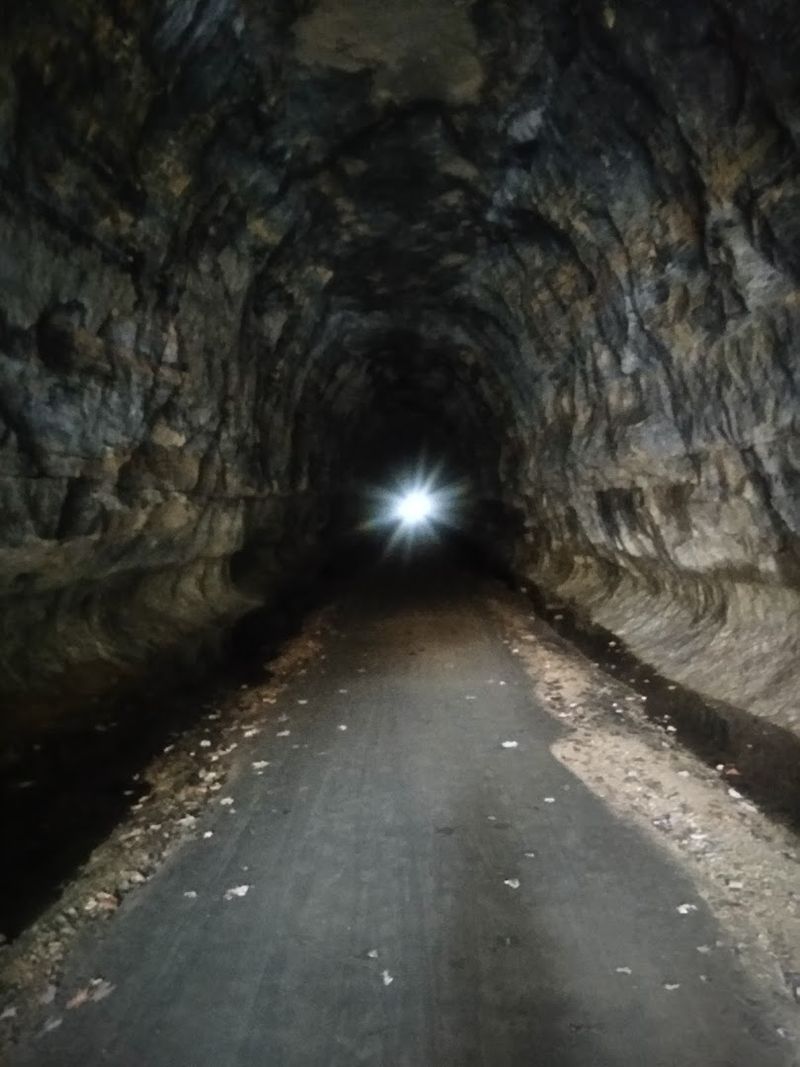
Tunnel No. 3 is the longest and the most talked-about section of the entire Elroy-Sparta State Trail. It measures approximately 1,780 feet, which means you spend a good few minutes inside it even at a brisk walking pace.
That might not sound like much until you are standing in darkness with cold water dripping from above and your footsteps echoing off the stone walls.
The tunnel was originally built in 1873 for the railroad. It was hand-drilled through solid rock by workers using tools that were basic by today’s standards.
The effort it took to build it is hard to imagine now. What they left behind has lasted well over a century and is still structurally sound enough for trail users today.
You enter through a stone arch that frames the opening beautifully. Once inside, any light from the entrance disappears within the first hundred feet or so.
The temperature drops noticeably, sometimes by 20 degrees compared to outside.
Bats roost inside during certain times of year, so you might hear them moving above you. The exit light at the far end becomes your focal point and grows slowly as you move toward it.
Coming out into the open air after that passage is one of those trail moments you genuinely remember for years.
What Makes The Journey Just As Rewarding
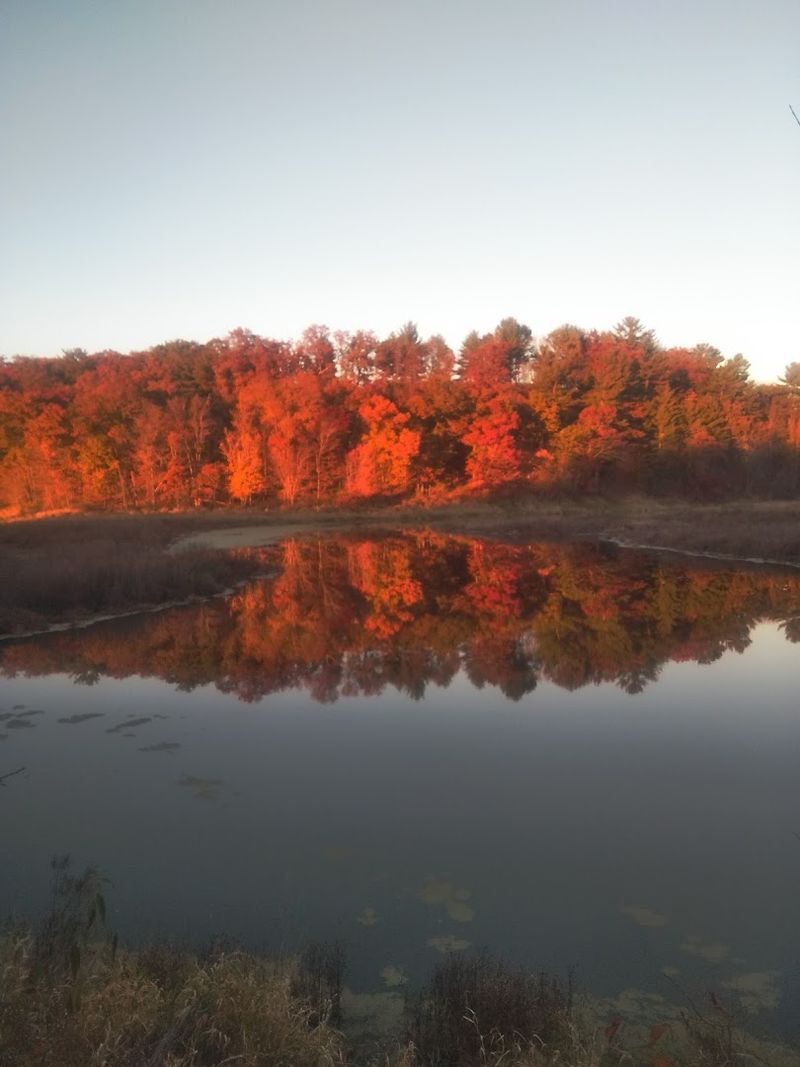
The trail does not just deliver tunnels. Between those stone passages, you move through a stretch of Wisconsin that feels genuinely quiet and unhurried.
Farmland spreads out on both sides in some sections. Wooded corridors take over in others.
The variety keeps the experience from feeling repetitive, even on a long ride.
White-tailed deer are common sightings, especially in the early morning or late afternoon. Wild turkeys cross the path without much concern for trail users.
Hawks circle overhead in open sections. Wildflowers grow along the edges in summer, and the fall color on this trail is worth mentioning on its own.
The trees along the corridor turn in waves of orange, red, and gold that make the crushed limestone path look almost cinematic by comparison.
Water features appear in a few spots as well. Small creeks run alongside or beneath the trail in certain areas, and you can hear them even when you cannot see them.
The sounds of the trail shift depending on the season and the time of day.
Spring brings bird activity that is almost constant. Summer feels lush and shaded.
Fall is crisp and colorful. Winter officially closes the trail, but the other three seasons each offer something different and worth experiencing on their own terms.
A Few Tips Before You Hit The Trail
The trail address most people use to navigate to the Sparta trailhead is located in Wisconsin 54656, which places you at the western end of the trail in Sparta. Parking is available and the trailhead is easy to find.
Trail passes are required for users 16 and older, and they can be purchased at self-pay stations at most trailheads and rest areas along the route.
The trail is open from mid-May through mid-November, generally. Exact opening and closing dates can shift depending on conditions, so checking ahead with the Wisconsin Department of Natural Resources before your trip is a smart move.
Restrooms are available at each of the four main trailhead locations: Sparta, Norwalk, Wilton, Kendall, and Elroy.
Bicycles are the most popular way to travel the trail, but you can walk it as well. Bringing a flashlight or bike light is not optional if you plan to go through any of the tunnels.
The requirement is enforced, and for good reason.
Comfortable shoes or bike gear, sunscreen for open sections, and a small water supply will cover your basic needs. The trail is not technical or demanding, but 32 miles is still a full day for most people.
Planning where you will stop for breaks makes the whole experience more enjoyable.
The Small Towns Along The Trail Are Worth Your Time
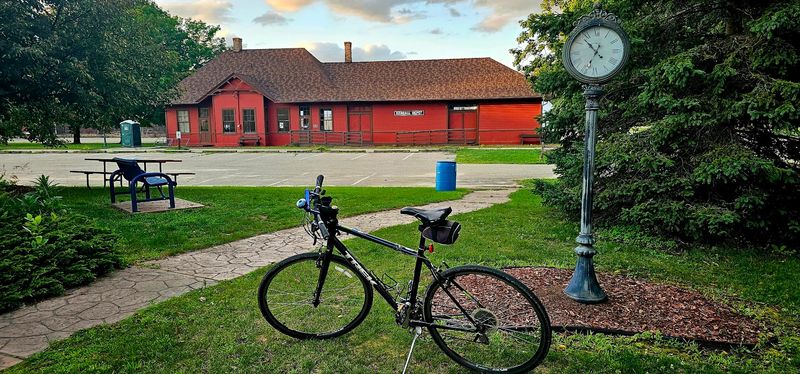
The towns strung along the Elroy-Sparta State Trail are small, but they add real character to the experience. Sparta, Norwalk, Wilton, Kendall, and Elroy each have their own personality and their own small cluster of services for trail users.
Stopping in them is not just practical. It is part of what makes this trail feel like a journey rather than just a workout.
Kendall is roughly in the middle of the trail and makes a natural stopping point. The village has a rest area with covered picnic tables and restrooms, and local businesses occasionally cater to cyclists passing through.
Elroy, at the eastern end, has a charming small-town feel with a historic downtown that reflects the railroad era the trail commemorates.
Sparta leans into its cycling identity more than the others. You will find bike rental shops, restaurants comfortable with trail traffic, and a general atmosphere that welcomes people arriving sweaty and tired from a long ride.
The local community has built its identity around the trail in a way that feels genuine rather than forced. Spending a little time in one of these towns before or after your ride gives you a better feel for the region and the people who have lived near this trail for decades.
The Kind Of Trail You Will Talk About Later
Not every trail leaves a lasting impression. Most are pleasant enough but forgettable within a few weeks.
The Elroy-Sparta State Trail is different, and the reason comes down to that combination of history, landscape, and those tunnels.
Very few places in the Midwest give you the chance to ride or walk through a 150-year-old hand-drilled railroad tunnel in the middle of a nature trail.
The trail also holds a real place in American outdoor recreation history. As one of the first rail-to-trail conversions in the country, it helped prove that old infrastructure could become meaningful public space.
That legacy is still visible in how well the trail is maintained and how seriously the surrounding Wisconsin communities take their role in supporting it.
You do not need to be a hardcore cyclist to get something meaningful out of this experience. Families with older kids, casual hikers, and history lovers all find something to connect with here.
The tunnels bring a sense of mystery that is hard to manufacture. They are old, they are real, and they are right there waiting at the end of the path.
Few trails in the Midwest deliver that kind of payoff.
If you have been looking for a reason to head to this part of Wisconsin, this trail is more than enough of one.