
This Wisconsin Roadside Market Is All About Fresh, Local Farm Produce
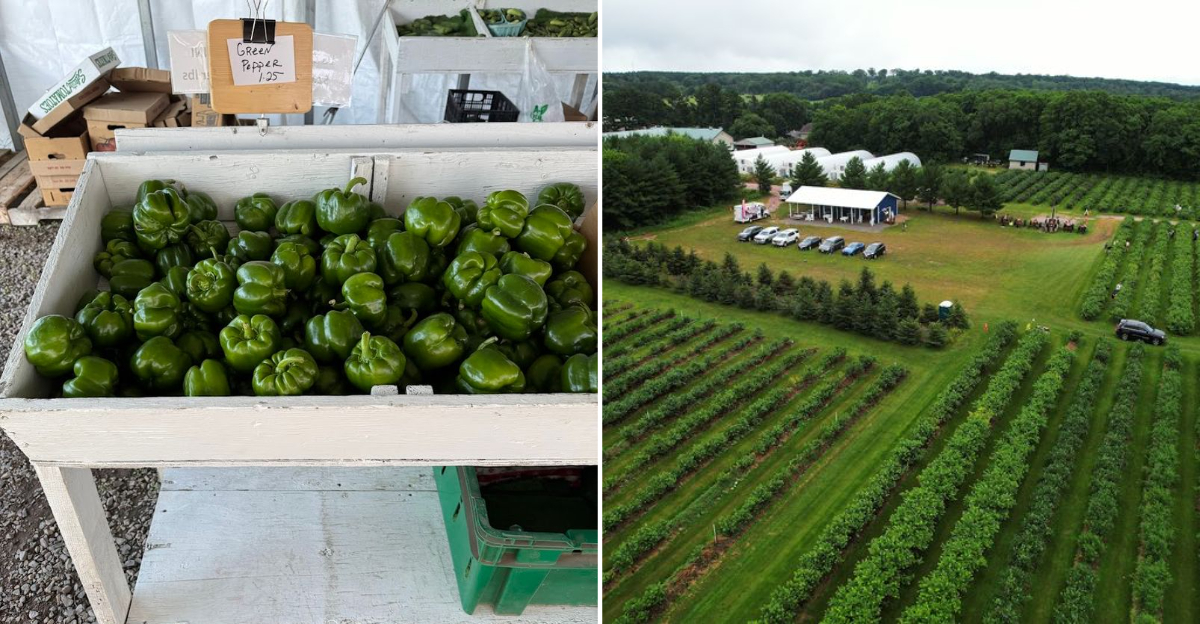
When you see a roadside stand selling fruit and vegetables, you know they were in the garden just yesterday. That is the biggest advantage of these stands: the food is not frozen like in supermarkets.
It is fresh, seasonal, and picked at the peak of ripeness, often still carrying the taste of the soil it grew in.
In places like Wisconsin, this tradition is part of everyday life. Farmers set up simple wooden stalls along rural roads, selling what they grew just a few miles away.
It feels more personal than shopping in a store, almost like buying directly from the land itself.
Each stop becomes a small reminder of how simple food can still taste the best when it comes straight from the source, especially in the summer months along scenic country roads.
Introduction To Traditional Markets
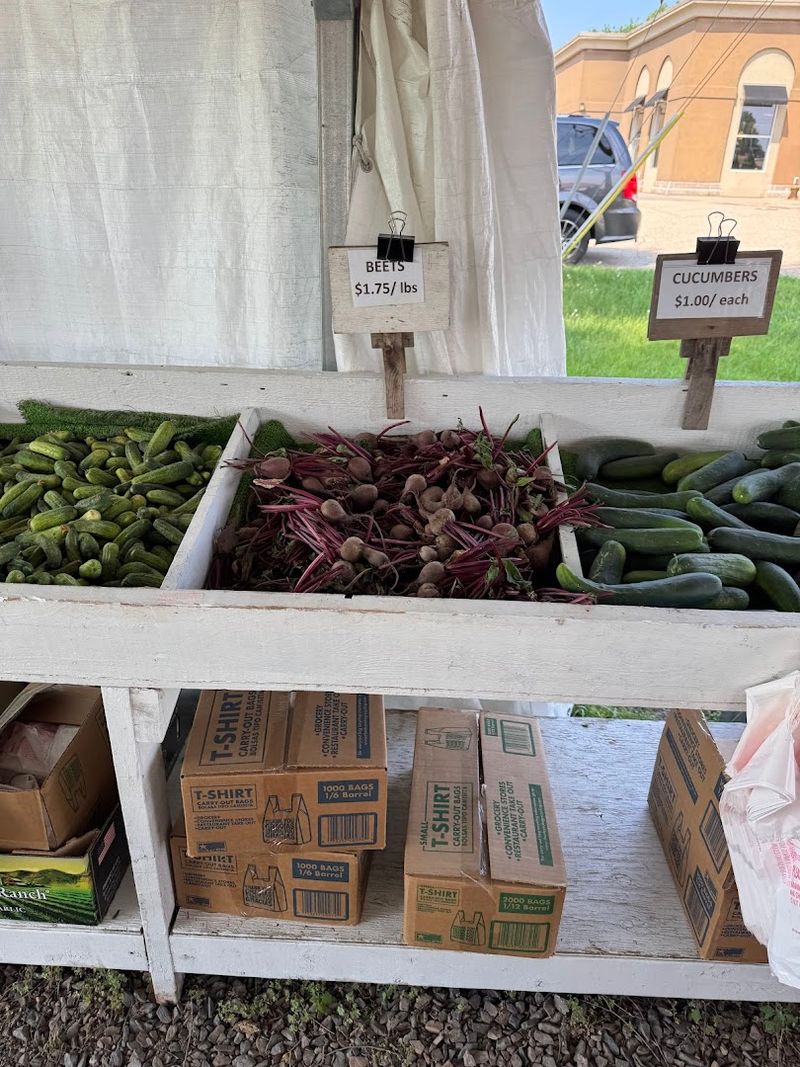
This spot on Cottonville Ave in Coloma is the real deal when it comes to old-school farm markets. No fluorescent lights, no plastic-wrapped mystery produce.
Just rows of fresh vegetables and fruit sitting right where the land meets the road.
Traditional markets like Flyte Family Farm have been part of American rural life for generations. Farmers would load up wagons or set up simple stands to sell what they grew.
The transaction was honest and direct. You knew who grew your food and where the field was.
What makes Flyte Family Farm stand out is how it holds onto that tradition without trying to modernize it into something unrecognizable. The setup feels familiar in the best way.
You show up, you see what is in season, and you take home something real.
Markets like this build a connection between people and their food that grocery stores simply cannot replicate. There is no guessing game about freshness here.
You can find Flyte Family Farm at W13450 Cottonville Ave, Coloma, WI 54930. It is ready to show you what a traditional market actually looks like.
Benefits Of Buying Fresh Local Produce
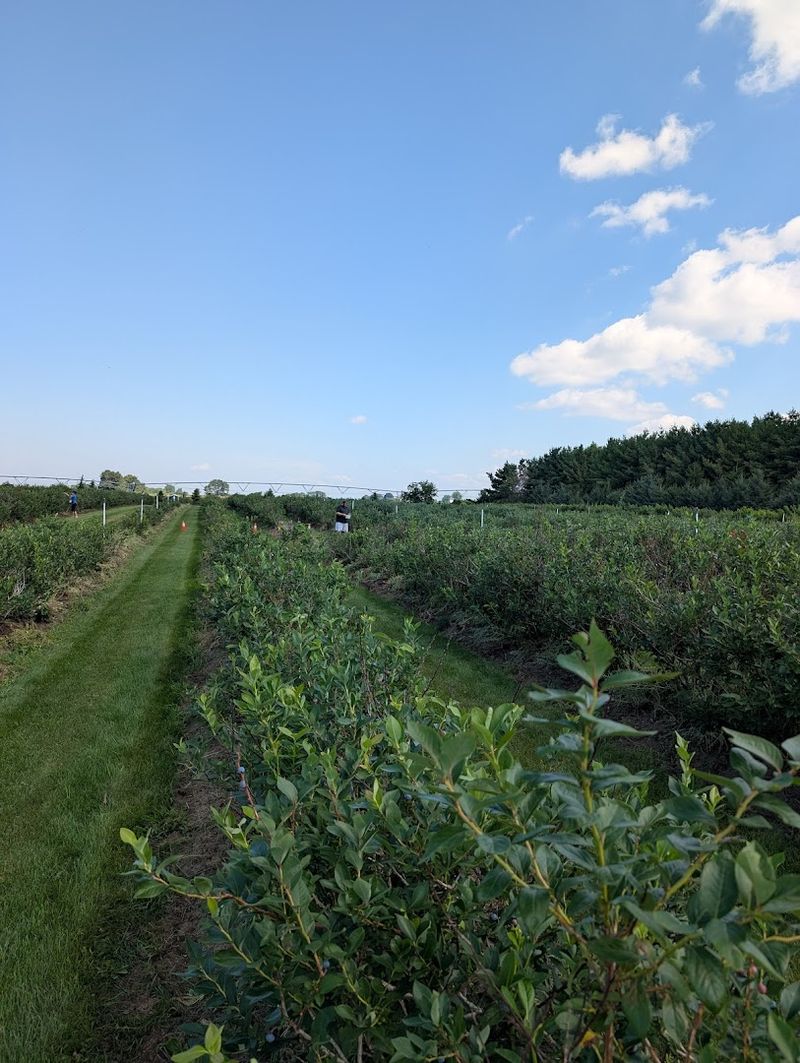
Buying fresh local produce is one of those decisions that rewards you immediately and repeatedly. The moment you taste a tomato from Flyte Family Farm versus one that traveled 1,500 miles in a refrigerated truck.
The difference is almost embarrassing.
Local produce is harvested closer to peak ripeness, which means more flavor and more nutrients. Grocery store produce is often picked early to survive long shipping times.
By the time it reaches your kitchen, a good chunk of its nutritional value has already faded.
Shopping at a farm market also keeps your money circulating in the local economy. When you buy from Flyte Family Farm, you are supporting a Wisconsin family directly.
That dollar does not disappear into a corporate chain. It goes back into the farm, the community, and eventually the land itself.
There is also the practical side. Fresh local produce simply lasts longer once you bring it home because it has not been sitting in transit for days.
You waste less, spend smarter, and eat better. Honestly, once you make the switch to buying locally grown food, going back to the grocery store aisle feels like a downgrade you did not ask for.
Seasonal Crops Available Throughout The Year
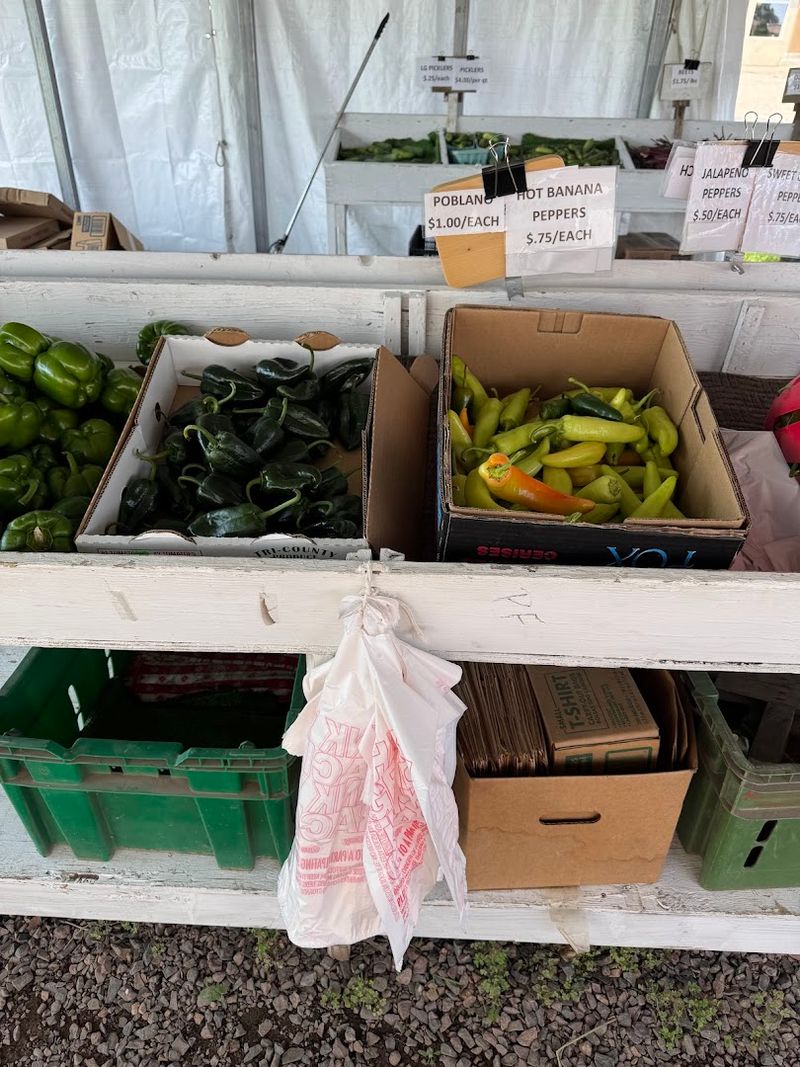
One of the most exciting things about visiting Flyte Family Farm is watching the inventory change with the seasons. Spring brings tender greens and early radishes.
Summer is where things really explode with sweet corn, cucumbers, tomatoes, and zucchini taking over every surface.
Fall at the farm is a whole different energy. Pumpkins, winter squash, and root vegetables show up in force.
The air gets crisp, and the colors on the stand shift to deep oranges and earthy browns. Suddenly, every recipe you have been ignoring all year starts sounding really good.
Wisconsin has a shorter growing season than states further south, but local farmers have mastered making the most of every week. Succession planting and smart crop rotation mean there is almost always something fresh available at the stand.
This holds during the warmer months.
Knowing what is in season also helps you cook more creatively. You stop planning meals around what you want and start planning around what is actually at its best right now.
That shift in thinking produces some of the best meals you will ever make. Seasonal eating is not a trend.
It is just how food used to work, and Flyte Family Farm is keeping that going.
How To Select Quality Fruits And Vegetables
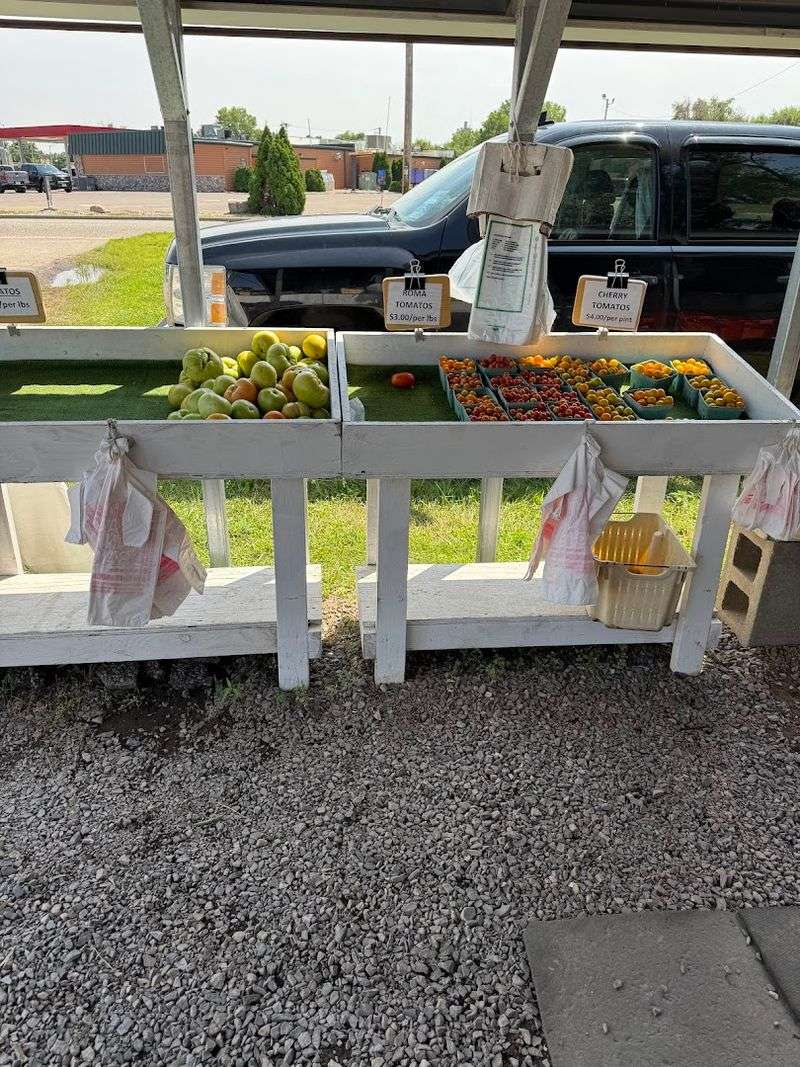
Picking the best produce at a farm market is a skill worth developing, and it is easier than most people think. At Flyte Family Farm, the produce is already miles ahead of what you find in a typical store.
Still, knowing what to look for makes the whole experience more rewarding.
For tomatoes, look for deep, even color and a slight give when you press gently. A tomato that is rock hard was picked too early.
For sweet corn, peel back just a tiny bit of the husk and look for plump, tightly packed kernels. Dry or shriveled tips are a warning sign.
With leafy greens, crisp and vibrant wins every time. Wilting or yellowing edges mean the greens are past their prime.
Root vegetables like carrots and beets should feel firm and heavy, not spongy or light.
The smell test is underrated. A ripe cantaloupe or peach should smell like itself before you even cut it open.
If there is no scent, there will not be much flavor either. At a farm market like Flyte Family Farm, the produce turnover is fast, and the quality is consistent.
Trusting your senses here actually works, unlike in a fluorescent-lit supermarket where everything smells like refrigerated air.
The Role Of Markets In Community Support
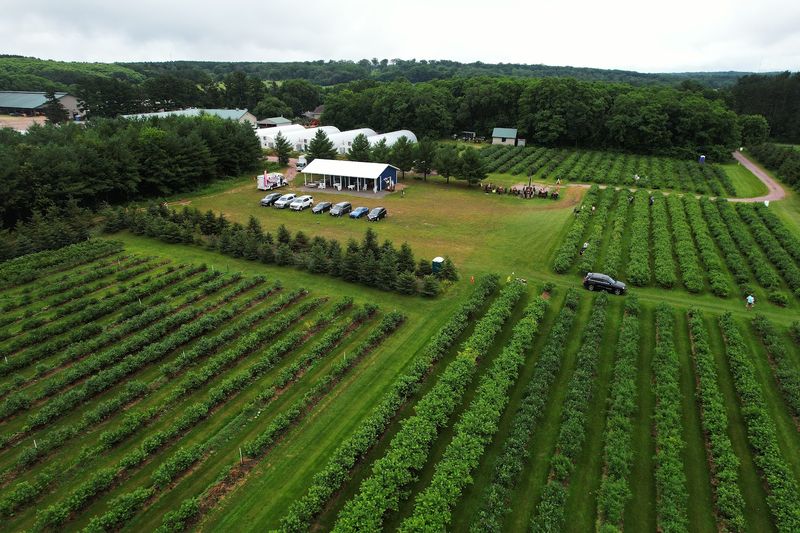
Farm markets are not just about food. They are one of the few places left where a community actually shows up in person and connects face-to-face.
Flyte Family Farm in Coloma plays that role for the surrounding area in a way that a big box store never could.
When you buy from a local farm, you are helping a family pay their mortgage and keep their land. You are also helping them continue feeding the people around them.
That is not a small thing. Small farms are disappearing at an alarming rate across the country.
Consumer choices directly influence whether they survive.
Markets also create informal gathering spaces. You run into neighbors, swap recipe ideas, and hear about what else is happening in town.
There is a social fabric that gets woven at these stands that you simply cannot replicate online or in a chain grocery store.
For kids growing up in rural Wisconsin, seeing a working farm builds an understanding of where food actually comes from. They also get the chance to talk to the people who run it.
That knowledge sticks. Flyte Family Farm is not just selling produce.
It is reinforcing a community identity rooted in hard work, shared values, and mutual support. This matters more now than it ever has.
Sustainable Farming Practices To Know
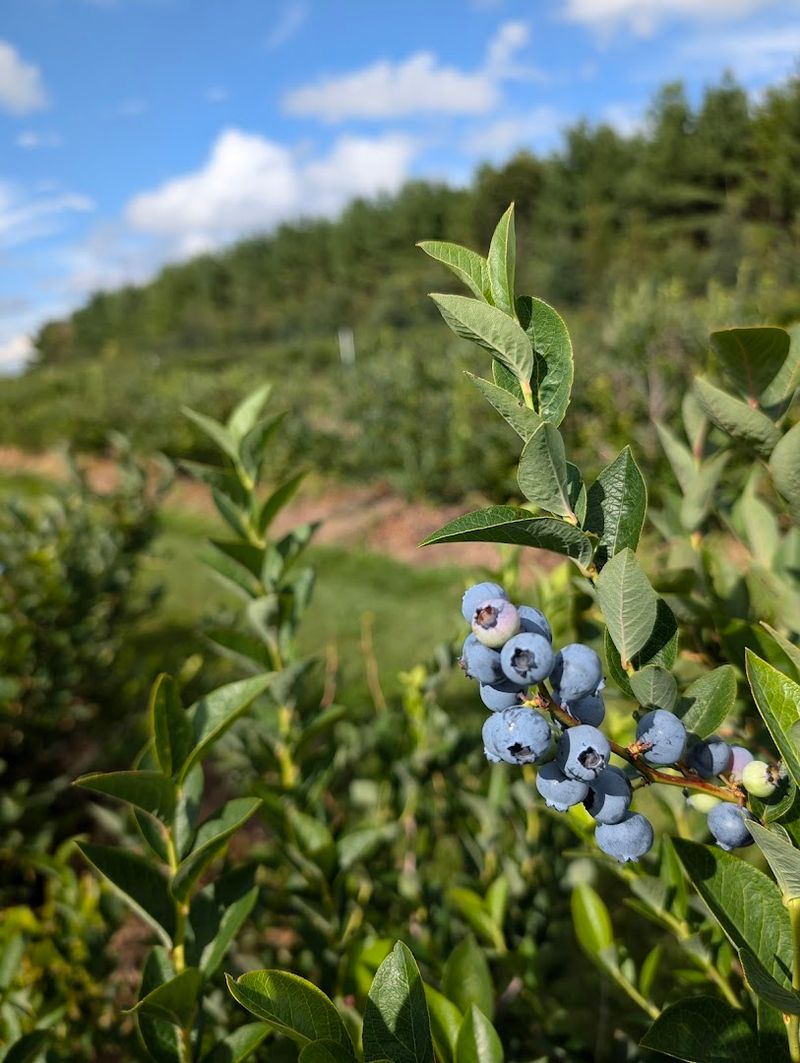
Sustainable farming is one of those phrases that gets thrown around a lot, but at a place like Flyte Family Farm, it actually means something concrete.
Farming sustainably means taking care of the land so it can keep producing for decades, not just squeezing it for one profitable season.
Crop rotation is one of the most practical tools in a sustainable farmer’s kit. By alternating what grows in each field, farmers prevent soil depletion and naturally reduce pest problems.
It is old knowledge that works better than it sounds.
Reducing chemical inputs is another key practice. Local farms that sell directly to consumers have a strong incentive to keep their produce clean.
They know their customers personally. Nobody wants to hand a neighbor a vegetable they would not feed their own family.
Water management also plays a huge role. Efficient irrigation systems and cover crops help retain soil moisture and prevent erosion.
Wisconsin’s landscape is rich and productive, but it requires stewardship to stay that way. When you buy from Flyte Family Farm, you are indirectly supporting these practices.
Your purchase signals that there is a market for responsibly grown food. This encourages farmers to continue the hard, unglamorous work that keeps the land healthy for future generations.
Recipes Using Fresh Produce
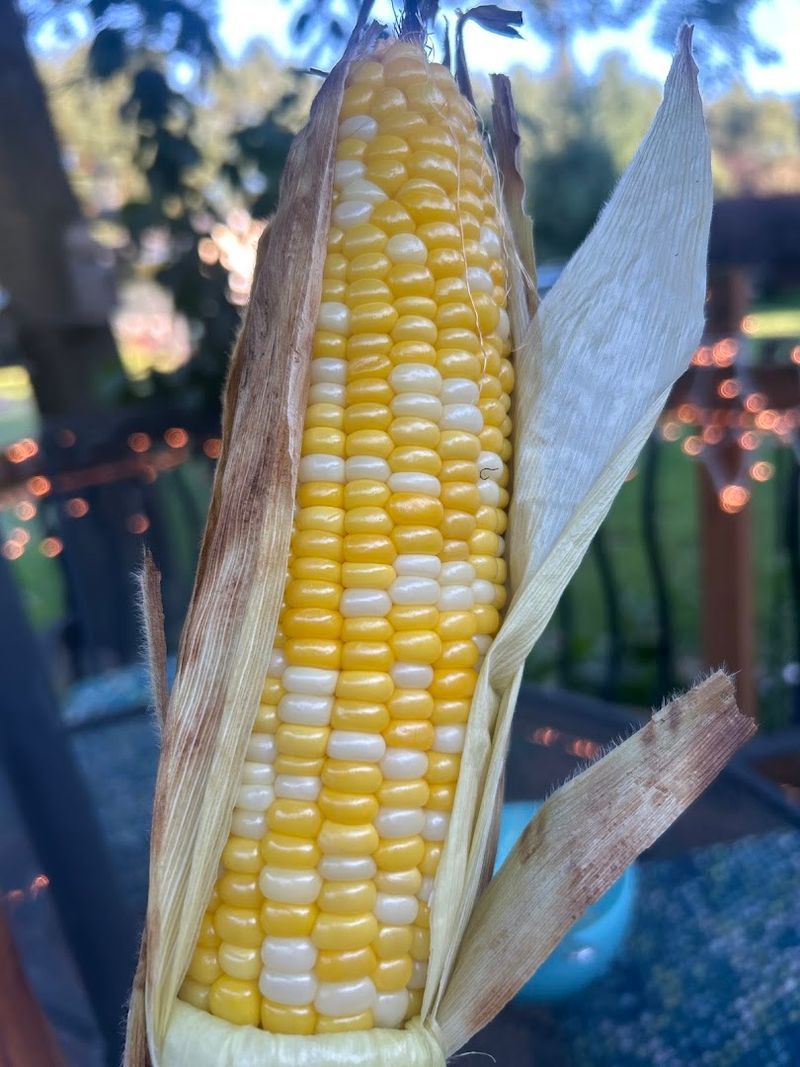
Fresh produce from Flyte Family Farm does not need much help to taste incredible. The best recipes for farm-fresh vegetables are usually the simplest ones.
A skillet of sweet corn cut off the cob, cooked in butter with a little salt and black pepper, is basically a religious experience.
Zucchini from a farm stand is nothing like the watery, oversized version you find in grocery stores. Slice it thin, toss it in olive oil and garlic, and roast it at high heat until the edges get a little crispy.
That is a side dish that disappears fast.
Tomatoes at peak ripeness need almost nothing. Thick slices with good salt, fresh basil, and a drizzle of olive oil.
Done. That combination is so good it almost feels like cheating at cooking.
For a heartier option, grab whatever is at the stand and make a simple vegetable soup. Dice everything, saute it in a pot with onion and broth, and let it simmer for thirty minutes.
Fresh produce makes soup taste layered and complex without any extra effort. The vegetables do the heavy lifting because they were grown right and harvested at the right time.
That is the secret ingredient no grocery store can bottle.
Planning A Visit To The Market
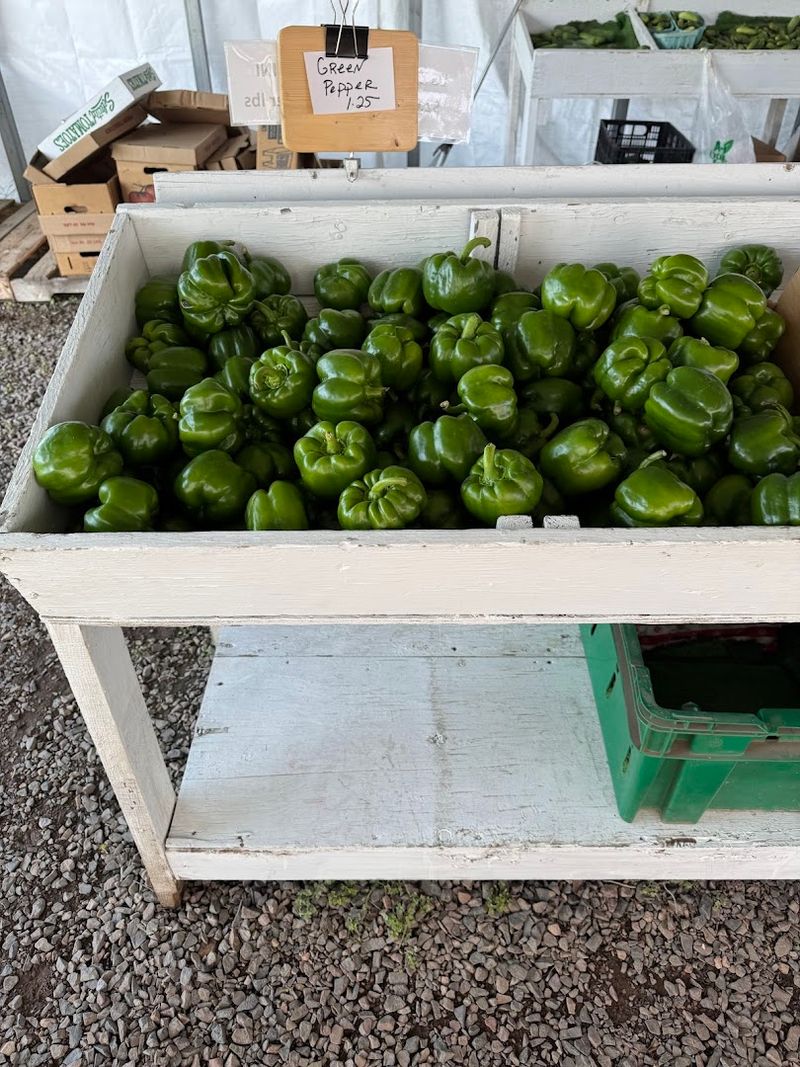
Planning a trip to Flyte Family Farm is genuinely low-effort, which is part of its appeal. You do not need a reservation, a timed entry, or a special membership.
You just show up and see what the farm has ready that day.
Timing matters a little. Mid-morning on a weekday tends to be quieter, and the selection is usually freshest right after a harvest.
Summer weekends can draw a crowd because word has gotten around that this is the real deal. Arriving early means better picks.
Bring cash if you can. Farm stands often prefer it, and it keeps the transaction simple and fast.
Bring a cooler too, especially in summer, so your produce stays fresh on the drive home.
Coloma sits in Waushara County, which is an easy drive from central Wisconsin. The surrounding area is beautiful, especially in late summer when everything is green and full.
Make a day of it. Grab your produce, take a slow drive through the county roads, and appreciate the fact that Wisconsin still has places like this.
Flyte Family Farm is not a destination you hype up. It is one you quietly tell your friends about and hope they appreciate as much as you do.