
One Of Wisconsin’s Most Underrated State Parks Has 90-Foot Sand Dunes That Feel Almost Unreal
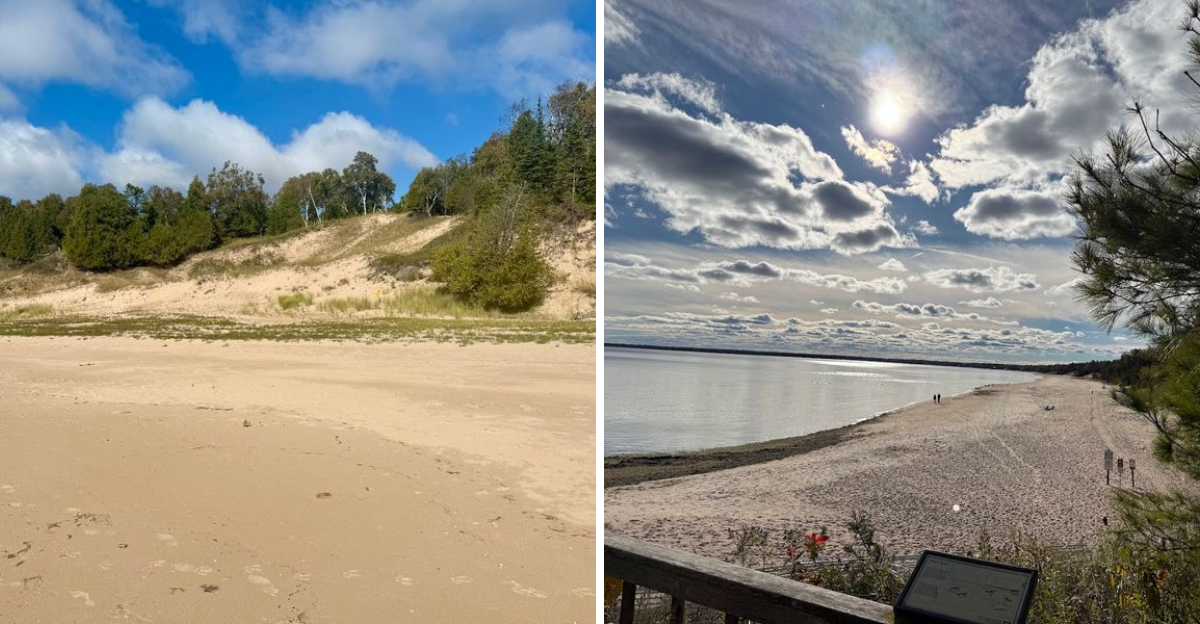
Most people think of ocean coastlines when they picture towering sand dunes, but Wisconsin holds a surprise that challenges that assumption. There is one state park located along the shores of Lake Michigan in Door County, that features massive dunes that climb nearly 90 feet into the sky and stretch across a landscape that feels more like the Sahara than the Midwest.
This remarkable park combines pristine beaches, rare ecosystems, and trails that wind through forests and over sand formations shaped by thousands of years of wind and water.
Wisconsin’s Tallest Sand Dunes Rise Nearly 90 Feet Above Lake Michigan
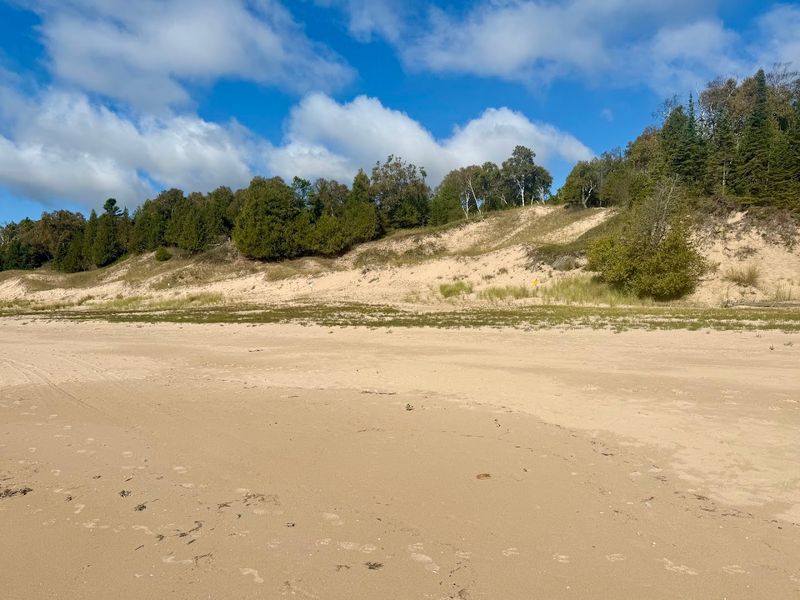
Old Baldy stands as the park’s most famous landmark, a sand mountain that reaches 93 feet above the lake and offers visitors a climb that rewards with panoramic views. The dune system here ranks among the tallest freshwater dune formations in the entire United States.
Climbing these giants takes effort, but the perspective from the top makes every step worthwhile.
Sand continues to shift and reshape these formations, creating an ever-changing landscape that never looks quite the same from one season to the next. The dunes formed over thousands of years as glaciers retreated and lake levels fluctuated.
Wind patterns from Lake Michigan continue to sculpt the sand, adding new layers to an ancient geological story.
Visitors who make the trek to the summit often describe the experience as surreal, with golden sand stretching in every direction and lake waters extending to the horizon. Located at 3275 Clark Lake Road in Sturgeon Bay, the park opens daily at 6 AM.
The Park Protects One Of The Last Large Dune Systems On Wisconsin’s Lake Michigan Shore
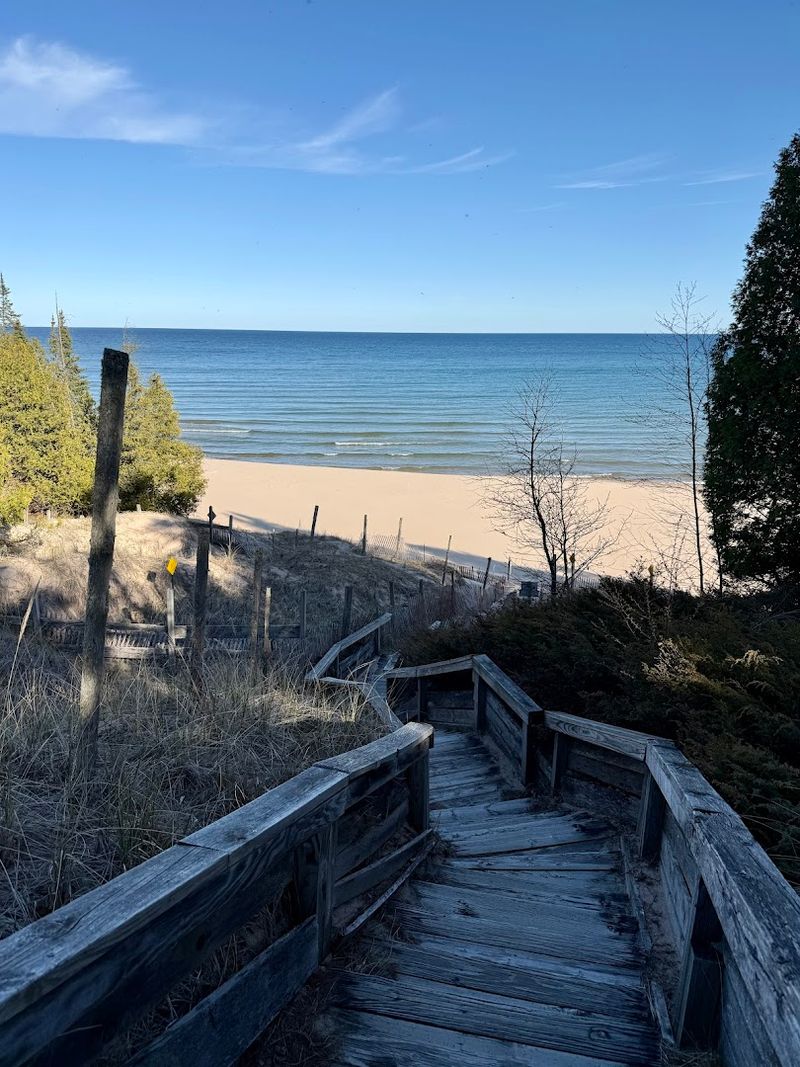
Development has claimed most of the natural dune systems that once lined Wisconsin’s eastern shore, making Whitefish Dunes an increasingly rare ecological treasure. The park preserves 867 acres of this fragile landscape, ensuring that future generations can witness what the Great Lakes shoreline looked like before human intervention.
Conservation efforts focus on maintaining the delicate balance between public access and environmental protection.
The dune system here represents a living laboratory where scientists study how these formations respond to climate patterns, water levels, and seasonal changes. Boardwalks and designated trails help minimize human impact on sensitive areas.
Park managers work year-round to protect nesting sites for endangered species and monitor the health of native plant communities.
This preservation success story demonstrates what happens when communities prioritize natural heritage over commercial development. The park’s protected status means that the dunes will continue their natural evolution without interference from construction or industrial activity.
A Mile-Long Sand Beach Makes It One Of Door County’s Best Lakeside Walks
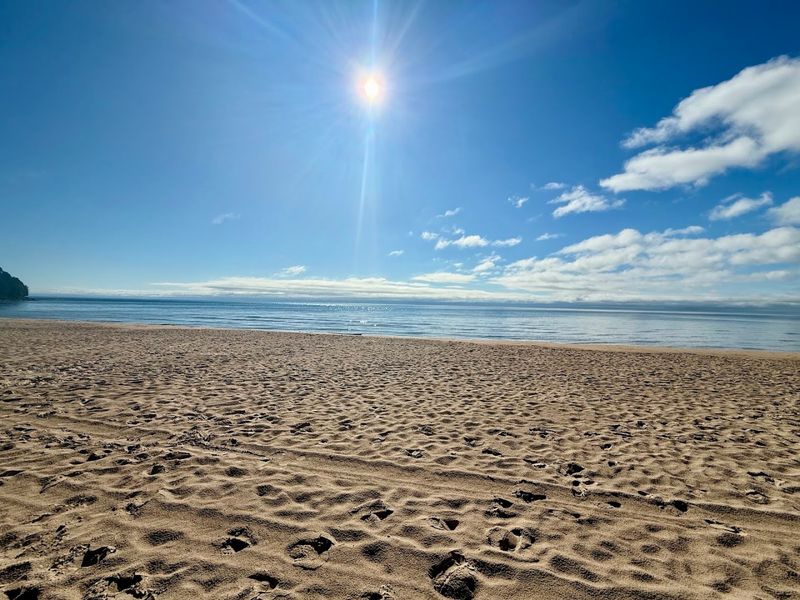
The beach at Whitefish Dunes stretches for more than a mile, offering walkers a chance to stroll along soft white sand with Lake Michigan’s waves providing a constant soundtrack. The sand here possesses an unusual quality that creates a distinctive squeaking sound when you shuffle your feet, a phenomenon caused by the particular size and shape of the quartz grains.
Families spread out across the wide beach, finding plenty of space even during peak summer weekends.
Water depth increases gradually, making the swimming area safe for children who want to wade and play in the shallows. The beach remains clean and well-maintained, with staff regularly monitoring conditions and updating visitors about water quality.
On calm days, the lake surface becomes so smooth it mirrors the sky, creating optical illusions that blur the line between water and air.
Early morning walks reveal a different character, with mist rising from the water and shorebirds hunting for breakfast along the waterline.
Ancient Native American History Is Preserved In A Nearby Archaeological Site
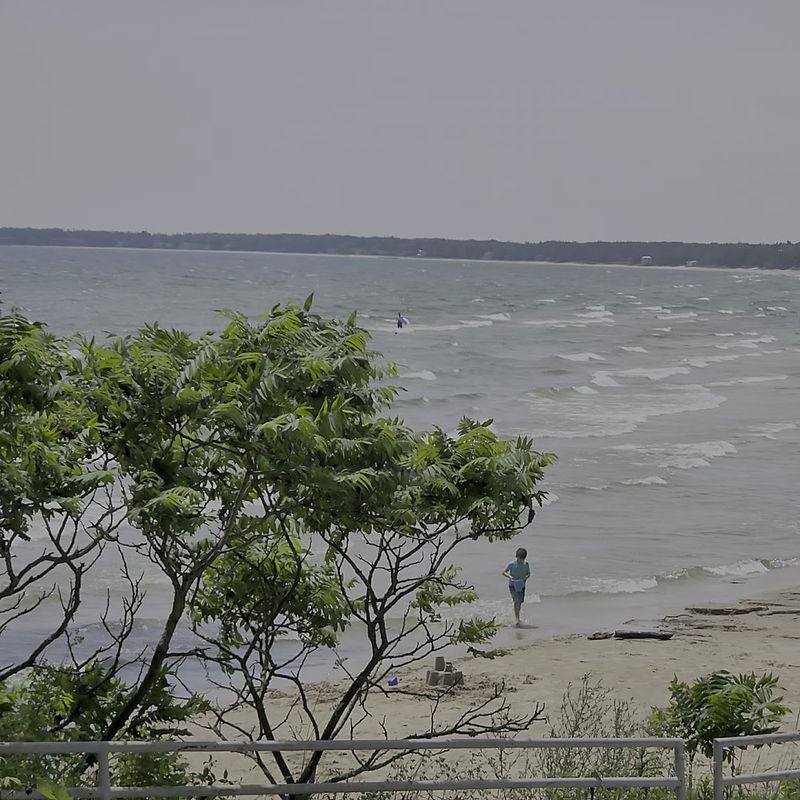
Long before European settlers arrived, Native American communities thrived along this shoreline, fishing the abundant waters and using the natural resources the area provided. Archaeological evidence indicates that people have inhabited this region for thousands of years, leaving behind tools, pottery fragments, and other artifacts that tell stories of daily life.
The park features interpretive displays that explain traditional fishing methods and food preservation techniques used by indigenous peoples.
Visitors can see reconstructed fish drying racks that demonstrate how communities would preserve their catch for winter months. These educational exhibits help connect modern visitors to the deep human history of the landscape.
The archaeological sites within park boundaries remain protected, with ongoing research adding new chapters to our understanding of pre-contact Wisconsin.
Respect for these cultural resources shapes how the park operates, with certain areas remaining off-limits to ensure that artifacts stay undisturbed. The stories preserved here remind us that this land has always held value for human communities.
The Red Trail Leads Hikers To The Highest Point In The Park
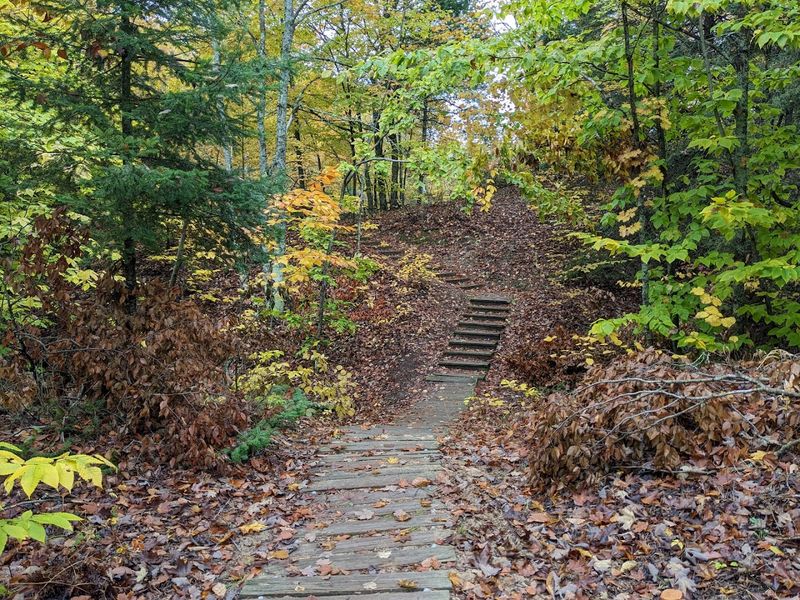
Hikers seeking the best views should follow the Red Trail, a moderately challenging route that winds through the dune system and eventually reaches Old Baldy’s summit. The trail measures approximately 2.8 miles round trip, taking most visitors between one and two hours to complete at a comfortable pace.
Sandy sections make the walking more strenuous than the distance might suggest, so proper footwear and water bottles become essential equipment.
Along the way, the path transitions between different ecosystems, starting in shaded hardwood forest before emerging onto exposed dune faces where wind and sun dominate. Trail markers keep hikers on course, though the shifting sand sometimes obscures the path.
The climb to the top requires some scrambling over loose sand, but handrails assist in the steepest sections.
From the highest point, Lake Michigan spreads out in an endless blue expanse, and on clear days you can spot boats moving across the water miles from shore. The descent offers different perspectives on the same landscape.
The Landscape Changes Constantly As Wind Moves The Sand
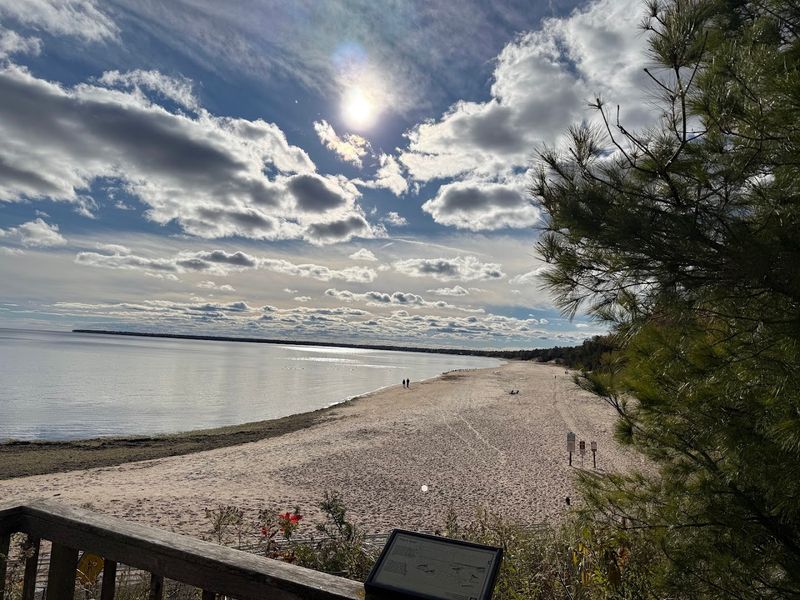
Unlike rock formations that change over millennia, the sand dunes at Whitefish Dunes transform noticeably from season to season and even day to day. Strong winds off Lake Michigan push millions of grains upward and across the dune faces, creating ripple patterns that look like frozen waves.
After particularly windy periods, trails may become partially buried, and familiar landmarks shift position.
This constant movement makes the park a dynamic place where return visitors always find something different. Vegetation on the dunes must adapt to being periodically covered or exposed as sand migrates.
Scientists study these changes to understand broader patterns in coastal dynamics and how dune systems respond to environmental pressures.
The impermanence of the landscape creates a sense of witnessing something fleeting and precious. Footprints left in the morning may vanish by afternoon, erased by wind that never stops reshaping the terrain.
This ongoing transformation connects visitors to geological processes that have operated here for thousands of years.
Rare Plants Grow In The Park’s Fragile Dune Ecosystem
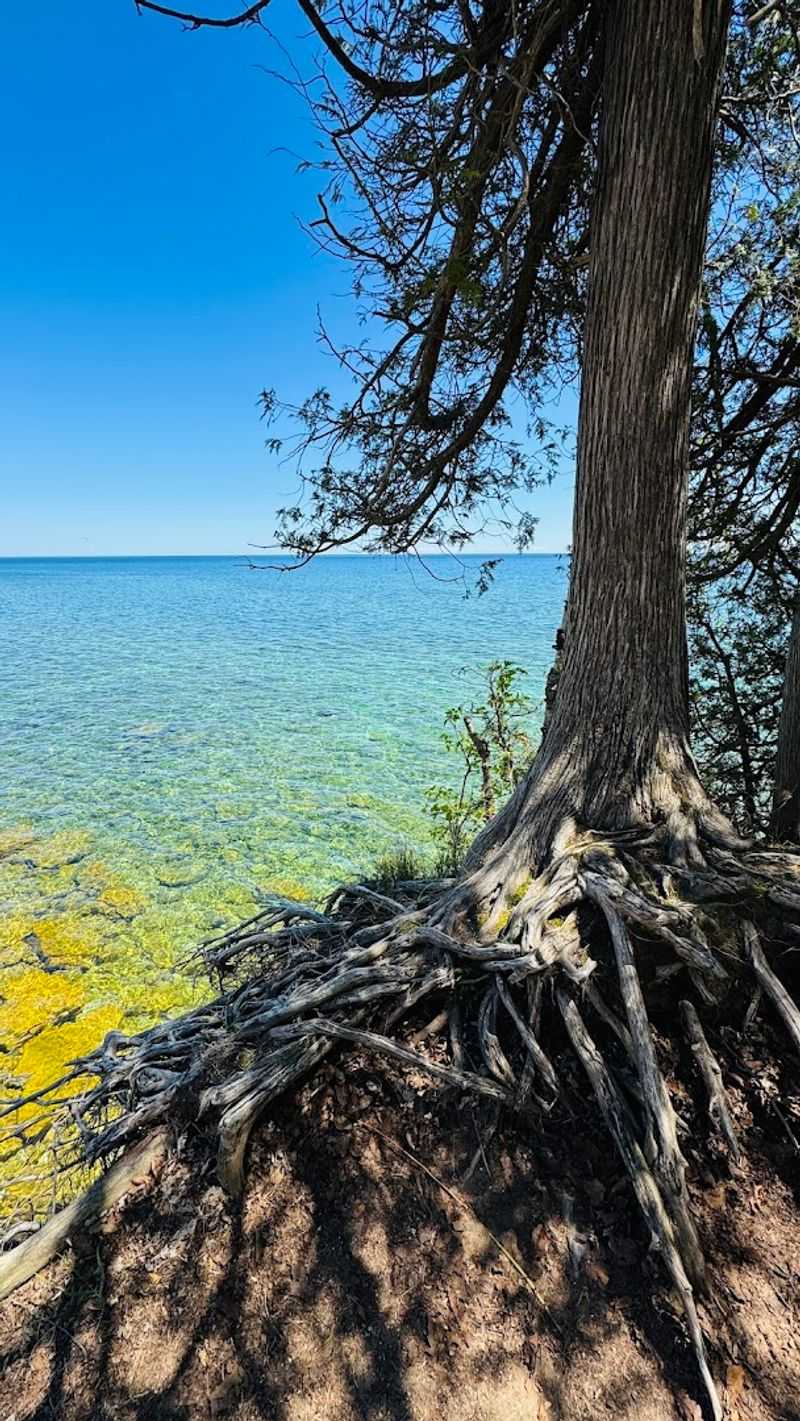
The harsh conditions of the dune environment create a specialized habitat where only the toughest plants can survive, and several rare species have found their niche in this challenging ecosystem. Beach grass anchors the sand with deep root systems, preventing erosion while creating microhabitats for other plants.
Dune thistle, sand cherry, and other specialized species have evolved strategies to cope with shifting substrate, salt spray, and intense sun exposure.
Some of these plants exist in only a handful of locations worldwide, making Whitefish Dunes critically important for their survival. Park regulations prohibit picking plants or wandering off designated trails, measures designed to protect these vulnerable populations.
Spring and summer bring blooms that add splashes of color to the otherwise monochromatic sand.
Botanists regularly survey the park to monitor plant health and track any changes in species distribution. The presence of these rare plants indicates a healthy ecosystem functioning as it should, undisturbed by invasive species or excessive human interference.
The Park Offers Some Of The Most Scenic Sunrise Views In Door County
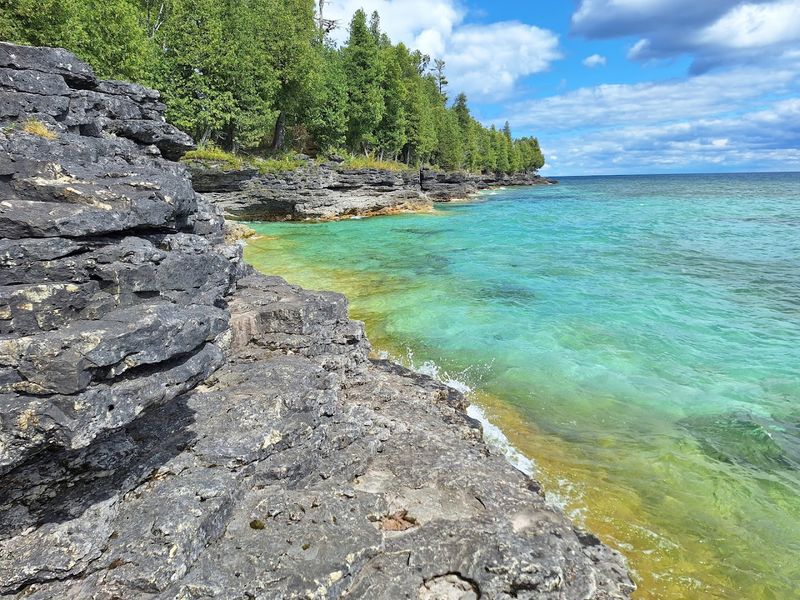
Sunrise over Lake Michigan transforms the park into a photographer’s paradise, with the eastern horizon erupting in oranges, pinks, and purples that reflect off the water and illuminate the sand. The park opens at 6 AM, giving early risers the chance to claim a spot on the beach or dunes before the sun breaks the horizon.
Mist often rises from the lake in the early morning, adding an ethereal quality to the scene.
The changing colors happen quickly, shifting from deep purples to brilliant golds in the span of fifteen minutes. Birds become active at dawn, their calls adding a soundtrack to the visual spectacle.
Many visitors report that experiencing sunrise here feels almost meditative, a moment of peace before the day’s activities begin.
Fall and spring sunrises offer particularly dramatic displays, with crisp air creating sharper contrasts and clearer visibility across the water. Bringing a thermos of coffee and watching the world wake up has become a cherished ritual for regular visitors to the park.
It Was Wisconsin’s First Official State Nature Preserve
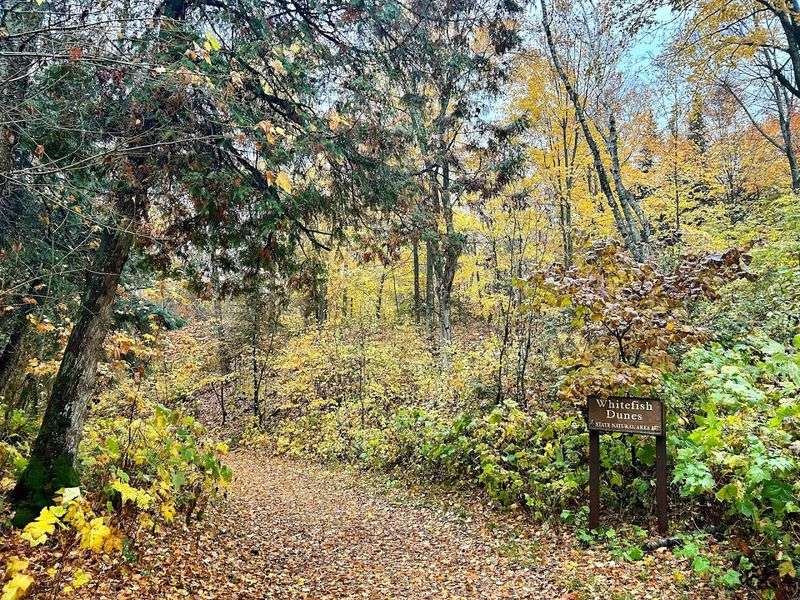
In 1967, Whitefish Dunes earned the distinction of becoming Wisconsin’s first designated State Scientific Reserve, later renamed State Nature Preserve, recognizing its exceptional ecological value. This designation came at a time when environmental protection was gaining momentum across the country, and Wisconsin positioned itself as a leader in conservation.
The preserve status provides the highest level of protection available under state law, restricting activities that might damage the natural systems.
This pioneering designation paved the way for dozens of other preserves across Wisconsin, establishing a model for balancing public access with ecological protection. The decision to protect these dunes came after scientists and citizens advocated for preserving the area’s unique geological and biological features.
Today, the preserve status means that development will never threaten this landscape.
Visitors walking the trails benefit from protections put in place more than half a century ago, when forward-thinking conservationists understood that some places deserve permanent protection from commercial interests and development pressures.
Quiet Forest Trails Wind Through Cedar And Hardwood Trees Behind The Dunes
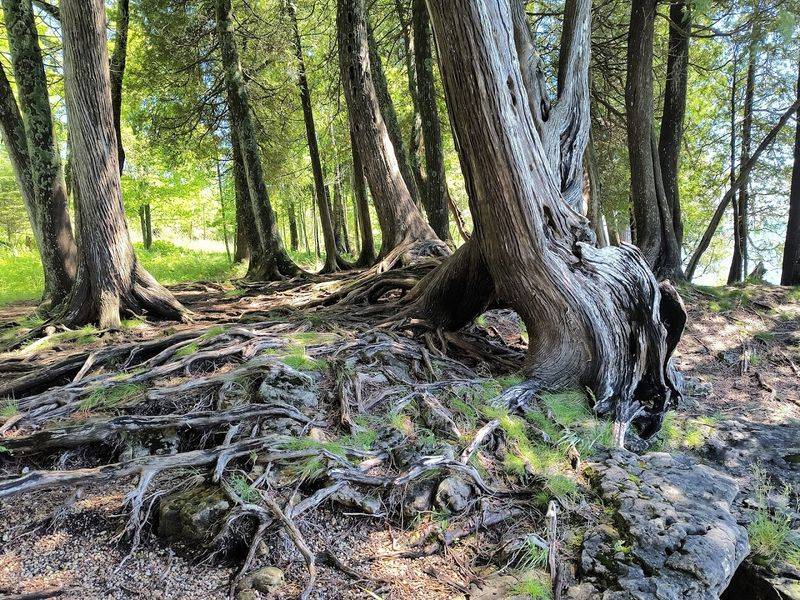
Beyond the dramatic dunes, a network of forest trails offers a completely different experience, with paths winding through stands of white cedar, maple, and birch that provide cool shade even on hot summer days. The Brachiopod Trail and other routes take hikers through ecosystems that contrast sharply with the exposed dune environment.
Bird songs replace the sound of waves, and the temperature drops noticeably under the forest canopy.
These trails tend to attract fewer visitors than the beach and dunes, offering solitude for those seeking a quieter experience. Wildflowers bloom along the forest floor in spring, and fall brings spectacular color as leaves turn gold and crimson.
The trails vary in difficulty, with some suitable for families with young children and others requiring more stamina.
Interpretive signs along the routes explain the ecology of the forest and point out interesting features like old growth trees or unusual rock formations. The forest trails remind visitors that Whitefish Dunes offers multiple ecosystems within a single park.