
This Charming Wisconsin Village Feels Like Time Simply Forgot About It
Ephraim sits quietly along the shores of Green Bay, a village where white buildings line the waterfront and the pace of life moves at the speed of the waves. Founded over 160 years ago by Norwegian settlers, this Door County community has managed to preserve its character while the world around it rushed forward.
With fewer than 400 year-round residents, Ephraim offers visitors a glimpse into a simpler era where church bells still mark the hours and sunsets draw crowds to the water’s edge.
Ephraim Is One Of The Oldest Villages In Door County
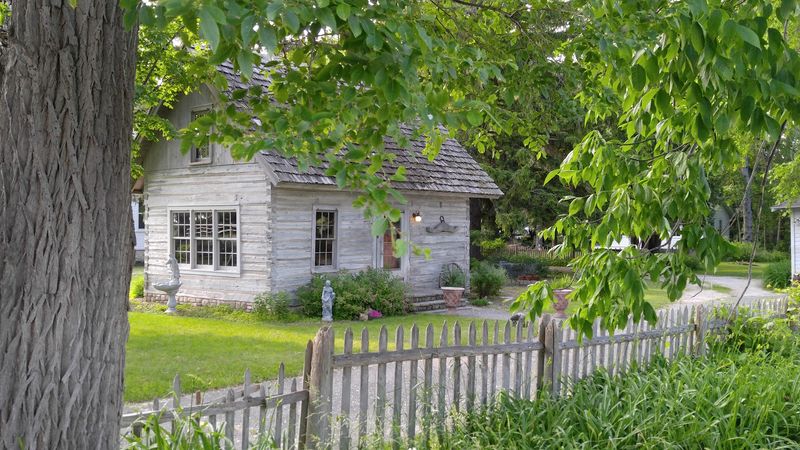
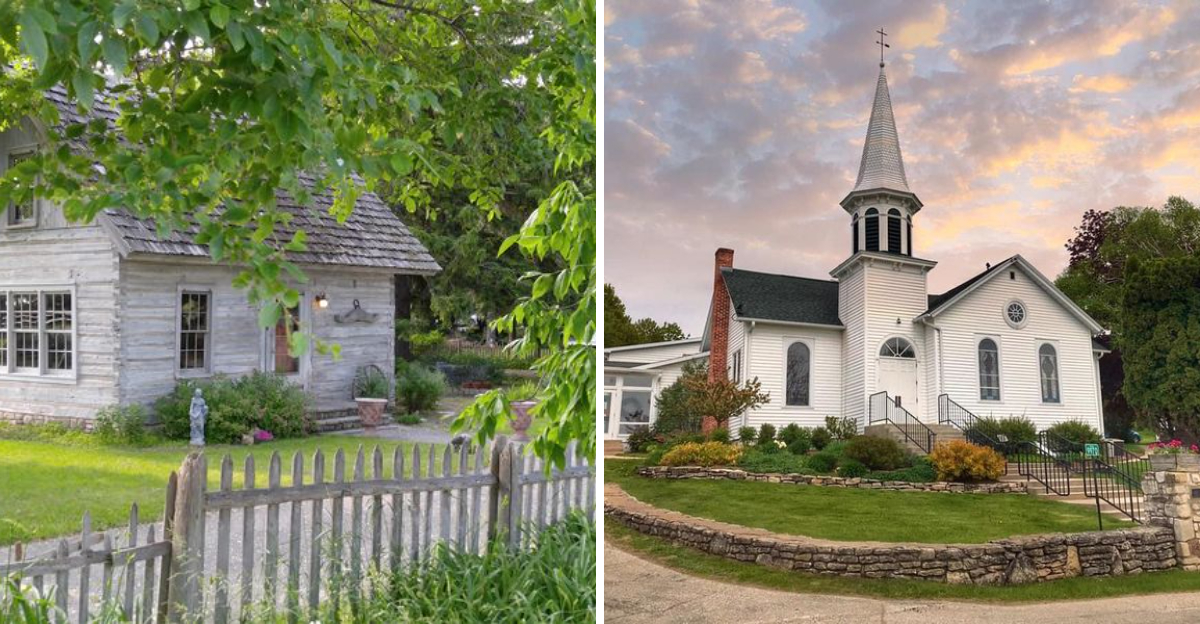
Ephraim traces its roots back to 1853, making it one of Door County’s earliest permanent settlements. The village grew from a single log cabin to a thriving community within just a few decades.
Visitors walking through the village today encounter buildings that have stood for more than a century, each one telling stories of the hardy families who carved out lives on this peninsula.
The age of the community shows itself in subtle ways. Street layouts follow patterns established before the Civil War.
Property boundaries reflect decisions made when Wisconsin was still considered the frontier.
History here is not locked behind museum glass but lives in the structures people still use daily. The village maintains its original footprint, refusing to sprawl beyond the borders its founders established.
This commitment to preservation gives Ephraim an authenticity that newer tourist destinations can never replicate, no matter how carefully they try to manufacture charm.
The Village Is Famous For Its White Historic Buildings
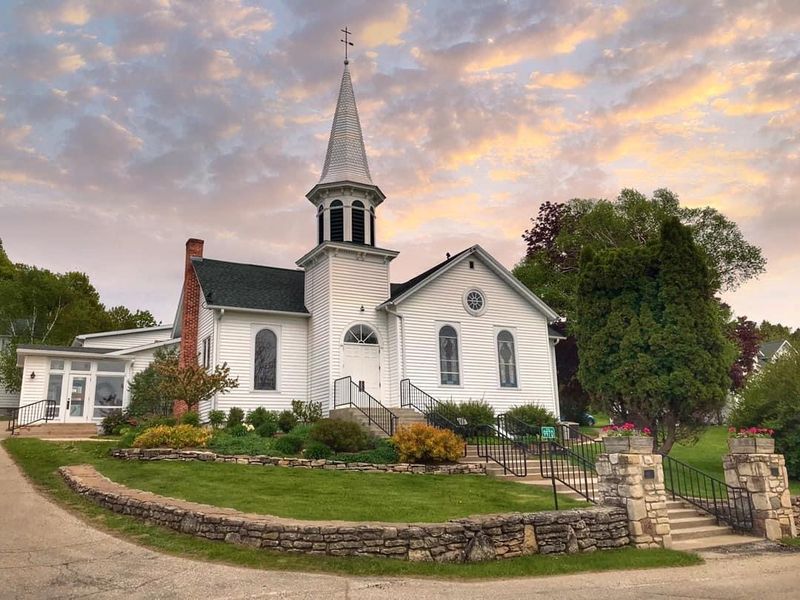
A village ordinance requires all buildings in the historic district to be painted white, creating a visual unity that sets Ephraim apart from every other community in Wisconsin. This tradition stems from the Moravian settlers who believed white symbolized purity and simplicity.
Walking down Moravia Street, the effect is striking without being sterile.
The white buildings catch the changing light throughout the day. Morning sun makes them glow softly against the green of surrounding trees.
Afternoon brings sharp contrasts between bright walls and dark shutters.
Sunset paints them in shades of pink and gold. This architectural consistency could feel oppressive in a larger town, but in Ephraim it creates a sense of coherence and intentionality.
The white buildings are not a gimmick but a visual expression of the community’s values. Even newer structures follow this guideline, ensuring that modern construction does not jar against the historical fabric of the village.
Ephraim Sits Along The Scenic Shores Of Green Bay
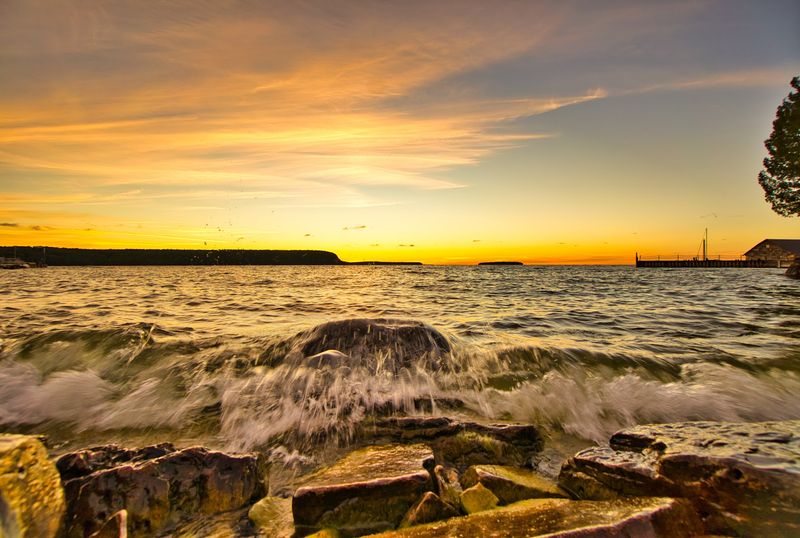
The village occupies a privileged position on the western shore of the Door Peninsula, where Eagle Harbor opens into Green Bay. Water defines the character of Ephraim in ways that go beyond simple geography.
The bay moderates temperatures, shapes weather patterns, and provides the backdrop for nearly every photograph taken in the village.
From almost any point in the historic district, you can glimpse the water through gaps between buildings or at the end of streets. The shoreline here is not sandy beach but rocky shelf, creating tidal pools and small coves.
Boats bob at anchor in the protected harbor. Across the water, the bluffs of Peninsula State Park rise dramatically, their wooded slopes changing color with the seasons.
The relationship between village and water feels intimate rather than merely scenic. Fishermen still work from these shores.
Sailboats navigate the same channels their predecessors used generations ago.
Anderson Dock Is One Of The Most Recognisable Landmarks In Door County
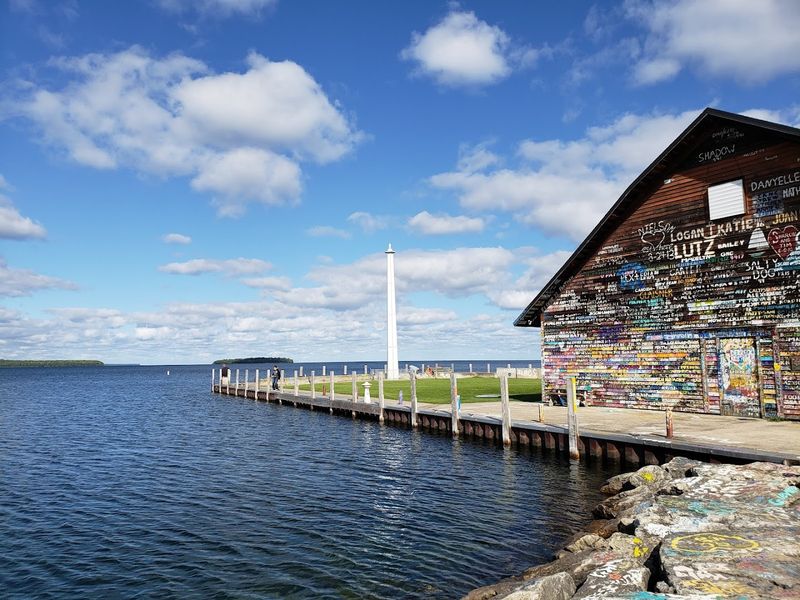
Anderson Dock extends into Eagle Harbor like a finger pointing toward the past. Built in the late 1850s, this weathered pier served as the commercial heart of Ephraim for decades, receiving steamships that brought supplies and visitors to the growing village.
The dock you see today, located at the corner of Moravia Street and Highway 42, retains much of its original character despite numerous repairs over the years.
Photographers arrive before dawn to capture the dock silhouetted against the rising sun. Artists set up easels to paint its time-worn planks and the boats tied alongside.
The dock appears on postcards, calendars, and tourism brochures more frequently than perhaps any other single location in Door County. What makes it so compelling is the way it combines utility with beauty.
People still use Anderson Dock, tying up boats and unloading catch, just as they did when Ephraim was young.
Ephraim Was Founded By Norwegian Moravian Settlers
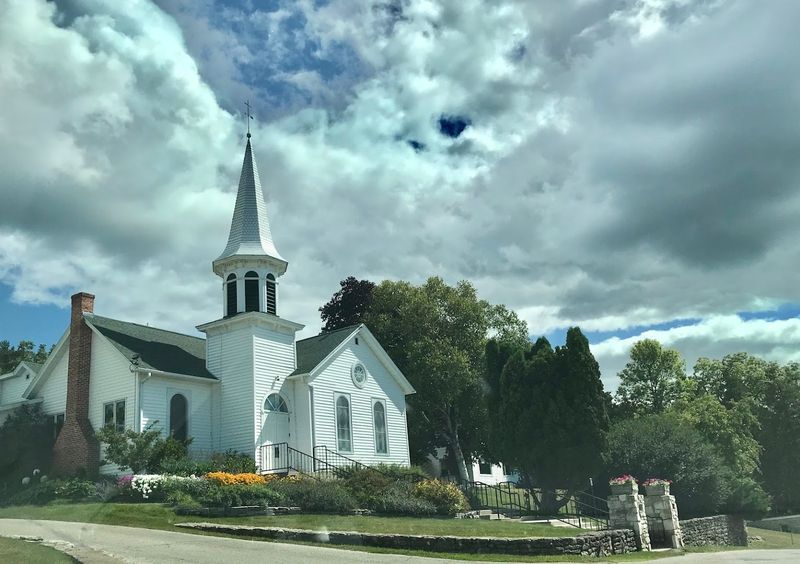
In 1853, a group of Norwegian Moravians led by Reverend A.M. Iverson arrived on this shore seeking religious freedom and economic opportunity.
The Moravian Church, with its emphasis on simple living and communal worship, shaped not just the spiritual life of the settlement but its physical appearance and social structure. These founding families brought with them traditions of craftsmanship, music, and education that still influence the village today.
The Norwegian heritage shows itself in subtle ways throughout Ephraim. Family names on mailboxes and gravestones trace back to those original settlers.
Architectural details reflect Scandinavian building practices adapted to Wisconsin materials. The village’s commitment to preservation and its resistance to commercial development echo Moravian values of stewardship and simplicity.
Understanding this founding culture helps visitors appreciate why Ephraim looks and feels different from other lakeside resort communities that prioritized growth and profit over continuity and character.
Peninsula State Park Is Just Minutes Away
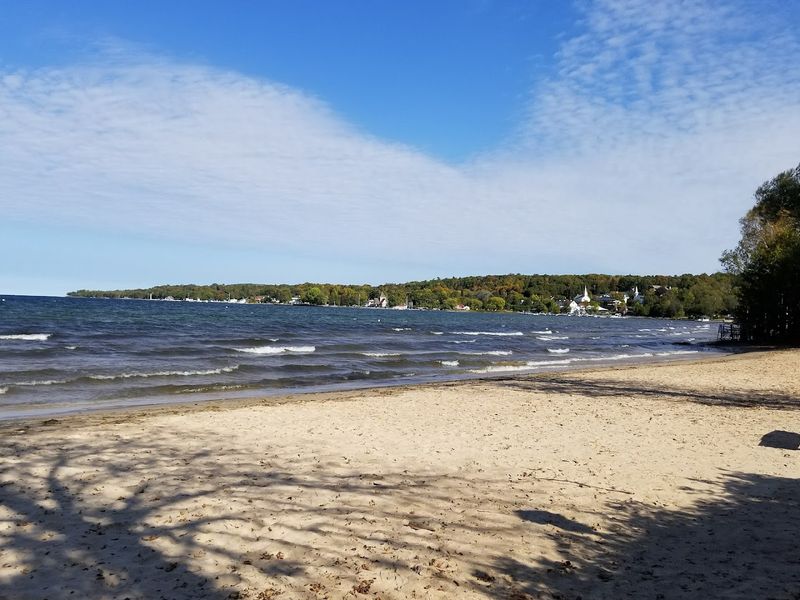
Just north of Ephraim’s village limits, Peninsula State Park spreads across nearly 4,000 acres of forest, meadow, and shoreline. The park entrance on Shore Road sits less than two miles from the center of the village, making it one of the most accessible major state parks in Wisconsin.
Visitors staying in Ephraim can reach hiking trails, beaches, and scenic overlooks in minutes without ever getting on a highway.
The park offers experiences that complement rather than compete with the village. Where Ephraim provides cultural and historical attractions, the park delivers natural beauty and outdoor recreation.
Trails wind through stands of birch and maple. Golf Bluff rises 180 feet above the water, offering views that stretch for miles.
The Eagle Bluff Lighthouse, built in 1868, stands as a monument to the region’s maritime history. Together, village and park create a destination with unusual variety, allowing visitors to move easily between civilization and wilderness.
The Village Still Has A Quiet Small-Town Atmosphere
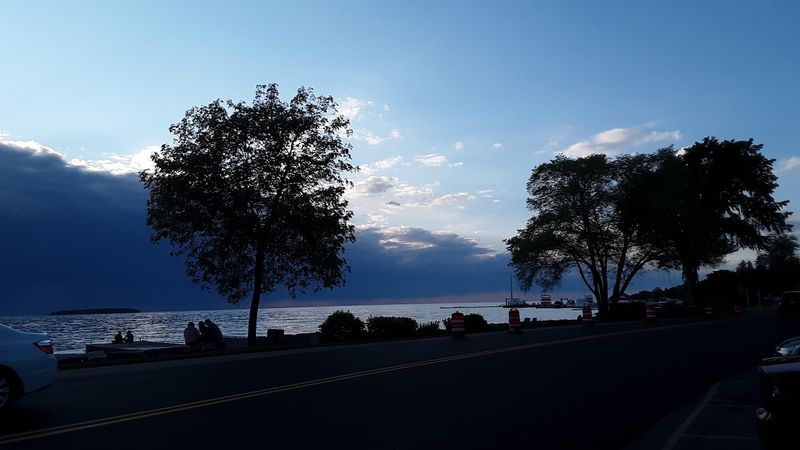
Ephraim has resisted the transformation that turned many lakeside villages into crowded tourist zones packed with gift shops and chain restaurants. The permanent population remains under 400 people, though that number swells considerably during summer months.
Even at the height of the season, the village maintains a human scale that allows for actual conversation rather than just transaction.
You will not find traffic lights in Ephraim. Parking meters do not line the streets.
Fast food franchises have not gained a foothold here.
The few commercial establishments that exist serve residents as much as visitors, selling groceries and hardware alongside souvenirs. People still walk to church on Sunday mornings.
Neighbors know each other by name. The pace of life matches the rhythm of the waves rather than the demands of quarterly profit reports.
This atmosphere is not accidental but the result of conscious choices by residents who value community over development.
Historic Churches Still Stand At The Heart Of The Community
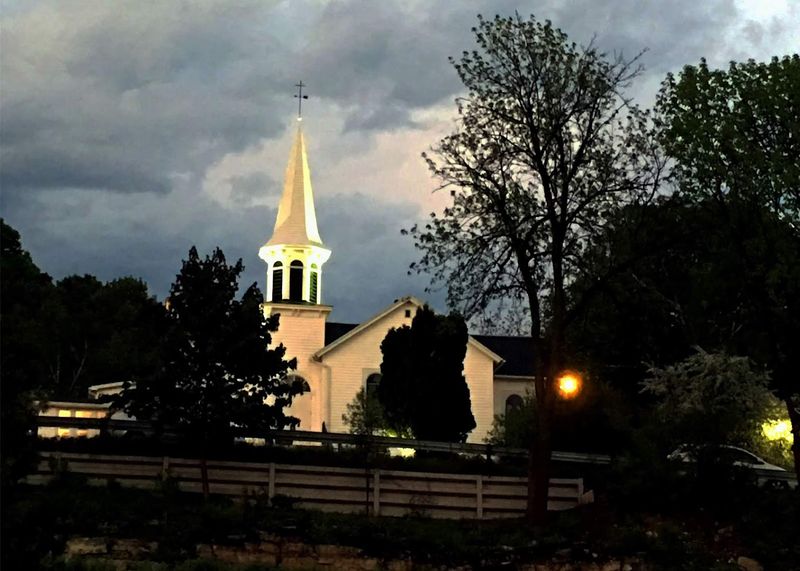
The Moravian Church building, constructed in 1857, anchors the village both geographically and spiritually. Its white steeple rises above the surrounding buildings, visible from the water and from approaches by road.
Services continue in this building more than 160 years after its dedication, maintaining traditions that connect current residents to their founding ancestors.
Other historic churches dot the village and surrounding area, each representing different denominations that served the diverse immigrant population. These buildings are not museum pieces but active centers of worship and community gathering.
Church suppers, concerts, and meetings fill their calendars throughout the year. The architecture of these structures, with their simple lines and careful proportions, reflects the values of the people who built them.
In an age when many rural churches struggle to maintain congregations, Ephraim’s historic houses of worship continue to serve their original purpose while also functioning as architectural landmarks that help define the village’s character.
Ephraim Is Known For Some Of Door County’s Best Sunsets
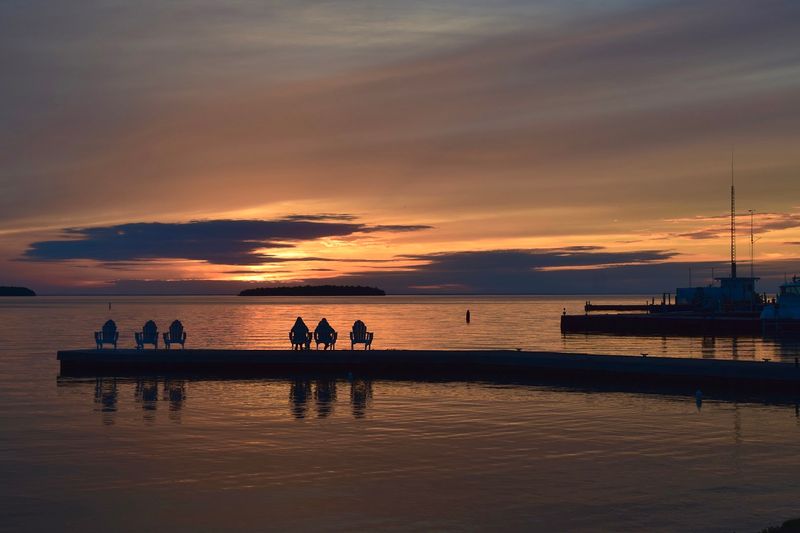
Geography and orientation conspire to make Ephraim an exceptional place to watch the sun go down. The village faces west across Green Bay, providing unobstructed views of the horizon.
As the sun descends, it often illuminates clouds in shades of orange, pink, and purple that seem too vivid to be natural.
Locals and visitors gather along the waterfront each evening during summer months. Some bring chairs and picnic dinners.
Others simply stand at the shore, watching in silence as the light changes.
The sunsets here are not merely pretty but genuinely dramatic, with the kind of color saturation and atmospheric effects that make photographers reach for their cameras. Anderson Dock and the various parks along the shore provide excellent vantage points.
The experience is enhanced by the quiet of the village, which allows the sunset to be the main event rather than background scenery to crowds and noise.
The Waterfront Village Has Long Been A Popular Summer Retreat
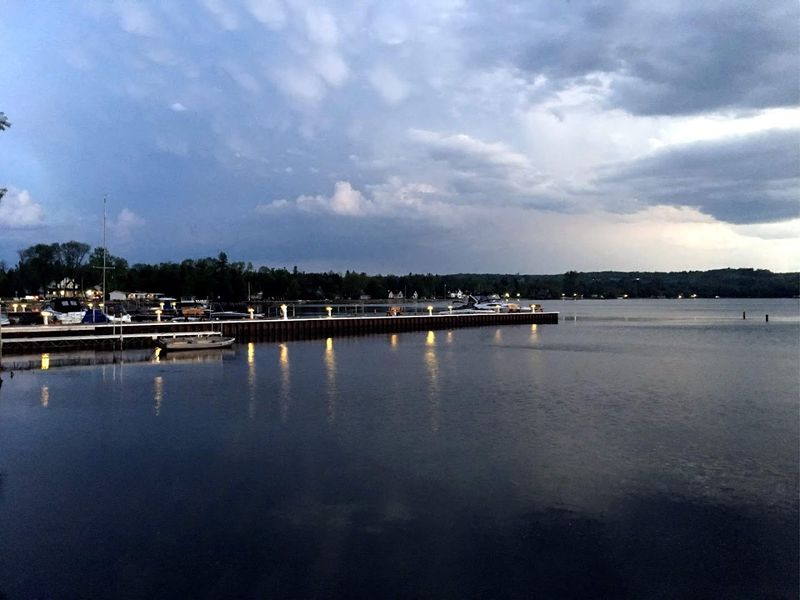
By the 1870s, just two decades after its founding, Ephraim had already begun attracting summer visitors seeking escape from the heat and crowds of cities to the south. Early tourists arrived by steamship, staying in boarding houses run by local families.
This tradition of summer residence established patterns that continue today, with many families returning year after year to the same cottages their grandparents rented generations ago.
The village adapted to tourism without being consumed by it. Summer visitors brought income that helped sustain the community through long winters.
In return, Ephraim provided something increasingly rare: a place where people could slow down and reconnect with simpler pleasures. Swimming, sailing, walking, and watching sunsets required no special equipment or expertise.
The village’s resistance to overdevelopment has preserved the qualities that made it attractive in the first place, ensuring that summer retreat remains genuinely restful rather than just another form of consumption.