
8 Stunning Places In Wisconsin That Feel Like You’ve Stepped Into A Dream
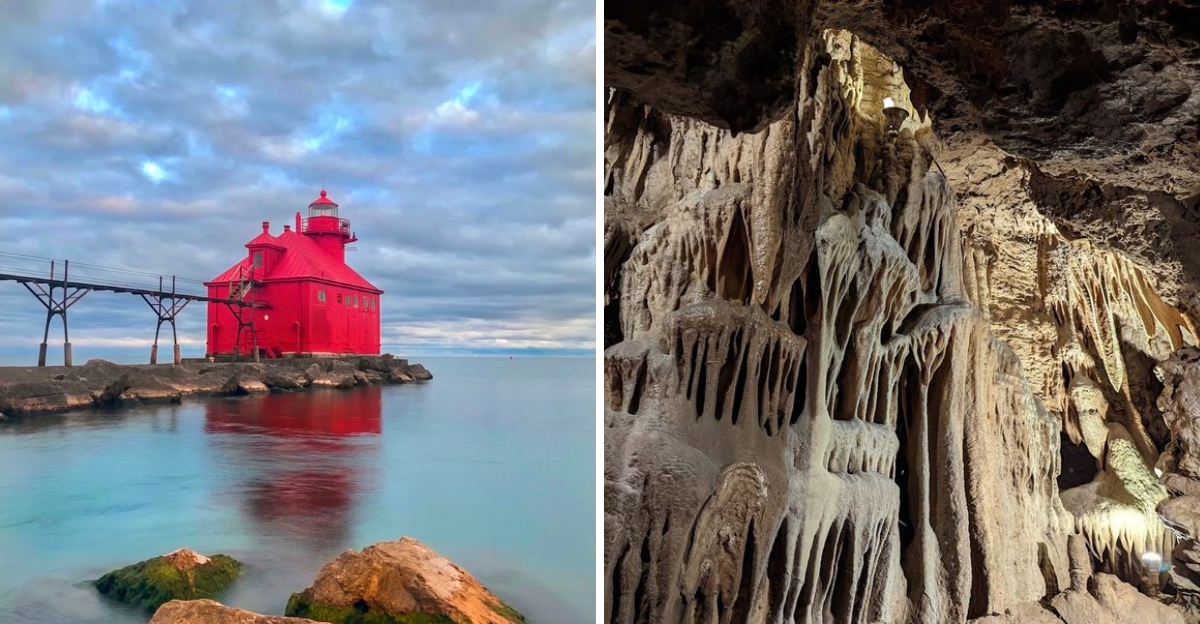
Wisconsin holds secrets that most people never expect to find in the Midwest. Look beyond the usual road trip stops and you’ll find places that feel almost unreal.
Think cavernous underground chambers filled with glittering rock formations, towering cliffs overlooking endless water, and landscapes that seem far removed from what many expect in the Midwest. Moments like these catch travelers off guard in the best possible way.
One minute you’re driving through quiet countryside, the next you’re staring out at scenery that feels truly extraordinary. Experiences like this remind visitors just how much natural beauty Wisconsin quietly holds.
1. Devil’s Lake State Park
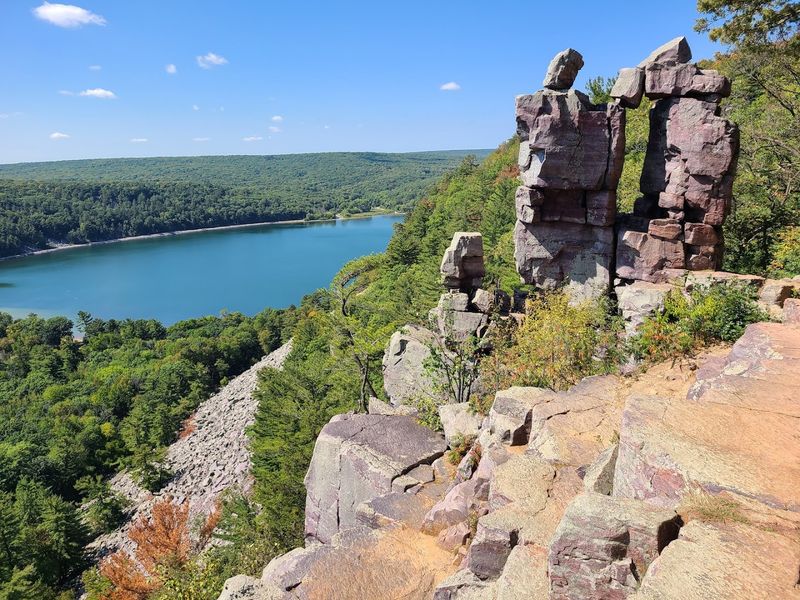
Imagine standing at the edge of towering bluffs, looking down at water so blue it mirrors the sky perfectly. Devil’s Lake formed over a billion years ago when glaciers carved through ancient quartzite, creating this stunning 360-acre lake surrounded by 500-foot cliffs that drop dramatically to the shoreline below.
The trails here take you along rocky outcrops where you can peer down at swimmers and paddleboarders who look like tiny dots from above. Balanced Rock Trail leads to massive boulders perched impossibly on cliff edges, defying gravity in ways that make you question reality.
During autumn, the bluffs explode in reds, oranges, and golds that reflect off the lake’s surface.
Rock climbing enthusiasts tackle the quartzite faces while families picnic on the beaches below. The contrast between the rugged, ancient stone formations and the peaceful lake creates an almost otherworldly atmosphere.
Sunrise here paints the cliffs in shades of pink and purple that photographers dream about.
Swimming in Devil’s Lake feels surreal because the water stays remarkably clear, and you can see straight to the sandy bottom even in deeper sections. The park transforms with each season, offering ice climbing in winter and wildflower-covered trails in spring, making every visit feel like discovering somewhere completely new.
2. Cave Point County Park
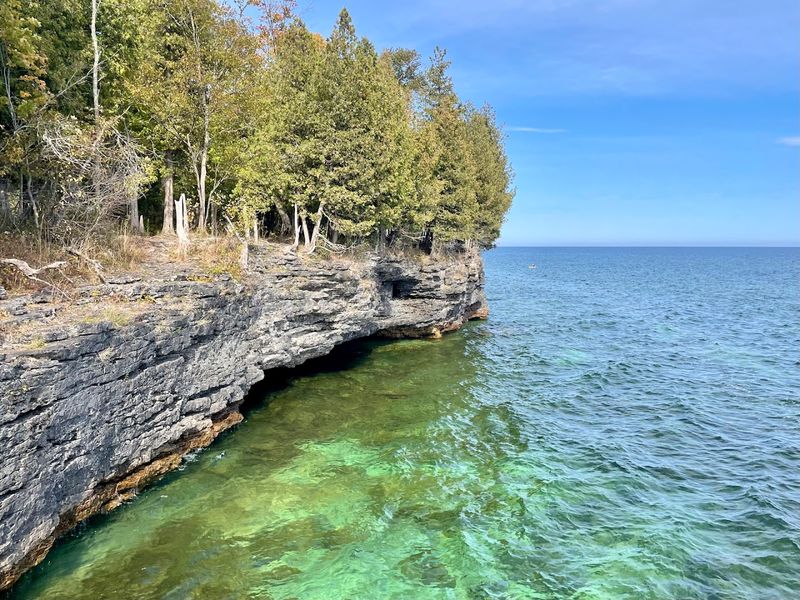
Lake Michigan crashes against limestone cliffs at Cave Point with the kind of force usually reserved for ocean coastlines. The waves have spent thousands of years carving caves and crevices into the rock, creating natural archways and hollows that echo with rushing water.
Standing on the cliff edge, you feel the vibration of each wave as it slams into the stone below.
The water here glows in shades of turquoise and emerald that rival any tropical destination. On calm days, kayakers paddle through the caves, exploring hidden chambers where sunlight filters through openings in unexpected ways.
When storms roll across the lake, the waves can reach heights of 20 feet, sending spray high into the air.
The park sits along Door County’s rugged eastern shore, where the bedrock tells stories of ancient seas that covered this region millions of years ago. Walking the shoreline trail, you discover fossils embedded in the limestone and tide pools filled with small fish darting between rocks.
Winter transforms Cave Point into a frozen wonderland where ice formations build up along the cliffs in fantastical shapes. The caves develop icicle curtains, and frozen waves create sculptures that look like they belong in an art gallery rather than nature.
3. Apostle Islands National Lakeshore
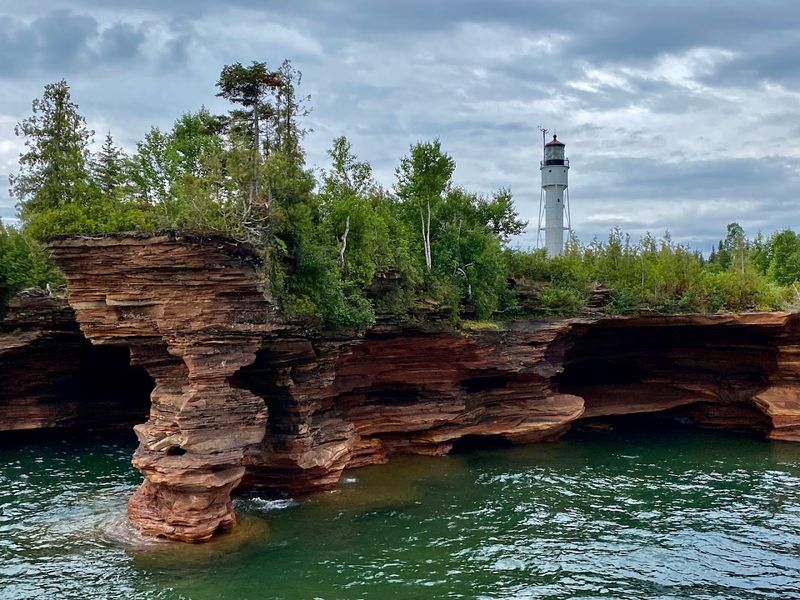
Twenty-two islands scattered across Lake Superior create a wilderness archipelago that feels more like the coast of Maine than the Midwest. The Apostle Islands feature sea caves carved into red sandstone cliffs, accessible by kayak in summer and by foot across frozen lake ice in winter.
Each island has its own personality, from forested camping spots to historic lighthouses perched on rocky points.
The sea caves steal the show with their honeycombed walls and cathedral-like chambers. Paddling into these formations on a calm day, you hear your voice echo off the curved stone ceilings while sunlight creates patterns on the water below.
The sandstone displays layers of rust, orange, and cream that tell geological stories spanning millions of years.
During winter, when Lake Superior freezes solid enough to walk on, visitors trek across the ice to reach the mainland caves. Ice formations build up inside, creating curtains, columns, and chandeliers in shades of white, blue, and aquamarine.
The frozen caves attract thousands who brave the cold to witness this temporary ice palace.
Island hopping by boat reveals hidden beaches, secluded coves, and forests where black bears roam freely. The lighthouses, some dating back to the 1850s, offer overnight stays where you can watch storms roll across the largest freshwater lake on Earth.
4. Cave Of The Mounds
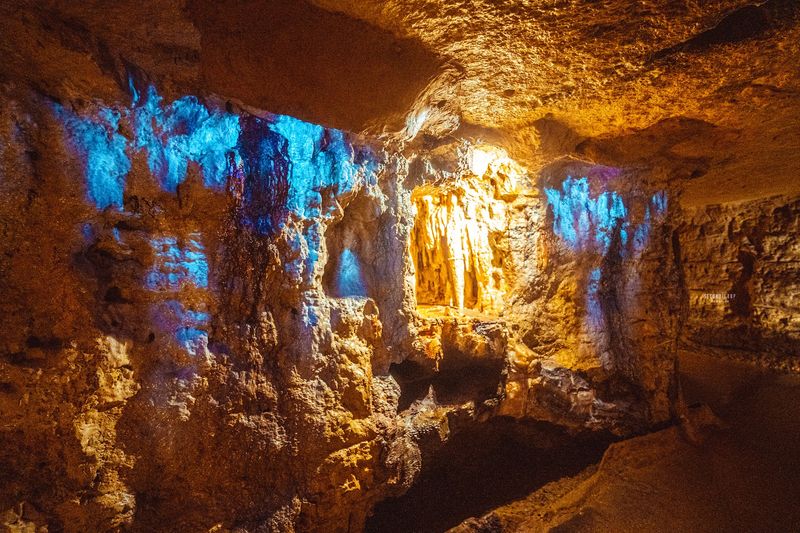
Descending into Cave of the Mounds feels like entering a hidden palace that nature spent millions of years decorating. This limestone cavern, discovered accidentally by quarry workers in 1939, contains some of the most diverse and colorful formations found anywhere in the American Midwest.
The temperature stays at a constant 50 degrees year-round, creating perfect conditions for ongoing mineral deposits.
Stalactites hang from ceilings like frozen waterfalls while stalagmites rise from the floor to meet them, forming columns in shades of white, orange, brown, and even blue. Flowstone cascades down walls in rippling patterns that look exactly like frozen fabric.
The Cave Coral formations resemble underwater reefs more than anything you’d expect to find underground.
Guided tours wind through chambers with names like the Painted Forest and the Dome Room, where ceiling heights reach up to 70 feet. The lighting system highlights the natural colors without overwhelming the space, allowing you to appreciate the delicate soda straws and intricate draperies that continue growing at incredibly slow rates.
Above ground, the park includes nature trails through forests and prairies where you can spot wildlife and enjoy views of the surrounding Blue Mounds area. The contrast between the lush surface world and the timeless underground realm makes the experience feel even more dreamlike and surreal.
5. Taliesin
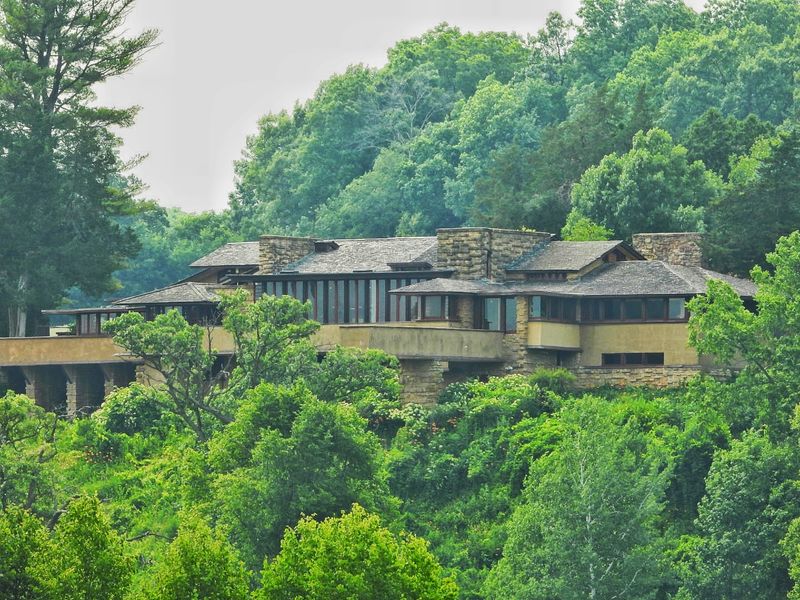
Frank Lloyd Wright’s masterpiece estate spreads across 800 acres of rolling Wisconsin countryside like a living work of art. Taliesin, which means shining brow in Welsh, sits on a hillside overlooking the Wyoming Valley with views that inspired one of America’s greatest architects.
The buildings seem to grow from the landscape rather than sit upon it, using local limestone and horizontal lines that echo the surrounding hills.
Walking through the property, you experience Wright’s philosophy of organic architecture firsthand. Windows frame specific views like living paintings, rooms flow into one another without harsh boundaries, and natural materials create warmth throughout.
The main house underwent constant evolution as Wright lived and worked here for nearly 50 years, treating it as an ongoing experiment.
The studio complex, where Wright trained apprentices, features drafting rooms with massive windows flooding the space with natural light. Gardens designed by Wright himself blend flowers, vegetables, and native plants in arrangements that feel both planned and wild.
The property includes multiple buildings, each demonstrating different aspects of Wright’s evolving design principles.
Visiting during different seasons reveals how Wright designed Taliesin to harmonize with nature’s changes. Spring brings wildflowers across the meadows, summer fills the gardens with color, autumn paints the valley in brilliant hues, and winter emphasizes the strong horizontal lines against snow-covered hills.
The estate remains a living laboratory of architectural innovation.
6. Crystal Cave
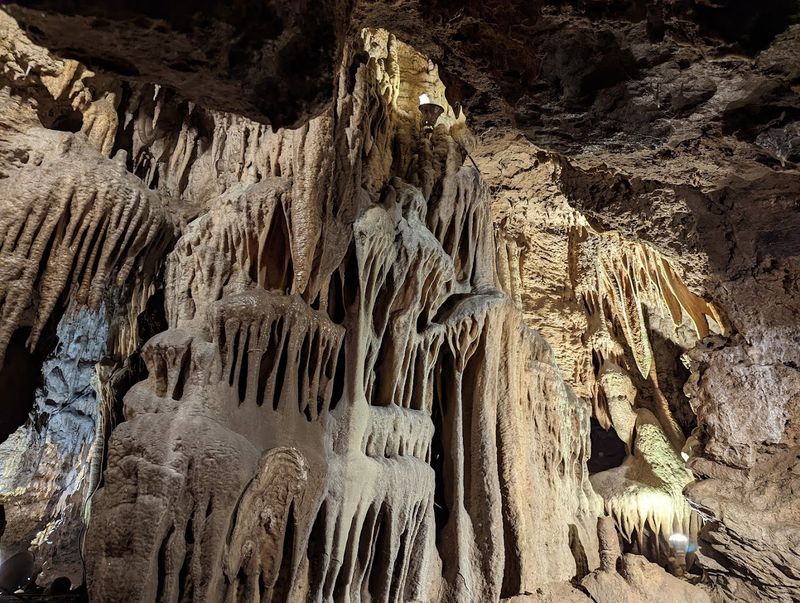
Wisconsin’s longest cave stretches beneath farmland in Pierce County, hiding a subterranean wonderland discovered in 1881 by a farmer whose cows kept disappearing into a sinkhole. Crystal Cave extends over 3,000 feet underground, featuring formations so pristine they justify the name.
The cave maintains a steady 48-degree temperature, creating ideal conditions for the delicate structures that continue forming drop by drop.
The guided tour takes you past formations with descriptive names like the Frozen Niagara and the Pipe Organ, where mineral deposits have created structures resembling their namesakes with uncanny accuracy. Underground pools reflect the stalactites above, doubling the visual impact and creating mirror images that confuse your sense of direction.
Some formations appear translucent when backlit, revealing the crystalline structure within.
The cave’s most impressive feature might be the sheer variety of formations packed into its passages. You’ll see everything from tiny soda straws just beginning to form to massive columns where stalactites and stalagmites have joined after thousands of years of growth.
The colors range from pure white to rich browns and oranges, depending on the minerals present in the water.
Above ground, the property includes a mining museum showcasing the area’s geological history and gemstone mining activities where kids can search for their own treasures. The combination of natural cave formations and hands-on activities makes this spot appeal to visitors of all ages.
7. Door County Peninsula
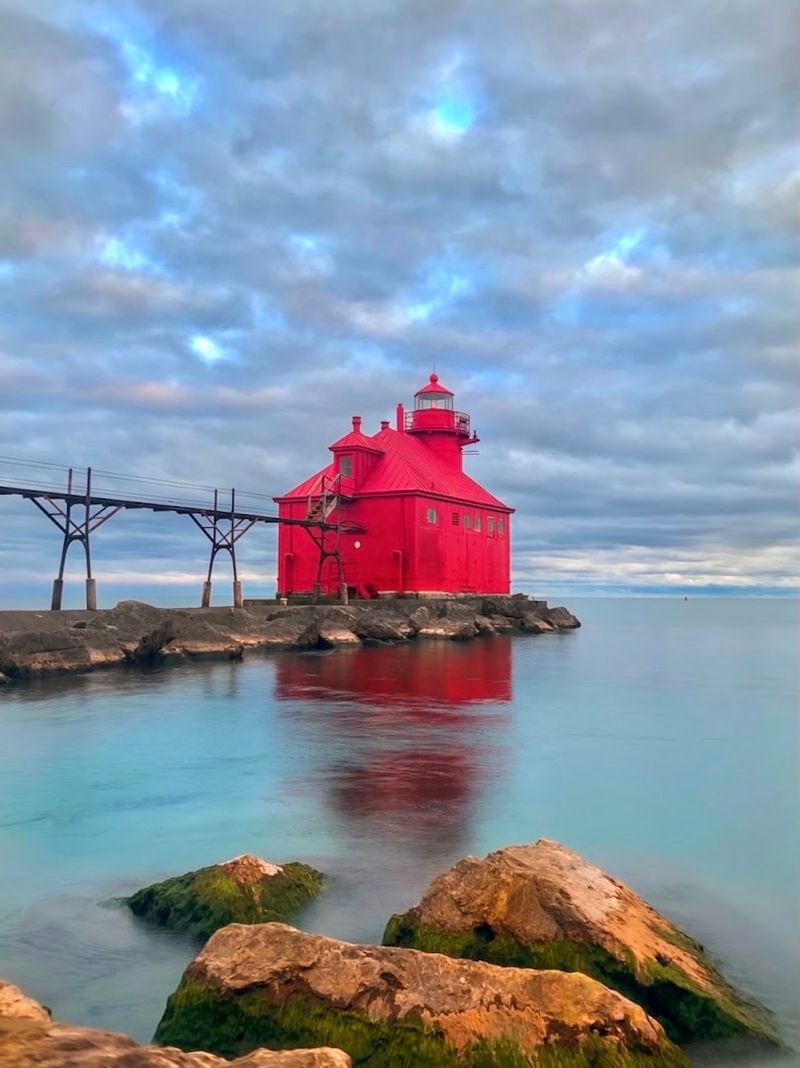
This 75-mile-long peninsula jutting into Lake Michigan feels like a completely different world from the rest of Wisconsin. Door County combines New England coastal charm with Midwest friendliness, featuring over 300 miles of shoreline, five state parks, and 19 lighthouses scattered along rocky beaches and forested bluffs.
The landscape shifts dramatically from the calm bay side to the wave-battered lake side.
Charming villages like Fish Creek, Ephraim, and Sister Bay line the shores, their main streets filled with galleries, shops, and restaurants serving the famous Door County fish boil. Cherry orchards blanket the countryside, bursting into white blossoms each spring and producing fruit that ends up in pies, wines, and preserves sold throughout the region.
The peninsula’s microclimate, moderated by surrounding waters, creates perfect growing conditions.
State parks offer everything from towering sand dunes to dense forests where you can hike for hours without seeing another person. Whitefish Dunes State Park features the highest sand dunes in the state, while Peninsula State Park provides 3,776 acres of bluffs, beaches, and historic sites.
Kayaking along the coastline reveals hidden coves and caves accessible only from the water.
Sunset watching becomes a daily ritual here, with the western bay side offering spectacular shows as the sun drops behind distant islands. The artistic community thrives year-round, with theater productions, concerts, and art fairs drawing visitors even during the quieter winter months.
8. Ledge View Nature Center
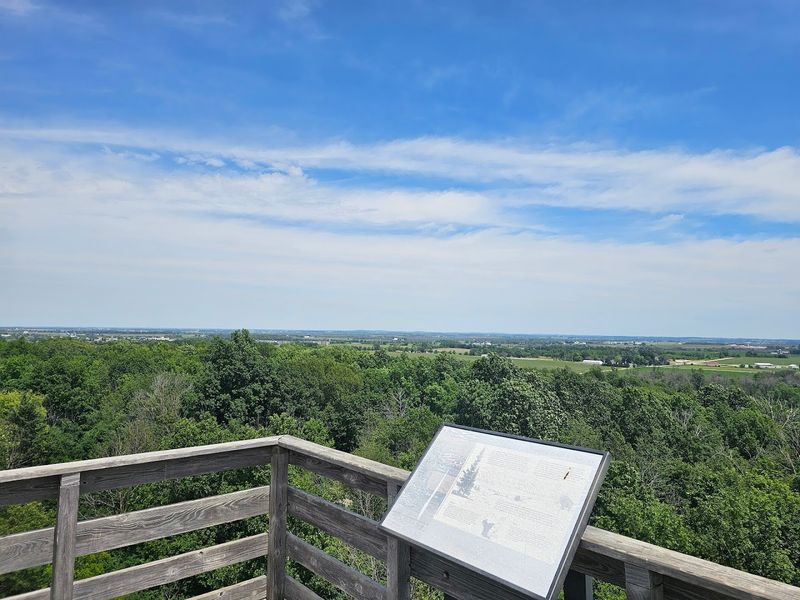
Perched atop the Niagara Escarpment, this 105-acre nature center provides some of the most spectacular views in eastern Wisconsin. The same geological formation that creates Niagara Falls runs through here, forming dramatic limestone ledges that rise 250 feet above the surrounding landscape.
On clear days, you can see Lake Winnebago shimmering in the distance and farmland stretching to the horizon.
The trail system winds through diverse habitats, from dense hardwood forests to prairie restorations bursting with native wildflowers. The escarpment trail follows the cliff edge, offering multiple overlook points where you can pause and take in the sweeping vistas.
Rock outcrops provide perfect spots for reflection, and the changing seasons paint the landscape in constantly shifting colors.
Educational programs at the nature center help visitors understand the unique geology and ecology of the escarpment region. The building itself features large windows that frame the views, making even indoor time feel connected to the landscape.
Interactive exhibits explain how glaciers shaped this terrain and why the escarpment creates such distinct habitats.
Birdwatchers flock here during migration seasons when raptors use the escarpment as a navigation landmark. The elevated position makes it ideal for spotting hawks, eagles, and falcons riding thermal currents.
Winter transforms the trails into cross-country skiing and snowshoeing routes where you can experience the frozen landscape in peaceful solitude.