
This Swiss-Inspired Village In Wisconsin Looks Like It Was Plucked From The Alps
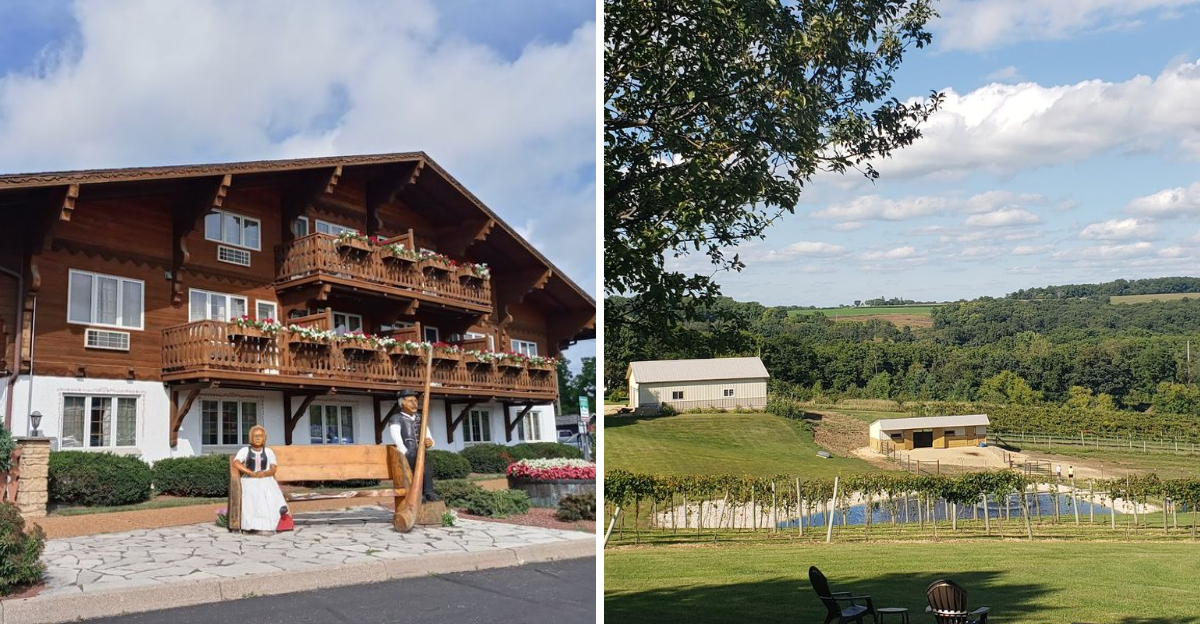
Rolling hills stretch out across southern Wisconsin, and then something unexpected appears. For a moment, it almost feels like you’ve crossed into another country.
Streets lined with chalet-style buildings, colourful murals painted by hand, and flags gently moving in the breeze create a scene that feels distinctly European. That atmosphere isn’t by chance.
The community was founded in the mid-1800s by Swiss settlers, and their influence still shapes the look and feel of the village today. It’s the kind of place that quietly transports you somewhere else without ever leaving the Midwest.
A Wisconsin Village Founded By Swiss Immigrants In The 1800s
Back in 1845, a group of 108 immigrants left the canton of Glarus in eastern Switzerland and made their way across the ocean to start fresh. They arrived in what would become Green County, Wisconsin, carrying with them traditions, building techniques, and a determination to recreate something of home in unfamiliar territory.
The land reminded them of the valleys they had left behind, and they set to work establishing farms and businesses.
Today, New Glarus maintains that connection to its founding families with a care that goes beyond simple nostalgia. The village population reached 2,266 by 2020, but the sense of community remains rooted in those original Swiss values.
Streets bear names that echo the old country, and local organizations work to preserve the language and customs brought over nearly two centuries ago.
Swiss Architecture Gives The Town Its Distinct Look
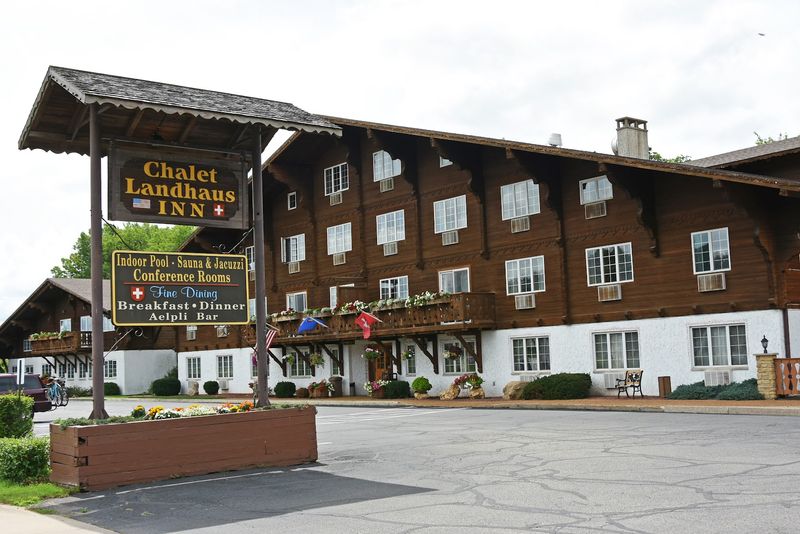
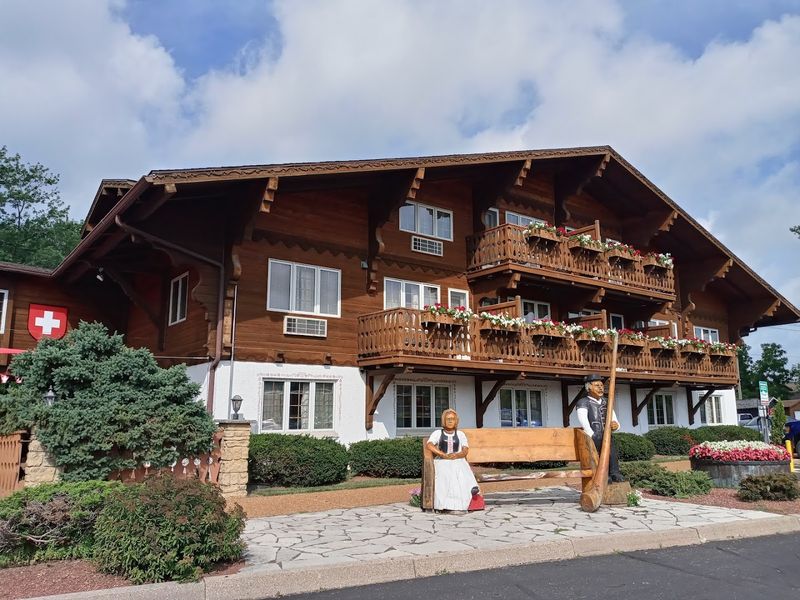
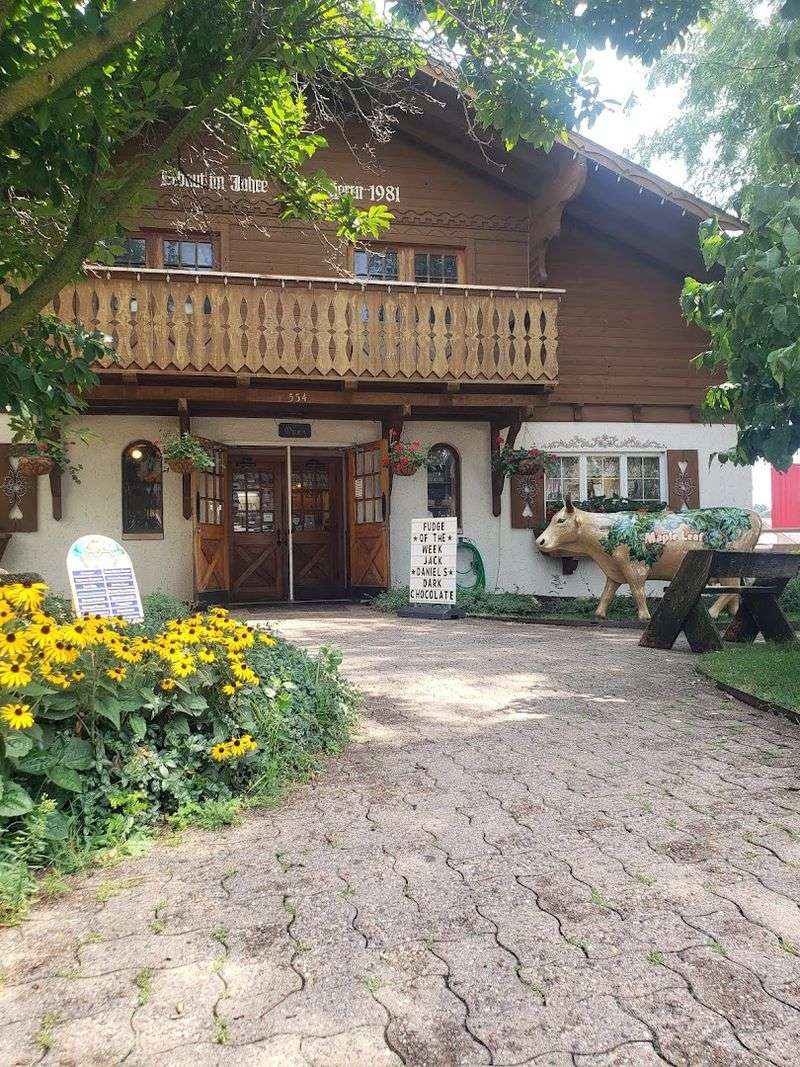
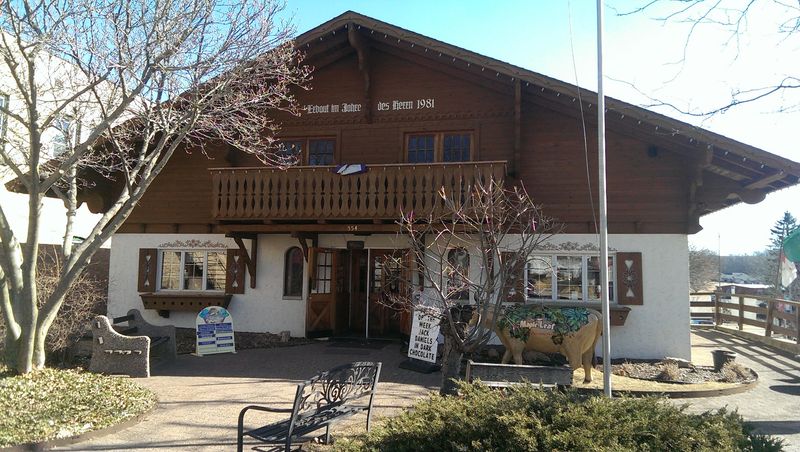
Walking through the center of New Glarus feels like stepping into an Alpine postcard. The buildings sport steep roofs designed to shed heavy snow, wide eaves that extend over balconies, and decorative woodwork that traces patterns across facades.
These details are not simply decorative touches added for tourists but reflect actual Swiss building traditions adapted to Wisconsin weather.
The architectural commitment extends from storefronts to residential homes throughout the village. You will find chalets with flower boxes spilling over with geraniums in summer, carved wooden shutters, and painted scenes depicting mountain landscapes.
Even newer construction follows these design guidelines, creating a visual consistency that makes the entire village feel cohesive. The effect is both charming and surprisingly authentic, a testament to the community’s dedication to preserving its heritage through built form.
The Swiss Heritage Is Celebrated Throughout The Village
Heritage in New Glarus is not confined to museums or special occasions but woven into daily life. Businesses operate with Swiss names, restaurants serve traditional dishes like rösti and bratwurst, and the local brewery has gained national recognition for its craft beers brewed with Swiss precision.
The village has made its cultural identity a living, breathing part of the present rather than a relic of the past.
You can hear Swiss German spoken in shops and at community gatherings, particularly among older residents who learned it from parents and grandparents. Cultural organizations offer language classes and folk dancing lessons to younger generations.
This active preservation means the heritage feels genuine rather than manufactured, a culture maintained by people who value their connection to Switzerland. The result is a village that honors its past while remaining fully engaged with contemporary life.
The Swiss Historical Village Tells The Story Of The Town’s Origins
The Swiss Historical Village operates as an outdoor museum that recreates the early settlement period through a collection of restored buildings. Visitors walk through a blacksmith shop, a one-room schoolhouse, a cheese factory, and several period homes furnished as they would have been in the 1800s.
Each structure was either moved to the site or built to match historical records, creating an accurate picture of pioneer life.
Guides dressed in period clothing demonstrate traditional crafts and explain the challenges faced by those first settlers. The museum does not romanticize the past but presents it honestly, showing both the ingenuity and the hardships of building a new community from scratch.
Children particularly enjoy the hands-on elements, trying their hand at butter churning or examining antique tools. The historical village serves as an educational resource that keeps the founding story accessible to residents and visitors alike.
Traditional Swiss Festivals Bring The Community Together
Every year, New Glarus hosts festivals that draw crowds from across Wisconsin and beyond. The Heidi Festival in June celebrates the beloved children’s story with performances, music, and traditional foods.
Oktoberfest follows in the fall, though the village puts a distinctly Swiss spin on this celebration, and the Wilhelm Tell Festival honors the legendary Swiss folk hero with outdoor drama and pageantry.
These events are not tourist productions staged for outsiders but genuine community celebrations that locals anticipate all year. Families bring lawn chairs, children run through the crowds in traditional dress, and the smell of grilled sausages fills the air.
Folk dancers perform intricate routines learned through months of practice, and yodelers demonstrate a vocal tradition that has survived across generations. The festivals create a space where heritage becomes participatory, allowing everyone to experience Swiss culture in action.
The Countryside Around Town Adds To The Alpine Feel
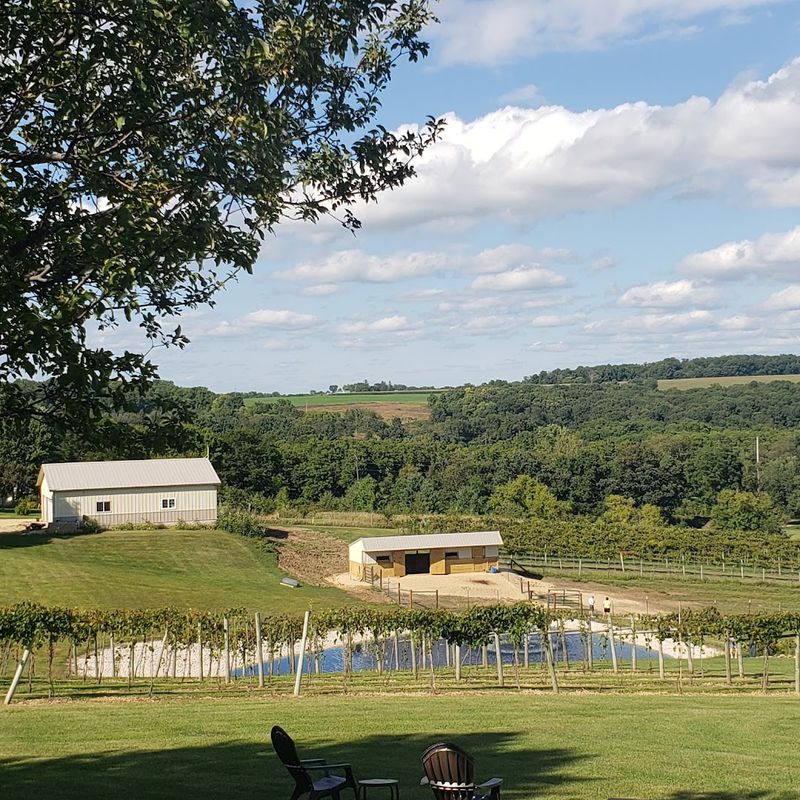
The landscape surrounding New Glarus contributed significantly to why Swiss settlers chose this location. Rolling hills covered in pasture and forest create vistas that echo the pre-Alpine regions of Switzerland.
Dairy farms dot the countryside, their barns and silos visible from winding country roads. In spring and summer, the fields turn impossibly green, and in autumn, the hardwood forests blaze with color.
Driving or cycling through this terrain, you understand the connection settlers felt to their homeland. The topography offers similar challenges and opportunities, with valleys suitable for farming and hillsides better left for grazing.
Small streams cut through the landscape, and the air carries the clean, fresh quality of rural Wisconsin. The natural setting reinforces the Alpine impression created by the village architecture, making the entire area feel like a coherent whole rather than a themed attraction.
Local Shops Highlight Swiss Culture And Crafts
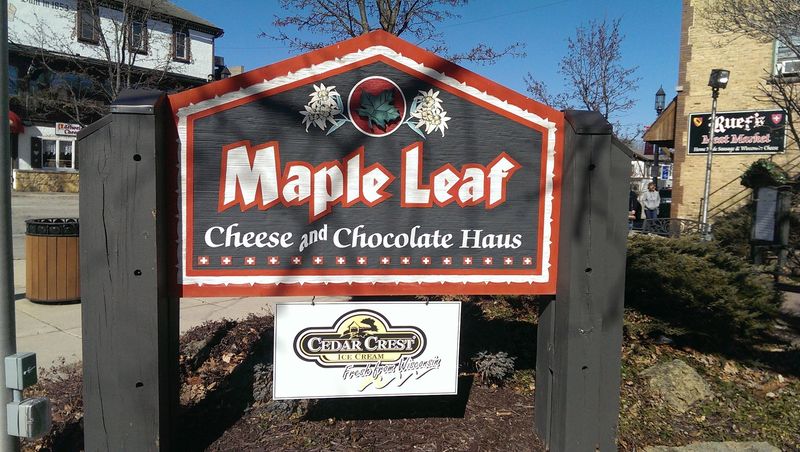
Shopping in New Glarus means browsing stores filled with imported Swiss goods alongside locally made crafts. You will find shops selling cuckoo clocks, embroidered linens, wooden toys, and Swiss chocolates that arrive directly from European suppliers.
Other stores specialize in cheese, offering varieties made locally using Swiss techniques passed down through families for generations.
The retail experience emphasizes quality and tradition over mass production. Shopkeepers often know the history of their products and can explain the significance of particular patterns or designs.
A bakery might sell bread using recipes brought over in the 1800s, while a gift shop displays hand-carved wooden items made by local artisans. These businesses create an economic model based on cultural authenticity, giving visitors the opportunity to take home something genuinely connected to Swiss heritage rather than generic souvenirs.
Swiss Flags And Murals Decorate Buildings Across Town
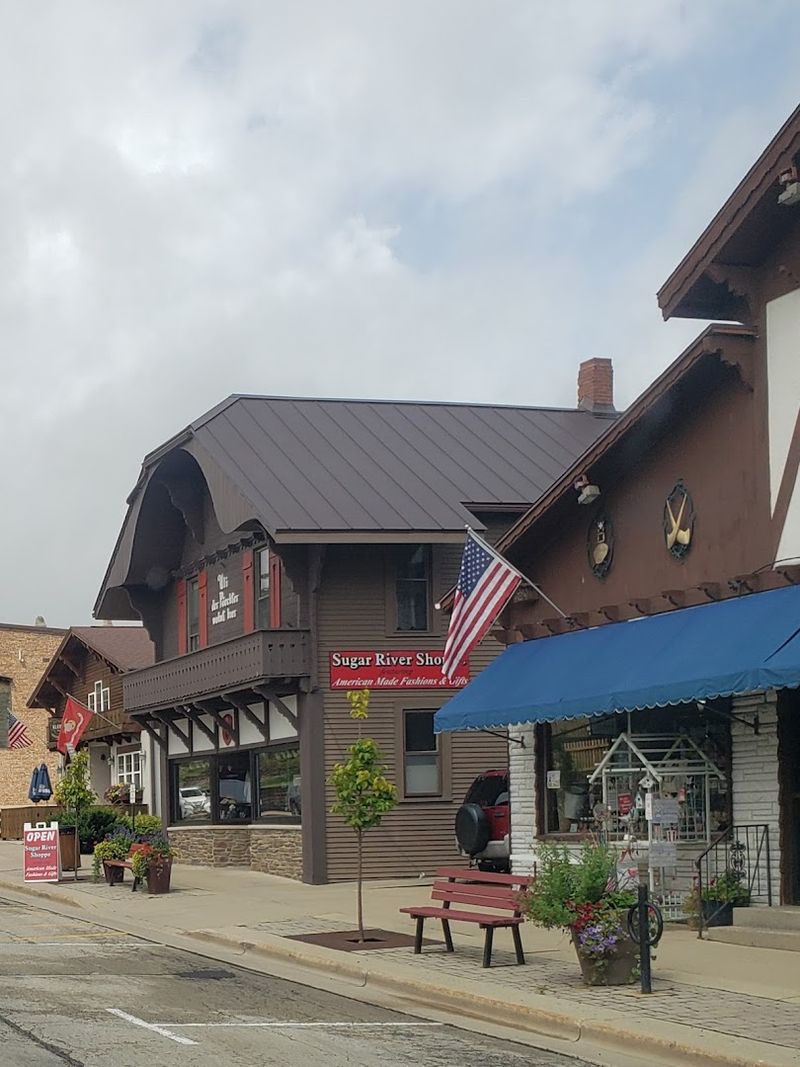
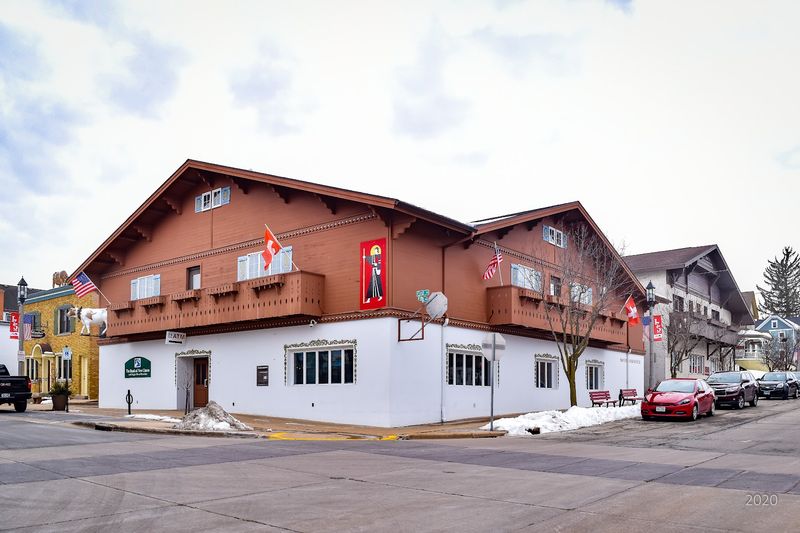
Throughout New Glarus, buildings serve as canvases for artistic expressions of Swiss identity. Large murals depict mountain scenes, traditional festivals, and historical moments from both Switzerland and the village’s own past.
The Swiss flag appears alongside the American flag on storefronts, homes, and public buildings, a visual reminder of the dual heritage residents embrace.
These decorations go beyond simple ornamentation to function as public art that tells stories. One mural might show the journey of the original settlers crossing the Atlantic, while another depicts traditional Alpine farming practices.
Local artists create these works, often incorporating specific references to New Glarus history that residents recognize and appreciate. The result is a village where almost every corner offers something visually interesting, where art and heritage merge into everyday streetscapes.
The flags and murals transform ordinary buildings into landmarks that reinforce cultural identity with every glance.
Visitors Often Call It America’s Little Switzerland
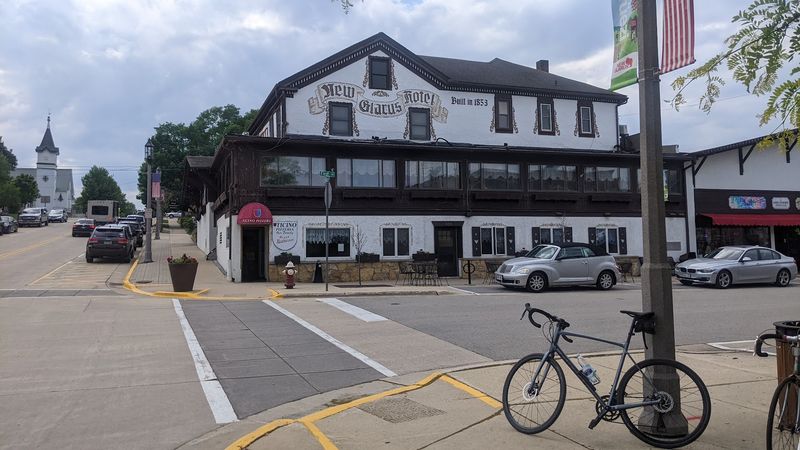
The nickname has stuck for good reason. New Glarus has cultivated an atmosphere so thoroughly Swiss that first-time visitors often express genuine surprise at finding such a place in Wisconsin.
The combination of architecture, landscape, food, and cultural practices creates an immersive experience that transcends simple theme park recreation. This is a functioning community that happens to maintain exceptionally strong ties to its European origins.
Travel writers and tourism boards have promoted this comparison for decades, and the village has embraced it without becoming a caricature. You will not find exaggerated stereotypes or kitschy excess but rather a measured, dignified presentation of genuine heritage.
Located at 42.8144473, -89.6351217 in Green County, the village balances its cultural identity with modern American life. Residents go about their daily business while maintaining traditions that set their community apart from surrounding towns.
The Village Feels Like A European Escape In Southern Wisconsin
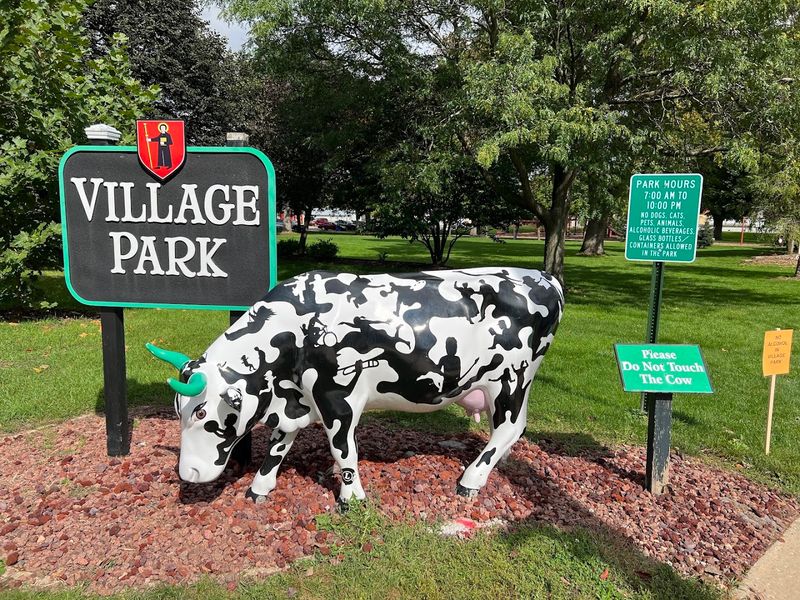
Visiting New Glarus provides an escape without requiring a passport or transatlantic flight. The village offers a complete change of scenery from typical American towns, creating a sense of transportation that goes beyond physical distance.
Spending a day here means eating Swiss food, hearing Swiss music, seeing Swiss architecture, and engaging with a culture that has maintained its distinctiveness for nearly 180 years.
The experience appeals to different visitors for different reasons. Some come for the excellent beer from New Glarus Brewing Company, others for the festivals or historical sites.
Many simply enjoy walking streets that feel genuinely different, where attention to cultural detail creates an atmosphere of elsewhere. The village manages to be both authentically Swiss and authentically American, a hybrid identity that makes it unique in the Midwest.
For more information, visit swisstown.com to plan your visit to this remarkable community.