
This Stunning Arkansas River Is So Clear You Can See Every Detail Below
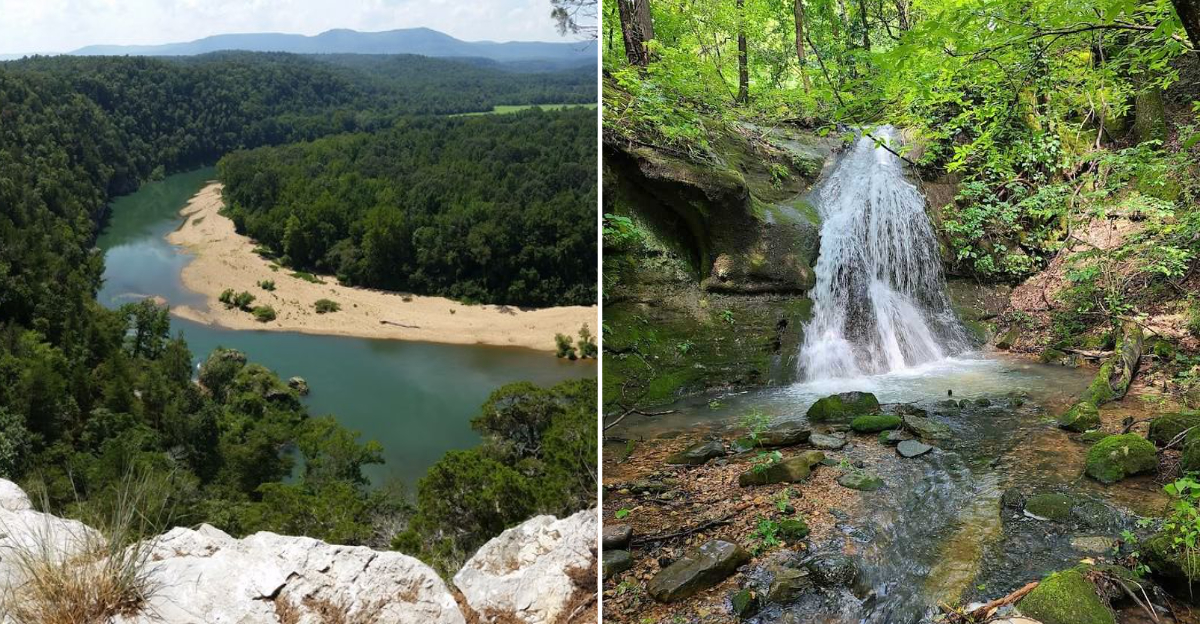
Some rivers are so clear that the moment you see them, you feel an almost instinctive urge to step right in and swim. Places like that are rare, and they matter more than most people realize, which is why they deserve to be protected.
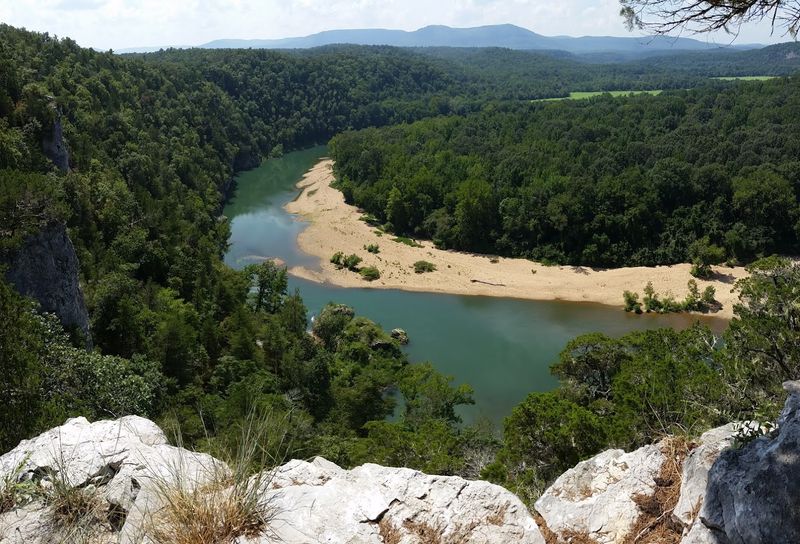
In Arkansas, there is a river that has become a quiet magnet for travelers from across the country, drawn not by noise or crowds, but by the stillness of water so transparent it feels unreal.
As you stand on its banks, you can see straight to the bottom, where stone, sand, and movement of life blend into something almost untouched. It is the kind of place that slows your thoughts without asking permission.
And once you have seen it, you understand why people come back. Not just to visit, but to remember what nature is supposed to look like.
Understanding The Ecosystem And Its Importance
This river is not just a pretty face. It’s a fully functioning, wildly complex ecosystem that has been doing its thing for millions of years.
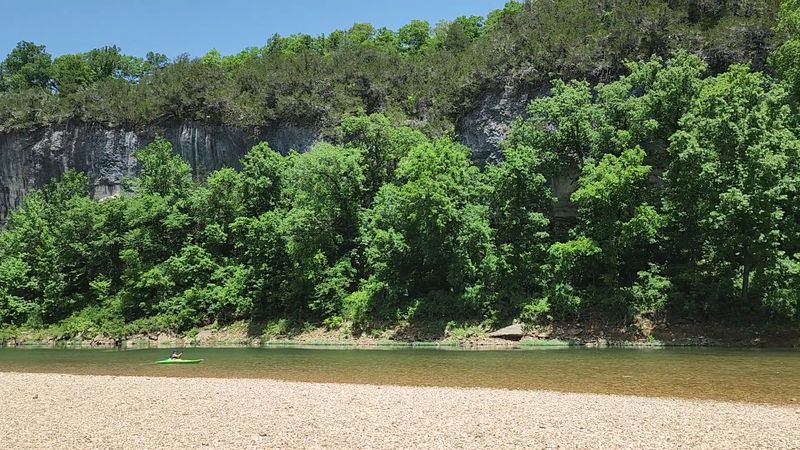
The river stretches about 135 miles through the Ozark Mountains in northern Arkansas. Every mile of it tells a story about how water, rock, and life work together in perfect balance.
The geology here is mostly limestone and dolomite, which acts like a natural filter. Rainwater seeps through layers of rock, picks up minerals, and emerges as incredibly clear spring water feeding the river.
That’s the science behind the stunning visibility you see when you peer into the water.
The ecosystem supports everything from microscopic invertebrates to large mammals like elk and black bear. Each creature plays a role in keeping the river healthy.
Remove one piece, and the whole system feels the impact. The Buffalo National River is located in Arkansas, United States, and is managed by the National Park Service to protect this irreplaceable natural treasure.
Visiting here means stepping into one of the most ecologically intact river systems left in the American South.
Identifying Native Fish Species In Clear Waters
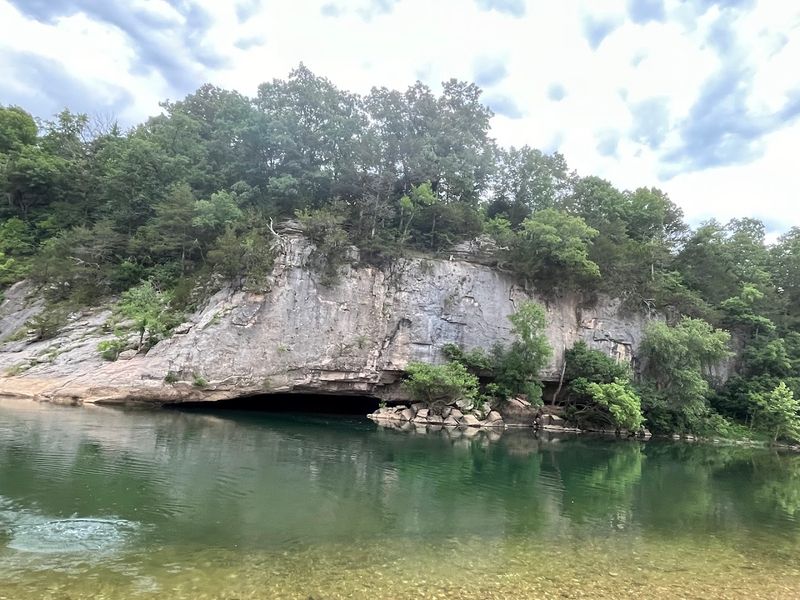
Peer into the Buffalo National River on a calm day, and you’ll spot fish like you’re watching a nature documentary in HD. The water clarity is almost unreal.
You can see smallmouth bass holding steady against the current, darters darting between rocks, and sunfish hovering near submerged logs like they own the place.
The river is home to over 50 species of native fish. Smallmouth bass are the rockstars here, drawing anglers from across the country.
Ozark bass, longear sunfish, and bleeding shiner are also common residents. Some species, like the Ozark cavefish, are found almost nowhere else on Earth.
Water clarity plays a huge role in fish behavior. In clear rivers, fish can spot predators and prey from much greater distances.
That means they’re often more cautious and harder to catch, which makes fly fishing here both a challenge and a reward. If you’re planning to fish, get a valid Arkansas fishing license beforehand.
The National Park Service also has specific regulations to protect native species, so check those rules before casting your line. Respect the fish, and they’ll keep this river incredible for generations.
Exploring Riverbank Flora And Fauna Diversity
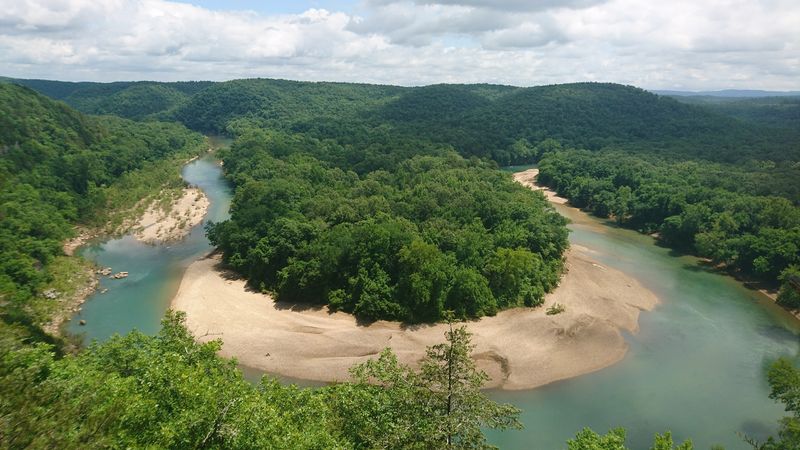
The riverbanks of the Buffalo National River are basically a nature lover’s highlight reel. Massive sycamore trees line the water’s edge, their white bark practically glowing against the green.
Ferns, wildflowers, and mosses fill every gap between rocks, creating a layered, lush environment that feels almost tropical in summer.
Wildlife sightings here are genuinely frequent. White-tailed deer come to drink at dawn and dusk.
Wild turkeys strut through the understory like they’re late for a meeting. River otters have been spotted playing in the shallower pools, and bald eagles occasionally cruise overhead.
The elk herd reintroduced to the Boxley Valley area has become one of the most talked-about wildlife stories in Arkansas.
Birdwatchers especially love this place. Over 300 bird species have been recorded in and around the Buffalo National River corridor.
Warblers, herons, kingfishers, and wood ducks are all regular visitors, depending on the season. Spring migration turns the whole valley into a birding festival.
Bring binoculars, walk slowly, and keep your voice low. The animals here are wild and real, not performing for anyone.
That authenticity is what makes every walk along these banks feel like a genuine adventure.
The Role Of Conservation In Maintaining Water Quality
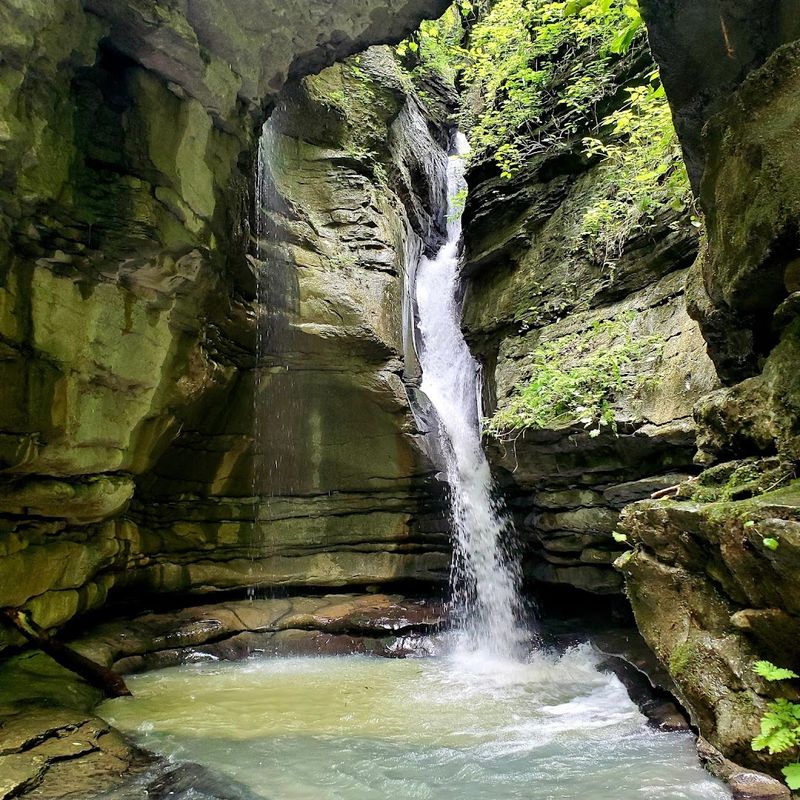
Clean water does not happen by accident. The extraordinary clarity of the Buffalo National River is the direct result of decades of conservation work and land protection.
It is also shaped by smart management by the National Park Service and local communities. When Congress designated it as America’s first national river in 1972, it was a game-changer for the entire region.
The designation protects a large buffer of land surrounding the river from development, agriculture, and industrial use. That buffer is critical.
When land near rivers gets developed or farmed intensively, runoff carries sediment, fertilizers, and pollutants straight into the water. Protecting that land keeps the water clean and the riverbed visible.
Conservation here is not just a government effort. Local organizations, paddlers, anglers, and everyday visitors all play a role.
Volunteer cleanup events happen regularly. Leave No Trace principles are actively encouraged throughout the park.
Even small choices like staying on trails and packing out trash make a measurable difference over time. The National Park Service monitors water quality year-round, tracking clarity, temperature, and chemical composition.
If you care about places like this existing for your kids and grandkids, supporting conservation efforts here is one of the most practical things you can do.
Popular Recreational Activities Suitable For Families
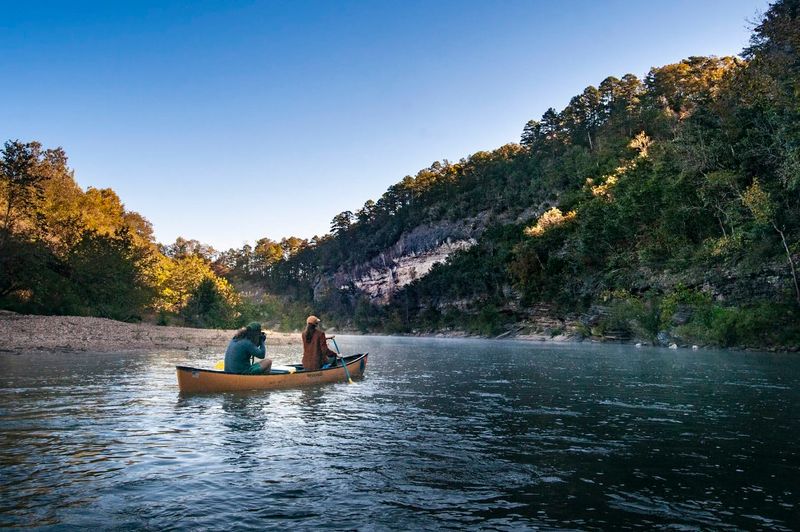
Families love the Buffalo National River, and it’s easy to see why. The activities here range from totally chill to exciting, covering every age group and energy level.
You don’t need to be an extreme athlete to have an incredible time. You just need to show up.
Canoeing and kayaking are the most popular activities on the river. The upper section near Ponca runs faster with some exciting rapids.
The middle and lower sections offer calm, flat water perfect for families with young kids. Canoe rentals are available from outfitters near the park, and guided float trips are a great option for first-timers.
Hiking trails along the river range from easy riverside strolls to more challenging bluff-top routes. The Lost Valley Trail near Ponca leads to a stunning cave and waterfall, and it’s manageable for most kids.
Swimming is allowed in designated areas where the river creates natural pools with that gorgeous, clear water. Camping along the river puts you right in the middle of all of it.
Stargazing from a riverside campsite is spectacular because light pollution is almost nonexistent out here. Pack snacks, sunscreen, and a sense of adventure, because this place rewards all three.
How Weather Conditions Affect Water Transparency
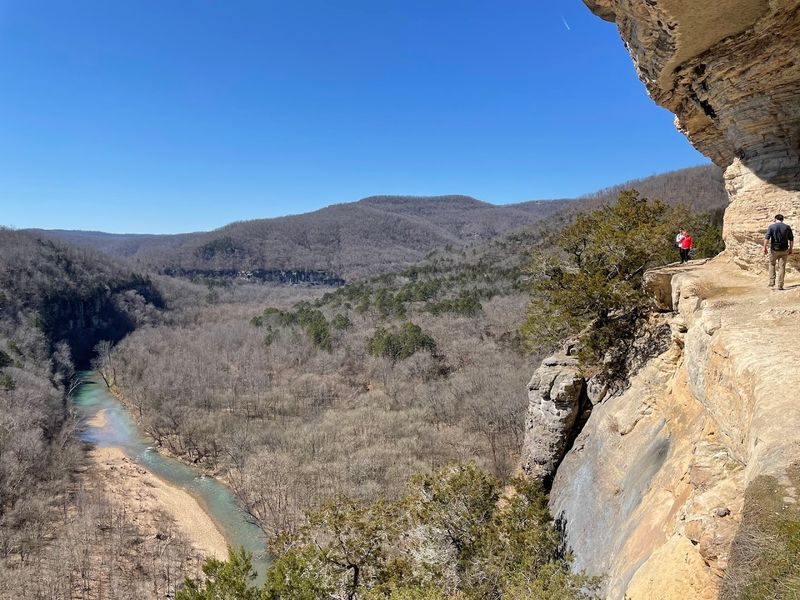
Water clarity on the Buffalo National River is not always the same, and weather is the biggest variable in that equation.
During heavy rain events or after major storms, the river can turn a murky brown or tan as runoff carries sediment from the surrounding hills. That’s completely normal and temporary, but it does affect your experience significantly.
Summer and early fall are generally the best times for crystal-clear water. Lower water levels during dry periods mean less sediment gets stirred up, and the spring-fed sections of the river maintain their clarity beautifully.
The limestone geology acts as a natural filtration system, so even after moderate rain, the water can clear up faster here than in rivers with softer, more erodible soils.
Spring is stunning visually because of the green explosion happening on the banks, but higher water from snowmelt and rain can reduce clarity.
Winter visits offer a different beauty, with bare trees revealing the full drama of the bluffs and ice forming along slower sections. Always check recent rain conditions before planning a float trip.
The National Park Service website and local outfitters are great resources for current river conditions. Timing your visit right makes a huge difference in what you see below the surface.
Equipment Essentials For Safe Exploration
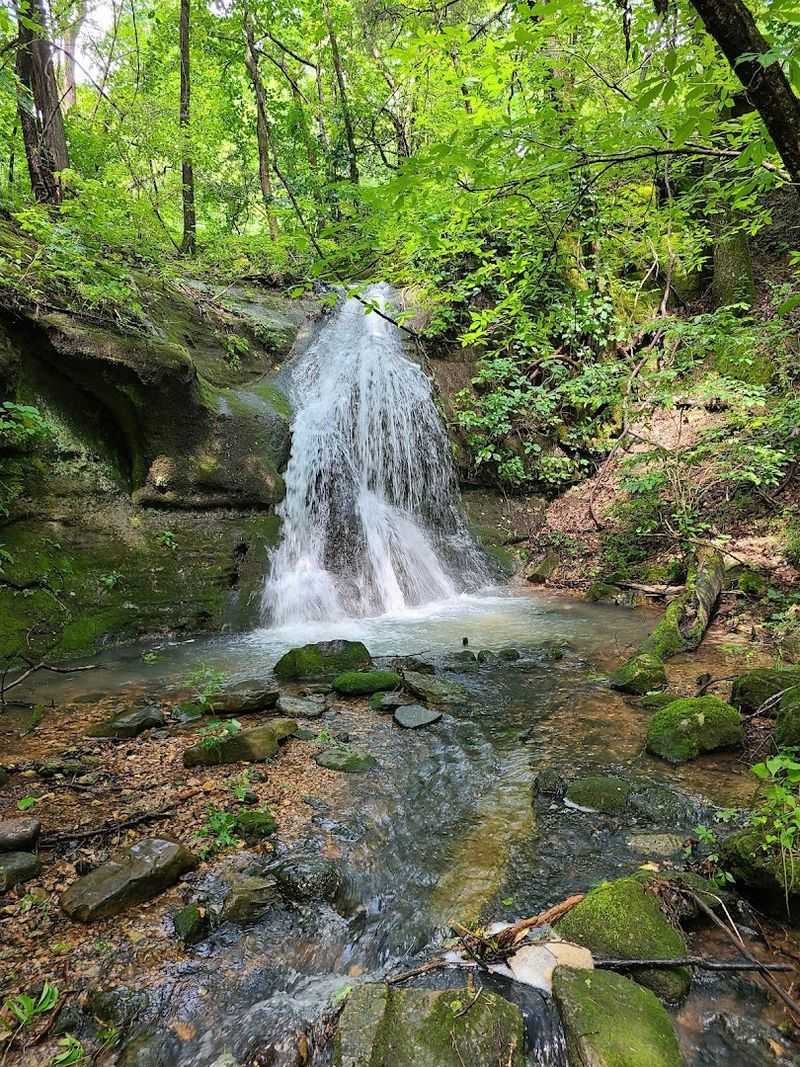
Showing up prepared at the Buffalo National River makes the difference between a great trip and a miserable one. The river looks calm and inviting, and it usually is, but currents can shift, rocks are slippery, and the sun out here is relentless.
Gear matters more than people expect.
Water shoes or sandals with solid ankle support are non-negotiable. The riverbed is rocky and uneven, and bare feet will take a beating fast.
A personal flotation device is required for paddlers under 12 and strongly recommended for everyone on the water. Dry bags keep your phone, wallet, and extra clothes safe during canoe or kayak trips.
Polarized sunglasses are a game-changer for spotting fish and rocks below the surface.
Hydration is serious business out here. Carry more water than you think you need, especially in summer when temperatures can climb well into the 90s.
A portable water filter or purification tablets work as solid backups. Sunscreen, a wide-brim hat, and lightweight long sleeves protect against serious sun exposure on open water.
Bug spray is your best friend from late spring through early fall. A waterproof first aid kit rounds out the basics.
Pack smart, stay safe, and you’ll spend more time enjoying the river and less time dealing with problems.
Cultural History Linked To The Landscape
Long before the Buffalo National River became a national park, people were living along its banks and building their lives around its resources. The Osage Nation used this region for hunting.
Later, European-American settlers arrived in the 1800s and carved out homesteads in the narrow valleys, farming small plots and raising livestock in the rugged Ozark terrain.
Several historic structures still stand within the park boundaries. The Boxley Valley area contains preserved farmsteads, barns, and a historic mill that give visitors a real sense of what life looked like here a century ago.
The ghost town of Rush, located near the lower river, was once a booming zinc mining community in the early 1900s. Walking through its ruins today feels like stepping into a forgotten chapter of American history.
Native American presence in the region dates back thousands of years. Archaeological sites within the park include rock shelters and pictographs that speak to a deep, layered human connection to this landscape.
The National Park Service actively works to preserve and interpret this cultural history for visitors. Understanding who lived here before us adds a whole new dimension to every hike and paddle.
The river is not just a natural wonder. It’s a living history book written in rock, water, and memory.