
Most People Don’t Know That These 9 Magical Hidden Places In New York Even Exist
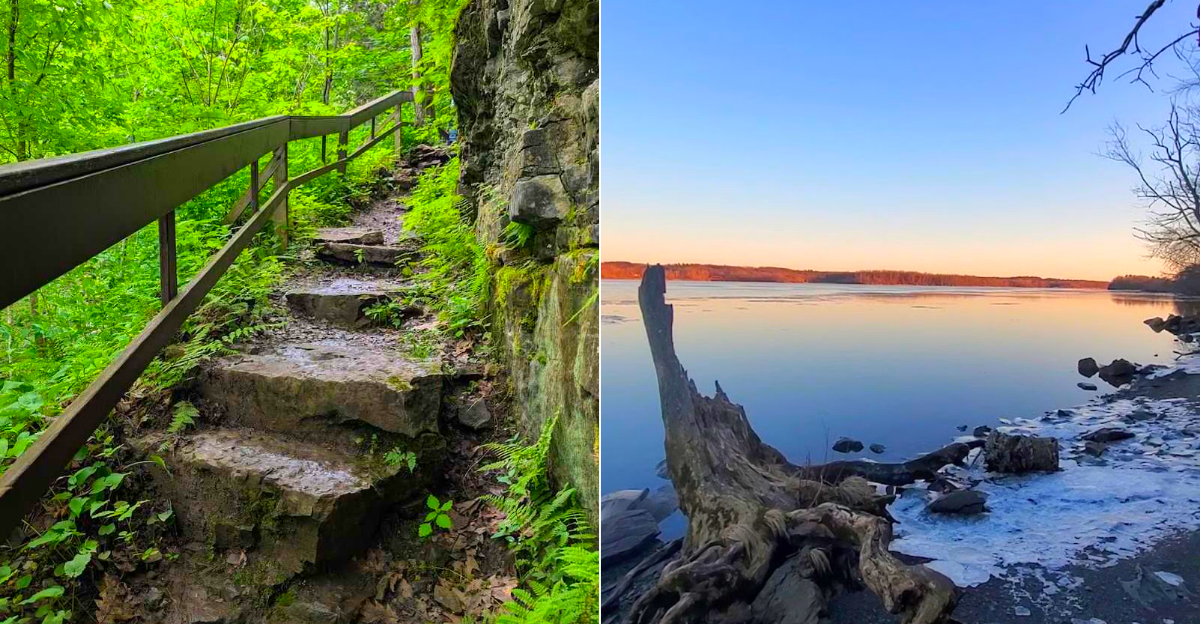
New York is full of famous landmarks, but some of its most memorable places are the ones almost no one talks about. Scattered across the state are quiet corners, unusual attractions, and natural spots that feel like they were made to be discovered rather than advertised.
Finding one often feels like uncovering a secret you were not supposed to know.
These hidden places offer something different from the usual travel experience. You might come across a secluded waterfall, a quirky roadside attraction, or a peaceful landscape that feels completely untouched.
Each destination has its own kind of magic, rewarding curiosity and a willingness to explore beyond the obvious. Once you start seeking them out, it becomes clear that New York still has plenty of surprises waiting to be found.
1. Glen Falls
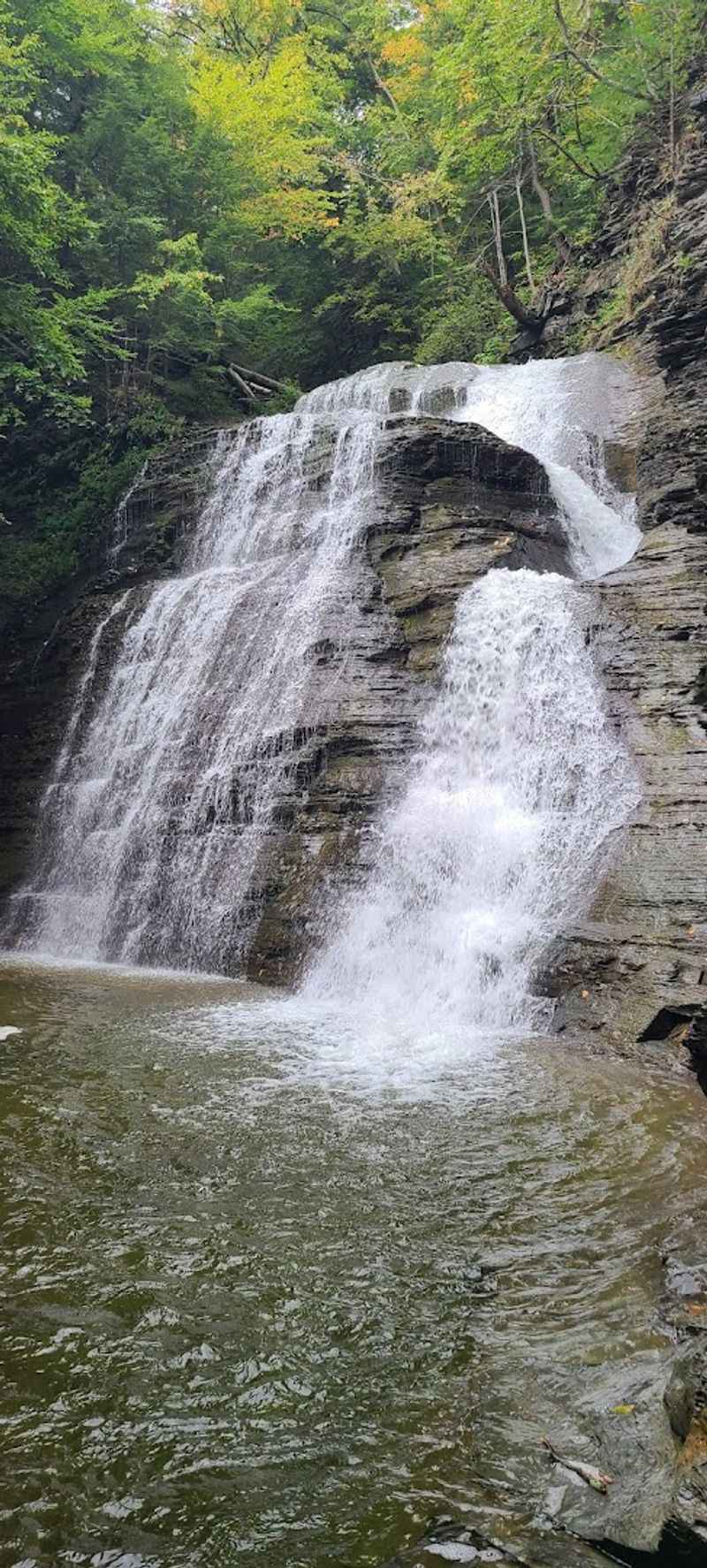
Right outside of Buffalo, most people are too busy chasing Niagara Falls to notice this absolute gem sitting quietly nearby. Glen Falls is a layered waterfall inside Chestnut Ridge Park, located at 6121 Chestnut Ridge Road in Orchard Park, and it is genuinely worth the detour.
The water drops in stages over smooth rock shelves, creating a scene that looks straight out of a fantasy novel.
Stone steps wind down alongside the falls, giving you multiple angles to appreciate the whole show. Most visitors who do find the park skip the lower trail entirely, which means you often get the best viewpoints completely to yourself.
That is the kind of solo moment that makes you feel like an explorer rather than a tourist.
Spring and early summer are peak times, when snowmelt keeps the flow strong and dramatic. The surrounding woods stay cool and shaded even on warmer days, making the hike down feel like a reward rather than a chore.
Bring decent shoes, leave the flip flops at home, and give yourself at least an hour to fully soak in everything Glen Falls has to offer. You will not regret it.
2. Chittenango Falls Gorge Trail
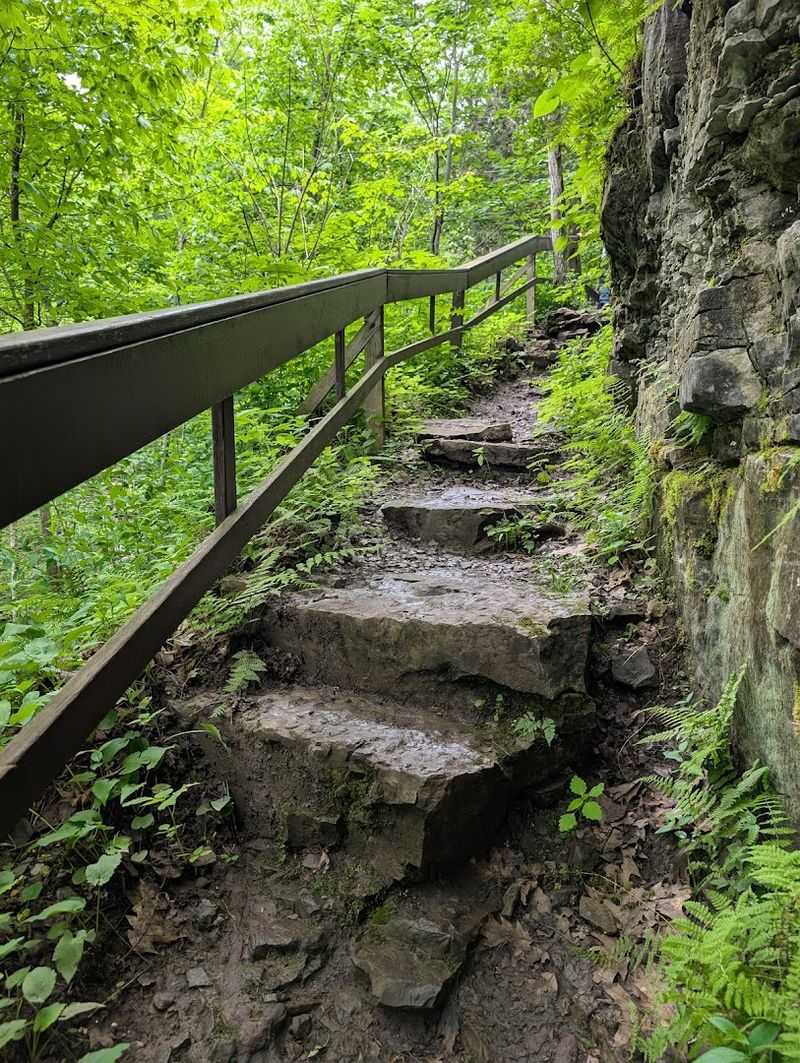
Most people pull into Chittenango Falls State Park, walk to the main overlook, snap a photo, and head home. Fair enough, the view from the top is solid.
But the real magic happens when you take the gorge trail that winds down below the falls, and suddenly the whole landscape shifts into something far more dramatic.
The park is located at 2300 Rathbun Road in Cazenovia, New York, and the lower trail is easy to miss if you are not actively looking for it. Once you are down there, the roar of the water surrounds you completely.
The falls drop nearly 167 feet, and from below, that height becomes very real very fast.
The gorge walls rise steeply on both sides, covered in moss and fern, creating a cool microclimate that feels completely separate from the world above. It is the kind of place where you lower your voice without even thinking about it.
The trail is not particularly long, but it is uneven in spots, so watch your footing. Early morning visits are especially rewarding because the mist catches the light in ways that feel almost theatrical.
Go on a weekday and you might have the whole gorge to yourself.
3. Whaupaunaucau State Forest
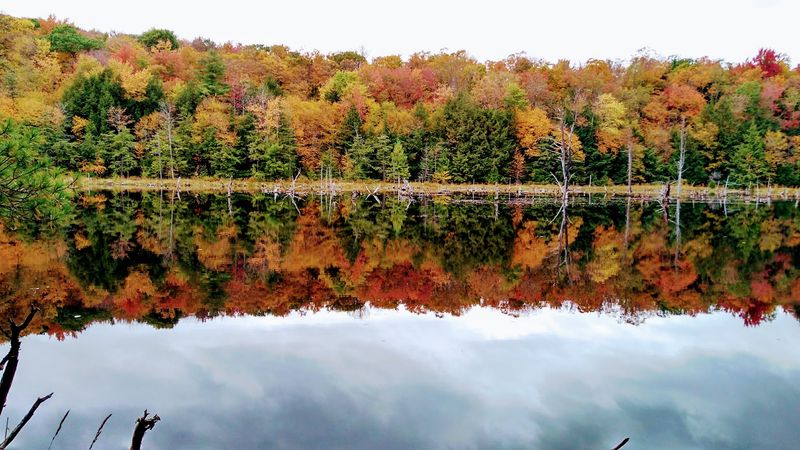
Say the name three times fast and you have already earned the right to visit. Whaupaunaucau State Forest sits deep in the Catskills and operates on a simple policy of keeping things gloriously low-key.
No crowds, no gift shops, no one trying to sell you a trail map at the entrance.
The forest stretches across parts of Delaware County in New York, and the paths here are more suggestion than infrastructure. You will find narrow tracks threading through tall hardwoods, small streams crossing your route without warning, and long quiet stretches where the only sound is wind moving through the canopy above you.
It is the kind of place that reminds you why people fell in love with the outdoors before Instagram existed.
Navigation skills matter here more than at your average state park. A downloaded offline map is a smart move before you head in.
The terrain is rolling rather than extreme, making it manageable for most hikers with a reasonable fitness level. Fall foliage season turns the whole forest into something that looks almost unrealistically colorful.
Pack a lunch, give yourself a full half day, and plan to get at least a little lost on purpose. That is honestly part of the appeal.
4. Split Rock Falls
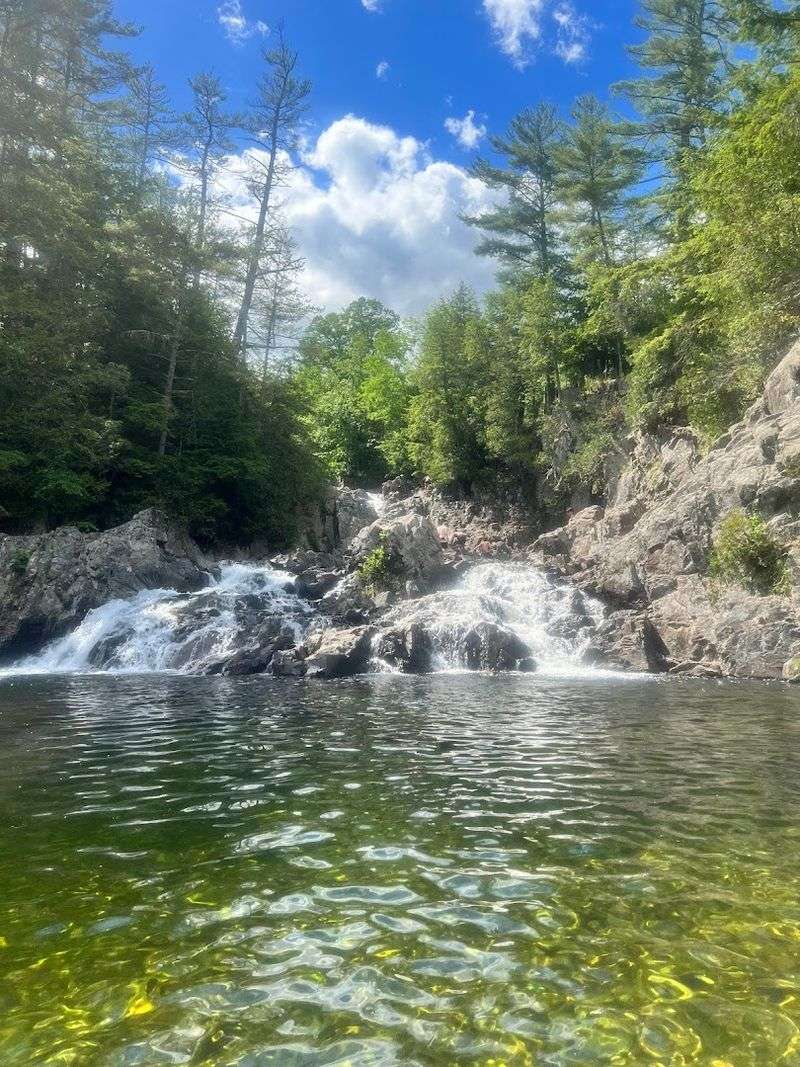
There are waterfalls you admire from a safe distance, and then there are waterfalls you swim under. Split Rock Falls falls firmly into the second category, and that alone makes it worth the drive.
Located near Elizabethtown in Essex County, you can find it off Route 9N in the Adirondacks, and the directions feel almost too simple for somewhere this beautiful.
The falls tumble over a series of smooth, angled rock ledges before landing in a natural pool below that stays surprisingly clear throughout the warmer months. The rock formations around the swimming hole are flat and wide, making them perfect for sitting, drying off, or just staring at the water longer than you planned.
Weekday visits in July and August are your best shot at finding a quiet corner of the pool. Weekends can bring a few more visitors, though it never gets anywhere near the chaos of more well-publicized swimming spots.
The walk in from the roadside parking area is short, maybe five minutes, which means the payoff-to-effort ratio here is basically unbeatable. Water shoes are a genuinely good idea because the rocks underfoot can be slippery.
Bring a towel, bring a snack, and plan to stay longer than you originally intended.
5. Vernooy Falls
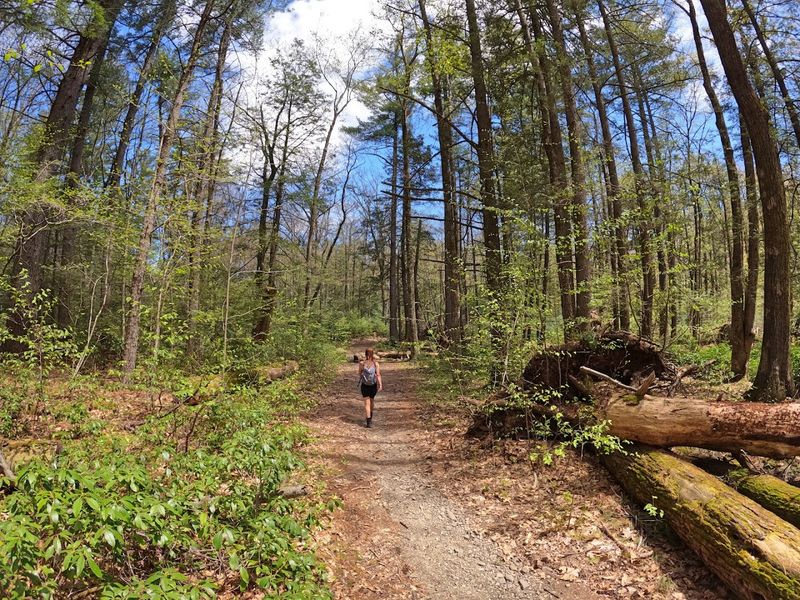
Not every great waterfall needs a parking lot full of tour buses to prove its worth. Vernooy Falls keeps things refreshingly understated, sitting at the end of a peaceful forest trail that most Catskills visitors never bother to seek out.
The trailhead is located off Upper Cherrytown Road in Kerhonkson, New York, and the hike in runs about two miles each way through genuinely lovely woodland.
The falls themselves drop in multiple tiers over mossy ledges, and the surrounding area stays quieter than almost any other waterfall destination in the Catskills. That quietness is not accidental.
The trail does not appear on most popular hiking apps as a top recommendation, which keeps the foot traffic low and the atmosphere wonderfully calm.
The path follows a stream for much of the route, so the sound of moving water accompanies you well before you reach the main falls. Spring is spectacular here when water levels are high and the forest floor is covered in wildflowers.
Fall brings its own version of magic with the leaf color. Dogs are welcome on the trail, which makes it a solid choice for anyone traveling with a four-legged hiking partner.
Flat sections alternate with gentle climbs, keeping the difficulty level firmly in the accessible range for most walkers.
6. Salmon River Falls Upper View
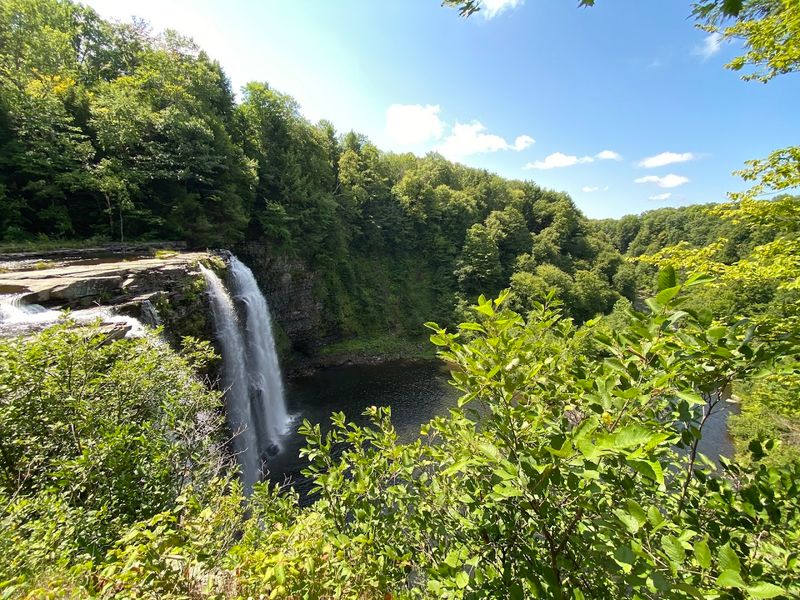
Everyone knows about the main overlook at Salmon River Falls. It is on the signs, it is in the brochures, and it is where most visitors stop, look, and leave.
But the upper viewpoints along the gorge tell a completely different story, and almost nobody bothers to find them.
Salmon River Falls is located in Orwell, New York, within Oswego County, and the main falls drop around 110 feet making them among the tallest in the state. The upper viewing areas require a bit more walking along the gorge rim, but the perspective you gain from up there is genuinely worth the extra effort.
The river below looks smaller, the gorge looks deeper, and the whole scale of the landscape suddenly becomes clear in a way the standard overlook simply cannot deliver.
Late afternoon light hits the gorge walls at an angle that photographers would pay good money to plan around. The surrounding forest is thick and the trail edges are uneven, so staying aware of your footing matters more than it might seem.
Visiting outside of peak summer weekends gives you a real chance at having the upper rim almost entirely to yourself. Pack water, wear layers in spring and fall, and allow time to simply stand there and appreciate how quietly enormous this place actually is.
7. Mount Beacon Fire Tower
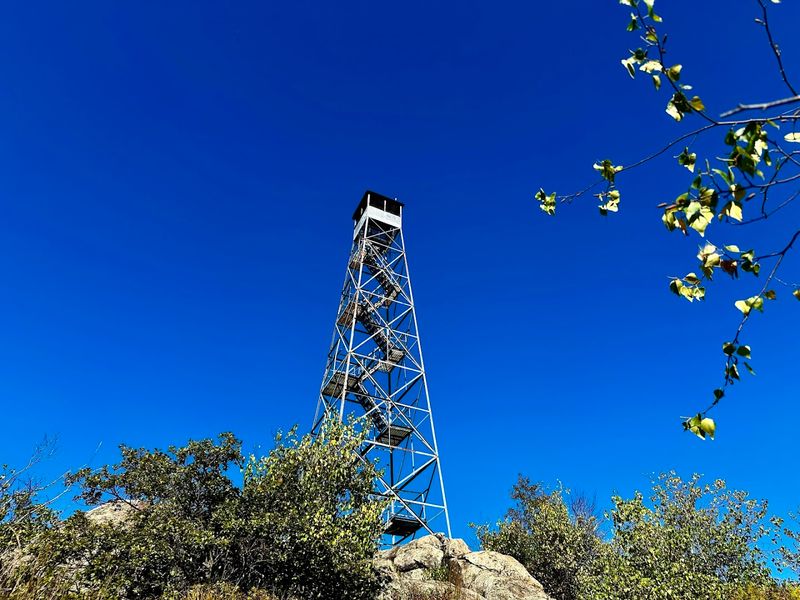
Few hikes in the Hudson Valley reward you as generously as the climb up Mount Beacon. The fire tower waiting at the top has been there since the early twentieth century, and the views it offers stretch across the Hudson River valley in every direction in a way that makes the effort feel almost unfair in the best possible sense.
The trailhead is accessible from Fishkill, New York, with the main route starting near the old Incline Railway site on Howland Avenue. The hike gains significant elevation, so expect a genuine workout rather than a casual stroll.
Most people who reach the summit describe the moment they step out above the treeline as one of those rare experiences that genuinely stops you in your tracks.
The fire tower itself is climbable, adding another layer of height and perspective to an already impressive summit. On clear days you can see the Manhattan skyline to the south, which is one of those views that feels almost illegal to get for free.
The trail can be muddy after rain, so boots rather than sneakers are the smart call. Sunrise hikes here are a whole separate level of experience, with the valley fog sitting below you like something out of a nature documentary.
This one belongs on your list immediately.
8. Four Mile Point Preserve
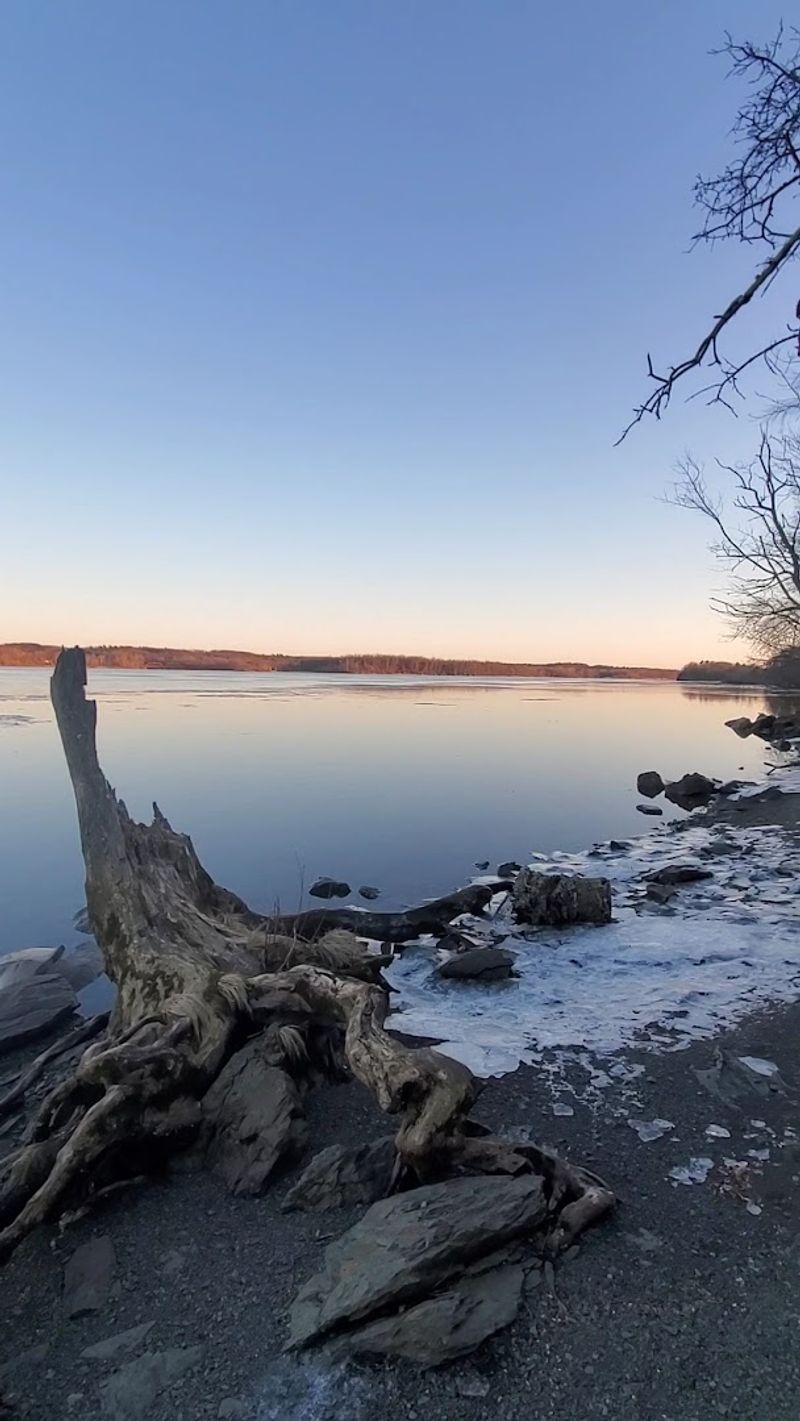
Greene County has a quiet superpower, and Four Mile Point Preserve is part of it. Located at 4 Mile Point Road in Coxsackie, New York, this preserve sits along the Hudson River and offers a stretch of shoreline that feels genuinely untouched in a way that most of the river’s more developed banks simply do not.
Driftwood piles up naturally along the rocky beach, creating an almost sculptural landscape that shifts with every season. The sky above the river is wide and open, making this one of those spots where you suddenly remember what it feels like to have actual space around you.
No vendors, no admission fees, no crowds fighting for a piece of the view.
The preserve is maintained by the Nature Conservancy, and the trails are short but satisfying, winding through meadow and woodland before reaching the water. Birdwatching here is exceptional, particularly during spring and fall migration when the river corridor becomes a highway for species passing through.
Bring binoculars if you have them. Sunset over the Hudson from this spot produces colors that feel almost too vivid to be real.
It is the kind of place where you arrive planning to stay thirty minutes and somehow end up watching the light change for two hours straight.
9. Sterling Nature Center Hidden Beach
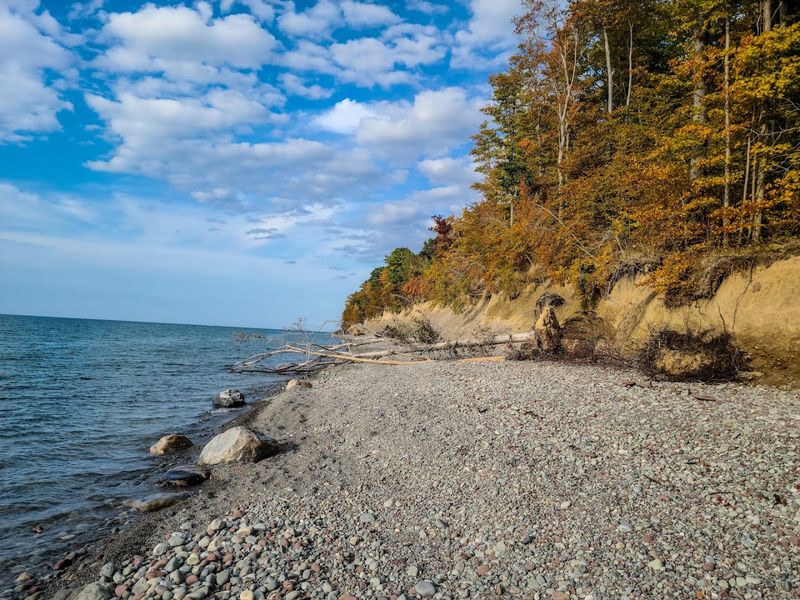
Lake Ontario does not get nearly enough credit as a destination, and Sterling Nature Center is proof of exactly that.
Located at 15289 Fair Haven Road in Sterling, New York, the center covers over 1,500 acres of forest, wetland, and shoreline, and the hidden beach at the end of its trail system is the kind of payoff that makes you want to keep the address to yourself.
The walk to the beach takes you through dense woodland that opens up dramatically when you reach the lake. The sand stretches in both directions with very few people on it, which feels almost impossible given how genuinely beautiful the spot is.
Lake Ontario here is wide enough to look like an ocean on overcast days, which adds an unexpected sense of scale.
The water is calm compared to ocean beaches, making it ideal for wading or simply sitting at the waterline and letting the sound of small waves do its job. The nature center trails are well maintained and clearly marked, so finding the beach requires only moderate navigation.
Wildlife sightings along the route are common, including deer, herons, and a wide range of migratory birds. Weekday visits in late spring and early fall offer the best combination of pleasant weather and low visitor numbers.
Pack a picnic and make a full afternoon of it.