
This Enormous Science Museum In Wisconsin Is One Of The Most Unique In The Midwest
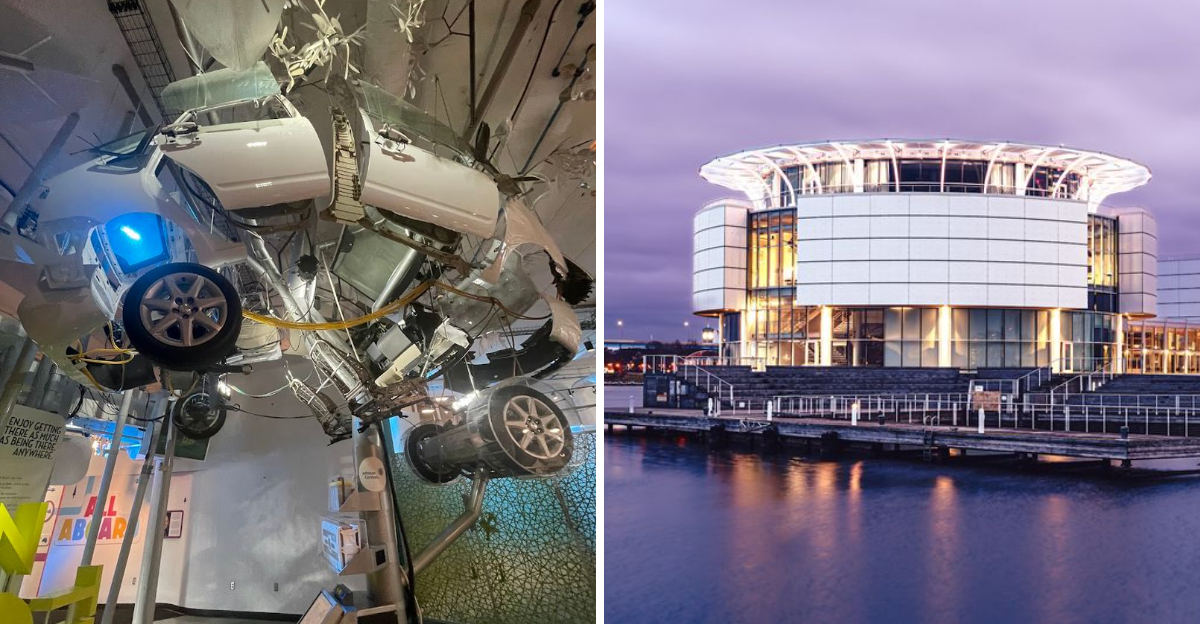
Curiosity tends to pull you in long before you reach the door. Set along the Lake Michigan shoreline in Wisconsin, this science museum turns big ideas into hands-on experiences that are hard to forget.
One moment you’re exploring freshwater ecosystems, the next you’re testing engineering concepts or stepping into interactive exhibits designed to spark questions. The space itself feels open and modern, built to match the sense of discovery inside.
It’s the kind of place where time moves quickly, and every corner offers something new to figure out.
Discovery World Sits Right On The Shores Of Lake Michigan
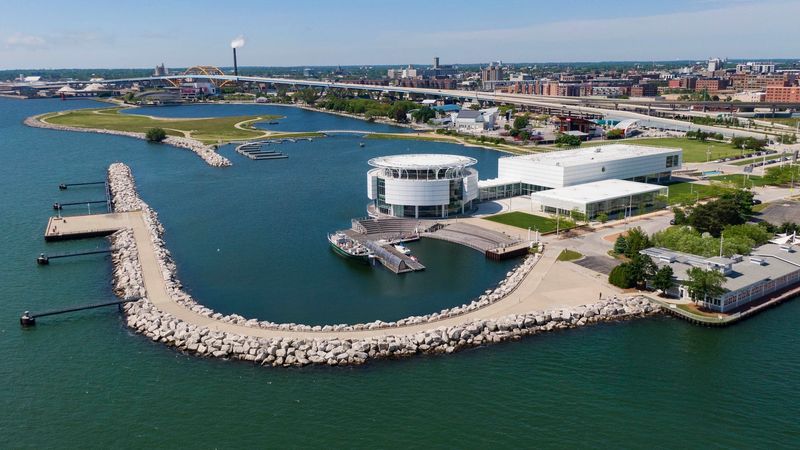
Location makes all the difference when you visit a museum, and Discovery World takes full advantage of its prime real estate. The building stretches along the Milwaukee waterfront with floor-to-ceiling windows that frame Lake Michigan in almost every direction.
Visitors find themselves constantly aware of the water just beyond the glass, creating a connection between the exhibits inside and the natural environment outside.
The museum’s position at 500 N Harbor Dr places it within walking distance of other Milwaukee attractions. Families often make a full day of it, combining their museum visit with a stroll through nearby Lakeshore State Park or a look at the Milwaukee Art Museum just down the path.
The views alone justify the trip, especially on clear days when the lake sparkles under Wisconsin sunshine.
Parking sits conveniently beneath the building, making arrival simple even during cold weather months. The underground garage connects directly to the museum, so visitors can step from their cars into the exhibits without facing harsh winds off the lake.
The Museum Combines Science, Technology, And Freshwater Exploration
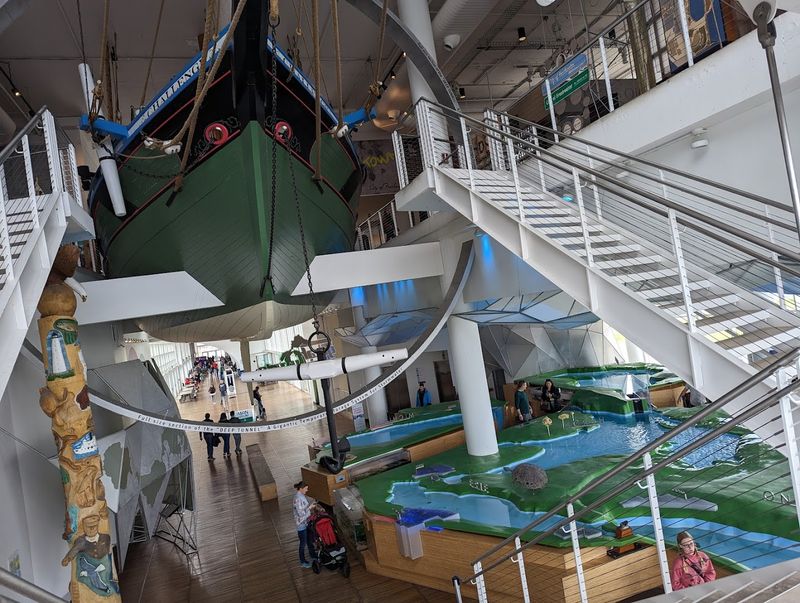
Most museums ask visitors to keep their hands to themselves, but Discovery World operates on the opposite principle. Every floor features exhibits designed for touching, manipulating, and experimenting.
Simple machines demonstrate physics principles through pulleys and levers that visitors can operate themselves. Cutaway engines show mechanical workings with hand-operated gears that turn and click under curious fingers.
The museum divides its focus between technological innovation and freshwater ecosystems, creating an unusual combination that works surprisingly well. One moment you might find yourself launching pneumatic rockets across a test range, and the next you’re peering into tanks filled with native Wisconsin fish species.
This blend keeps families engaged for hours because there’s always something different around the next corner.
STEM learning takes center stage throughout the building. Flight simulators let visitors test their piloting skills, while VR booths transport people to different environments entirely.
A massive mechanical flip-board allows guests to submit drawings that appear on the display, controlled by body movements that feel like magic but demonstrate real engineering principles.
The Reiman Aquarium Showcases Both Great Lakes And Ocean Species
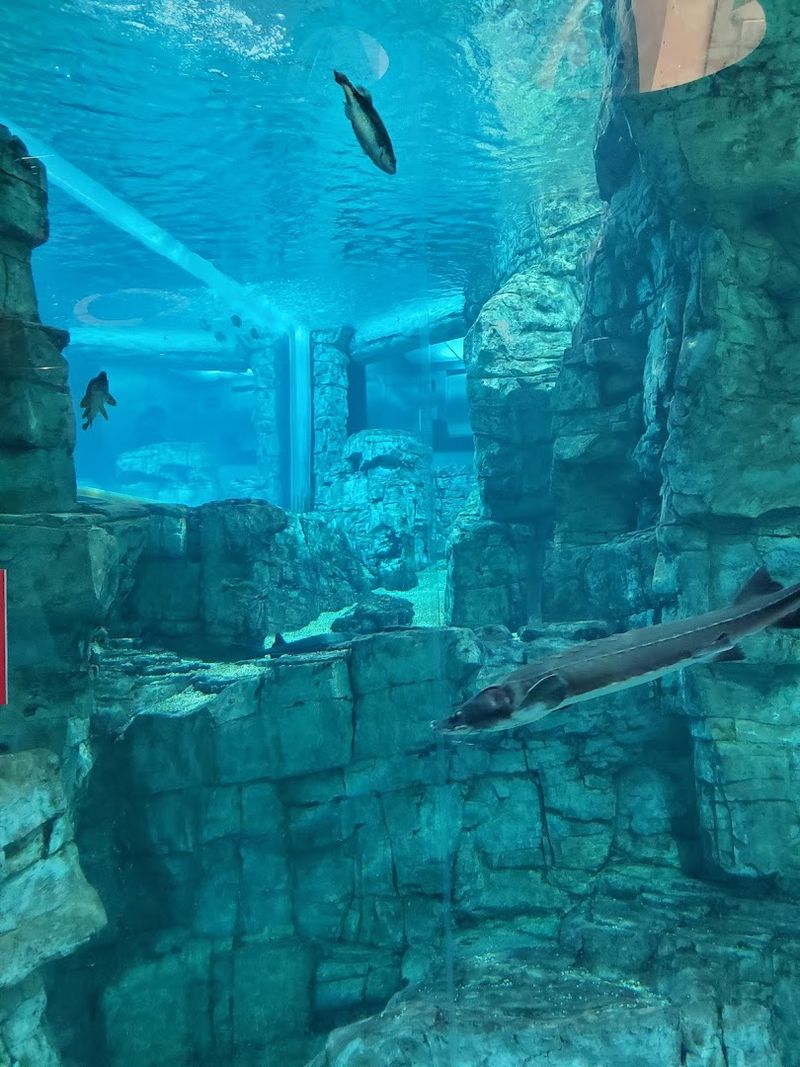
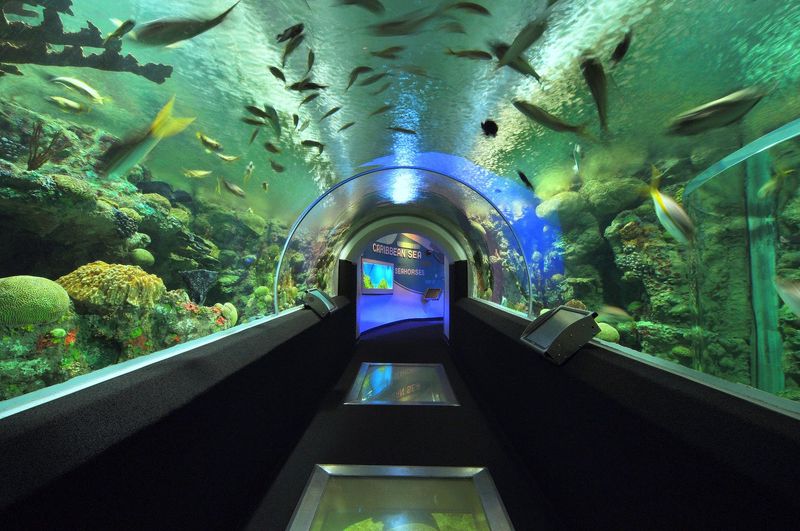
The aquarium section sits underground, which visitors often discover as a pleasant surprise after exploring the technology floors above. Freshwater species dominate the displays, with particular attention paid to creatures that call the Great Lakes home.
A two-story sturgeon tank serves as the centerpiece, these ancient fish gliding past windows with prehistoric grace that captivates children and adults alike.
Three touch tanks offer something most aquariums reserve for ocean exhibits. Visitors can gently stroke stingrays as they glide past, feel the rough skin of sturgeon, and even interact with lobsters and sea cucumbers under the watchful guidance of knowledgeable staff.
The water runs cold, but nobody seems to mind once they feel a stingray’s smooth wing brush against their fingertips.
The aquarium currently undergoes renovations to its walk-through tank, which promises to be spectacular once completed. Smaller habitat tanks display various ecosystems, each carefully maintained to showcase the biodiversity that exists in freshwater environments.
The reef tank expansion will add even more variety to an already impressive collection of aquatic life.
Interactive Exhibits Let Visitors Experiment With Engineering Concepts
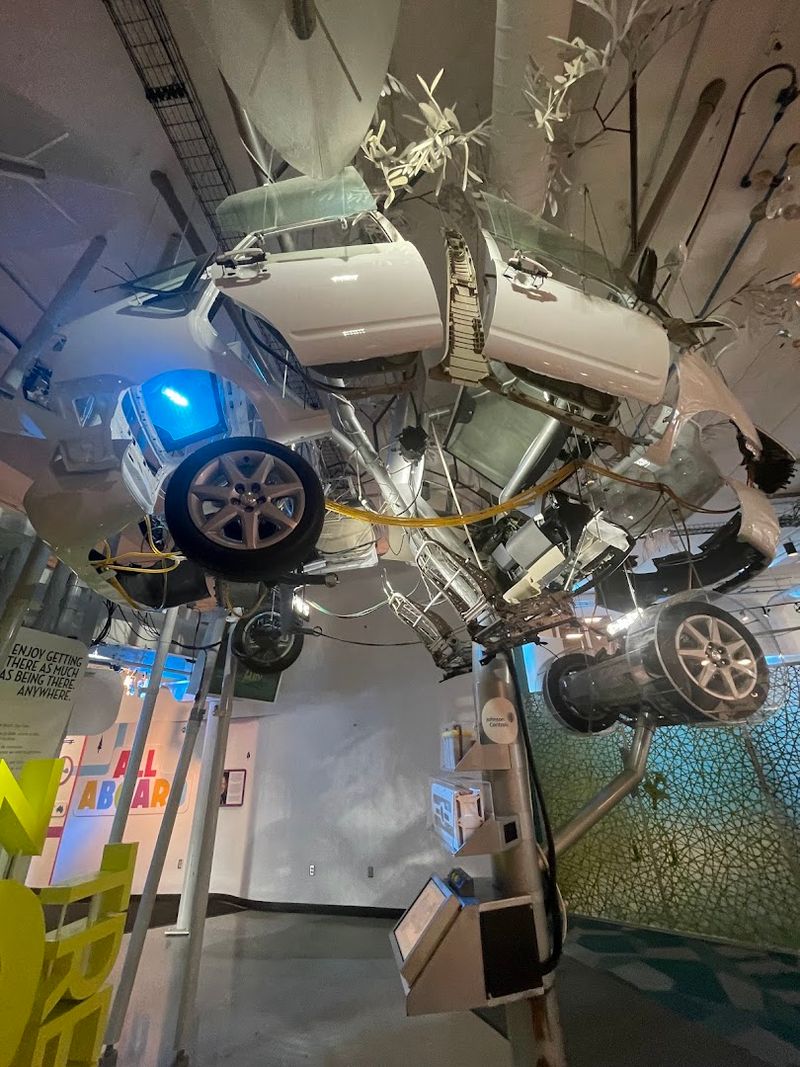
Engineering comes alive when you can actually put your hands on the concepts. Discovery World fills its floors with working models of simple machines, each one inviting visitors to pull, push, twist, and test.
Gears mesh together in transparent cases, showing exactly how rotation transfers from one wheel to another. Pulleys demonstrate mechanical advantage in ways that make abstract physics suddenly concrete and understandable.
A Tesla coil stands as one of the most dramatic exhibits, electricity crackling through the air in visible arcs. Staff members conduct demonstrations throughout the day, and brave visitors can even touch the electricity under controlled conditions.
The experience creates memories that last far longer than any textbook explanation of electrical current could manage.
The museum provides free materials at various stations where visitors can build simple machines to take home. This generosity extends to coloring pages and other activities scattered throughout the building.
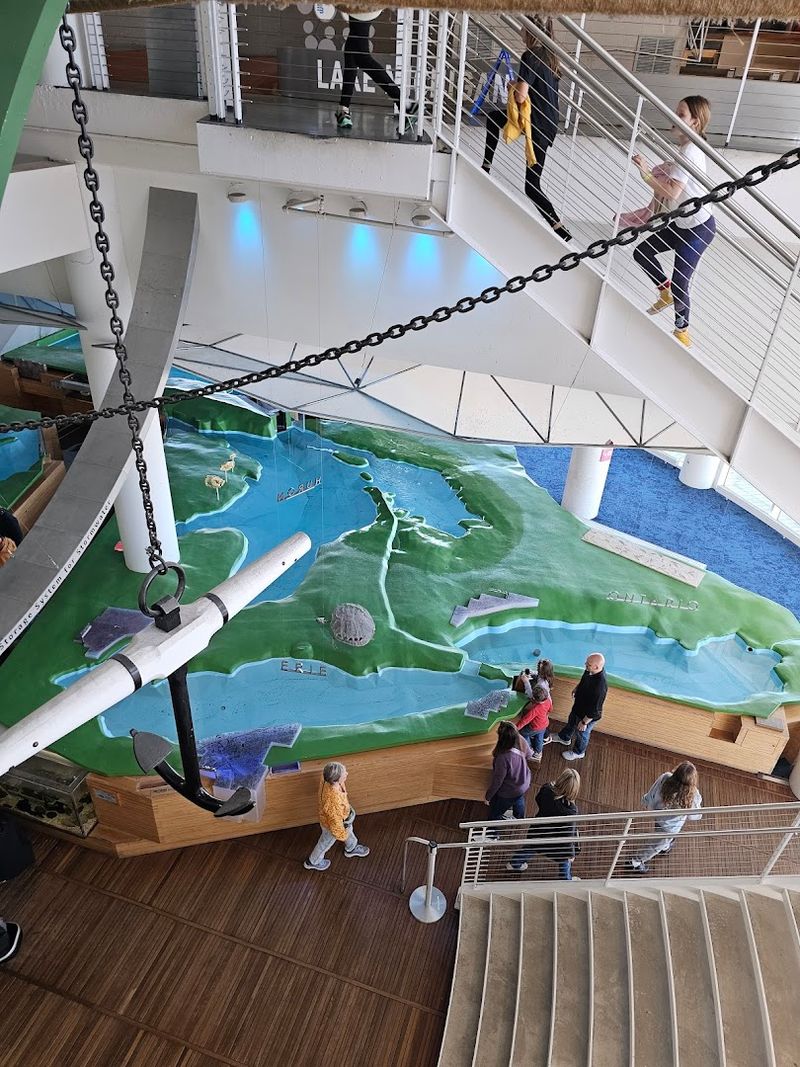
A huge model of the Great Lakes includes controllable weather systems, letting visitors create storms and watch how they affect water patterns across the massive display.
Hands-On Labs Focus On STEM Learning For All Ages
School groups fill the museum during weekdays, taking advantage of dedicated lab spaces designed for structured learning. A maker lab visible from public areas looks like something from a television show about inventors, filled with tools and materials for serious experimentation.
This space primarily serves school groups, though it opens to the public on select days for workshops and special programming.
The museum tailors its exhibits to work for visitors aged five and up, though even younger children find plenty to enjoy visually. Teenagers don’t get bored either, as the complexity of many exhibits scales with understanding.
A seven-year-old might simply enjoy making gears turn, while a thirteen-year-old starts calculating gear ratios and mechanical advantage from the same display.
Sensory bags are available for children who need additional support, showing the museum’s commitment to accessibility. Staff members throughout the building demonstrate patience and knowledge, ready to explain concepts or help troubleshoot when an exhibit doesn’t seem to work properly.
The educational mission runs deep here, but it never feels preachy or forced.
The Museum Features Rotating Exhibits That Keep Things Fresh
Regular visitors appreciate that Discovery World doesn’t stay static. New exhibits appear regularly, giving families reasons to return even after they’ve explored the permanent collections.
Special events like Gross Out Day bring themed activities that get children screaming with excitement over topics that might seem unpleasant in other contexts but become fascinating when presented properly.
The museum updates its offerings frequently enough that members who visit monthly always find something different to explore. This commitment to freshness requires significant effort and investment, but it pays off in visitor satisfaction and repeat attendance.
Some exhibits come and go seasonally, while others stick around for months or years depending on popularity and educational value.
Major exhibits occasionally close for renovation, like the walk-through aquarium tank currently being upgraded. These closures can disappoint visitors who planned specifically to see certain attractions, but the improvements generally prove worth the temporary inconvenience.
The museum balances maintaining beloved permanent exhibits with introducing new experiences that reflect current scientific understanding and technological capabilities.
Virtual Reality And Digital Experiences Add A Modern Touch
Technology keeps advancing, and Discovery World keeps pace with additions that feel current rather than dated. VR booths scattered throughout the museum offer free experiences that transport visitors to different environments and scenarios.
These aren’t simple gimmicks but thoughtfully designed programs that educate while entertaining, showing how virtual reality can enhance learning rather than just provide distraction.
A flight simulator gives visitors a chance to test their skills at piloting, complete with realistic controls and responsive feedback. The experience appeals to aviation enthusiasts of all ages, from children dreaming of becoming pilots to adults who’ve always wondered what it feels like to handle aircraft controls.
Digital displays throughout the museum provide interactive information that responds to touch and movement.
The mechanical flip-board represents a perfect blend of old and new technology. Visitors submit drawings on paper, which are scanned and projected onto a large screen where they come to life.
Body movements control the display, creating an experience that feels magical while demonstrating real principles of motion capture and digital projection.
Discovery World Highlights The Importance Of The Great Lakes
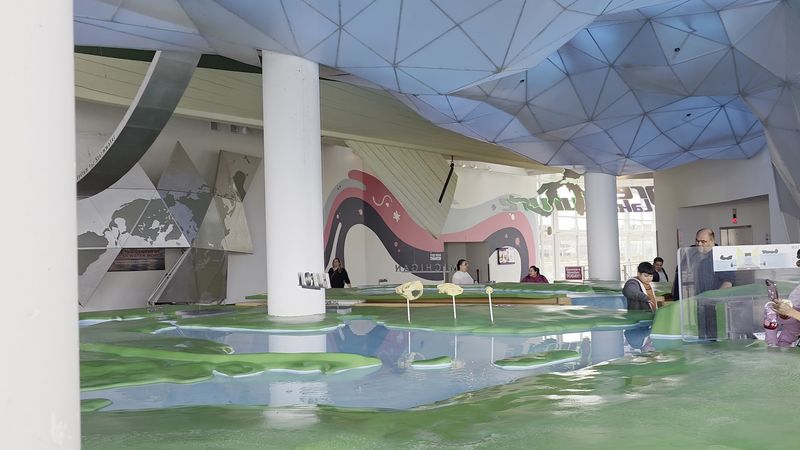
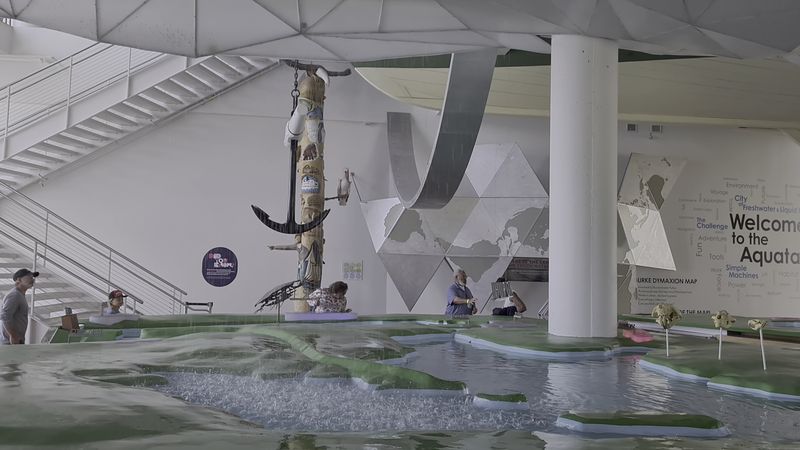
The Great Lakes contain roughly twenty percent of the world’s fresh surface water, and Discovery World makes sure visitors understand their significance. A massive model of all five lakes dominates one exhibition space, complete with accurate topography and controllable weather systems.
Visitors can generate storms, adjust wind patterns, and watch how these changes affect water movement across the interconnected basins.
Educational displays explain the ecology, history, and current challenges facing these vital freshwater resources. The museum doesn’t shy away from discussing pollution, invasive species, and other environmental concerns, but presents them in ways that inform rather than overwhelm.
Children learn about the lakes through hands-on interaction, while adults often discover facts they never knew about these bodies of water they’ve lived near their entire lives.
A wastewater treatment exhibit shows how Milwaukee and other cities process water before returning it to the lake. This might sound dull, but the presentation makes it fascinating by showing the actual engineering and science involved in keeping water clean enough to support aquatic life and human recreation.
The Building Itself Is Designed To Reflect Water And Innovation
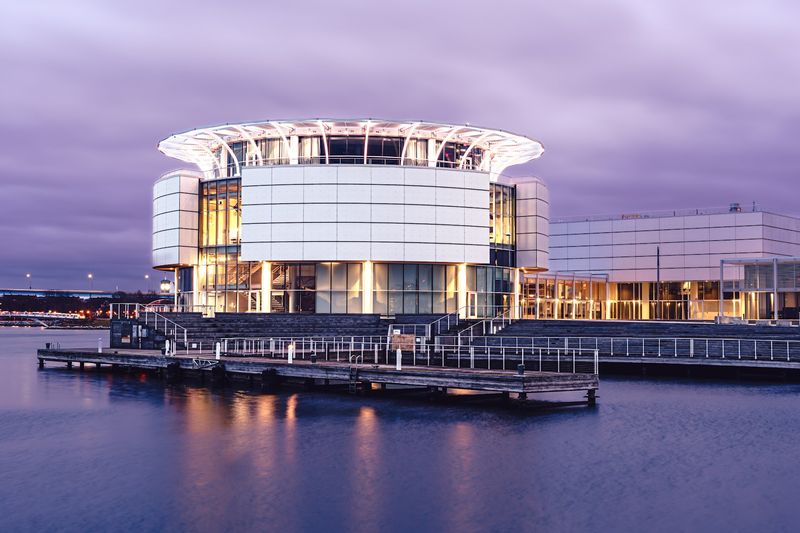
Architecture tells a story before you even step inside, and Discovery World’s building speaks of water and forward thinking. Glass surfaces dominate the exterior, reflecting the lake and sky in ways that change throughout the day.
The structure feels modern without being cold, inviting rather than intimidating, appropriate for a place dedicated to making science accessible to everyone.
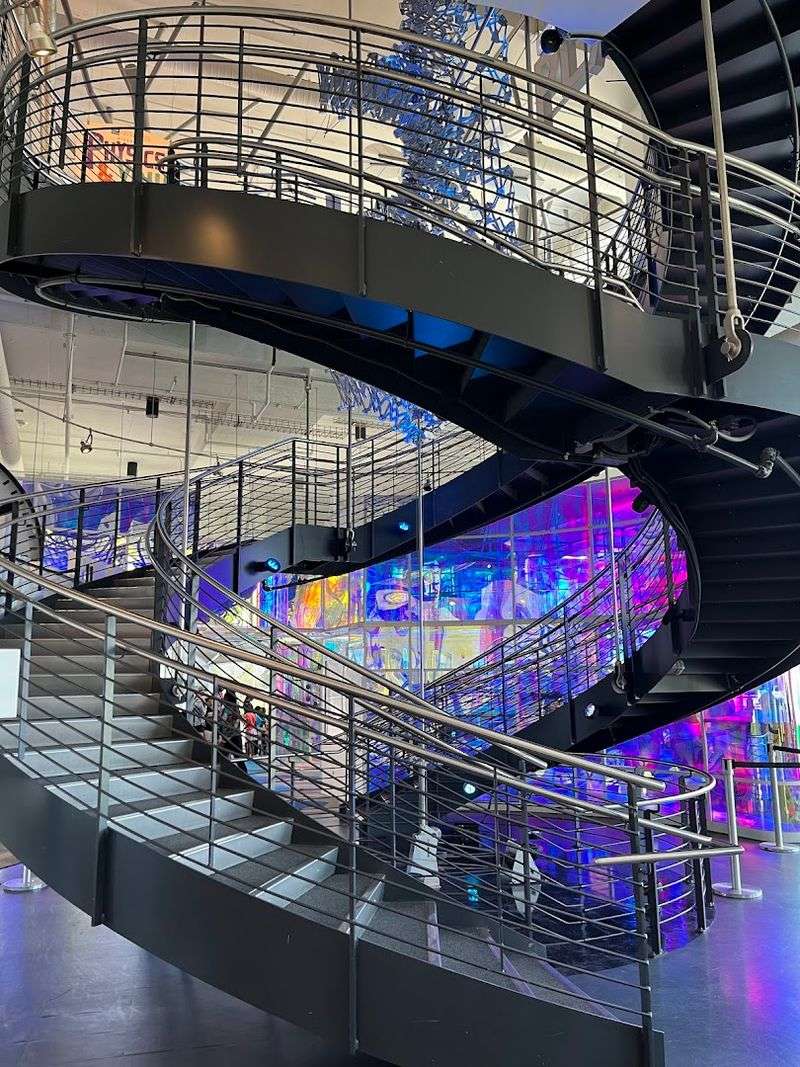
Inside, the design maintains this openness with sight lines that let visitors see multiple floors and exhibits from various vantage points. Natural light floods the spaces, reducing the enclosed feeling that sometimes makes museums exhausting.
The building’s layout encourages exploration, with clear pathways that prevent confusion while still allowing for discovery and surprise around corners.
An observation deck offers views across Lake Michigan, popular for special events and simply taking a break from the exhibits below. The cafe provides another spot to rest, offering standard museum fare like burgers and snacks at prices that won’t shock visitors already committed to admission costs.
Gift shops sell the expected stuffed animals and jewelry, including stingray-themed items that prove popular with children who’ve just touched these creatures for the first time.
Live Demonstrations And Workshops Happen Throughout The Day
Scheduled programming adds structure to visits that might otherwise feel overwhelming given the museum’s size. Staff members conduct demonstrations at various times throughout operating hours, from Tesla coil electricity shows to aquarium feedings that let visitors watch stingrays and sturgeon eat.
These presentations provide natural gathering points where families can rest while still learning something new.
Workshops offer deeper dives into specific topics, though some require advance registration or additional fees beyond general admission. The museum opens daily from nine in the morning until four in the afternoon, giving visitors seven hours to explore if they arrive right at opening.
Most families spend three to four hours inside, though some stay longer and others find themselves ready to leave after an hour or two depending on ages and interests.
Phone assistance is available at 414-765-9966 for questions about programming, accessibility, or general information. The website at discoveryworld.org provides current exhibit information and allows for advance ticket purchase, which can save time during busy periods when lines form at the admission desk.