
The 4,290-Acre Florida State Park Most Travelers Completely Miss
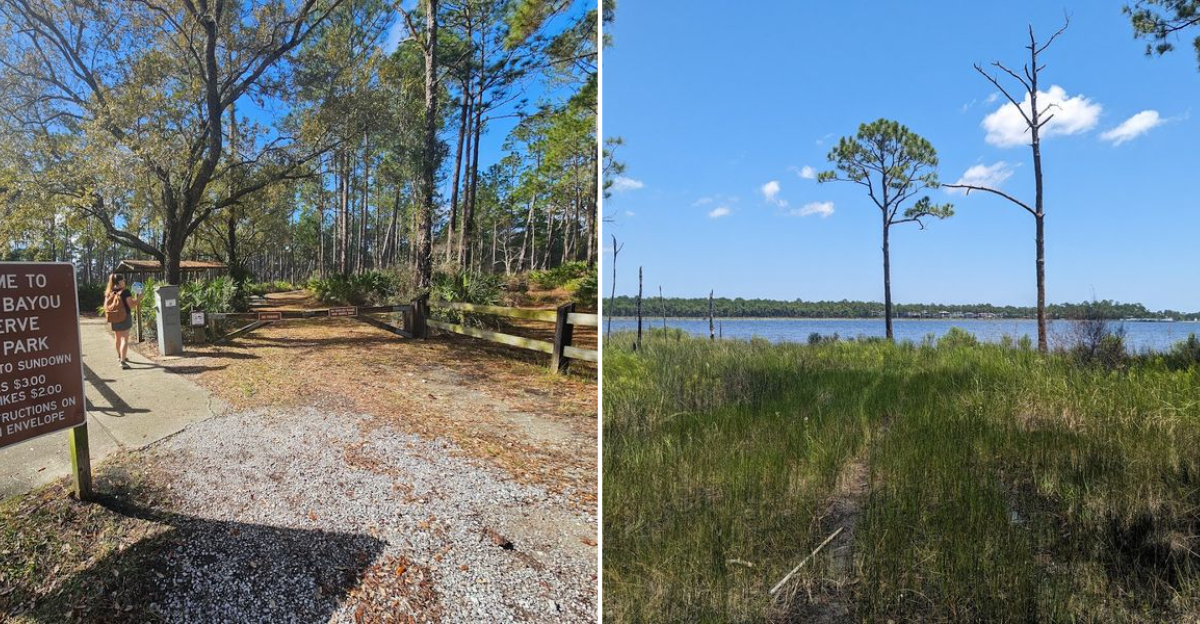
Being in nature and breathing fresh air is the first thought that comes to mind when I find myself shut inside an office buried under stacks of paper. It is a quiet escape I keep imagining while the day drags on.
The first free weekend always feels like an opportunity that should not be wasted, a chance to go somewhere that resets the mind and body.
You might be a solo adventurer searching for rest. You might be out with friends chasing shared moments, or planning a family day together.
This state park in Florida is the ideal place to slow down and reconnect with nature.
Every trail feels like an invitation to leave routine behind and remember what it means to simply breathe.
Unique Ecosystems And Landscape Features
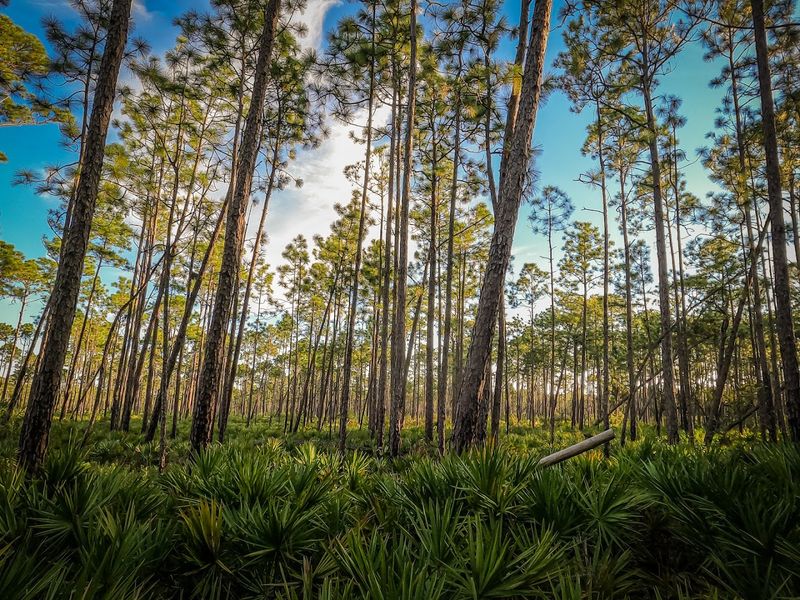
This state park sits on 4,290 acres of some of the most biologically rare land in North America. The park protects four distinct natural communities, including wet flatwoods, scrubby flatwoods, pitcher plant bogs, and coastal bayou shoreline.
That combination at Tarkiln Bayou Preserve State Park is almost unheard of.
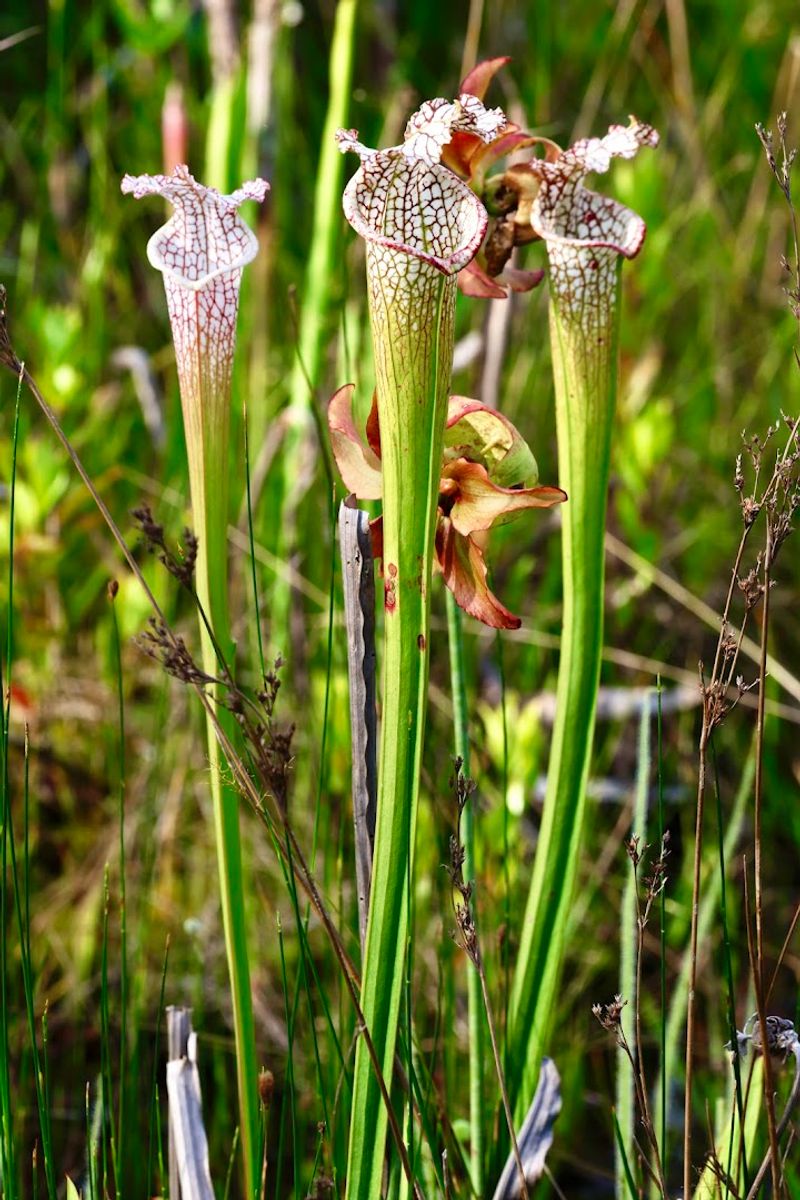
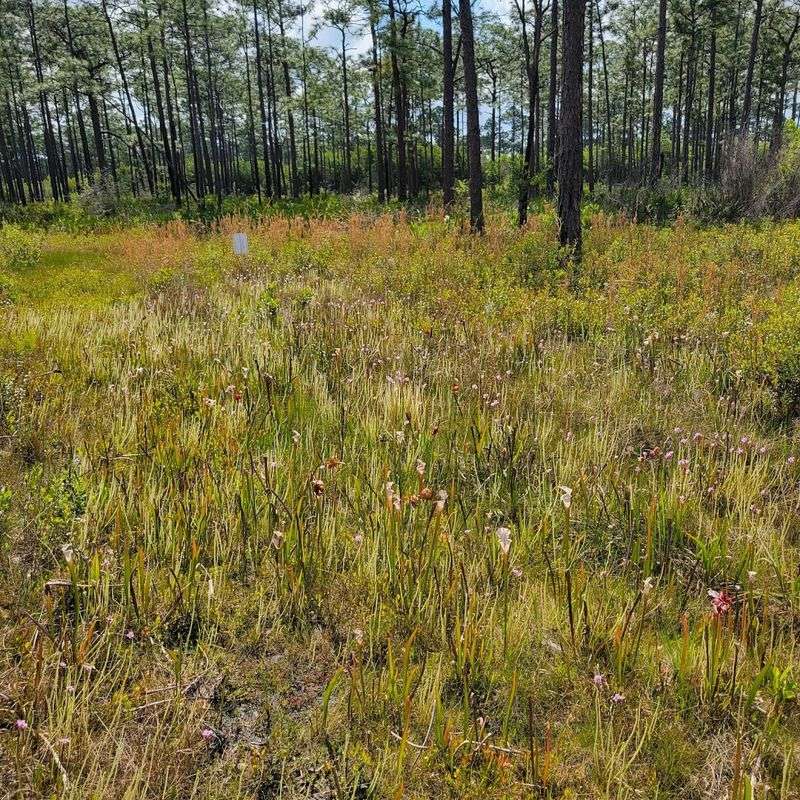
The pitcher plant bogs alone are worth the trip. These carnivorous plant communities thrive in nutrient-poor, waterlogged soil, and Florida holds some of the last remaining examples in the world.
Walking through them feels like stepping onto another planet, in the best way possible.
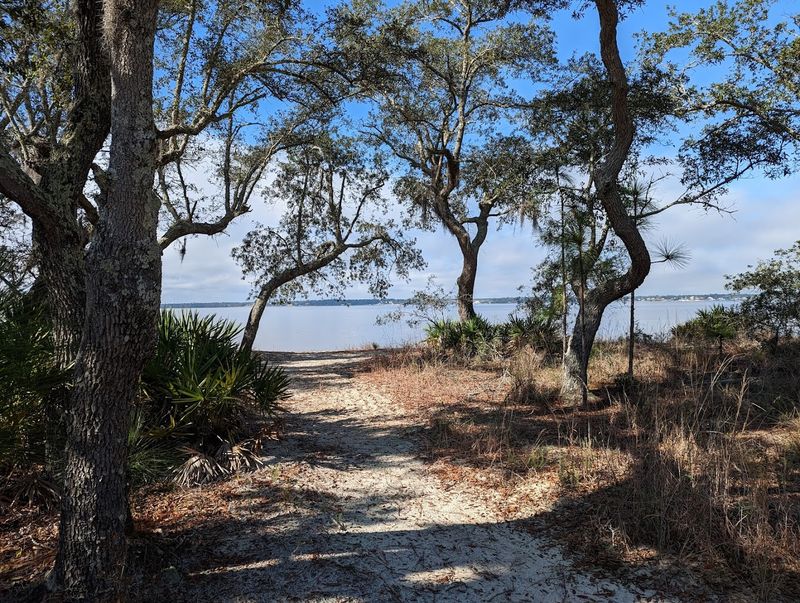
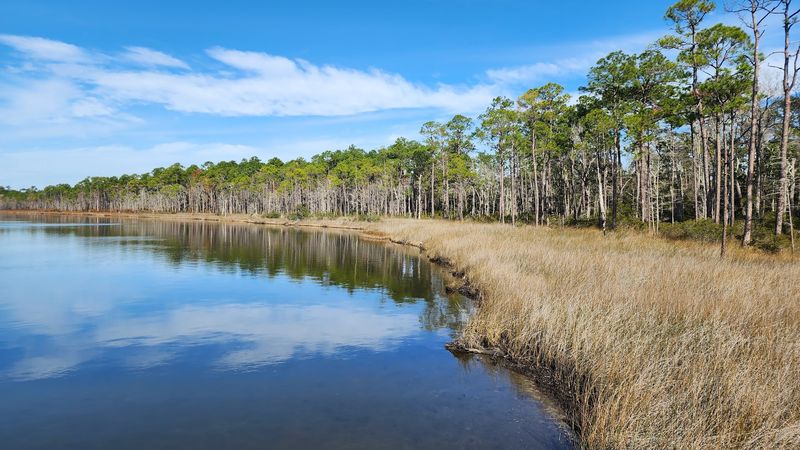
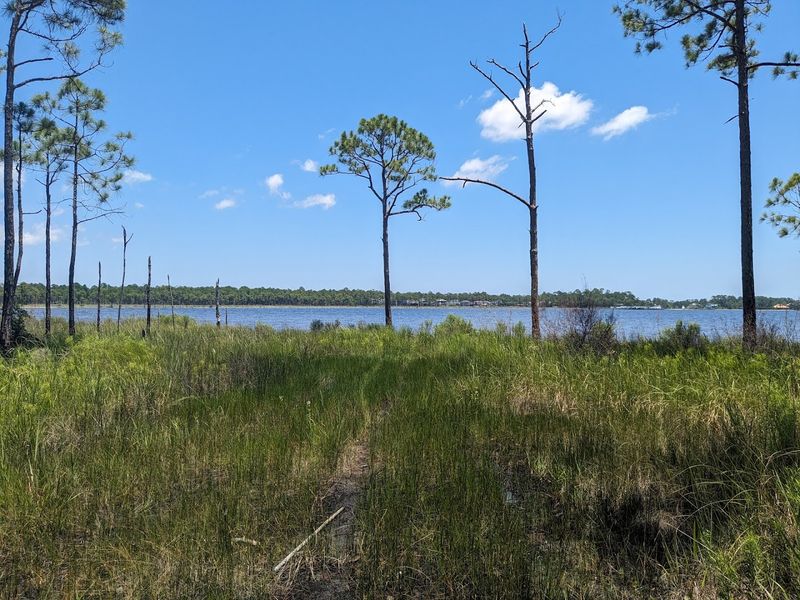
The bayou shoreline offers calm, glassy water views that are completely different from Florida’s typical beach scenes. You get this peaceful, almost eerie quiet that city life never offers.
The landscape shifts dramatically as you move through the park, keeping every step interesting.
The park is located at 2401 Bauer Rd, Pensacola, FL 32506, just south of Pensacola in Escambia County. It is managed by the Florida Department of Environmental Protection.
It is free to explore, which honestly makes the whole thing even better.
Diverse Wildlife Species And Birdwatching Opportunities
Birders lose their minds at Tarkiln Bayou, and honestly, the birds deserve every bit of that excitement. The park sits along a critical migratory flyway.
During spring and fall, the tree canopy practically buzzes with warblers, thrushes, and vireos moving through.
Year-round residents include osprey, great blue herons, sandhill cranes, and the gorgeous painted bunting. Spotting a painted bunting for the first time feels like seeing a tropical bird that got very lost, except it actually belongs here.
They are small, shockingly colorful, and completely real.
Beyond birds, the park shelters gopher tortoises, river otters, alligators, and white-tailed deer. The Perdido Key beach mouse, a federally threatened species, also lives in the surrounding ecosystem.
Every visit turns into an unofficial wildlife count.
The bayou itself draws wading birds by the dozens during low tide. Early morning visits reward you with the most activity.
Bring binoculars, wear muted colors, and walk slowly. The wildlife here is not shy, but it does reward patience over noise.
You will not regret spending an extra hour just watching the water.
Historical And Cultural Significance Of The Area
The land around Tarkiln Bayou carries a history that stretches back thousands of years.
Indigenous peoples, including the Pensacola tribe and earlier Paleo-Indian groups, used these wetlands and bayou shores for fishing, hunting, and seasonal camps. The bayou itself was a natural highway long before roads existed.
European settlers arrived in the 1700s and recognized the area’s value for timber and naval stores. Longleaf pine forests once dominated this region, and the resin from those trees fueled an entire industry.
The name “Tarkiln” actually refers to kilns used to produce tar from pine resin, which was essential for waterproofing wooden ships.
That history is baked right into the park’s name. Most visitors walk past that detail without realizing they are standing on the remains of a colonial-era industry.
The landscape has largely recovered, but knowing the history adds a whole new layer to every trail you walk.
Pensacola itself is one of the oldest European settlements in the United States. The region changed hands between Spain, France, and Britain multiple times.
Tarkiln Bayou sits within that rich colonial crossroads, making it a place where ecology and human history overlap in fascinating ways.
Recreational Activities For Nature Enthusiasts
Tarkiln Bayou is not the kind of park where you sit in a parking lot and snap photos from the car. This place rewards people who actually get out and move.
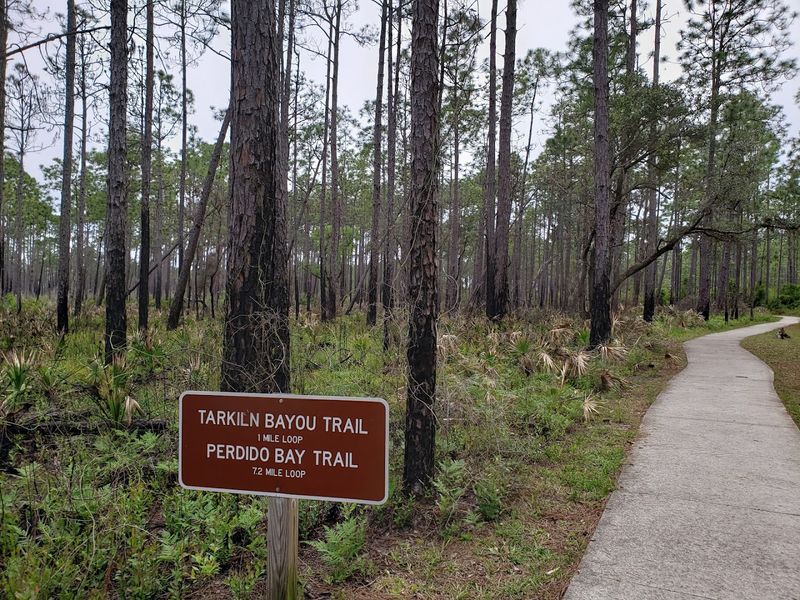
The park features several miles of hiking trails that wind through every major ecosystem the preserve protects.
Kayaking and canoeing on Tarkiln Bayou itself is an experience that very few people know about. The water is calm, the scenery is stunning, and you can paddle for hours without seeing another person.
Bring your own kayak or canoe since rentals are not available on-site.
Photography enthusiasts find the park endlessly rewarding. The light filtering through pitcher plant bogs in the early morning creates images that look almost surreal.
Wildlife photography opportunities are everywhere, especially near the bayou shoreline at dawn and dusk.
Fishing is also allowed in the bayou, and anglers regularly pull in redfish, speckled trout, and flounder. No motorized boats are permitted, which keeps the water quiet and the fish undisturbed.
Whether you hike, paddle, fish, or photograph, the park gives every nature enthusiast a reason to come back for more.
Preservation Efforts And Environmental Impact
Tarkiln Bayou Preserve State Park exists because of a serious, ongoing conservation fight. The Florida Forever program is one of the most ambitious land conservation initiatives in American history.
It helped fund the acquisition of this land to protect it from residential and commercial development. Without that effort, this ecosystem would likely be a subdivision today.
The pitcher plant bogs here are among the rarest habitats on Earth. Fewer than two percent of the original longleaf pine and pitcher plant communities in the southeastern United States still survive.
Protecting Tarkiln Bayou is not just a local win; it is a globally significant conservation achievement.
Park managers work actively to restore fire-dependent ecosystems using controlled burns. Longleaf pine communities need periodic fire to stay healthy.
The park conducts prescribed burns to mimic the natural fire cycle that human suppression interrupted for decades.
Invasive species removal is another ongoing priority. Non-native plants can crowd out the rare carnivorous species that make this park extraordinary.
Volunteers and park staff regularly spend weekends pulling invasives by hand. Every visit you make supports the park’s budget and its ability to continue this critical conservation work.
Guided Tours And Educational Programs Available
Rangers at Tarkiln Bayou genuinely love this park, and it shows. When guided programs are offered, the rangers bring an infectious enthusiasm that makes even the most skeptical visitor start caring about carnivorous plants and fire ecology.
Their knowledge of the local ecosystem is impressive and surprisingly fun to listen to.
The Florida State Parks system periodically schedules ranger-led walks, birding programs, and ecology talks at Tarkiln Bayou. These programs are typically free or low-cost and are open to visitors of all ages.
Checking the Florida State Parks website before your visit is the best way to catch one.
School groups and environmental education organizations regularly use the park for field trips. The pitcher plant bogs serve as an incredible outdoor classroom for teaching about adaptation, food webs, and habitat conservation.
Kids who visit usually leave talking about carnivorous plants for weeks.
Even without a guided tour, the park’s informational signage along the trails does a solid job explaining what you are looking at and why it matters. Self-guided visits are completely valid and rewarding.
But if a ranger program is available during your visit, absolutely sign up. You will learn things that no nature documentary has ever told you.
Seasonal Changes And Best Times To Visit
Spring is the showstopper season at Tarkiln Bayou, and it is not particularly close. From March through May, the pitcher plant bogs burst into bloom with white-topped pitcher plants, yellow butterworts, and sundews.
The color contrast against the dark, wet soil is genuinely jaw-dropping.
Fall brings the migratory bird wave, and serious birders mark their calendars for September through November. The park gets noticeably busier during peak migration, though busy here means you might see a dozen other people instead of two.
The crowds never get overwhelming.
Summer visits are totally doable, but come prepared. Northwest Florida summers are hot and humid, and the mosquitoes in the wetland areas are not shy.
Early morning visits before 9 a.m. make summer trips much more comfortable. Bug spray is not optional; it is survival gear.
Winter is underrated. The cooler temperatures make hiking comfortable, the bugs disappear almost entirely, and the bare vegetation lets you see farther into the wetlands.
Wintering waterfowl crowd the bayou from December through February. Any season offers something worth seeing, but spring and fall deliver the most dramatic experiences for first-time visitors.
Accessibility And Visitor Amenities Provided
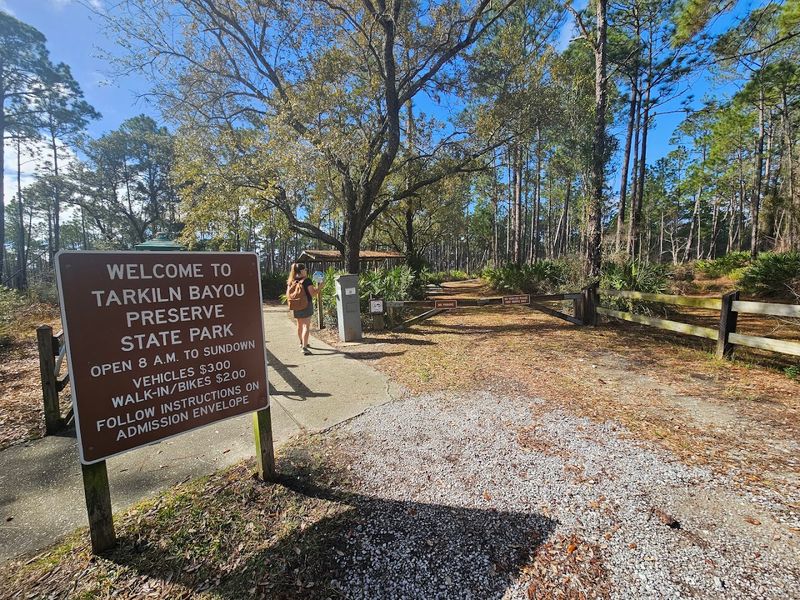
Tarkiln Bayou Preserve State Park keeps things refreshingly simple. Admission is really cheap, which makes spontaneous visits incredibly easy to justify.
The park is open year-round during daylight hours, so sunrise visits are absolutely on the table.
Parking is available at the trailhead off Bauer Road, and the lot handles a reasonable number of vehicles without feeling chaotic. Restroom facilities are basic but present.
Do not expect a visitor center with gift shops and smoothie bars. This is a preserve, not a resort, and that is exactly the point.
The main trail system is mostly flat, which makes it accessible for visitors with mobility considerations, though some sections near the bayou can get muddy after rain. Wearing waterproof boots or trail shoes is a smart call regardless of the season.
Cell service can be spotty inside the park, so downloading a trail map before you arrive is a practical move. The park does not have food vendors, so pack snacks and plenty of water.
There are no entry fees, no reservations required, and no crowds to fight. Visiting Tarkiln Bayou is genuinely one of the easiest outdoor adventures you can plan in the entire Florida Panhandle.