
This Wisconsin Railroad Museum Is A Hidden Piece Of History Worth Visiting
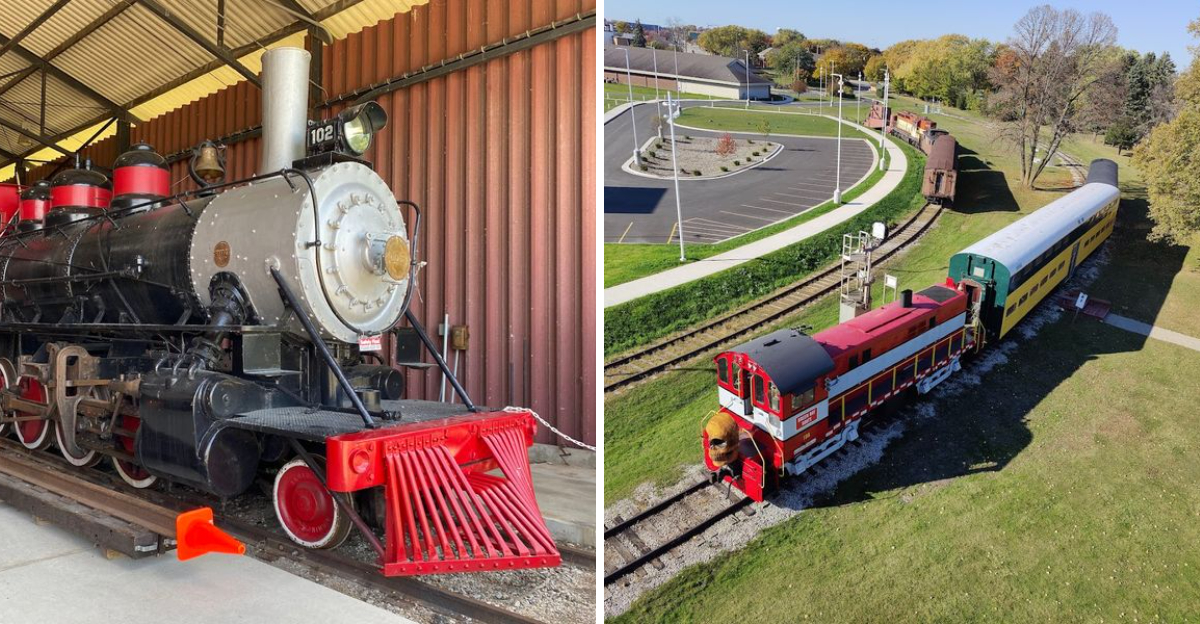
Railroad museums usually get overlooked in favor of flashier attractions, but this museum in Ashwaubenon stands apart as a genuinely significant piece of American history. Located at 2285 S Broadway, this congressionally designated national museum holds one of the finest collections of locomotives and railcars in the country.
Its 33-acre campus features both indoor, climate-controlled exhibits and outdoor displays that highlight the power and elegance of rail transport across multiple eras. Together, they create a surprisingly rich experience for visitors of all backgrounds.
One Of The Largest Railroad Museums In The United States
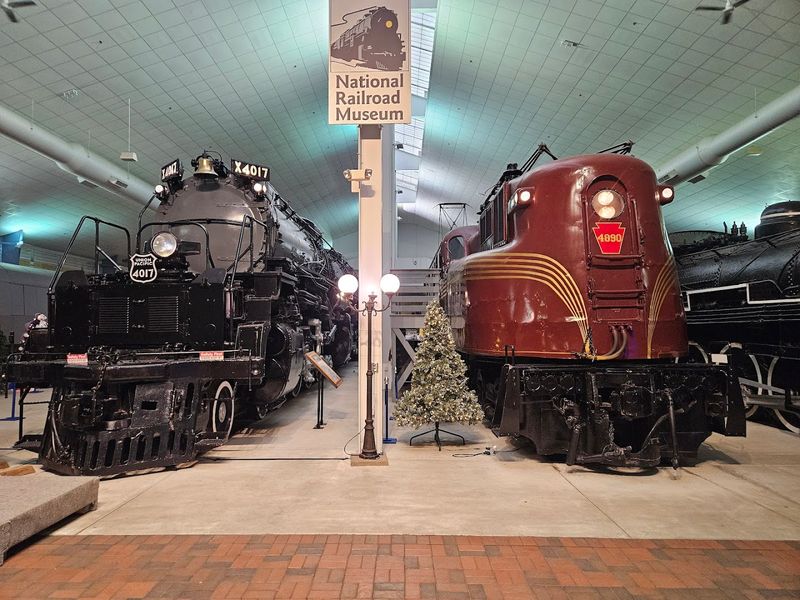
The National Railroad Museum commands attention with its sheer scale and ambition. Spread across 33 acres along the Fox River, the facility houses more than 70 locomotives and railcars, representing one of the most substantial collections in the nation.
Its main pavilion alone feels cathedral-like in dimension, flooded with natural light that illuminates the machinery in a way that honors both their engineering and their age. Congress recognized its importance by granting it national designation, a distinction that underscores the museum’s role in preserving rail heritage.
Visitors can explore both climate-controlled indoor halls and open-air outdoor exhibits, giving the experience variety and depth. The collection spans steam engines, diesel locomotives, passenger cars, and specialized rolling stock, each piece meticulously maintained.
This is not a dusty warehouse of relics but a living archive where history feels immediate and tangible, inviting close inspection and genuine curiosity about the machinery that once powered a continent.
A Collection Of Locomotives That Spans Decades Of Rail History
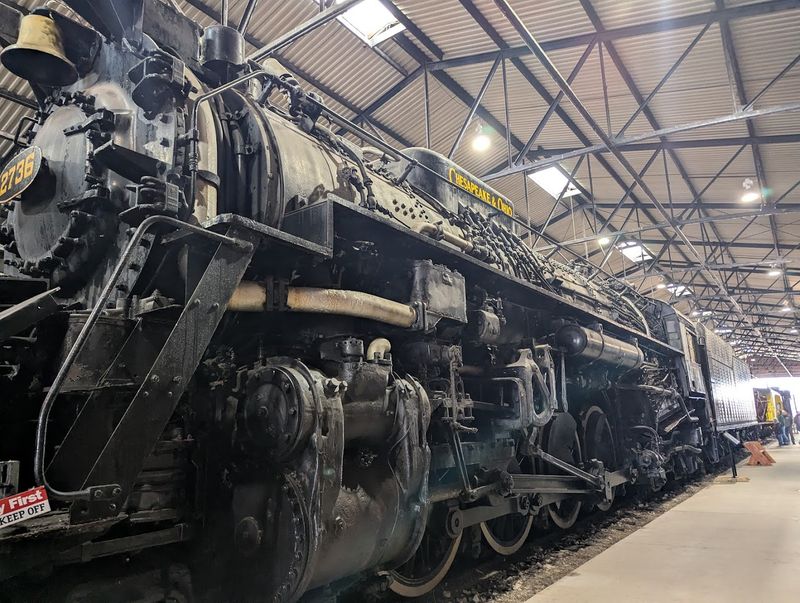
Walking through the museum feels like moving through chapters of industrial evolution. Steam giants stand beside sleek diesel models, each representing a distinct moment in rail development.
Early 20th-century engines with their ornate details contrast sharply with the streamlined efficiency of mid-century designs.
The collection includes passenger locomotives, freight haulers, and specialty engines used for military and postal service. Each machine carries its own story, from the coal-fired behemoths that once thundered across the plains to the more refined diesels that replaced them.
Placards and exhibits provide context, but the locomotives themselves tell much of the story through their design and wear. You can see where soot blackened fireboxes, where engineers gripped controls, where maintenance crews made repairs.
The museum does not sanitize this history but presents it with respect for the labor and ingenuity that made American railroading possible, giving visitors a grounded understanding of technological change over time.
The Rare Chance To See A Union Pacific Big Boy Up Close
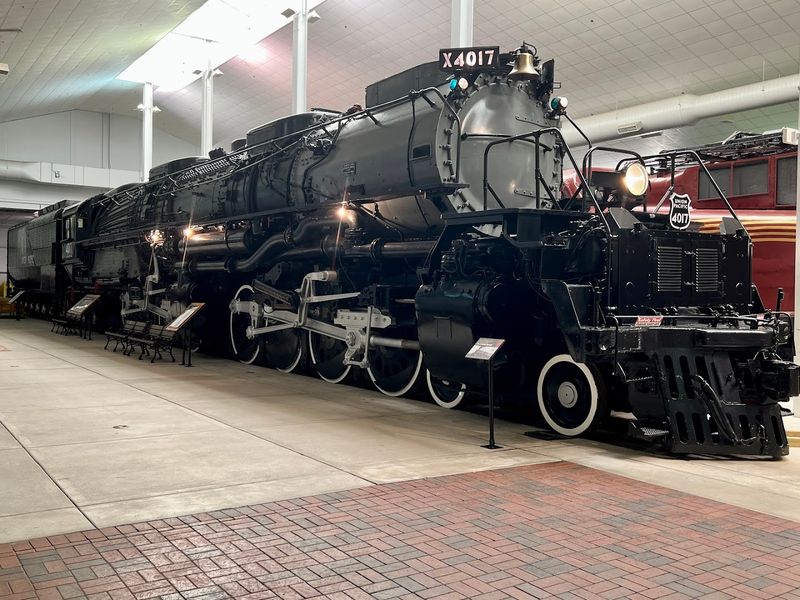
Union Pacific Big Boy 4017 dominates any room it occupies, and for good reason. As one of the largest steam locomotives ever built, it measures over 130 feet long and weighs more than a million pounds.
Only eight of these machines remain, making the museum’s specimen a genuine rarity.
What sets this display apart is accessibility. The locomotive sits in a climate-controlled pavilion with enough clearance around it to appreciate its proportions from every angle.
You can walk beneath its massive drivers, study the intricate valve gear, and stand where the fireman once shoveled coal into an insatiable firebox.
The Big Boy was engineered to haul freight over the Rocky Mountains, and its design reflects brute power tempered by precision. Seeing it up close reveals how much craft went into something so utilitarian.
The museum maintains the engine in excellent condition, preserving not just a machine but a monument to American industrial ambition during the steam era.
Indoor And Outdoor Exhibits That Keep The Experience Varied
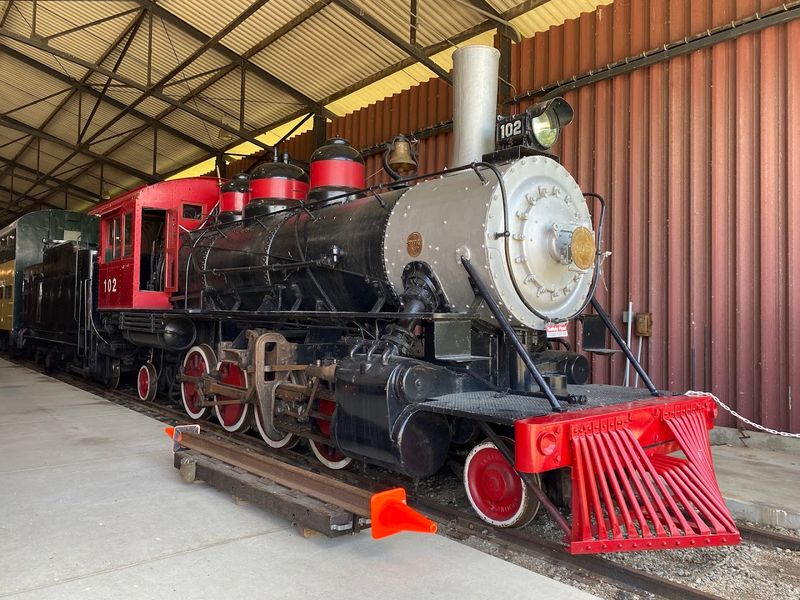
The museum’s layout prevents monotony by alternating between indoor and outdoor spaces. The main pavilion offers comfort and careful lighting, while the outdoor exhibits provide a sense of scale and context that enclosed spaces cannot match.
Outside, locomotives and railcars rest on tracks that stretch across the grounds, some surrounded by greenery, others positioned near the Fox River for scenic backdrop. An observation tower on the property provides panoramic views of the entire campus, the river, and even Lambeau Field in the distance.
This variation in setting keeps the visit dynamic. You can study fine details in the controlled environment of the pavilion, then step outside to see how these machines looked in something closer to their natural habitat.
The outdoor pieces show some weathering, a reminder that preservation is an ongoing effort, but the museum plans continued expansion of climate-controlled storage. The balance between indoor and outdoor exhibits gives the experience rhythm and keeps attention focused throughout the visit.
Historic Railcars That Show How Travel Once Looked And Felt
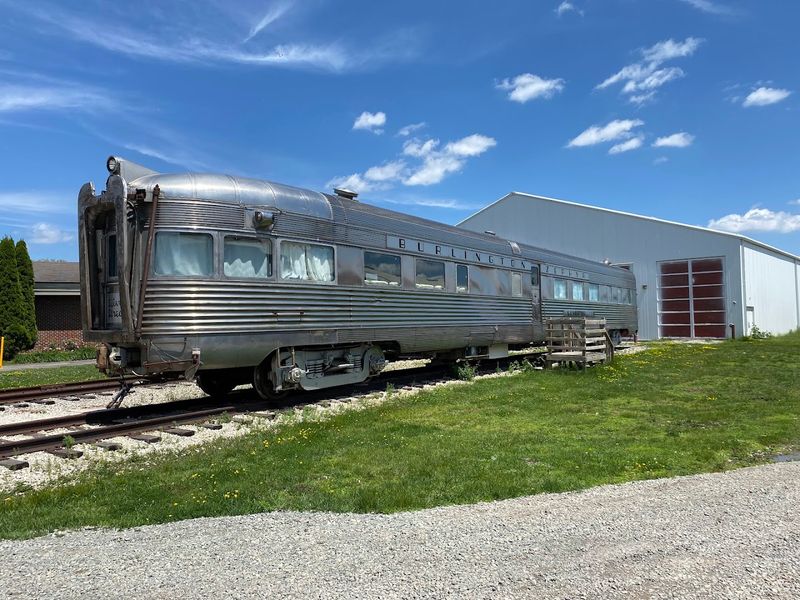
Passenger railcars at the museum offer a window into how Americans once traveled across the country. You can walk through Pullman sleepers with their compact berths and tiny sinks, dining cars with polished woodwork, and observation lounges designed for leisure and conversation.
The interiors remain largely intact, showing everything from straw-filled mattresses in early sleeping cars to the more refined accommodations of later luxury trains. Details like coal stoves, ornate light fixtures, and narrow hallways reveal how much ingenuity went into making long journeys bearable.
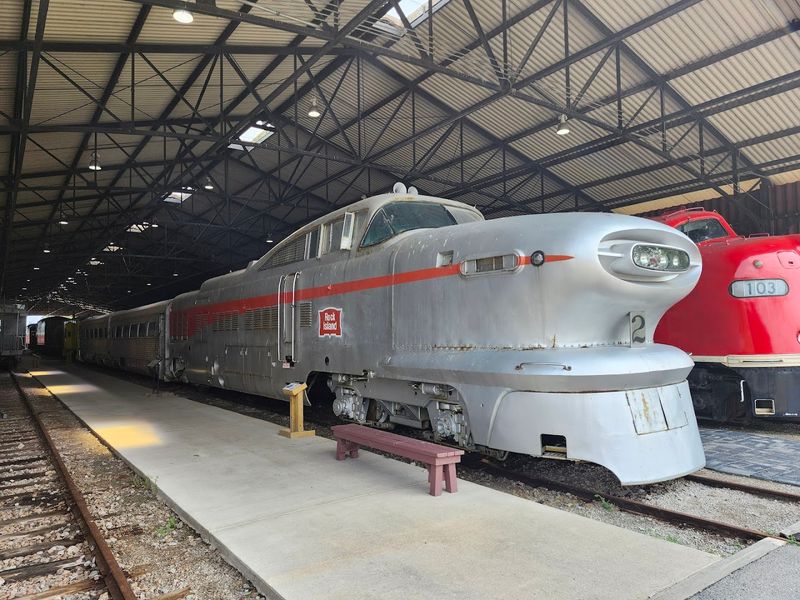
One standout is the Eisenhower command train, which served during World War II and reflects the era’s blend of function and formality. Another is the futuristic Aerotrain, a mid-century experiment in streamlined design that never quite caught on.
These railcars are not roped off behind glass but open for exploration, allowing visitors to sit in seats, peer into compartments, and imagine what it felt like to cross the continent at a time when rail was the only practical option.
Seasonal Train Rides That Add A Hands-On Element To Your Visit
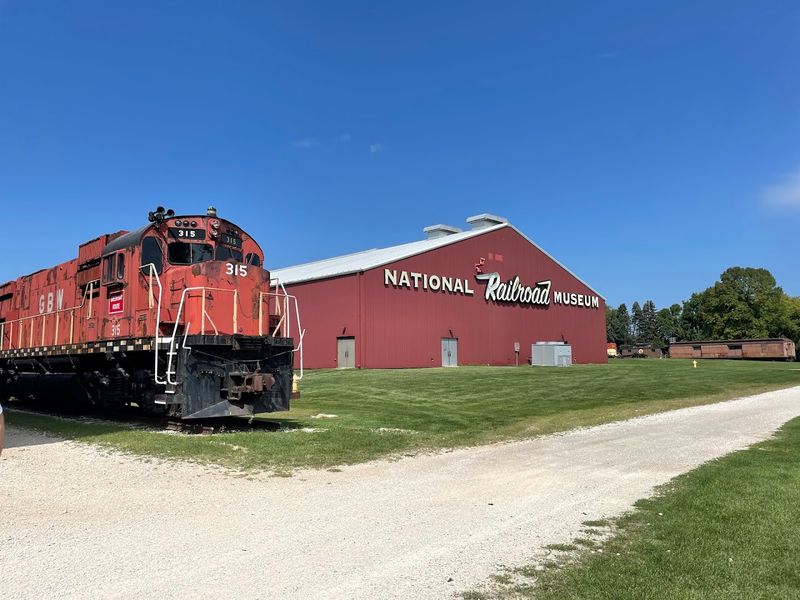
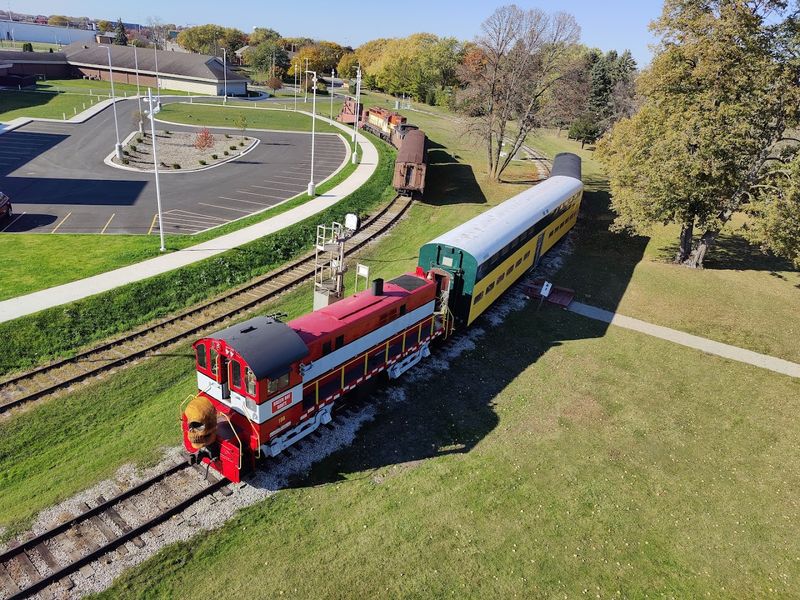
For an additional fee, visitors can board a working train for a 25-minute ride around the museum’s 33-acre property. The ride uses vintage coaches pulled by an antique diesel locomotive, giving passengers a taste of what rail travel once felt like.
Conductors narrate the journey, sharing history and pointing out outdoor exhibits along the route. The train moves at a leisurely pace, allowing time to take in the scenery and appreciate the Fox River views.
It is a small but meaningful addition to the visit, particularly for children who may find static exhibits less engaging.
Seasonal variations keep the experience fresh. Holiday events and special occasions often feature themed rides, and the changing Wisconsin landscape provides different backdrops throughout the year.
The train ride transforms the museum from a place of observation into one of participation, bridging the gap between historical artifact and living experience. It is a simple pleasure, but one that deepens the connection to the material and makes the visit more memorable.
Detailed Exhibits That Go Beyond Just Trains
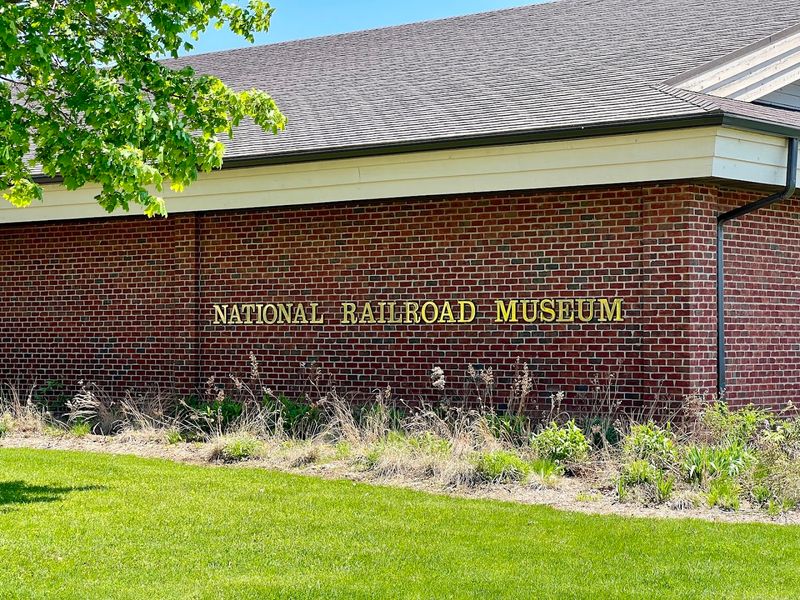
The museum does not limit itself to locomotives and rolling stock. Exhibits explore the broader context of railroading, including the labor, technology, and culture that defined the industry.
Displays feature tools, uniforms, photographs, and documents that illustrate daily life for rail workers.
One exhibit examines the role of railroads in westward expansion, another looks at the postal service’s reliance on rail transport, and yet another highlights the military’s use of trains during wartime. These thematic exhibits add depth and prevent the museum from feeling like a simple catalog of machinery.
A small theater on site screens films about railroad history, offering a place to rest while continuing to learn. The exhibits are well-researched and presented clearly, avoiding jargon while still respecting the intelligence of the audience.
This attention to storytelling makes the museum educational without feeling didactic. It recognizes that trains are fascinating not just as objects but as symbols of a particular era in American life, and it treats that history with care and nuance.
A Family-Friendly Stop That Keeps All Ages Interested
The National Railroad Museum manages to appeal to both serious rail enthusiasts and families looking for an afternoon outing. A dedicated children’s discovery center offers hands-on activities, toy trains, and interactive exhibits designed for younger visitors.
This separate space keeps children engaged while allowing adults to explore the main collection at their own pace.
A playground and picnic area on the grounds provide space for breaks, making it easy to spend several hours on site without fatigue. The train ride, climbable observation tower, and walk-through railcars all offer tactile experiences that hold children’s attention better than static displays alone.
Staff members are patient and knowledgeable, happy to answer questions from curious kids and adults alike. The museum strikes a balance between education and entertainment, never dumbing down the material but presenting it in ways that remain accessible.
Families with children as young as four and as old as sixteen report positive experiences, a testament to the museum’s thoughtful design and inclusive approach to public history.
Special Events That Bring The Grounds To Life Throughout The Year
The museum hosts a rotating calendar of events that add variety and draw repeat visitors. Seasonal celebrations include pumpkin picking in autumn, holiday train rides in winter, and themed tours throughout the year.
These events often feature live music, food vendors, and special programming that transforms the museum into a community gathering space.
One particularly popular event decorates the trains with elaborate holiday displays, turning the pavilion into a candlelit wonderland that feels cinematic in scope. Another brings in model railroad clubs and collectors for exhibitions that showcase the hobby side of rail enthusiasm.
These events attract locals and tourists alike, creating a sense of occasion around visits. They also provide the museum with opportunities to highlight different aspects of its collection and engage audiences who might not otherwise visit.
The programming feels genuine rather than forced, rooted in the museum’s mission while acknowledging that history can be both serious and celebratory. Special events keep the museum dynamic and ensure that each visit offers something new.
A Well-Preserved Space That Balances History And Accessibility
Preservation and access often exist in tension, but the National Railroad Museum navigates this balance thoughtfully. The collection is meticulously maintained, with most pieces housed in climate-controlled environments that slow deterioration.
Yet the museum resists the impulse to isolate its artifacts behind barriers, allowing visitors to approach, photograph, and in many cases, enter the exhibits.
This openness creates a more intimate experience. You can touch handrails worn smooth by decades of use, peer into cabs where engineers once worked, and walk the length of trains that carried passengers across the country.
The museum trusts its visitors, and that trust is rewarded with respectful engagement.
Ongoing expansion projects promise additional indoor storage and exhibit space, ensuring the collection remains protected for future generations. The museum’s commitment to both preservation and public access reflects a mature understanding of its role as a steward of history.
It exists not to hoard artifacts but to share them, making the past tangible and relevant for anyone curious enough to visit.