
This Wisconsin Museum Brings History To Life With Interactive Exhibits And Realistic Displays
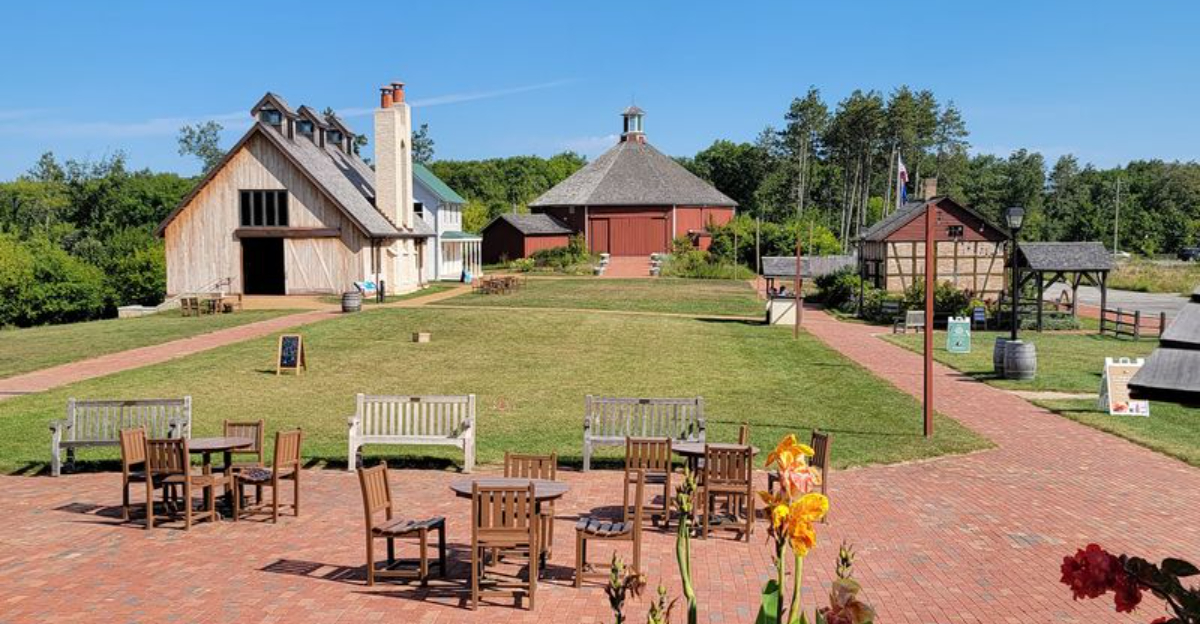
What if history wasn’t something you just read about, but something you could actually walk through and experience for yourself? That’s exactly what this outdoor Wisconsin attraction offers, turning a simple visit into a full step back in time.
I found myself wandering through entire 1800s communities, watching blacksmiths shape metal, and stepping inside homes that feel frozen in another era. With working farms, costumed interpreters, and hands-on activities throughout, it’s the kind of place that makes history feel lively, personal, and surprisingly fun instead of distant and dull.
A Living History Museum Spread Across Hundreds Of Acres
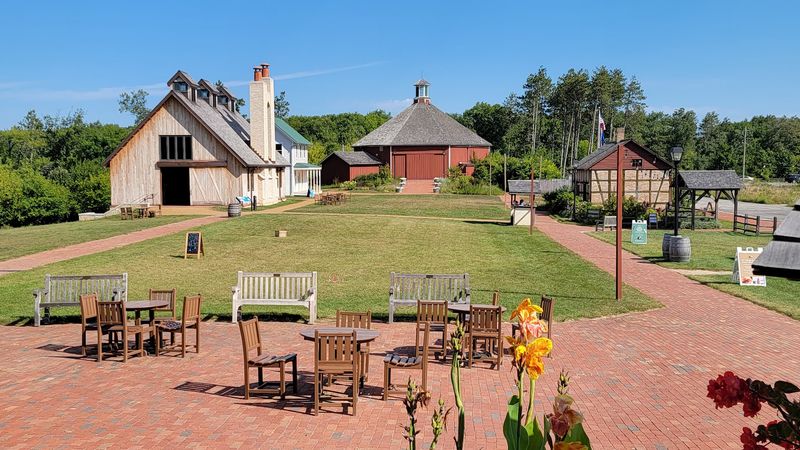
Old World Wisconsin covers an expansive landscape that requires most of a day to explore properly. The museum sits on hundreds of acres of preserved land where historic structures stand exactly as they did generations ago.
Visitors can walk between farmsteads, villages, and homesteads, each representing different immigrant groups who settled Wisconsin during the nineteenth century.
The sheer size of the property means comfortable walking shoes are essential. Free tram service runs continuously throughout operating hours, stopping at major areas and giving legs a rest between destinations.
The trams also provide helpful commentary about what lies ahead at each stop.
Planning a full day allows time to wander through multiple settlements without rushing. The property includes hiking trails for those who prefer exploring the natural landscape between historic sites, offering a peaceful way to travel from one era to another.
Costumed Interpreters Bring 19th-Century Life To Reality
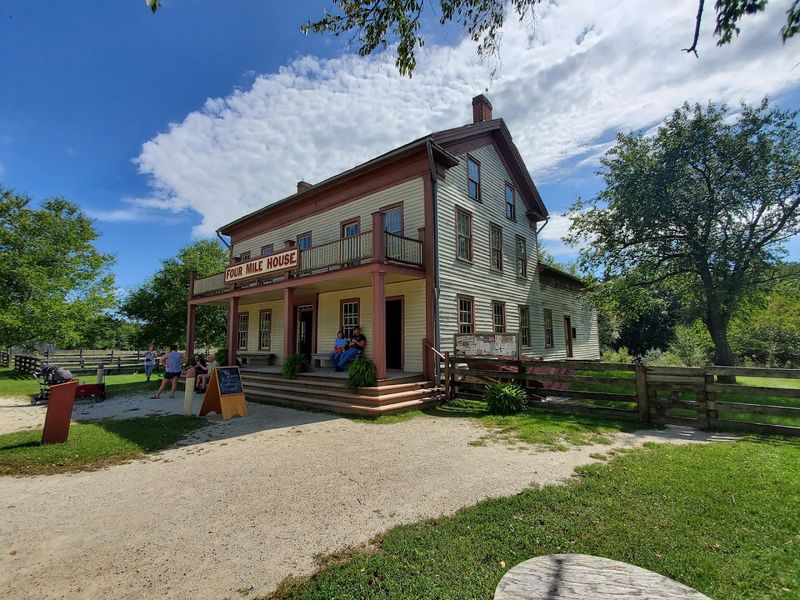
Staff members at Old World Wisconsin wear authentic period clothing and adopt the roles of people who actually lived during the 1800s. These interpreters possess deep knowledge about their assigned time periods and communities.
They speak with visitors about daily routines, challenges, and customs that shaped life for Wisconsin settlers from various European backgrounds.
The interpreters demonstrate traditional skills throughout the day. Blacksmiths shape hot metal into useful tools, while others show how families washed laundry, churned butter, or mended boots using methods that required patience and physical effort.
Each person adds genuine personality to their role, greeting visitors warmly and answering questions with historical accuracy.
Conversations with these knowledgeable guides transform a simple walk through old buildings into an educational encounter. Their enthusiasm for sharing stories makes history feel personal rather than academic, creating memorable moments that stick with visitors long after leaving.
Authentic Immigrant Homes Recreated With Remarkable Detail
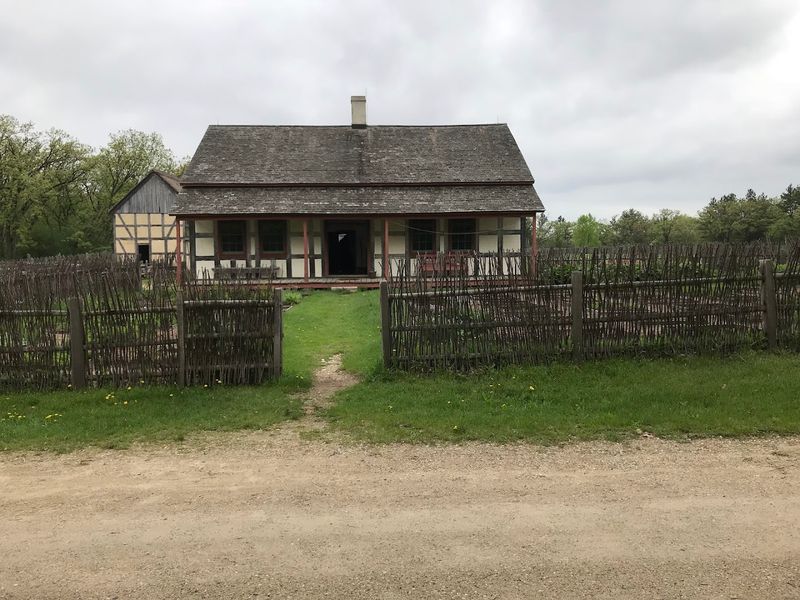
The museum has gathered and restored actual buildings from across Wisconsin, relocating them to create authentic ethnic settlements. Finnish, German, Norwegian, Danish, and other immigrant communities are represented through homes that families truly inhabited.
Each structure contains period-appropriate furnishings, tools, and household items that show how different cultural groups adapted to Wisconsin life.
Walking through these homes reveals the stark differences between modern comfort and nineteenth-century reality. Small rooms held large families, cooking happened over open fires, and storage solutions required creativity.
The attention to detail extends to gardens planted with period vegetables and herbs that settlers would have grown.
Interpreters stationed in many homes explain the specific challenges each immigrant group faced. They discuss language barriers, farming techniques brought from Europe, and how communities maintained cultural traditions while building new lives.
The homes stand as genuine artifacts, not reproductions, making the experience feel grounded in actual history.
Hands-On Activities Let Visitors Experience History Firsthand
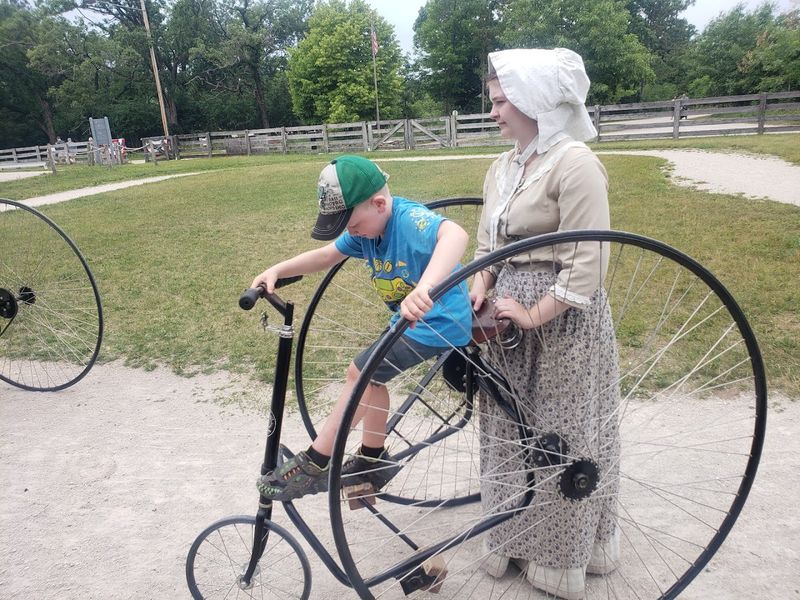
Old World Wisconsin encourages visitors to participate rather than simply observe. Throughout the property, interpreters invite guests to try activities that settlers performed daily.
Children can learn rope-making techniques, attempt washing clothes using washboards and tubs, or help with simple farm tasks that demonstrate the physical nature of historical work.
The Crossroads Village area offers particularly engaging demonstrations where families can watch bread being made and understand the steps involved in producing food without modern conveniences. At various homesteads, visitors might help feed animals, observe cheese-making processes, or try their hand at traditional crafts under guided supervision.
These participatory moments create understanding that reading alone cannot provide. Feeling the effort required to pump water, wash fabric by hand, or churn butter gives immediate appreciation for how much labor filled each day.
The activities work well for all ages, with interpreters adjusting explanations to suit different learning levels.
Seasonal Opening Schedule Makes Every Visit Feel Different
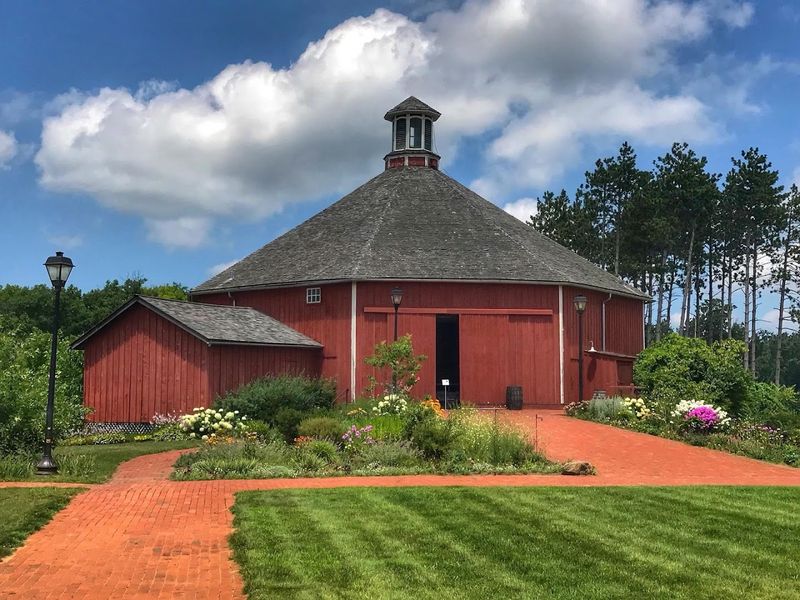
The museum operates seasonally, typically opening in May and continuing through October. This schedule aligns with how actual farms functioned historically, when winter months limited outdoor work and travel.
Each season brings different activities and demonstrations that reflect what settlers would have been doing at that time of year.
Summer visits showcase gardens in full growth, with interpreters discussing planting and harvesting techniques. Fall brings demonstrations related to food preservation, preparation for winter, and harvest celebrations.
Special events throughout the season add themed activities, from Independence Day celebrations to Halloween programs that explore historical ghost stories and spiritualism.
The changing landscape across months means return visitors encounter new experiences each time. Spring flowers give way to summer abundance, then autumn colors, making the natural setting as dynamic as the human history being portrayed.
Planning visits during different seasons provides varied perspectives on how settlers adapted to Wisconsin’s distinct climate.
Reduced Hours And Limited Access During Off-Season Months
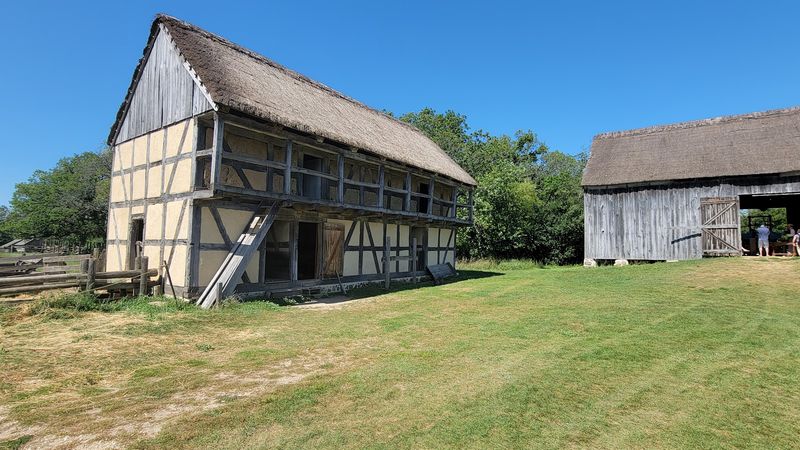
Visitors planning trips should verify operating schedules before traveling. The museum closes completely during winter months, roughly November through April, when outdoor exhibits become impractical to maintain and experience.
Even during the open season, hours may vary, with some special events extending into evening hours while regular days follow daytime schedules.
The off-season closure reflects both historical accuracy and practical considerations. Farms in the 1800s slowed dramatically during winter, with families spending more time indoors on maintenance tasks and handwork.
Modern concerns about heating historic buildings and maintaining safe walking paths in snow also influence the decision.
Advanced ticket purchase is strongly recommended, particularly for special events that can sell out days ahead. The museum’s website provides current schedules and alerts about any temporary closures or modified hours.
Checking ahead prevents disappointment and allows proper planning for a visit that requires significant time to appreciate fully.
Admission Prices Vary By Age And Time Of Year
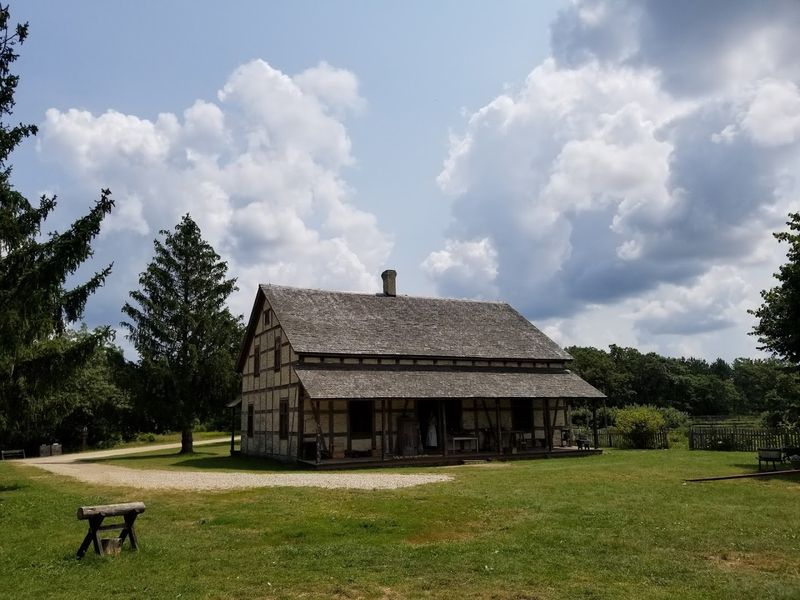
Entry fees at Old World Wisconsin follow a tiered structure based on visitor age and season. Adults pay standard admission, while children receive reduced rates and very young visitors enter free.
The museum also offers family memberships that provide value for households planning multiple visits throughout the season.
Special event days may carry different pricing than regular admission, particularly for popular programs like Halloween activities or holiday celebrations. These events often include additional demonstrations, entertainment, or extended hours that justify the adjusted cost.
Members receive benefits including free admission year-round and discounts on programs.
Purchasing tickets online ahead of time often proves easier than buying at the gate, especially on busy weekends. The website clearly lists current pricing for all categories and membership options.
Given the extensive grounds and full day of activities included, most visitors find the admission cost reasonable for the educational value and entertainment provided by this substantial historical site.
Historic Farms Show How Early Settlers Lived And Worked
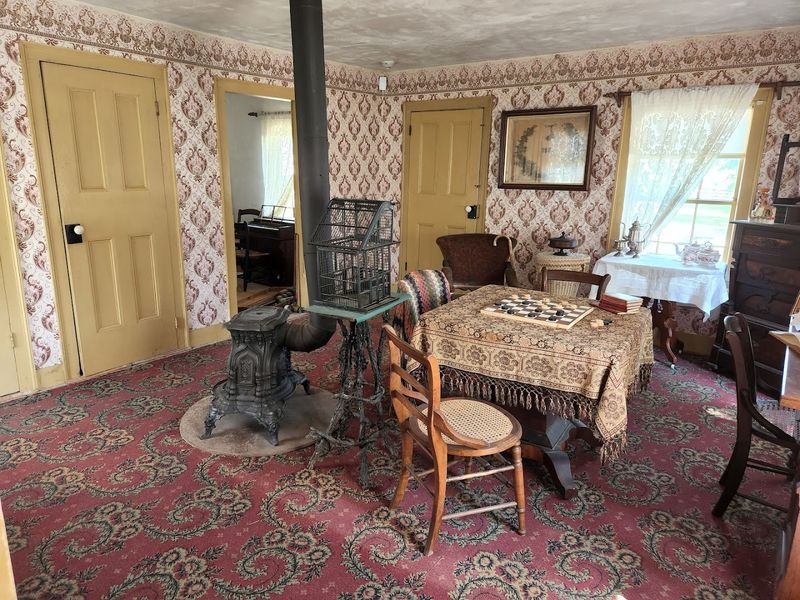
Several complete farmsteads operate throughout the museum grounds, each demonstrating different ethnic approaches to agriculture and animal husbandry. These working farms include barns, outbuildings, fields, and livestock that would have been essential to survival.
Interpreters explain how families coordinated labor, managed seasonal cycles, and produced nearly everything they needed.
Visitors can observe heritage breed animals similar to those settlers raised for milk, meat, eggs, and labor. The farms show crop rotation methods, hand tools used for planting and harvesting, and the constant maintenance required to keep buildings and equipment functional.
Demonstrations might include milking, egg collection, or feeding routines that structured daily life.
The farm settings illustrate how isolated rural families functioned as self-sufficient units. Interpreters discuss the division of labor between men, women, and children, and how neighbors helped each other during critical times like harvests or barn raisings.
These authentic environments provide context for understanding Wisconsin’s agricultural heritage and immigrant contributions.
Special Events Add Extra Layers Of Immersive Storytelling
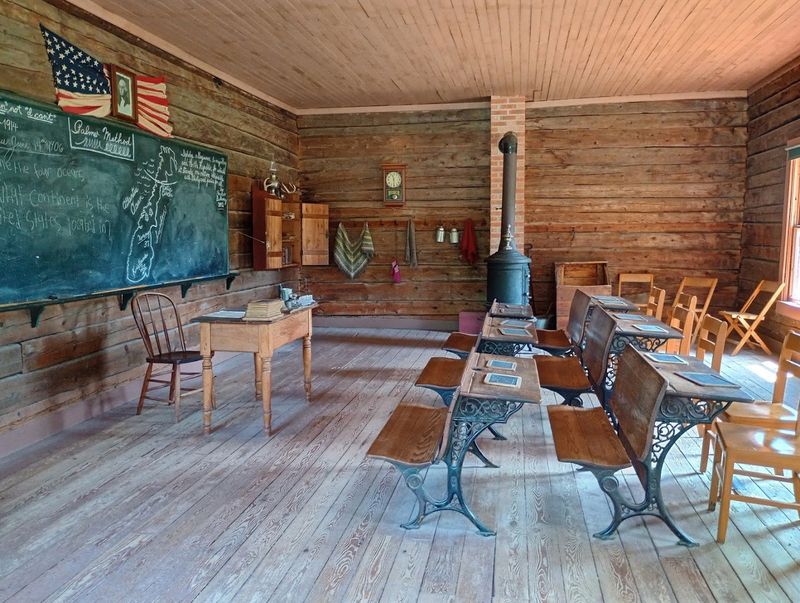
Beyond regular daily operations, Old World Wisconsin hosts themed events throughout its season that deepen the historical experience. These programs might focus on specific holidays, cultural celebrations, or aspects of nineteenth-century life that deserve special attention.
Past events have included Independence Day festivities with period-appropriate activities, homeschool days with educational programming, and evening events exploring folklore and spiritualism.
The Legends and Lores program stands out for its atmospheric approach to history. Visitors hear ghost stories around campfires, attend staged seances reflecting Victorian fascination with the spirit world, and learn about the Morris Pratt Institute’s role in spiritualist education.
These programs run after regular hours, creating an entirely different mood on familiar grounds.
Halloween events transform the site into an immersive theatrical experience, with student performers and staff creating encounters throughout the property. These special programs require separate tickets and often sell out quickly, so advance planning proves essential for anyone interested in experiencing the museum beyond standard daytime visits.
Walking Trails Connect Dozens Of Historic Structures
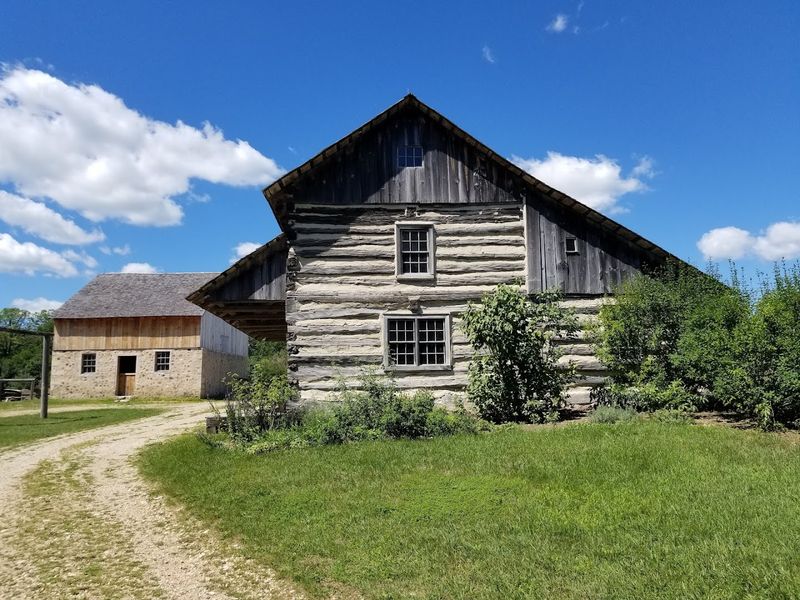
Paths wind throughout the museum property, linking settlements and farmsteads through landscape that resembles the rural Wisconsin settlers encountered. These trails offer quiet moments between the more active areas where interpreters demonstrate crafts and answer questions.
The natural setting includes native plantings and preserved ecosystems that show how the land looked before modern development.
Hikers who prefer exploring on foot rather than using trams can follow trails that provide different perspectives on the property. Some paths cut through wooded areas, while others cross open fields where crops grow using historical methods.
The trails accommodate varying fitness levels, though the property’s size means even short routes involve substantial walking.
The combination of natural beauty and historical structures creates a contemplative experience. Birds, wildflowers, and changing light throughout the day add to the atmosphere.
Taking time to walk between sites rather than rushing from building to building allows visitors to imagine the isolation settlers experienced and appreciate how their communities developed across the Wisconsin landscape.