
This Tiny New York Town Could Easily Pass For A European Village
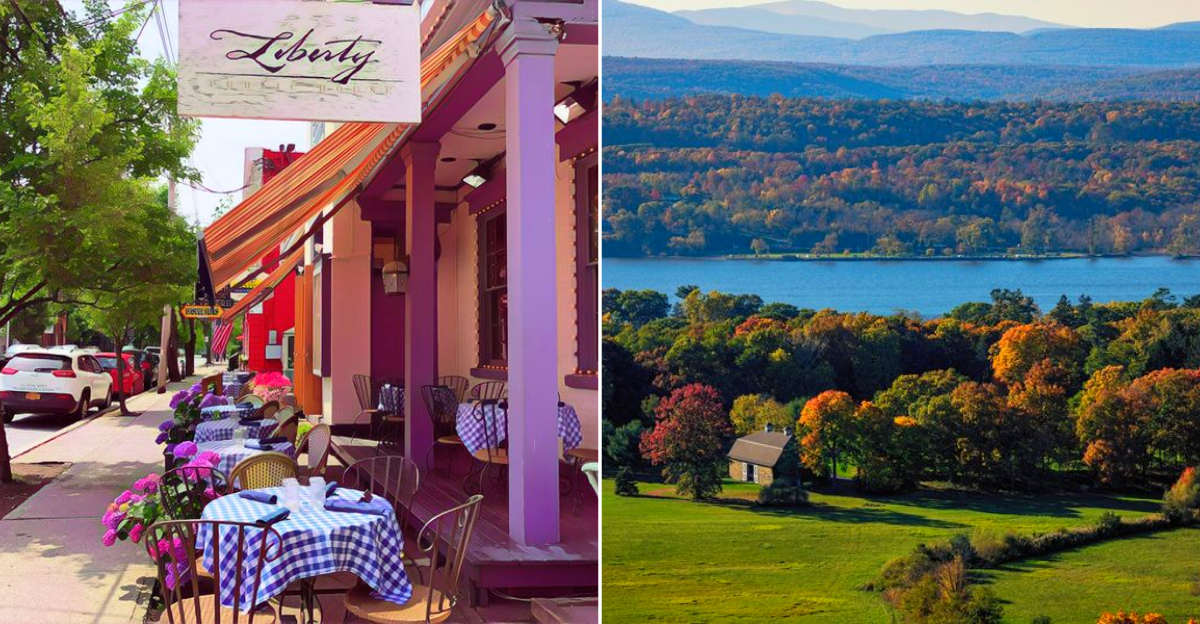
Homey buildings, compact shopfronts, and an old-town vibe that seems to lean fully into ştunning natural scenery create a scene that feels unexpectedly transported. This small town in New York doesn’t try to imitate anything, yet the atmosphere carries a distinctly European feel that catches you off guard in the best way.
Walk a little further and the details start to stand out. Outdoor tables fill up slowly, shop windows invite a second look, and the pace stays comfortably unhurried.
It’s easy to lose track of time here. Everything feels close, easy to explore, and just different enough to make you forget where you started.
A Village Atmosphere That Feels Centuries Old
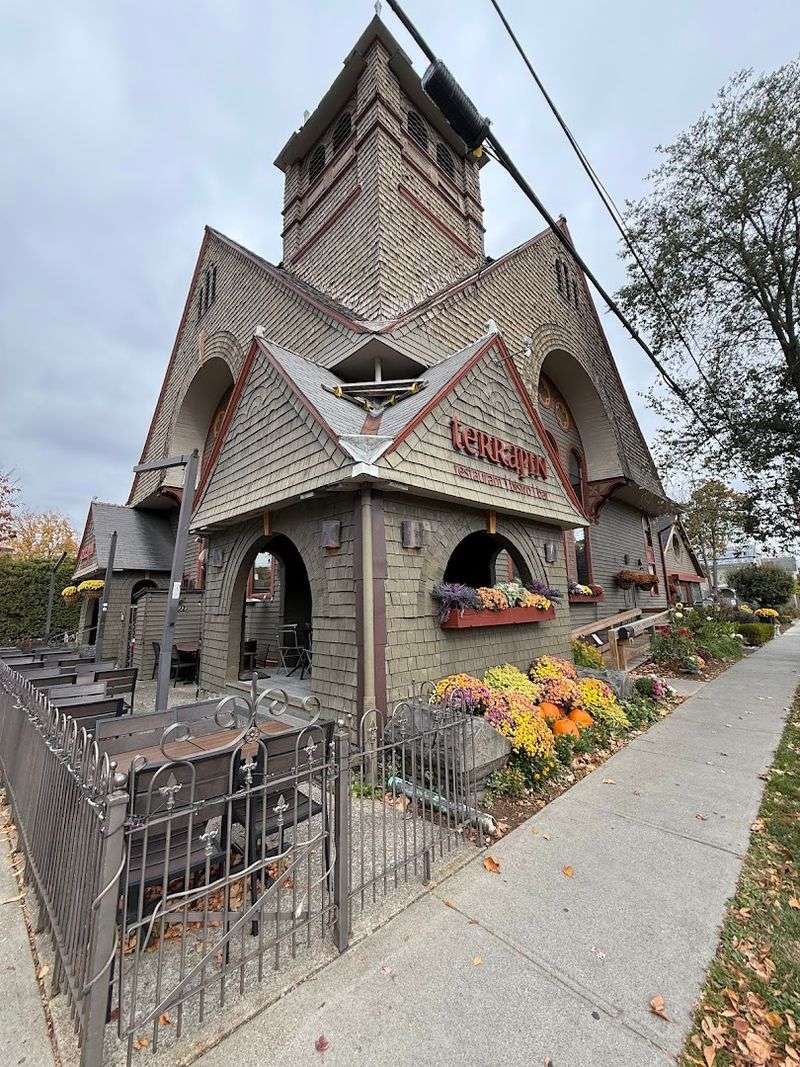
Few places in the northeastern United States carry the kind of layered, unhurried atmosphere that Rhinebeck manages to project so effortlessly. The moment you arrive on Market Street, the pace of life shifts noticeably.
Buildings from the 18th and 19th centuries stand shoulder to shoulder, their facades worn just enough to suggest genuine history rather than manufactured nostalgia.
The sidewalks are broad and shaded by mature trees that arch overhead like a natural canopy. Local shopkeepers often prop their doors open, and the smell of fresh bread or ground coffee drifts out to greet passersby.
Nothing about the streetscape feels rushed or commercial in the way that most American towns tend to feel.
European travelers frequently remark that Rhinebeck reminds them of small market towns in England or the quieter corners of Alsace in France. That comparison is not accidental.
The town has worked deliberately to preserve its architectural heritage, and the results speak for themselves. Every block holds a small discovery, from a carved stone lintel to a hand-painted shop sign that looks like it has been there for generations.
Rhinebeck And The History Behind Its Enduring Character
Rhinebeck was officially established as a town in 1688, making it one of the older settlements in New York State. Its early settlers included Dutch and German families who built farms along the Hudson River and left behind a cultural imprint that still shapes the town’s identity today.
That deep root system gives Rhinebeck a sense of permanence that newer communities simply cannot replicate.
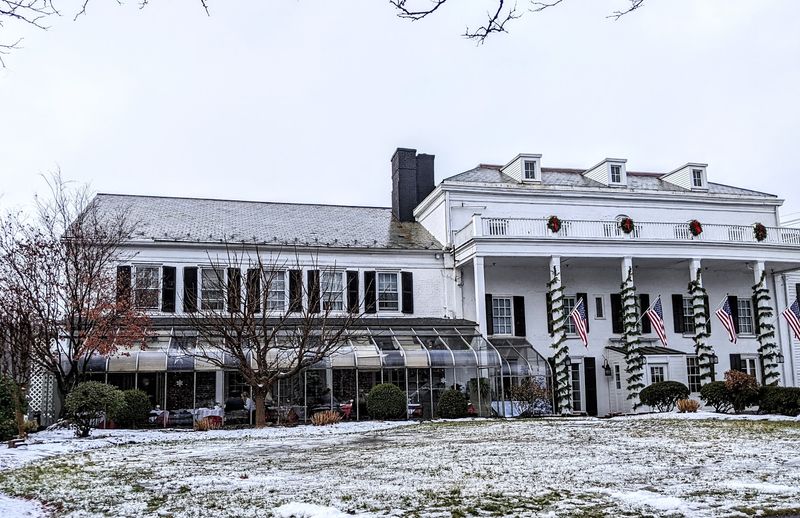
The Beekman Arms, located at 6387 Mill Street in the heart of the village, holds the distinction of being one of the oldest continuously operating inns in the United States, with origins dating to 1766. Guests have included presidents, generals, and artists, and the building still welcomes overnight visitors with the same quiet grace it has offered for centuries.
Staying there feels less like checking into a hotel and more like stepping into a living document of American history.
Beyond the inn, the town’s historic district contains dozens of structures listed on the National Register of Historic Places. Preservation efforts here go beyond mere maintenance.
They reflect a community-wide commitment to keeping the past present, which is precisely what gives Rhinebeck its rare and reassuring depth of character.
The Arts Scene That Keeps Rhinebeck Alive And Curious
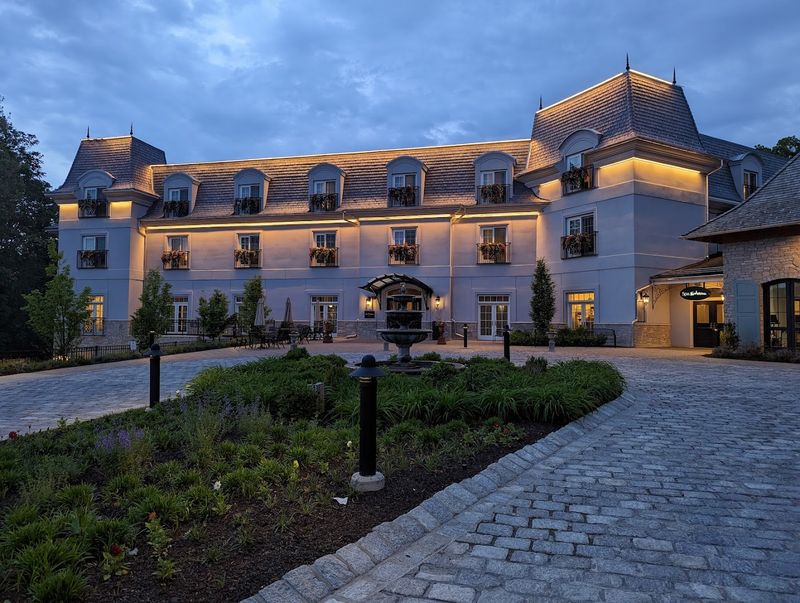
A town this small sustaining an arts scene this active is genuinely impressive. Rhinebeck has long attracted painters, writers, sculptors, and musicians who find the Hudson Valley’s light and landscape irresistible.
That creative population has shaped local culture in ways that go well beyond a few galleries tucked between coffee shops.
The Center for Performing Arts at Rhinebeck hosts theater productions, concerts, and community events throughout the year, drawing audiences from across Dutchess County and beyond. Local galleries rotate exhibitions regularly, showcasing both established regional artists and emerging voices who have chosen the Hudson Valley as their creative base.
The energy in these spaces feels participatory rather than passive.
Art here is not confined to formal venues. Murals appear on building walls, sculpture shows up in unexpected courtyards, and seasonal markets often feature handmade goods by local craftspeople.
The creative spirit of Rhinebeck is woven into daily life rather than set apart as a special attraction. For visitors who appreciate places where culture is lived rather than just displayed, Rhinebeck delivers something that feels both authentic and quietly exciting.
Farm-To-Table Dining With A Distinctly European Sensibility
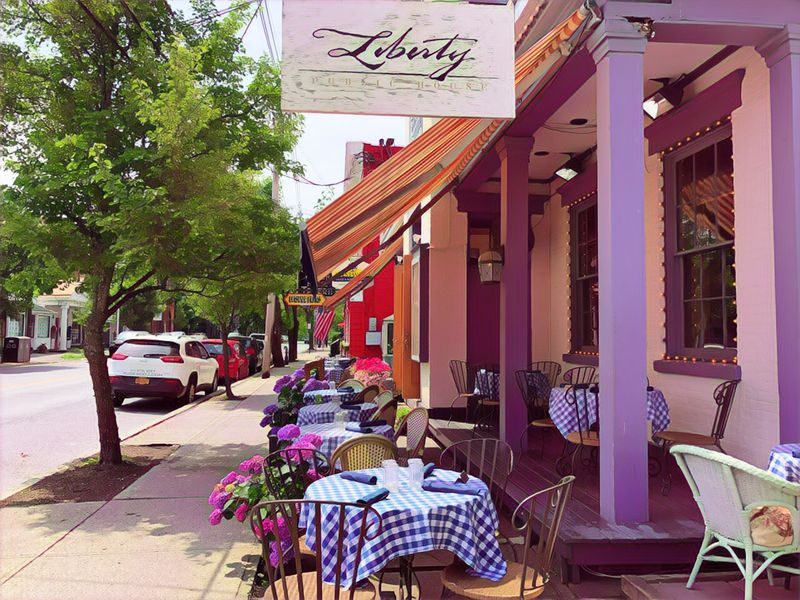
Eating well in Rhinebeck requires no special effort because the town has built its food culture around one straightforward principle: use what grows nearby. The Hudson Valley is among the most fertile agricultural regions in the eastern United States, and Rhinebeck’s restaurants take full advantage of that proximity.
Menus change with the seasons, and that rhythm gives dining here a freshness that feels genuinely European in its philosophy.
Bread is baked daily at several local establishments, and the quality of ingredients at even casual spots tends to exceed what you might expect from a town of fewer than 8,000 residents.
There is a farmers market held regularly that brings local growers, cheesemakers, and bakers directly to the community, creating a gathering point that feels more like a French village square than a typical American market setup.
Restaurants in Rhinebeck tend to be independently owned, which means each one carries the distinct personality of the people behind it. The food tells a story about the land and the people who tend it.
Visitors often find themselves lingering longer than planned over a meal, not because the service is slow, but because the experience rewards patience and attention.
Boutique Shopping That Rewards The Curious Wanderer
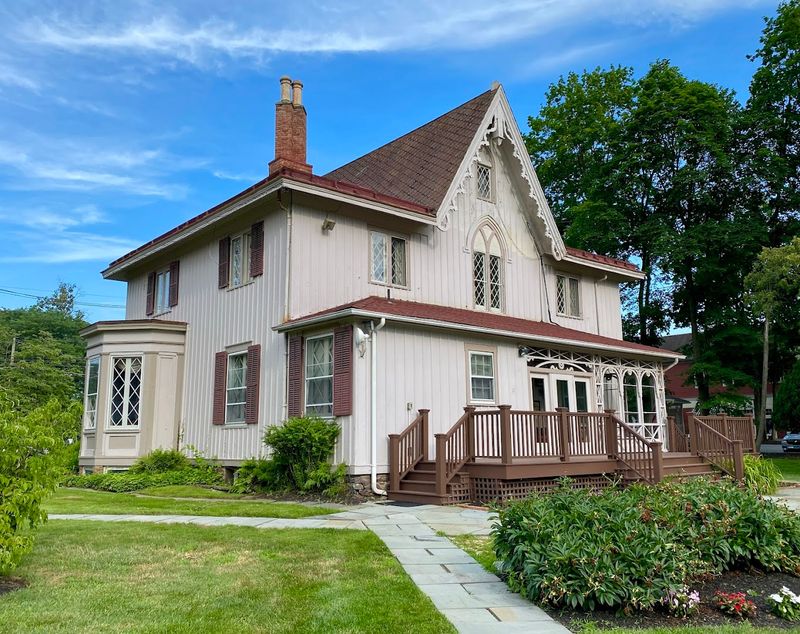
Market Street and its surrounding blocks offer a shopping experience that stands apart from the chain-heavy retail landscapes found in most American towns.
Every shop in the village center appears to be independently owned, and the variety on offer reflects the eclectic, well-traveled taste of both the merchants and their loyal customer base.
Antique dealers sit beside bookshops, and specialty food stores occupy spaces next to clothing boutiques with a distinctly European editorial sensibility.
The antique shops deserve particular mention. Rhinebeck sits at the center of a region rich in estate sales and historic homesteads, which means the inventory at local dealers tends to be genuinely interesting rather than merely decorative.
You might find 18th-century Dutch farmhouse furniture beside a collection of vintage French posters, and the juxtaposition feels entirely natural in this context.
Bookshops here carry carefully curated selections that reflect serious literary taste. Spending an afternoon moving from one shop to the next, with no particular agenda, is one of the best ways to understand what makes Rhinebeck tick.
The town rewards slow exploration, and its merchants seem genuinely pleased to talk about what they sell and why they chose to sell it here.
The Hudson Valley Setting That Frames Everything Beautifully
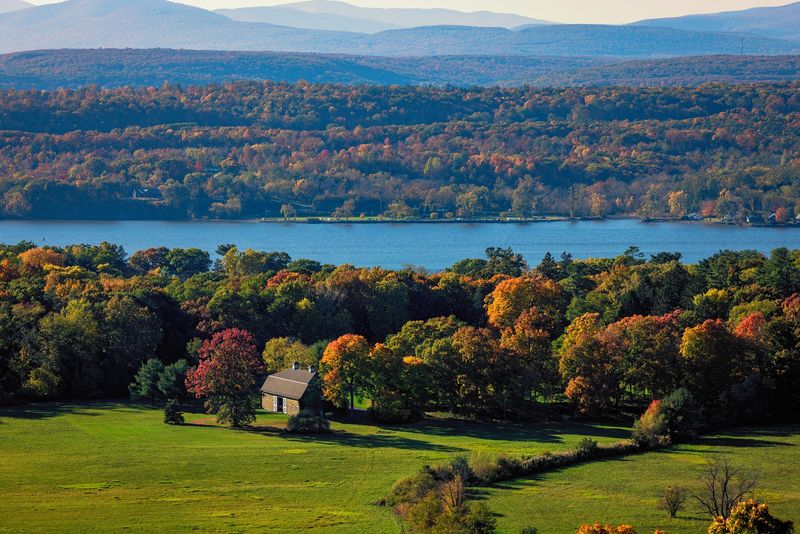
Geography plays no small role in Rhinebeck’s charm. The town sits in the middle of the Hudson Valley, roughly 100 miles north of New York City, where the river widens and the surrounding hills take on a softness that feels almost pastoral in the European sense.
The landscape here has inspired painters since the 19th century, when the Hudson River School artists made these views famous around the world.
Fall is the season that draws the largest number of visitors, and understandably so. The hills surrounding Rhinebeck turn into a sustained display of amber, crimson, and gold that lasts for weeks and transforms even the most ordinary drive into something worth remembering.
Spring brings a different kind of beauty, with apple orchards blooming across the valley and the river reflecting long, pale light in the late afternoon.
The surrounding countryside offers excellent opportunities for cycling, hiking, and simply driving with no particular destination in mind. Several state parks and nature preserves lie within easy reach of the village center.
The natural setting gives Rhinebeck a grounded, unhurried quality that complements its architectural and cultural appeal without competing with it.
Community Events That Draw The Whole Region Together
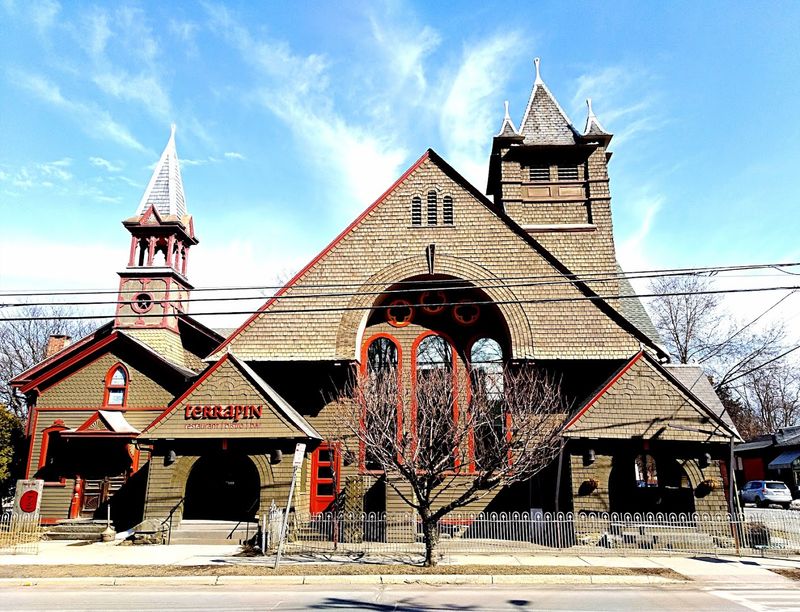
For a town of its size, Rhinebeck hosts an impressive calendar of community events that bring people together from across the Hudson Valley and well beyond.
The Dutchess County Fair, held annually at the fairgrounds just outside the village, is one of the largest agricultural fairs in New York State and draws hundreds of thousands of visitors each summer.
It is a genuinely spirited event that connects the region’s farming heritage to a wider public in a way that feels celebratory rather than ceremonial.
The Rhinebeck Farmers Market operates on a regular seasonal schedule and has developed a loyal following among both locals and weekend visitors. Beyond the food, it functions as a social hub where neighbors catch up and newcomers get their first real introduction to the community’s character.
Markets like this one are common across Europe but remain refreshingly rare in small American towns.
Throughout the year, the town also hosts art walks, outdoor concerts, holiday celebrations, and various cultural gatherings organized by local institutions. The cumulative effect is a town that feels continuously alive, not just during peak tourist season.
Rhinebeck’s social calendar reflects a community that genuinely enjoys being together, and that energy is immediately apparent to anyone visiting for the first time.
Why Rhinebeck Stays With You Long After You Leave
Some destinations are easy to enjoy in the moment but difficult to recall with any precision once you have returned home. Rhinebeck is not one of those places.
The town leaves a specific kind of impression, the kind built from accumulated small details rather than a single dramatic highlight. A perfectly worn wooden floor in a centuries-old inn.
The sound of a church bell marking the hour on a quiet Tuesday afternoon. A conversation with a bookseller who clearly loves their work.
The European comparison that follows Rhinebeck around is ultimately about more than architecture or food or landscape. It is about pace.
European villages at their best operate on a human scale, where the built environment and the social environment reinforce each other in ways that make daily life feel considered rather than accidental. Rhinebeck has achieved something similar, and that achievement feels both deliberate and genuinely earned.
Visitors who come for a weekend often start making plans for a return trip before they have finished their first day. The town has a way of expanding in memory, revealing more texture and depth the longer you think about it.
For anyone who has ever wanted to experience European village life without leaving American soil, Rhinebeck is a remarkably persuasive answer.