
This Scenic Lazy River In New York Is The Perfect Summer Escape In 2026
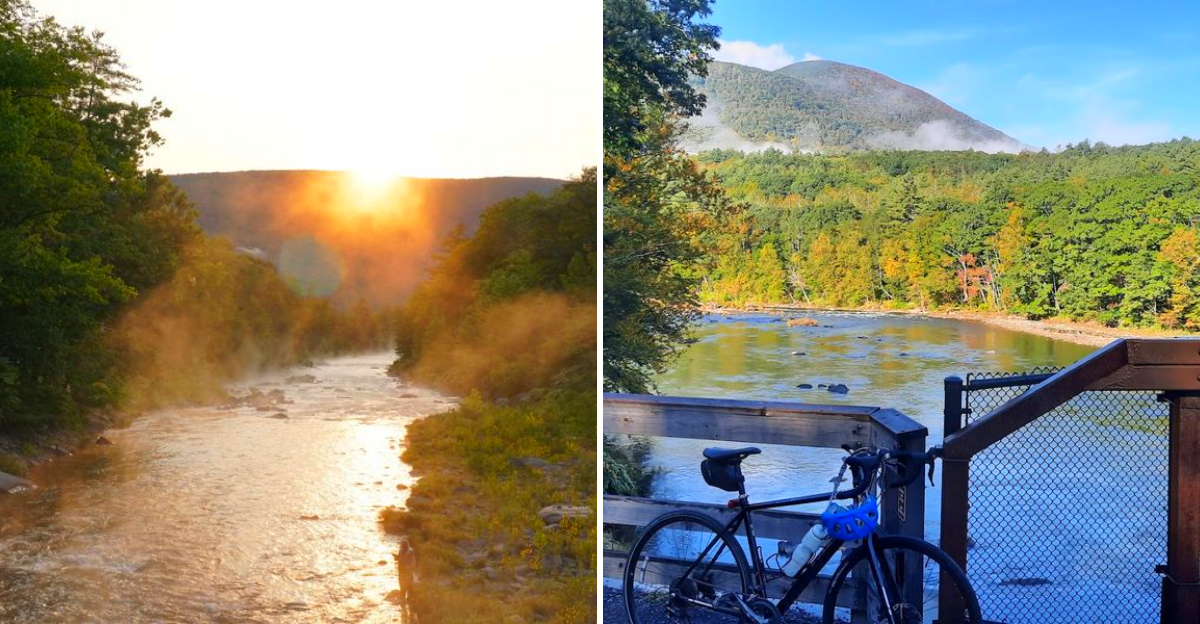
The current pulls gently, just enough to keep you moving without any effort at all. Sunlight dances on the surface, trees lean in close, and the whole stretch of water feels made for drifting rather than rushing.
New York summers can get busy, but spots like this change the pace in an instant.
Settle into the flow and everything slows down. The river winds through quiet sections, opens up to wider views, then narrows again before you even notice the shift.
There’s no need to plan every moment. You float, you take it in, and you let the day unfold on its own.
It’s simple, refreshing, and exactly the kind of escape that feels just right when the heat kicks in.
A River That Earns Your Attention Before You Even Arrive
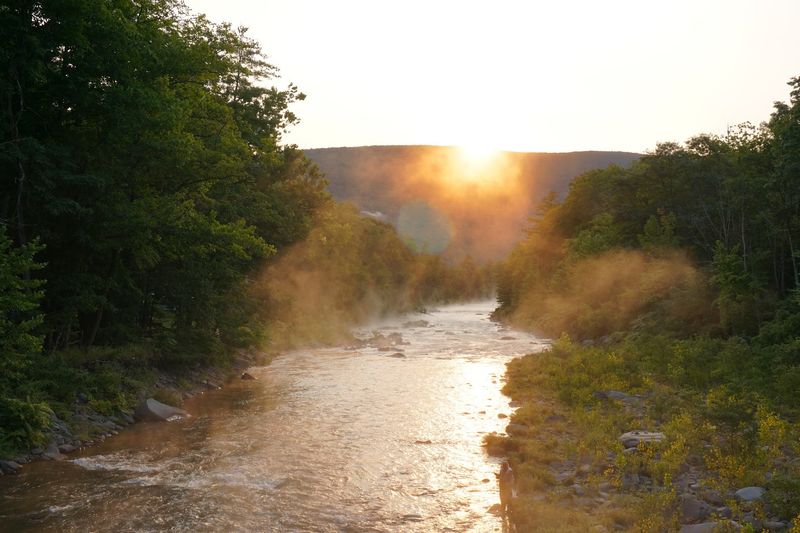
Not every waterway announces itself with dramatic flair, and the one we are talking about today earns its reputation through character rather than spectacle. Esopus Creek runs through the heart of the Catskill Mountains in Ulster County, New York, and it has been drawing visitors for generations without ever needing to oversell itself.
The water moves with an easy rhythm, shallow in places and surprisingly quick in others, cutting through forested hillsides and open meadows with equal confidence.
What makes this creek genuinely worth your attention is the variety it offers within a single stretch of moving water. Families wade in calm pools while experienced tubers drift downstream through sections with just enough current to keep things interesting.
Anglers stand in the shallows with their lines out, searching for the wild trout the creek is well known for supporting.
The surrounding landscape shifts as you move along the water, giving you something new to look at every quarter mile or so. Rock formations jut out from the banks, hemlocks lean over the current, and the sky opens up in clearings that feel almost deliberately placed for your enjoyment.
Arriving here for the first time feels less like a discovery and more like a long-overdue reunion.
Esopus Creek And The Catskill Region It Calls Home
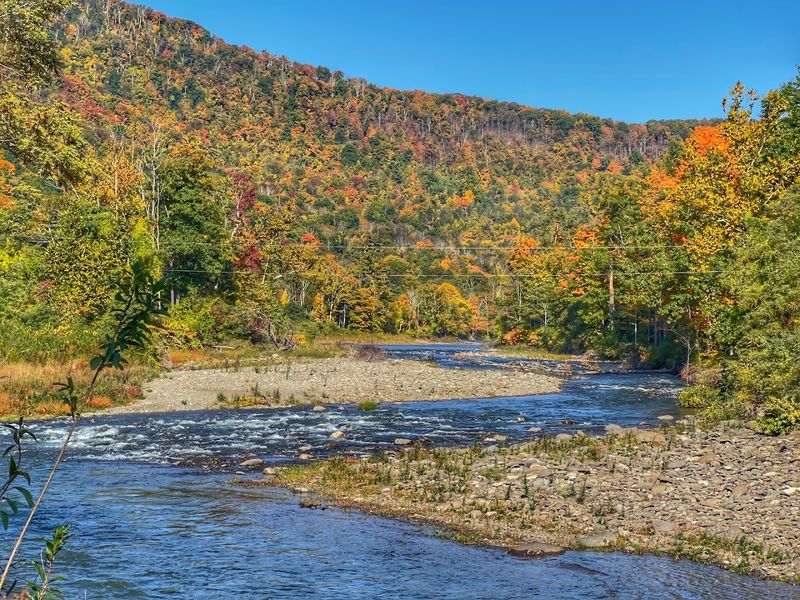
Esopus Creek flows through Ulster County in the Hudson Valley region of New York, beginning near the town of Shandaken and eventually depositing into the Hudson River near the town of Saugerties.
Along the way, it passes through communities like Phoenicia, Mount Tremper, and Boiceville, each offering their own small-town character and easy access to the water.
The creek is divided into upper and lower sections by the Ashokan Reservoir, which was constructed in the early 1900s to supply drinking water to New York City.
Phoenicia is perhaps the most well-known gateway town for creek access, offering parking areas, outfitter shops, and a relaxed atmosphere that suits a summer afternoon perfectly.
The town sits comfortably along the creek’s upper section and has long served as a staging point for tubing adventures that locals and visitors alike return to year after year.
Getting there from New York City takes roughly two and a half hours by car, making it a very manageable day trip or weekend destination.
The drive itself winds through increasingly beautiful countryside, and by the time you catch your first glimpse of the creek from the road, the anticipation feels entirely justified.
Ulster County has a way of making you feel like you made the right choice.
Tubing The Creek Is The Main Event Of Every Summer Visit
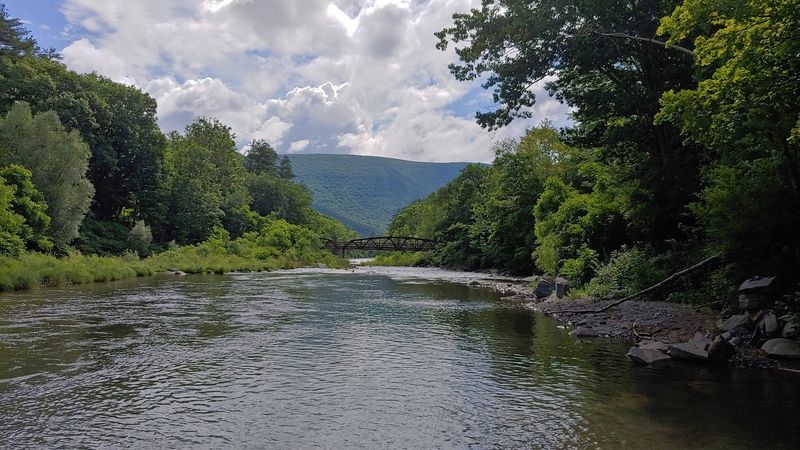
Floating down Esopus Creek on an inner tube is the kind of activity that sounds simple until you are actually doing it, and then it becomes the best part of your entire summer.
The upper section near Phoenicia offers a tubing run that covers several miles of moving water, with enough variety in the current to keep you alert without ever feeling dangerous.
Local outfitters in Phoenicia have been renting tubes and shuttling floaters back to their starting points for decades, and the whole operation runs with a cheerful, well-practiced efficiency.
The water temperature stays refreshingly cool even on the hottest July afternoons, which is part of the appeal for anyone who has ever suffered through a sweltering urban summer. You drift past overhanging trees, smooth boulders, and the occasional sandy bank where other tubers have pulled over to rest or explore.
There are spots where the current picks up and sends you spinning, and spots where the water barely moves and you find yourself simply floating and staring at the sky.
Kids absolutely love it, and adults tend to rediscover a version of themselves that forgot how good it feels to just float. The whole experience lasts a couple of hours, and most people immediately want to do it again.
That reaction is probably the best review the creek will ever receive.
The Fishing Along These Banks Has A Well-Earned Reputation
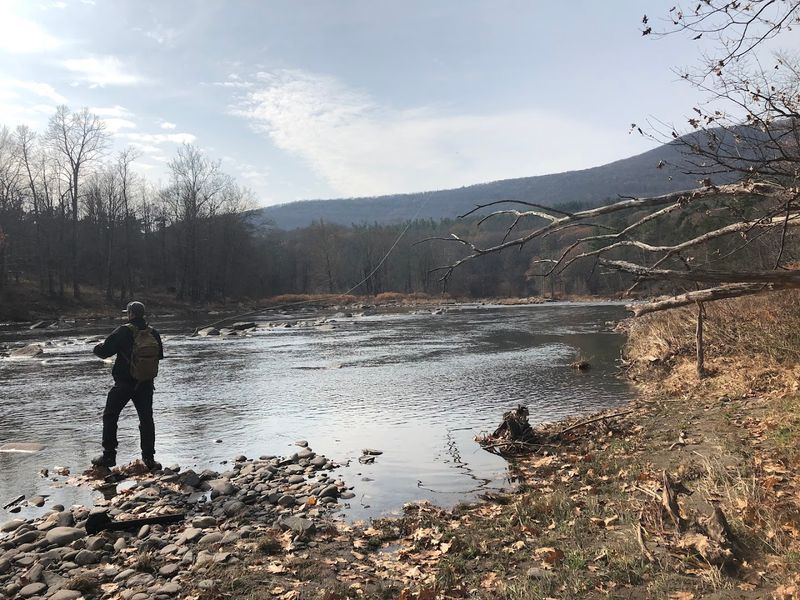
Esopus Creek holds a distinguished place in the history of American fly fishing, and that distinction did not come by accident. The creek is designated as a wild trout fishery and is widely regarded as one of the finest trout streams in the northeastern United States.
Both brown trout and rainbow trout inhabit the water in healthy numbers, and the creek’s varied structure, from deep pools to fast riffles, provides the kind of habitat that keeps trout populations strong year after year.
The Catskill region as a whole is considered the birthplace of American dry fly fishing, and Esopus Creek is a central part of that legacy. Anglers travel from across the country to cast in waters that have been written about, studied, and celebrated for well over a century.
The American Museum of Fly Fishing, while located in Vermont, frequently acknowledges the Catskills and Esopus Creek as foundational to the sport’s development in North America.
Fishing regulations along the creek include catch-and-release requirements in certain sections, so checking the New York State Department of Environmental Conservation guidelines before your visit is a practical step worth taking.
The experience of standing in moving water with a rod in hand, surrounded by hemlock and hardwood, has a way of making everything else feel temporarily irrelevant.
Even watching someone else fish here is oddly satisfying.
Swimming Holes And Quiet Pools Worth Seeking Out
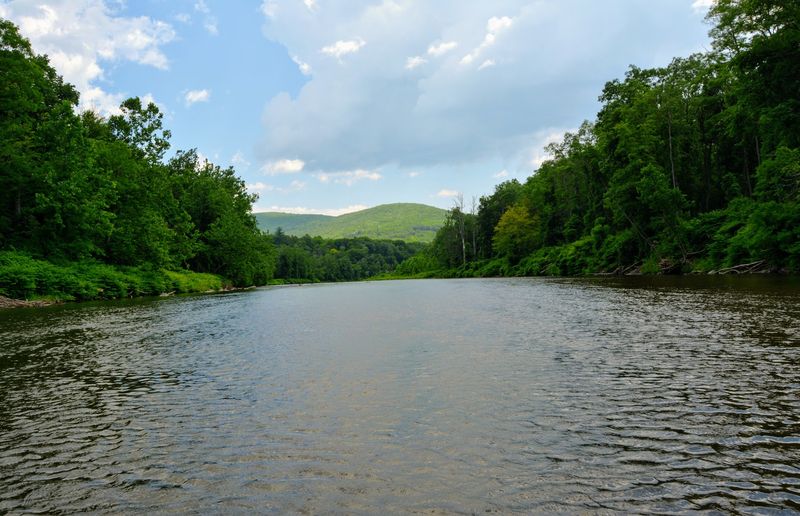
Beyond the tubing runs and fishing stretches, Esopus Creek has a collection of swimming holes that reward those willing to explore a little. The water clarity in the upper sections is genuinely impressive, with visibility through the current that lets you see smooth stones and the occasional darting fish below the surface.
Families with young children tend to gravitate toward the calmer pools where the depth stays manageable and the current barely registers as a factor.
Peekamoose Blue Hole, located further upstream in the Sundown Wild Forest area, is one of the most photographed natural swimming spots in the entire Catskill region and draws visitors from across the state during peak summer weekends.
The water there runs a vivid blue-green that seems almost improbable for upstate New York, and the surrounding forest amplifies the sense of seclusion.
Reservations are required during busy periods, so planning ahead saves you from a disappointing turn-around at the trailhead.
Along the main corridor of the creek near Phoenicia and Mount Tremper, public access points allow swimmers to find their own preferred stretch of water without much difficulty. The key is arriving early on weekends, when the most appealing spots fill up with blankets, towels, and the general cheerful noise of people having a thoroughly good time.
Weekday visits offer a noticeably quieter version of the same beauty.
Wildlife And Natural Scenery That Make Every Glance Worthwhile
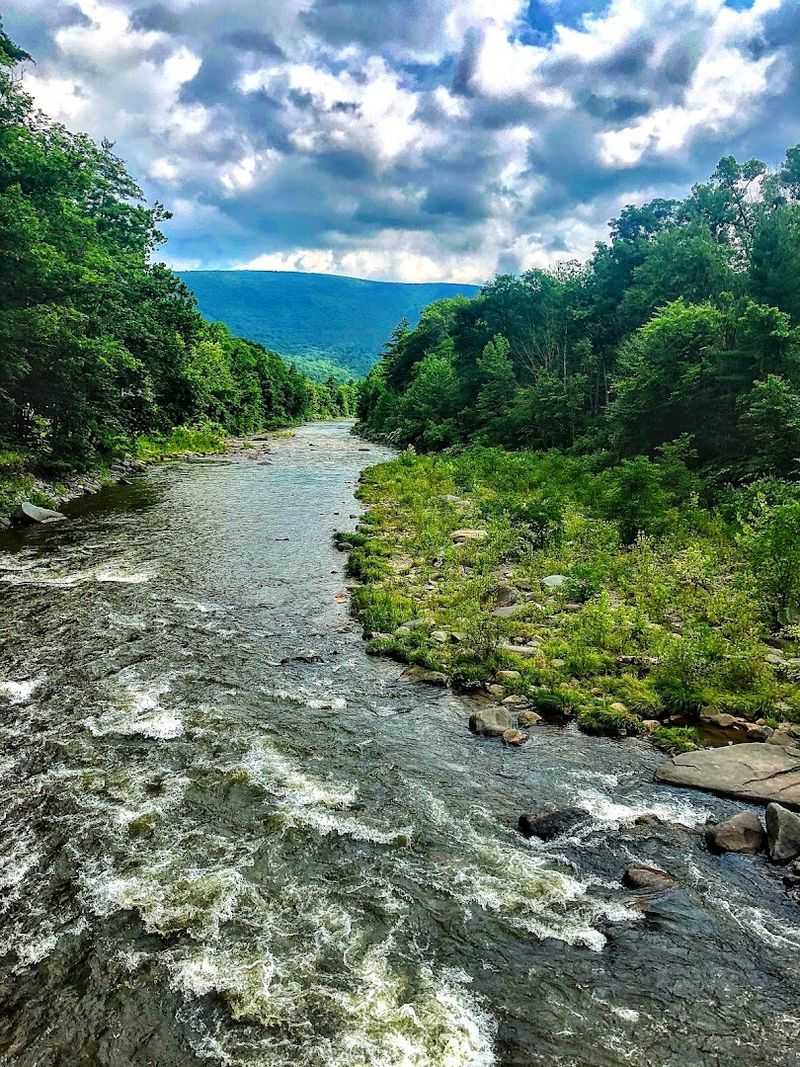
The banks of Esopus Creek support a level of ecological richness that tends to surprise visitors who arrive expecting little more than a pretty stretch of water. Great blue herons stand motionless in the shallows with an almost theatrical patience, waiting for fish to drift within striking range.
Kingfishers rattle their way along the corridor in bright flashes of blue and rust, and in the early morning hours, mink have been spotted moving along the rocky edges with quick, purposeful energy.
The forest surrounding the creek is dominated by eastern hemlock, sugar maple, and yellow birch, with a dense understory that keeps the air noticeably cooler than open ground nearby.
Wildflowers appear along the banks from late spring through midsummer, and the combination of moving water, dappled light, and birdsong creates an atmosphere that feels genuinely restorative rather than simply scenic.
Fall transforms the entire corridor into something that photography struggles to do justice, with hardwood foliage reflecting off the water in combinations of amber, crimson, and gold. Even in summer, the green is so layered and varied that the creek never looks the same twice from the same spot.
Spending a few hours here without any particular agenda turns out to be one of the more productive things you can do for your overall sense of wellbeing.
Nearby Towns That Add Depth To Your Creek-Side Weekend
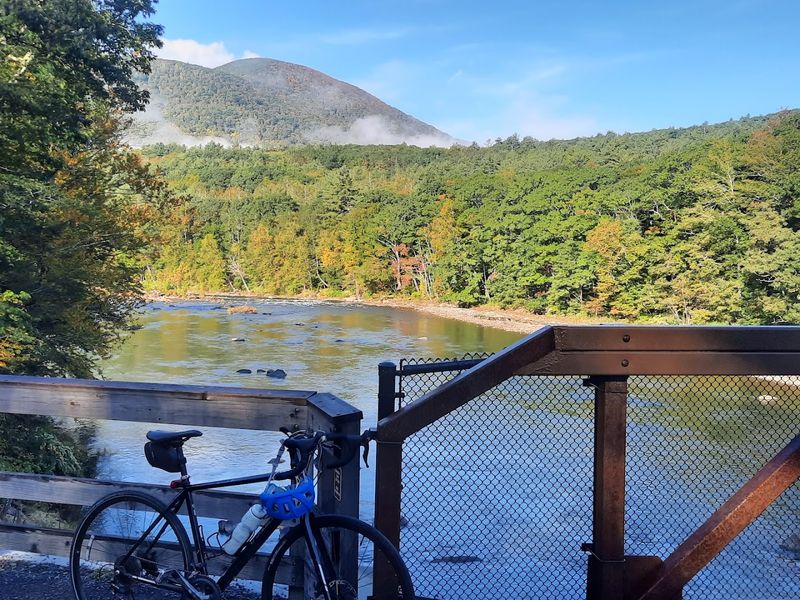
Phoenicia serves as the social center for anyone spending time along the upper creek, and the town punches well above its weight for such a small community. Independent shops, good food, and a general attitude of relaxed hospitality make it easy to spend more time there than you originally planned.
The Phoenicia Diner, perched just off the main road, has become something of a regional institution, serving straightforward American food with above-average execution in a setting that feels authentically Catskill.
Woodstock, located about 15 miles southeast of Phoenicia, offers a more culturally layered experience with galleries, live music venues, and a long artistic heritage that still feels alive rather than merely preserved.
The town has drawn creative people for over a century, and walking its streets gives you the pleasant sense of being somewhere with an actual story behind it.
Kingston, the nearest city and the first capital of New York State, sits at the southern end of the region and provides a broader range of dining, shopping, and historical interest for those who want to balance creek time with a bit of urban exploration.
The combination of Esopus Creek and its surrounding towns creates a weekend itinerary that never runs short of good options.
Choosing what to skip turns out to be the hardest part of planning the whole trip.
Practical Advice For Planning Your Esopus Creek Visit
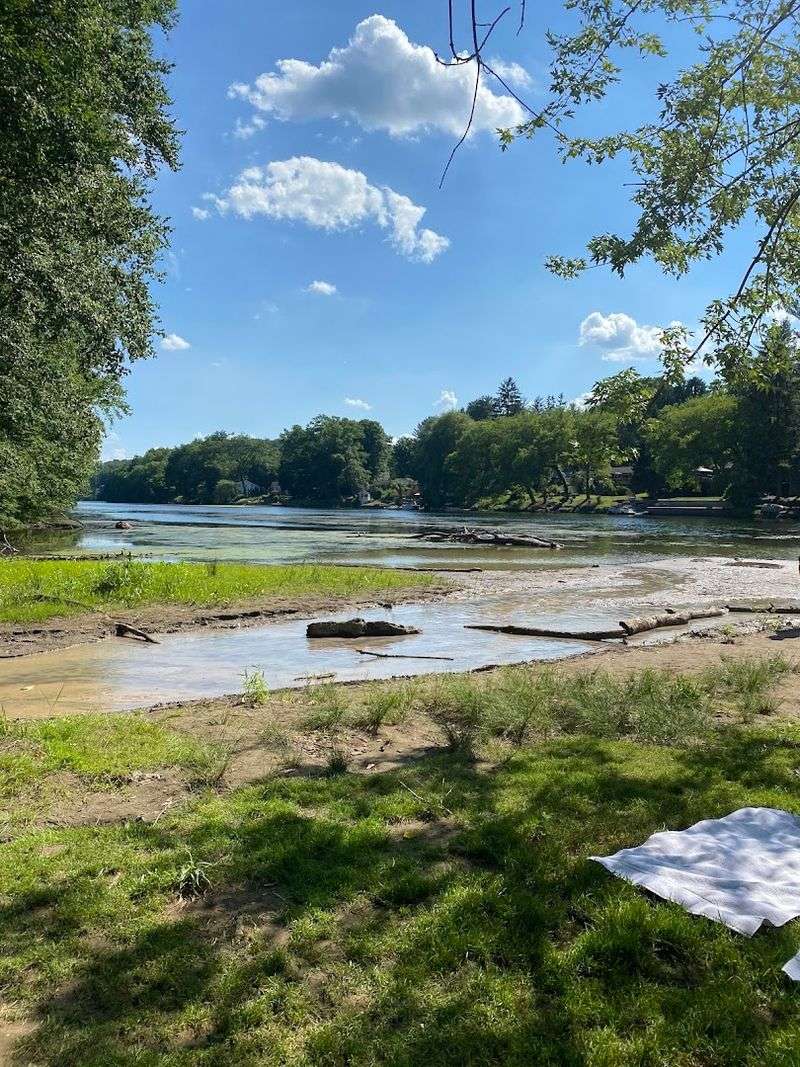
Planning a trip to Esopus Creek is straightforward, but a few practical considerations make the difference between a smooth outing and an avoidable headache. Peak season runs from late June through August, and weekends during that window bring the largest crowds to popular access points near Phoenicia.
Arriving before 10 in the morning on a Saturday gives you a significantly better experience than showing up at noon when parking areas and swimming spots are already well occupied.
Several outfitters in Phoenicia offer tube rentals along with shuttle service back to the starting point, which eliminates the logistical puzzle of returning to your car after floating downstream. Town Tinker Tube Rental is one of the most established operations in the area and has been running tubing trips on the creek for many years.
Reservations during busy weekends are strongly encouraged, as walk-in availability is not guaranteed when the summer heat peaks.
Water shoes or sandals with straps are a practical choice for navigating the rocky creek bed, and a dry bag for your phone and keys is worth the small investment. Sunscreen matters more than most people expect, since the reflection off moving water adds up over a couple of hours.
Bringing a picnic to enjoy on the bank afterward turns a half-day activity into a full and satisfying summer afternoon worth repeating.