
The New York Beach Where Beach Glass Is Surprisingly Easy To Find This Year
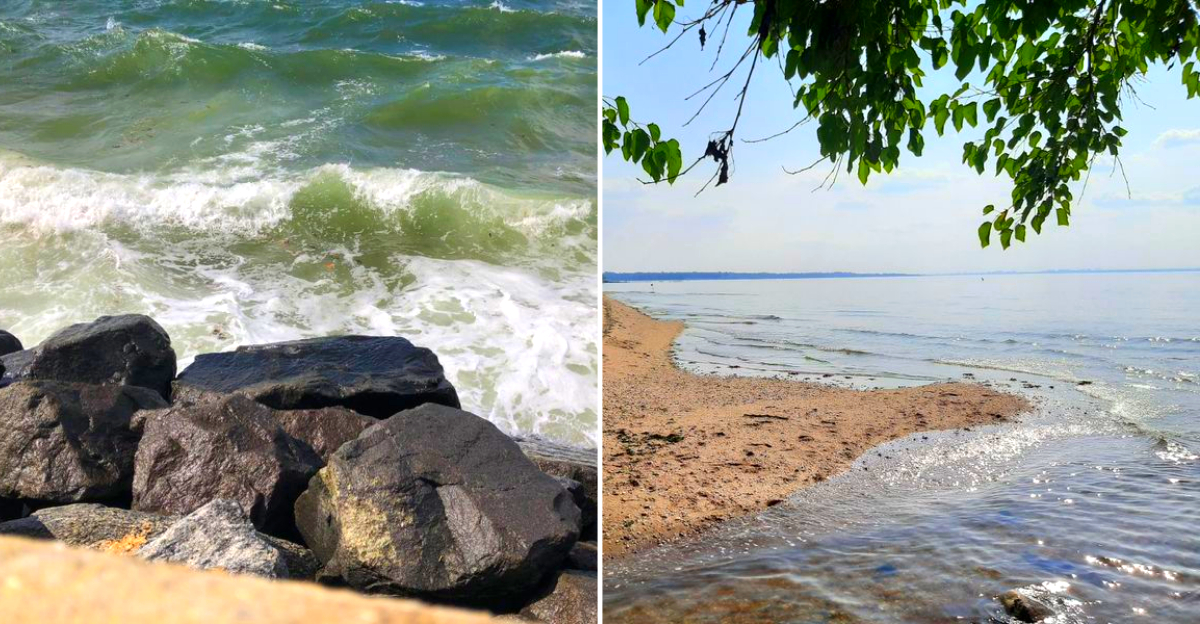
The shoreline looks ordinary at first, just a stretch of sand and scattered stones. Then the light hits the ground a little differently, and small flashes of color start to appear.
This New York beach turns a simple walk into something more, especially this year, when finding sea glass feels easier than expected.
Take a few slow steps and it becomes almost addictive. Greens, blues, and soft frosted pieces show up between the pebbles, each one shaped by time and water.
People move carefully, eyes down, hoping for one more find before heading back. It’s calm, a little unpredictable, and just engaging enough to make you stay longer than planned.
A Shoreline That Rewards The Curious Eye
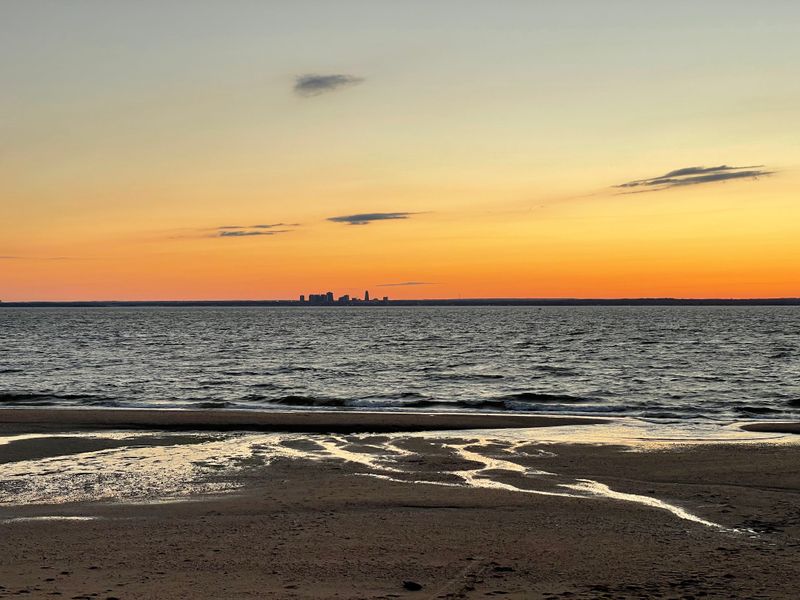
Some beaches are built for sunbathing, and others seem designed for discovery. Crescent Beach belongs firmly in the second category, with a shoreline that consistently surprises visitors who arrive without any particular agenda and leave with something genuinely worth keeping.
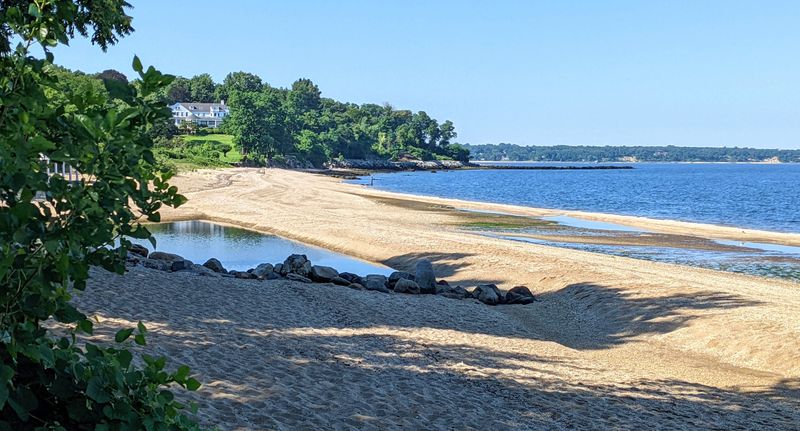
The beach stretches along a gentle crescent-shaped cove, which is exactly how it earned its name. The shape of the cove plays a practical role in sea glass accumulation, as the curved geography slows wave energy and allows glass to settle rather than scatter further down the coast.
That natural filtering effect means pieces tend to cluster in predictable zones, particularly near the water line at low tide.
Rocky sections of the beach are especially productive, since rough terrain accelerates the tumbling process that gives sea glass its characteristic frosted appearance.
Smooth, opaque pieces with rounded edges are the hallmark of quality beach glass, and Crescent Beach produces them with satisfying regularity.
Collectors who focus their attention on the gravel-heavy stretches rather than the sandy flats tend to find the most rewarding hauls. Arriving at low tide on a calm morning gives any visitor the best possible conditions for a focused and fulfilling search.
Crescent Beach Glen Cove And Why Collectors Keep Coming Back
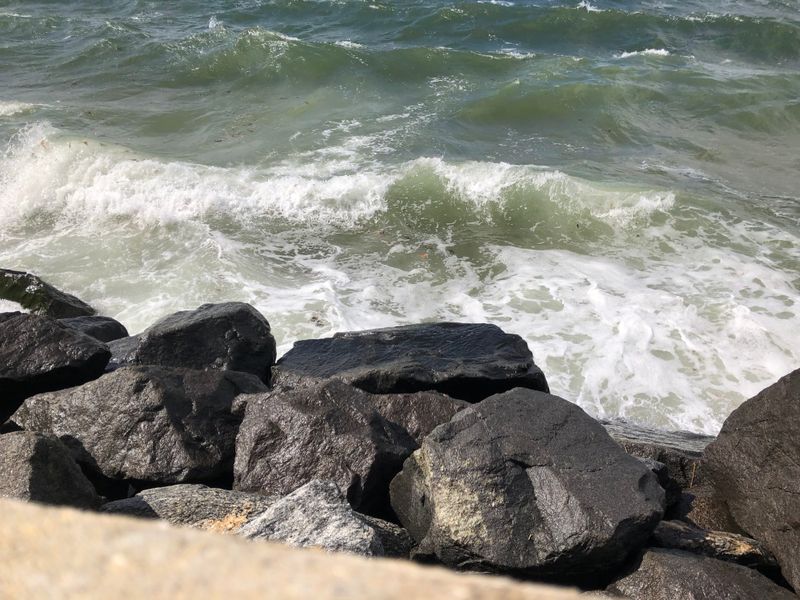
Located at 298 Crescent Beach Road in Glen Cove, NY 11542, this North Shore gem sits within a residential community that has maintained a relatively low profile compared to the more commercialized beaches further east on Long Island.
That quieter setting is part of its appeal, since fewer crowds mean less competition for the glass that washes ashore after each tide cycle.
Glen Cove itself has a layered history that contributes directly to what collectors find on the beach.
The surrounding area was industrially active for much of the nineteenth and early twentieth centuries, and the remnants of that era have slowly made their way into the water and back again, transformed by decades of wave action into the smooth, colorful pieces that enthusiasts prize today.
The beach draws a loyal community of regulars who treat sea glass hunting as both a hobby and a form of mindful relaxation. Families arrive on weekend mornings with mesh bags and sharp eyes, moving slowly along the tide line with the focused calm of people who have done this many times before.
For a newcomer, watching an experienced collector work a stretch of shoreline is genuinely instructive and more entertaining than it might sound.
The Colors That Make Every Find Feel Like A Small Victory
Not all sea glass is created equal, and experienced collectors will tell you that color is everything. The most commonly found pieces at Crescent Beach tend to be green, brown, and white, which come from old bottles and jars that entered the water decades ago.
These are the bread and butter of any collection, and even the common colors carry a certain quiet satisfaction when they are well-frosted and properly rounded.
Blue pieces appear with enough frequency to keep hunters motivated, ranging from pale aqua to a deeper cobalt that catches afternoon light in a particularly striking way. Finding a genuine cobalt blue piece is the kind of small moment that makes an otherwise ordinary Tuesday feel productive.
Lavender glass, which results from the natural solarization of old manganese-containing glass, also turns up occasionally and is considered a genuine find among collectors who study the chemistry behind the colors.
Rare colors like red, orange, and yellow are the holy grail of sea glass hunting, and while they are never guaranteed at any single beach, Crescent Beach has produced enough of these uncommon pieces to maintain its reputation as a site worth visiting repeatedly. The unpredictability is honestly part of the fun.
Tidal Timing And The Art Of Arriving At The Right Moment
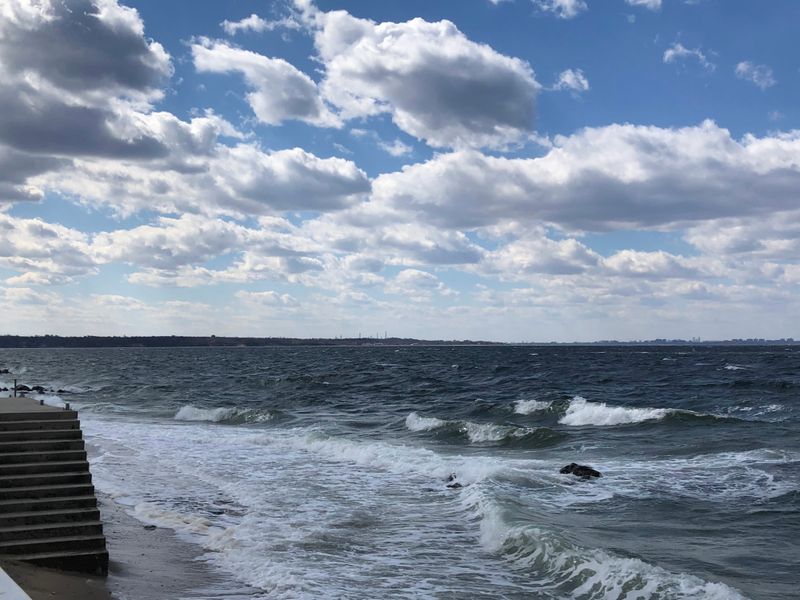
Experienced sea glass hunters operate with the tide chart the way a chef works with a recipe, treating timing as a non-negotiable element of the process.
Low tide is universally recognized as the most productive window for collecting, because receding water exposes stretches of shoreline that remain submerged during high tide and often hold the freshest deposits of glass.
At Crescent Beach, the period immediately following a storm is particularly rewarding. Wave action stirs up the seabed and pushes buried glass toward the surface, depositing it along the tide line in concentrations that can feel almost generous by sea glass standards.
Arriving the morning after a significant storm, with a low tide timed to match, is the combination that experienced collectors plan their visits around.
Early morning arrivals have a practical advantage beyond just timing. The beach is quieter, the light is lower and more directional, and frosted glass catches the angled rays of a morning sun in ways that make pieces easier to spot against the sand and gravel.
Shadows created by low-angle light reveal the texture and edges of glass that might otherwise blend into its surroundings. Bringing a small mesh bag and wearing polarized sunglasses makes the entire experience noticeably more productive and comfortable.
What The Beach Reveals About Glen Cove History
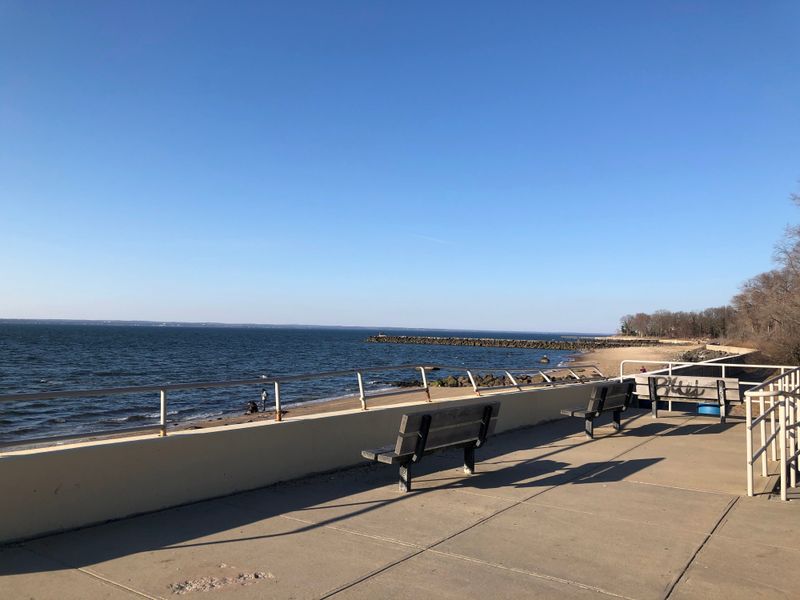
Sea glass does not appear from nowhere, and understanding its origins adds a layer of meaning to every piece a collector pockets. The North Shore of Long Island, including the area around Glen Cove, was home to significant manufacturing activity throughout the late 1800s and into the mid-1900s.
Factories, boatyards, and residential communities all contributed materials to the water over generations, and time has transformed those discarded remnants into something genuinely appealing.
Glen Cove had a particularly active waterfront history, with industrial facilities operating near the shoreline for decades. The combination of residential glass waste and industrial byproducts created a diverse mix of materials that eventually found their way into the tidal cycle.
That historical variety is reflected in the range of glass colors and thicknesses that collectors encounter at Crescent Beach today.
Pottery shards occasionally appear alongside glass pieces, adding another dimension to the collecting experience for those interested in historical artifacts. Thick, heavily frosted pieces often suggest older origins, since glass that has spent more time in the water develops a deeper, more opaque surface texture.
Holding a piece of well-tumbled glass from Crescent Beach is, in a quiet and undramatic way, a small connection to the layered human history of this particular stretch of coastline.
Practical Tips For First-Time Sea Glass Hunters At Crescent Beach
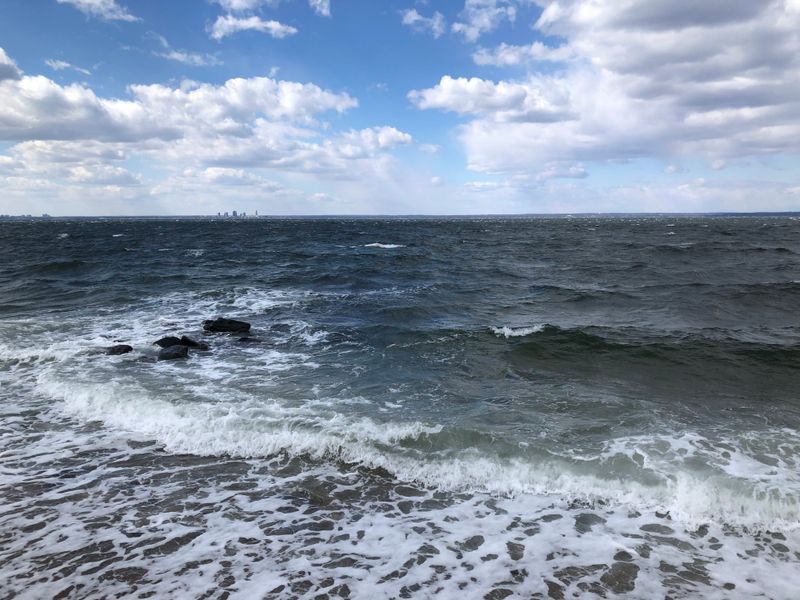
First-time collectors often make the same mistake of walking too quickly. Sea glass rewards a slow, methodical pace, and covering less ground more carefully almost always produces better results than rushing along a long stretch of shoreline.
The most productive hunters tend to move in a focused zigzag pattern between the high tide line and the water’s edge, covering the full width of the active deposit zone.
Wearing shoes with good grip is a practical necessity at Crescent Beach, where the rocky sections can be uneven and slippery when wet.
A mesh bag or breathable container is preferable to a sealed plastic bag, since it allows water to drain and keeps pieces from rubbing against each other during transport.
Some collectors bring a small spray bottle of water to wet pieces on the spot, since moistened glass reveals its true color and frost quality far more accurately than dry glass does.
Photographing finds in situ, before picking them up, has become a popular practice among collectors who document their trips. It creates a useful visual record and adds a satisfying organizational element to what might otherwise feel like an informal hobby.
Children tend to take to sea glass hunting with genuine enthusiasm, and Crescent Beach provides a safe, manageable environment for young collectors to develop their eye and their patience simultaneously.
Why Sea Glass Hunting At Crescent Beach Is Worth Making A Habit
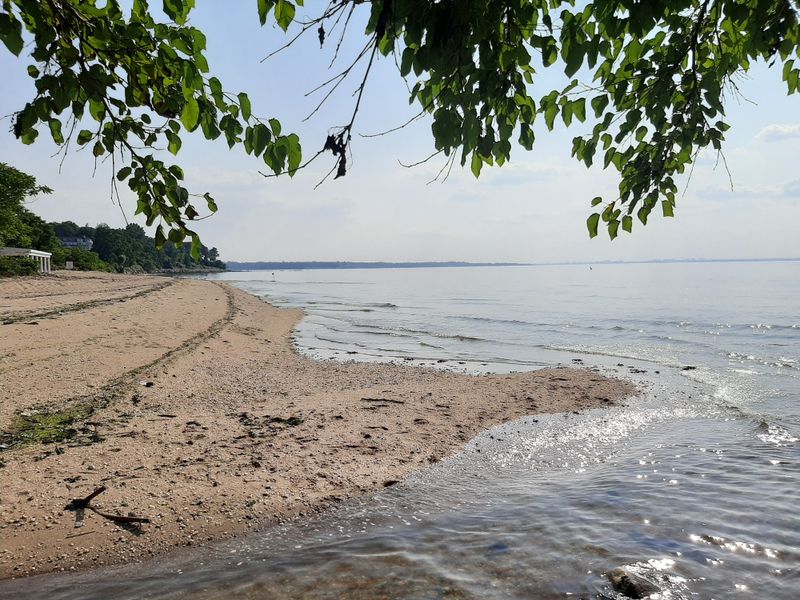
There are beaches that deliver a single impressive visit and others that earn a permanent spot in a person’s seasonal rotation.
Crescent Beach belongs to the latter group, largely because the conditions that produce good sea glass are renewable and variable enough to keep each visit feeling distinct from the last.
Tidal cycles, seasonal storms, and shifting sand patterns mean the beach never presents exactly the same face twice.
The meditative quality of sea glass hunting is something that regular collectors describe with a consistency that is hard to dismiss. Moving slowly along a shoreline with focused attention, scanning for color and texture among ordinary rocks, creates a kind of concentrated calm that is difficult to replicate in most daily activities.
It is a hobby that costs almost nothing, requires no specialized equipment, and delivers tangible results that can be held, sorted, and displayed.
Children who visit Crescent Beach for the first time often leave with a genuine sense of accomplishment, having found pieces on their own through patience and observation rather than luck alone. That earned quality is part of what makes the activity stick.
For adults, the combination of fresh air, physical movement, and focused searching produces the kind of uncomplicated satisfaction that is increasingly rare and genuinely worth returning for across every season the North Shore has to offer.