
This Generational Pennsylvania Farm Showcases A Living Agricultural Legacy
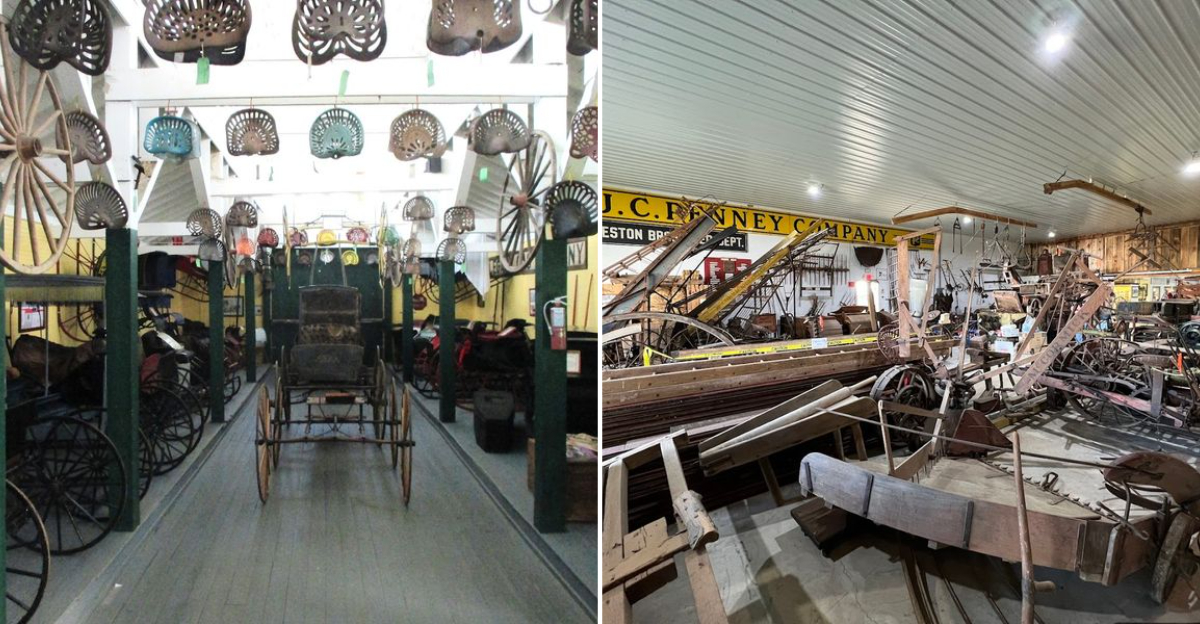
My grandfather grew up in a time when a tractor was something most people could only dream about. When he passed, my father could not bring himself to let any of it go.
He kept every tool, every piece of equipment, and over the years added more. What started as a collection quietly became a small museum of memory.
Today, I am the one keeping that legacy alive. That is exactly why places like this one in Pennsylvania carry so much weight.
This museum does not dress anything up. It does not soften the past or make it prettier than it was.
What you see is exactly how life looked before convenience took over. The tools are real.
The stories behind them are real. There is something powerful about standing in a space that refuses to forget.
Not out of nostalgia. Out of respect for the people who built everything we now take for granted.
Historical Farming Techniques Passed Down Over Decades
Long before GPS-guided tractors and automated irrigation systems existed, farmers in Bradford County relied entirely on knowledge passed down from parent to child.
At The Heritage Village and Farm Museum, those methods are not just remembered. They are actively shown to visitors through guided tours and hands-on displays.
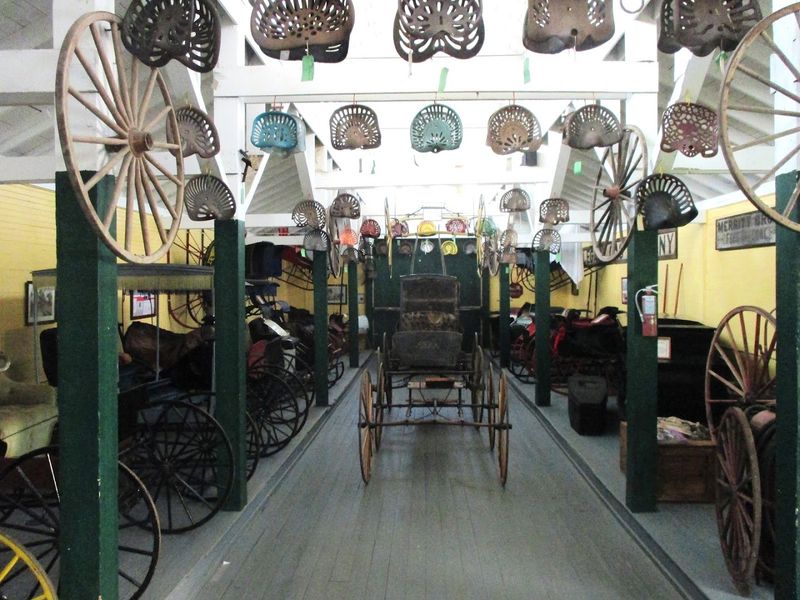
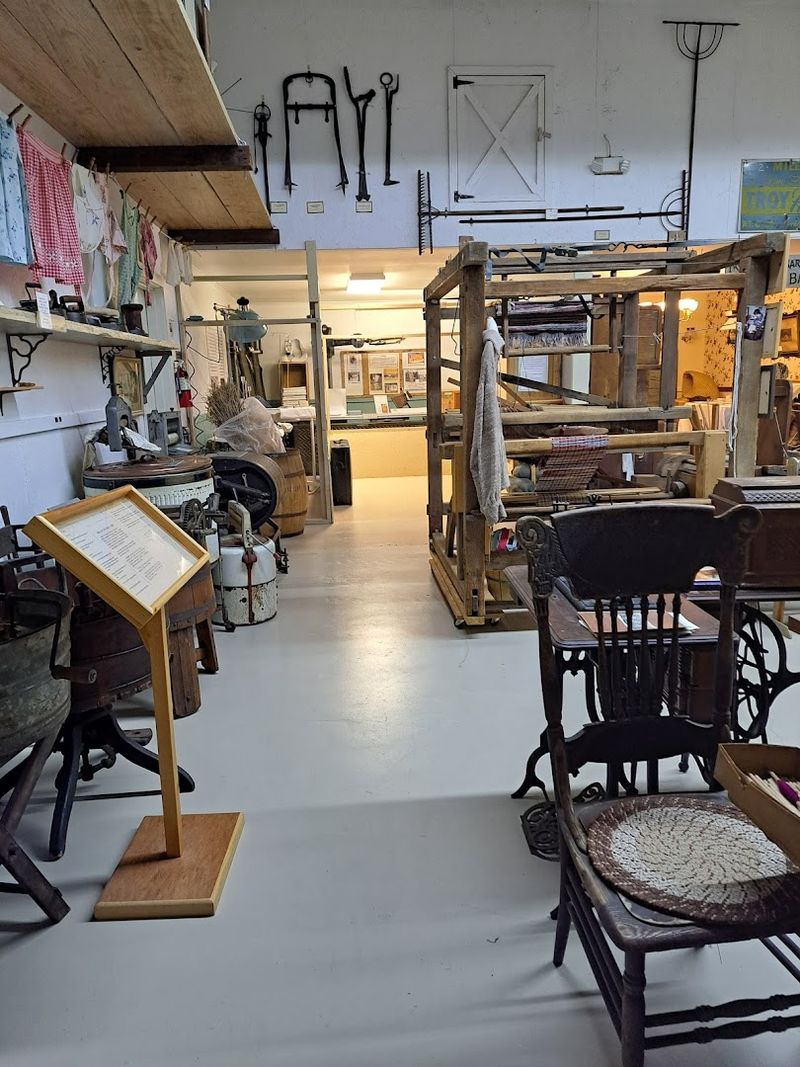
Walking through the main structure, you immediately notice the farm implements on display. These are not replicas.
They are actual tools that real families used to break soil, plant seeds, and harvest crops across multiple generations. Each piece tells a story that no textbook could fully capture.
Volunteer guides explain how early Pennsylvania farmers managed fields without modern chemicals or machinery. Crop timing was based on moon cycles and seasonal cues passed through family memory.
Soil health was maintained through composting and natural field rest periods. Seeing these methods laid out so clearly makes you appreciate just how much skill and patience farming truly required before modern conveniences arrived.
Find this spot at 231 Gate 2 Ln, Troy, PA 16947.
Importance Of Crop Rotation In Sustainable Agriculture
Crop rotation is one of the oldest tricks in the farming playbook, and it works beautifully. Farmers learned centuries ago that planting the same crop in the same spot year after year drains the soil of specific nutrients.
Rotating crops gives the land a chance to recover and stay productive over time.
At The Heritage Village and Farm Museum, this concept comes alive through educational displays and guided explanations. Volunteers describe how Bradford County farmers historically alternated between grains, legumes, and root vegetables.
Each plant family puts different things into the soil or pulls different things out, creating a natural balance that keeps fields healthy without synthetic fertilizers.
What makes this especially interesting is how practical and logical the whole system feels once someone walks you through it. Legumes fix nitrogen back into the soil.
Root vegetables break up compacted earth. Grains use nutrients that legumes leave behind.
It is basically a recycling program for your farm.
Modern sustainable agriculture still uses these exact principles today, which proves that generational farmers were ahead of their time in ways that continue to matter enormously for food production worldwide.
Traditional Livestock Breeds
Before commercial breeding programs standardized livestock for maximum output, farms across Pennsylvania raised animals selected for durability, temperament, and adaptability to local conditions.
These heritage breeds were built for the environment they lived in. They thrived on pasture, survived harsh winters, and worked alongside farmers in ways that modern breeds simply cannot replicate.
The Heritage Village and Farm Museum highlights the role these animals played in daily farm life. Draft horses were not just transportation.
They pulled plows, moved lumber, and powered early machinery. Hogs were raised on kitchen scraps and field waste, making them incredibly efficient.
Cattle provided milk, labor, and meat across every season of the year.
Understanding traditional livestock breeds helps explain why family farms functioned so well as self-contained systems. Every animal had multiple purposes.
Nothing was wasted. The relationship between farmer and animal was built on deep mutual dependence.
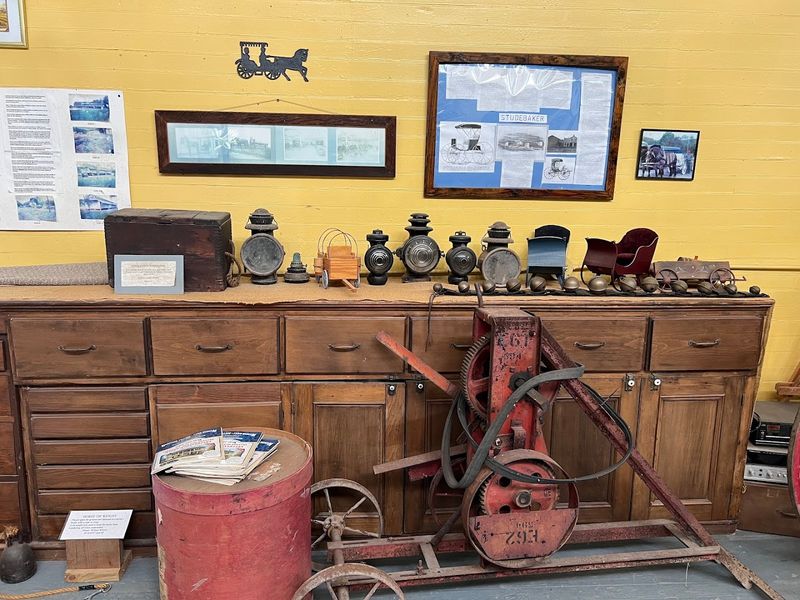
Displays at the museum illustrate this connection through equipment, photographs, and detailed oral histories shared by knowledgeable volunteers.
Spending time with this section of the museum genuinely shifts how you think about where food comes from and what farming actually looked like for everyday Pennsylvania families.
Seasonal Planting Cycles In Local Management
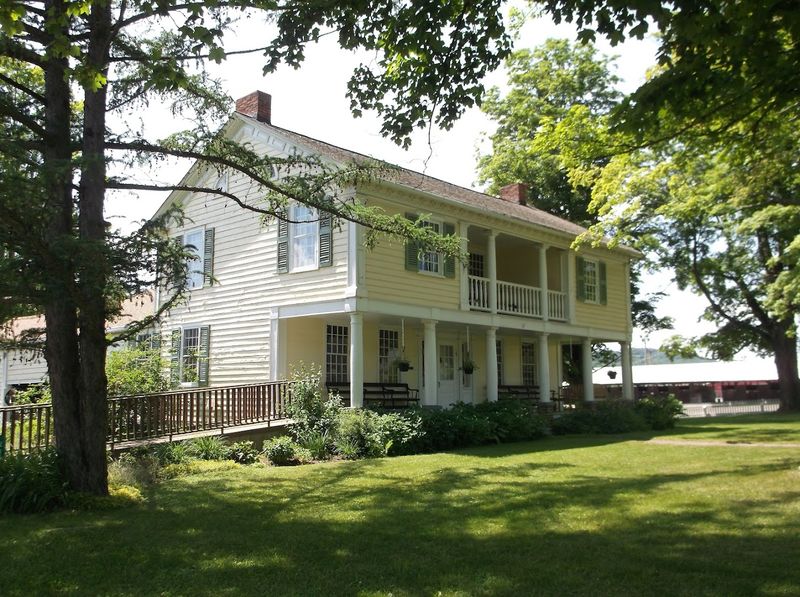
Farming was never a year-round sprint. It was a carefully managed rhythm of preparation, planting, growth, harvest, and rest.
Early Bradford County farmers understood their local seasons intimately, and they planned every task around nature rather than fighting against it.
Spring meant soil preparation, seed starting, and careful attention to frost dates. Summer required constant maintenance, pest management, and irrigation planning using natural water sources.
Fall brought the busiest period of the year, with harvest, preservation, and storage preparation happening simultaneously across multiple crops.
Winter was not downtime. It was when farmers repaired tools, planned next year’s planting layout, and processed preserved foods to sustain the household.
The Heritage Village and Farm Museum captures this full cycle through its exhibits and volunteer-led tours. Guides explain how each season is connected to the next in an unbroken chain of agricultural management.
Visiting the museum in different seasons actually gives you a different perspective each time, since the surrounding landscape reflects the very cycles being discussed inside.
It is one of those rare places where the setting and the story reinforce each other in a way that feels completely natural and genuinely educational for visitors of all ages.
Tools And Machinery That Shaped Farming Evolution
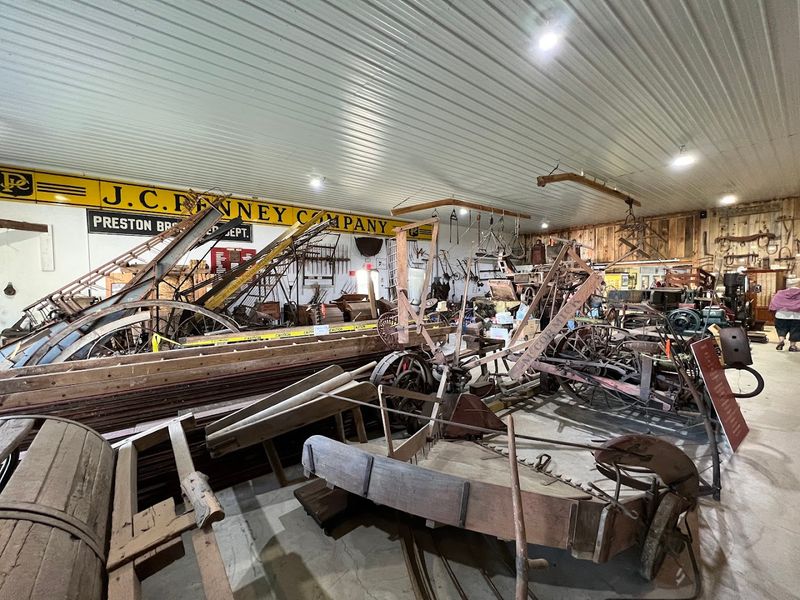
Few things tell the story of farming progress quite like the tools farmers used. At The Heritage Village and Farm Museum, the main structure houses an extraordinary collection of farm implements spanning multiple eras of agricultural history.
Cast iron plows sit alongside hand-forged scythes, early seed drills, and horse-drawn cultivators.
Each piece represents a specific problem that farmers need to solve. The hand scythe was exhausting but effective.
The mechanical reaper changed harvest speed entirely. Early threshing machines separated grain from stalks in a fraction of the time that manual methods required.
Seeing these tools lined up in sequence makes the evolution of farming feel immediate and real.
What is genuinely surprising is how creative early farm engineers were with limited materials. Many tools were modified and repaired repeatedly, adapting to local conditions and specific crop needs.
Blacksmiths played an enormous role in this process, customizing equipment that manufacturers never anticipated. Volunteer guides at the museum explain each tool with obvious enthusiasm and deep knowledge.
You leave understanding not just what the tools did, but why each innovation mattered so much to the families whose livelihoods depended entirely on getting the harvest in on time.
Community Impact Of Family-Owned Farms In Rural Areas
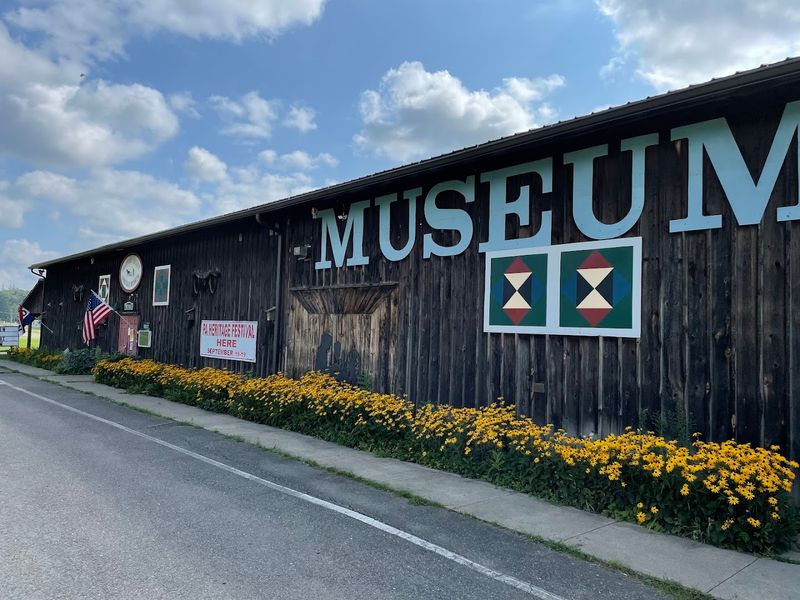
Family farms did not just produce food. They anchored entire rural communities in ways that shaped everything from local economics to social traditions.
In Bradford County, family-owned farms were the backbone of township life for generations. Neighbors traded labor during planting and harvest seasons.
Local markets depended on farm output. Schools, churches, and general stores all existed because farming families needed them.
The Heritage Village and Farm Museum captures this community dimension beautifully through its village layout.
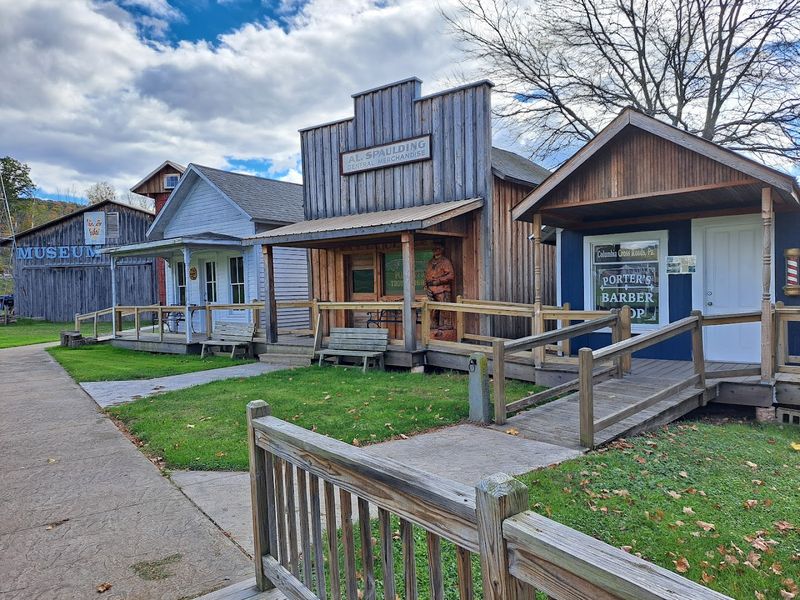
Walking past the recreated general store, doctor’s office, barbershop, and post office, you begin to understand how tightly interconnected rural life actually was. Every building served a specific function that farming families relied on through every stage of life.
Today, family farms in rural Pennsylvania face enormous economic pressure from industrial agriculture. Preserving their history is not just nostalgia.
It is a reminder of what sustainable, community-centered food systems actually look like in practice. The museum makes this point without being preachy about it.
The buildings and artifacts speak for themselves. Spending an afternoon here genuinely deepens your appreciation for what rural communities built together and why those relationships between land, family, and neighbors still matter today.
Preservation Of Heirloom Seeds And Plant Varieties
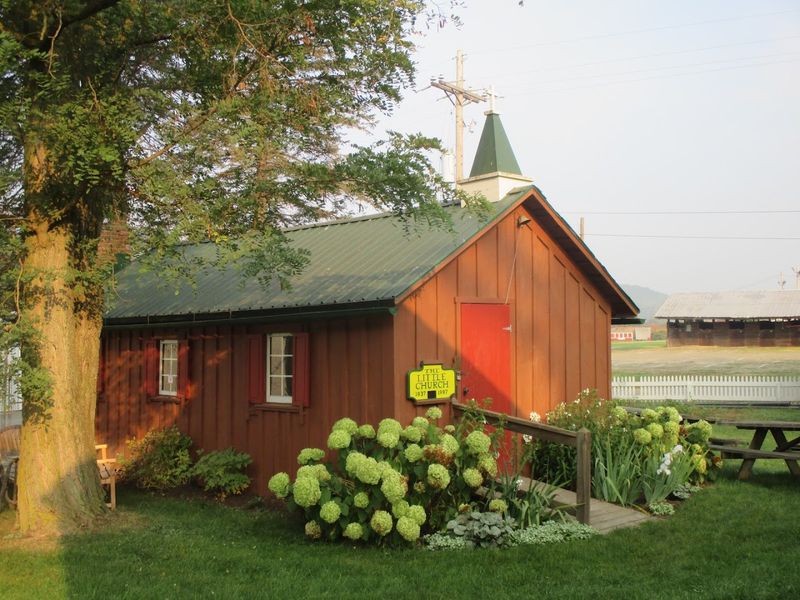
Heirloom seeds carry something irreplaceable inside them. Each variety holds decades or even centuries of adaptation to specific local soils, climates, and growing conditions.
When a plant variety disappears, that accumulated genetic knowledge disappears with it permanently. Early Pennsylvania farmers understood this without needing a science degree to explain it.
Saving seeds was a standard household practice on generational farms. The best tomato from this year became the seed source for next year.
The hardiest bean plant got its seeds dried and stored carefully through winter. Over time, these selections produced varieties perfectly suited to Bradford County conditions.
They were not just plants. They were living records of farming intelligence.
The Heritage Village and Farm Museum highlights this tradition as part of its broader agricultural story. Understanding why heirloom preservation matters helps visitors connect past farming practices to current food security conversations.
Modern industrial seed systems prioritize uniformity and shelf life over flavor and resilience. Heirloom varieties offer something different, crops that actually taste the way historical accounts describe and grow the way local conditions demand.
Preserving these seeds means preserving options. Options are exactly what future generations of farmers will need as climate conditions continue shifting unpredictably across the region.
Educational Programs Highlighting Agricultural
One of the most exciting things about The Heritage Village and Farm Museum is that it does not just display history. It actively teaches it.
The Farm Days 1866 program brings fourth graders into direct contact with 19th-century agricultural life. Kids get their hands dirty in actual gardens, experience period tools firsthand, and even get to enjoy homemade ice cream as part of the experience.
Volunteer guides are genuinely knowledgeable and enthusiastic about sharing what they know. If you call ahead, the museum can set up hands-on activities specifically designed for younger visitors.
That kind of personalized educational experience is rare and worth planning around. Groups that engage with the program leave with a completely different understanding of where food originates.
Agricultural education has never been more important than it is right now. Most kids today have no direct connection to farming, which creates a real gap in understanding how food systems work.
Programs like the ones offered at this museum fill that gap memorably and engagingly. Learning by doing creates retention that classroom instruction alone cannot achieve.
Seeing children genuinely excited about digging in soil and learning crop names is one of the best arguments for keeping places like this open and thriving for future generations.