
A Brand New Fine Dining Concept Just Transformed This Historic Mississippi Town
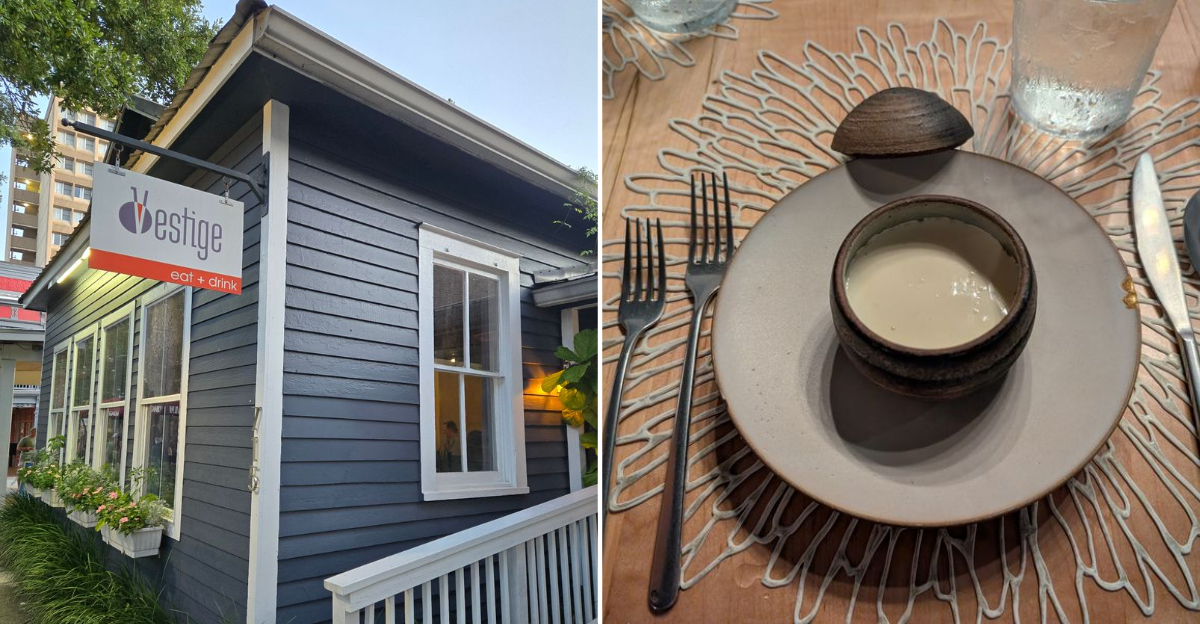
A brand new dining concept always makes a big splash at first. People love moving forward because it makes them feel a sense of progress themselves.
This Mississippi restaurant represents a real contrast for its town. A new concept moved into a building that has stood here for generations, blending old architecture with a modern dining experience.
Nothing about the space feels disconnected from its historic roots despite the upscale menu inside. Locals treat the opening as a genuine milestone, giving the town a reason to draw attention beyond its usual visitors.
Regulars book ahead now, something rarely necessary here before this restaurant arrived. Visitors passing through town have a new reason to stop that didn’t exist a year ago.
This restaurant proved that fine dining and small town charm can share the same address.
Unique Cuisine Styles Celebrated
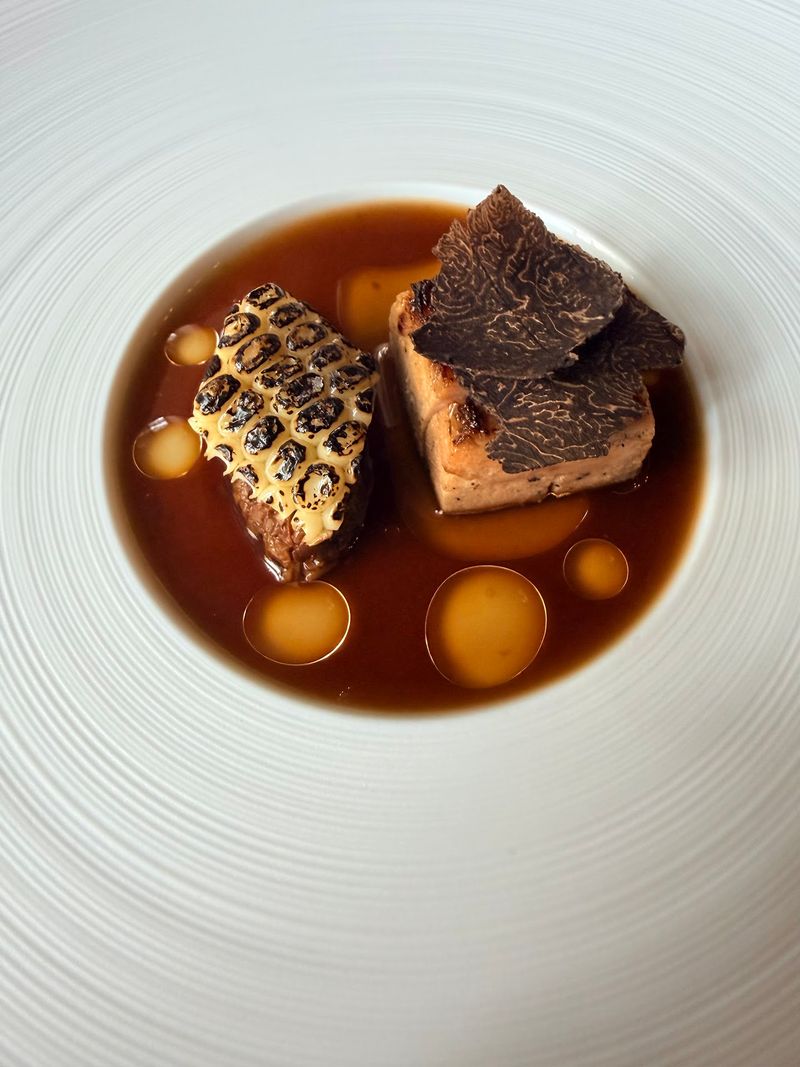
The cooking here blends New American technique with Japanese flavor thinking, and the result does not feel like a gimmick. Dashi-style broths sit next to European sauces without arguing.
Chefs Alex Perry and Kumi Omori run the kitchen, and their two backgrounds show up on nearly every plate. One course might lean toward butter and cream, while the next brings in umami, citrus, or something pickled.
Guests often mention ingredients they have never heard of before. Kabocha squash, quince sorbet, Okinawa black sugar, beet fumet.
None of it is thrown in to sound fancy.
The tasting menu shifts with the seasons, so a spring visit tastes nothing like a fall one. Snapper in one month, venison in another.
Portions are small by design because the meal is built as a progression. Each course builds on the one before it instead of competing with it.
Bread service gets talked about almost as much as the entrees, especially the mochi bread with sweet and savory butter quenelles. That single detail sums up the whole approach: two food traditions, one plate.
Desserts follow the same logic. A Mont Blanc made with Japanese sweet potato is not something you find at every restaurant on the coast.
You will find it at 715 Washington Ave, Ocean Springs, MS 39564.
Innovative Kitchen Design Features
Small space, big output. The kitchen works inside a converted cottage, which means every inch has a job and nothing sits around collecting dust.
Because the dining room only holds about ten to twelve tables, the kitchen is sized to match. That limitation actually helps, since the team can plate delicate courses and get them out while still at the right temperature.
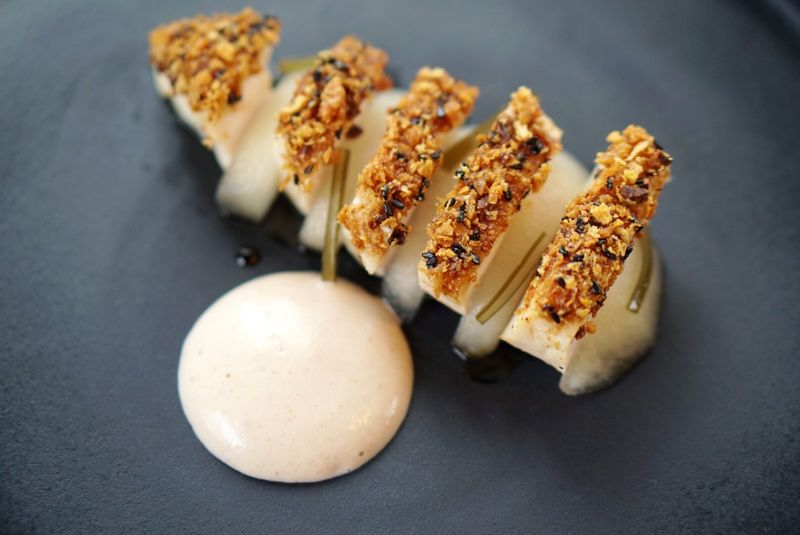
Plating happens with real precision. Guests frequently point out the vessels themselves, from handmade ceramics to unusual bowls that suit a specific course.
Prep is where the magic really lives. Broths, sauces, pickles, and components get built in advance, so service runs smoothly for a full multi-course meal.
There is no giant line of cooks shouting. Two chefs and a tight crew handle the whole progression, which keeps the food consistent from table one to table twelve.
Flexibility is baked in too. Diners with allergies have reported that dishes were adjusted for them on short notice, sometimes with less than an hour of warning.
Doing that requires a kitchen organized around swapping components rather than following a rigid script. It also means the menu can change quickly when a delivery brings something better than planned.
Compact, quiet, and clearly built around the food instead of showmanship. Fewer moving parts, fewer mistakes.
Locally Sourced Ingredients Spotlight
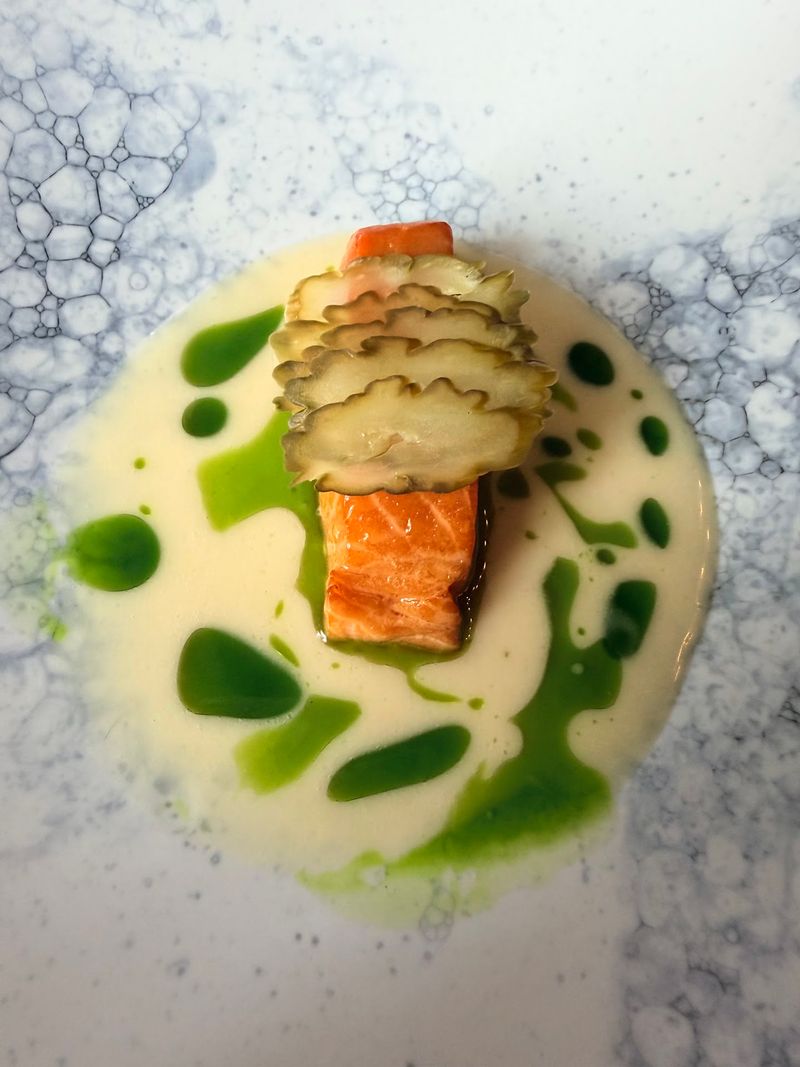
Being twenty minutes from the Gulf changes what a kitchen can do. Fish shows up fresh, and the menu bends around whatever the water gives up that week.
Snapper and salmon have both landed on the tasting menu, along with regional produce like kabocha squash and seasonal roots. Nothing sits in a freezer waiting for its turn.
Seasonality is the whole framework here, not a marketing line. A spring menu might build around three bright flavors, while a fall one leans on pumpkin, quince, and warmer spice.
Because the menu rotates, repeat guests rarely eat the same meal twice. That is part of the appeal for people who visit several times a year.
Ingredients get chosen with a reason behind them. Diners often say they can taste the intention, which is a fancy way of saying nothing is on the plate by accident.
Local sourcing also means smaller quantities. A special ingredient might only appear for a few weeks before disappearing until next season.
Roe, foie gras, truffle cream, and Japanese pantry items show up alongside Gulf Coast staples. The mix feels natural rather than forced.
If you care about eating what is actually in season in Mississippi, this menu makes it obvious. The calendar does the ordering.
Crafting Memorable Dining Experiences
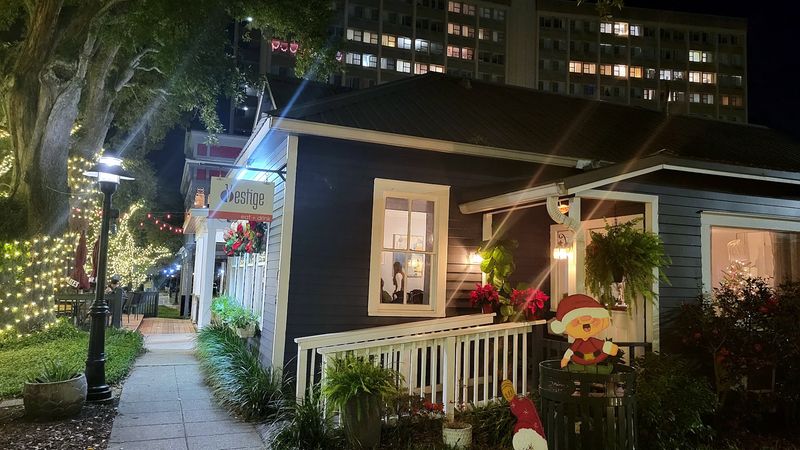
Dinner here runs like a slow evening rather than a quick stop. Plan on about two hours, sometimes a little more.
The tasting menu arrives in five or six courses, and each one gets explained at the table. Servers walk through what is on the plate and often suggest the best way to eat it.
Nothing is rushed between courses. That pacing gives you room to talk, laugh, and actually notice what you just ate.
The room seats roughly ten to twelve tables, with candles flickering and a handwritten reservation book at the front. Guests describe walking up a wooden ramp into the cottage.
Formality is not part of the deal. People consistently note that the service is knowledgeable without being stiff or stuffy.
Presentation adds to the whole thing. Courses arrive on distinctive dishes and vessels, and dessert tends to be the surprise that wins over people who claim they do not like dessert.
Reservations are strongly recommended, especially on weekends and around holidays. Walk-ins have gotten lucky, but that is not a plan.
Hours run Tuesday through Saturday, 5 to 9 PM, with Sunday and Monday closed. Call ahead at 228-818-9699 if you have questions about the current menu or dietary needs.
Community Engagement And Events
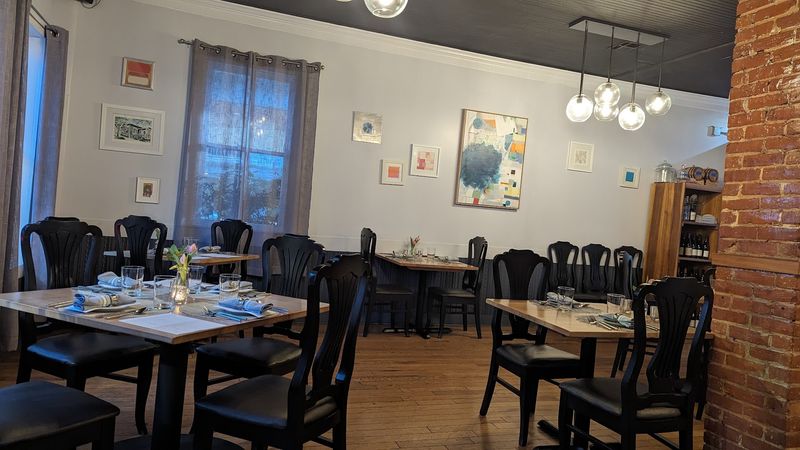
Collaboration dinners are part of the rhythm here. The kitchen has hosted visiting chefs for one-night menus that guests still bring up years later.
One collab paired the Vestige team with a chef from another regional restaurant, and seats went fast. Those events tend to sell out through word of mouth alone.
Holiday and seasonal tastings show up on the calendar too. A Valentine’s weekend tasting has been on the schedule, built specifically for that stretch of the year.
Because the room is small, these events feel closer to a dinner party than a banquet. You are within a few steps of the kitchen the entire night.
The restaurant sits right on Washington Avenue in the heart of downtown, surrounded by galleries and shops. Making it easy to pair dinner with an afternoon of walking around town.
Locals treat the place as a point of pride for the Gulf Coast. Plenty of guests say they no longer need to drive to New Orleans for a special-occasion meal.
Birthdays and anniversaries fill a lot of those tables. The staff has been known to accommodate last-minute celebrations when space allows.
Following along on social media is the simplest way to catch collab announcements early. They do not stay available long.
Sustainability Practices In Food Service
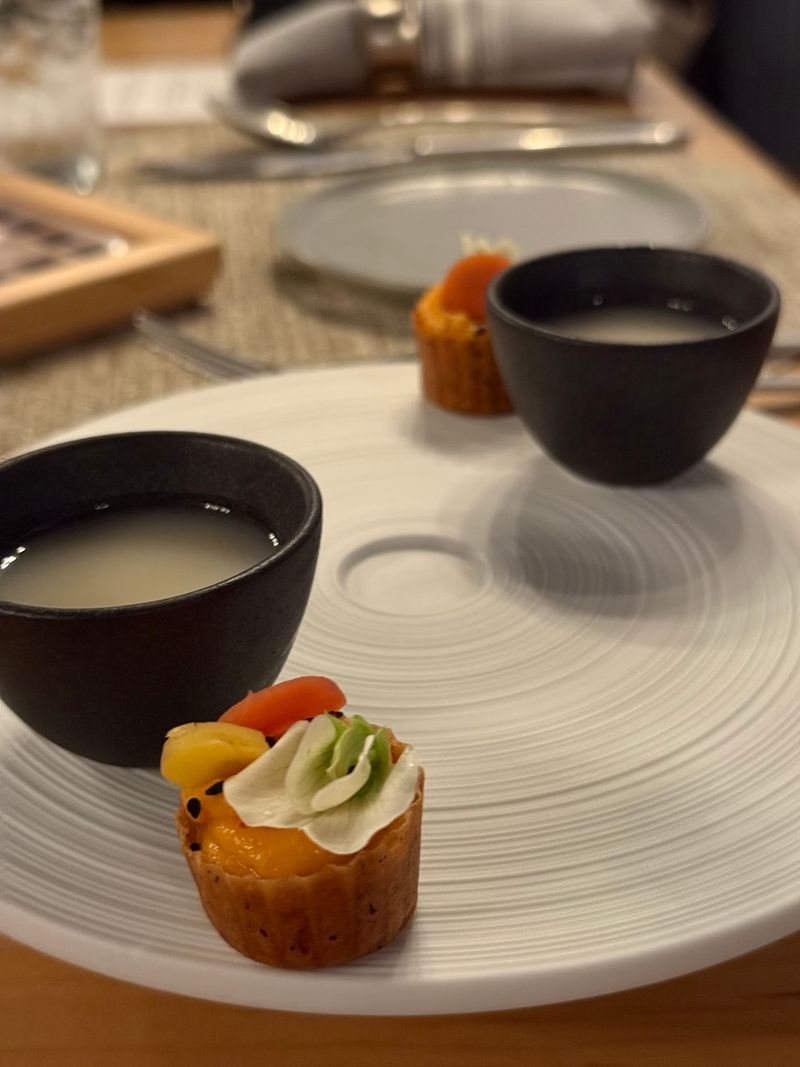
Cooking seasonally is itself a sustainability move, and that is the backbone of how this kitchen operates. Menus change when the growing season changes, not when a corporate calendar says so.
A rotating tasting menu also cuts waste dramatically. When you serve a fixed number of courses to a fixed number of seats, you order closer to what you will actually use.
Smaller portions across more courses help too. Less food ends up scraped into a bin at the end of the night.
Whole-ingredient thinking shows up in the details. Broths, fumets, and sauces make use of parts that many kitchens toss out without a second thought.
Gulf seafood arriving from nearby waters means shorter transport and fresher product. That is better for flavor and for the footprint.
Reservation-driven service is another quiet advantage. Knowing how many guests are coming makes prep far more accurate.
Unusual ingredients get used with purpose rather than for shock value. If something appears on the plate, it is because it fits the course.
None of this gets shouted about on a sign by the door. You mostly notice it in how tight and intentional the whole operation feels from the first course to the last.
Culinary Talent Behind The Concepts
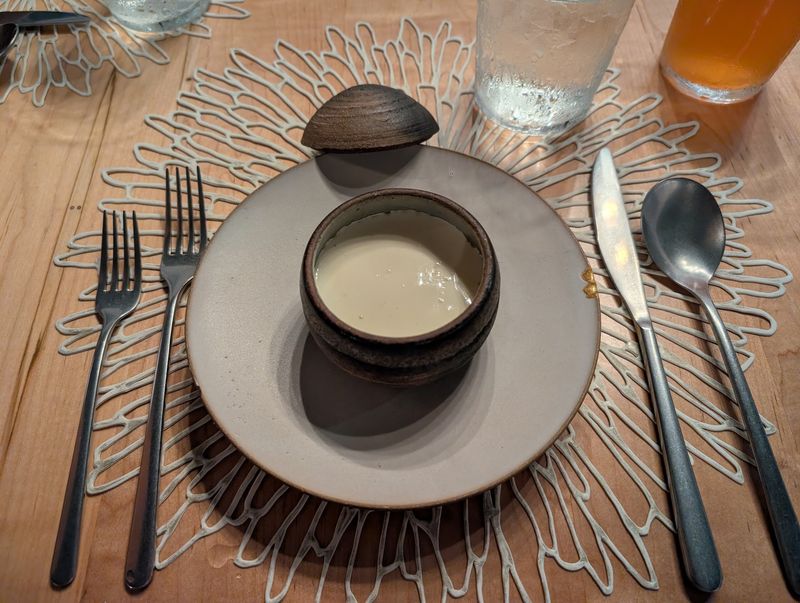
Two chefs, one kitchen, and a shared point of view. Alex Perry and Kumi Omori own and run the place, and their partnership is the reason the food tastes the way it does.
Perry’s contemporary American training and Omori’s Japanese influence meet somewhere in the middle of each menu. That crossover shows up in broths, pickles, sauces, and desserts alike.
The restaurant has drawn recognition from the Michelin Guide, which is not something most small-town Mississippi restaurants can say. It arrived without the kitchen changing its low-key personality.
Guests regularly mention meeting the chefs during a visit. In a room with about a dozen tables, that is a realistic possibility rather than a marketing promise.
Creativity here leans adventurous. Diners describe flavors and textures they have never encountered, built into dishes that still look simple on the plate.
The service team backs it up. Longtime servers explain each course, answer questions, and pace the meal without hovering over anyone.
Accommodating allergies on short notice takes real skill, and this kitchen has done it while keeping the menu’s flow intact. That says a lot about how deeply the dishes are understood.
Two people, a small room, and a menu that keeps evolving. Simple formula, hard to copy.
Family Friendly Atmosphere Highlights

Warm rather than fussy. Several guests compare arriving here to walking up to a friend’s house, thanks to the wooden ramp and the cottage setting.
The dining room stays relaxed even though the food is ambitious. No dress-code anxiety, no whispering, no servers correcting your fork choice.
Because the space is compact, it works best for small groups and couples celebrating something. Birthdays and anniversaries fill a lot of the calendar.
Adventurous eaters get the most out of the tasting menu format. Older kids who like trying new things may enjoy it, though the multi-hour pacing is a lot for younger children.
Noise can carry in a small room with hard surfaces, so a lively nearby table is sometimes part of the evening. Reserving an earlier seating usually keeps things calmer.
Staff explain every course clearly, which makes the experience easier for anyone new to tasting menus. Questions are welcome.
Downtown Ocean Springs sits right outside the door, so a walk before or after dinner is easy. Galleries, shops, and shaded streets are all within a few blocks.
Doors open at 5 PM Tuesday through Saturday. Book ahead, arrive hungry, and give yourself the whole evening.