
A Colossal Piece Of Nevada’s Silver Mining History Still Stands Today, And You Can Walk Inside
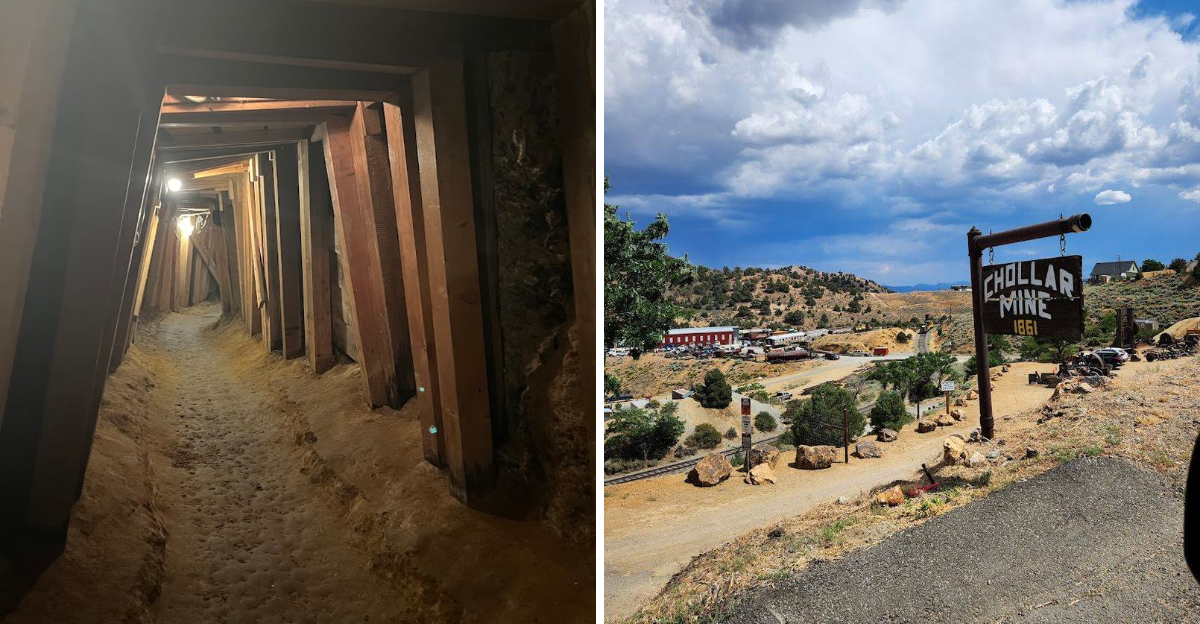
Silver fever did not just shape Nevada’s old boomtowns. It left tunnels, timber, dust, and stories you can still walk through today.
One historic Virginia City mine gives visitors a rare chance to trade sidewalk views for hardhats and cool underground air. The passage is narrow enough to make you notice every beam, every drill mark, every reminder that miners once chased silver here by muscle, grit, and nerve.
Above ground, the town feels like a movie set with saloons and wooden sidewalks. Below ground, the mood changes fast.
It is quieter, darker, and far more real. For anyone curious about the Comstock Lode, this is not a museum behind glass.
It is Nevada history under your boots.
The Chollar Mine Claim Was First Staked In 1859
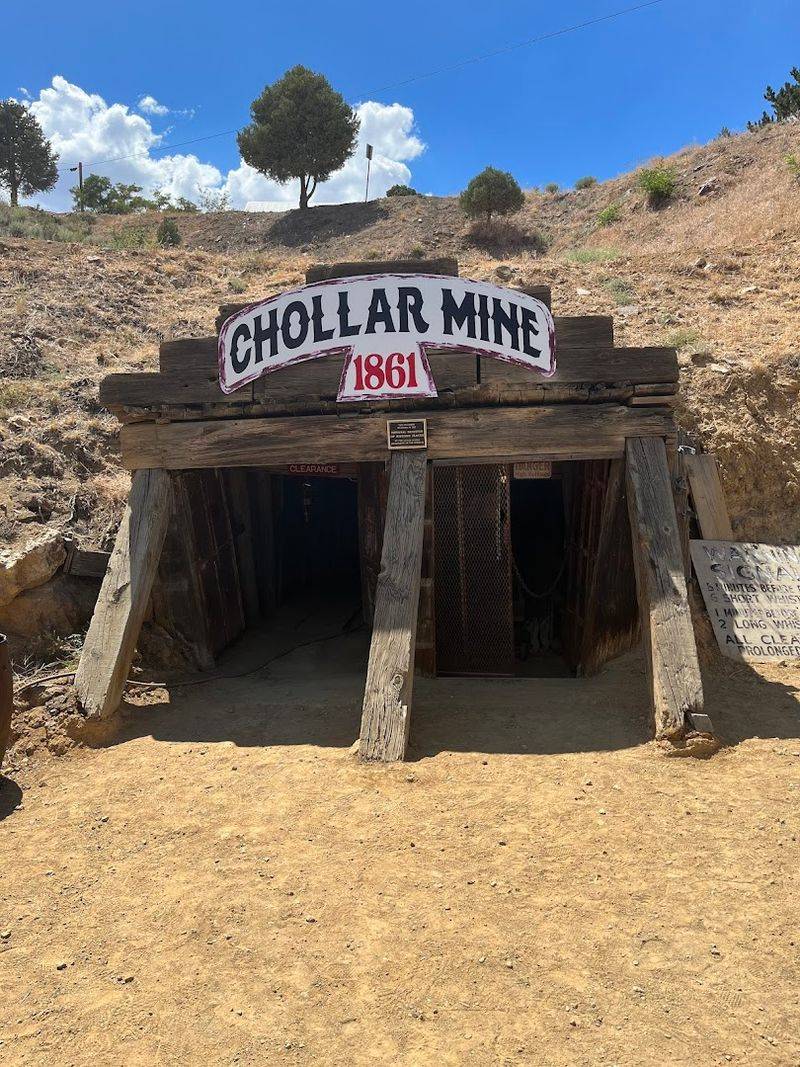
Gold fever had barely cooled when prospectors turned their attention to silver. The Chollar claim appeared in the records during that pivotal year, marking the beginning of an operation that would help define Nevada’s economic identity.
Miners worked quickly to establish boundaries and begin extraction.
Early claim holders faced brutal competition and constant legal disputes over territory. The Comstock Lode drew fortune seekers from across the continent, each hoping to carve out wealth from the mountainside.
Survival required not just mining skill but also shrewd negotiation and a willingness to defend your stake.
Within months of the first filing, tunnels began snaking into the earth. Equipment arrived by wagon, and crude shelters sprouted across the hillside.
The Chollar was among the first to prove that Virginia City sat atop something far more valuable than anyone initially imagined.
It Became One Of The Early Leading Producers On The Comstock Lode
Production numbers told the story that mattered most. The Chollar quickly distinguished itself from dozens of competing operations by delivering consistent yields of high-grade ore.
Investors took notice, and capital flowed into expanding the tunnels and improving extraction methods.
Workers descended in shifts around the clock, chipping away at veins that seemed inexhaustible. The mine’s output helped fuel San Francisco’s growth and contributed directly to financing the Union during the Civil War.
Silver bars stamped with Chollar markings traveled to mints across the country.
Geologists studied the formations carefully, mapping out the richest deposits. The mine’s success attracted skilled engineers who implemented innovative techniques that other operations soon copied.
By the mid-1860s, the Chollar name carried weight in financial circles from New York to London, representing both reliability and profitability in an industry known for wild speculation.
The Mine Produced Around $17 Million In Silver-Rich Ore
Seventeen million dollars represented an astronomical sum in the 1860s and 1870s. Adjusted for modern economics, that figure climbs into the billions, illustrating just how much wealth emerged from beneath Virginia City.
The Chollar’s contribution to Nevada’s treasury helped the territory achieve statehood in 1864.
Ore quality varied throughout the mine’s active years, but the best veins yielded silver so pure that minimal processing was required. Assayers worked constantly, testing samples and directing crews toward the most productive areas.
Fortunes were made and lost based on weekly production reports.
The financial impact extended beyond the mine itself. Merchants, saloon owners, and service providers all benefited from the steady flow of wages paid to workers.
Virginia City transformed from a rough camp into a proper town with brick buildings, newspapers, and cultural institutions, all funded largely by silver extracted from operations like the Chollar.
Visitors Can Still Walk 400 Feet Into The Historic Mine
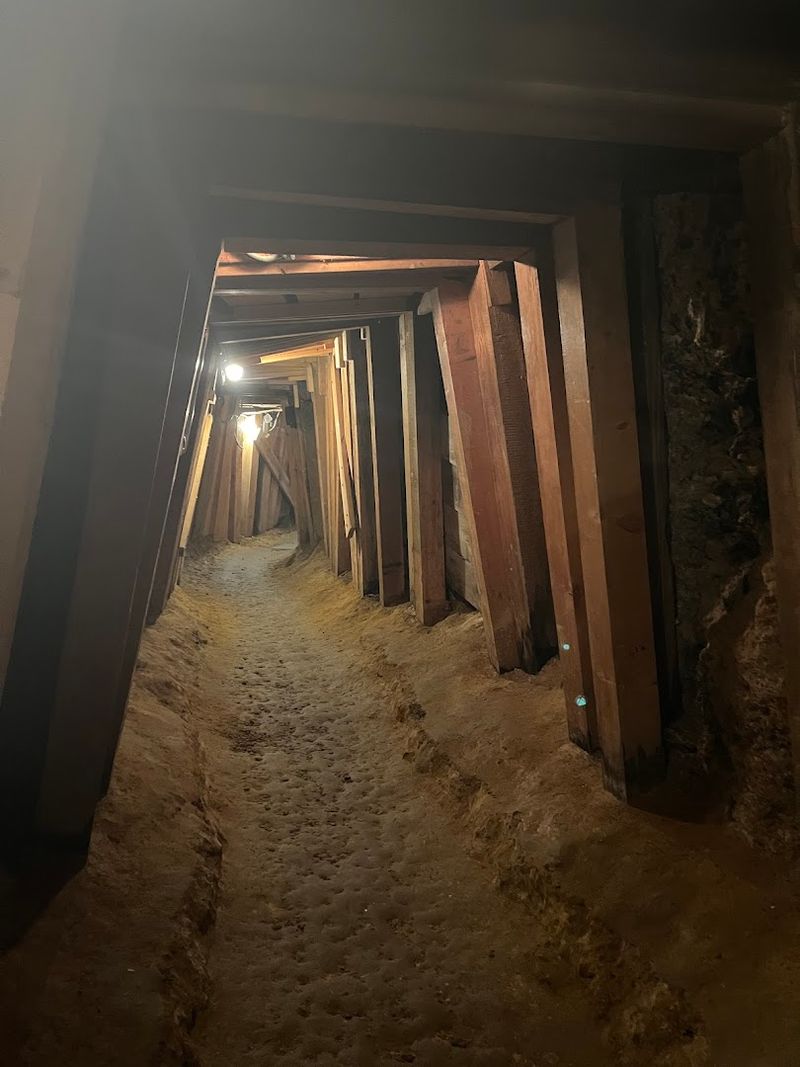
Few historical sites offer such direct access to the past. The Chollar allows guests to follow the same paths miners took over a century ago, descending into tunnels that remain structurally sound.
Hard hats are mandatory, and the ceiling height demands a stooped posture for most adults.
The 400-foot journey takes visitors beyond daylight and into spaces where temperatures and acoustics shift dramatically. Narrow passages follow the original rail lines used to transport ore carts.
The experience provides immediate understanding of the physical demands miners faced during every shift.
Children often navigate the low tunnels with greater ease than their parents, finding adventure in the darkness. The tour route includes areas where rock formations and timber supports illustrate mining techniques from the 1860s.
Standing deep inside the mountain, surrounded by stone that once held millions in silver, creates a connection to history that no museum exhibit can replicate.
The Guided Tour Shows Real Square-Set Timbering Underground
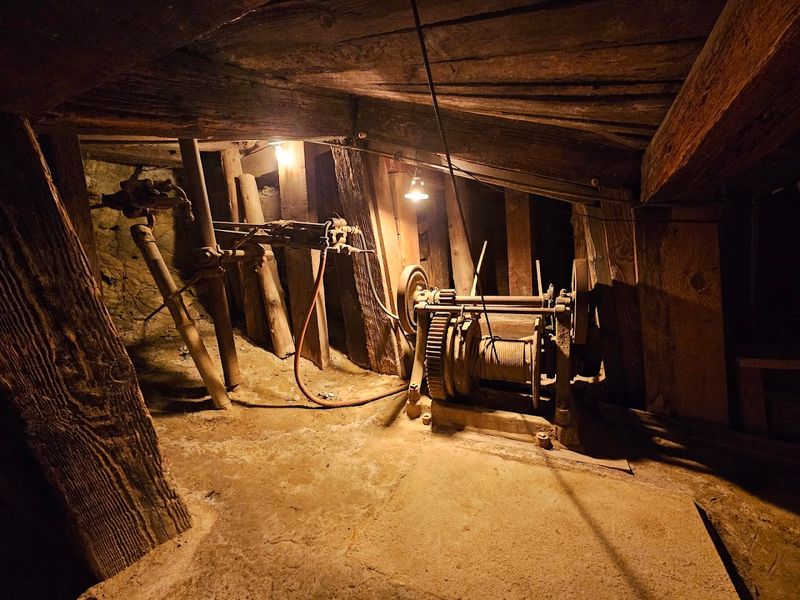
Philip Deidesheimer invented the square-set timbering method specifically for Comstock mines. The Chollar preserves authentic examples of this revolutionary engineering solution, which allowed miners to excavate large chambers without catastrophic cave-ins.
Interlocking wooden frames created self-supporting structures that could be expanded in any direction.
Guides explain how each timber piece fit precisely with its neighbors, distributing weight evenly across the framework. The system required enormous quantities of lumber, leading to the near-complete deforestation of the surrounding mountains.
Virginia City imported wood from the Sierra Nevada once local supplies were exhausted.
Examining the joints and connections up close reveals the craftsmanship involved. Miners worked in near-total darkness, fitting beams together with remarkable accuracy.
The square-set method became standard practice in deep mining operations worldwide, making Deidesheimer’s contribution as significant as any ore discovery. The preserved examples at Chollar represent working blueprints from the dawn of industrial mining.
Old Rock Drills And Mining Equipment Help Tell The Story
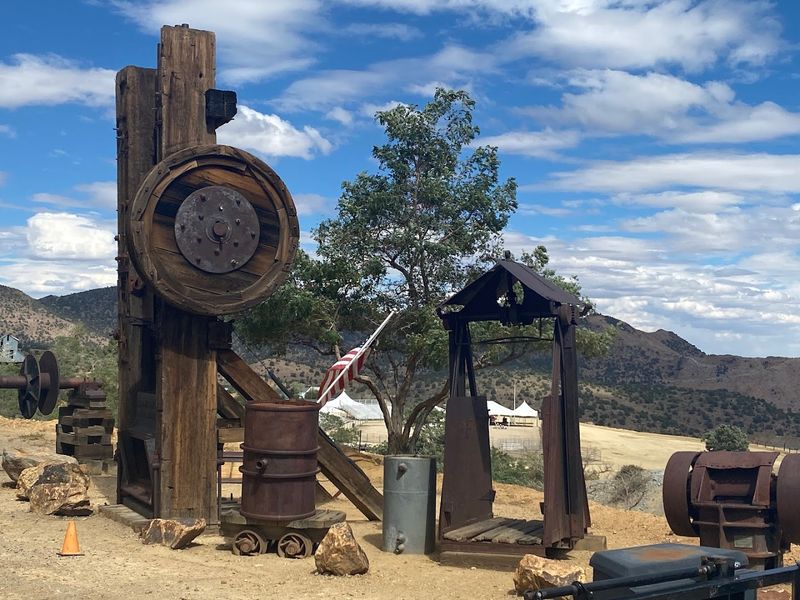
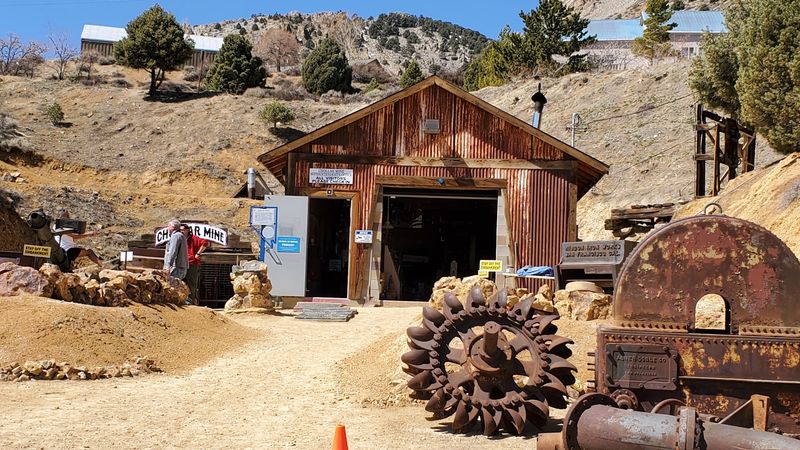
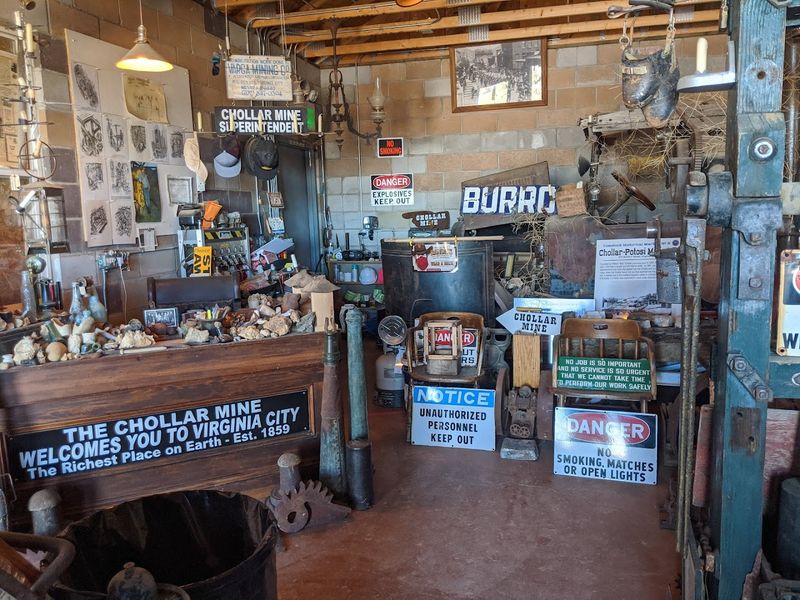
Surface displays at the Chollar feature equipment that looks simultaneously primitive and ingenious. Hand-cranked drills, heavy hammers, and specialized picks demonstrate the muscle power required before mechanization.
Each tool served a specific purpose in the complex process of extracting and processing ore.
The collection includes rare examples of early compressed-air drills that revolutionized tunneling speeds. Visitors can handle some implements, gaining appreciation for their weight and design.
Ore carts, still bearing traces of silver-bearing rock, sit on original rails.
Interpretive signs explain how each piece functioned within the larger operation. A rock crusher demonstrates how ore was pulverized before chemical processing.
Pulley systems, ropes, and winches show how materials moved vertically through hundreds of feet of shaft. The machinery represents decades of technological evolution, from the simplest hand tools to steam-powered innovations that transformed the industry completely.
The Tour Includes A Candlelight Moment Showing How Miners Worked
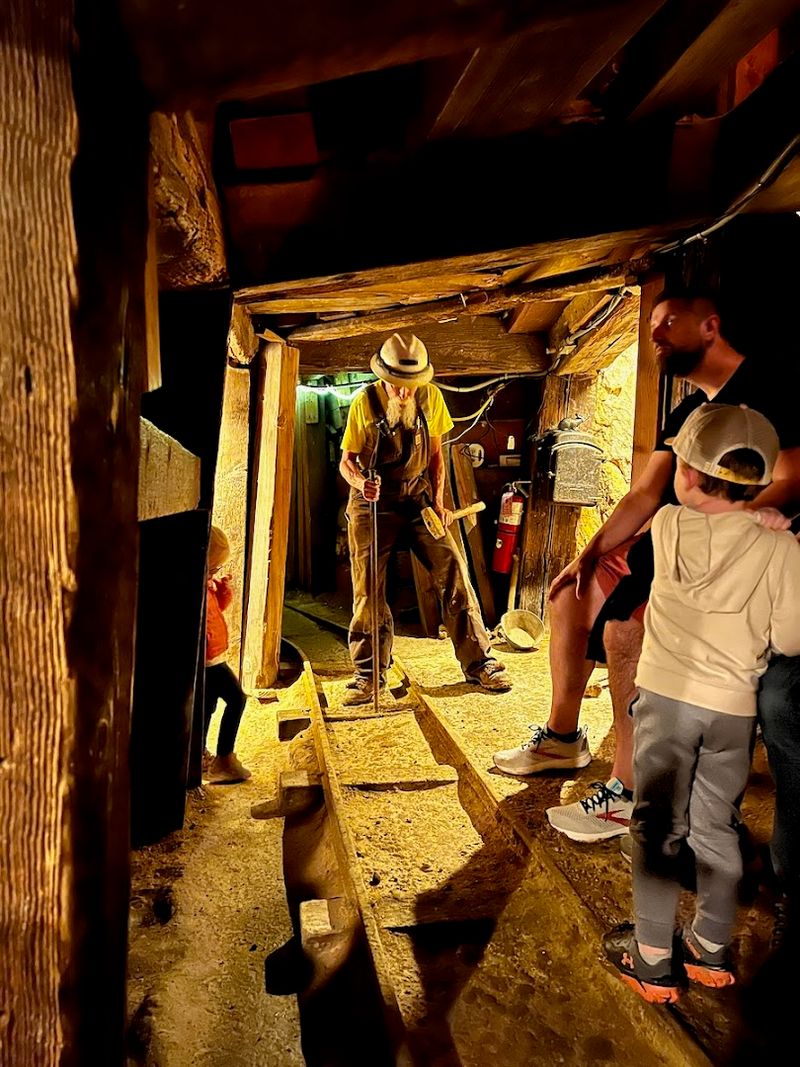
Electric lights extinguish at a designated point during each tour. Guides distribute candles, replicating the only illumination available to 19th-century miners.
The flame reveals how limited visibility was, casting flickering shadows that make distances difficult to judge and obstacles easy to miss.
Workers relied on these small flames not just for light but also for detecting dangerous gases. Canaries served as biological alarms, but flame behavior provided early warnings too.
A sputtering candle indicated poor air quality, signaling the need for immediate evacuation.
The demonstration lasts only minutes, yet it fundamentally alters perception of mining conditions. Imagine spending eight-hour shifts in such darkness, swinging a pick at rock you could barely see.
The heat, the dust, the constant threat of collapse become visceral realities. When modern lighting returns, the contrast underscores just how much technology has changed dangerous occupations, and how much courage the original miners needed simply to show up for work.
The Chollar Later Merged With The Potosi Mine
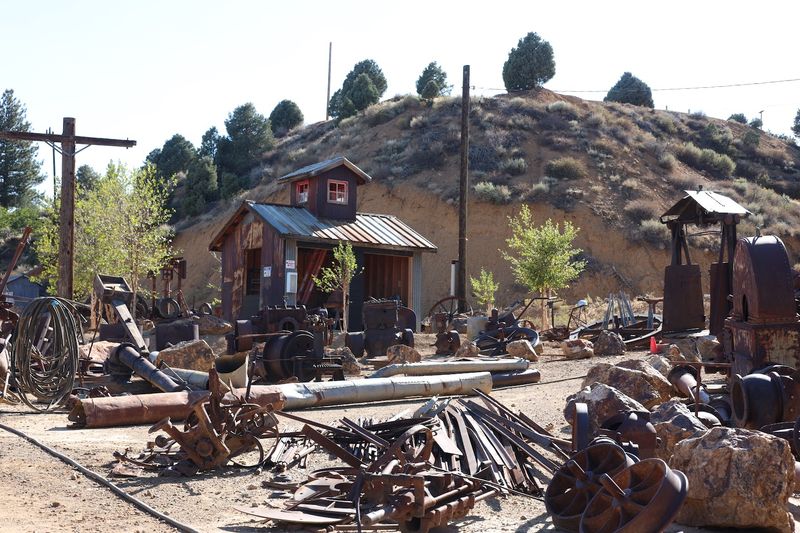
Consolidation became common as individual claims exhausted their richest veins. The Chollar and Potosi operations combined resources, sharing infrastructure and coordinating extraction strategies.
The merger created efficiencies that extended the productive life of both properties.
Legal complexities accompanied such arrangements, requiring careful negotiation of mineral rights and profit-sharing agreements. Stockholders in both companies had to approve the terms.
The combined operation employed hundreds of workers and operated multiple shaft systems.
Tunnels from each mine eventually connected underground, creating a vast network beneath Virginia City. Ore from Potosi sections traveled through Chollar passages to reach surface processing facilities.
The partnership represented typical industry evolution as easily accessible deposits played out. Smaller operations either merged, sold out to larger concerns, or simply closed.
The Chollar-Potosi combination survived longer than many competitors, testament to smart management and favorable geology that continued yielding payable ore into the 20th century.
The Nevada Mill Was Built Nearby To Process Chollar Ore
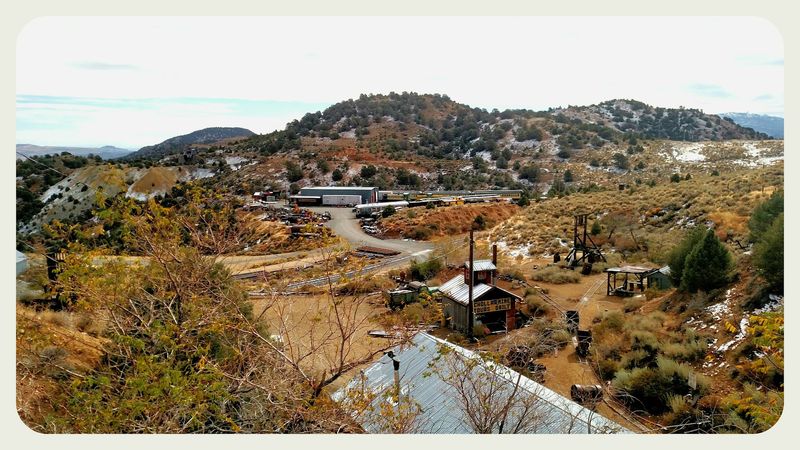
Extracting ore represented only half the challenge. The Nevada Mill rose near the mine to handle the complex chemical processes required to separate silver from surrounding rock.
Massive stamp mills pulverized ore into fine powder, creating noise that echoed across the valley day and night.
Mercury amalgamation was the primary separation method, a toxic process that contaminated soil and water throughout the region. Workers faced serious health risks from constant mercury exposure.
The mill consumed enormous quantities of water, chemicals, and fuel to maintain continuous operations.
Architectural remnants of the mill complex still dot the landscape, though most structures have succumbed to time and weather. The proximity to the mine reduced transportation costs and allowed for rapid processing of freshly extracted ore.
Mill workers formed a distinct community with specialized skills in metallurgy and chemistry. The facility represented significant capital investment and demonstrated the industrial scale required to profit from mining during the Comstock era.
Virginia City’s Silver Rush History Still Feels Alive Beneath The Surface
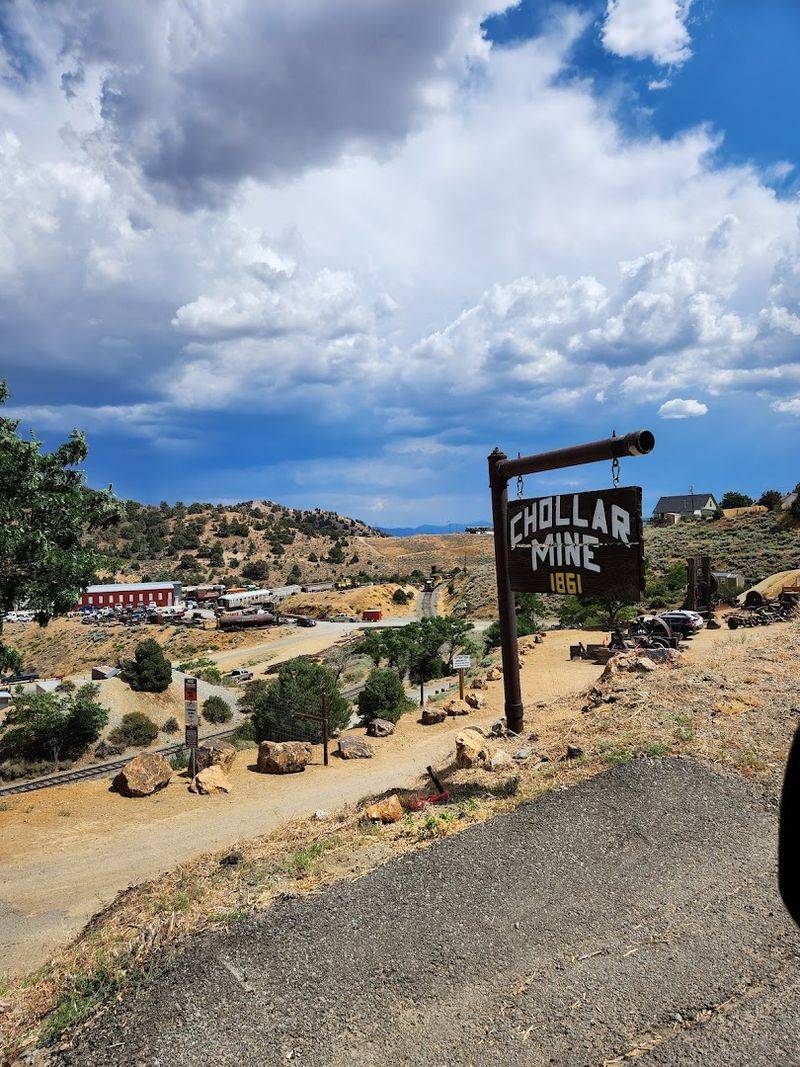
Walking Virginia City’s wooden sidewalks today connects visitors directly to boom-town days. The Chollar Mine tour provides the most authentic link to that era, allowing people to experience conditions that shaped an entire state.
The town preserves its 19th-century character better than almost any Western settlement.
Museums, saloons, and historic buildings tell pieces of the story, but the mine delivers visceral truth. Standing in those tunnels, surrounded by original timbers and rock walls, history stops being abstract.
The guides share knowledge passed down through generations, keeping alive details that would otherwise vanish.
Nevada’s identity remains tied to mining even now. The Chollar represents the foundation of that legacy, a tangible reminder of the risks, innovation, and sheer determination that built a state from desert rock.
Tourists leave understanding why silver mattered so profoundly, and why preserving sites like this serves purposes beyond nostalgia. The mine teaches lessons about ambition, labor, and the true cost of wealth.