
This Nevada Lion Sanctuary Offers One Of The State’s Wildest Animal Encounters
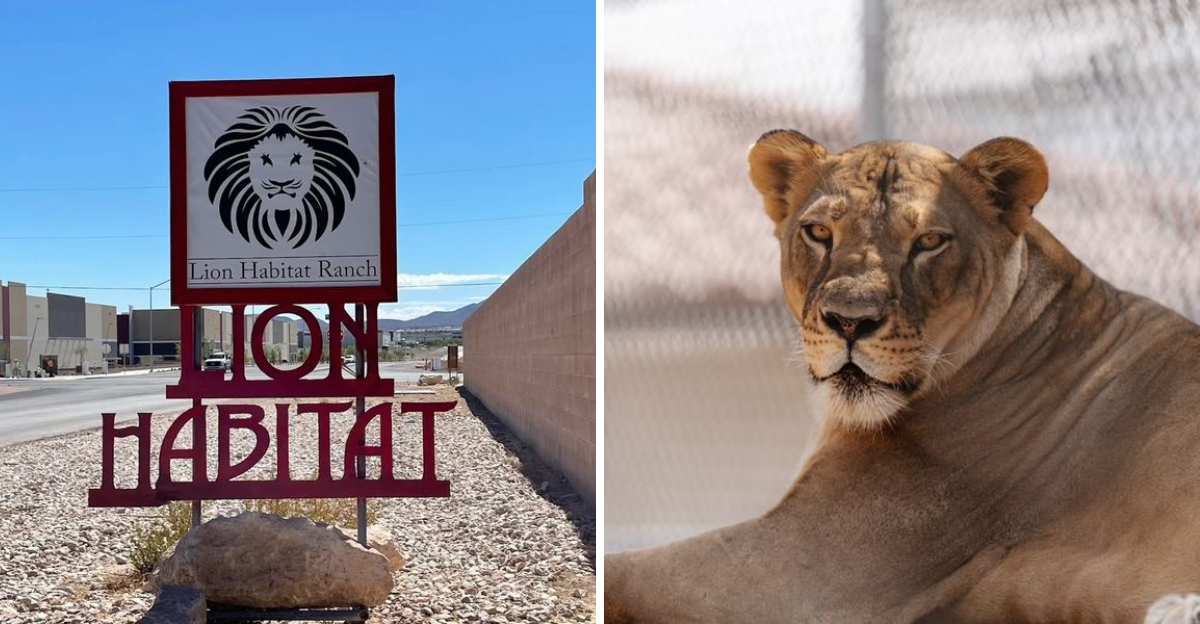
Just a short drive from the bright lights of Las Vegas sits a sanctuary where lions roar and visitors stand mere feet away from some of nature’s most powerful predators. This isn’t a glass-tank, hurry-past kind of animal stop.
Guests can watch powerful lions at a safe close range while learning how their daily care, meals, personalities, and routines actually work. Many of these cats have a past tied to Vegas entertainment, but their days now look calmer, quieter, and far more comfortable.
The nonprofit setting adds heart to the visit without making it feel dull. For travellers craving an animal encounter with real presence, this Nevada stop brings claws, curiosity, and plenty of roar.
This Henderson Ranch Is Just Minutes From The Las Vegas Strip
Located at 382 Bruner Avenue in Henderson, the ranch sits approximately fifteen minutes from the Las Vegas Strip, making it an accessible escape from casino floors and crowded boulevards. Visitors driving east from the main tourist corridor find themselves in a quieter part of the valley, where residential neighborhoods give way to open desert views.
The facility opens its gates at ten in the morning from Thursday through Tuesday, remaining closed only on Wednesdays. This schedule allows staff and volunteers to focus on animal care while still welcoming guests six days each week.
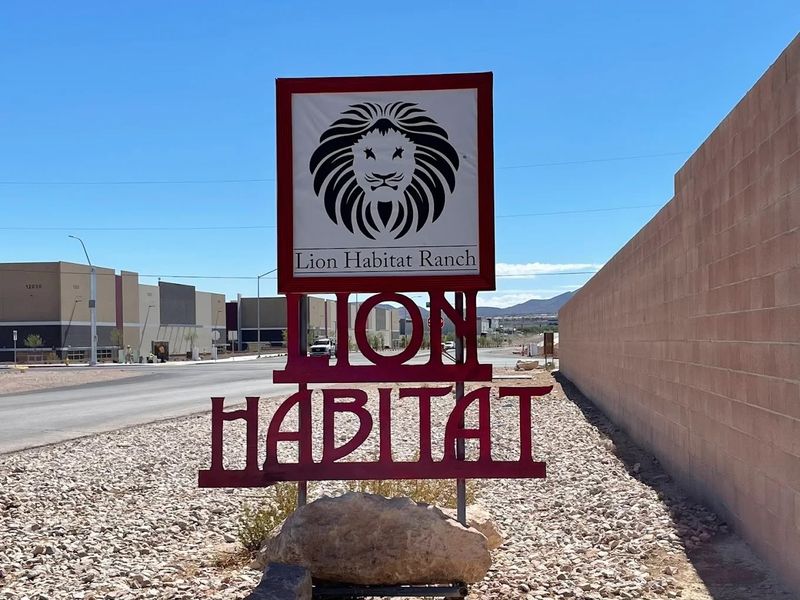
Parking at the ranch is straightforward, with a small lot that accommodates the limited number of daily visitors allowed through timed reservations. The entrance itself feels unassuming, a deliberate choice that places emphasis on the animals rather than flashy signage.
Once inside, the atmosphere shifts entirely from the surrounding suburban landscape to a space dedicated entirely to wildlife education and conservation efforts that have been ongoing for more than three decades.
The Sanctuary Has Been Caring For Lions Since 1989
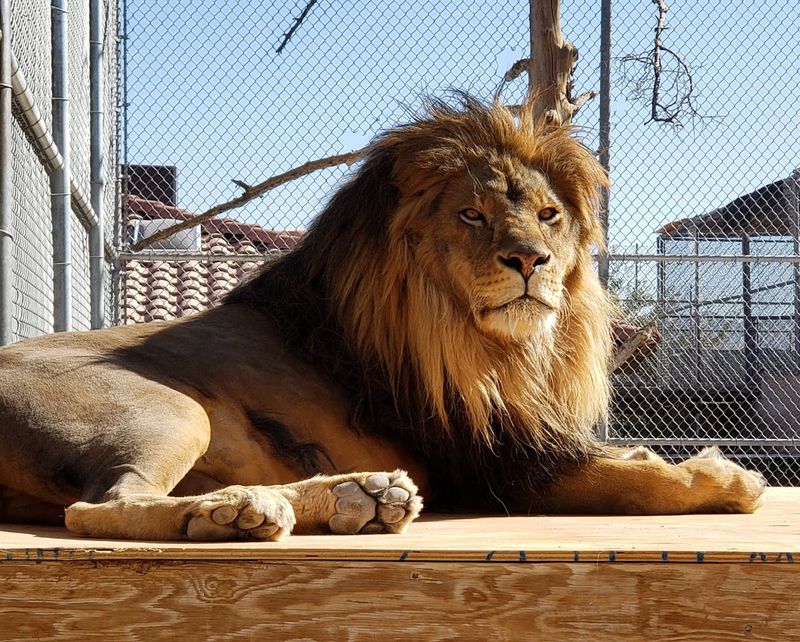
Operations at the ranch began in 1989 when it served as a holding facility for lions appearing at the MGM Grand Hotel. Those original big cats rotated between the casino’s famous habitat and this Henderson location, allowing them rest periods away from public view.
The arrangement continued for years until the MGM exhibit closed permanently, leaving the ranch to become the permanent residence for these retired performers and their descendants.
Most lions currently living at the facility trace their lineage directly back to those MGM animals. BellaDonna stands as one of the few remaining individuals who actually lived and worked at the casino during its heyday.
The ranch does not breed lions intentionally, meaning the current population will live out their natural lives without adding new generations.
This long history gives the sanctuary a unique position in Nevada’s animal care landscape. Staff members often share stories about individual lions and their connections to Las Vegas entertainment history, adding context that transforms a simple visit into a lesson about how the city’s relationship with exotic animals has evolved over time.
It Operates As A Nonprofit Animal Sanctuary
Funding for daily operations comes entirely from visitor admissions, donations, and support from individuals who believe in the mission. No government grants or corporate sponsorships keep the lights on, which means every ticket purchased directly contributes to feeding, housing, and caring for the animals.
The ranch maintains full transparency about its nonprofit status, openly discussing the financial realities of running a sanctuary in public presentations.
Staff members and volunteers work together to keep costs manageable while maintaining high standards of animal welfare. Lions consume significant amounts of meat each day, and veterinary care for big cats requires specialized expertise that comes at premium prices.
Climate control becomes essential during brutal Nevada summers when temperatures regularly exceed one hundred degrees.
The gift shop sells reasonably priced items, including paintings created by Benny the lion through enrichment activities. These unique artworks provide both funding and conversation starters about how keepers engage animal minds and instincts.
Visitors frequently mention the shop’s fair pricing in contrast to typical tourist attractions, appreciating that purchases support the cause rather than padding profit margins.
Visitors Can See Lions Up Close In A Guided Setting
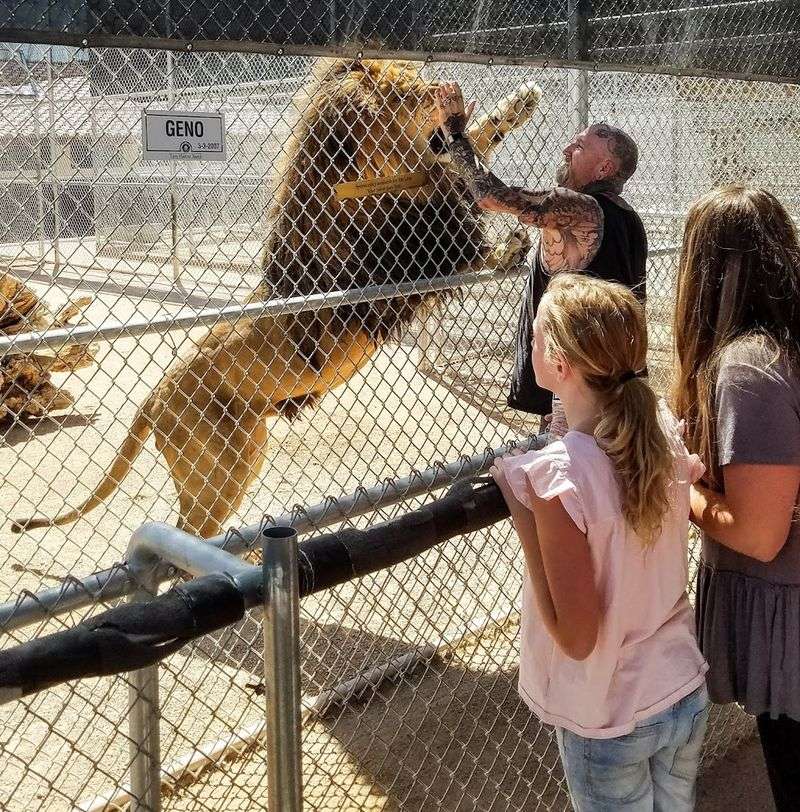
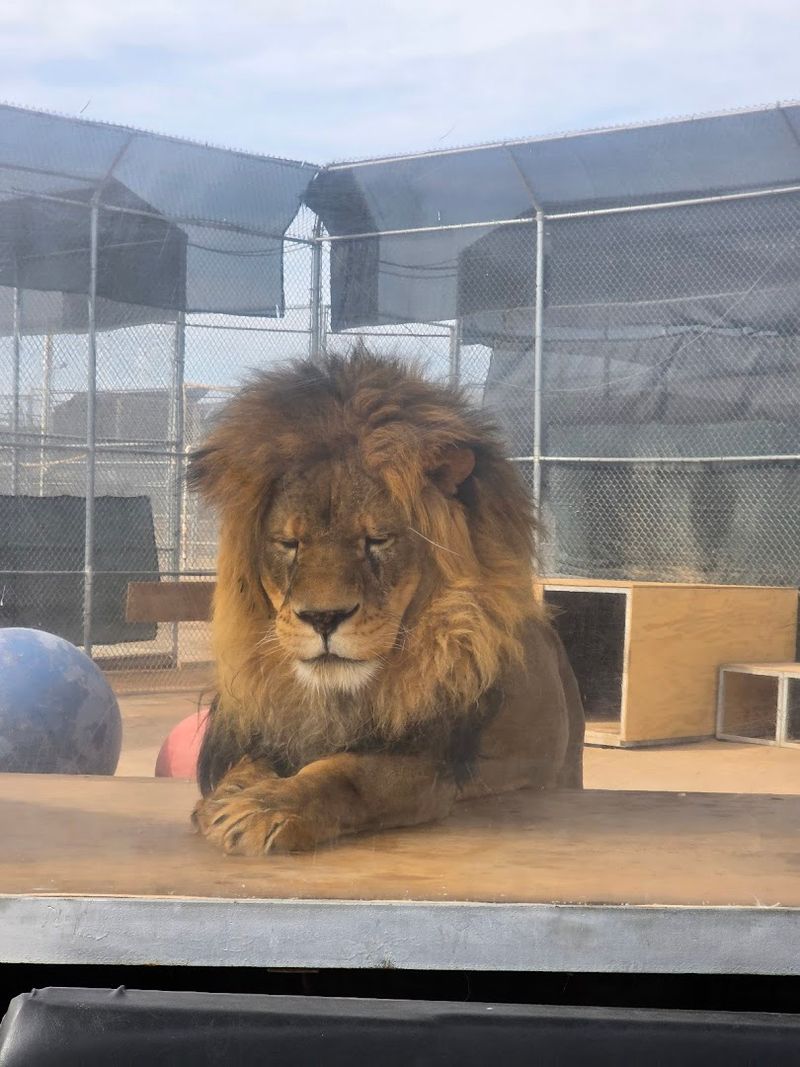
Glass barriers and carefully designed pathways allow guests to stand within feet of adult lions, an proximity impossible at most zoological facilities. The viewing areas position visitors at eye level with the animals, creating moments of direct contact that feel both thrilling and humbling.
During feeding times, the experience intensifies as lions display natural behaviors including vocalizations that reverberate through the chest.
Guides move groups between different enclosures throughout the visit, timing arrivals to coincide with scheduled feedings and enrichment activities. This choreography ensures guests witness lions actively engaged rather than simply sleeping in the shade.
Staff members explain what to look for in body language and social dynamics, turning observation into education.
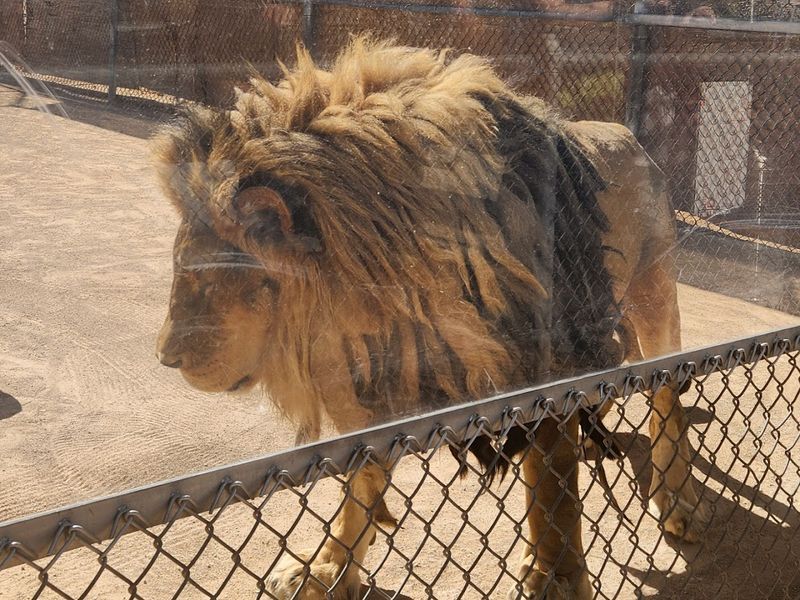
Photography opportunities abound, though some visitors note that window cleanliness could improve for clearer shots. A popular photo station features a jeep prop with a lion backdrop, and volunteers eagerly offer to snap pictures using guest phones.
The casual atmosphere encourages questions, and keepers respond with detailed answers that reveal deep knowledge of individual animal personalities and histories spanning years of daily interaction.
General Admission Helps Support Daily Animal Care
Adult tickets include one child free, making family visits more affordable than many Las Vegas attractions. Reservations are booked online with specific time slots that prevent overcrowding and ensure each group receives adequate attention from staff.
The system also helps manage the experience for the animals, who benefit from predictable daily routines rather than constant streams of unpredictable visitors.
Admission costs cover basic access to all lion enclosures, bird areas, and tortoise habitats during operating hours from ten until two in the afternoon. Guests can move at their own pace, though most visits last approximately two hours when timed to catch multiple feeding sessions.
The compact layout means nothing requires extensive walking, and shade structures provide relief from desert sun.
Revenue from these tickets directly funds meat purchases, veterinary care, facility maintenance, and utilities necessary for keeping large predators comfortable in extreme heat. Staff members openly discuss these operational costs during visits, helping guests understand that their admission fee represents a contribution to ongoing conservation work rather than entertainment consumption.
This transparency builds connection between visitors and mission.
The Ranch Focuses On Education About Big Cats
Keepers and volunteers deliver information constantly throughout visits, sharing facts about lion biology, behavior, social structure, and conservation status in the wild. These impromptu lessons happen organically as guests observe feeding times or enrichment activities, with staff members reading the crowd and adjusting their commentary to audience interest levels.
Children receive particular attention, with volunteers kneeling down to explain concepts at appropriate comprehension levels.
Jim, a volunteer frequently mentioned by visitors, has developed a reputation for making education entertaining without sacrificing accuracy. He shares animal artifacts including bones, feathers, and other teaching tools that guests can touch and examine.
His approach transforms abstract concepts into tangible learning experiences that resonate with younger visitors especially.
The educational mission extends beyond simple facts about lions to broader discussions of wildlife conservation, the ethics of keeping exotic animals, and the specific circumstances that brought these particular big cats to the sanctuary. Staff members answer difficult questions honestly, acknowledging complexities rather than offering simplified narratives.
This intellectual respect for visitors creates an atmosphere where genuine curiosity gets rewarded with substantive information.
Some Experiences Offer A Behind-The-Scenes Look At Animal Care
Private tours and behind-the-scenes experiences provide access beyond what general admission allows, including closer interaction with care routines and more detailed explanations of daily operations. Tyler and Kelly, two guides specifically praised by guests, lead these enhanced visits with obvious passion for their work and deep knowledge of individual animal needs and personalities.
These specialized tours move at a more relaxed pace with opportunities for extended question and answer sessions.
Participants in these upgraded experiences often witness food preparation, learn about enrichment planning, and hear stories about specific challenges or triumphs in caring for retired show animals. The smaller group sizes allow for genuine conversation rather than lecture-style presentation.
Guides explain medical care protocols, dietary requirements, and the specialized knowledge required to maintain healthy big cats in captivity.
Booking these premium experiences requires advance planning, as availability is limited to maintain focus on animal welfare rather than maximizing visitor numbers. Guests consistently report that the additional cost proves worthwhile for the depth of access and personal attention received.
These tours particularly appeal to serious animal enthusiasts and families seeking more than surface-level entertainment.
The Lions Live In A Sanctuary Setting, Not A Traditional Zoo Exhibit
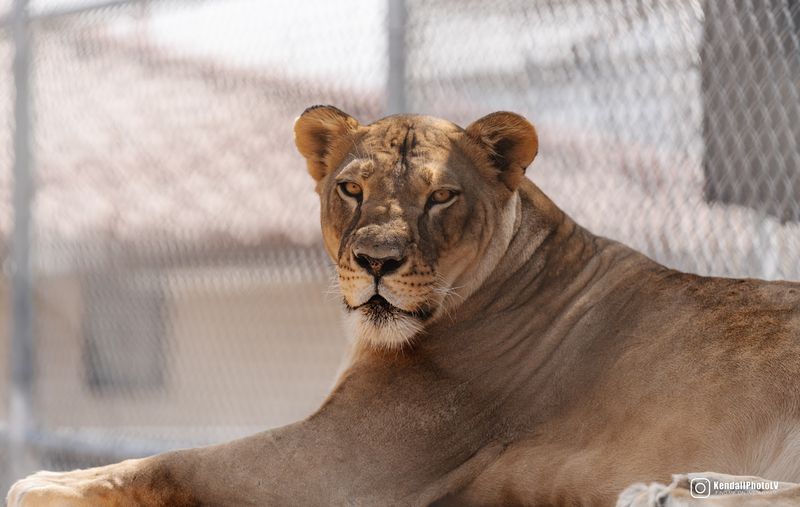
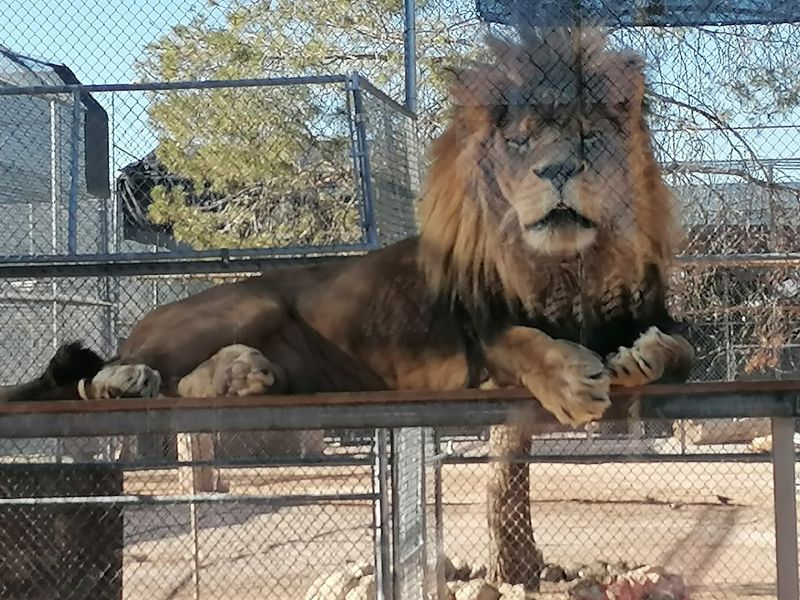
Enclosures at the ranch prioritize animal comfort over aesthetic presentation, with wooden shelters equipped with heated pads for winter and swamp coolers for scorching summer months. The design reflects practical animal husbandry rather than public spectacle, though this occasionally draws uninformed criticism from those expecting polished zoo architecture.
Staff members patiently explain that these structures serve the lions’ needs effectively, providing temperature regulation crucial for big cats living in desert conditions.
Each habitat includes multiple levels, shade options, and enough space for lions to move freely and engage in natural behaviors. The brothers housed together demonstrate typical social dynamics, while solitary individuals receive enrichment activities tailored to their personalities.
Keepers emphasize that these are not wild animals but descendants of captive-bred performers who have never known life beyond human care.
The sanctuary model means focusing resources on animal welfare rather than impressive viewing platforms or elaborate landscaping. Cleanliness remains a priority, with enclosures maintained to high standards that visitors consistently note.
This practical approach aligns with the nonprofit mission, directing available funds toward care rather than cosmetic improvements that benefit human visitors more than animal residents.
Guests Can Learn How Lions Communicate And Behave
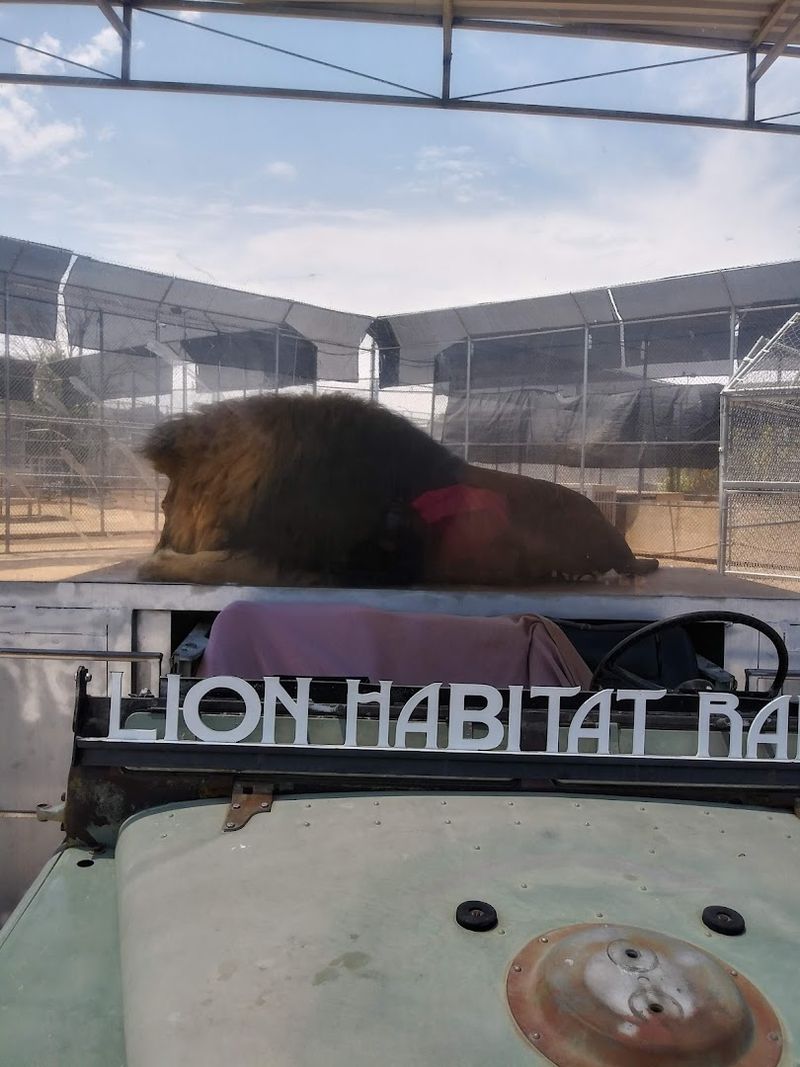
Observing multiple lions throughout a visit reveals the complexity of big cat communication, from subtle ear positions to full-throated roars that visitors feel as much as hear. Keepers point out behavioral cues that indicate mood, health, and social status within groups.
These lessons transform watching into active learning as guests begin recognizing patterns in how animals interact with each other and respond to keeper presence.
Feeding times showcase hunting instincts adapted to captive life, with lions displaying stalking behaviors and powerful jaw strength even when receiving prepared meals. Enrichment activities like large balls smeared with baby food trigger problem-solving behaviors and physical engagement that keepers explain serve important mental health functions.
Guests witness firsthand how captive animal care extends far beyond simply providing food and shelter.
The ranch houses ostriches, emus, tortoises, and a parrot named Ringo who greets visitors enthusiastically, offering comparison points for understanding how different species communicate and behave. Staff members draw connections between species, helping guests appreciate both universal animal behaviors and unique adaptations.
This comparative approach deepens understanding beyond simple facts about lions specifically.
The Ranch Has Supported Wildlife Causes Beyond Nevada
While the primary mission focuses on caring for the resident animals, the ranch participates in broader conservation conversations about big cat welfare and the ethics of exotic animal ownership. Staff members discuss wild lion populations during educational presentations, connecting the sanctuary work to global conservation challenges.
This context helps visitors understand that the facility represents one small piece of much larger efforts to protect species facing habitat loss and human conflict.
The ranch serves as an example of responsible retirement for animals who cannot be released into the wild, demonstrating what long-term care requires when entertainment industries or private owners can no longer maintain exotic animals. This educational role extends beyond the physical facility through conversations that visitors carry home and share with others.
Former guests frequently mention how the experience changed their perspective on wildlife attractions and animal welfare.
Connections to other sanctuaries and conservation organizations remain informal but meaningful, with staff members knowledgeable about broader issues facing big cats both in captivity and in remaining wild populations. The ranch represents a practical application of conservation principles rather than theoretical advocacy, showing guests what commitment to animal welfare actually looks like in daily practice.