
A Historic Wisconsin Villa Hides A Renaissance Garden And Courtyard Overlooking Lake Michigan
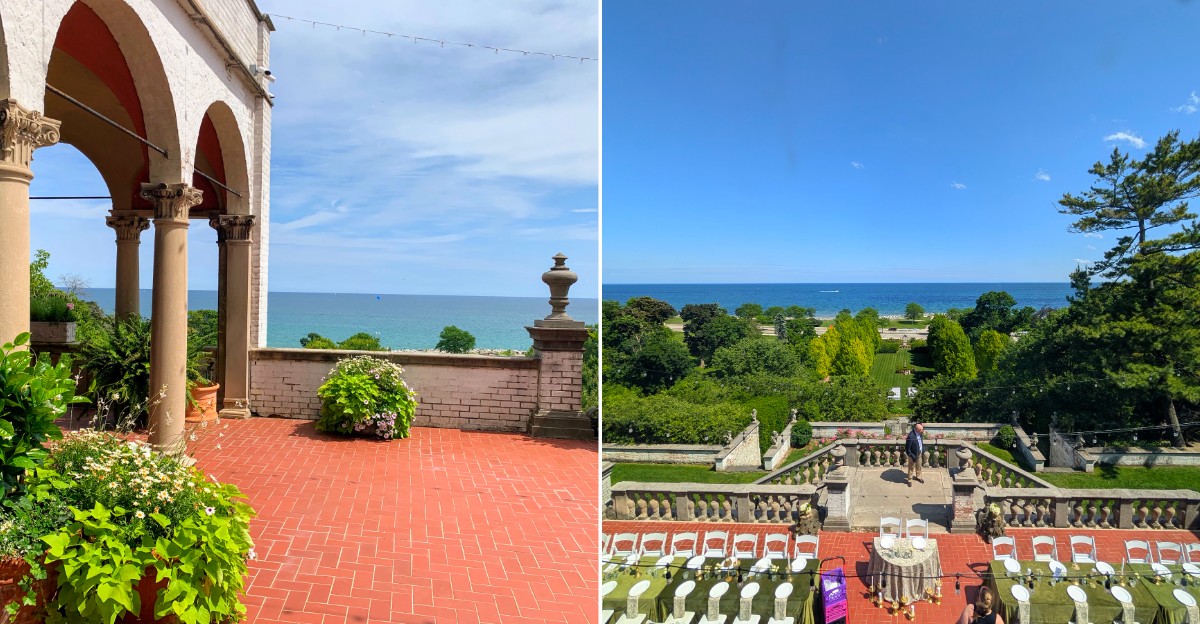
For a few minutes, your brain may insist you somehow took a wrong turn and ended up in Europe. The architecture, gardens, stonework, and quiet courtyards create that kind of illusion almost immediately.
Wisconsin is full of historic attractions, but this one plays by different rules. Art fills the rooms. Formal gardens spill across the grounds. Old-world details appear around corners, while sweeping water views add an entirely different layer to the experience.
It is the kind of visit where slowing down happens naturally. One minute you are studying a centuries-old object. The next, you are outside following a garden path or lingering beside an ornate fountain.
Even better, the experience never feels one-note. History, architecture, art, landscaping, and scenery all compete for your attention. That variety is exactly what makes an afternoon here so easy to stretch longer than planned.
A Slice Of Italy On The Great Lakes
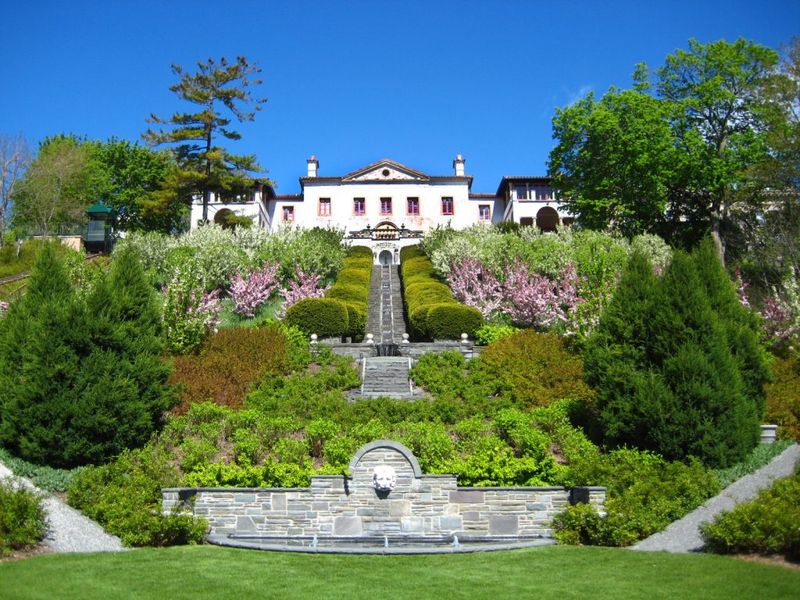
Picture a sunny hillside villa in northern Italy, then drop it onto a bluff in the Midwest. That is the feeling you get at Villa Terrace Museum & Gardens. The house was built in 1923 for Lloyd Smith, a business leader, and his family.
The architect, David Adler, modeled the home after Italian Renaissance villas. You will notice the warm stucco walls, the tile roof, and the arched windows right away. Nothing about it looks like a typical Wisconsin house, and that is part of the fun.
Today, the home serves as a public museum run by a nonprofit group. You can walk through the rooms, peek out the windows, and imagine what life looked like for the family who lived here a century ago. The layout wraps around a central courtyard, so light pours in from many angles.
You should take a slow first lap around the outside before heading in. Look at how the building sits on the slope, facing the water.
Many details, like the balconies and iron railings, are easy to miss if you rush. Give yourself time to soak in the setting, because the setting is really the star here.
The Renaissance Garden That Steps Down To The Water
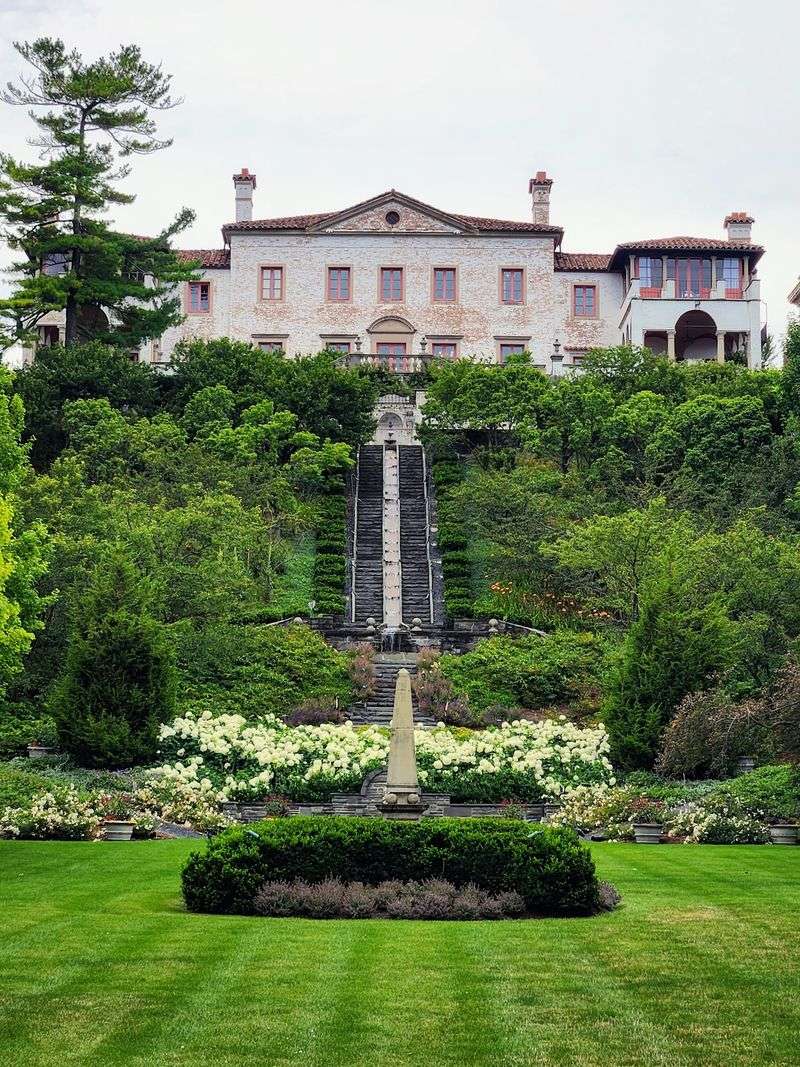
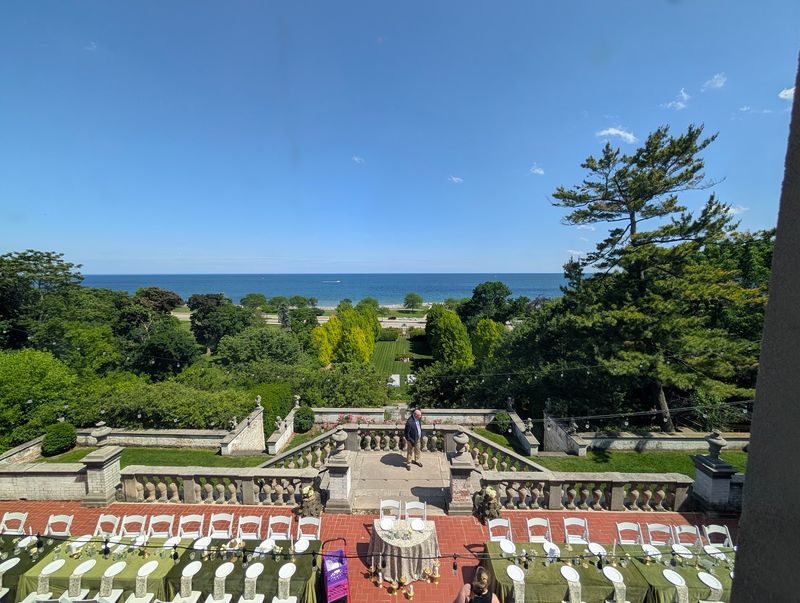
Gardens usually stay flat, but this one tumbles down a hill. The Renaissance Garden at Villa Terrace Museum & Gardens drops from the house toward Lincoln Memorial Drive and the lakeshore in a series of terraces.
The most striking feature is the water stairway. A narrow channel of water flows down the center of the slope, spilling from one level to the next. You can hear it trickle as you walk beside it. Neat hedges, stone steps, and grassy panels line the path on both sides.
Fun fact: the garden fell into poor shape for years. A group of dedicated volunteers and donors worked hard to restore it, and it reopened to visitors in the early 2000s. What you see now reflects that careful effort.
You should wear comfortable shoes, because the steps add up quickly. Going down feels easy, but the climb back up gives your legs a real workout.
Take breaks at each level. Every terrace offers a slightly different view of the lake, so pausing is a bonus, not a chore. Early afternoon light makes the water sparkle, which is great for photos.
Where The Courtyard Feels Like A Quiet Escape
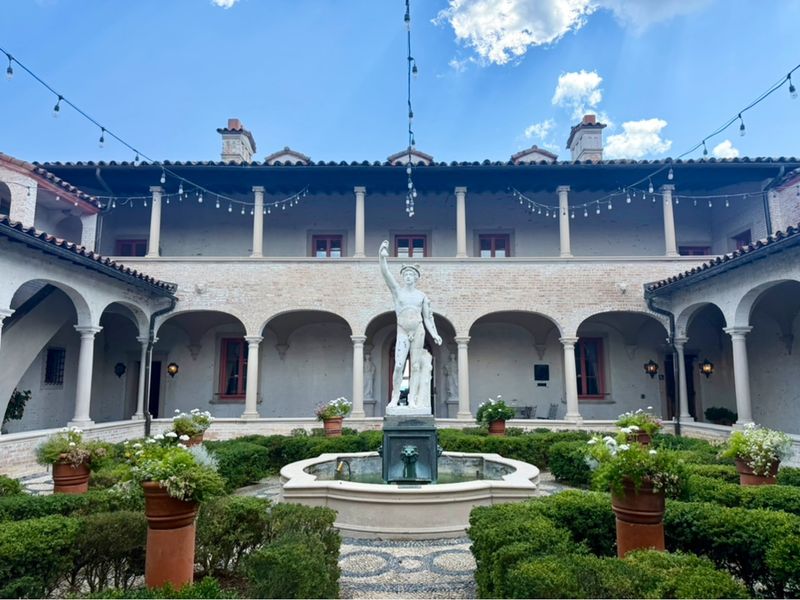
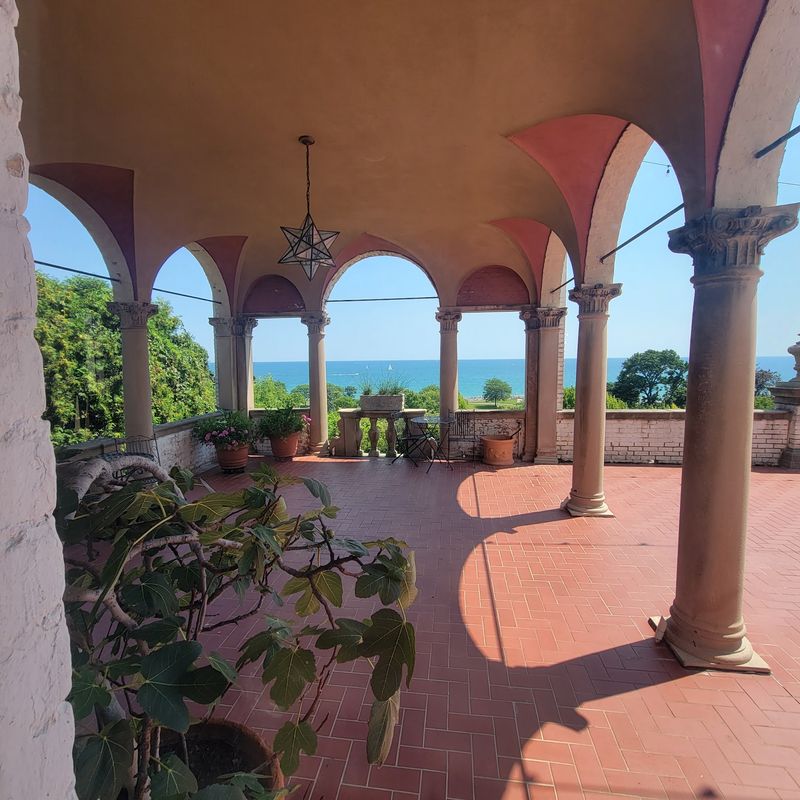
Calm. That is the first word that comes to mind in the central courtyard. Surrounded on all sides by the walls of Villa Terrace Museum & Gardens, this open-air space blocks out much of the city noise.
The courtyard sits at the heart of the house. Arched openings frame the space, and potted trees add a touch of green. In warmer months, greenery adds to the Mediterranean mood. The courtyard also serves as a setting for special events and summer programs.
You can find a spot here to simply sit and rest between rooms. It is a nice place to reset after exploring the galleries.
Look up and notice how the sky becomes part of the design. The builders wanted the home to feel open, and the courtyard shows that idea clearly.
You should also pay attention to the floors and walls. Old stone and plaster give the space texture that photos cannot fully capture.
If you enjoy sketching or journaling, bring a small notebook. The courtyard offers a peaceful setting where you can slow down, notice little details, and just enjoy being outside.
Lake Michigan Views You Will Want To Photograph
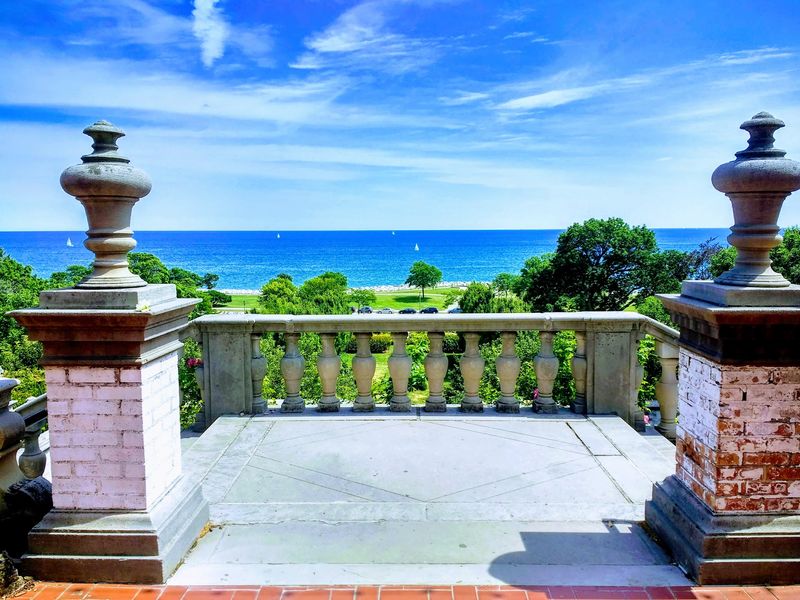
Blue water stretches all the way to the horizon. From the upper terrace and balconies, Lake Michigan fills your view in a way that surprises many first-time guests. The lake looks almost like an ocean on clear days.
Villa Terrace Museum & Gardens sits on a high bluff, which gives you a wide, open outlook. The garden slopes below, the trees frame the edges, and the water shines beyond it all. The home was designed to face this scene, so nearly every outdoor space connects to it.
You should check the weather before you go. Sunny days bring bright blues and greens, while cloudy days create softer, moody tones. Both can look great in photos. Winter brings its own charm, with ice along the shore and fewer people around.
For the best shots, try standing at the top of the water stairway and shooting straight down toward the lake. The lines of the garden guide the eye right to the water.
You can also frame the view through an archway or iron railing. Take a moment without your camera, too. Some views are best enjoyed with your own eyes, not a screen.
Old World Art And Decorative Treasures Inside
Art lovers, this part is for you. Villa Terrace Museum & Gardens holds a collection of fine and decorative arts from the 15th through the 18th centuries. You will see furniture, paintings, ceramics, and other objects that reflect life in older European homes.
The rooms do not feel crowded, which makes them easy to enjoy. You can take your time with each piece instead of rushing past dozens of items.
The museum also hosts rotating exhibits, so the displays change throughout the year. Past shows have featured local artists working in areas like metalwork and textile crafts.
You should read the small signs and labels as you go. They share stories about where items came from and how people used them. Knowing that background makes a simple chair or dish far more interesting.
Natural light plays a big role inside. Sunlight streams through the windows and bounces across the walls, bringing out colors and textures.
If you visit with kids, turn it into a game. Ask them to find the oldest looking object or the most colorful piece in each room. It keeps young visitors curious and makes the art feel more personal.
Ironwork Details You Should Not Miss

Here is a detail many visitors walk right past: the ironwork. Villa Terrace Museum & Gardens is home to beautiful metal pieces by Cyril Colnik, a master craftsman who worked in Milwaukee in the late 1800s and early 1900s.
Colnik came from Austria and became famous for his hand-forged iron. His gates, railings, and decorative pieces show curling vines, leaves, and delicate patterns.
It is hard to believe someone shaped hard metal into such flowing designs. The museum keeps a special collection of his work, which makes this place one of the best spots in Wisconsin to see it.
You should get close and study the patterns. Look at how each leaf has its own shape and how the scrolls twist and connect. Try to imagine the heat, the hammer, and the patience it took to create them.
Photographers love these pieces because they add texture and shadow to any picture. On sunny afternoons, the ironwork casts neat patterns on the walls and floors.
You can find these details both inside the house and around the grounds. Keep your eyes open, since some of the finest examples sit in spots you might not expect.
Planning Your Visit The Smart Way
A little planning goes a long way. Villa Terrace Museum & Gardens keeps limited hours, so you want to check before you head out. The museum usually opens Thursday through Sunday from 11 AM to 4 PM and stays closed Monday through Wednesday.
You will find the villa at 2220 N Terrace Ave, Milwaukee, WI 53202, in a pleasant neighborhood on the city’s east side. Street parking is often available nearby, and the lakefront makes a nice spot for a walk before or after your visit.
You can call ahead or check the official website for updates on special events or closures.
You should keep in mind that the villa hosts private events, especially on weekends. Sometimes parts of the building or garden may be busy with preparations. Arriving earlier in the day often gives you a calmer experience.
Plan for about one to two hours. That gives you enough time to explore the house, enjoy the courtyard, and walk the garden without feeling rushed.
The Renaissance Garden opens for the season in early June and closes in September. Pack water and wear sturdy shoes for those garden steps.
Why This Lakeside Villa Deserves A Spot On Your List
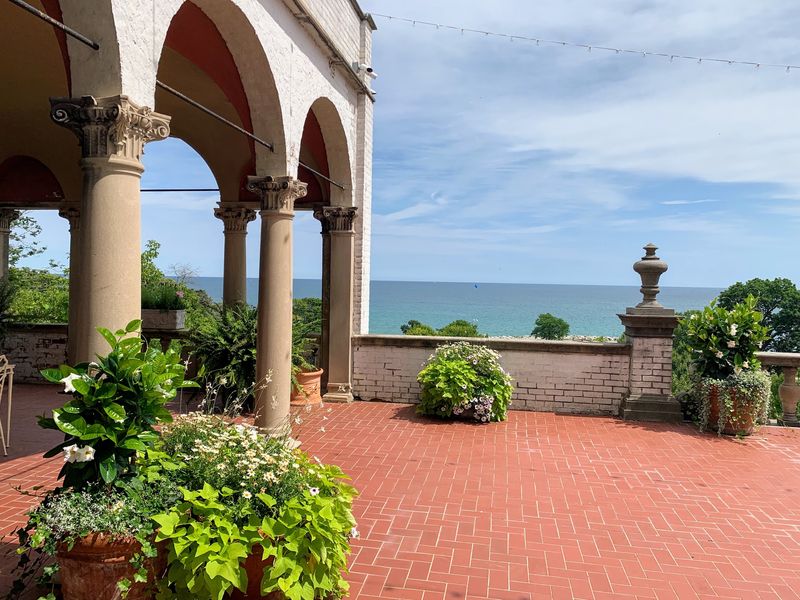
Few places manage to blend art, history, nature, and views all in one spot. Villa Terrace Museum & Gardens does exactly that, and it does it with a relaxed charm that makes you want to return.
You get a real sense of history as you move through the house. The garden gives you fresh air and a bit of exercise.
The courtyard offers a peaceful pause, and the lake views tie everything together. Each part adds something different, so the visit never feels one-note.
The villa also hosts concerts, yoga sessions, and seasonal gatherings. You should keep an eye on the event calendar, because these programs let you enjoy the space in new ways.
Many couples choose it for weddings and engagement photos, which says a lot about how lovely the setting is.
For locals, this makes a great weekend outing close to home. For travelers exploring Wisconsin, it offers a memorable change from the usual stops.
You can pair it with a lakefront stroll or visits to nearby Milwaukee spots. In the end, you leave with a feeling of having traveled far without actually leaving the state, and that is a rare treat.