
A Peaceful Pennsylvania Lake Erie Town That’s Off The Tourist Radar
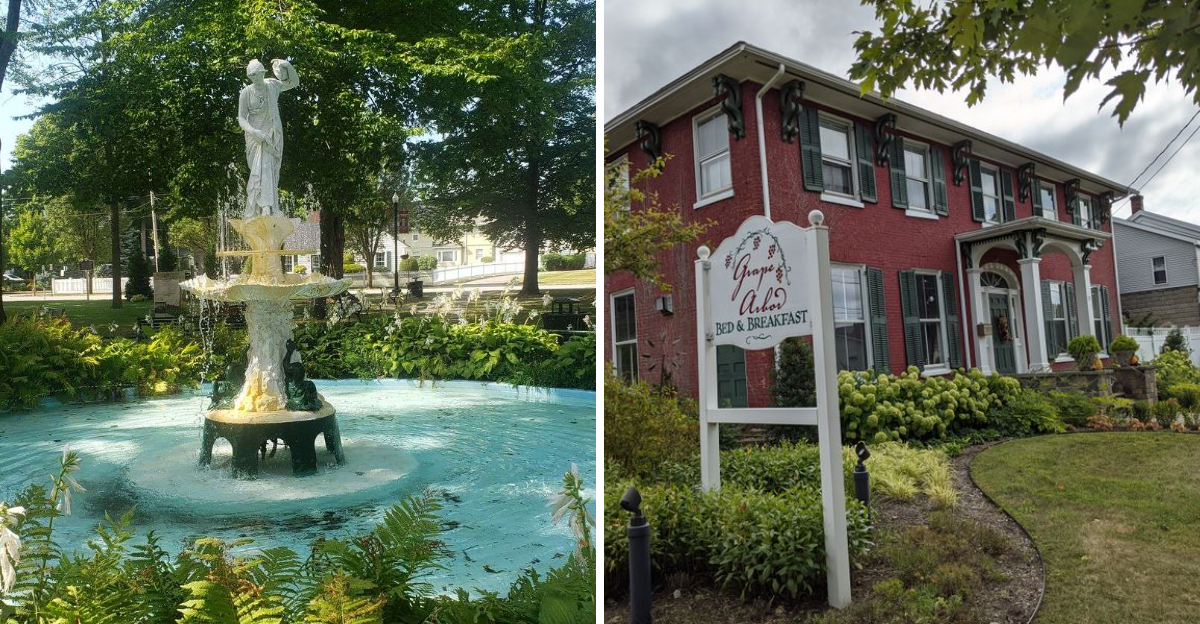
Located in the northeastern corner of Erie County, the borough of North East offers a rare blend of lakeside tranquility and small-town character that most travelers overlook. Just fourteen miles from the bustle of Erie, this unassuming community sits quietly along the Pennsylvania shoreline of Lake Erie, where vineyards stretch toward the water and local life moves at a pace that feels refreshingly unhurried.
While nearby tourist spots draw crowds, North East remains a place where visitors can wander without jostling for space, discovering genuine hospitality and a landscape shaped by agriculture, history, and the ever-present lake.
North East: A Hidden Gem Along Lake Erie’s Shores
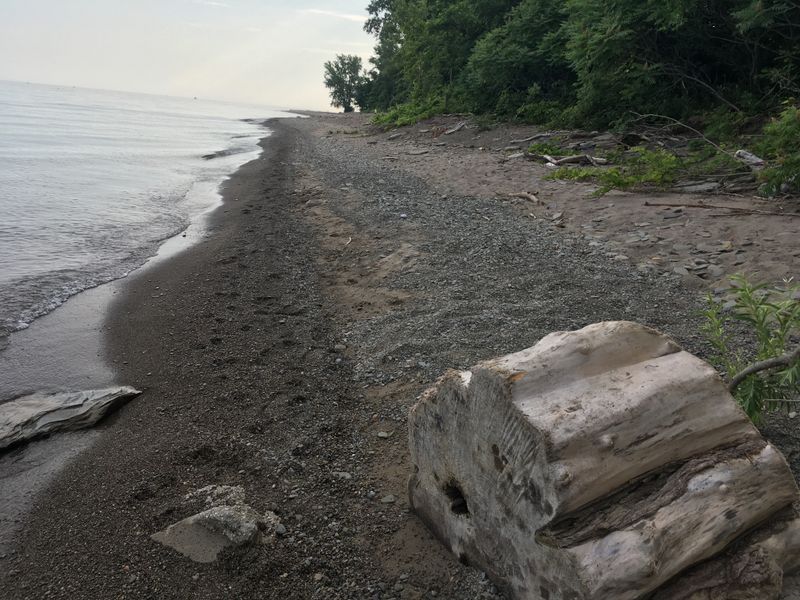
Geography and circumstance have conspired to keep North East pleasantly obscure. The borough occupies a sliver of Pennsylvania’s northwestern frontier, where the state meets both Lake Erie and the New York border, yet it remains absent from most travel itineraries.
Visitors arriving along Route 5 find themselves in a community of roughly four thousand residents, where tree-lined streets give way to open farmland and the lake appears suddenly beyond the vineyards. The town’s compact downtown area retains its original grid, with brick storefronts and wide sidewalks that speak to an earlier era of American commerce.
What distinguishes North East from its neighbors is not dramatic scenery or manufactured attractions but rather an authenticity that comes from being genuinely off the beaten path. Local businesses cater to residents first, tourists second, which means the pace remains steady and the atmosphere unpretentious.
The lake itself serves as both backdrop and economic engine, moderating temperatures enough to support grape cultivation while providing recreational opportunities that shift with the seasons. This combination of water, agriculture, and quiet persistence creates a destination that rewards those willing to slow down.
Rich Wine Country And Beautiful Vineyards
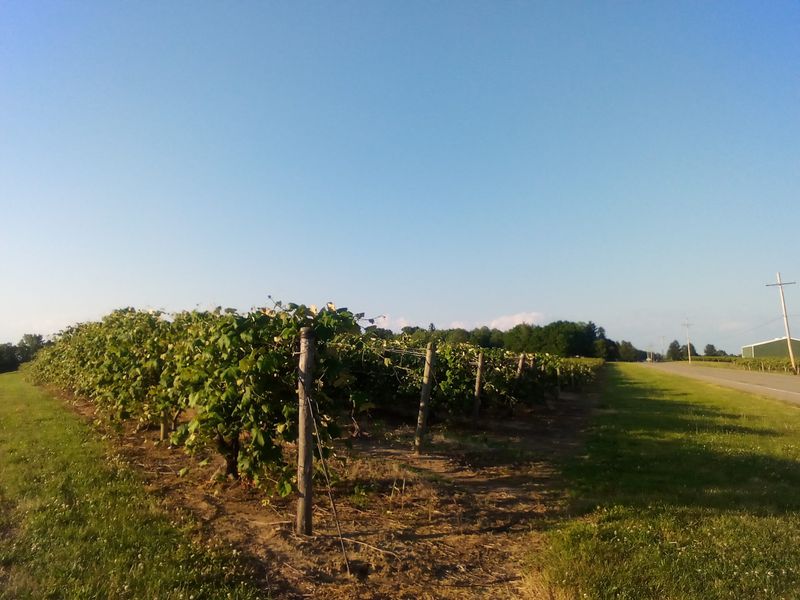
Few realize that Pennsylvania ranks among the nation’s top ten wine-producing states, and much of that output originates in the soil surrounding North East. The Lake Erie AVA, a federally recognized viticultural area, benefits from the lake’s moderating influence, which delays spring frosts and extends the growing season just enough to ripen grapes that would struggle elsewhere in the state.
More than two dozen wineries operate within a short drive of the borough, many of them family-run operations that welcome visitors to tasting rooms housed in converted barns or purpose-built facilities overlooking the vines. Concord grapes dominate the landscape, their dark clusters destined for juice production, but vinifera varieties have gained ground as winemakers experiment with Riesling, Cabernet Franc, and other European cultivars.
Harvest season transforms the countryside into a patchwork of activity, with tractors moving between rows and the scent of crushed grapes drifting from processing facilities. Visitors can follow the Lake Erie Wine Country trail, stopping at estates that offer tours, tastings, and insights into the challenges of cold-climate viticulture.
A History Steeped In Agriculture And Industry
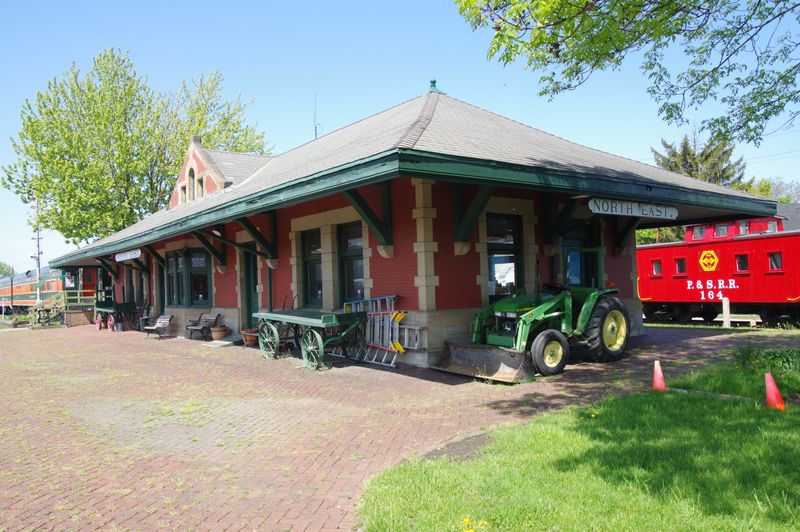
North East’s story begins with the land itself, which proved remarkably fertile once cleared of its original forest cover. Settlement arrived in the early nineteenth century, and within decades the area had established itself as a center for fruit cultivation, particularly cherries, peaches, and grapes.
The arrival of rail lines connected local farmers to markets in Buffalo, Cleveland, and Pittsburgh, turning agriculture into a commercial enterprise that shaped the town’s identity. Canneries and processing facilities sprang up to handle the harvest, providing employment that supplemented farm income and anchoring the local economy.
By the mid-twentieth century, grape juice production had become the dominant industry, with Welch’s establishing a major facility that remains operational today. Walking through the older neighborhoods, you encounter homes built by farmers, merchants, and factory workers, their architectural styles reflecting the prosperity of different eras.
The borough’s historical society maintains archives and artifacts that document this evolution, though much of the history remains visible in the landscape itself—in the century-old vineyards, the repurposed industrial buildings, and the enduring agricultural character that distinguishes North East from purely residential communities.
Quiet Beaches And Serene Lake Views
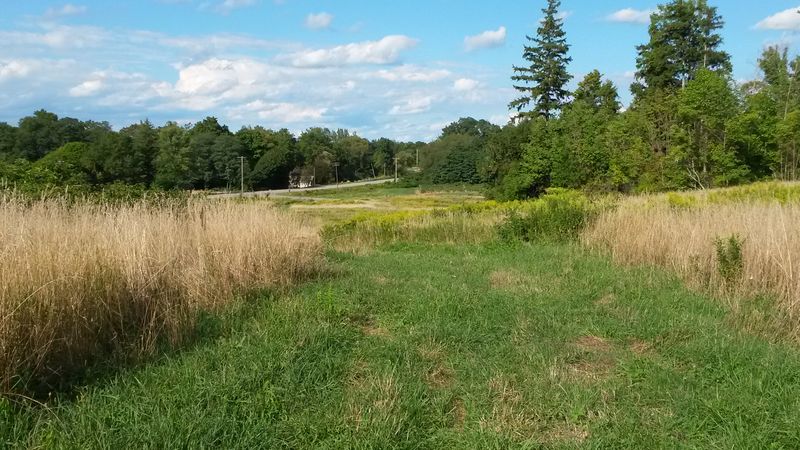
Lake Erie’s Pennsylvania coastline stretches for barely fifty miles, and much of it remains undeveloped compared to the resort-heavy shores of Ohio and New York. North East benefits from this relative scarcity, offering beach access that rarely approaches crowded even during peak summer weekends.
Freeport Beach, located just north of the borough proper, provides a public access point where sand meets water without the accompanying boardwalk commercialism found elsewhere. Families spread blankets, children wade in the shallows, and the occasional fisherman casts from the shore, but the atmosphere remains decidedly low-key.
The lake itself presents different faces depending on season and weather—glassy calm on summer mornings, churning gray during autumn storms, and occasionally frozen into surreal ice formations when winter temperatures plunge. This variability adds character, reminding visitors that they’re encountering a genuine Great Lake rather than a tamed recreational pond.
For those seeking solitude, the shoreline walking paths and less-traveled beach areas offer opportunities to experience the lake without company. The absence of high-rise development means views remain largely unobstructed, allowing the water to dominate the horizon.
Unforgettable Sunset Views Over Lake Erie
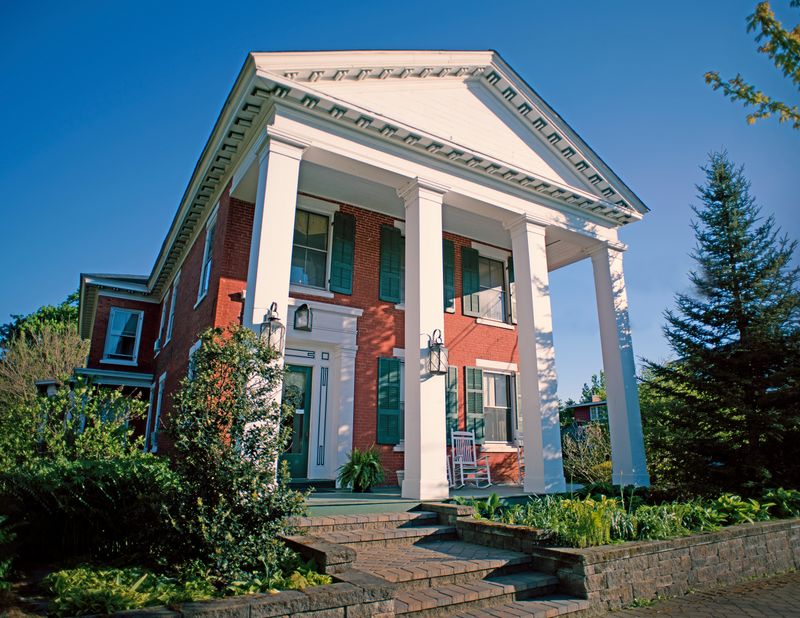
Orientation matters when it comes to sunsets, and North East enjoys a western exposure across the lake that transforms ordinary evenings into minor spectacles. As the sun descends toward the water, the sky cycles through colors that shift with atmospheric conditions—vivid oranges and pinks on humid summer nights, muted golds during clearer autumn evenings.
The best vantage points cluster along the waterfront, where unobstructed views allow the full drama to unfold. Local residents know which spots offer the cleanest sightlines, though even casual visitors can find satisfying perspectives by simply walking toward the lake as evening approaches.
What elevates these sunsets beyond the merely picturesque is the scale of the canvas—Lake Erie stretches to the horizon, creating an expanse that recalls ocean views despite being freshwater. The interplay between sky and water produces reflections and color gradations that photographers find endlessly compelling.
Timing varies with the seasons, but the ritual remains consistent: people gather, conversation quiets, and attention shifts to the western sky. It’s a moment of collective pause that feels increasingly rare, a natural phenomenon that still commands respect and attention in our distracted age.
Exploring The Local Shops And Art Scene
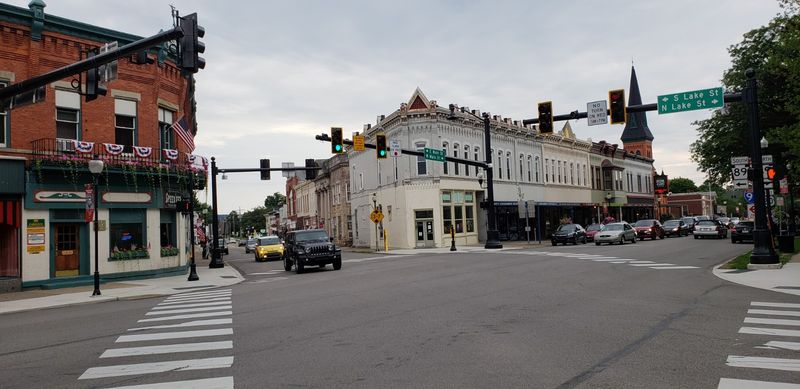
Downtown North East operates on a human scale, with most businesses occupying single-story buildings that encourage browsing rather than rushing. Antique shops offer the kind of genuine clutter that rewards patient searching—estate furniture, vintage advertising signs, and the accumulated possessions of generations that didn’t yet embrace minimalism.
Several galleries showcase work by regional artists, much of it inspired by the local landscape and agricultural heritage. Paintings of vineyards, lake scenes, and rural life predominate, rendered in styles ranging from careful realism to looser interpretive approaches.
The retail mix skews toward practical rather than touristy, with hardware stores, pharmacies, and family-owned restaurants outnumbering souvenir shops. This creates an authentic Main Street experience where visitors share sidewalk space with residents running actual errands.
Seasonal farmers markets bring additional vitality, with vendors selling produce, baked goods, and handcrafted items under canopies that line the parking areas. The scale remains manageable—a dozen vendors rather than hundreds—which allows for actual conversations rather than transactional exchanges.
This accessibility extends to the art scene, where gallery owners often double as artists and welcome questions about technique and inspiration.
Outdoor Adventures Await In Every Season
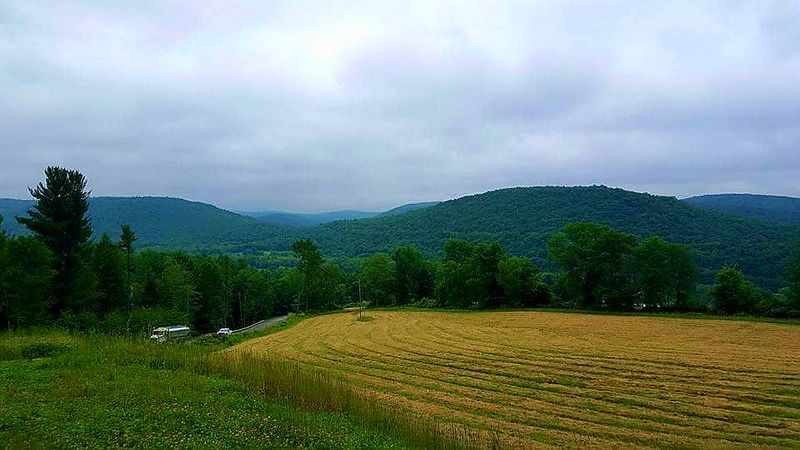
The landscape surrounding North East transitions smoothly between agricultural and wild, creating opportunities for outdoor recreation that don’t require specialized equipment or extreme fitness. Hiking trails wind through nearby state game lands, where second-growth forest has reclaimed land once cleared for farming.
Birdwatchers find the area particularly rewarding during migration seasons, when Lake Erie serves as a navigational landmark for species moving between northern breeding grounds and southern wintering areas. Spring brings warblers and other songbirds, while autumn sees raptors riding thermal currents along the shoreline.
Winter transforms the lake into something otherworldly when ice forms along the shore, creating sculptural formations that attract photographers and the simply curious. Cross-country skiing becomes viable when snow accumulates in the vineyards and fields, offering miles of ungroomed but accessible terrain.
Cycling enthusiasts appreciate the relatively flat topography and light traffic on rural roads that connect the borough to surrounding townships. These routes pass working farms and vineyards, providing glimpses into agricultural operations while delivering enough distance to satisfy serious riders.
The absence of dramatic elevation changes makes the area accessible to casual cyclists as well.
The North East Marina: A Haven For Boating Enthusiasts
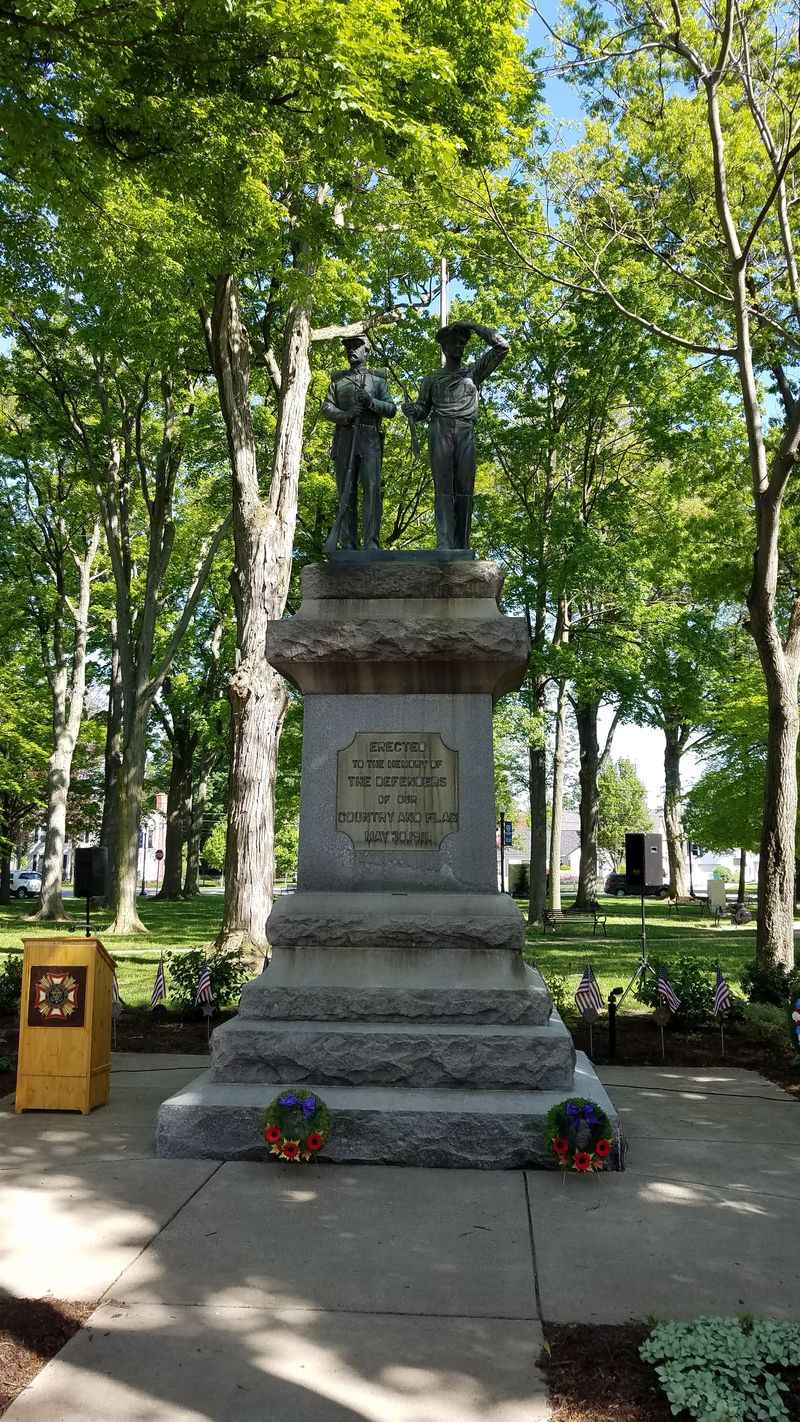
Tucked into a protected inlet, the North East Marina provides berthing for several hundred vessels ranging from modest fishing boats to substantial cruisers capable of open-water passages. The facility operates with quiet efficiency, offering the services boaters require without the resort-like amenities that drive up costs and attract crowds.
Transient slips accommodate visitors arriving by water, a reminder that Lake Erie connects to a broader network of waterways extending from the Atlantic Ocean to the Mississippi River via the Great Lakes and various canal systems. Conversations at the marina reflect this connectivity, with stories of passages to Mackinac Island, Toronto, and points beyond.
Fishing remains central to the marina’s identity, with charter boats departing early to pursue walleye, perch, and smallmouth bass in waters that have rebounded dramatically from the pollution that plagued them decades ago. Anglers who prefer to work from shore find productive spots along the breakwalls and public piers.
The marina area includes a small park with picnic facilities and a boat launch that sees steady use from trailer-borne vessels. It’s a working waterfront rather than a polished destination, which gives it an authenticity that purpose-built resort marinas often lack.
North East’s Historic Lighthouse And Waterfront Charm
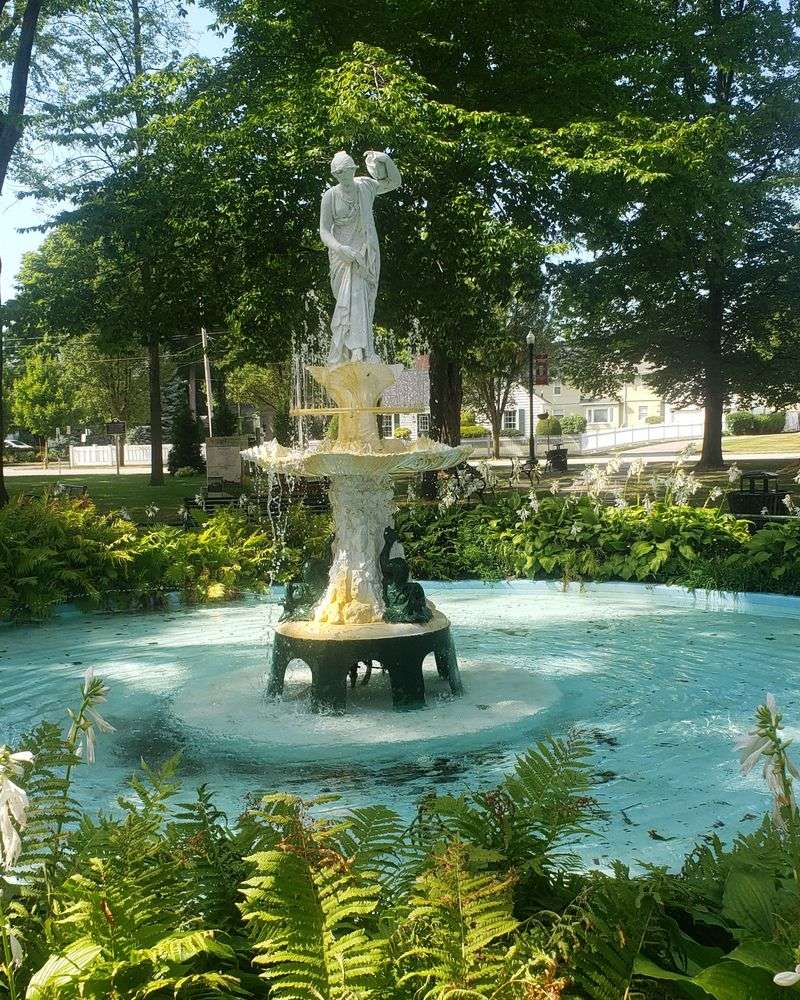
Maritime history manifests most visibly in the North East Light, a structure that has guided vessels along this stretch of Lake Erie since the mid-nineteenth century. Though no longer actively maintained as a navigation aid—modern GPS having rendered such landmarks largely obsolete—the lighthouse remains a distinctive presence along the waterfront.
The building’s architecture reflects the utilitarian aesthetic of its era, when form followed function without unnecessary embellishment. A cylindrical tower rises from a keeper’s dwelling, the whole constructed of materials chosen for durability rather than beauty, though time has lent the structure a certain weathered dignity.
Access to the lighthouse varies depending on restoration work and safety considerations, but even when the interior remains closed, the exterior provides a focal point for waterfront walks. The surrounding area has been developed into a modest park where interpretive signs explain the lighthouse’s history and the broader context of Great Lakes navigation.
Photographers favor the location during golden hour, when angled light emphasizes the texture of the stonework and the lake provides a suitably dramatic backdrop. The lighthouse serves as a tangible connection to an earlier era when maritime commerce shaped the region’s economy.
Festivals And Events That Celebrate Local Culture
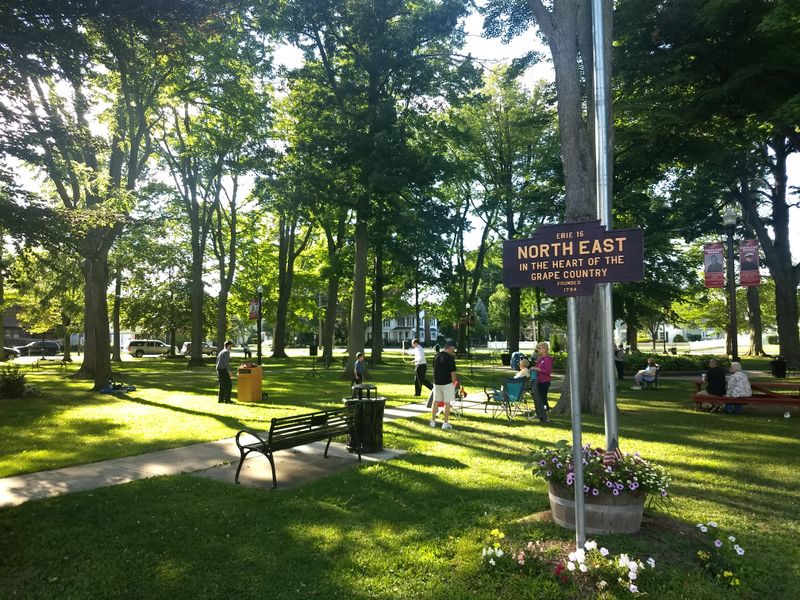
Community celebrations in North East tend toward the agricultural and traditional, reflecting the area’s heritage rather than chasing tourist dollars. The Wine Country Harvest Festival anchors the autumn calendar, drawing visitors who come for tastings, live music, and the chance to experience harvest season without actually working in the vineyards.
Summer brings the Cherry Festival, a multi-day event that celebrates the fruit crop that once dominated local agriculture. Though cherry production has declined from its peak, the festival persists as a combination of nostalgia and genuine community gathering, complete with pie-baking contests, parades, and vendor booths that line the downtown streets.
These events operate at a scale that remains manageable—crowds arrive but never overwhelm, lines form but move reasonably, and the atmosphere stays neighborly rather than commercial. Local organizations use the festivals for fundraising, turning them into civic occasions as much as entertainment.
Smaller events punctuate the calendar throughout the year: farmers markets, art walks, holiday celebrations that follow familiar patterns without feeling formulaic. The borough’s location at 42.2156131, -79.8342163 keeps it just far enough from major population centers to maintain its unhurried character even during festival weekends.
A Peaceful Getaway With Delicious Local Cuisine
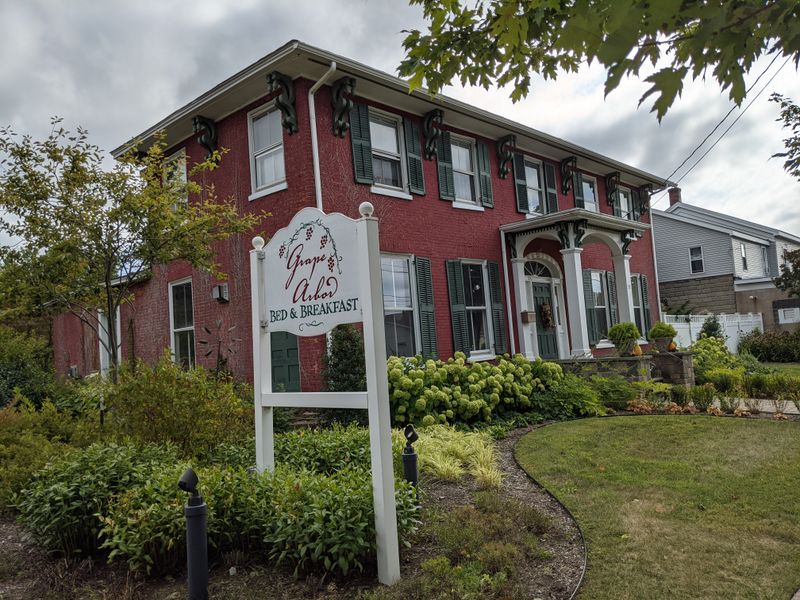
Dining in North East reflects the region’s agricultural abundance and ethnic heritage, with menus featuring locally grown produce and preparations that favor substance over presentation. Family restaurants predominate, the kind of establishments where regulars occupy preferred tables and servers remember orders from previous visits.
Several wineries operate restaurants that pair regional wines with dishes designed to complement rather than compete—simple preparations that allow quality ingredients to speak for themselves. Fresh lake fish appears frequently, prepared in ways that honor Great Lakes culinary traditions without excessive elaboration.
The pace of dining here suits the town’s overall tempo, with meals unfolding without rush and conversation flowing naturally. This isn’t destination dining meant to impress food critics, but rather honest cooking that satisfies without pretension.
Bakeries turn out pies, cookies, and pastries using fruit from nearby orchards, their offerings changing with the seasons as different crops ripen. Small grocers and farm stands provide opportunities to assemble picnic fare, which can be enjoyed at lakeside parks or vineyard grounds.
The overall effect is one of abundance and accessibility, where good food remains affordable and unpretentious, perfectly matching the character of this peaceful Lake Erie community.