
A Stunningly Renovated Greek Orthodox Church With A Remarkable History Sits Quietly In Jackson, Mississippi
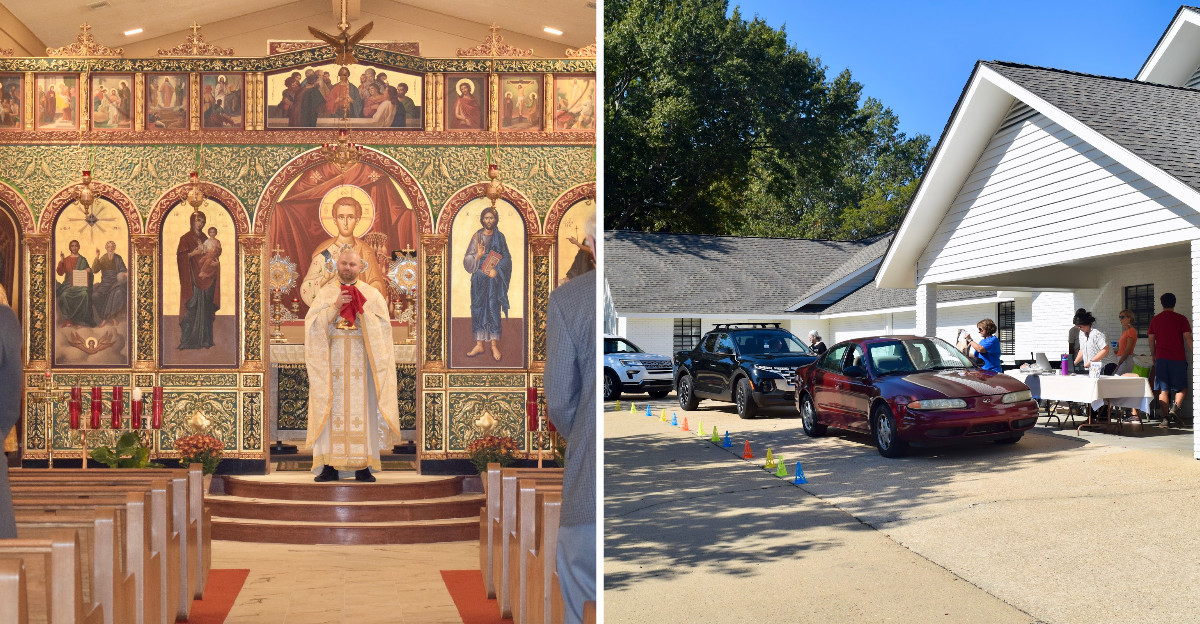
Some of the best surprises in Mississippi hide behind plain roadside signs and quiet parking lots. You pull in expecting nothing special, and then you step inside a room glowing with gold icons and centuries of tradition.
This church carries a story of immigrant families, island roots, and a community that kept building no matter what. If you love places with real history and real heart, this one deserves a slow, curious look.
An Orthodox Parish on Pear Orchard Road
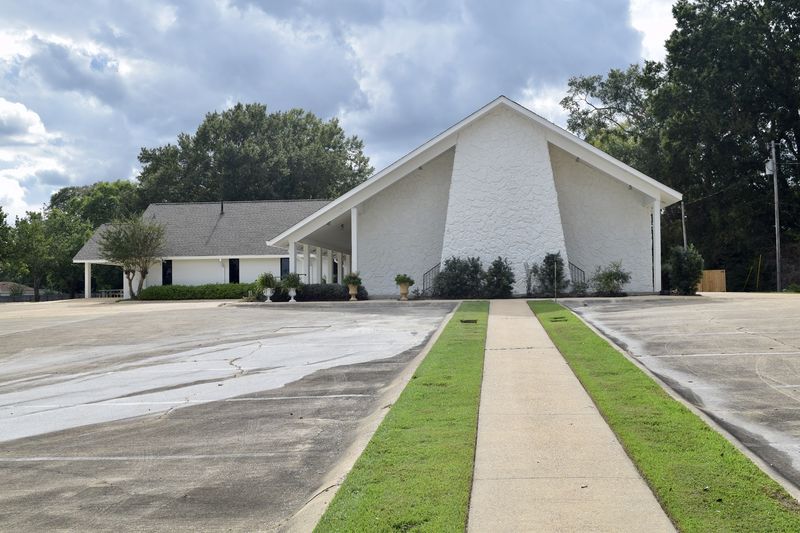
Tucked along a residential stretch of road in northeast Jackson, the building at 5725 S Pear Orchard Road looks calm and unassuming from the street. Drivers heading past might never guess what waits inside.
The parish is Holy Trinity – Saint John the Theologian, a Greek Orthodox community that has served the Jackson area for more than 70 years.
Orthodox Christianity traces its roots to the earliest days of the faith, and the worship here follows patterns that have changed very little over many centuries. Services are full of chant, incense, and rich imagery.
For a first-time visitor, it can feel like stepping into a different part of the world without ever leaving Mississippi.
The campus sits on 5.2 acres, giving it a peaceful, spacious feel compared to busier city churches. Trees and open lawn frame the property, and parking is easy to find.
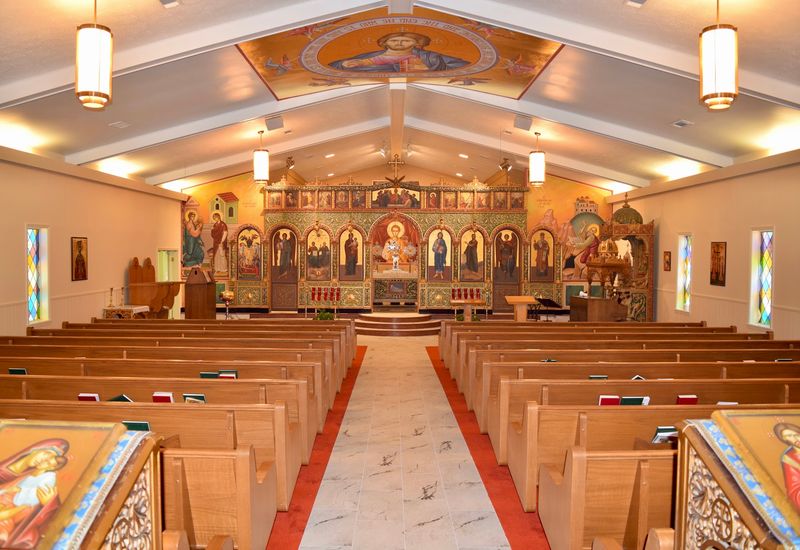
Inside, a recent renovation has brought new life to the worship space, blending old traditions with fresh care and attention.
Whether you come for a Sunday service or simply want to learn about a lesser-known corner of Mississippi history, this parish offers a quiet, welcoming starting point for both.
Roots Planted by Two Immigrant Societies
Back in 1951, a group of Greek immigrants in Jackson decided their community needed a spiritual home. Two groups led the effort: the Patmian Society and the Athenian Society.
Working together, they bought property on West Capitol Street and welcomed the parish’s first priest, Basil Kleoudis.
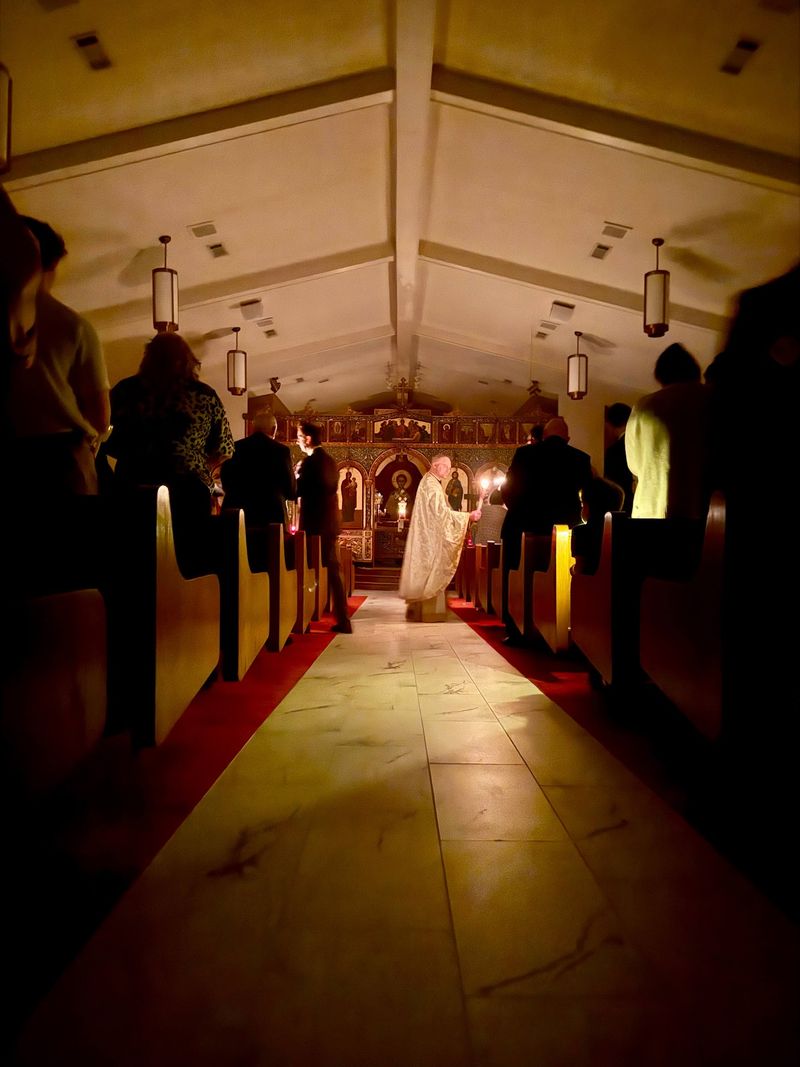
Picture those early gatherings. There was no grand sanctuary yet, so services took place inside an old mansion on the newly purchased land.
Families crowded into rooms that were never designed for worship, yet the prayers and hymns carried on just the same.
Six years later, in 1957, a dedicated church building was finally finished. It must have been a proud moment for families who had saved, planned, and hoped for years.
The formal consecration came later, in September 1973, marking the church as officially set apart for worship.
What stands out about this beginning is teamwork. Two societies, each with its own identity and pride, chose to pool their efforts rather than go separate ways.
Their cooperation laid the foundation for a parish that would outlast its founders and grow into the community that gathers today.
The Story Behind a Double Name
Ever wonder why a church would carry two names at once? Most parishes pick a single saint or feast, but this one proudly holds both Holy Trinity and Saint John the Theologian.
The reason is charmingly human.
According to local history, the founding members simply could not agree on one name. Rather than let the debate split the community, they kept both.
It is a small detail, yet it says plenty about the people who built this place.
Each name carries meaning. The Holy Trinity points to a central belief of the Christian faith, the Father, Son, and Holy Spirit.
Saint John the Theologian is closely linked to the island of Patmos, where tradition holds he received the visions recorded in the Book of Revelation. Since many early members came from Patmos, that connection likely felt deeply personal.
Visitors who learn this backstory often smile at it. A long name on a sign suddenly becomes a reminder of compromise, loyalty to home, and a group of families who valued unity over winning an argument.
Few church names in Mississippi come with a tale quite this relatable.
From Patmos and the Peloponnesus to the Deep South
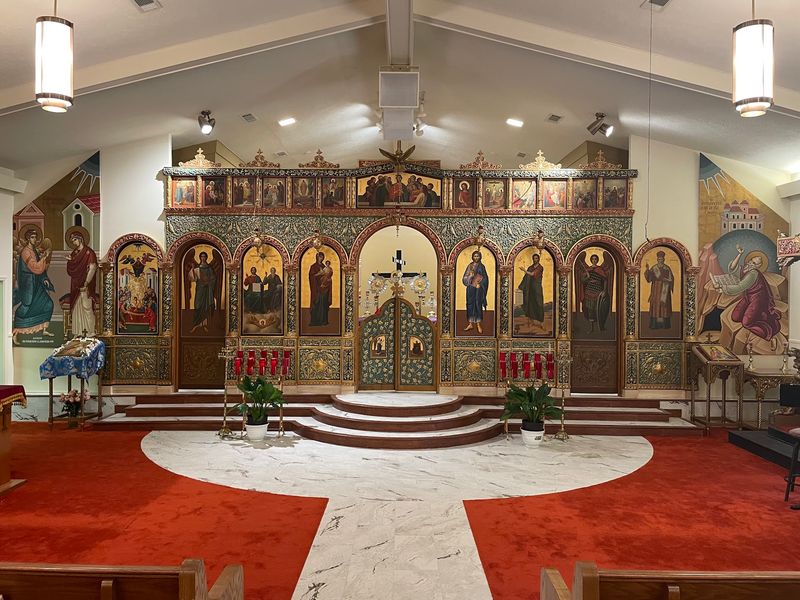
Long before they reached Jackson, many of the parish’s founding families started their journeys on the Greek island of Patmos or in the Peloponnesus region of mainland Greece. These were places of rocky hills, fishing boats, and old village churches.
The road to Mississippi was rarely direct. Plenty of these immigrants spent time first in other Southern cities, including New Orleans, Houston, Tallahassee, and Birmingham.
Little by little, some made their way to Jackson and put down roots.
Once settled, they shaped more than church life. Greek families contributed significantly to the local restaurant industry, feeding generations of Mississippians.
Many people around the city probably ate in a Greek-owned diner or cafe without ever knowing the story behind it.
Through all of this movement, the church stayed at the center. Its yearly calendar of feasts and fasts gave structure to busy lives, connecting families to traditions from home.
Holidays, baptisms, and weddings all revolved around the parish.
Standing inside today, it is easy to sense that long journey. The building may be in Mississippi, but its heart still carries echoes of Aegean islands and Greek hillsides far away.
Icons on the Iconostasis
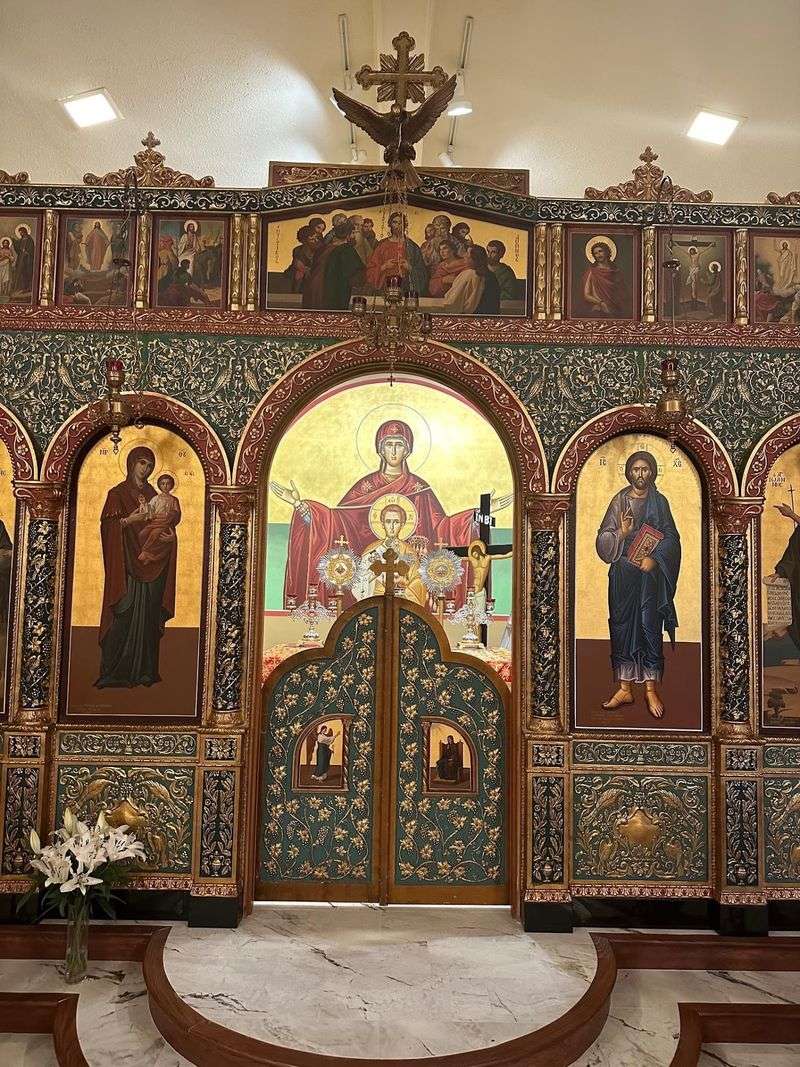
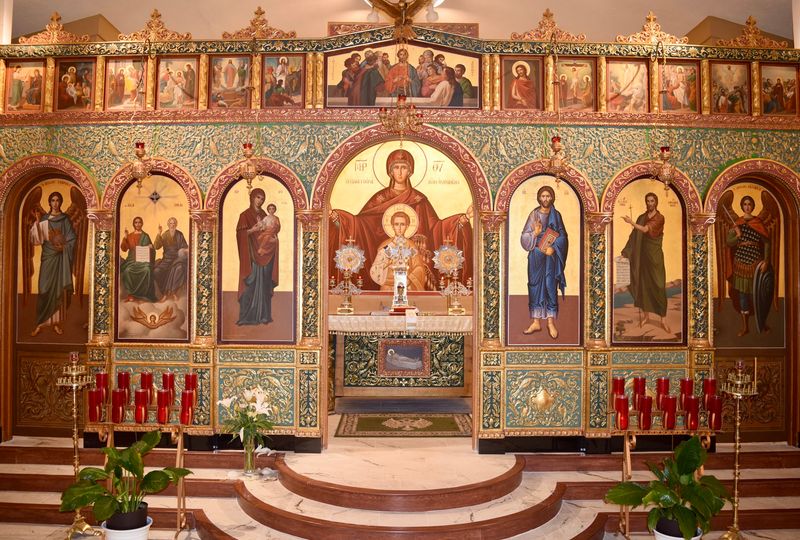
Front and center stands the iconostasis, a screen covered in holy images that separates the sanctuary from the nave where worshippers gather. It is often the first thing that catches the eye.
Key icons appear here in their traditional places. Visitors will find images of the Holy Trinity, the Theotokos, which means Mother of God, Christ, and Saint John the Baptist.
Each one is positioned according to long-standing Orthodox custom, so the arrangement itself carries meaning.
Icons are not just decoration. In Orthodox teaching, they are theological statements, sometimes called windows to heaven.
People venerate them, often with a kiss or a bow, and the honor shown is believed to pass to the saint or event pictured.
Newcomers sometimes feel unsure about how to act around the icons. A simple, respectful approach works fine.
Watching how members light candles and pause before the images can teach a lot without a single word being spoken.
Take time to study the faces and colors. The flat, golden style may feel unfamiliar at first, but it is intentional, meant to show a heavenly reality rather than an everyday scene.
The longer you look, the more the screen seems to speak.
Greek Fest and Community Spirit
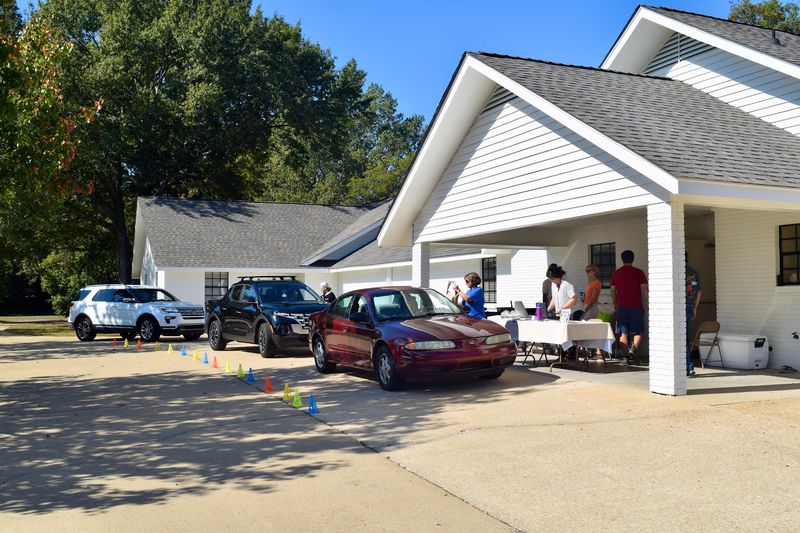
Mention Greek food in Jackson and someone will likely bring up Greek Fest. The annual Jackson Greek Fest is one of the ways the parish raises funds to support the church and its work.
Festivals like this open the doors to the wider city. People who might never attend a service get a taste of Greek culture through food, music, and friendly conversation.
It is a natural fit for a community with deep ties to the local restaurant world.
Behind the scenes, these events take enormous effort. Members cook, organize, set up, and clean up, often over many days.
That shared work builds bonds that carry into regular parish life.
For the church, the festival is about more than money. It is a chance to share heritage, welcome neighbors, and show that a small congregation can make a big, joyful impact.
Many locals mark it on their calendars year after year.
If you are curious about the parish but nervous about walking into a service, the festival offers a relaxed first step. Check the church website for dates and details, then come hungry and ready to meet people who love sharing their traditions.
Warm Faces and a Growing Young Crowd
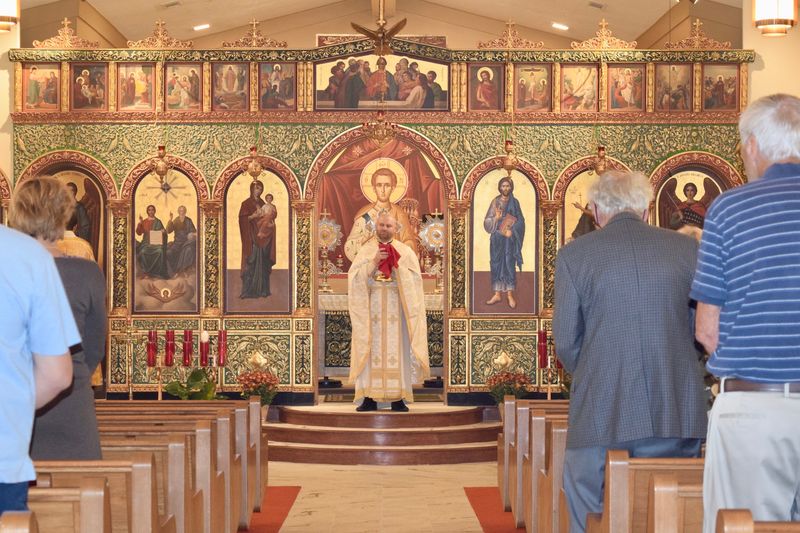
Here is the part that surprises many first-timers: the people. Visitors consistently describe the community as warm and welcoming, the kind of place that makes you feel at home from the moment you walk in.
Size plays a role. The congregation has been described as small, and a few years back the parish was going through a transition to a new priest.
Smaller churches often mean newcomers get noticed, greeted, and remembered quickly.
More recently, guests mention many new faces and a growing young community. That energy suggests the parish is in a healthy season, attracting people who may be discovering Orthodoxy for the first time alongside families with Greek roots.
So who will feel most at home here? History lovers, art admirers, and anyone curious about ancient Christian worship will find plenty to explore.
Seekers looking for a close-knit spiritual family may find even more.
You do not need Greek heritage or prior knowledge to attend. Services may include some Greek, but welcoming members are usually happy to explain what is happening.
A simple hello after the service often leads to coffee, conversation, and a better sense of what makes this parish special.
Hours, Location, and Visiting Tips
Planning ahead makes any visit smoother. The church sits at 5725 S Pear Orchard Road in Jackson, an easy drive from much of the metro area.
Listed hours run Monday through Friday from 9 AM to 4 PM. On Sunday, the doors are open from 9 AM to 1 PM, which covers the main worship time.
Saturday is listed as closed, so skip that day if you hope to stop by.
No admission fee is listed, which is typical for a parish church. If you want a tour or plan to bring a group, contacting the office through the official website at holytrinityjackson.org is a smart move.
Weekday office hours are the best time to reach someone.
A few simple courtesies go a long way. Modest clothing is a good choice, and arriving a little early helps you settle in quietly.
Photography during services is generally best avoided unless permission is given.
Parking on the 5.2-acre property is usually straightforward. Since the setting is residential and calm, keep voices low outside during worship.
With a bit of preparation, your visit can feel relaxed and respectful from start to finish.