
9 Areas In Mississippi With The Highest Cottonmouth Activity This Summer
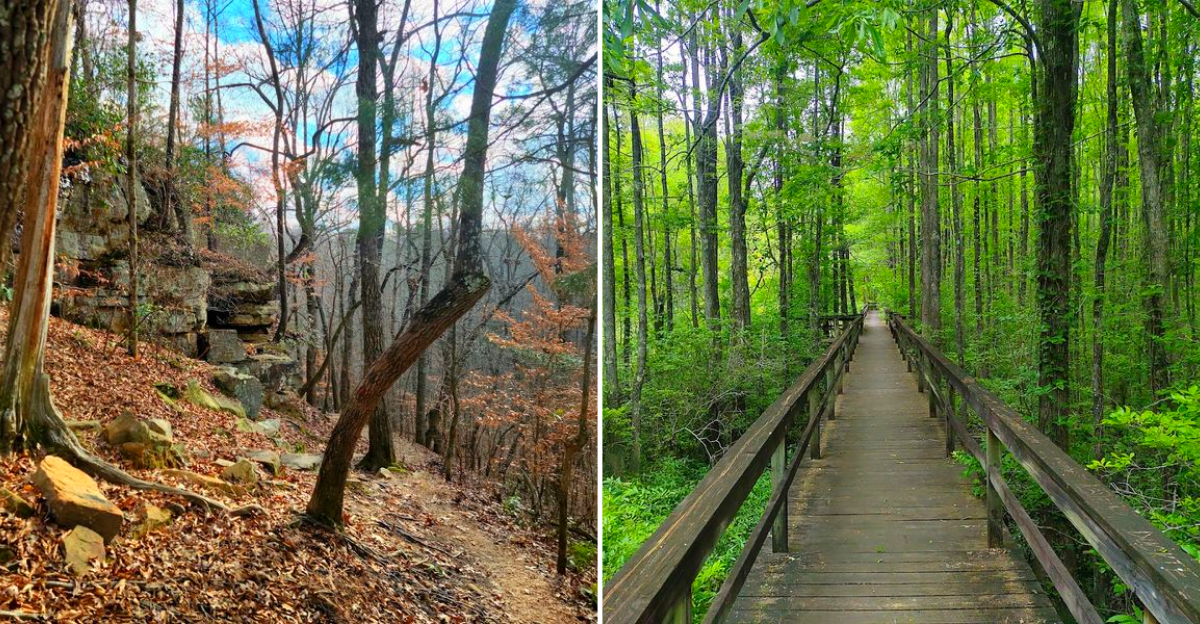
Mississippi water country is beautiful, but it is not always empty. When summer heat settles over swamps, creeks, riverbanks, lakes, marshes, and shaded lowlands, cottonmouths become part of the outdoor equation.
These thick-bodied venomous snakes are strongly tied to water, which means anglers, paddlers, hikers, campers, and anyone wandering near muddy edges should pay attention before stepping too close. The goal is not to panic.
Most encounters happen when people surprise a snake, miss one in the grass, or get careless around logs, brush, and shoreline cover. Knowing where cottonmouth activity tends to be higher can make a day outside feel a lot safer.
Wear sturdy shoes, watch where you place your hands, keep pets close, and give every snake more space than you think it needs. This summer, these Mississippi areas deserve extra caution near the water. Find out why.
1. Sardis Lake, Panola County
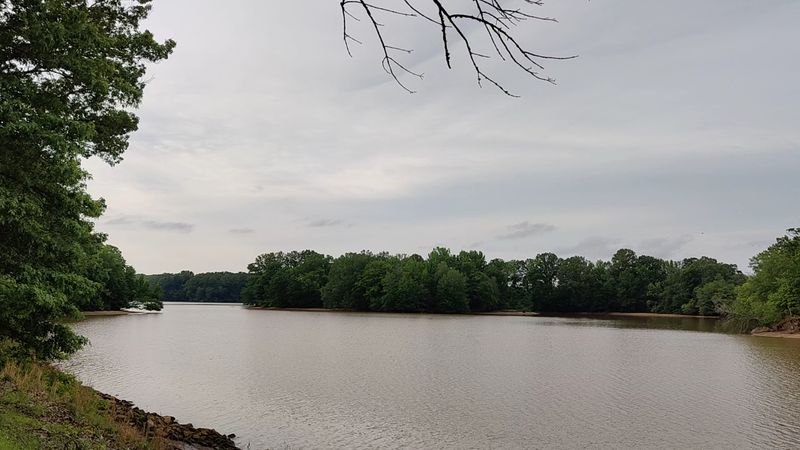
Sardis Lake does not play around when summer rolls in. Stretching across nearly 98,000 acres through Panola, Lafayette, and Marshall counties, this reservoir becomes a hotspot for cottonmouth sightings as soon as temperatures start climbing.
The seasonal drawdowns that happen each spring and early summer expose wide stretches of muddy shoreline, and those banks quickly fill up with frogs, small fish, and birds.
That kind of buffet is basically a five-star invitation for cottonmouths. You can find the lake near the town of Sardis, Mississippi, right off U.S.
Highway 51. The shallow coves and flooded timber zones are where these snakes spend most of their time, either basking in the afternoon sun or hunting after dark.
Anglers and kayakers who frequent the quieter northern arms of the lake tend to report the most encounters. Always scan logs and low-hanging branches before grabbing onto anything near the water.
Cottonmouths are not aggressive by nature, but they will stand their ground if surprised. Give them space, admire them from a respectful distance, and you will both have a much better day out on the water.
2. Enid Lake, Yalobusha County
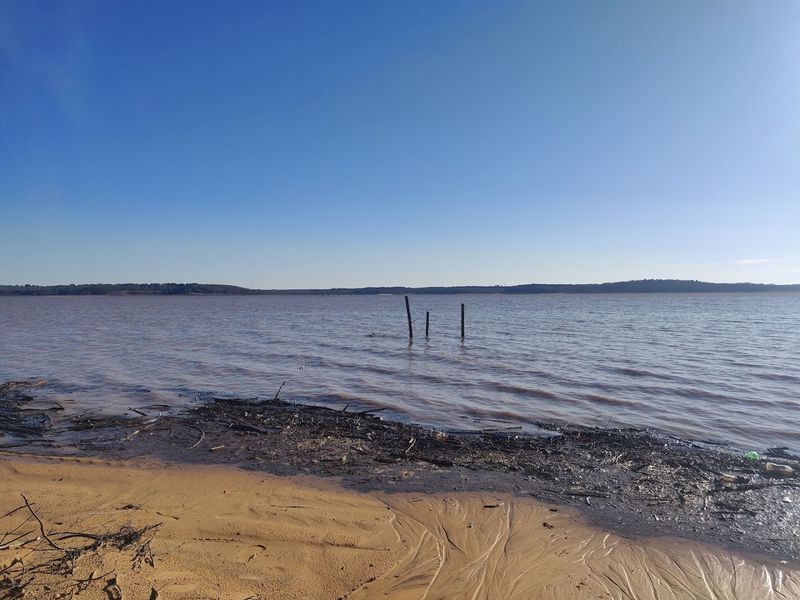
Enid Lake holds a world record for crappie fishing, and honestly, that alone is enough to make it legendary. But the 28,000-acre reservoir in Yalobusha County has another claim to fame that does not show up on any fishing trophy.
The shallow coves, submerged timber, and gently sloping muddy banks here create nearly perfect conditions for cottonmouth activity throughout the summer months.
The lake sits just south of Sardis Lake along the Yocona River system, and its calmer backwater areas are where most snake encounters happen.
Visitors heading toward the Hurricane Landing Recreation Area, off Mississippi Highway 32 near Oakland, should keep a sharp eye along the bank edges.
Flooded brush piles are a favorite resting spot for these reptiles during the heat of the day.
Evening hours tend to bring them closer to the surface as they hunt for frogs and small bream. The good news is that cottonmouths are easy to identify once you know what to look for.
Their thick bodies, triangular heads, and the white interior of their mouths are telltale signs. Respect their space, and your trip to Enid Lake will be memorable for all the right reasons.
3. Grenada Lake, Grenada County
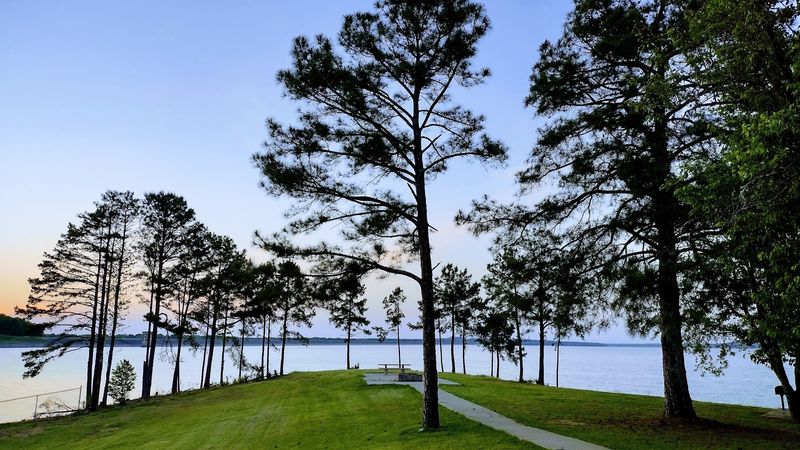
Grenada Lake is one of the largest Army Corps of Engineers reservoirs in Mississippi, covering around 35,000 acres, and it supports an ecosystem that is genuinely thriving. Cottonmouths aside, you have plenty to see here.
But back to the topic, that thriving ecosystem includes a healthy population of cottonmouths that know exactly how to make the most of all that warm, productive water.
The flooded timber zones and backwater sloughs here are prime snake territory from May straight through September.
Hikers exploring the Lost Bluff Trail near the dam have reported cottonmouth sightings along the trail’s more heavily wooded and water-adjacent sections. The trailhead is accessible near Grenada, Mississippi, just off U.S.
Highway 51. The snake population benefits from the lake’s rich food web, which keeps frogs, small fish, and rodents in good supply year-round.
Grenada Lake is managed by the Mississippi Department of Wildlife, Fisheries, and Parks, and it draws serious outdoor enthusiasts from across the region.
Whether you are fishing the main channel or paddling through the upper reaches of the Yalobusha River arm, keep your awareness sharp near the banks.
Cottonmouths are skilled ambush hunters and blend into their surroundings with remarkable effectiveness. A slow, observant pace will serve you well here.
4. Tishomingo State Park, Tishomingo County
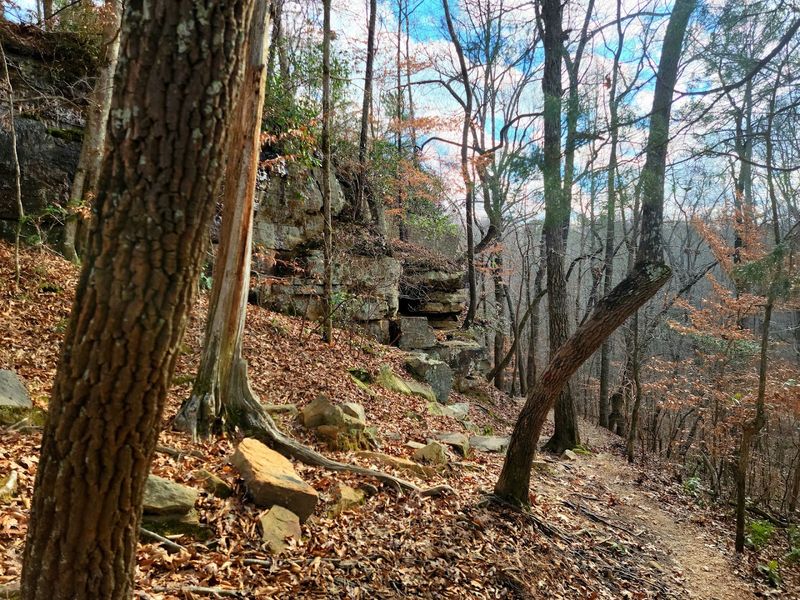
Tishomingo State Park sits in the foothills of the Appalachian Mountains in the far northeastern corner of Mississippi, and it is genuinely one of the most visually striking parks in the entire state.
Bear Creek winds through the park’s sandstone canyons and rock outcroppings, creating a series of pools, shoals, and shaded banks that stay cool enough to attract wildlife all summer long.
Cottonmouths are a known presence throughout this watershed.
The park is located along Mississippi Highway 364 near the town of Tishomingo, and it draws campers, hikers, and canoeists in large numbers each summer season.
Any section of Bear Creek where water slows down and vegetation crowds the banks is worth approaching with caution.
Cottonmouths favor exactly those kinds of shaded, slow-moving spots for hunting and resting.
Rock outcroppings near water are another favorite hangout, since the warm stone helps them regulate body temperature efficiently.
The swinging bridge over Bear Creek is a popular photo spot, but keep your eyes on the water below and the banks on either side before leaning over the railing.
Tishomingo rewards careful observers with incredible wildlife encounters, and a cottonmouth sighting in that canyon setting is genuinely unforgettable.
5. JP Coleman State Park And Pickwick Lake, Tishomingo County
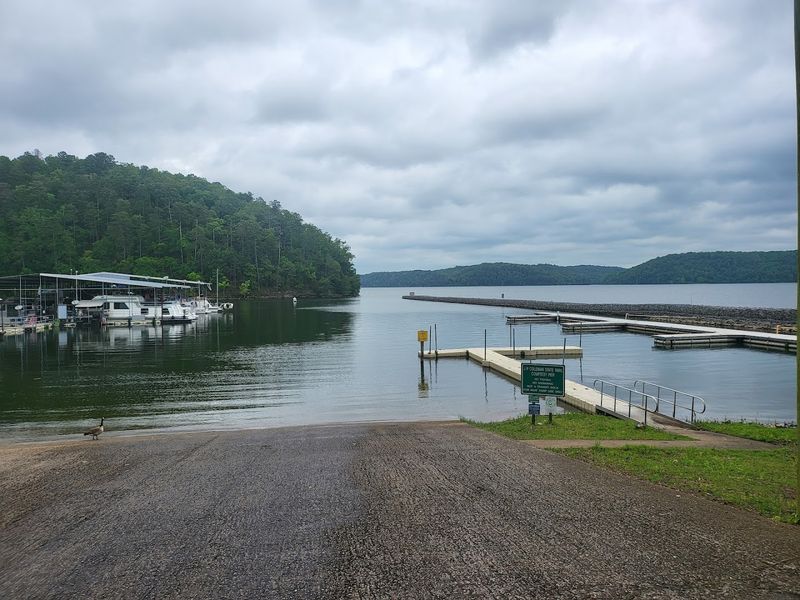
Pickwick Lake has a well-earned reputation as one of the most wildlife-rich bodies of water in the entire region, and cottonmouths are very much part of that reputation.
The lake is shared between Mississippi, Tennessee, and Alabama, but the Mississippi shoreline near JP Coleman State Park sees consistent snake activity throughout the warmer months.
The park itself sits right on the water, making close encounters more likely than at many other locations.
JP Coleman State Park is at 613 County Road 321 in Iuka, Mississippi, and it offers cabins, boat launches, and some genuinely beautiful lake views.
The rocky shoreline and wooded coves around the park provide ideal basking spots and hunting grounds for cottonmouths during daylight hours.
After sunset, they shift toward shallower water to pursue fish and frogs more actively.
Pickwick Lake also hosts pygmy rattlesnakes and timber rattlesnakes, which means snake awareness is simply part of the culture here among regular visitors. Locals tend to be well-versed in giving all three species a wide berth without much drama.
First-time visitors should stick to established paths, avoid reaching under rocks or logs near the waterline, and always check before sitting down on anything near the bank.
6. Pearl River Floodplain, South Of Jackson
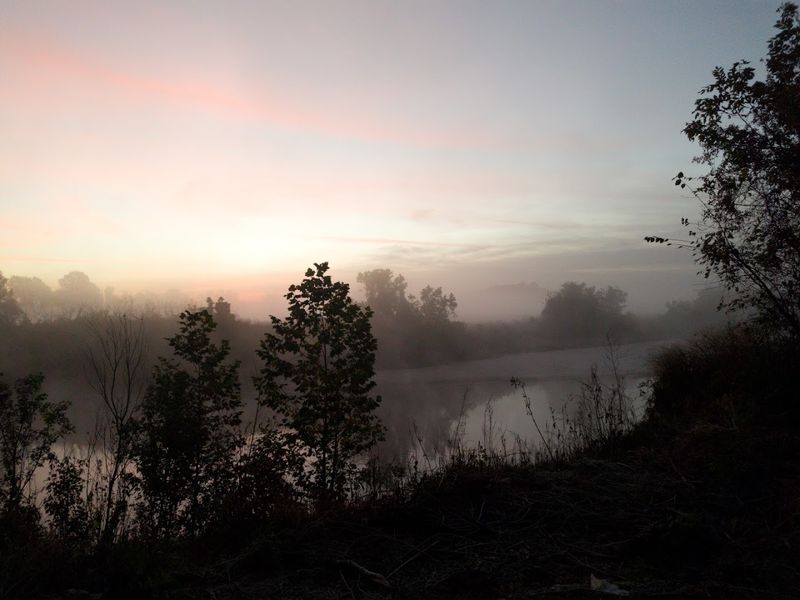
The Pearl River floodplain south of Jackson is one of those places that feels genuinely wild, even though it sits right next to a major metropolitan area.
Seasonal flooding along the Pearl River creates a shifting network of oxbow lakes, backwater sloughs, and cypress-lined channels that change shape with every heavy rain.
That constantly renewing landscape keeps prey populations high and cottonmouths extremely active throughout summer.
Areas along the river corridor between Jackson and Monticello, accessible via various county roads branching off U.S. Highway 51 and Mississippi Highway 18, see some of the most consistent cottonmouth activity in the central part of the state.
The shaded banks of oxbow lakes are particularly productive hunting grounds for these snakes during the hottest parts of the day.
Kayakers and anglers who work the backwater channels regularly report cottonmouth encounters on overhanging branches and partially submerged root systems.
The Ross Barnett Reservoir just north of Jackson feeds into this broader river system and adds even more productive wetland habitat to the mix.
If you paddle through here, treat every log as potentially occupied and every low branch as something to duck under rather than grab. The floodplain is spectacular, and it plays by its own rules.
7. Gulf Islands National Seashore And Mississippi Barrier Islands
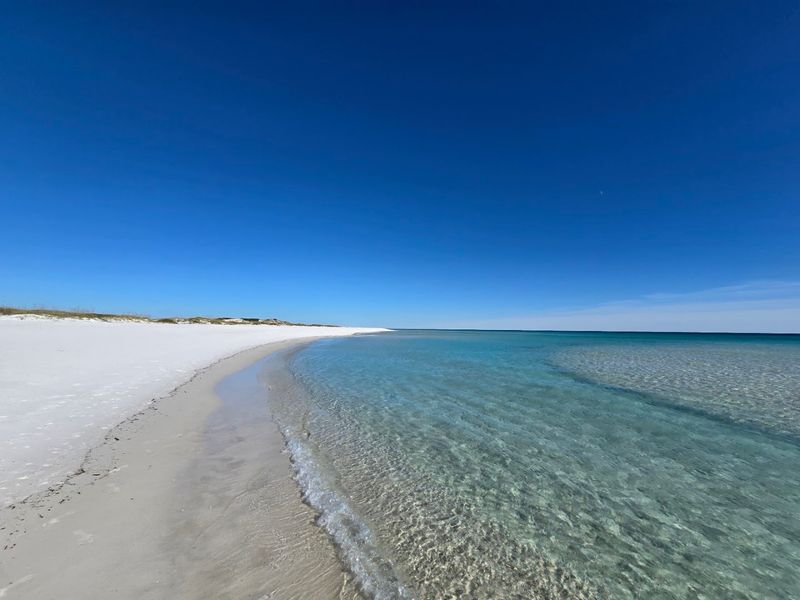
Most people do not think of barrier islands and coastal marshes when they picture cottonmouth habitat, but Mississippi’s Gulf Coast tells a different story.
Gulf Islands National Seashore encompasses a stretch of barrier islands and coastal wetlands along the Mississippi Gulf Coast, including Cat Island, Ship Island, Horn Island, and Petit Bois Island.
Northern cottonmouths have been documented on several of these islands, thriving in the brackish marshes and tidal wetland edges.
Cottonmouths are remarkably capable swimmers and have no trouble crossing open water between the mainland and the islands. The brackish marshes along the coast provide steady food sources in the form of saltmarsh fish, frogs, and small crabs.
Morning hours near the marsh edges tend to produce the most sightings, particularly during summer when snake activity peaks with rising temperatures.
The national seashore is managed by the National Park Service, and visitors accessing the islands via ferry from Ocean Springs or Gulfport should be aware of the local wildlife before wandering into marshy areas.
A cottonmouth in a coastal marsh setting is one of the more striking wildlife sightings Mississippi has to offer.
Flat light over salt grass and a thick moccasin moving through shallow tidal water is a scene you genuinely do not forget.
8. Percy Quin State Park, Pike County
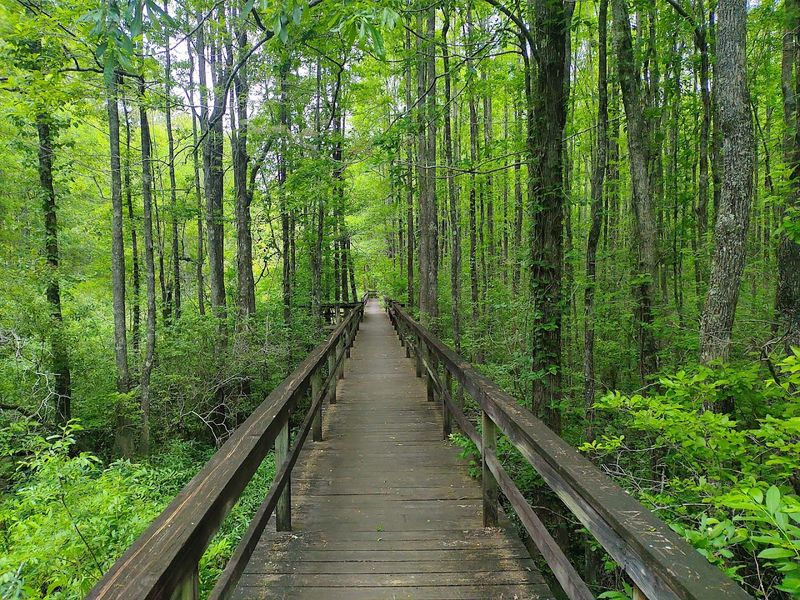
Percy Quin State Park in Pike County is one of those places that feels like a well-kept secret, even though it has been drawing outdoor enthusiasts for decades.
The park centers around Lake Tangipahoa, a peaceful reservoir fed by the Tangipahoa River, and the combination of slow-moving water, dense bankside vegetation, and abundant prey makes it a natural fit for cottonmouth activity throughout the summer season.
The park is conveniently accessible from Interstate 55 at exit 13, near the city of McComb in southern Mississippi. Fishing piers, boat ramps, and shoreline walking paths all bring visitors into close proximity with the habitat that cottonmouths prefer.
Dense emergent vegetation along the lake margins and shaded root tangles near the water are the spots where encounters are most likely to occur.
Pike County sits in the southern part of the state, where warm temperatures arrive early and linger late, giving cottonmouths an extended active season compared to northern Mississippi locations.
Campers who stay overnight near the lake should always use a flashlight when walking near the water after dark.
Cottonmouths hunt actively at night during summer, and they are far less visible in low light than they are in the middle of a bright afternoon on the water.
9. Grand Bay National Estuarine Research Reserve, Jackson County
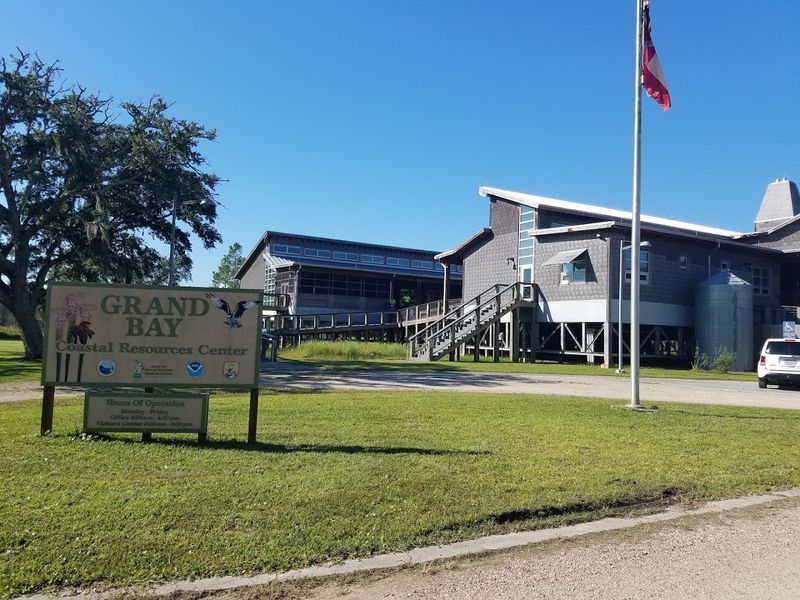
Grand Bay National Estuarine Research Reserve in Jackson County is the kind of place that reminds you just how layered and complex Mississippi’s coastal ecosystems truly are.
Salt marshes, tidal creeks, maritime forests, and freshwater wetlands all overlap here in a mosaic of habitats that supports an extraordinary range of wildlife.
Cottonmouths are a well-established part of that wildlife community, thriving in the brackish transition zones where fresh and salt water meet.
The reserve is at 6005 Jackson County Road 63 in Moss Point, Mississippi, and it serves as both a research site and a public natural area.
Tidal creek edges and the borders between salt marsh and upland forest are the most productive areas for cottonmouth sightings during summer.
Their ability to tolerate brackish conditions gives them a competitive advantage in this coastal environment that few other snake species share.
Researchers and birders who spend time here year-round have come to treat cottonmouth encounters as a routine part of the experience rather than a surprise.
The reserve offers walking trails and observation platforms that keep visitors at a comfortable distance from the most sensitive habitats.
Going slow, staying on marked paths, and watching where you step near any water feature will make your visit both safe and genuinely rewarding in a place this ecologically rich.