
10 Beautiful Wisconsin Gardens And Arboretums To Explore This Spring
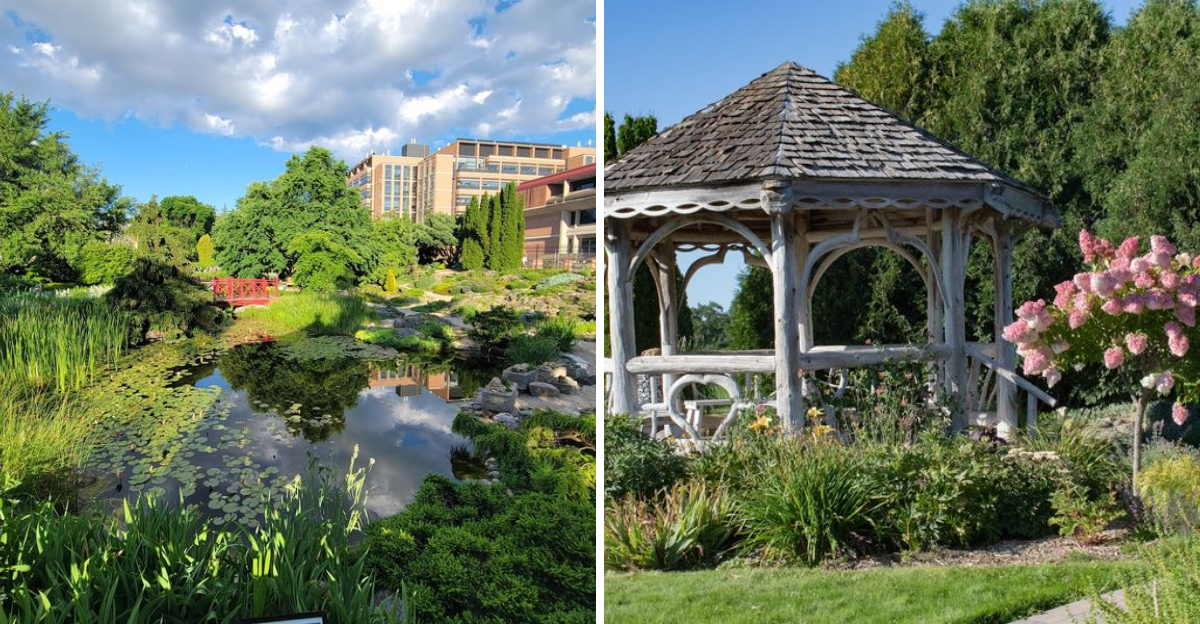
Spring in Wisconsin transforms the landscape into a vibrant tapestry of color, and there’s no better way to experience this seasonal magic than by visiting some of the state’s most stunning gardens and arboretums. From sprawling botanical collections to intimate horticultural displays, these green spaces offer the perfect escape from everyday life while showcasing the incredible diversity of plant life that thrives in the Midwest.
Pack a picnic, grab your camera, and get ready to discover ten remarkable destinations that will make you fall in love with Wisconsin’s natural beauty all over again.
1. Olbrich Botanical Gardens (Madison)
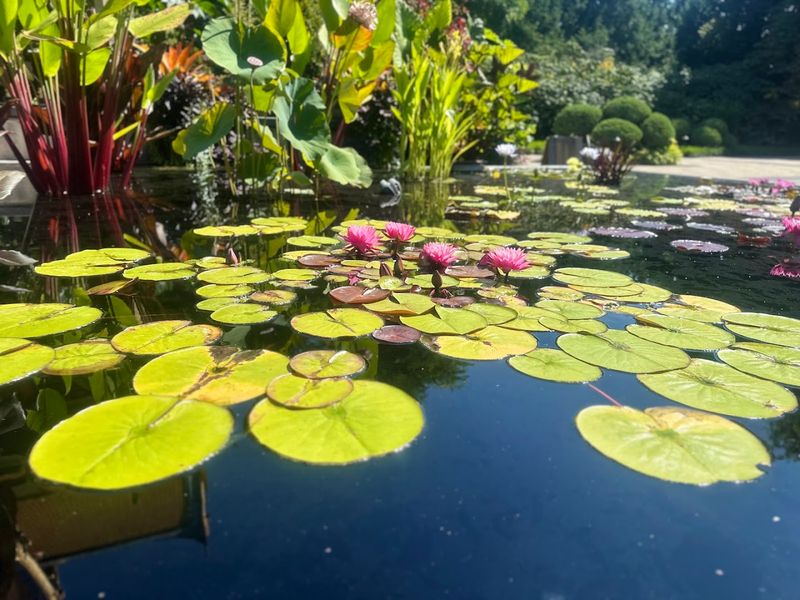
Walking through Olbrich feels like stepping into a living postcard. Sixteen acres of outdoor gardens burst with spring blooms starting in April, when thousands of tulips paint the landscape in brilliant reds, yellows, and purples.
The sunken garden alone features over 750 varieties of plants that create layer upon layer of texture and color.
What really sets this place apart is the authentic Thai Pavilion sitting peacefully beside the pond. It’s the only one of its kind in the continental United States, gifted by the Thai government and absolutely breathtaking when surrounded by flowering magnolias and cherry trees.
You can wander the winding paths for hours, discovering new corners filled with rock gardens, rose collections, and perennial borders.
The indoor Bolz Conservatory houses a tropical rainforest complete with a waterfall, exotic birds, and plants from around the world. Spring mornings here are particularly magical when the light filters through the glass pyramid structure.
Best part? Admission to the outdoor gardens is completely free, making this a budget-friendly destination for families and solo explorers alike.
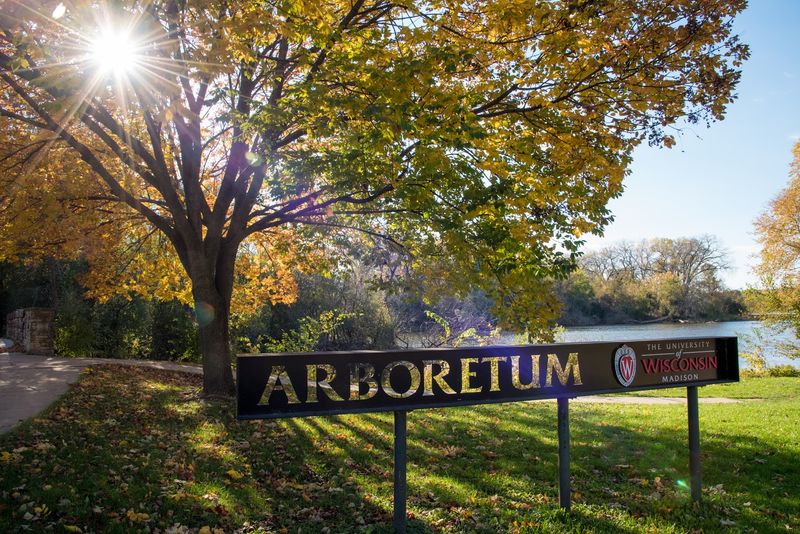
2. University Of Wisconsin–Madison Arboretum (Madison)
Curtis Prairie at the UW Arboretum holds a special place in ecological history as the world’s oldest restored prairie. Standing among the wildflowers and native grasses in spring feels like time traveling to pre-settlement Wisconsin.
Purple pasque flowers emerge first, followed by waves of lupines and prairie smoke that create an ever-changing display throughout the season.
The arboretum spans over 1,200 acres with distinct ecological communities including forests, wetlands, and savannas. Spring brings migrating birds back to the wetlands, making it a paradise for birdwatchers who come equipped with binoculars and field guides.
The woodland trails explode with trilliums, bloodroot, and hepatica carpeting the forest floor beneath budding oak canopies.
Educational programs run throughout spring, teaching visitors about native plant restoration and ecological management. The visitor center offers maps highlighting the best spring viewing areas, and the staff genuinely loves sharing their knowledge about Wisconsin’s natural heritage.
Parking is free, and the extensive trail network means you can visit repeatedly without covering the same ground twice.
3. Green Bay Botanical Garden (Green Bay)
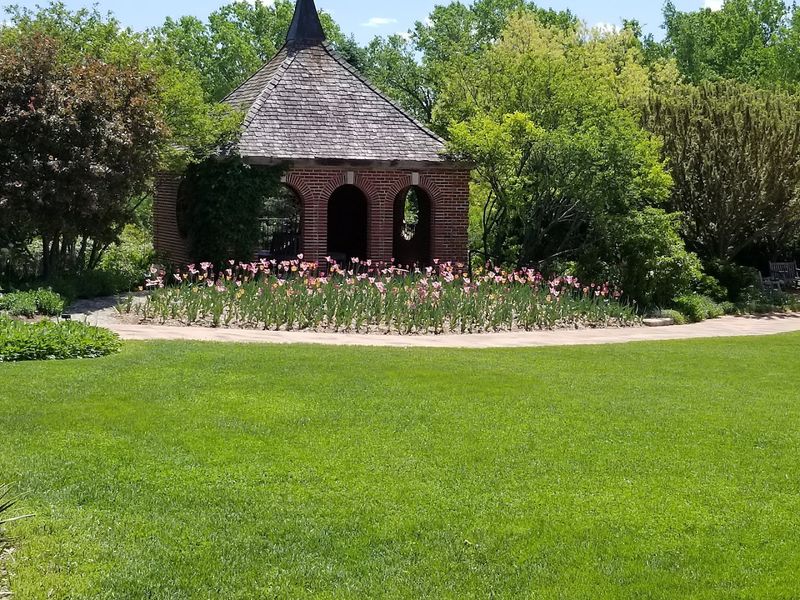
Green Bay’s botanical treasure sits on 47 acres of meticulously designed gardens that come alive with spring’s arrival. The formal garden beds near the entrance showcase carefully planned color combinations that would make any painter jealous.
Thousands of spring bulbs create ribbons of color that wind through the landscape, punctuated by flowering crabapples and ornamental pears.
Four-season gardens demonstrate what’s possible in Wisconsin’s challenging climate, inspiring home gardeners with practical ideas they can replicate in their own yards. The children’s garden features interactive elements that make learning about plants fun for younger visitors, while the rose garden begins its show in late spring with early bloomers.
Water features throughout the property add a peaceful soundtrack to your stroll.
Special spring events include guided walks led by master gardeners who share insider tips on everything from soil preparation to pest management. The on-site cafe serves lunch with ingredients from the garden when available, and the gift shop stocks an impressive selection of gardening books and locally made crafts.
Membership pays for itself after just a few visits and includes access to reciprocal gardens nationwide.
4. Rotary Botanical Gardens (Janesville)
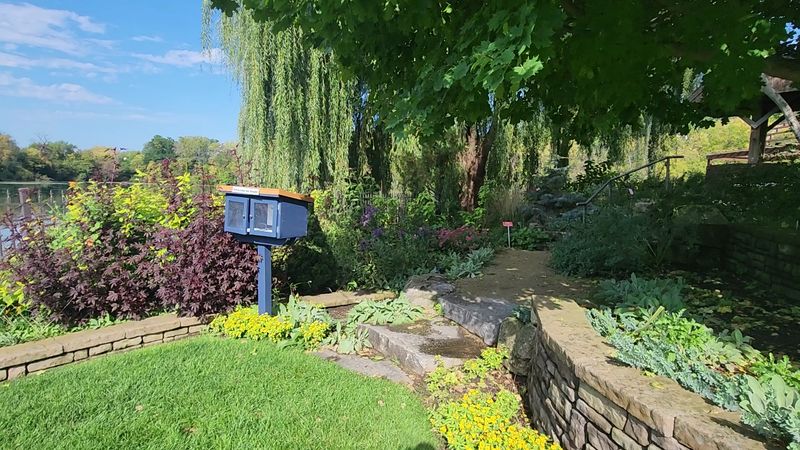
Twenty themed gardens packed into 20 acres might sound impossible, but Rotary Botanical Gardens pulls it off beautifully. Spring in the Japanese Garden is particularly spectacular when the cherry trees bloom, their delicate pink petals floating down to the koi pond below like confetti.
Stone lanterns and carefully pruned evergreens create a sense of tranquility that makes the outside world disappear completely.
The English Cottage Garden bursts with personality as spring perennials push through the soil, promising the riot of color that will follow in summer. French, Italian, and sunken gardens each have their own character, offering completely different experiences within a single visit.
Volunteers maintain these spaces with obvious pride, and their dedication shows in every perfectly edged bed and weed-free pathway.
Parker Pond attracts waterfowl during spring migration, adding wildlife viewing to the botanical experience. Benches positioned throughout invite you to sit and simply soak in the beauty, making this an ideal spot for meditation or quiet contemplation.
The gardens are free to visit year-round, supported entirely by donations and the Janesville community’s commitment to maintaining this horticultural gem.
5. Boerner Botanical Gardens (Hales Corners)
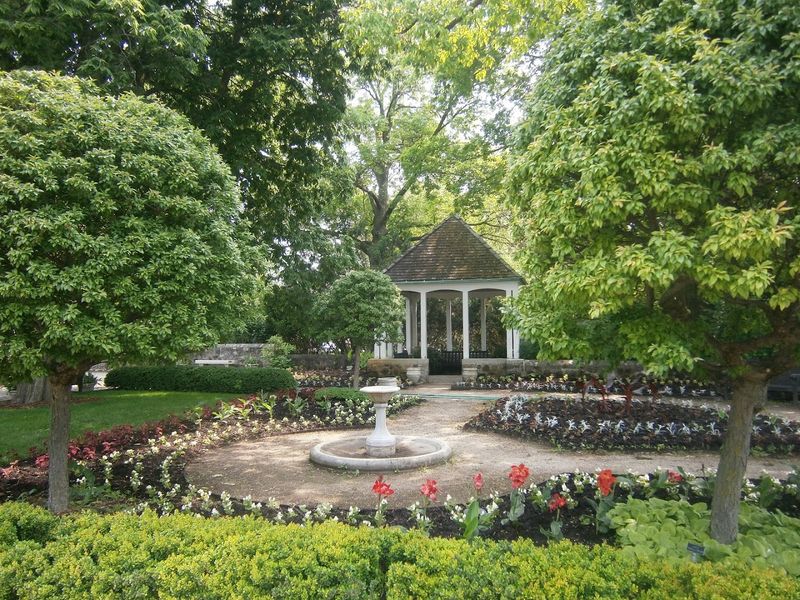
Nestled within Whitnall Park, Boerner Botanical Gardens represents classic American garden design at its finest. Spring bulb displays follow a carefully orchestrated schedule, with early crocuses giving way to daffodils, then tulips, creating continuous color from March through May.
The formal rose garden, though not yet in full bloom during early spring, shows promise with emerging foliage and the first brave buds.
Designed in the 1930s, the gardens maintain their historical character while incorporating modern horticultural practices. The trial garden tests new plant varieties for Wisconsin conditions, giving visitors a preview of what might become tomorrow’s garden favorites.
Crabapple collections put on a stunning show in late April and early May, their fragrant blossoms attracting both pollinators and photographers.
Education Center programs offer workshops on spring gardening topics like starting seeds, dividing perennials, and attracting beneficial insects. The surrounding park provides additional recreational opportunities including hiking trails and picnic areas, making it easy to spend an entire day here.
Spring weekends can get busy, so arriving early ensures peaceful exploration and the best light for photography enthusiasts.
6. Mitchell Park Horticultural Conservatory (Milwaukee)
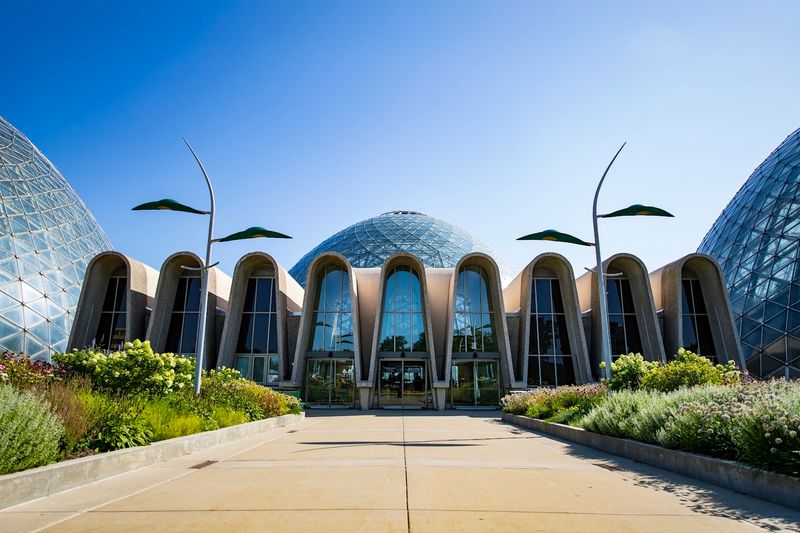
Three giant glass domes rising from Milwaukee’s skyline house entirely different worlds under their geodesic structures. The Tropical Dome transports you to a steamy jungle regardless of Wisconsin’s unpredictable spring weather outside.
Banana plants, orchids, and towering palms create a lush canopy, while colorful birds add movement and song to the immersive experience.
The Show Dome changes its display five times yearly, and the spring show typically features elaborate themed gardens with thousands of blooming plants arranged in creative designs. Past shows have included butterfly gardens, Easter displays, and celebrations of spring festivals from around the world.
The Desert Dome provides stark contrast with its collection of cacti and succulents, many of which bloom in spring with surprisingly delicate flowers.
Located in a residential neighborhood, the Domes serve as Milwaukee’s year-round garden destination when outdoor spaces lie dormant. The consistent climate inside means you can plan your visit without worrying about weather cancellations or muddy trails.
Affordable admission and central location make this accessible for locals and tourists alike, and the unique architecture alone is worth the trip.
7. Allen Centennial Garden (Madison)
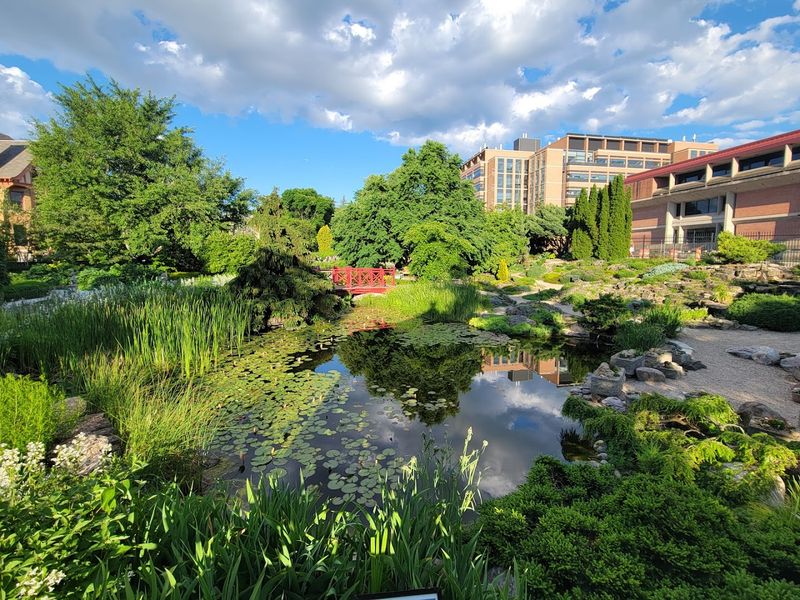
Tucked behind the Biochemistry Building on UW-Madison’s campus, Allen Centennial Garden serves as both a teaching laboratory and a public treasure. Student horticulturists maintain the 2.5-acre space, testing plant combinations and sustainable gardening techniques that inform their studies.
Spring brings out the bulb collection in force, with unusual varieties you won’t find in typical garden centers.
The perennial borders demonstrate sophisticated color theory and bloom succession planning. Watching the garden transition from early spring ephemerals to late spring bloomers provides a masterclass in garden design.
Detailed plant labels identify everything, making this an invaluable resource for gardeners looking to expand their plant knowledge and find new additions for their own landscapes.
Because it’s a working garden attached to the university, you might encounter students conducting research or maintenance while you visit. This behind-the-scenes glimpse into professional horticulture adds educational value beyond simple aesthetic appreciation.
The garden is free and open to the public daily, though parking on campus can be challenging during the academic year. Early morning visits on weekends offer the most peaceful experience.
8. Paine Art Center And Gardens (Oshkosh)
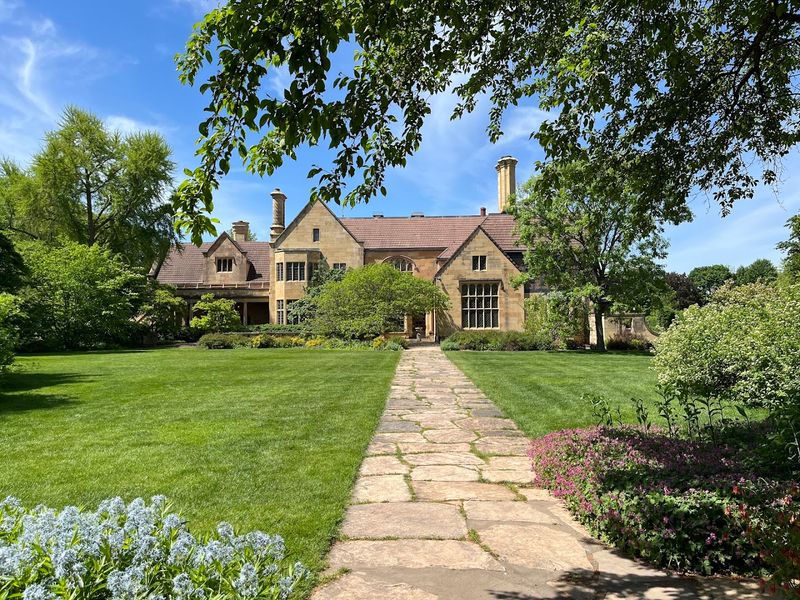
Imagine a grand English country estate transplanted to the shores of Lake Winnebago. The Paine Art Center delivers exactly that, combining fine art collections with exquisite gardens that reflect the vision of lumber baron Nathan Paine and his wife Jessie.
Spring transforms the grounds into a painter’s palette with carefully planned beds that echo the estate’s 1920s elegance.
The formal gardens feature geometric beds filled with spring annuals and bulbs arranged in patterns that look like living tapestries when viewed from the mansion’s upper windows. Mature trees throughout the property provide structure and shade, their spring blossoms adding vertical interest to the landscape.
The rose garden, though just beginning its season, shows the careful pruning and preparation that will yield summer’s spectacular display.
Inside the Tudor Revival mansion, rotating art exhibitions complement the outdoor experience, making this a cultural destination beyond just gardens. The combination of art and horticulture creates a refined atmosphere that feels special without being stuffy.
Spring concerts and garden tours add programming that deepens appreciation for both the historic property and its continued relevance to the Oshkosh community.
9. Cofrin Memorial Arboretum (Green Bay)
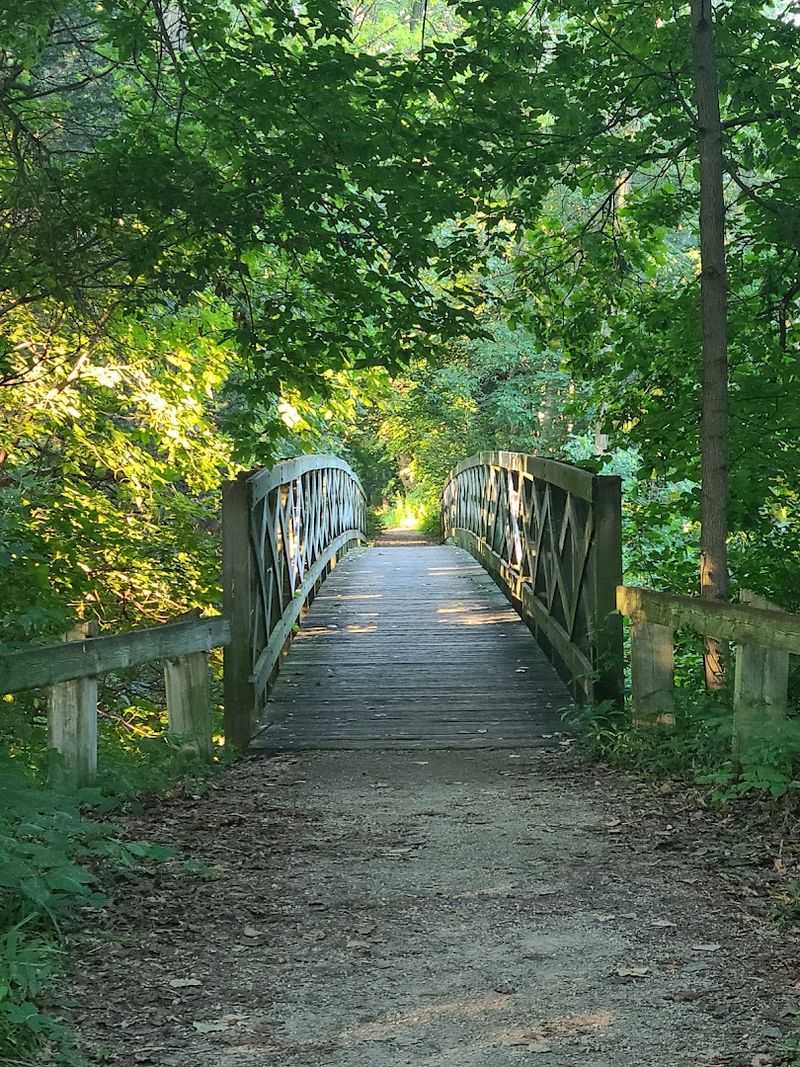
UW-Green Bay’s campus arboretum takes a different approach than formal botanical gardens, focusing instead on ecological restoration and native plant communities. Nearly 300 acres of forests, wetlands, and prairies provide habitat for wildlife while serving as an outdoor classroom.
Spring wildflower walks reveal carpets of trilliums, marsh marigolds, and wild ginger hidden beneath the forest canopy.
The arboretum’s naturalistic approach means trails can be muddy during spring snowmelt, so waterproof boots are essential gear. This minor inconvenience is rewarded with authentic Wisconsin ecosystems that feel wild and untamed despite being surrounded by campus buildings.
Bird migration season brings warblers, thrushes, and other species stopping to refuel during their northward journey.
Educational signage along the trails explains restoration techniques and ecological concepts, making every walk a learning opportunity. The arboretum demonstrates how native plants adapted to Wisconsin’s climate require less maintenance than traditional ornamental gardens, inspiring sustainable landscaping choices.
Student research projects ongoing throughout the property add scientific value to the recreational and aesthetic benefits. Free parking and trail access make this an easy addition to any Green Bay itinerary.
10. The Garden Door (Sevastopol)
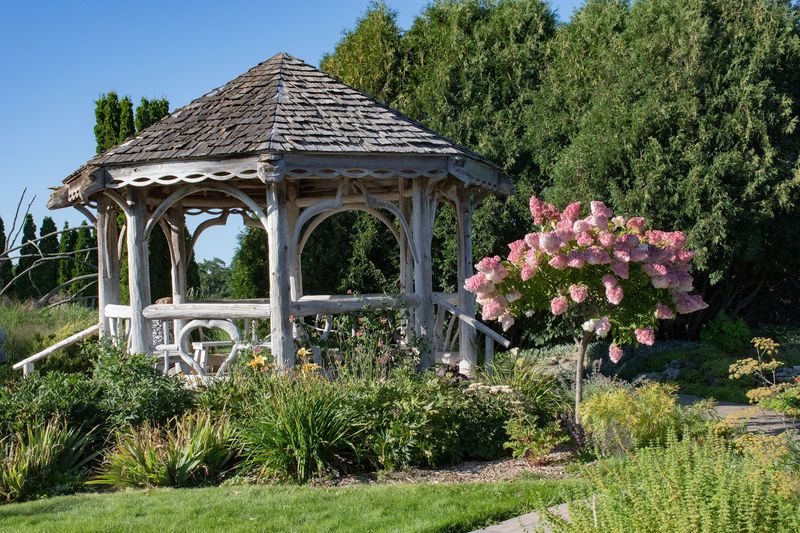
Door County’s agricultural heritage comes alive at The Garden Door, where fruit orchards double as spectacular spring gardens. Cherry and apple blossoms transform the property into a fragrant wonderland during late April and May, their white and pink petals creating clouds of color against blue skies.
This working farm and winery offers a completely different garden experience focused on productive landscapes rather than purely ornamental displays.
The farm-to-table cafe serves meals featuring ingredients grown on the property, allowing you to literally taste the garden. Spring menus highlight fresh greens, herbs, and early vegetables that showcase what’s possible in Door County’s unique microclimate.
Wine tastings feature fruit wines made from the same trees that bloom around you, creating a direct connection between the landscape and the glass.
Wandering the orchard rows during bloom time feels almost magical, especially when bees fill the air with their industrious buzzing. The rural setting provides panoramic views across the peninsula, reminding visitors that gardens aren’t limited to formal beds and manicured lawns.
This agricultural approach to beautiful landscapes offers inspiration for anyone interested in edible gardening or permaculture design principles applied at a commercial scale.