
Bonaire: Small Caribbean island beloved by divers
By Eileen Ogintz
Tribune Content Agency
Taking the Kids
Julian Hiles had never heard of the small Caribbean island of Bonaire. But the British dad was looking for a place where his family, including two teens, could dive. Their instructor in England suggested Bonaire.
“So here we are, and it’s great,” he said.
“I really like it,” agreed Corrin Hiles, 16. “My sister gets excited about everything we see and then we talk about it … and she is a lot more sporty than me so it’s nice to have something we can do together.”
“There are so few sports you can really share as a family,” added Julian Hiles, as opposed to just watching the kids as they play sports.
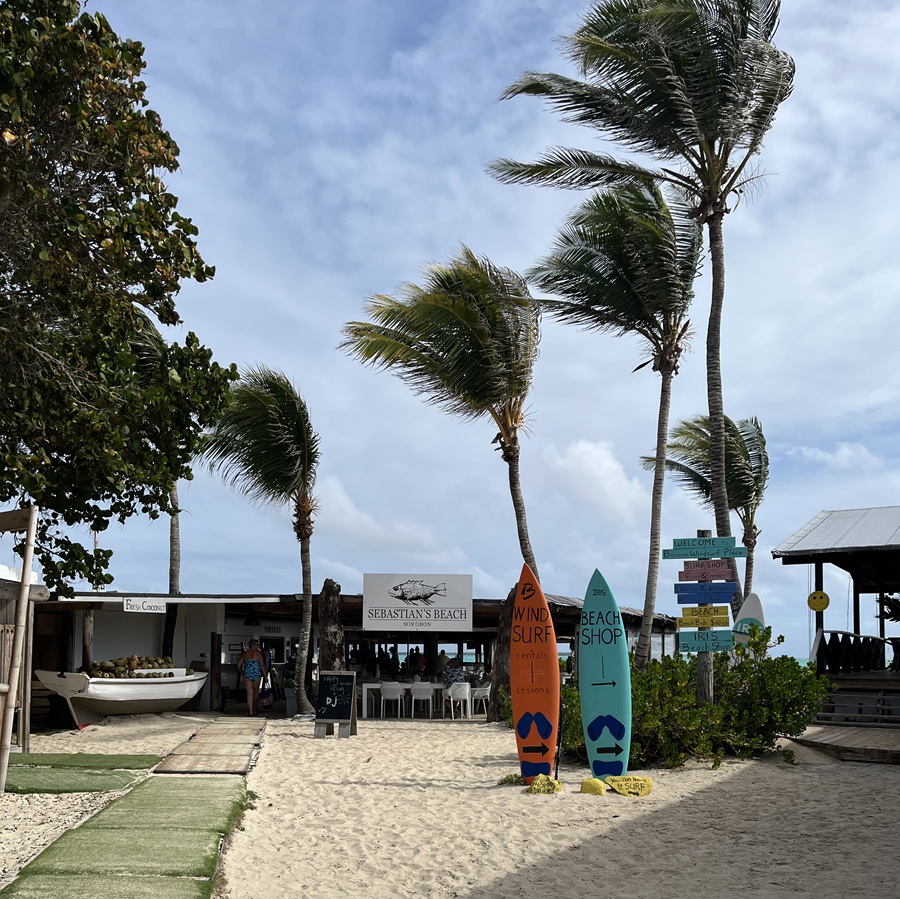
Bonaire, just 24 miles long and 10 miles at its widest, is home to just 27,000 people. It has long been known for divers as it has one of the earliest national marine parks – the Bonaire National Marine Park was established in 1979 and rings the entire coast. The island has more than 80 official dive sites, including many that are just offshore and others around the nearby island of Klein Bonaire. It’s also a popular destination for kite surfers and wind surfers (the trade winds provide ideal conditions) and increasingly, birders (200,000 species) and mountain bikers. This is also the place to see thousands of flamingos (many live at the huge Washington Slagbaai National Park) and donkeys at the island’s Donkey Sanctuary.
“For teens, diving gets them in touch with nature and away from electronic devices, without a fight,” said Elizabeth Godsey, a dive master here at the on-site Harbour Village Resort Dive Shop, a full-service PADI five-star dive center.
That’s true for younger kids too. “As soon as kids get here, they are running around looking for iguanas, lizards, turtles and wanting to snorkel,” said Jessica Gonzalez, an American, whose husband’s Venezuelan family built the resort. (Bonaire is just 50 miles from Venezuela.)
When families are diving or snorkeling, everyone can focus on something different, Godsey observed as we went out on a dive boat but opted to snorkel as many do. Some people love looking at the variety of fish, Godsey said. Some simply like the quiet of being underwater. There is even one man on board the dive boat with us who has made it his mission to track down and kill Lionfish, an invasive species.
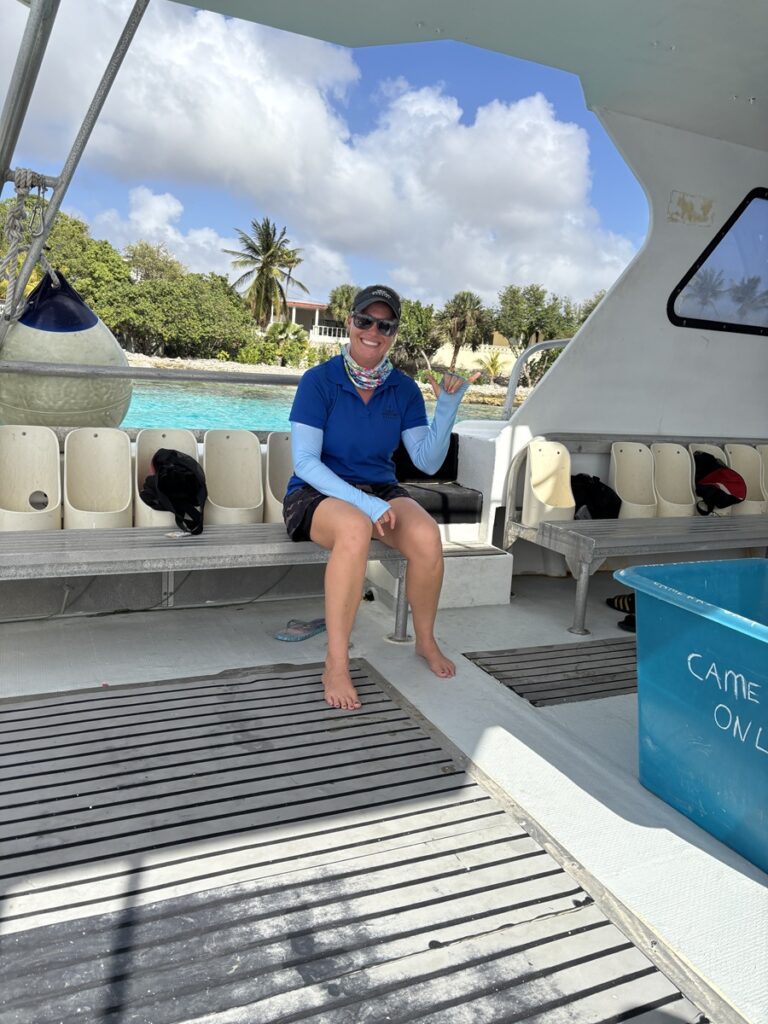
Godsey, in her 30s, started diving as a kid with her parents and brother. She was coming back to her corporate Washington, D.C., job, in fact, after one family vacation, when she realized how much she hated her corporate job. Six months later, she was in Bonaire at Harbour Village working for the dive operation. Six years later, she has absolutely “no regrets.”
It’s easy to become a certified diver, starting at age 10, with an e-learning PADI course at home and certification at a dive resort like Harbour Village, though kids and parents can just get in the water with a snorkel and fins and see plenty – maybe even a sea turtle.
A real plus for divers and snorkelers: “You don’t have to go in a boat for an hour… the dives are all close,” said Craig Zetley, from Milwaukee, who has been coming to Bonaire for three decades. All three of his kids, now grown, learned to dive here, he said.

More than 40 percent of travelers to Bonaire, one of the ABC islands (Aruba, Bonaire and Curacao) come to dive. Another plus for a visit: You are out of the hurricane belt here. There is also very little rain; it is warm and sunny all year round. (You can fly nonstop from Miami, Newark, Atlanta and Houston.)
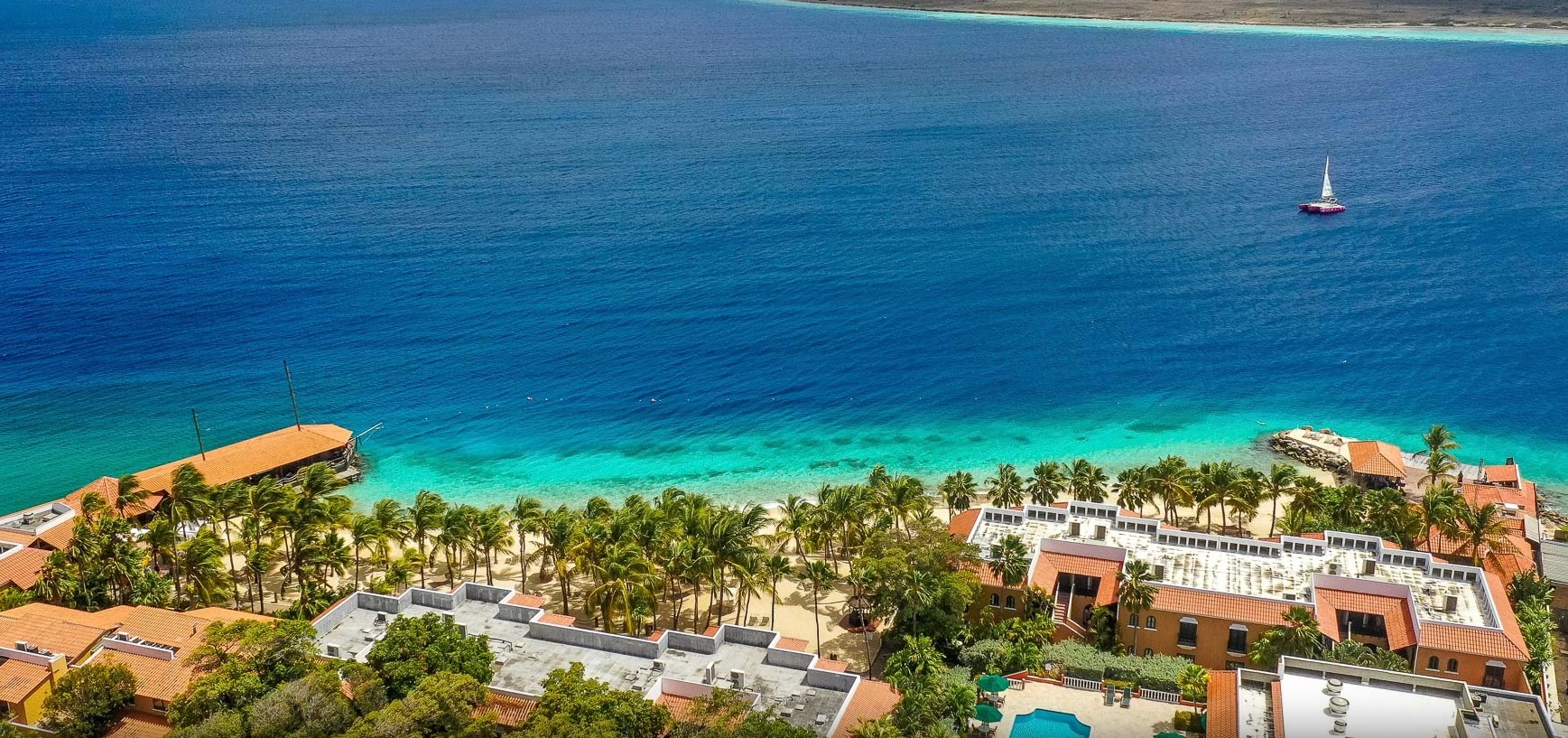
While the island is part of Holland and attracts many Dutch travelers, the family-run, 40-room Harbour Village where we are all staying attracts mostly Americans.
Gonzalez, the mom of three grown sons, was raised in Buffalo, NY. She explained that her life took an unexpected turn when she came here as an intern from the Cornell University Nolan School of Hotel Administration and met her husband, Frank.
The resort, she said, attracts everyone from multigenerational families (there are two four- and five-bedroom beach houses) to single women attracted to Bonaire because the island is so safe – very little unemployment or crime. Women especially (including me) love the resort spa where I enjoyed a tropical healing massage (a bargain at a resort for $195 for 90 minutes), as well as a facial.
The resort boasts suites with small kitchenettes and beach houses ideal for a family. (Rooms here start at $350 in summer, $450 in winter, but many guests opt for dive packages that start at just over $6,000 in winter for a week, including lodging, breakfast and six dives.
Harbour Village Beach Club also boasts its own private beach – the only resort with one on the island – and excellent over-water restaurant La Balandra which offers a special “catch of the day” each lunch and evening, as well as pastas, steaks, burgers and more, and where we could watch the tarpon swimming and the resident pelican.
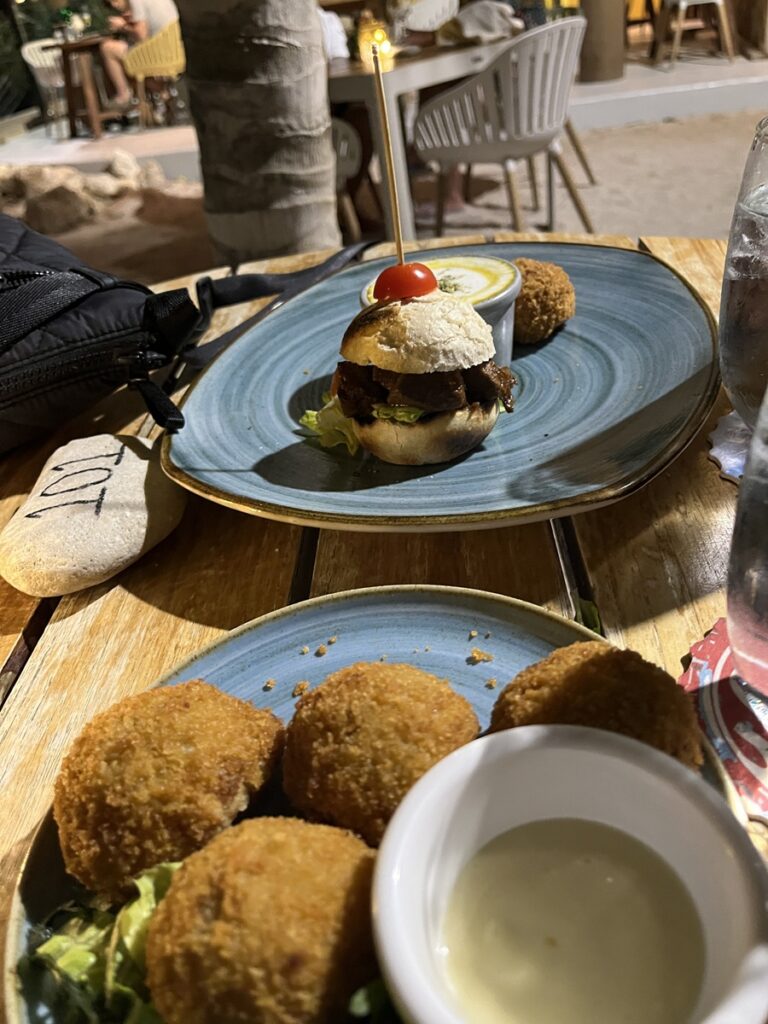
We also sampled local fare (conch croquettes), our feet in the sand at Seaside Krioyo Fusion and at Posada Para Mira, a thatched-roof restaurant off the tourist track on the outskirts of Rincon, the island’s oldest town, where we opted for grilled barracuda and pumpkin pancakes, forgoing goat liver stew. (Locals eat a lot of goat, we learn.) On our last night, we sat like pashas on cushions aboard the wooden sailboat Melissa as we were served six courses of gourmet bites and drinks as the sun set.
One Bonaire marketing campaign touted the island as “unhurried, unspoiled and unforgettable.” And that certainly was our experience.
Said Gonzalez, “People don’t want to come to the Caribbean and find Miami Beach.”
(For more Taking the Kids, visit www.takingthekids.com and also follow TakingTheKids on Twitter, Facebook and Instagram where Eileen Ogintz welcomes your questions and comments. The fourth edition of The Kid’s Guide to New York City and the third edition of The Kid’s Guide to Washington D.C. are the latest in a series of 14 books for kid travelers published by Eileen.)
©2026 Eileen Ogintz. Distributed by Tribune Content Agency, LLC.