
8 Botanical Gardens In Wisconsin Worth Visiting In Every Season
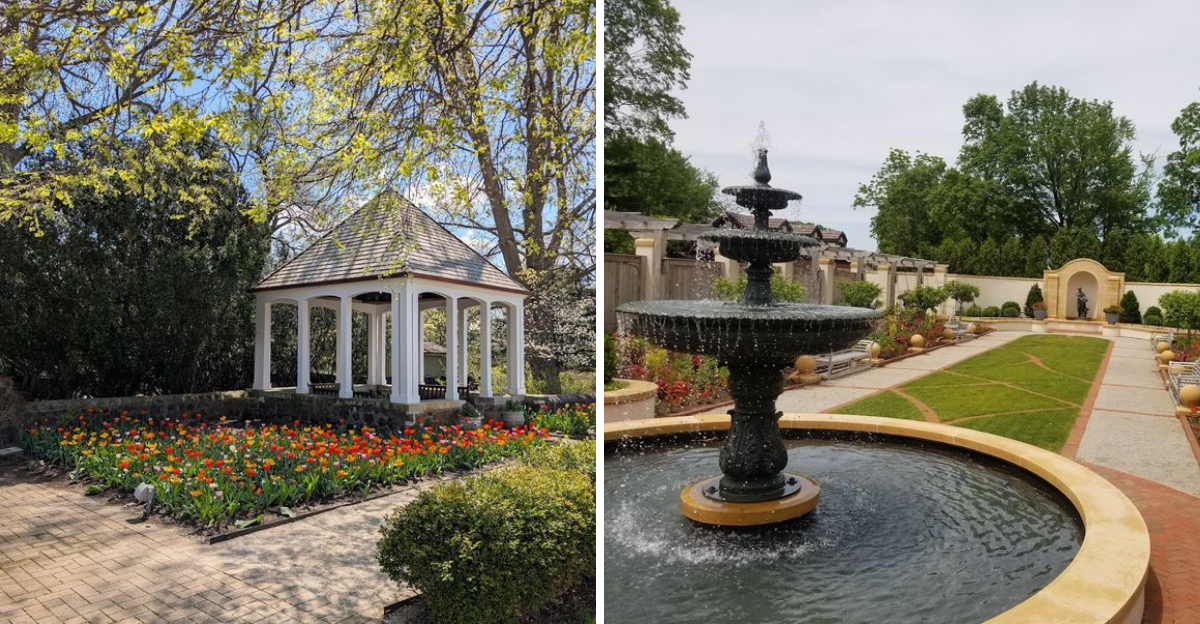
Cheese curds and game days may grab the headlines, but Wisconsin’s gardens know how to steal the show. One visit might mean tulips lining the paths, while another brings towering roses, fiery maples, or warm greenhouse air during the coldest months.
These spaces never feel exactly the same twice. Seasonal blooms change the mood, quiet trails invite slow walks, and carefully planned landscapes make even a short visit feel refreshing.
Lake views, woodland corners, native plants, and colorful displays give each garden its own personality. Come in spring, summer, fall, or winter, and Wisconsin will find a new way to surprise you with a greener, calmer side of the state.
1. Olbrich Botanical Gardens, Madison
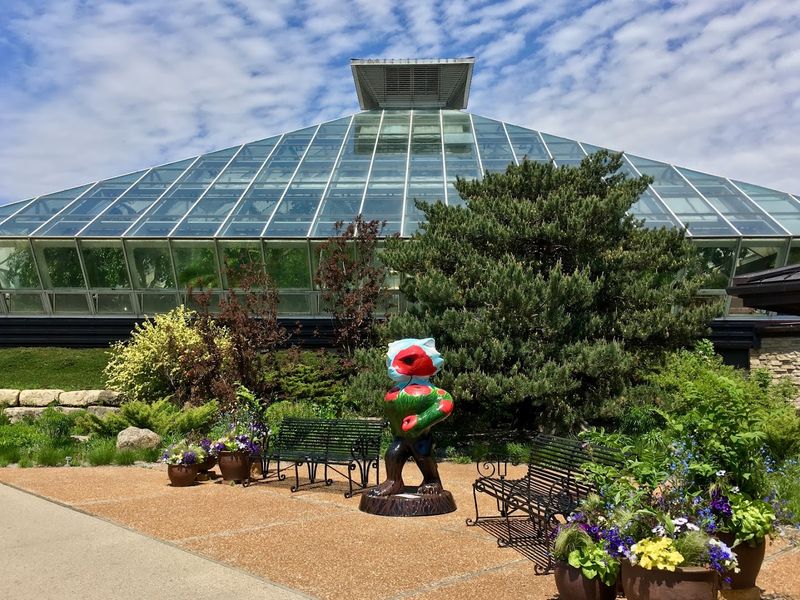
Madison’s east side holds a treasure that locals guard like a secret recipe. Olbrich spreads across 16 acres of outdoor gardens plus a stunning conservatory that looks like it was plucked from a tropical paradise.
The Thai Pavilion alone is worth the trip, sitting gracefully on the edge of a peaceful pond like something from a postcard.
Every season brings its own personality here. Spring kicks off with thousands of tulips creating rivers of color through the formal gardens.
Summer turns the rose garden into a fragrant wonderland with over 650 bushes showing off their blooms. Fall sneaks in with ornamental grasses swaying in the breeze and mums adding pops of gold and burgundy everywhere you look.
Winter is when the Bolz Conservatory steals the show. Step inside and you’re suddenly surrounded by 80-degree warmth, orchids hanging from trees, and a waterfall trickling in the background.
Free-flying birds add little chirps to your visit, making it feel like you’ve escaped Wisconsin entirely. The outdoor gardens take on a quiet beauty under snow, with evergreens and interesting bark textures creating a whole different kind of artwork.
Admission to the outdoor gardens is completely free, which makes this spot perfect for regular visits throughout the year.
2. Green Bay Botanical Garden, Green Bay
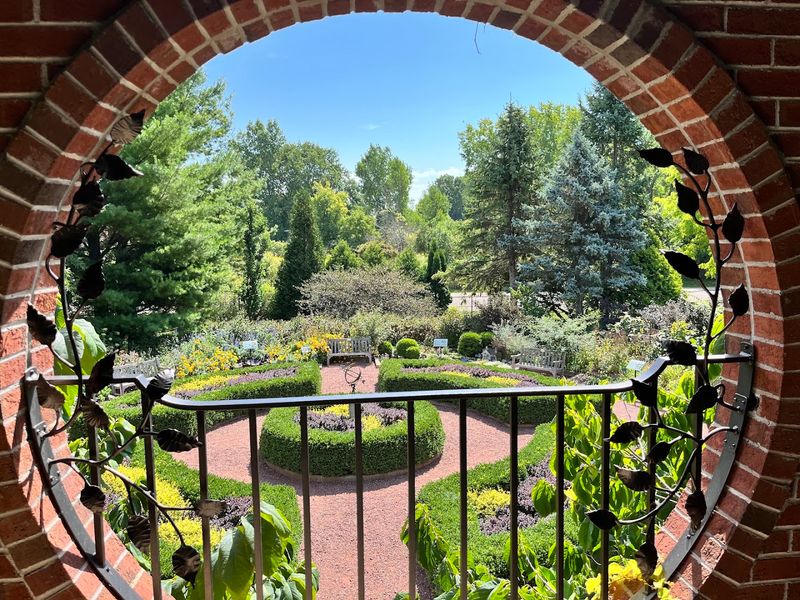
Right outside Green Bay, this 47-acre garden proves that northeastern Wisconsin has way more to offer than just Lambeau Field. The gardens wind through natural woodlands, wetlands, and cultivated spaces that feel both wild and carefully designed at the same time.
You can easily spend hours here without retracing your steps.
Spring transforms the place into a celebration of new life. Daffodils and early perennials pop up first, followed by flowering trees that create canopies of pink and white overhead.
The children’s garden comes alive with interactive features that make kids forget they’re learning about plants. Summer brings the rose and perennial gardens to their peak, with butterflies and bees working overtime among the blooms.
Fall might be my favorite time here. The woodland walks become tunnels of gold and crimson as native trees show their true colors.
The ornamental grass garden looks like it’s on fire when backlit by afternoon sun. Winter events like the Garden of Lights transform the space into a twinkling wonderland with thousands of lights draped through trees and along pathways.
The garden hosts concerts, art shows, and educational programs year-round, so there’s always something happening beyond just the plants themselves.
3. Rotary Botanical Gardens, Janesville
Janesville’s crown jewel sits on 20 acres that feel like a world tour without the jet lag. This place is divided into different international garden sections, each one capturing the spirit of a different corner of the globe.
The attention to detail in every section makes you forget you’re still in southern Wisconsin.
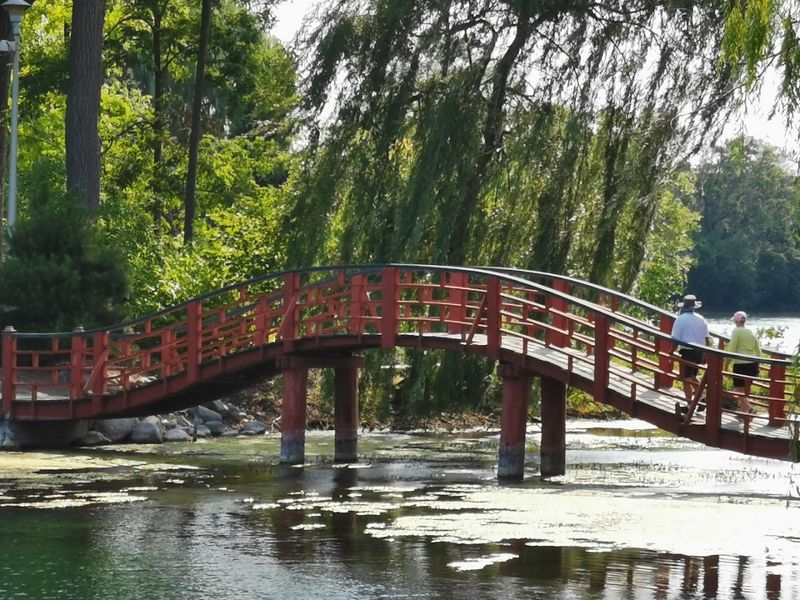
The Japanese Garden is an absolute masterpiece. Stone lanterns, a red bridge arching over koi-filled ponds, and carefully pruned evergreens create a sense of peace that’s hard to find anywhere else.
Spring brings cherry blossoms floating down like pink snow. The English Cottage Garden bursts with hollyhocks and delphiniums in summer, looking like something straight out of a storybook.
Fall colors reflect in the ponds, doubling the impact of every red maple and golden birch. The Italian Garden’s formal structure looks especially dramatic against autumn leaves.
When winter arrives, the conservatory keeps things tropical inside while the outdoor hardscaping and evergreens create striking compositions against snow.
What makes this garden extra special is that admission is always free. The community supports it through donations and volunteer work, which you can feel in how lovingly everything is maintained.
Bring a picnic and settle in for a long afternoon of garden hopping through different continents.
4. Boerner Botanical Gardens, Hales Corners
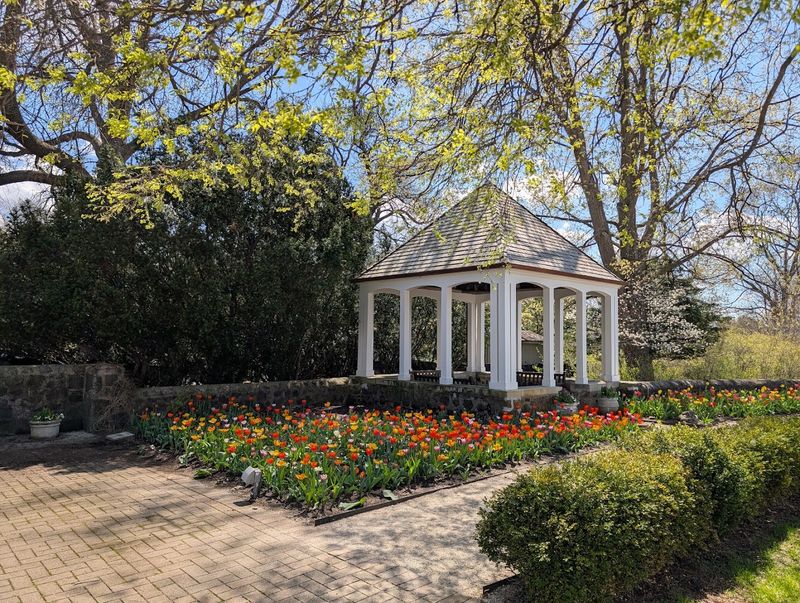
Tucked into Whitnall Park in Milwaukee’s southwest suburbs, Boerner represents classic garden design at its finest. The formal gardens follow a symmetrical layout that’s both calming and impressive, with long sight lines drawing your eye through carefully planned spaces.
Alfred Boerner designed this place in the 1930s, and his vision still shines through every pathway and planted bed.
Spring starts slowly here with early bulbs, then builds to an explosion of tulips that rival anything you’d see in Holland. The crabapple trees create pink clouds overhead while you walk beneath them.
Summer is when Boerner really shows off, with the rose garden displaying over 3,000 bushes in peak form. The trial gardens showcase new varieties, giving you a preview of what might show up in garden centers next year.
Fall brings a second wave of color as perennials get their last hurrah and trees turn brilliant shades. The ornamental grasses add movement and texture that photographs beautifully.
Winter strips everything down to bones and structure, revealing the genius of Boerner’s original design. The evergreens and interesting tree bark become the stars of the show.
The education center hosts classes and events throughout the year, making this more than just a pretty place to walk.
5. Mitchell Park Conservatory, Milwaukee
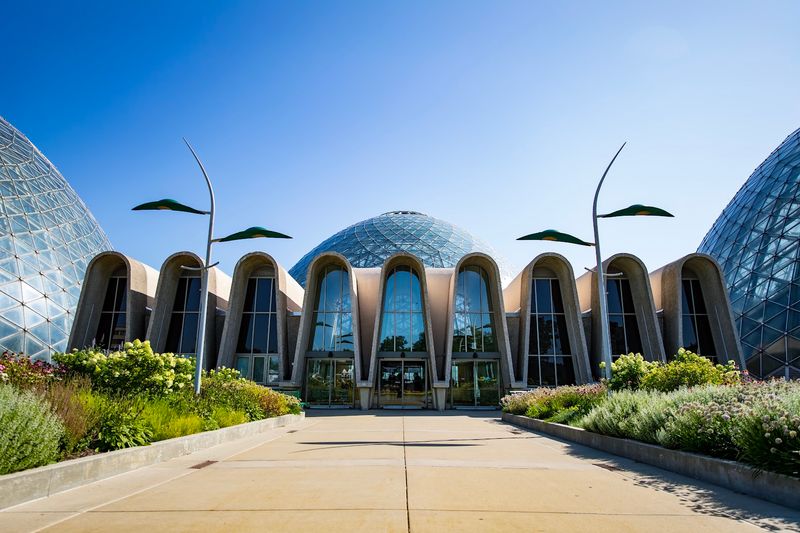
Three massive glass beehives rise up in Milwaukee’s Mitchell Park, looking like something from a science fiction movie. The Domes have been a Milwaukee landmark since the 1960s, and stepping inside any of them feels like teleporting to a completely different climate.
Each dome creates its own world under glass.
The Tropical Dome stays lush and green all year long, with banana trees, orchids, and a waterfall that keeps humidity levels jungle-high. Colorful birds sometimes make appearances, and the scent of blooming flowers hangs thick in the warm air.
The Desert Dome showcases cacti and succulents from around the world, some towering two stories tall and covered in dangerous-looking spines.
The Show Dome is where things get really interesting. The displays change with the seasons and holidays, transforming completely several times a year.
Spring brings an explosion of Easter lilies and tulips. Summer might feature a butterfly exhibit where hundreds of butterflies land on your shoulders.
Fall showcases chrysanthemums in every color imaginable, and winter turns into a poinsettia wonderland mixed with model trains.
Because everything happens indoors, the Domes make a perfect destination when Wisconsin weather turns nasty. You can enjoy spring flowers in January or explore a desert without the scorching heat.
The architecture alone is worth the visit.
6. Paine Art Center & Gardens, Oshkosh
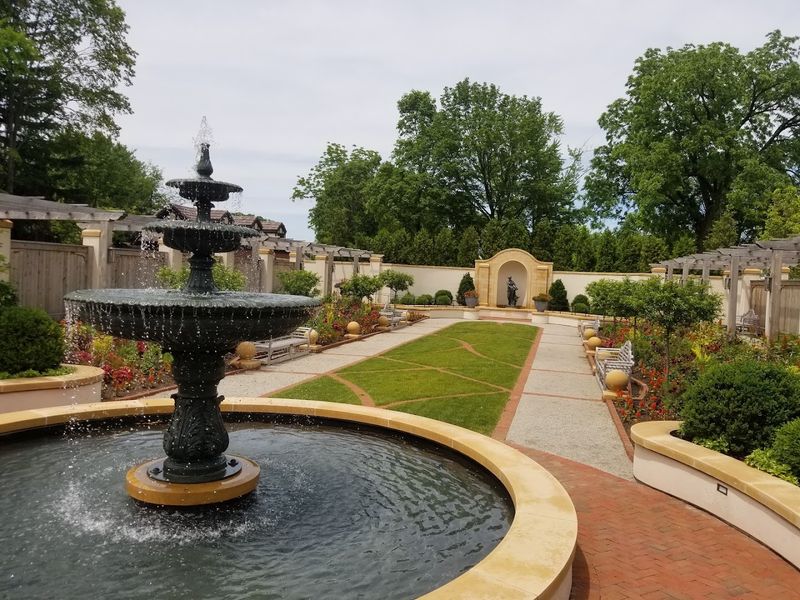
A Tudor Revival mansion sits at the heart of these gardens like something transported from an English countryside estate. Nathan and Jessie Paine built this place in the 1920s, and walking through it feels like stepping back into an era of formal garden parties and afternoon tea.
The house and gardens work together to create an experience that’s part art museum, part horticultural showcase.
Spring arrives with thousands of bulbs pushing through the ground around the mansion. Daffodils circle trees, and tulips line the formal beds in coordinated color schemes that change every year.
The peony garden explodes in late spring with massive blooms that smell like perfume. Summer keeps the momentum going with roses climbing up walls, annuals filling every bed, and the shade gardens offering cool retreats under mature trees.
Fall turns the grounds into a painter’s palette. The tree collection includes specimens that show off brilliant autumn colors, and chrysanthemums add final bursts of bloom before winter.
Inside, the art collection gives you something to explore when weather gets rough. Winter transforms the estate into a holiday wonderland with decorations throughout the mansion.
The combination of art, architecture, and gardens makes this spot unique among Wisconsin’s botanical destinations. Plan to spend time both inside and outside for the full experience.
7. Gardens Of The Fox Cities, Appleton
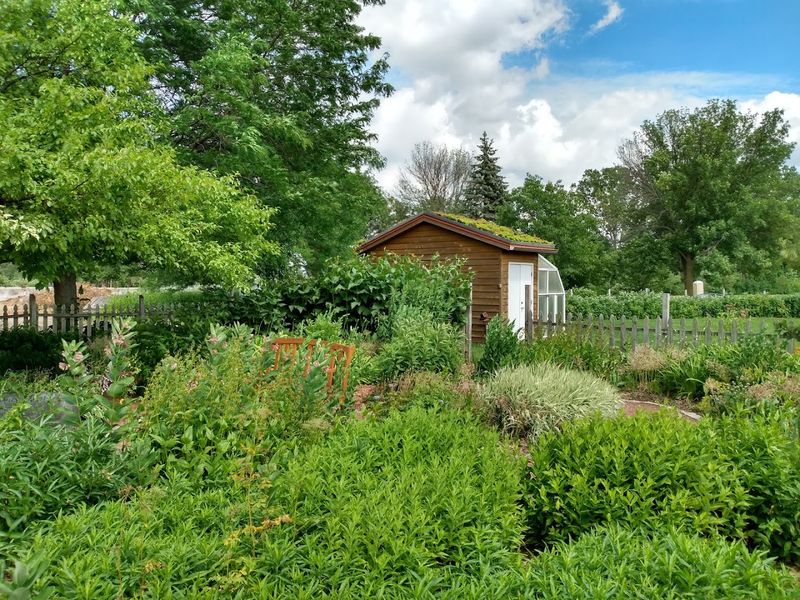
Appleton’s relatively new botanical garden proves that you don’t need centuries of history to create something special. Opened in recent years, this garden takes a fresh approach to showcasing plants, focusing heavily on native species and sustainable gardening practices.
The modern design feels open and accessible, inviting you to explore at your own pace.
Spring brings native wildflowers and early bloomers that attract pollinators by the hundreds. Watching the garden come alive with bees, butterflies, and hummingbirds reminds you why native plants matter so much.
Summer fills the demonstration gardens with ideas you can actually use in your own yard. The vegetable gardens show productive and beautiful growing techniques side by side.
Fall showcases native grasses and prairie plants at their peak, with seed heads and warm colors creating textured landscapes that look amazing into early winter. The education center offers programs year-round, teaching everything from composting to pruning techniques.
Winter might slow things down outdoors, but the garden uses this time for planning and workshops that prepare visitors for the coming growing season.
What I love most about this garden is its practical approach. Everything here is designed to inspire home gardeners and show what’s possible in Wisconsin’s challenging climate.
You leave with ideas you can actually implement rather than just admiring plants you could never grow yourself.
8. Bookworm Gardens, Sheboygan
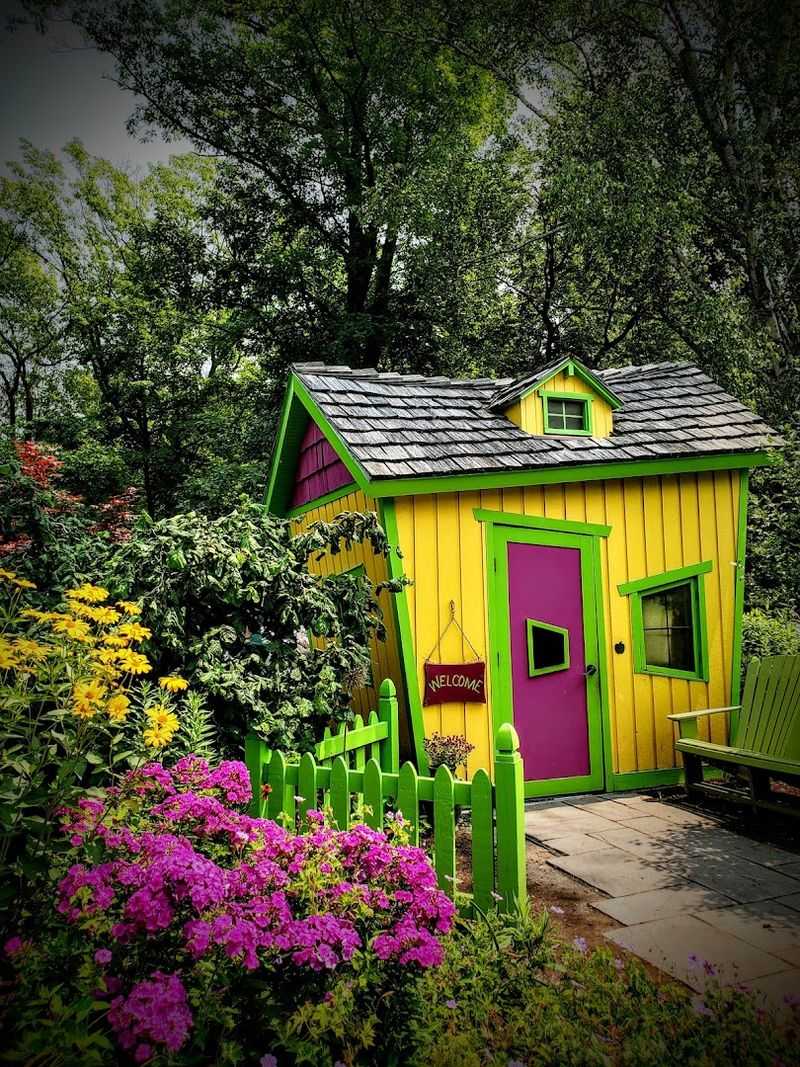
Imagination runs wild in this storybook-themed garden that brings children’s literature to life through plants and creative landscapes. Each garden area represents a different beloved book, creating spaces where kids can step into stories they’ve read at bedtime.
Parents love it just as much as children do, rediscovering favorite tales in three-dimensional form.
Spring fills the gardens with blooms that match story themes. The Secret Garden area bursts with flowers behind its hidden door.
Peter Rabbit’s garden grows real vegetables that Mr. McGregor might chase you away from. Summer brings the fullest experience, with everything in peak form and kids running between areas like they’re collecting chapters of a book.
Fall adds seasonal decorations and harvest themes that blend perfectly with stories about autumn and Thanksgiving. The pumpkin patches and corn stalks make certain areas feel like you’ve walked into a harvest festival.
Winter slows things down outdoors, but special events and indoor programs keep the magic alive even when snow covers the gardens.
What makes Bookworm Gardens extraordinary is how it combines literacy, nature, and play into one experience. Kids learn about plants without realizing they’re learning because they’re too busy having adventures.
The garden constantly evolves, adding new story areas and updating existing ones to stay fresh for repeat visitors.
Admission is free, making it accessible for families to visit again and again throughout the seasons.