
11 California Hiking Trails Where Hikers Should Keep An Eye Out For Ticks In 2026
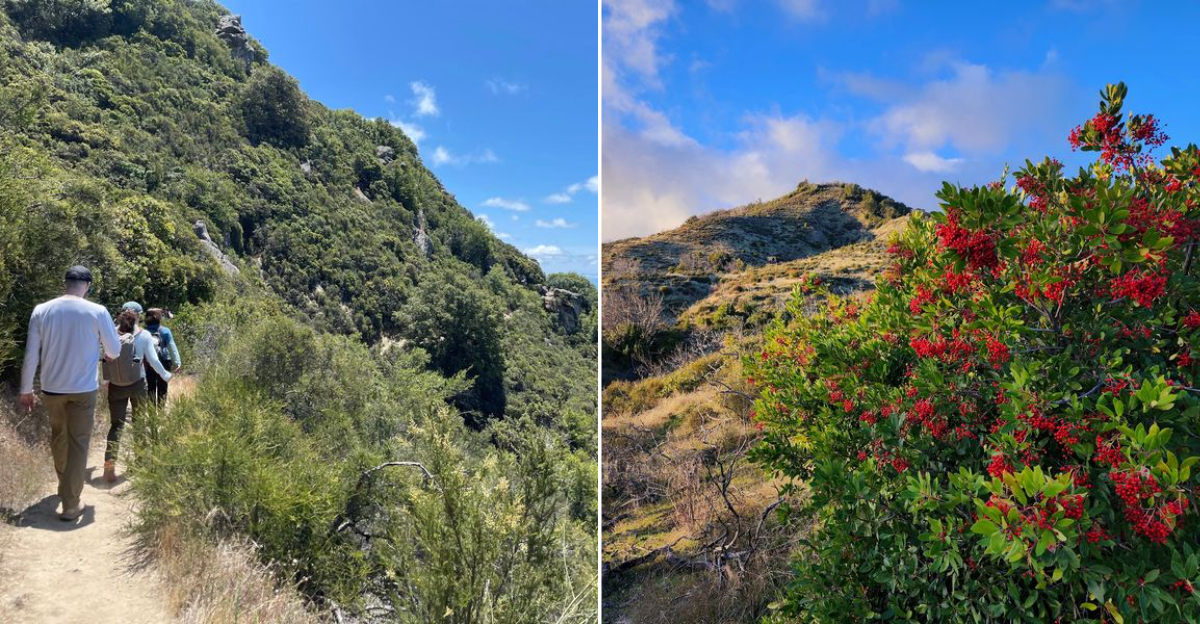
California trails give you redwoods, ocean cliffs, oak hills, and summit views that stay in your memory for years. They also come with tiny hitchhikers called ticks, and 2026 is shaping up to be a busy year for them after wet winters across the state.
Ticks do not fly or jump. They sit on grass and brush with their front legs out, waiting for a leg or a sleeve to brush past.
That sounds creepy, but the fix is simple and takes almost no effort.
Walk down the middle of the trail, wear light-colored long pants, tuck them into your socks, and use a repellent with DEET or picaridin. When you get back to the car, do a quick check behind your knees, around your hairline, and under your arms.
A shower and ten minutes of clothes in a hot dryer finish the job. Most ticks need a full day attached before they can pass anything along, so quick removal with fine-tipped tweezers matters more than worry does.
Now for the fun part. Here are California parks worth every mile, plus what you should know about the ticks that call them home.
1. Mount Diablo State Park
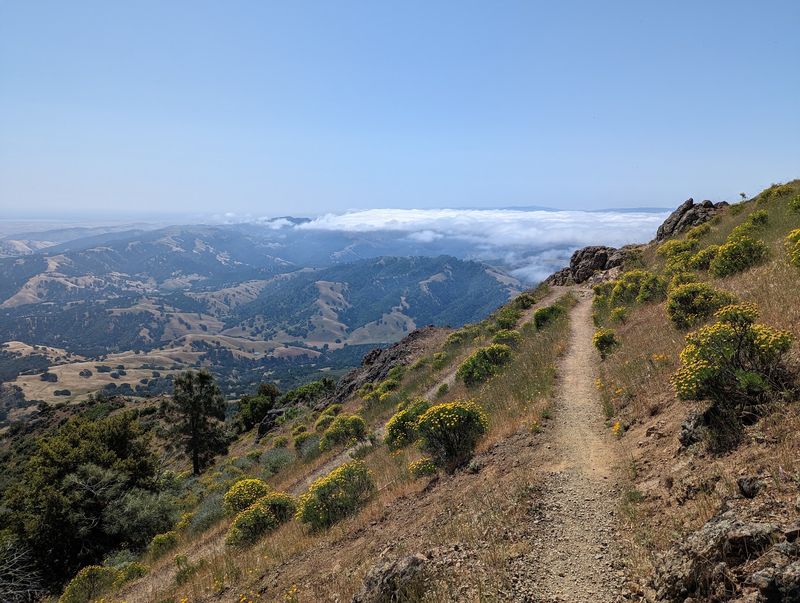
Climb high enough here and you can see the Sierra Nevada on one side and the Golden Gate Bridge on the other. That is a bragging right few peaks in California can match.
The trails range from easy oak-shaded loops to lung-burning summit pushes. Pick whatever fits your mood that morning.
Wildflowers show off in spring, and the hawks put on a free air show almost every afternoon.
Now the part you came for. Mount Diablo has a reputation among locals as a serious tick area, especially in the shady wooded stretches and the tall grass along narrower paths.
Good news: many trails here are wide fire roads. Walking straight down the middle keeps your legs away from the grass where ticks wait with their front legs stretched out.
Wear light pants so anything crawling shows up fast. Give your socks and ankles a glance every time you stop for water.
It takes five seconds.
Bring more water than you think you need. Summer heat on the exposed slopes is no joke, and shade disappears fast above the tree line.
You will find the summit at Summit Rd, Walnut Creek, CA 94598, with the road climbing all the way up.
2. Point Reyes National Seashore

Fog rolls over these headlands like a slow wave, and then it lifts to show you elk grazing on green ridges above the Pacific. Few places in California feel this wild so close to a big city.
You get over 150 miles of trails here. Beach walks, forest paths, and bluff routes with whale-watching potential from December through spring.
Marin County sits in a high-risk zone for Lyme disease, so ticks deserve your attention. Local studies found roughly 1 percent of adult ticks and 3 percent of nymphs carrying the Lyme agent, which is lower than many other spots.
Still, reports point to more tick activity across West Marin in 2026. Coastal scrub and grassy meadow edges are their favorite hangouts.
Stay on the marked trail and resist the urge to cut across a pretty meadow for a photo. Your shot from the path will look just as good.
Cell service is patchy, so download your map before you leave the parking area. Layers matter too, since the fog can drop the temperature quickly.
Check park hours and any seasonal road closures before your drive, since conditions shift with the weather.
The seashore stretches across the Marin coast at Point Reyes National Seashore, California, with the main visitor center near Bear Valley.
3. Mount Tamalpais State Park
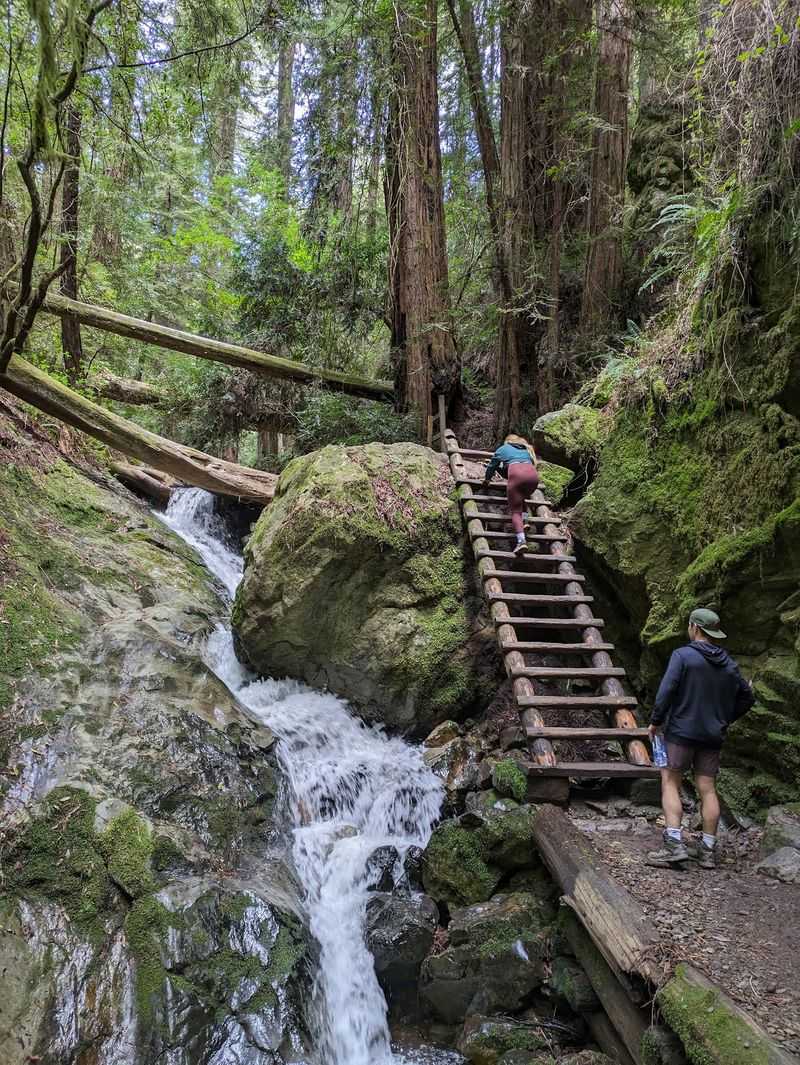
Locals call it Mount Tam, and they say it with real affection. On a clear day the view reaches the Farallon Islands out west and the Sierra crest far to the east.
One trail drops you into a cool redwood canyon. Ten minutes later you pop out on a sun-warmed ridge with the entire Bay spread below.
That contrast is the magic here.
Ticks are active year-round on this mountain, and the Western Blacklegged Tick thrives in the thick brush along shadier sections. Marin County keeps tick season going all twelve months.
So dress with a plan. Light-colored long pants tucked into socks turn tick-spotting into an easy glance instead of a hunt.
Most summit-bound routes here are pleasantly wide, which makes walking the center simple. Save the bushwhacking urges for another lifetime.
Hungry for history? Mount Tam is widely credited as the birthplace of mountain biking, thanks to a group of riders bombing down Repack Road in the 1970s.
Parking fills early on weekends, especially near Pantoll. Arrive before ten and your day gets much smoother.
Give yourself time to sit on a rock and just look. That is the whole point of a break.
The park headquarters sits at 3801 Panoramic Hwy, Mill Valley, CA 94941.
4. Big Basin Redwoods State Park
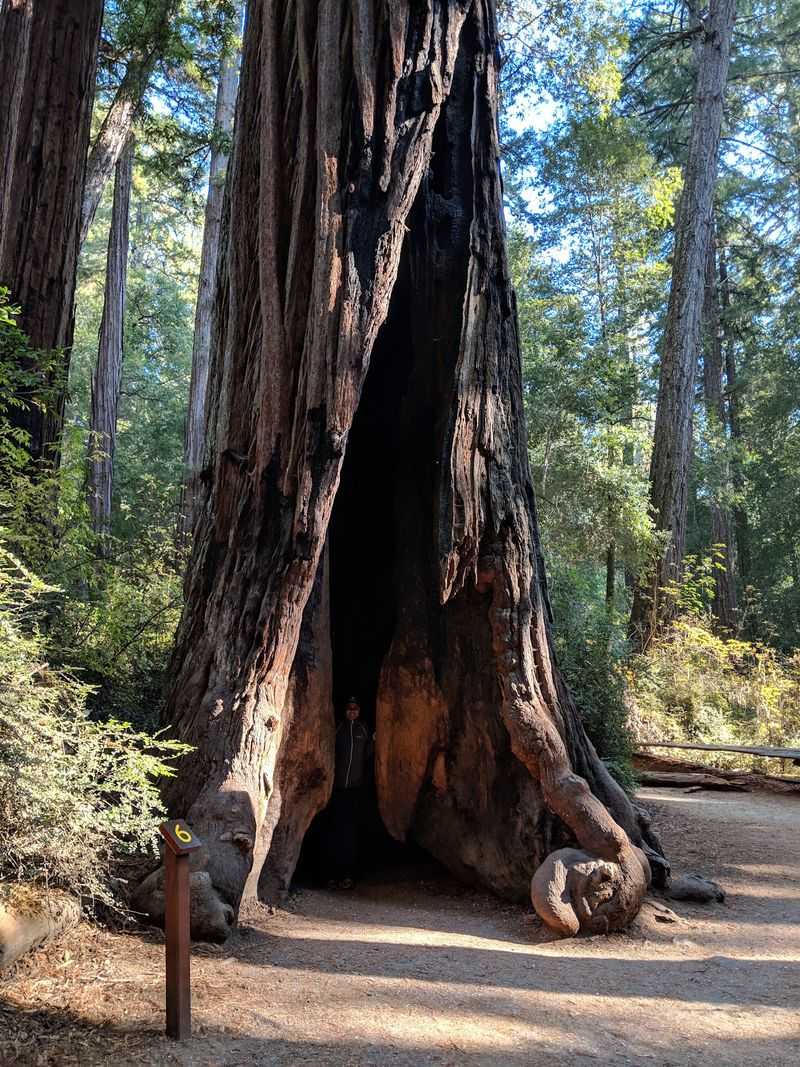
Fire swept through here in 2020, and what happened next is honestly moving. Redwoods that looked finished pushed out bright green sprouts from their blackened trunks.
California’s oldest state park is rebuilding, and hiking here now means watching a forest come back to life in real time. Fewer crowds too, which is a quiet bonus.
Redwood groves tend to carry a lower tick risk than open grassland. Something about the tannins in the trees makes the soil less inviting for them.
Forest edges and brushy undergrowth are a different story. Santa Cruz County ranks as a high-risk zone for ticks in California, so keep your guard up where sunlight breaks through.
Stay on reopened, established paths. Some areas remain closed for safety while crews finish repairs, and those closures exist for good reasons.
Look for fairy rings, those circles of young redwoods growing from the base of a parent tree. Kids love spotting them, and so do adults who pretend not to.
Reservations and access rules have changed since the fire, so check the park website before you drive out.
Bring a jacket. Even summer afternoons stay cool under that canopy.
You will find it in the Santa Cruz Mountains at Big Basin Redwoods State Park, California, reached mainly by Highway 236.
5. Samuel P. Taylor State Park
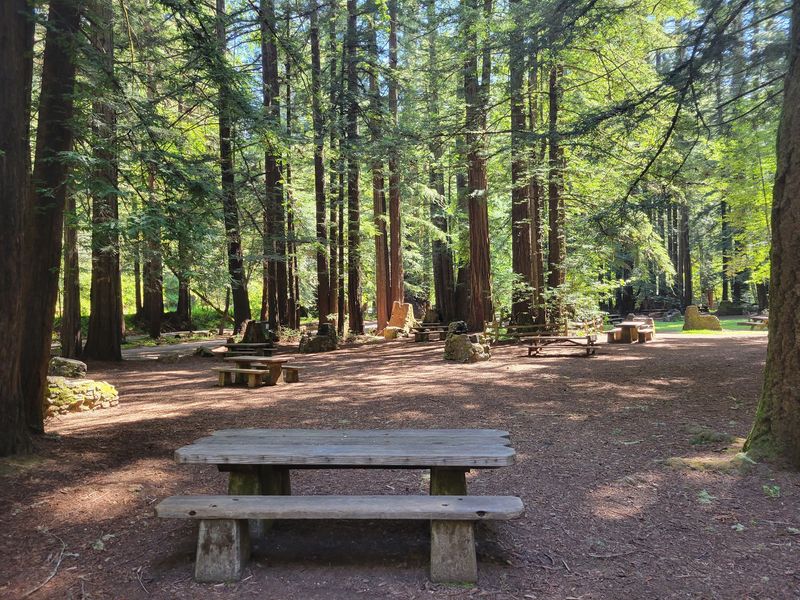
Lagunitas Creek runs right through this park, and the sound of it follows you along the trail like background music. Salmon actually spawn here in winter, which is a rare thing to witness in California.
Shade-loving hikers get spoiled. Redwood groves keep the paths cool even in August, and the paved Cross Marin Trail works beautifully for families with strollers or wobbly first-time bikers.
Want a workout instead? Barnabe Peak climbs hard and rewards you with some of the finest views in all of Marin County.
Western Blacklegged Ticks live throughout this park. Marin sits in a high-risk zone for Lyme disease, though some studies found infection rates here lower than at other nearby locations.
Nymphs, the poppy-seed-sized youngsters, get busiest in spring. Those are the ones people miss, so slow down during your post-hike check.
Stick to the main trails and skip the shortcuts through ferns. Ferns look inviting and hide plenty.
Picnic tables sit under the redwoods near the creek, and they are perfect for a lazy lunch after your miles.
Campsites here book out fast in summer, so plan ahead if you want to stay overnight.
The park entrance sits at 8889 Sir Francis Drake Blvd, Lagunitas, CA 94938.
6. China Camp State Park
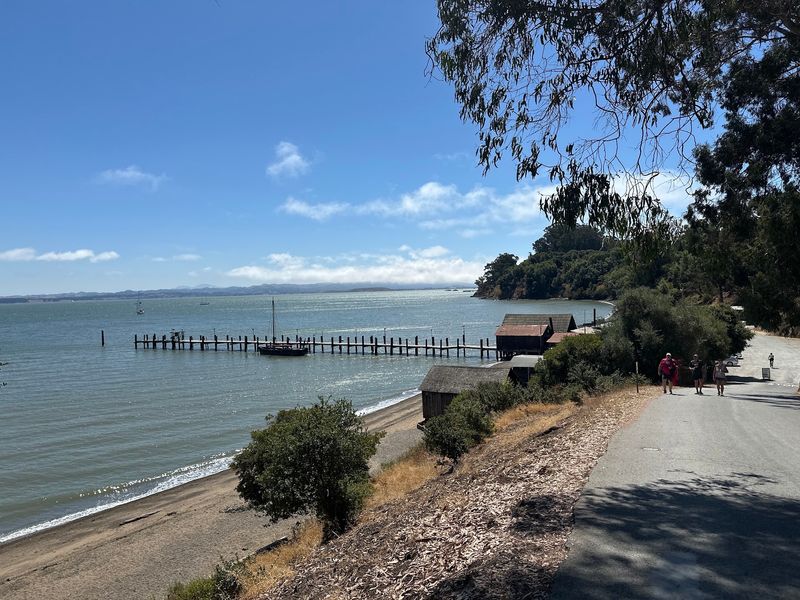
A historic shrimp-fishing village sits right on the shoreline here, complete with a weathered pier and a small museum. History and hiking in one stop is a solid deal.
Trails wind through oak woodland and open grassland with the bay glinting below. Mountain bikers love this place, and walkers do too, so a friendly heads-up on blind corners goes a long way.
Here is the honest part. China Camp is one of the most studied tick locations in California, and public health officials monitor it closely.
Roughly 3 percent of ticks here carry the organism behind Lyme disease, with some historical sampling in certain spots running much higher. Three tick species live here, including the Western Blacklegged, Pacific Coast, and American Dog Tick.
Winter is actually peak activity for adult ticks, which surprises a lot of first-time visitors.
Staying on the trail is both smart and a park rule, so that decision is already made for you. Light clothing and a careful check afterward handle the rest.
The bay views at sunset are worth timing your hike around. Bring a camera and stand still for a minute.
Check current park hours before heading out, since seasonal schedules shift.
The main trailhead entrance is at 101 Peacock Gap Trail, San Rafael, CA 94901.
7. Trione-Annadel State Park
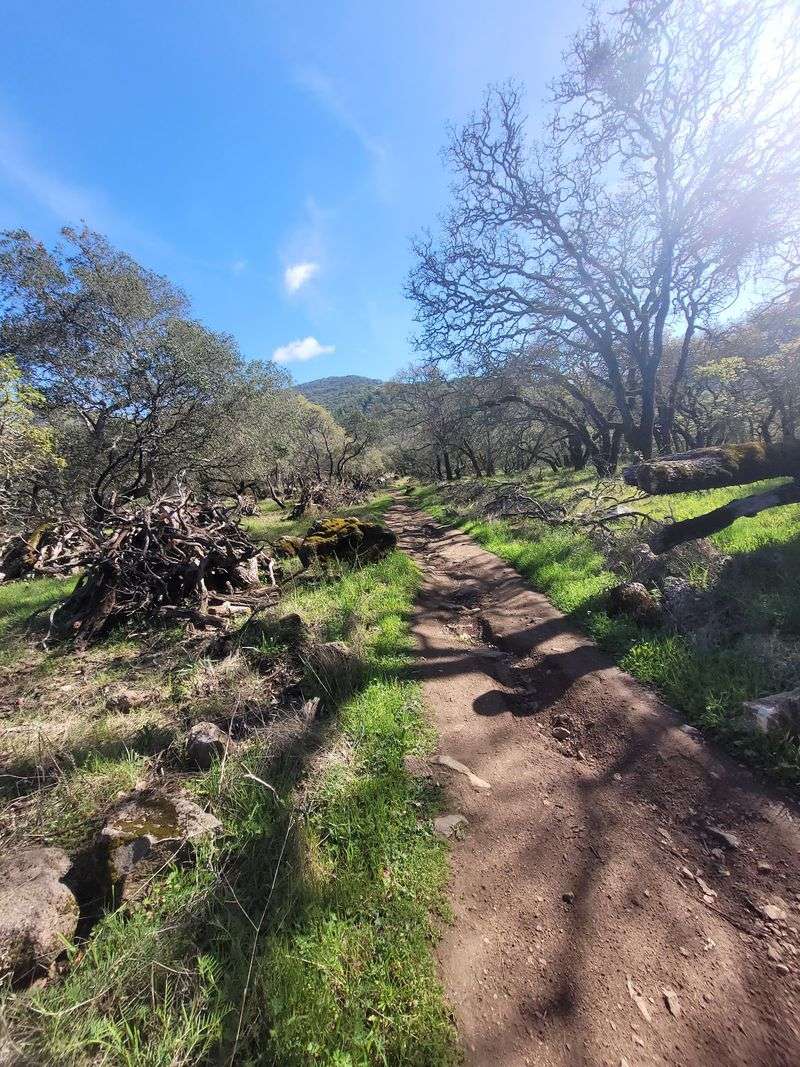
More than five thousand acres of rolling hills sit right on the edge of Santa Rosa, and somehow the city disappears the moment you start walking. Lake Ilsanjo makes a great turnaround point for a solid half-day loop.
Spring brings wildflowers in ridiculous numbers. Autumn swaps them for warm gold and rust across the hillsides.
Sonoma County reports some of the highest confirmed Lyme disease rates in California, which makes this park a place to hike with awareness rather than fear.
Research at Annadel found Lyme-infected ticks at rates between roughly 4.5 and 7.3 percent among nymphs and adults. Ticks stay active here all year long.
Grassy shoulders and brushy edges are the danger zones. Center of the trail, always.
Repellent on your shoes and lower legs makes a real difference, since that is where ticks make contact first.
Fun detail: the park was once quarried for obsidian and later cobblestones, and you can still spot old volcanic rock formations along certain routes.
Trail junctions come thick and fast, so a downloaded map saves you from an accidental bonus loop. Ask any local and they will admit to getting turned around at least once.
Bring a snack and enjoy a lakeside rest. You are on vacation, after all.
Find the main entrance at 6201 Channel Dr, Santa Rosa, CA 95409.
8. Sugarloaf Ridge State Park
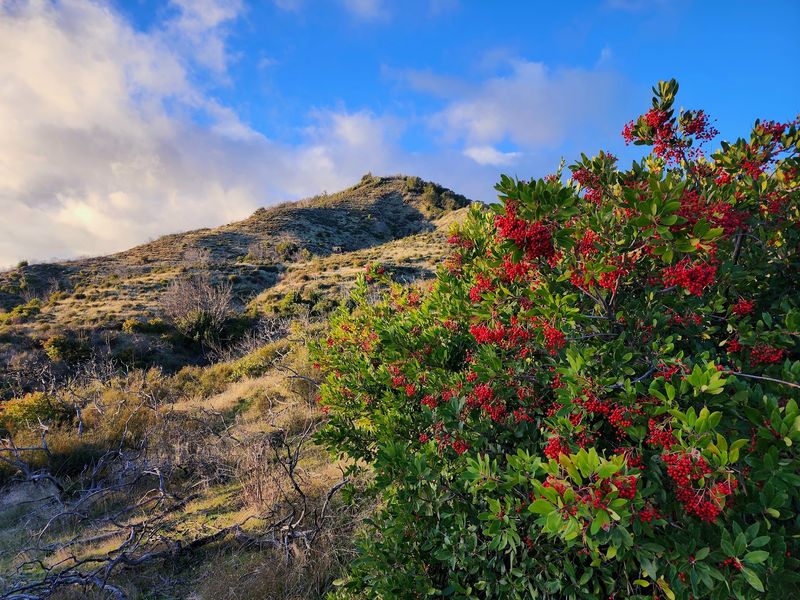
Stargazers know this park for its public observatory, one of the few in a California state park. Daytime hikers know it for Bald Mountain, where the view stretches across Sonoma Valley toward the Sierra on the clearest mornings.
Sonoma Creek starts here and tumbles down a 25-foot waterfall after winter rains. Time your visit right and you get a proper show.
Ticks work year-round in Sonoma County, and Sugarloaf Ridge is no exception. Studies here found Lyme-infected blacklegged ticks in the 4.5 to 7.3 percent range for nymphs and adults.
Chaparral and tall grass line plenty of these trails, so brushing past plants is easy to do without noticing.
Long sleeves feel silly on a warm climb until you realize how much simpler they make your post-hike check. Roll them up on the exposed ridge if you need to cool off.
The climb to Bald Mountain is steep enough to earn you a nap later. Start early to beat the heat, especially between June and September.
Trail names here have personality, from Gray Pine to Vista, and each offers a different angle on the valley.
Confirm hours and any fire-season restrictions before driving out.
The park entrance is at 2605 Adobe Canyon Rd, Kenwood, CA 95452.
9. Henry W. Coe State Park
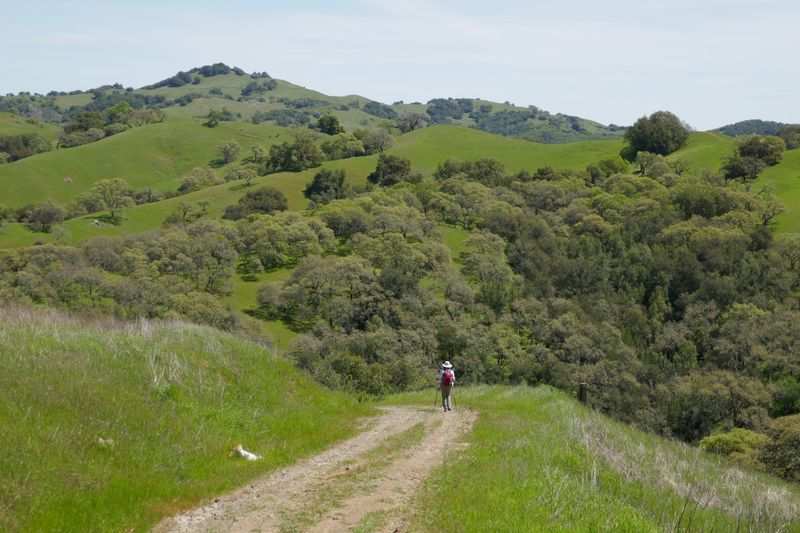
Northern California’s largest state park spreads across 87,000 acres of ridges and canyons, and you can hike for hours without passing another person. Solitude like that is getting rare.
Backpackers treat this place as a training ground. Day hikers get plenty too, though the climbs here have a habit of humbling people who underestimate them.
Reports from spring 2026 confirm ticks are active and plentiful. One visitor found two embedded ticks after a rainy ten-mile hike, which is exactly the kind of story that motivates a proper check.
Santa Clara County falls in a high-risk zone, and the Western Blacklegged Tick is common across these oak woodlands.
Less-traveled paths mean more overgrown edges. That is the trade-off for all this quiet, so plan your clothing accordingly.
Permethrin-treated pants and gaiters are popular with regulars here. Not overkill, just practical.
Carry more water than feels reasonable. Springs are unreliable and the summer heat in these canyons is serious business.
Wildlife sightings run generous, from wild turkeys to bobcats to golden eagles riding thermals overhead.
Cell coverage is basically nonexistent, so tell someone your route and expected return time. Then go enjoy the enormous silence.
10. Castle Rock State Park
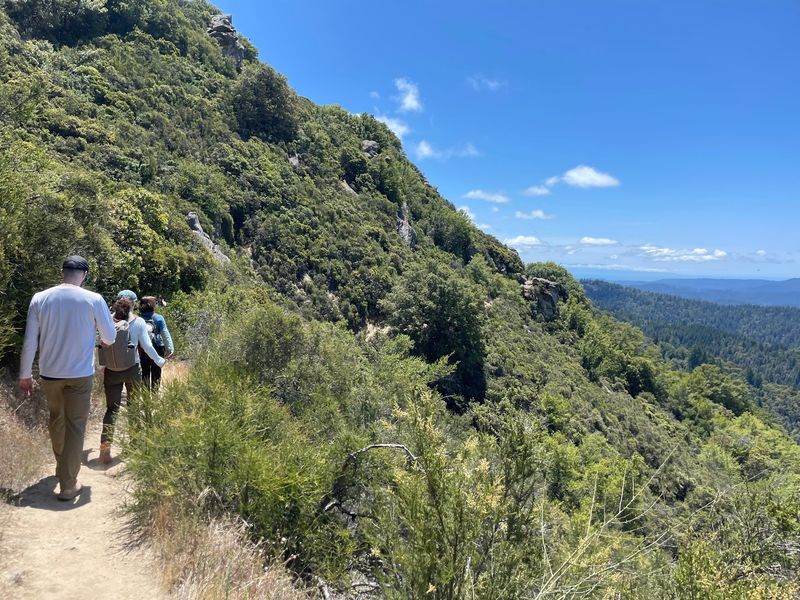
Sandstone here has been carved by wind and water into honeycomb patterns that look almost handmade. Kids run straight for them, and adults usually follow.
Thirty-four miles of trails cross this ridge in the Santa Cruz Mountains, linking rock formations, overlooks, and quiet forest. Climbers come for the boulders, hikers for the views toward the Pacific.
Both the Western Blacklegged Tick and the American Dog Tick live in these mountains, staying active all year with a noticeable summer increase.
Santa Cruz County sits in a high-risk zone for Lyme disease in California, and warnings went out for area parks in May 2026 urging visitors to stay alert.
Logs and fallen branches are favorite tick perches, so think twice before plopping down on one for a snack break. Use a rock instead, or bring a small sit pad.
The trail to Castle Rock Falls ends at a wooden overlook platform that hangs above the canyon. Winter and spring bring the strongest flow.
Parking at the main lot is limited and fills quickly, so an early start pays off.
Weather flips fast up here. Fog can roll in and drop ten degrees before you finish a mile.
The main entrance sits at 15451 CA-35, Los Gatos, CA 95033.
11. Montaña De Oro State Park
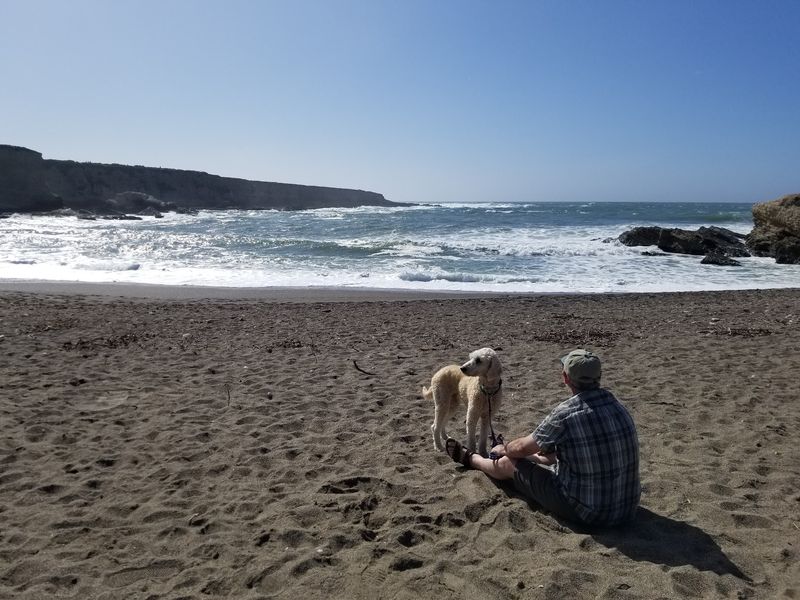
The name means Mountain of Gold, earned by the wildflowers that blanket these slopes each spring. Show up in April and you will understand instantly.
Sea stacks, tide pools, and a bluff trail that hugs the cliff edge make this one of the most photogenic stretches of the Central California coast. Valencia Peak adds a proper climb if the flat walking feels too easy.
Ocean breezes might make you feel invincible, but ticks live here and can carry Lyme disease. Hikers and campers reported plenty of encounters through 2025 and into 2026, especially in the grassy areas away from the shoreline.
Mild winters keep tick activity going year-round along this coast, with a fall peak. The Lyme risk zone in California extends down through the coastal counties toward Monterey.
Grassy inland trails deserve more caution than the sandy beach routes. Long pants for the bluffs, and a check before you get in the car.
Tide pools near Spooner’s Cove reward low-tide visitors with sea stars and anemones. Check a tide chart the night before.
Sunsets here are the kind people remember for years. Stay for one.
Confirm campground and day-use hours ahead of time, since they change seasonally.
The park entrance is at 3550 Pecho Valley Rd, Los Osos, CA 93402.