
California’s Secluded Shoreline That Feels A World Away From The Crowds
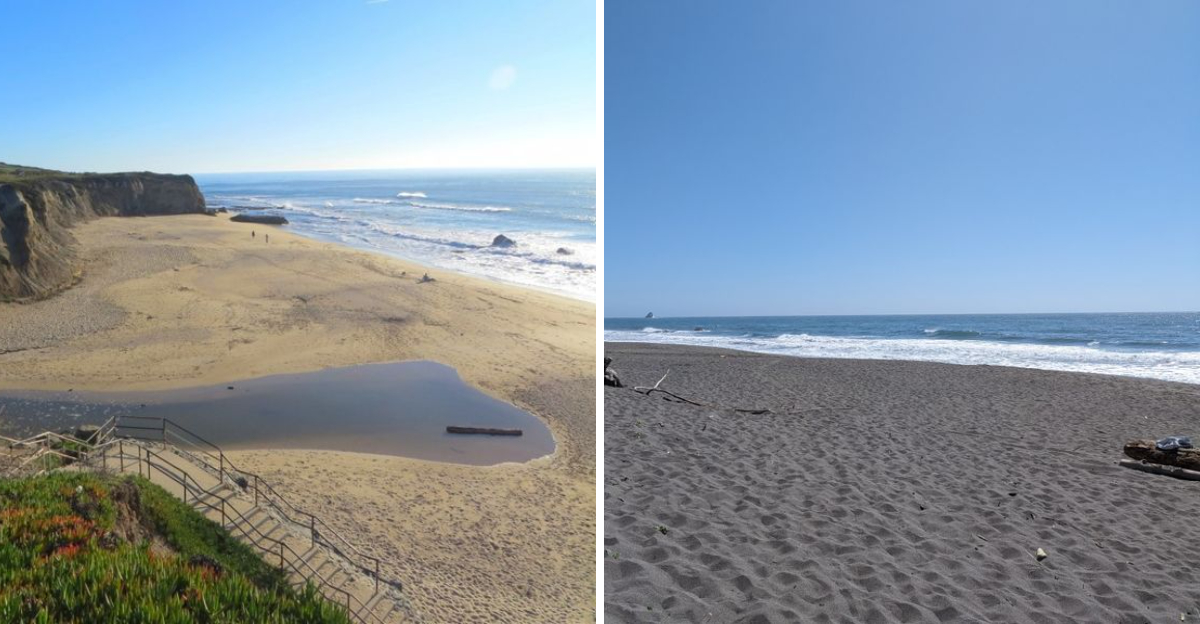
Most travelers rush past the far northern coast of California without realizing what they are missing. This peaceful beach sits just south of the Oregon border, offering a rare combination of isolation and natural beauty that feels impossible to find along more famous stretches of coastline.
The beach remains largely unknown despite its dramatic rock formations, abundant wildlife, and connection to the ancient redwood forests that define this region. For those willing to make the drive along Highway 101, this small state park delivers an experience that feels both timeless and refreshingly free from the usual tourist crowds.
One Of California’s Northernmost Beaches
Pelican State Beach occupies a unique position along the California coast at 17200 US-101 in Smith River. The beach sits just a few miles south of the Oregon state line, making it one of the last coastal access points before leaving California entirely.
This geographic isolation has protected the area from the development pressures that have transformed so many southern beaches into crowded tourist destinations.
The northernmost section of California’s coastline maintains a different character from what most visitors expect. Cold Pacific currents keep the water temperature low year-round, and the weather patterns bring frequent fog and mist.
These conditions discourage casual beachgoers but create an environment that serious coastal explorers find compelling.
Reaching this area requires commitment since no major cities lie nearby. The nearest substantial town is Crescent City, located about fifteen miles south.
This remoteness ensures that only intentional visitors make the journey, which helps preserve the quiet atmosphere that defines the experience.
Part Of The Redwood National And State Parks Region
The beach functions as part of the larger Redwood National and State Parks complex, though it maintains its own distinct identity. Ancient redwood forests grow just inland from the coast, creating an unusual ecosystem where coastal and forest environments meet.
Visitors can experience both landscapes within a single afternoon, moving from ocean waves to towering trees in minutes.
This connection to the redwood parks system provides context for understanding the area’s ecological significance. The forests that once covered much of the northern California coast now exist in scattered protected areas.
Pelican State Beach represents one of the few remaining places where you can observe how these forests once extended nearly to the waterline.
The park management operates under California State Parks administration, with operating hours from 8 AM to 4 PM Tuesday through Friday. The beach itself remains accessible outside these hours, though facilities and staff support are only available during official operating times.
This limited schedule reflects the park’s small size and modest infrastructure.
A Shoreline With No Major Development
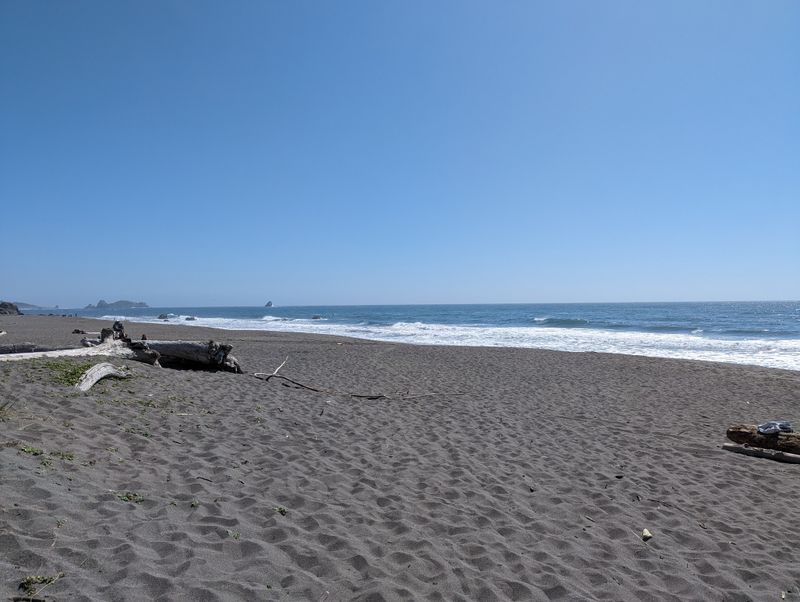
The five-acre beach area contains almost no human-built structures beyond a few picnic tables and a small parking area. No hotels, restaurants, or souvenir shops line the shore.
No boardwalks or paved paths interrupt the natural landscape. This absence of development represents a deliberate choice to preserve the area in something close to its original condition.
Most California beaches show clear signs of human modification, from seawalls to lifeguard towers to concrete walkways. Pelican State Beach offers a contrast to this pattern.
The parking area holds only three or four vehicles comfortably, and visitors must walk a narrow trail through vegetation to reach the sand.
This minimalist approach to facilities means visitors should come prepared with their own supplies. No bathrooms, water fountains, or trash receptacles are maintained at the site.
The lack of amenities discourages large groups and helps maintain the quiet character that regular visitors appreciate.
Some might view this minimal development as a drawback, but it serves as the primary reason the beach retains its authentic character.
Expansive Sand And Driftwood-Strewn Dunes
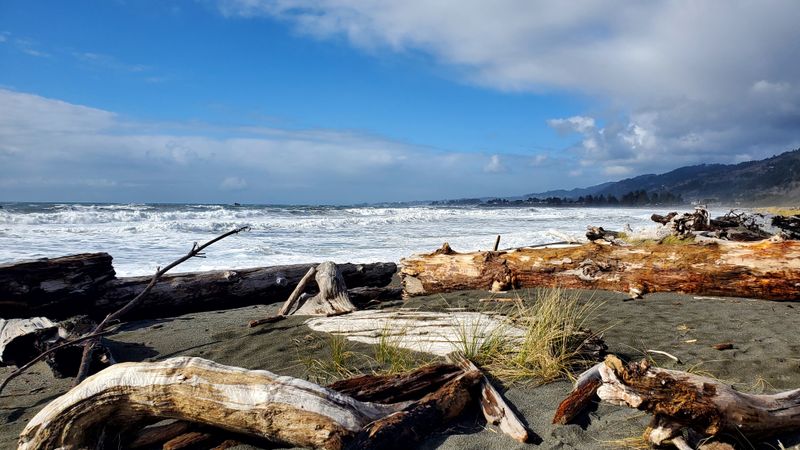
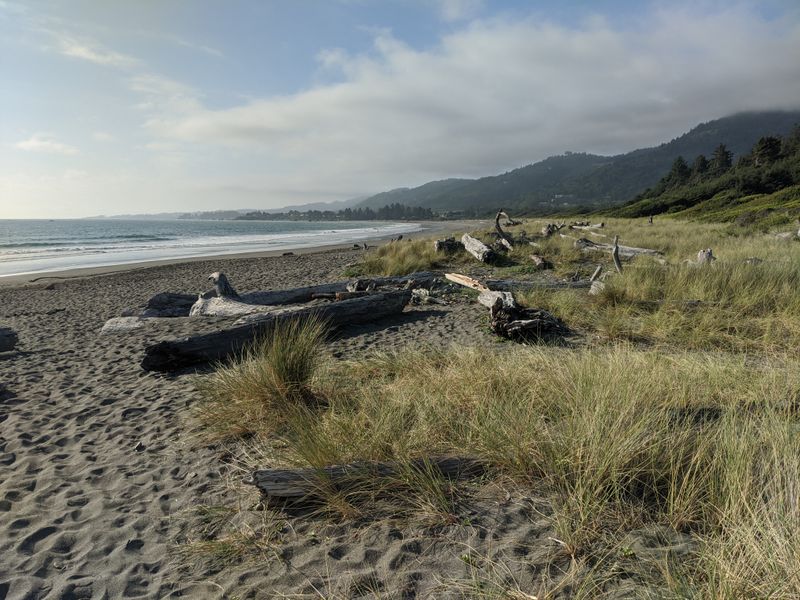
The beach stretches considerably farther than its modest five-acre designation might suggest. Long expanses of sand extend in both directions from the main access point, with the actual walking distance reaching well over a mile during low tide.
The sand itself is soft and fine, quite different from the rocky or pebbly beaches common along other parts of the northern coast.
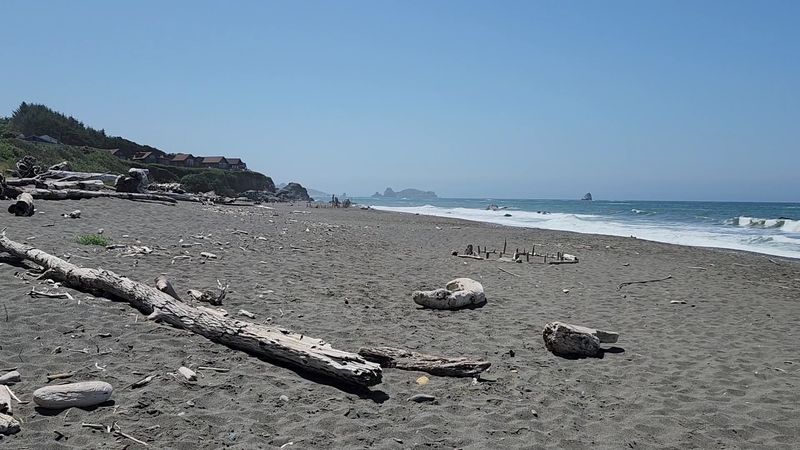
Driftwood dominates the upper beach in quantities that surprise first-time visitors. Massive logs, bleached white by sun and salt, lie scattered across the dunes like abandoned sculptures.
These remnants of coastal forests provide natural seating and serve as popular subjects for photographers seeking dramatic compositions.
Children find endless entertainment building structures from the abundant driftwood, and the soft sand makes for safe play areas. The dunes behind the beach support grasses and low vegetation that help stabilize the sand.
During storms, these natural features provide important protection against erosion.
The combination of open sand and natural debris creates a landscape that feels both spacious and intimately detailed.
Fewer Crowds Than Southern California Beaches
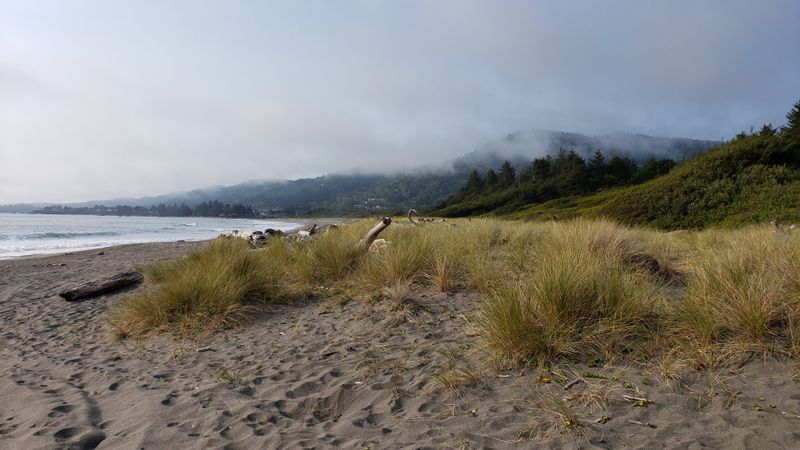
On a typical summer day when southern California beaches overflow with thousands of visitors, Pelican State Beach might host a dozen people. The limited parking naturally restricts visitor numbers, and the remote location eliminates casual drop-in traffic.
Many visitors report having the entire beach to themselves for hours at a time, particularly during weekday visits or outside summer months.
This solitude represents the beach’s primary attraction for many who make the journey. The experience of walking a California beach without navigating around beach blankets, umbrellas, and volleyball games feels increasingly rare.
The quiet allows for genuine reflection and observation of natural processes without constant human interruption.
Reviews consistently mention the lack of crowds as a defining characteristic. One visitor noted spending an hour watching pelicans fish without seeing another person.
Another described the beach as perfect for those seeking solitude, though cautioned that this isolation might not appeal to everyone.
The trade-off for this privacy is distance from services and the need for self-sufficiency during your visit.
Ideal For Long, Quiet Coastal Walks
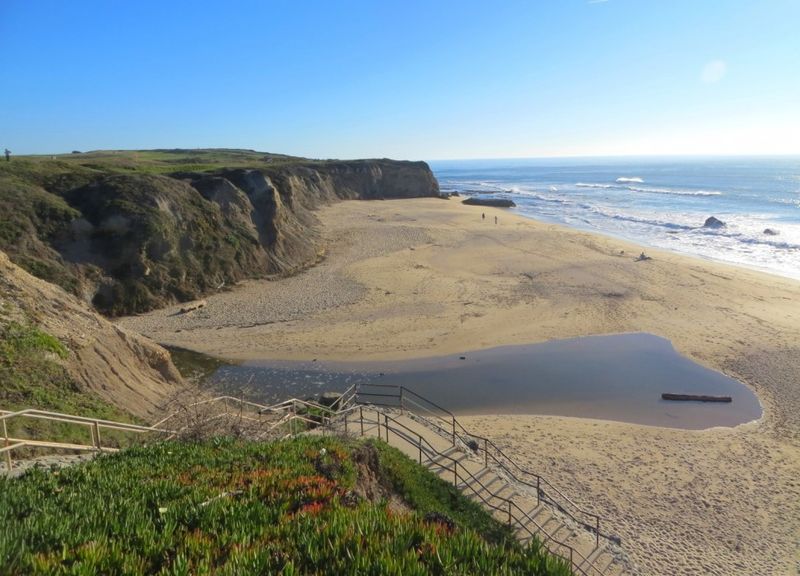
The beach configuration makes it particularly well-suited for extended walks along the waterline. Firm sand near the water provides good footing, and the beach extends far enough to allow for substantial exercise without retracing your steps immediately.
Low tide exposes even more walking area and reveals tide pools and rock formations not visible during high water.
Walkers appreciate the varied terrain that prevents monotony. The shoreline curves gently, offering changing perspectives on the ocean and coastline.
Rock outcroppings at intervals provide natural waypoints and rest spots. The sound of waves provides a constant backdrop without overwhelming conversation or contemplation.
Several reviews specifically praise the beach for walking, with one calling it very relaxing and enjoyable. The narrow trail from the parking area to the beach serves as a brief transition that helps visitors mentally shift from driving mode to beach exploration.
This short walk through vegetation creates a sense of discovery when the ocean first comes into view.
Physical fitness requirements remain modest, though the trail does involve some elevation change.
Frequent Coastal Fog Creates A Moody Atmosphere
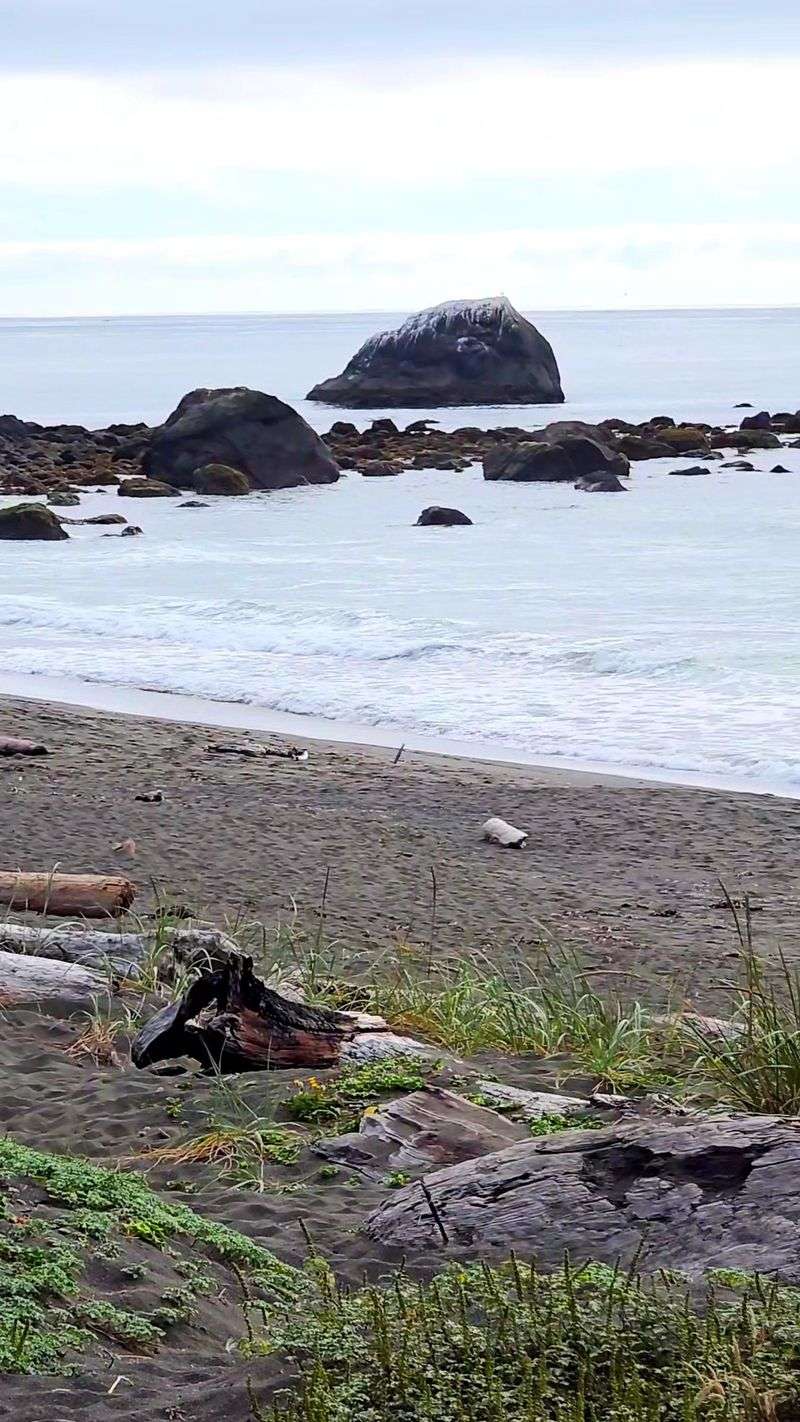
The northern California coast experiences fog with remarkable consistency, particularly during summer months when inland heat draws marine air onshore. This fog transforms the beach experience from bright and sunny to mysterious and contemplative.
Visibility can drop to a few hundred feet, creating an enclosed feeling that some find meditative and others find unsettling.
The fog brings practical considerations beyond atmosphere. Temperatures remain cool even in July and August, making layered clothing essential.
The moisture in the air creates a distinctive smell combining salt, seaweed, and damp earth. Sounds behave differently in fog, with wave noise seeming both muffled and more immediate.
Photographers find the fog compelling for the way it simplifies compositions and creates subtle gradations of gray. The driftwood takes on different character when partially obscured by mist.
Rock formations emerge from the fog like islands appearing from clouds.
Weather patterns can shift quickly, with fog clearing to reveal bright sunshine or thickening into persistent overcast. Visitors should prepare for variable conditions regardless of the forecast for inland areas.
Wildlife Sightings Along The Shore
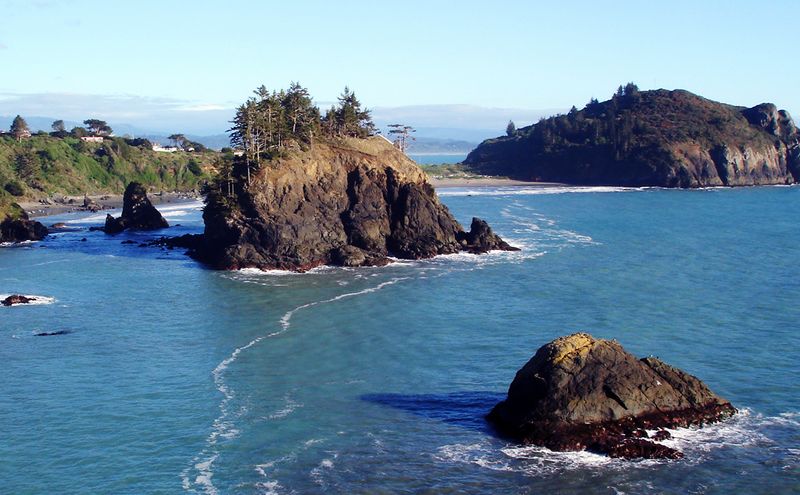
The beach takes its name from the brown pelicans that patrol the coastline hunting for fish. These large seabirds put on remarkable aerial displays, diving from considerable heights into the waves to catch prey.
Visitors consistently report watching these fishing expeditions as a highlight of their time at the beach. The birds seem unbothered by human presence and continue their activities even when people are nearby.
Beyond pelicans, the area supports diverse marine and coastal wildlife. Tide pools exposed during low water contain anemones, crabs, and small fish.
Harbor seals sometimes haul out on offshore rocks. Gulls and other shorebirds work the waterline searching for food.
The rock formations visible from shore host mussels and other shellfish.
Patient observers can spend hours watching the constant activity of coastal creatures. The lack of crowds means wildlife behaves more naturally, without the wariness that develops at heavily visited beaches.
Early morning and evening hours typically offer the best viewing opportunities.
The remote location and protected status help maintain healthy populations of coastal species.
Accessed Via A Scenic Coastal Drive
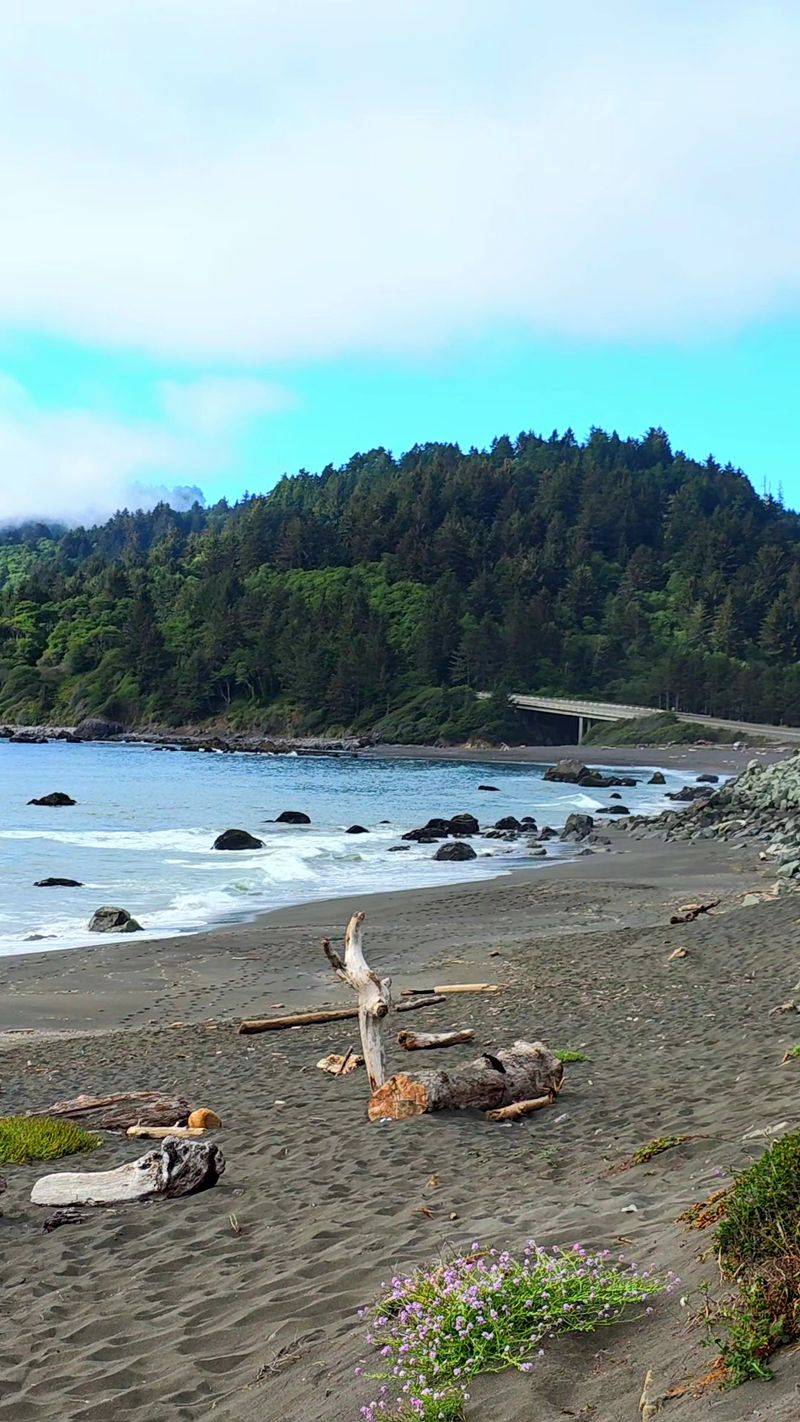
Reaching Pelican State Beach requires traveling Highway 101 through some of California’s most dramatic coastal scenery. The road hugs the coastline for extended stretches, offering views of cliffs, ocean, and offshore rocks.
The drive itself becomes part of the experience rather than merely transportation to a destination. Multiple pullouts allow for photo stops and brief explorations of other coastal access points.
The highway between Crescent City and the Oregon border passes through relatively undeveloped territory. Redwood forests press close to the road in many sections, creating tunnels of vegetation that suddenly open to reveal ocean vistas.
The landscape feels wild and unmanicured compared to more populated coastal regions.
One visitor described finding the beach almost by accident while exploring roads near the Oregon-California border inspection station. The beach entrance is marked but not prominently advertised, fitting the overall low-key character of the area.
The turn from the highway leads to a short access road ending at the small parking area.
Allow extra driving time for the winding coastal route and frequent stops to appreciate the scenery.
Close To Redwood Forest Trails
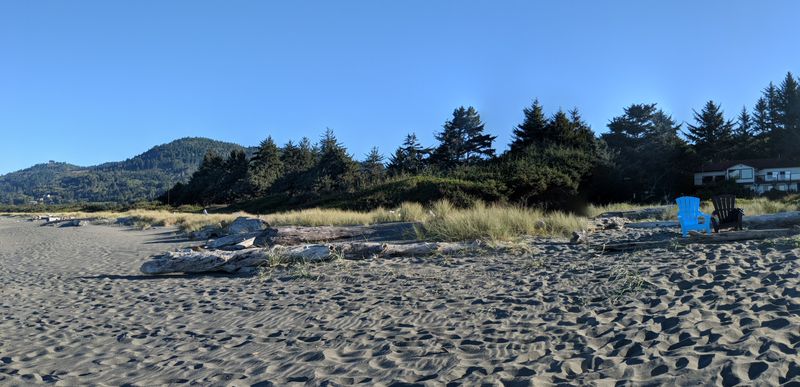
The proximity to redwood forests adds significant value to a visit focused primarily on the beach. Several major redwood groves lie within a short drive, offering hiking opportunities that range from easy walks to challenging backcountry trails.
The combination of coastal and forest environments in such close proximity creates unusual variety for a single day or weekend trip.
Jedediah Smith Redwoods State Park sits just a few miles inland, containing some of the most impressive old-growth redwood stands remaining in California. These ancient trees, some over 300 feet tall and more than 2,000 years old, create cathedral-like spaces that contrast dramatically with the open expanse of the beach.
The forest trails receive heavy shade even on sunny days, maintaining cool temperatures and damp conditions.
Many visitors structure their days to include both beach time and forest hiking, moving between the two environments as weather and energy permit. The forests provide shelter during periods of strong coastal wind or particularly thick fog.
The contrast between ecosystems makes each feel more distinctive and memorable.
Trail maps and information are available at visitor centers in the redwood parks.
A Sunset Spot With Wide Pacific Views
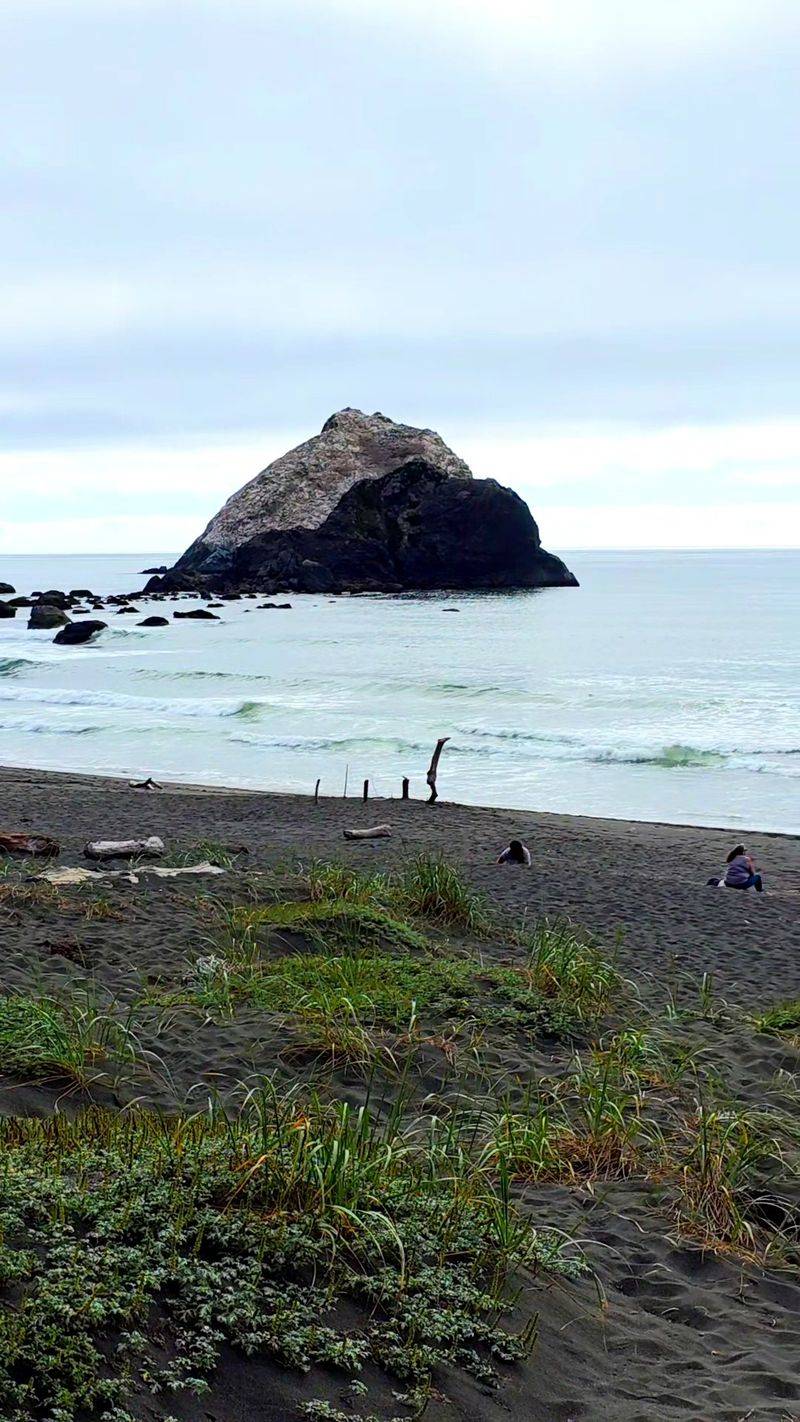
The beach faces west toward the open Pacific, providing unobstructed sunset views when weather conditions cooperate. The wide horizon line and lack of offshore islands or major rock formations mean the sun drops directly into the ocean during clear evenings.
The driftwood scattered across the beach creates ready-made foreground interest for photographs, and the wet sand near the waterline reflects the colored sky.
Sunset timing varies considerably throughout the year given the northern latitude. Summer sunsets occur quite late in the evening, while winter darkness arrives much earlier.
The fog that frequently blankets the coast can obscure direct sunset views, but often creates its own dramatic lighting effects as the sun filters through layers of marine air.
Several reviews mention sunset viewing as a compelling reason to visit, with one noting it as a great place to watch the sun set on a nice evening. The quiet atmosphere and minimal light pollution enhance the experience.
As darkness falls, the sound of waves becomes more prominent and the sense of isolation intensifies.
Visitors planning sunset viewing should bring flashlights for the walk back to vehicles after dark.