
15 Charming North Carolina Towns You Should Visit Before They’re Discovered
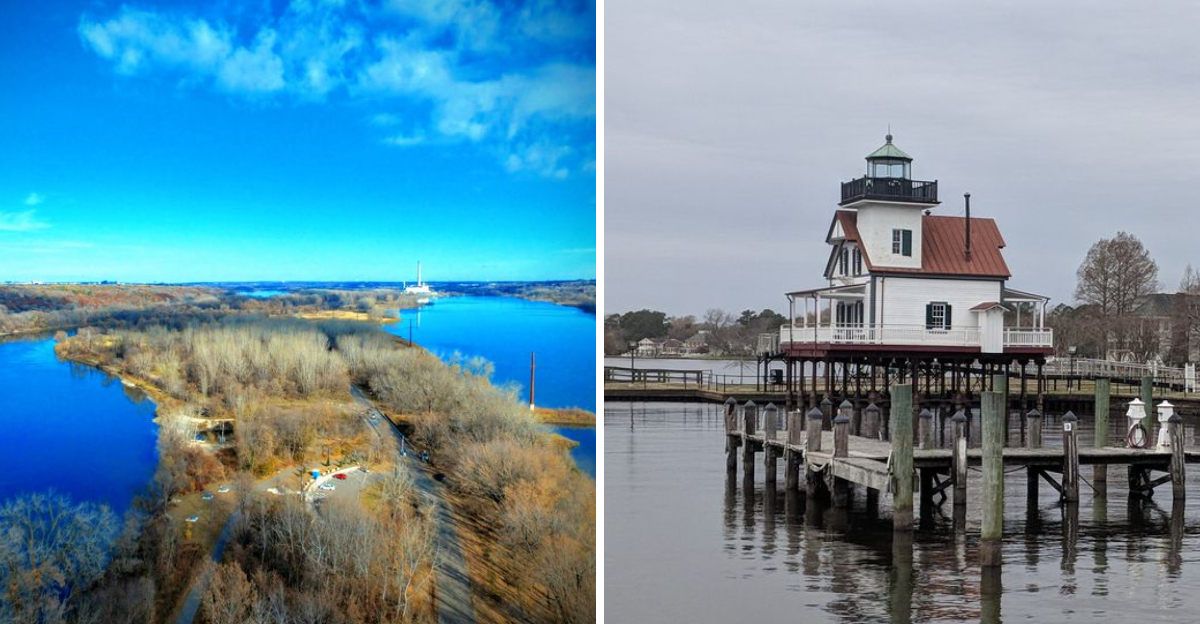
North Carolina hides some of the most enchanting small towns you’ve never heard of, tucked away in coastal corners, mountain valleys, and rolling Piedmont hills.
While everyone flocks to the usual tourist spots, these under-the-radar gems offer authentic experiences, rich history, and genuine Southern hospitality without the crowds.
I’ve explored these hidden treasures firsthand, and trust me, you’ll want to visit them before the secret gets out.
Pack your bags and get ready to discover the North Carolina nobody talks about yet.
1. Beaufort
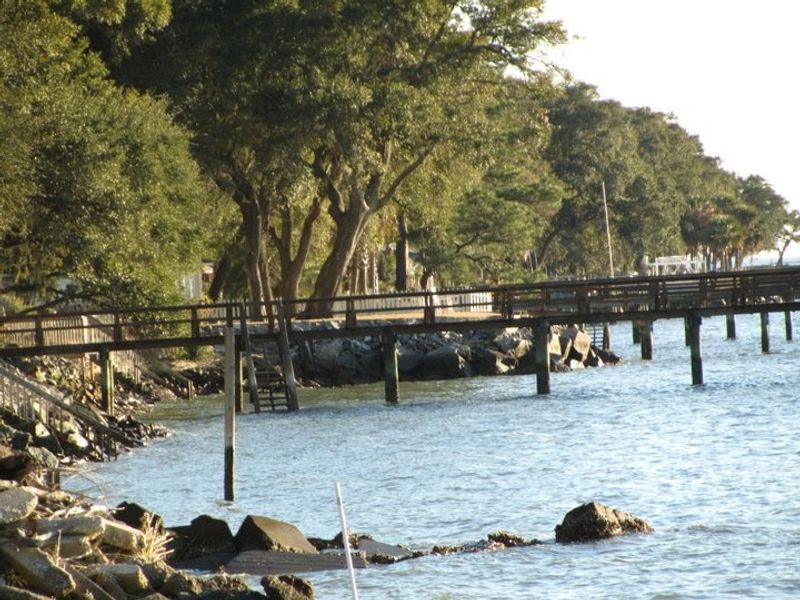
Salty air fills your lungs the moment you arrive in this coastal treasure that feels frozen in the best era imaginable.
Beaufort’s waterfront boardwalk stretches along Taylor’s Creek, where wild horses roam nearby Carrot Island and dolphins play in the shallows.
The town dates back to 1709, making it one of the oldest in the state, and nearly 150 historic homes still stand proudly.
You can kayak through pristine marshes, tour the North Carolina Maritime Museum, or simply watch shrimp boats unload their daily catch.
Front Street buzzes with locally-owned shops and restaurants serving fresh seafood that was swimming hours ago.
Wooden rocking chairs outside century-old inns invite you to slow down and savor every sunset.
2. Edenton
Picture a place where America’s earliest chapters come alive on every tree-lined street corner.
Edenton served as the colonial capital and remains virtually untouched by modern development, preserving over 250 years of architectural history.
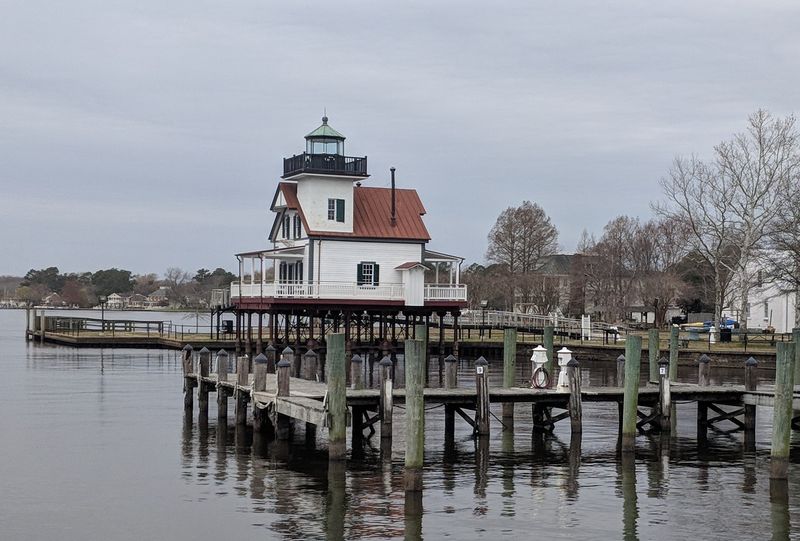
The waterfront overlooks the vast Albemarle Sound, creating postcard views that photographers dream about.
Colonial homes with sweeping porches tell stories of patriots and tea party protests led by brave women in 1774.
You’ll find the 1767 Chowan County Courthouse, the oldest courthouse still in use in the nation.
Antique shops line Broad Street, and local guides share ghost stories during evening walking tours. Sailboats drift lazily past while you sip sweet tea at waterside cafes that haven’t changed their recipes in decades.
3. Bath
North Carolina’s very first town feels like stepping through a portal into 1705.
Bath never grew beyond a few hundred residents, which preserved its authentic colonial character better than any museum ever could.
The entire town spans just a few blocks, making it perfect for leisurely afternoon exploration on foot.
Blackbeard the pirate supposedly frequented these shores, and locals swear his ghost still wanders near the waterfront.
St. Thomas Church, built in 1734, remains the state’s oldest church and welcomes visitors with original hand-carved pews.
The Palmer-Marsh House and Bonner House offer guided tours through centuries past.
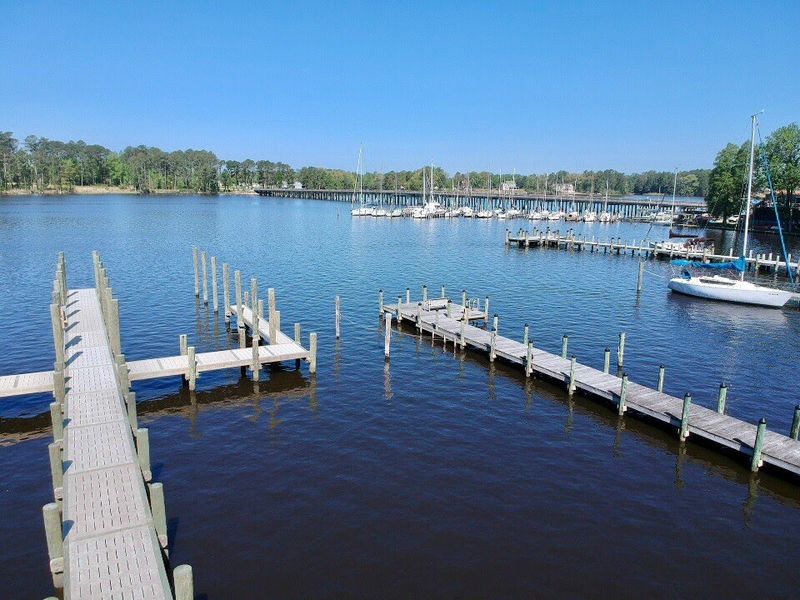
Kayakers launch directly into the Pamlico River, paddling routes that pirates once sailed while smuggling rum and treasure.
4. Washington
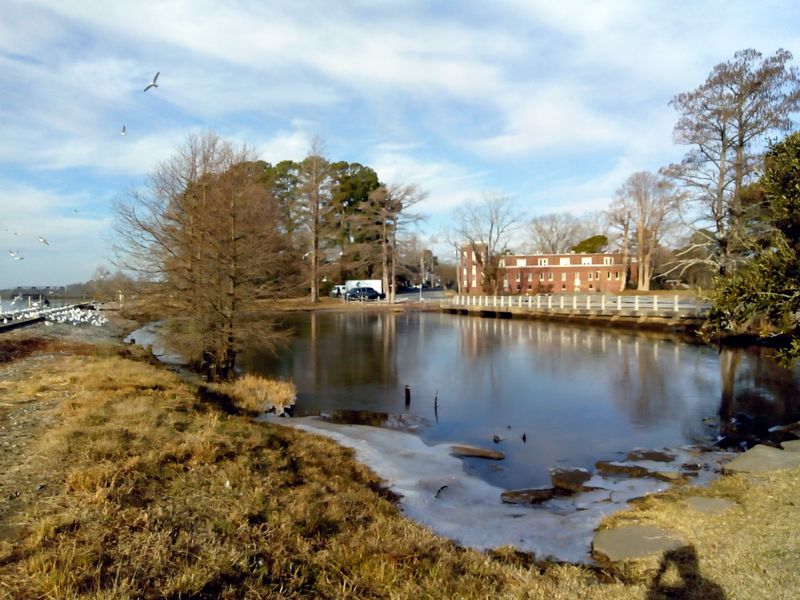
Named after George Washington himself before he even became president, this riverside gem radiates small-town pride.
The original Washington boasts a revitalized downtown where brick sidewalks lead past murals depicting local history and maritime heritage.
Waterfront Park stretches along the Pamlico River, offering sunset views that rival any coastal destination.
Historic homes from the 1800s line residential streets, many converted into cozy bed-and-breakfasts run by welcoming hosts.
The town nearly burned completely during the Civil War, yet somehow bounced back stronger.
Local restaurants serve Eastern North Carolina barbecue that locals argue is the state’s best-kept secret.
Art galleries showcase regional artists, and the Turnage Theatre hosts live performances in a beautifully restored 1913 vaudeville house that still has original features.
5. New Bern
Swiss and German settlers founded this riverside city in 1710, blending European elegance with Southern hospitality.
Tryon Palace, the reconstructed colonial capitol, stands as the crown jewel with manicured gardens that bloom year-round in spectacular colors.
New Bern claims fame as the birthplace of Pepsi-Cola, invented right here in 1898 by local pharmacist Caleb Bradham.
The historic district spreads across dozens of blocks filled with Federal and Georgian architecture that architecture students travel miles to study.
Two rivers meet here, creating endless opportunities for sailing, fishing, and waterfront dining.
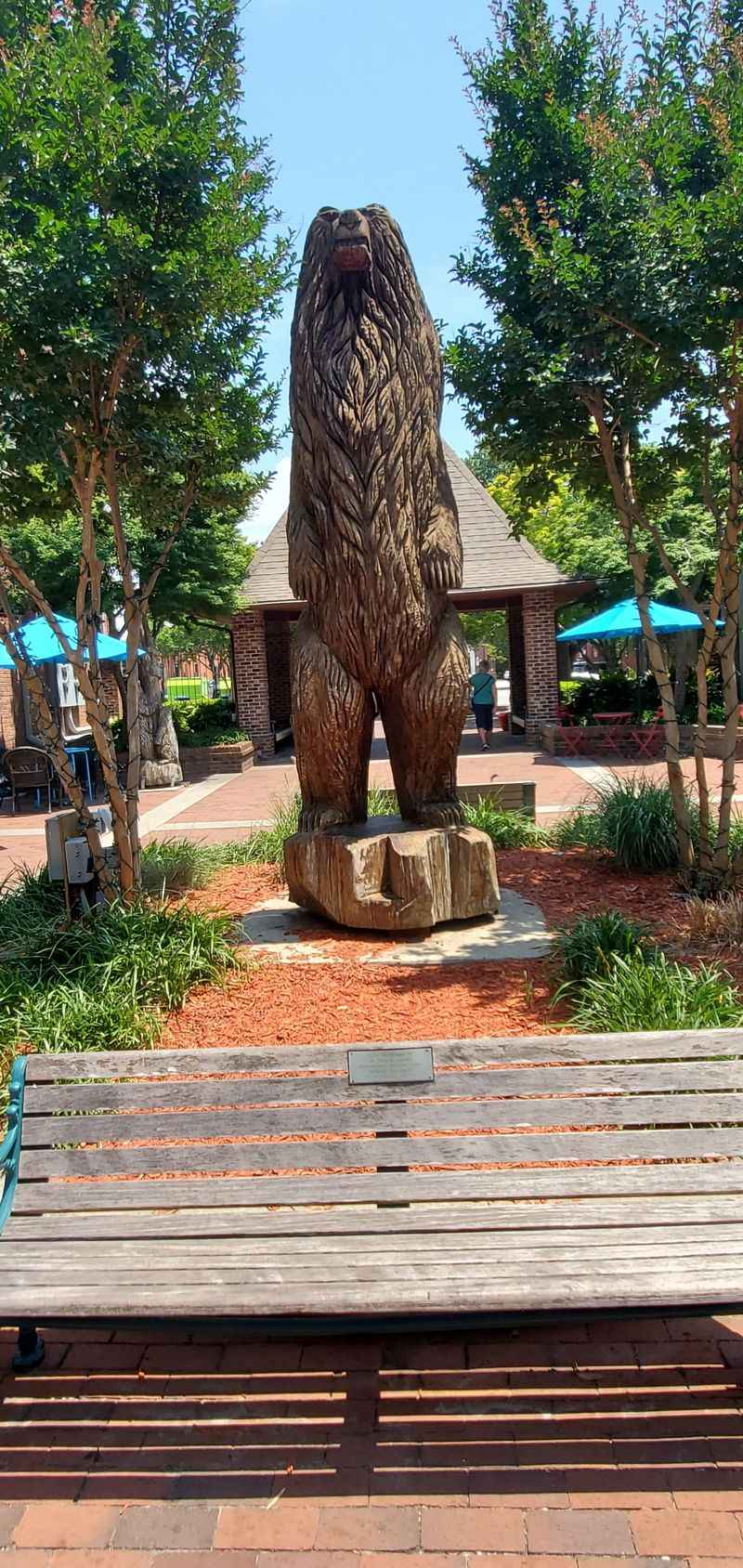
Bear-themed statues dot the downtown as playful nods to the town’s name, each uniquely decorated by local artists.
Antique stores overflow with treasures, and the farmers market bursts with fresh produce every season.
6. Oriental
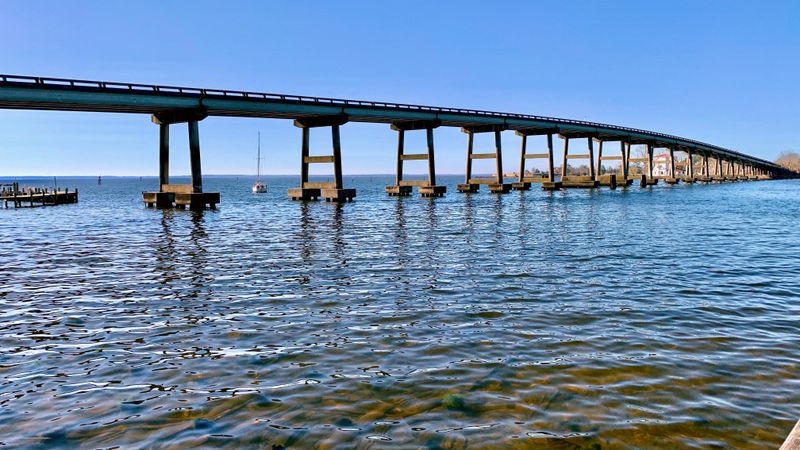
Sailboats outnumber cars in this tiny village that calls itself the Sailing Capital of North Carolina without a hint of exaggeration.
Marinas line every available waterfront space, their docks crowded with vessels from around the world during cruising season.
The town adopted its unusual name from a steamship that wrecked nearby in the 1800s, and residents embraced the exotic flair.
You can rent kayaks and explore quiet creeks where herons fish in the shallows, or join sunset sailing charters that glide across the Neuse River.
Downtown consists of maybe ten blocks, but those blocks pack in charming galleries, cafes, and marine supply shops.
Friendly sailors gather at local restaurants swapping stories about their latest adventures while munching on crab cakes and hush puppies.
7. Swansboro
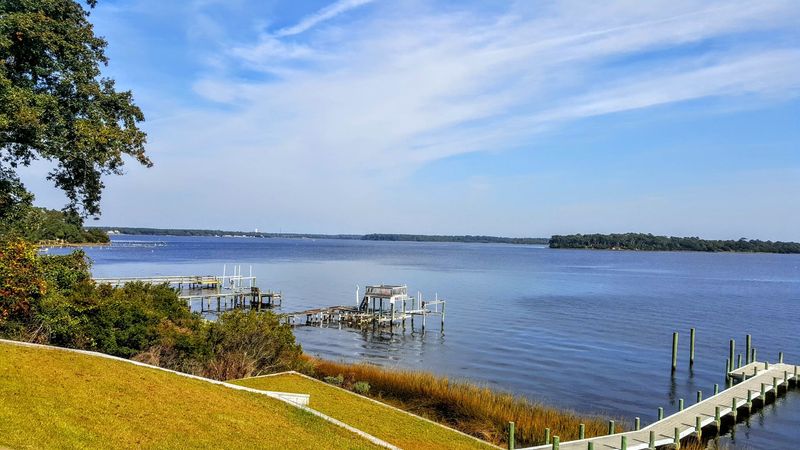
Wooden boardwalks stretch along the White Oak River where this fishing village has welcomed visitors since the 1700s.
Swansboro’s nickname, the Friendly City by the Sea, isn’t just marketing fluff—locals genuinely greet strangers like long-lost cousins returning home.
The historic district features buildings from the early 1800s, many housing family-owned restaurants serving she-crab soup and fresh catch daily.
An old-fashioned swing bridge connects the mainland to the beaches, opening regularly to let boats pass through in a charming maritime ballet.
Pirates once hid in nearby creeks, and treasure hunters still search the surrounding waters hoping for Spanish gold.
The annual Mullet Festival celebrates this humble fish with parades, music, and enough fried seafood to feed an army of hungry beachgoers.
8. Hillsborough
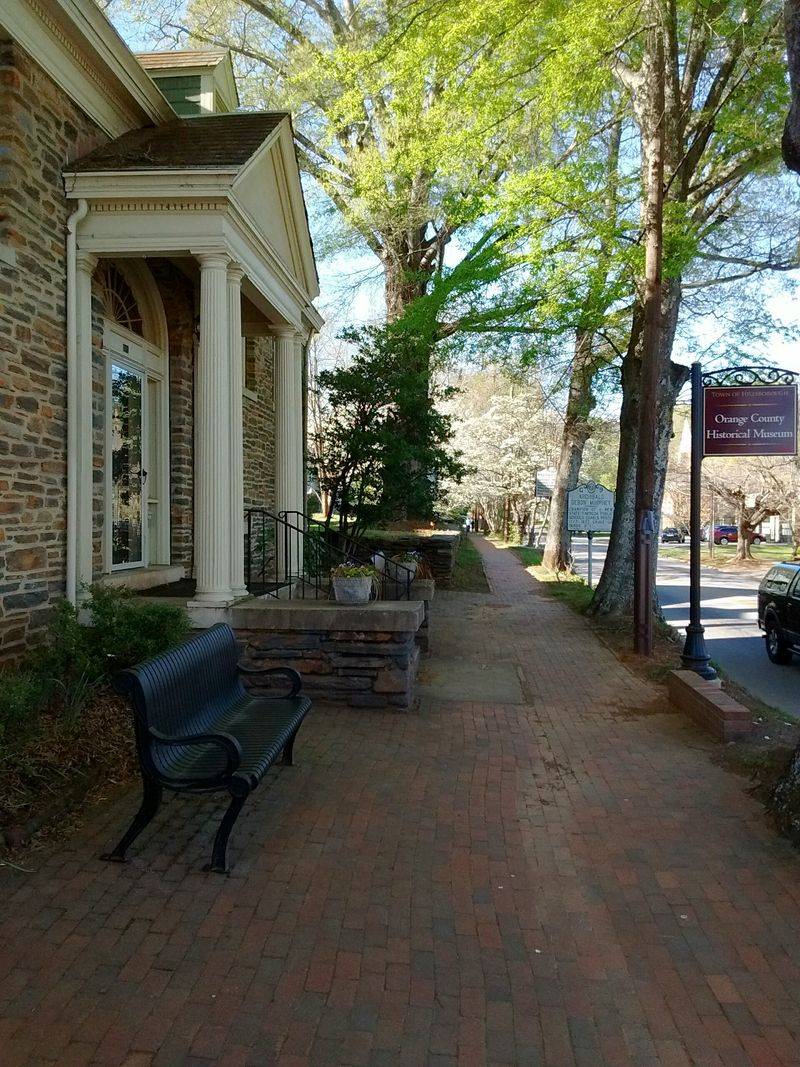
Revolutionary War generals walked these very sidewalks, plotting strategy in taverns that still serve customers today.
Hillsborough predates the nation itself, founded in 1754, and preserves more than 100 historic structures within its compact downtown.
The Occoneechee Mountain rises just outside town, offering hiking trails with panoramic views of the surrounding Piedmont landscape.
Cornwallis occupied this town during the war, and you can still visit the sites where history pivoted on crucial decisions.
Modern Hillsborough thrives as an artists’ colony where galleries, studios, and farm-to-table restaurants occupy beautifully restored buildings.
The Riverwalk follows the Eno River through forests and past old mill sites where families picnic and kids splash in shallow rapids during summer months.
9. Hot Springs
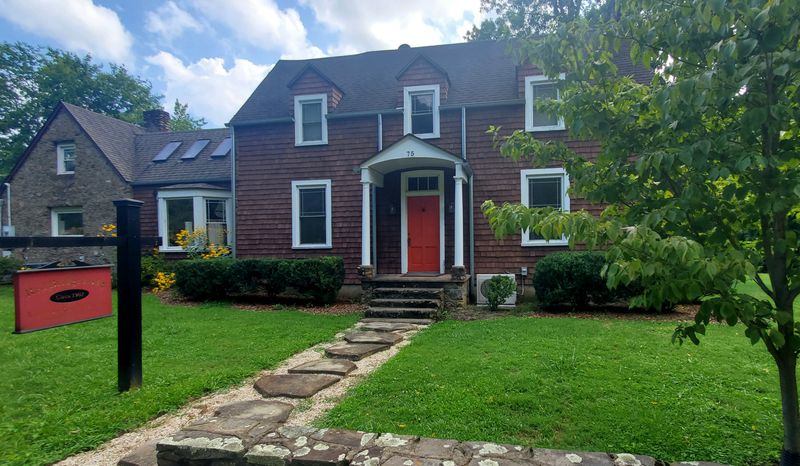
Mineral-rich waters bubble up from deep underground, creating natural hot tubs that have soothed weary travelers for centuries.
The Appalachian Trail runs directly through downtown, making this the only place where thru-hikers can soak their battered feet in therapeutic springs without leaving the trail.
Cherokee people discovered these healing waters long before European settlers arrived and considered them sacred gathering places.
The French Broad River rushes past town, offering world-class whitewater rafting and kayaking through dramatic mountain gorges.
Victorian-era spa resorts once attracted wealthy visitors from across the nation, though the vibe now feels delightfully low-key and unpretentious.
Local outfitters rent tubes for lazy float trips, and the tiny downtown features quirky shops and cafes run by former hikers who fell in love and never left.
10. Marshall

Main Street literally runs alongside the French Broad River, so close you could cast a fishing line from the sidewalk.
Mountains rise steeply on both sides, creating a narrow valley where this town squeezed itself into existence over a century ago.
Marshall served as a major railroad hub, and the old depot now houses a museum celebrating those glory days of steam and steel.
The town hosts a bluegrass festival each summer that draws pickers and grinners from throughout Appalachia for toe-tapping good times.
Historic storefronts climb the hillside in tiers, connected by steep staircases that provide unexpected exercise during casual shopping trips.
Artists have discovered Marshall recently, opening studios in renovated buildings where you can watch glassblowers, potters, and painters create mountain-inspired masterpieces right before your eyes.
11. Saluda
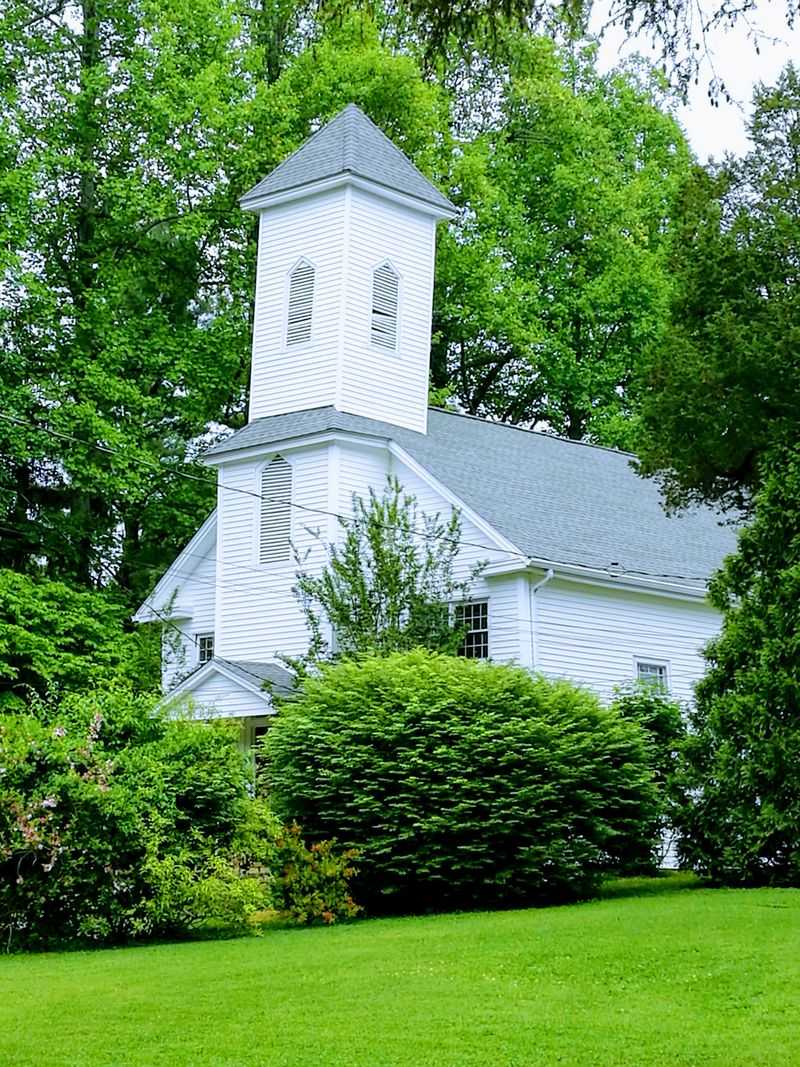
Perched at one of the highest elevations in the eastern United States, this mountain village offers cool breezes even during August heat waves.
The steepest mainline railroad grade in the country once challenged trains climbing toward Saluda, creating legendary tales of runaway cars and heroic engineers.
Main Street stretches just a few blocks but packs in antique shops, art galleries, and cafes serving mountain comfort food.
The Green River Gorge lies minutes away, where adventurous souls rappel down waterfalls and kayakers navigate Class V rapids through ancient rock formations.
Wildflower meadows blanket the surrounding mountains in spring, attracting photographers and nature lovers who hike miles of forest trails.
Rocking chairs line the porches of century-old inns where guests watch hummingbirds and sip locally roasted coffee while planning their next mountain adventure.
12. Burnsville
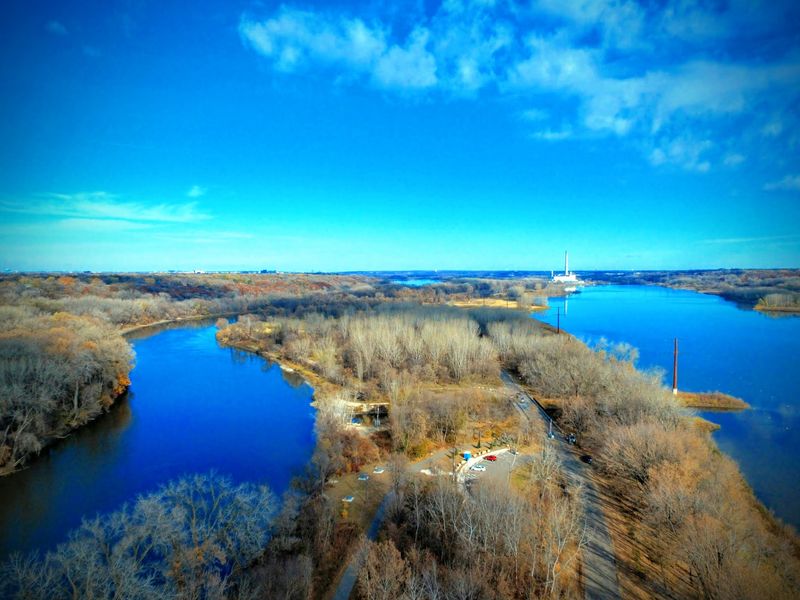
Mount Mitchell, the highest peak east of the Mississippi, looms over this artistic mountain community like a protective guardian.
The town square hosts festivals throughout the year where local musicians play old-time mountain music and craftspeople demonstrate traditional skills passed down through generations.
Burnsville has cultivated a thriving arts scene, with galleries showcasing everything from traditional quilts to contemporary sculpture.
The Toe River flows through the valley, offering excellent trout fishing in waters so clear you can count pebbles on the bottom.
Fall foliage transforms the surrounding mountains into a painter’s palette of reds, oranges, and golds that rival Vermont’s famous displays.
Family-owned restaurants serve recipes perfected over decades, and the local bakery produces bread and pastries that draw customers from neighboring counties every morning.
13. Banner Elk
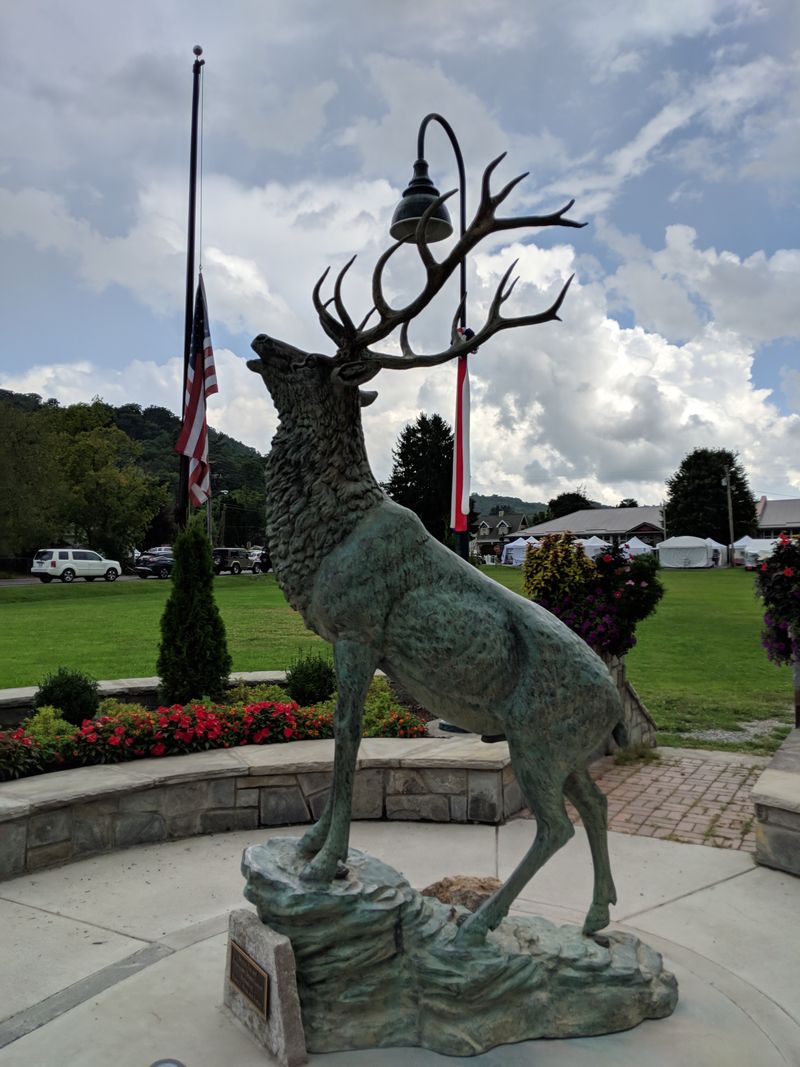
Ski slopes and summer wildflowers share the same mountain faces in this High Country hideaway that transforms with the seasons.
Banner Elk sits at over 3,700 feet elevation, surrounded by some of the region’s most iconic peaks including Grandfather Mountain and Beech Mountain.
Winter brings powder snow and cozy lodge fireplaces, while summer offers hiking trails through rhododendron tunnels and fly fishing in crystal streams.
The town itself maintains a village atmosphere where locally-owned shops sell everything from handmade pottery to outdoor gear for mountain adventures.
Woolly Worm Festival each October predicts winter weather based on caterpillar colors, a quirky tradition that packs the streets with believers and skeptics alike.
Farm-to-table restaurants source ingredients from nearby mountain farms, creating menus that change with what’s freshest each week.
14. Brevard
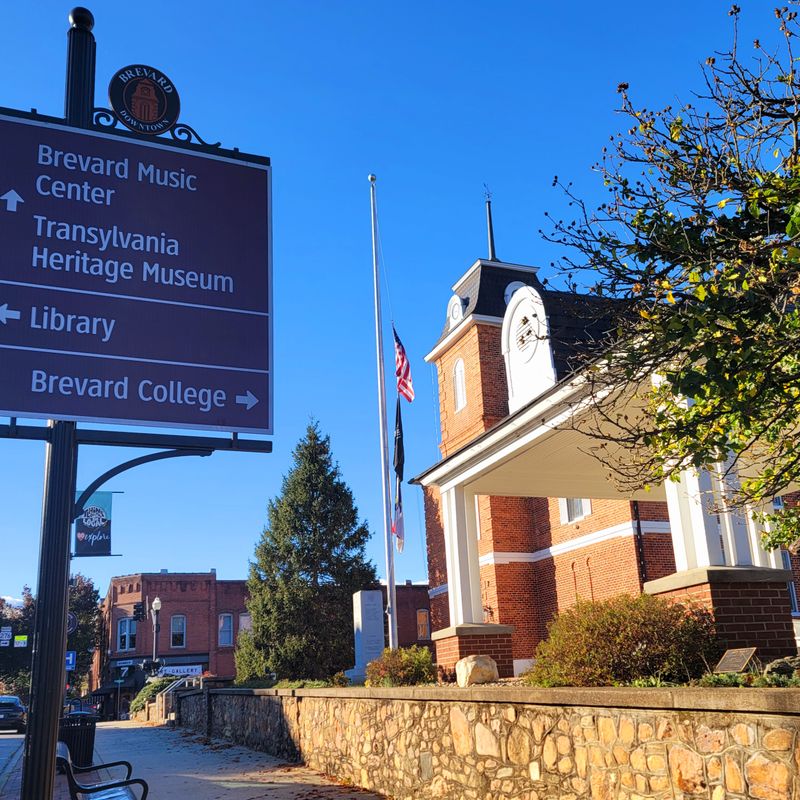
White squirrels scamper through downtown trees in this mountain town that serves as the gateway to Pisgah National Forest’s waterfall wonderland.
Over 250 waterfalls cascade within a short drive, including Looking Glass Falls where water plunges 60 feet into a crystal pool perfect for summer swimming.
Brevard Music Center attracts talented students and world-class musicians each summer, filling mountain evenings with classical concerts under the stars.
The town square features a classic Main Street lined with independent bookstores, bike shops, and ice cream parlors that stay busy year-round.
Mountain bikers consider Brevard a mecca, with hundreds of miles of trails ranging from gentle forest paths to heart-pounding downhill runs.
Autumn brings the Halloween parade where thousands of costumed participants transform downtown into a festive celebration that’s become legendary throughout the region.
15. Bryson City
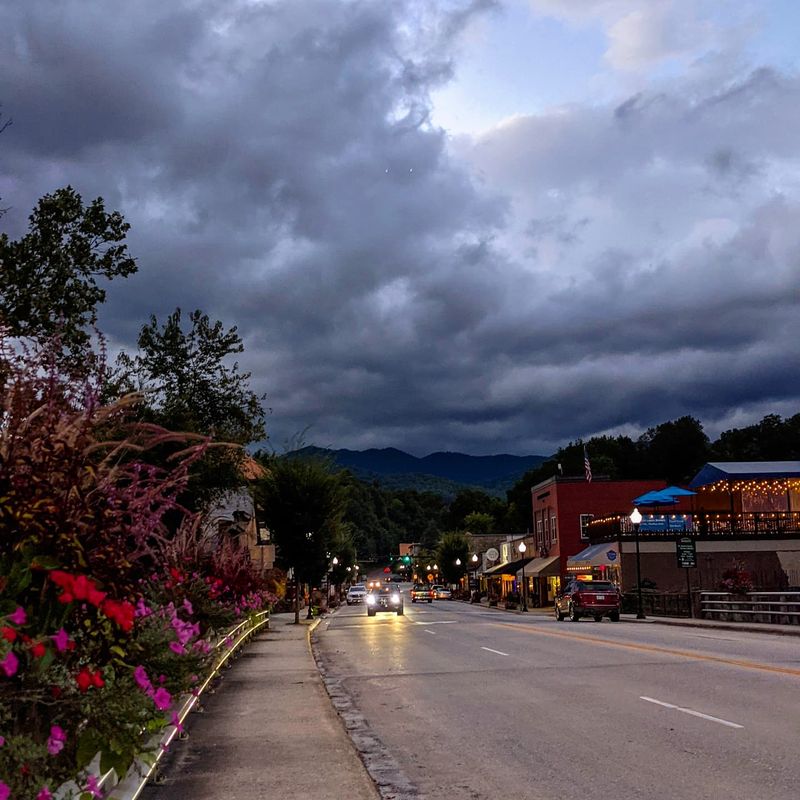
Steam locomotives chug through mountain valleys here, offering scenic railroad journeys that feel plucked straight from a nostalgic postcard.
Bryson City serves as a launching point for Great Smoky Mountains National Park adventures, with pristine streams, hiking trails, and wildlife viewing opportunities minutes from downtown.
The Tuckasegee River flows past town, providing excellent fly fishing and lazy tubing trips through gentle rapids on hot summer afternoons.
Fontana Lake stretches behind the tallest dam east of the Rockies, creating a massive playground for boaters, kayakers, and anglers chasing trophy bass.
Downtown features mountain craft shops, outfitters, and diners serving biscuits and gravy that fuel hikers before dawn trailhead departures.
The nearby Road to Nowhere tells a haunting story of broken government promises, attracting curious visitors to explore an abandoned tunnel leading into wilderness.