
Decades Of History Cover Every Surface Of This Unforgettable California Restaurant
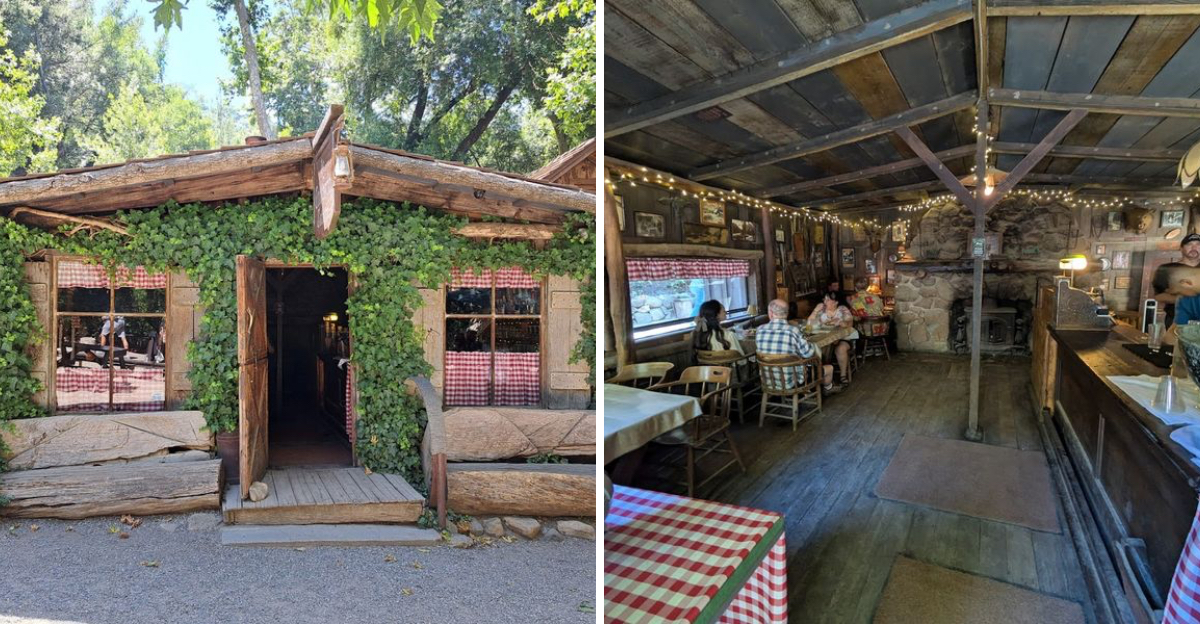
What if a single plate of food could serve as a doorway into over 150 years of California history? Real log cabins, hand-hewn stone walls, and artifacts collected across generations make this mountain retreat feel like a living museum.
It just happens to also serve the most celebrated frontier-inspired food in the whole state. California has very few places like this left.
The road narrows, the trees close in, and suddenly something extraordinary comes into view through the shade. Original buildings still standing.
Objects with real provenance lining every corner. A wood-fire smell drifting out from an outdoor grill that has already become legendary.
Food history was quietly made here, too. Plan a trip and let this place surprise you.
A Stagecoach Stop That Never Stopped Serving
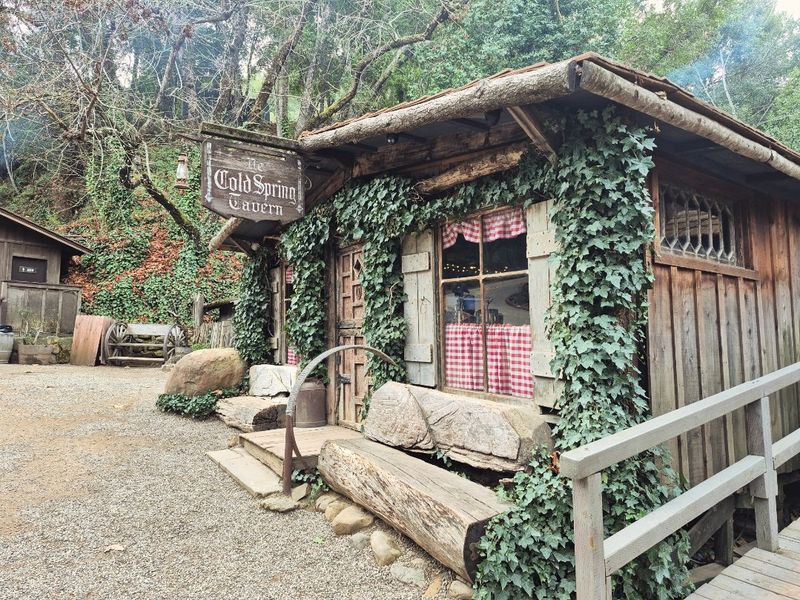
Picture a horse-drawn coach rattling through the San Marcos Pass, stopping right here for a meal and a fresh team of horses. Cold Spring Tavern began its life in 1868 as the Cold Spring Relay Station, a working rest stop for stagecoach travelers crossing the mountains.
The original hand-hewn log buildings still stand on the property today. That is not a reconstruction or a replica.
Those are the actual structures from over 150 years ago, still in use.
The tavern sits nestled in a shaded canyon, roughly 15 miles from downtown Santa Barbara. Arriving by car today feels surprisingly similar to how travelers must have felt arriving by coach.
The road narrows, the trees close in, and suddenly the old buildings appear through the shade.
Cold Spring Tavern at 5995 Stagecoach Rd, Santa Barbara, CA 93105 anchors itself to a stretch of history that most restaurants can only dream about. The past here is not decoration.
It is the foundation.
Hand-Hewn Logs And Stone Walls That Have Seen Everything
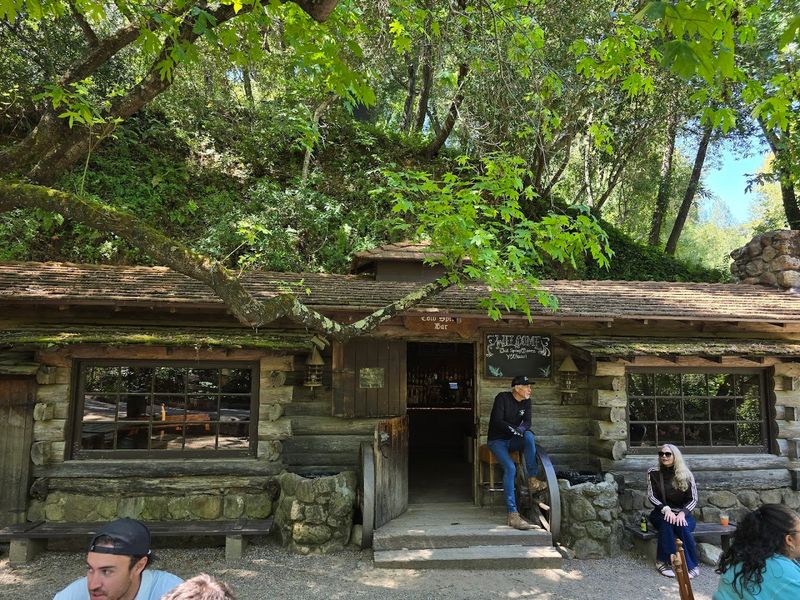
Most buildings from the 1860s have been torn down or completely rebuilt. The main tavern building at Cold Spring is still standing with its original thick stone walls and heavy timber beams intact.
That alone makes it extraordinary.
The walls are not smooth or polished. They carry the texture of real craftsmanship from a time when everything was built by hand.
Running a hand across the stone, visitors can feel the weight of every decade stacked on top of each other.
Heavy timber beams stretch across the ceilings, darkened with age and holding the whole structure together just as they always have. The floors are uneven in the way only genuinely old floors can be.
No designer recreated that unevenness. It happened naturally over more than a century of use.
This kind of structural authenticity is nearly impossible to find in a working restaurant today. The building does not just look old.
It actually is old, and every crack and groove proves it.
Gas Lanterns Still Glow Here For A Reason
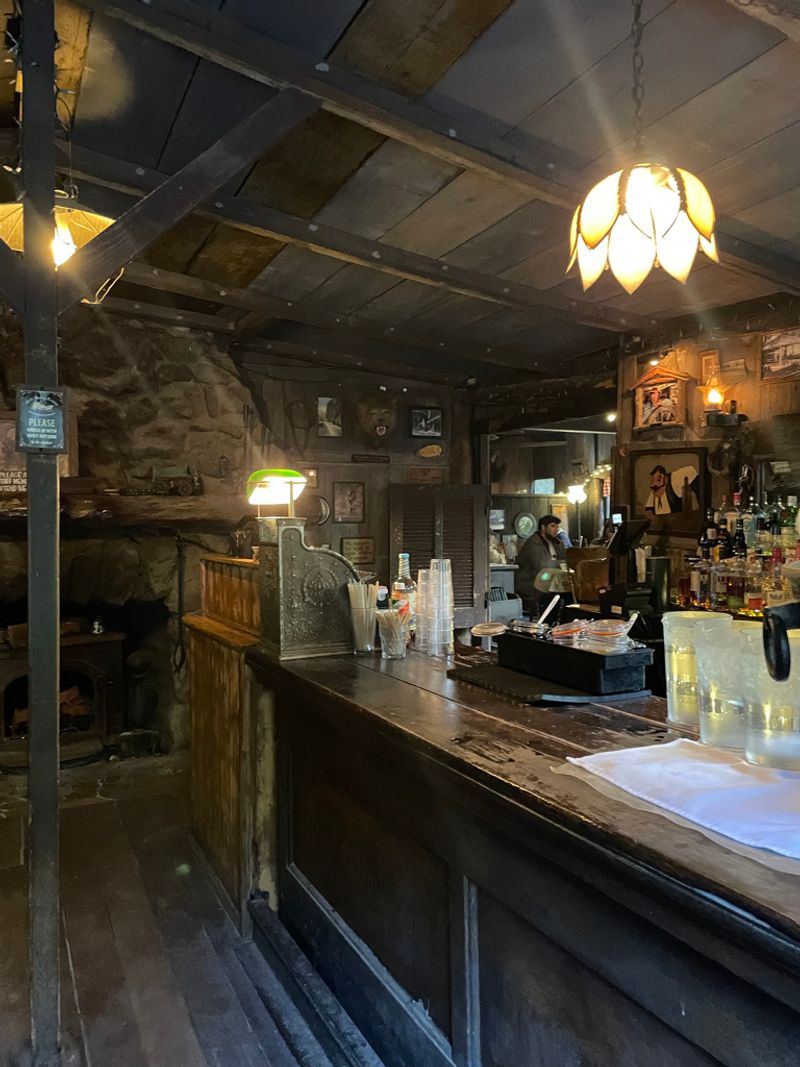
Cold Spring Tavern did not have electricity until 1954. That single fact changes how visitors see the gas lanterns still hanging throughout the space.
They are not a stylistic choice. They are a continuation of how things have always been done here.
The glow from gas lanterns is softer and warmer than electric light. It spreads differently, casting shadows that shift slightly with air movement.
Sitting inside under that light feels calm and unhurried in a way that modern lighting rarely achieves.
Even after electricity arrived, the tavern kept the lanterns. That decision says something about the values of the people who have run this place.
Comfort and character were prioritized over convenience.
Visitors who arrive expecting a bright, modern dining room will find something far more interesting instead. The lighting alone sets a mood that takes hold within seconds of stepping through the door.
It is one of those small details that makes the overall experience feel genuinely different from anywhere else.
The Swinging Bar Doors With A Saloon Past
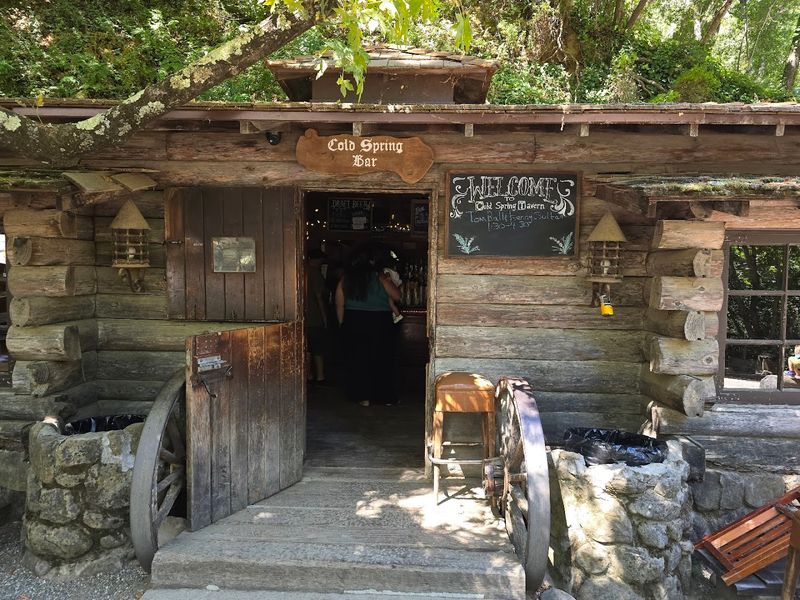
Those swinging bar doors inside the tavern did not come from a prop warehouse or a salvage shop. They came from Young’s Saloon in Eureka, California, and they carry that origin with quiet authority.
Swinging saloon doors are a classic image from the American West. Finding a pair with a real, traceable history makes them something worth pausing in front of.
They creak when pushed, and that creak sounds exactly right in a building this old.
Details like these are what separate Cold Spring Tavern from restaurants that simply adopt a rustic aesthetic. Every object here has a story attached to it.
The doors are not decorative. They were functional in another saloon before they found their current home.
Visitors who take a moment to look closely at the details around the tavern will keep finding things like this. Objects with provenance.
Items that traveled here from somewhere else and settled into the space as if they always belonged. The swinging doors are one of the best examples of that layered history on display.
The Fireplace Mantel Built From An Edison Pole
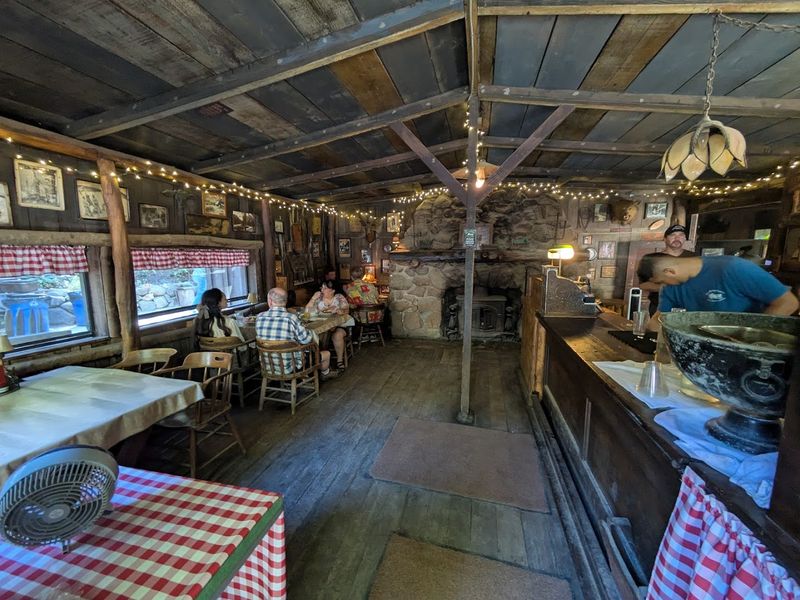
The mantel above the Log Cabin Bar fireplace was built in 1955. That part is not unusual.
What makes it remarkable is the material it was made from: the last Edison electric pole used in the area.
Someone made a deliberate choice to preserve that pole rather than discard it. Turning it into a fireplace mantel was a way of keeping local history visible in everyday life.
That kind of thinking runs through everything at Cold Spring Tavern.
The fireplace itself adds real warmth to the space, especially on cooler canyon days. Sitting near it while the gas lanterns glow above creates a layered sensory experience that feels genuinely rooted in place and time.
Hearty stone fireplaces appear in more than one room throughout the tavern. Each one contributes to the overall atmosphere of shelter and warmth that has made this spot a reliable destination for generations of visitors.
The Edison pole mantel just happens to be the one with the most interesting backstory hiding in plain sight.
An Old Ojai Jail Now Lives On The Property
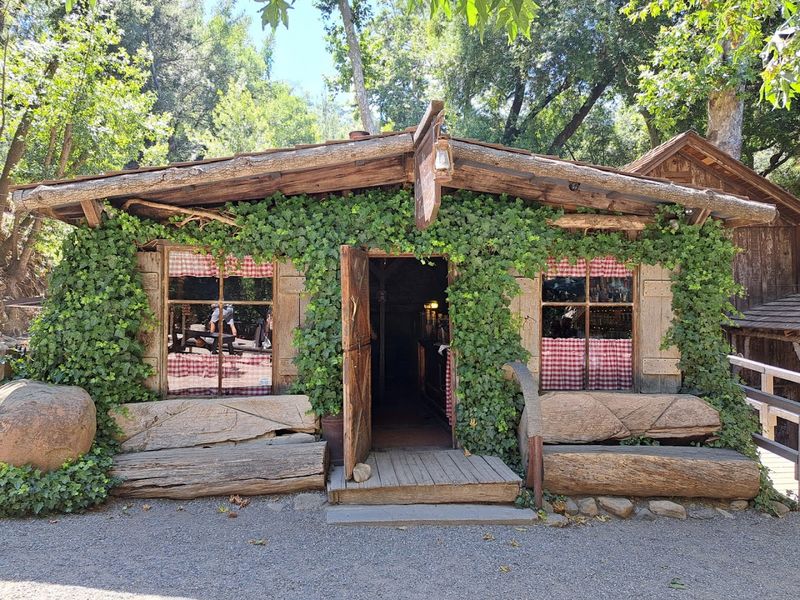
Built in 1873, the old Ojai Jail spent decades serving its original purpose before being relocated to the Cold Spring Tavern property in 1959. It now sits on the grounds as one of the more unexpected features a restaurant visitor could come across.
The structure is small and solid, exactly what a frontier jail would be. Standing next to it brings a specific kind of historical weight.
This building held people. It was part of real life in 19th-century California before it found a quieter role here in the canyon.
Relocating a historic structure rather than letting it be demolished is a preservation decision that reflects the overall philosophy of the property. The tavern grounds function as an informal open-air collection of California history, each piece connected to a different chapter of the region’s past.
Visitors who wander the outdoor areas before or after a meal tend to discover things like the old jail that they were not expecting. That element of surprise is part of what makes a visit here feel like more than just lunch.
The Famous Tri-Tip That Draws Crowds On Weekends
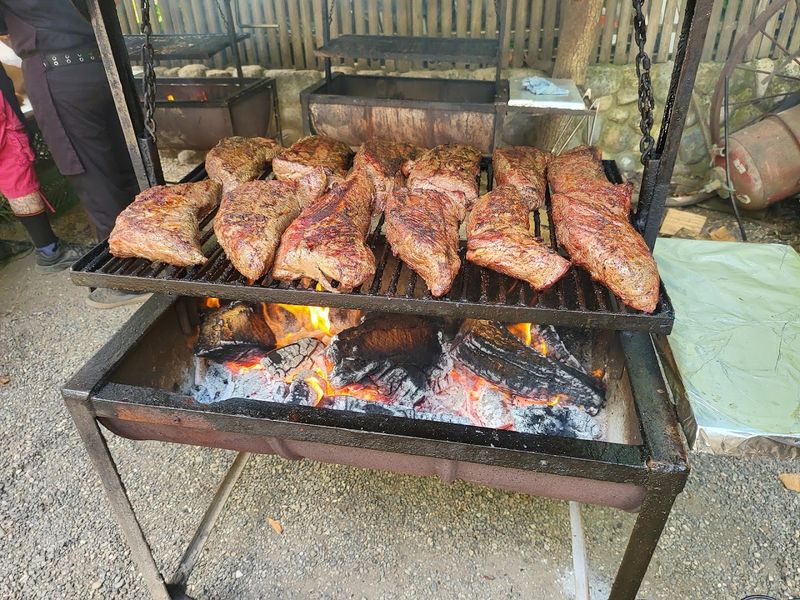
The smell of tri-tip cooking over an open fire outdoors might be the first thing visitors notice when approaching the tavern on a weekend. The barbecue is set up outside where guests can watch the cooking happen in real time.
Tri-tip is a cut deeply associated with Santa Barbara’s food culture, and Cold Spring Tavern has built a significant reputation around its version. The sandwich is the most talked-about item on the menu, and the outdoor cooking setup adds a layer of experience that goes beyond the food itself.
The menu also extends into frontier-inspired territory, with options like venison, lamb, duck, and rabbit appearing alongside more familiar choices. That range reflects the tavern’s personality: rooted in history but genuinely committed to offering something interesting at the table.
Weekends tend to draw larger crowds, and waits are possible. Arriving with patience and an appetite tends to result in a satisfying experience.
The food here is hearty, the portions are generous, and the outdoor setting makes even a simple sandwich feel like an event worth planning around.
Hidden Valley Ranch Got Its Start Right Here
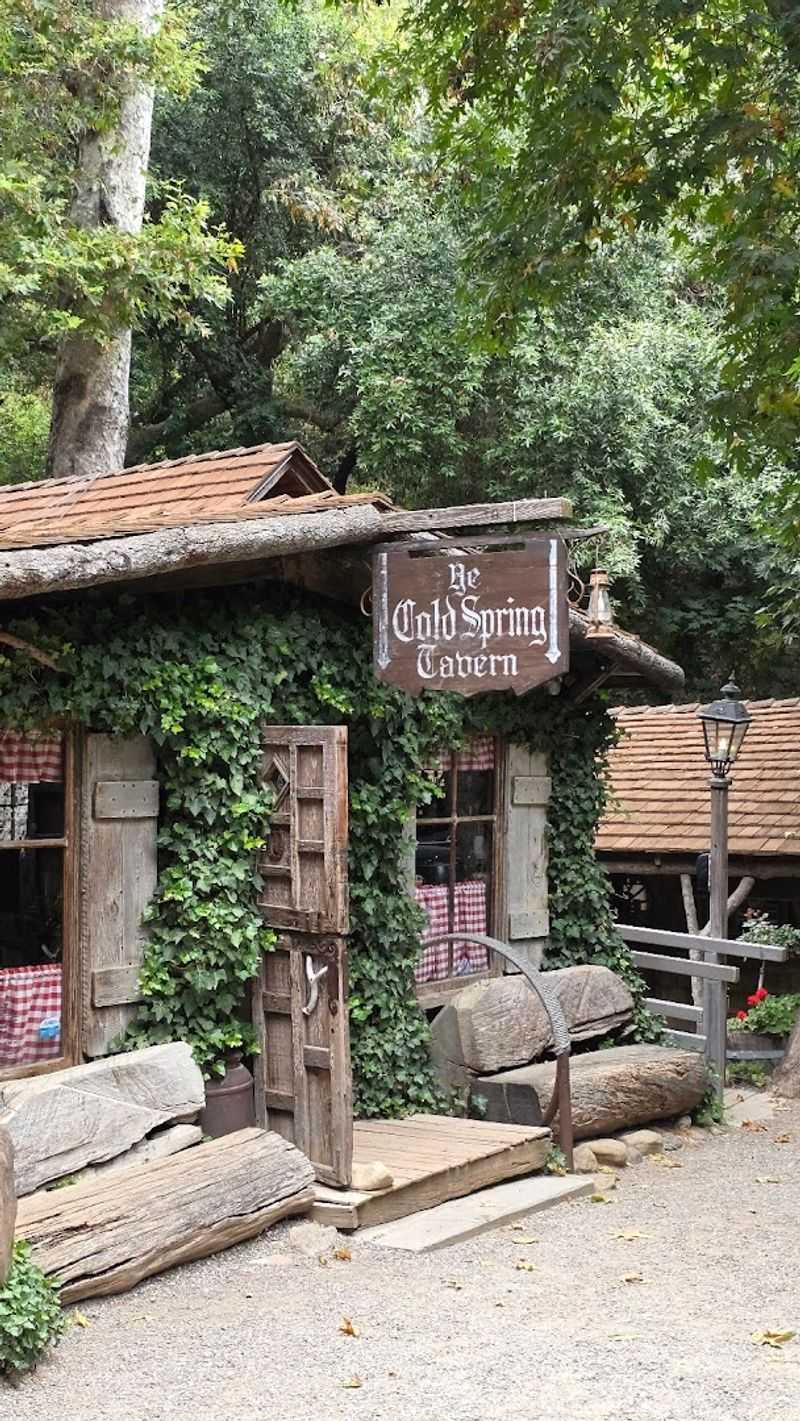
Cold Spring Tavern holds a specific and verifiable place in American food history. It was the first restaurant to serve Steve Henson’s original ranch dressing, which later became known as Hidden Valley Ranch, back in 1956.
That detail tends to catch visitors off guard. A small, historic tavern tucked into a canyon outside Santa Barbara was the original public home of one of the most popular salad dressings in the United States.
The connection is real, documented, and genuinely surprising.
Food history does not always happen in famous kitchens or high-profile restaurants. Sometimes it happens in places exactly like this one, where the focus is on feeding people well rather than chasing recognition.
Cold Spring Tavern was simply doing what it has always done, and history happened around it.
For visitors who enjoy food culture and culinary history, this detail adds another dimension to the experience. The tavern is not just a place to eat.
It is a location where something genuinely significant in American dining quietly began, and that story is still being told.
The Long Room And Its Storied Round Table
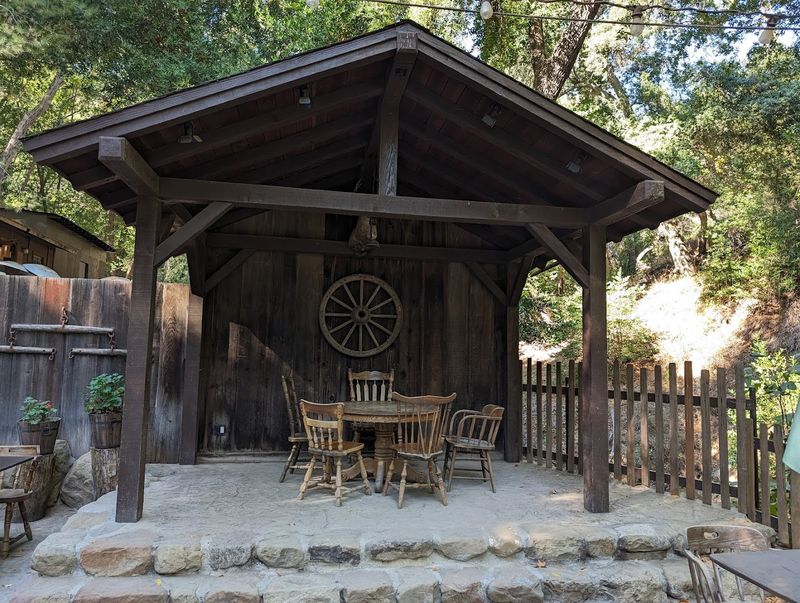
The Long Room is one of the more distinctive spaces inside the tavern. It holds a large round table with a notable backstory: the piece reportedly once belonged to Gene Autry, the famous singing cowboy and entertainer of the early Hollywood era.
Furniture with that kind of provenance does not usually end up in working restaurants. The fact that it sits here, available to guests who simply walk in for a meal, makes the Long Room feel like an accidental museum with better food.
Also in the Long Room is the kitchen queen, an antique piece of furniture that predates the Ovington family’s ownership of the property. It is reportedly the only original item from before the family took over in 1941.
That makes it the oldest object in the tavern by a considerable margin.
The Long Room rewards visitors who take time to look around rather than rushing through. The combination of the round table’s history and the age of the kitchen queen creates a space that feels genuinely layered with time in a way that is rare to encounter.
The Road Gang House And Its Patio With A Past
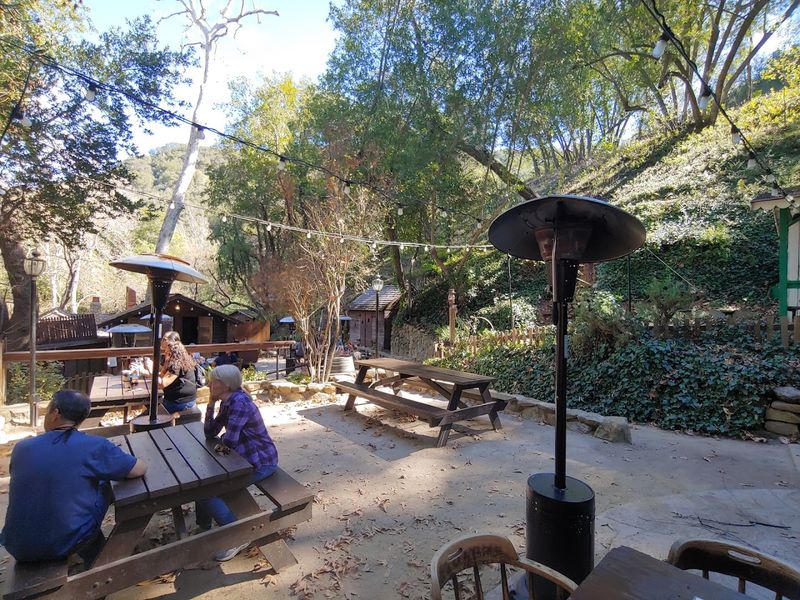
The property includes a structure known as the Road Gang House, and its patio was built by Chinese laborers. That history sits quietly in the background of what is now a pleasant outdoor seating area, but it deserves acknowledgment.
The patio offers a shaded outdoor space that connects naturally to the canyon surroundings. The original Stagecoach Road grade is still visible today, a reminder of how the landscape around the property has shifted across the decades.
Outdoor seating at Cold Spring Tavern comes with the added atmosphere of the canyon itself. The sound of the spring, the shade from the trees, and the cool air that settles into the canyon even on warm days all contribute to a setting that feels genuinely removed from everyday life.
Choosing a table outside means trading indoor warmth for natural surroundings. On mild days, that trade is well worth making.
Bringing a layer for cooler conditions is a practical move, especially in the mornings or on overcast afternoons.
Getting There Is Part Of The Experience
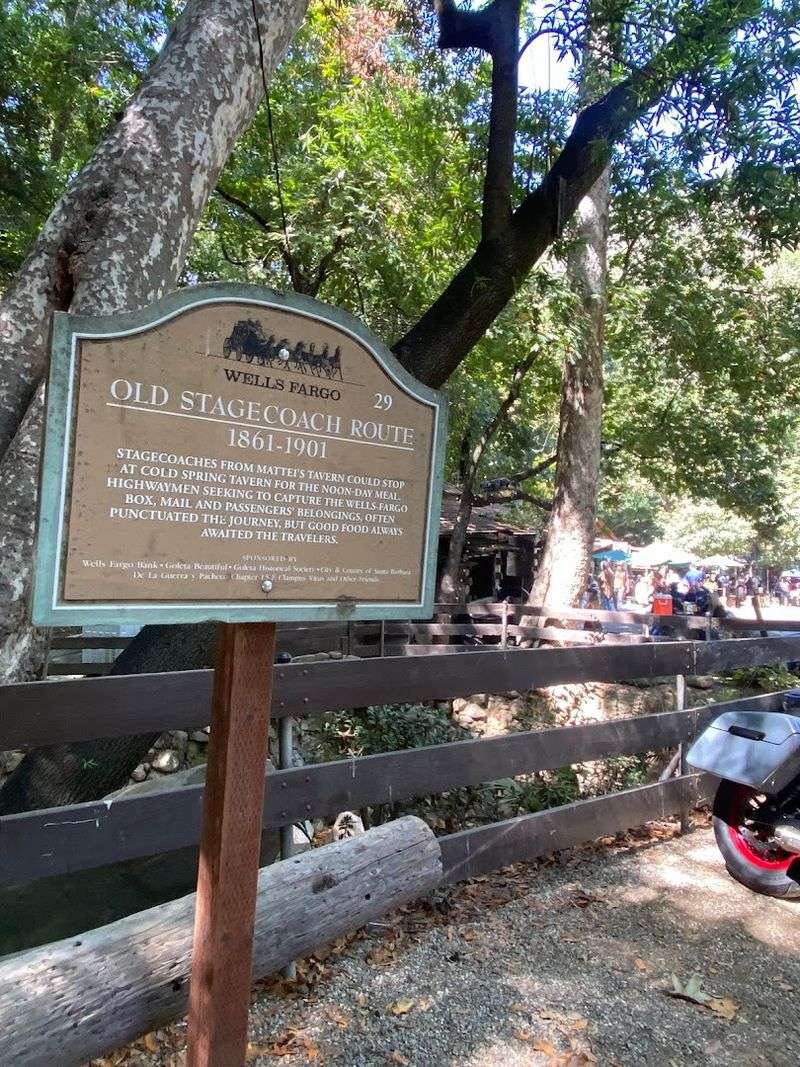
The drive to Cold Spring Tavern is not just a commute. The road climbs through the San Marcos Pass, offering views of Santa Barbara and the ocean before descending into the shaded canyon where the tavern sits.
That approach sets the mood before arrival.
Parking along the road is the norm here. Spaces are limited, and on busy weekends the walk from the car to the tavern can be a few minutes.
Wearing comfortable shoes and arriving with a relaxed attitude makes the logistics easy to manage.
Cell service tends to be limited in the canyon. That limitation turns out to be a feature rather than a drawback for many visitors.
Without the distraction of constant connectivity, the focus naturally shifts to the surroundings, the food, and the company.
Arriving from the south end of Stagecoach Road and leaving heading north is a practical route that many regular visitors recommend for the smoothest navigation through the canyon.