
Discover A California Sea Cave Beach That Feels Like Another World
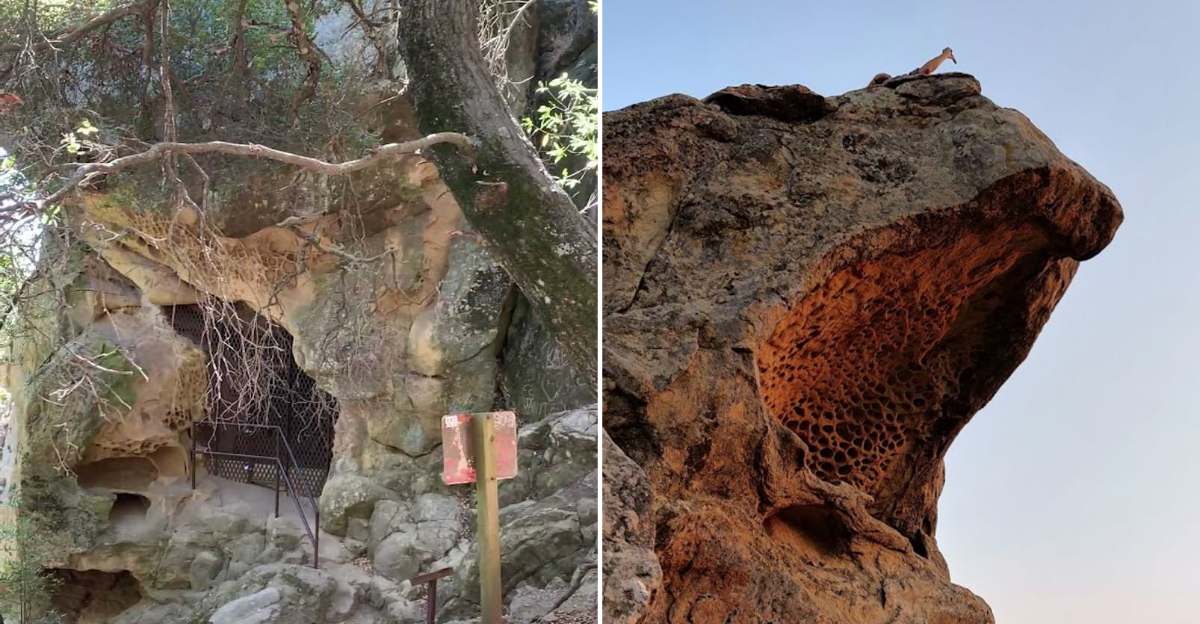
If you are someone who is fascinated by caves, this place offers a rare and unforgettable experience for any explorer.
It is not just about moving through dark, winding spaces carved by time, but about entering something that feels older than memory itself.
Inside, you will also come across ancient markings on the walls. These are quiet traces left behind by people who once moved through the same silence.
Each symbol seems to invite interpretation, and before long you may find yourself building your own theory about what it all means.
It is the kind of place that does not just show you history, it makes you question it.
In California, this cave experience stays with you long after you’ve left, lingering quietly in your mind.
Geological Features Of Sea Caves
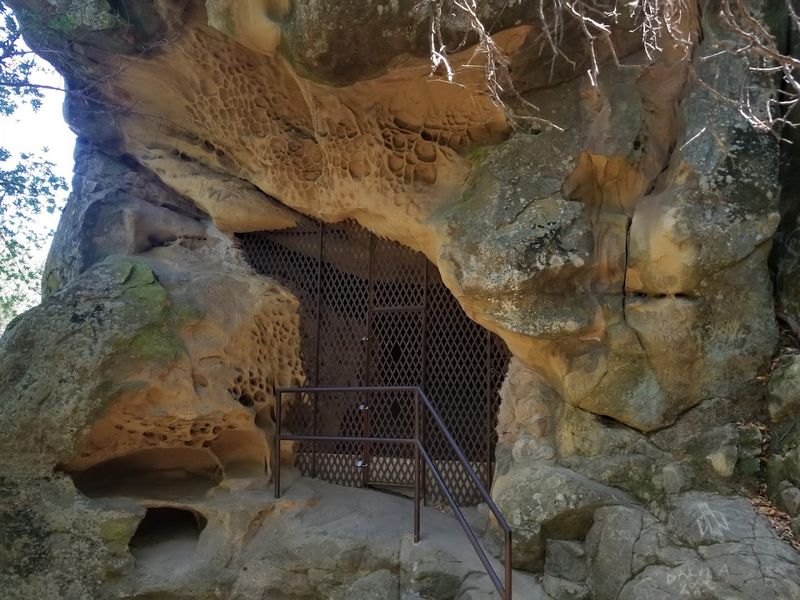
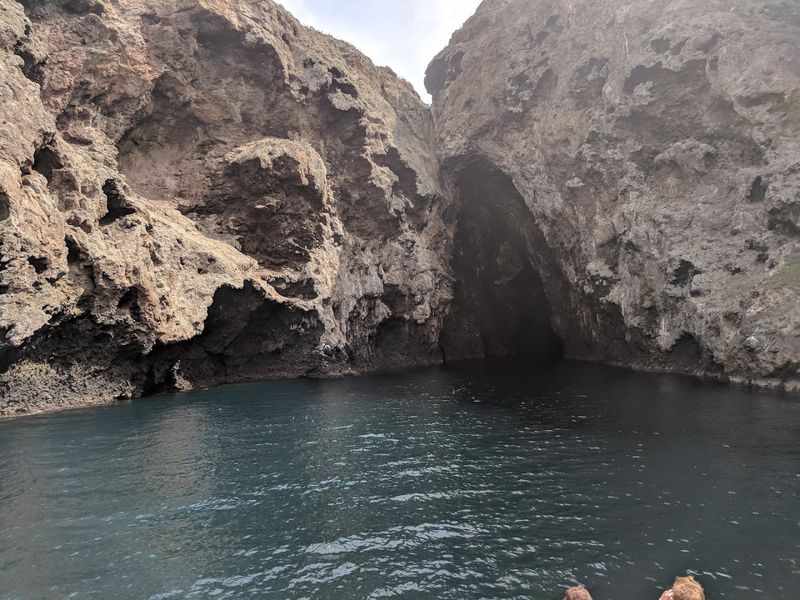
Sea caves are basically nature’s version of a power drill, and the results are incredible. Along the California coastline near Santa Barbara, these caves form when waves relentlessly hammer into rocky cliffs over thousands of years.
The rock slowly weakens and gives way, creating hollow chambers that echo with every crashing wave.
Chumash Painted Cave State Historic Park sits in a region where sandstone and volcanic rock dramatically meet the sea. The cave walls here show distinct layers of sediment, each one representing a different geological era.
Running your eyes across those bands feels like reading a very slow history book.
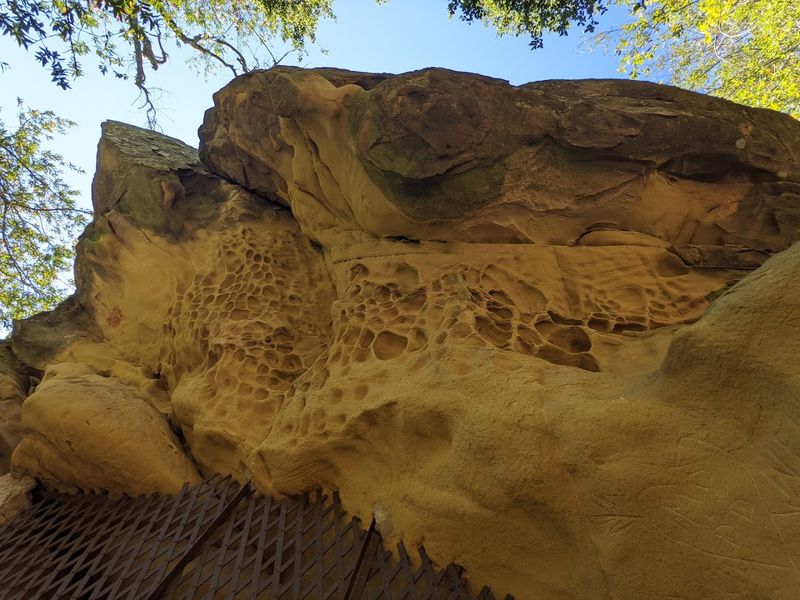
What makes these formations extra fascinating is how the ocean shapes them from the outside while freshwater seeps and erosion work from the inside. The result is a cave system full of arches, alcoves, and jagged textures.
Some walls glitter with embedded minerals when sunlight hits them just right. Geology class never looked this good.
This spot is located at CA-154, Santa Barbara, CA 93105.
Marine Life In Coastal Tide Pools
Tide pools are like tiny aquariums that nobody had to build. The rocky shores near Santa Barbara’s coastal areas host some of the most vibrant collections of marine life you will find anywhere on the West Coast.
Every pool tells its own little story of survival.
Look closely, and you will spot purple sea urchins wedged into crevices, bright orange sea stars gripping slippery rocks.
Hermit crabs drag their borrowed shells across the pool floor. Sea anemones wave their tentacles like they are performing a slow, underwater dance.
It is hard not to crouch down and stare for way longer than planned.
The biodiversity in these pools depends on tidal zones. Lower zones flood frequently and support more delicate species, while upper zones dry out often and host tougher creatures built for harsh conditions.
Ochre sea stars, acorn barnacles, and limpets are common residents here. Touching is strongly discouraged because even a fingerprint can disrupt the protective coating on many animals.
Just observe, appreciate, and maybe take a hundred photos.
The Role Of Waves In Shaping Shores
Waves are the original architects of the California coastline. Every single crash against the shore moves sediment, carves rock, and slowly reshapes the land in ways that take centuries to fully appreciate.
The coastline near Santa Barbara is a living example of this ongoing process.
When a wave hits a cliff face, it compresses air into cracks in the rock. That pressure eventually breaks chunks of stone loose.
Over time, this hydraulic action creates caves, arches, and dramatic sea stacks that look like they belong in a fantasy novel. The energy behind even a medium-sized wave is staggering.
Longshore drift also plays a big role here. Waves rarely hit the shore perfectly straight, so they push sand and pebbles sideways along the beach as they break.
This moves material from one part of the coast to another, constantly shifting the shoreline’s shape. Beaches grow and shrink seasonally because of this.
Winter storms bring bigger, more destructive waves, while calmer summer swells allow beaches to rebuild. Watching this process in real time near Santa Barbara is one of the most underrated nature experiences in California.
Exploring Unique Rock Formations
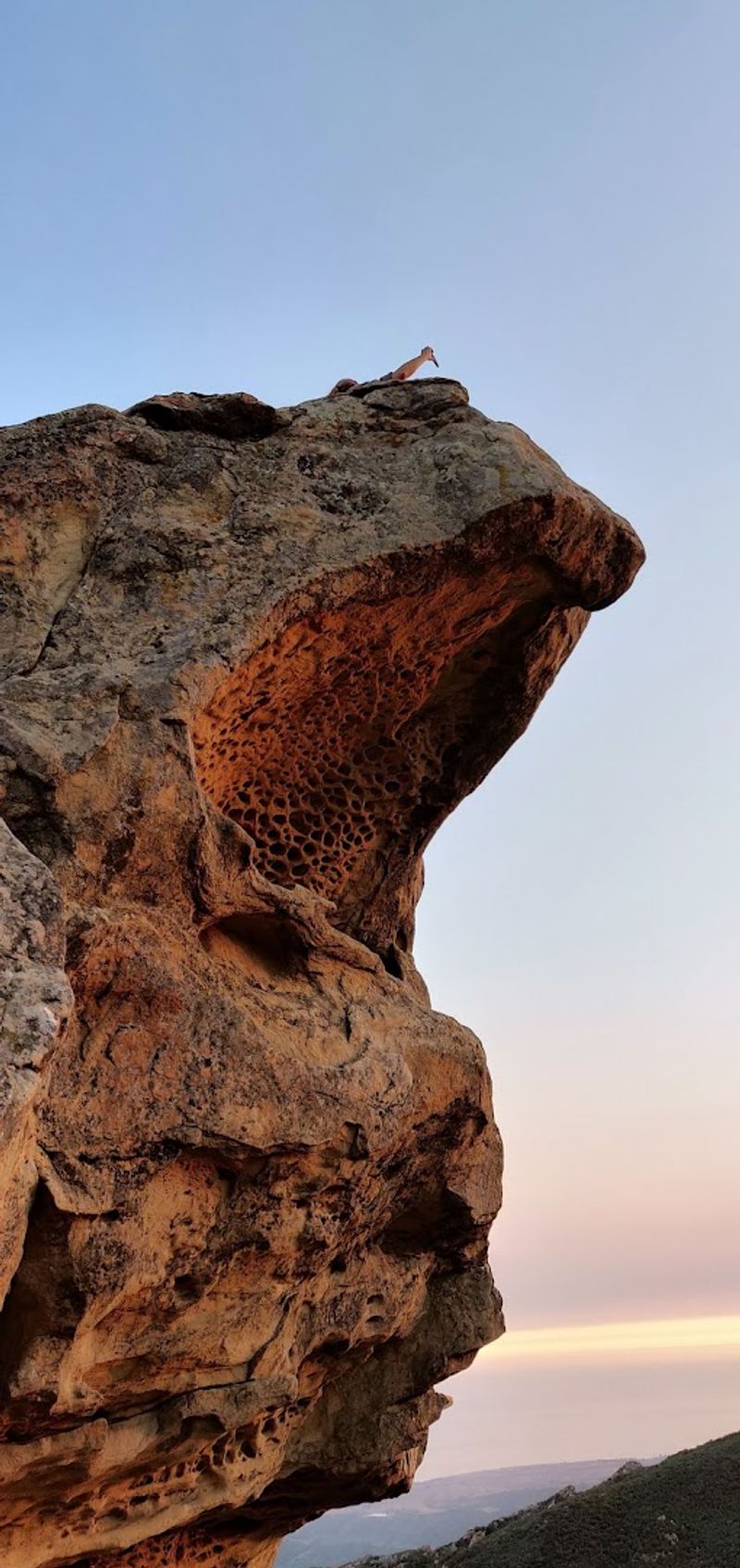
Rock formations along the California coast near Santa Barbara are the kind of thing that makes you pull over the car and forget where you were going.
These structures have been carved by millions of years of tectonic activity, erosion, and relentless wave action. No two formations look exactly alike.
Sea stacks are among the most dramatic. They form when a headland erodes and an arch collapses, leaving a lone pillar of rock standing in the water.
Some stacks near the Santa Barbara region are home to nesting seabirds, giving them a lively, almost crowded feel. Watching pelicans and cormorants perched on a rock spire is a scene straight out of a nature documentary.
Natural arches are another highlight. Water finds weak points in the rock and slowly carves through, creating bridges of stone that frame the ocean behind them.
These arches are temporary on a geological timescale, but they feel permanent and ancient when you stand beneath one. Breccia formations, which are jagged angular rocks cemented together, also appear frequently here.
Each one looks like a puzzle piece from a very complicated and very old jigsaw.
Flora Adaptations Surrounding Beaches
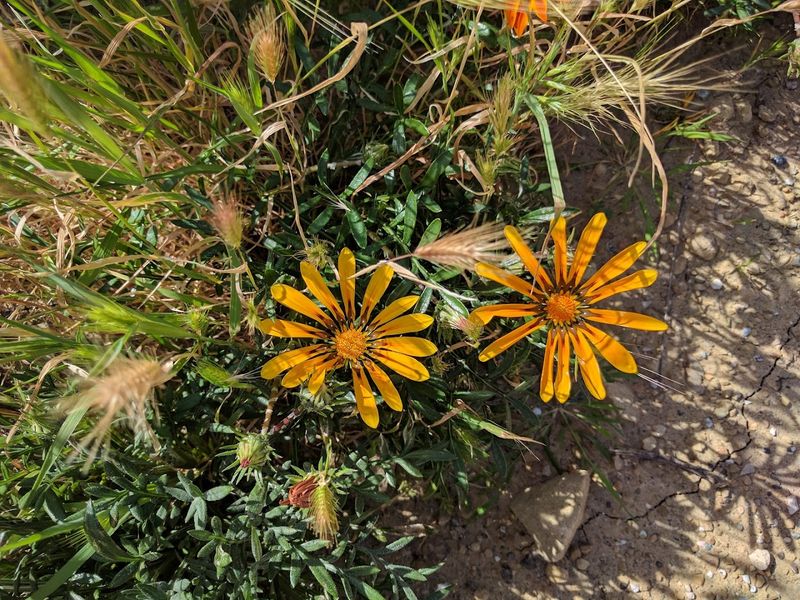
Plants that live near the ocean are basically the tough kids of the botanical world. They deal with salt spray, sandy soil, strong winds, and intense sun every single day.
The flora surrounding the beaches and cave areas near Santa Barbara has developed some seriously clever survival strategies.
Sea lavender anchors itself in rocky crevices and produces tiny purple flowers that add color to an otherwise rugged landscape. Iceplant, with its thick, water-storing leaves, sprawls across sandy cliffs and blooms in vivid magenta.
These succulents store freshwater in their tissue, which is a smart trick when you live right next to salt water.
Native bunch grasses hold dunes together with deep root systems that prevent erosion. Coastal sage scrub covers the hillsides near CA-154 and releases a distinct herbal scent after rain.
This plant community provides habitat for lizards, insects, and small birds. Some plants here have developed waxy coatings on their leaves to reduce moisture loss in the dry coastal winds.
Others grow low to the ground to avoid the brunt of salt-laden gusts. Every adaptation is a small engineering masterpiece worth noticing.
Safety Tips For Visiting Coastal Caves
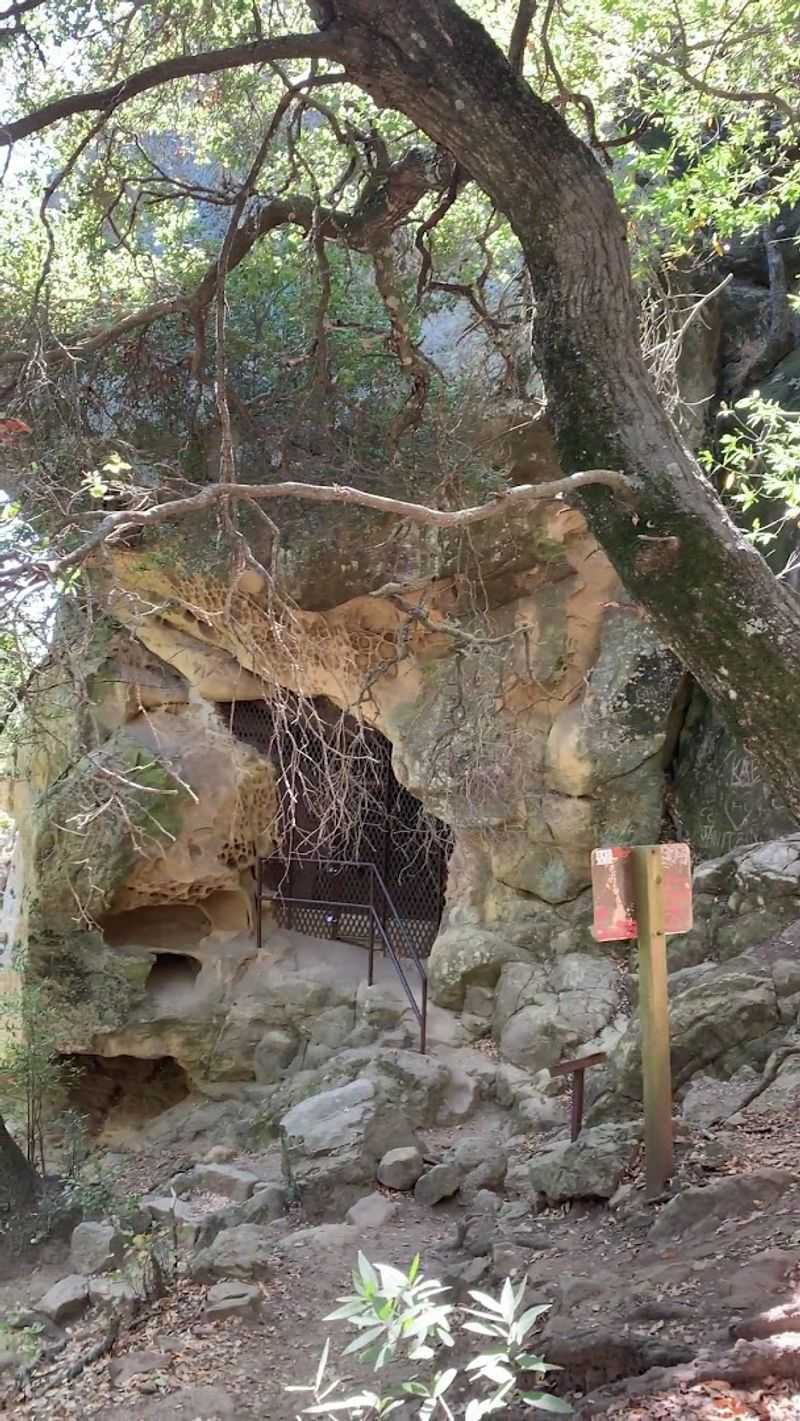
Sea caves are thrilling, but they demand respect. The ocean does not care about your schedule, and tides move faster than most people expect.
Before visiting any coastal cave near Santa Barbara, checking the tide chart for that specific day is non-negotiable. Low tide gives you the best window to explore safely.
Wearing sturdy, non-slip footwear is essential. Wet rocks covered in algae are incredibly slippery, and a fall inside a cave can turn a fun trip into a very bad day very quickly.
Avoid wearing flip-flops or smooth-soled shoes anywhere near cave entrances. Water shoes or hiking boots with grip are the smart choice here.
Never turn your back on the ocean. Sneaker waves, which are unexpectedly large waves that surge further up shore than normal, are a real danger along the California coast.
Keep an eye on the water at all times. Bring a waterproof flashlight because cave interiors get dark fast, and cell phone lights are rarely bright enough.
Tell someone where you are going before you head out. Visiting with a buddy is always smarter than exploring alone, especially in areas with changing tides.
Photography Ideas For Ocean Landscapes
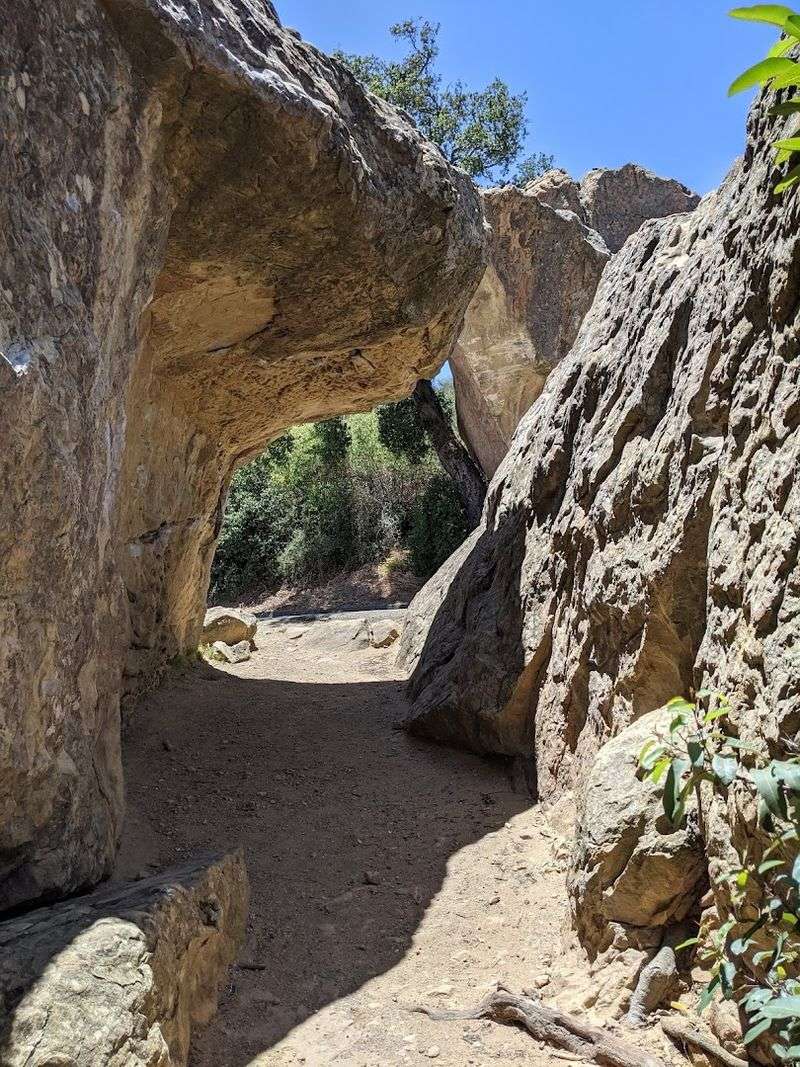
The coastline near Santa Barbara is a photographer’s dream, and you do not need expensive gear to capture stunning shots. A smartphone with a decent camera and a little patience can produce images that look professionally done.
The key is knowing when and where to position yourself.
Golden hour, which happens just after sunrise and just before sunset, bathes the cliffs and cave mouths in warm amber light. Shadows grow long, textures become dramatic, and the ocean takes on a deep metallic sheen.
Arriving thirty minutes before golden hour gives you time to find your spot and set up without rushing.
For tide pool photography, get low. Lying flat on your stomach and shooting at water level creates a perspective that makes small creatures look enormous and otherworldly.
Use the reflective surface of shallow pools as a natural mirror to capture the sky. Long exposure shots of waves crashing into cave entrances create a silky, blurred water effect that looks spectacular.
A small tripod helps enormously here. Shooting in RAW format gives you more flexibility when editing.
The cave mouths frame the ocean naturally, acting like a built-in compositional tool.
Ideal Times To Visit For Scenic Beauty
Timing your visit to the coastal areas near CA-154 and Santa Barbara makes a huge difference in what you experience. The region has a Mediterranean climate, which means mild temperatures year-round.
However, certain seasons offer noticeably better conditions for exploring beaches and sea caves.
Spring, from March through May, is widely considered the best season. Wildflowers bloom along the coastal bluffs, the hills are green, and crowds are smaller compared to summer.
Temperatures hover in the comfortable mid-60s Fahrenheit range, making hiking and exploring pleasant without the heat of summer. Morning visits during spring often reward you with clear skies and calm seas.
Summer brings warmer temperatures and more visitors, but early morning arrivals before 9 AM still offer a quieter experience. Fall is underrated.
September and October bring some of the clearest skies of the year after summer fog burns off, and the ocean remains warm from months of sun. Winter storms can be dramatic and photogenic, but cave access becomes more dangerous during high surf.
Weekdays are always less crowded than weekends, regardless of the season. Planning around low tide charts and arriving at sunrise gives you the best possible version of this remarkable stretch of California coastline.